
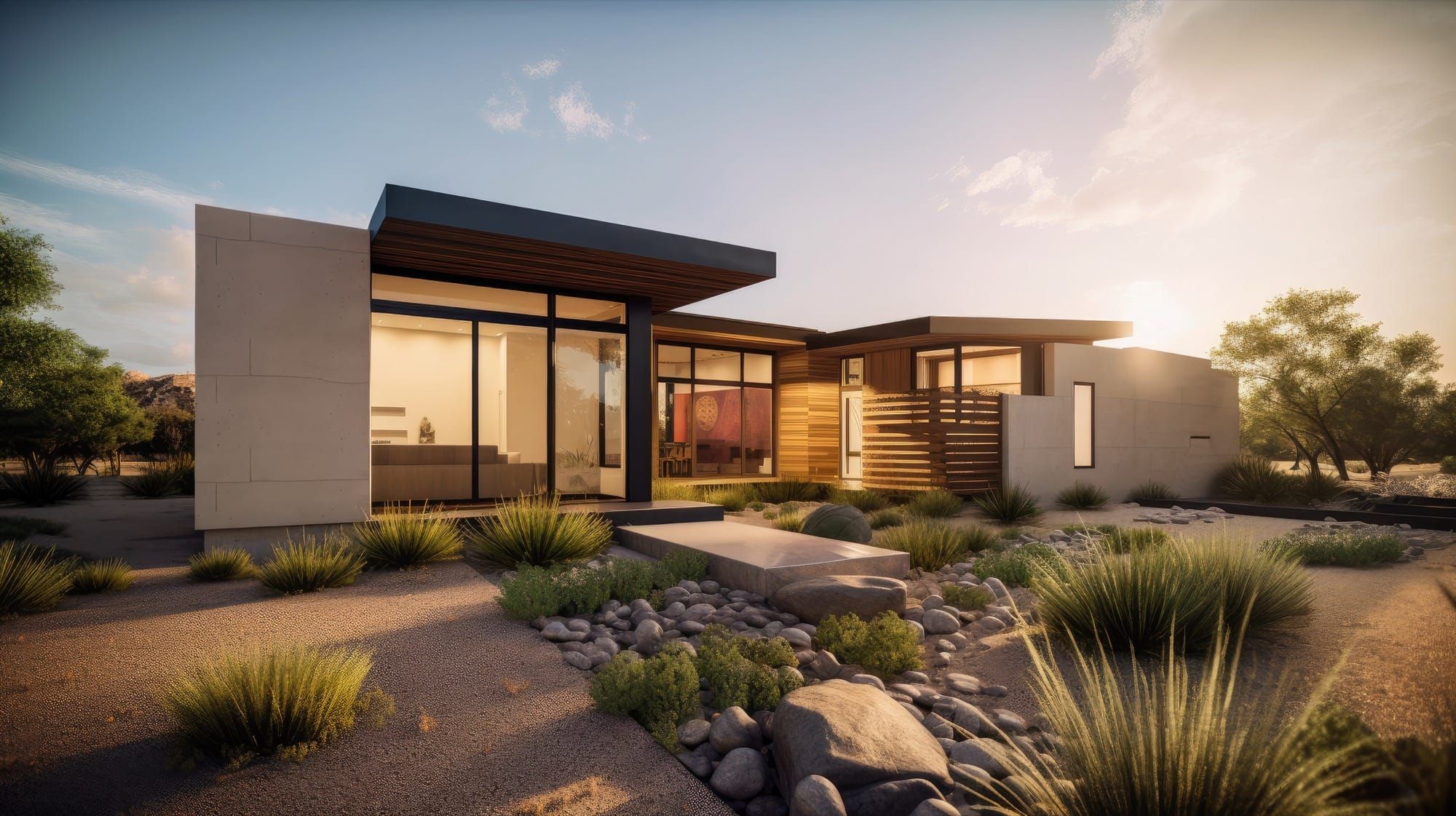
Most articles about the pros and cons of xeriscaping are written by people selling xeriscaping, so the "cons" section reads like a job interviewee calling themselves a perfectionist. We're pro-xeriscape too — the whole site is — but you deserve the real list. Here it is, both sides at full strength.
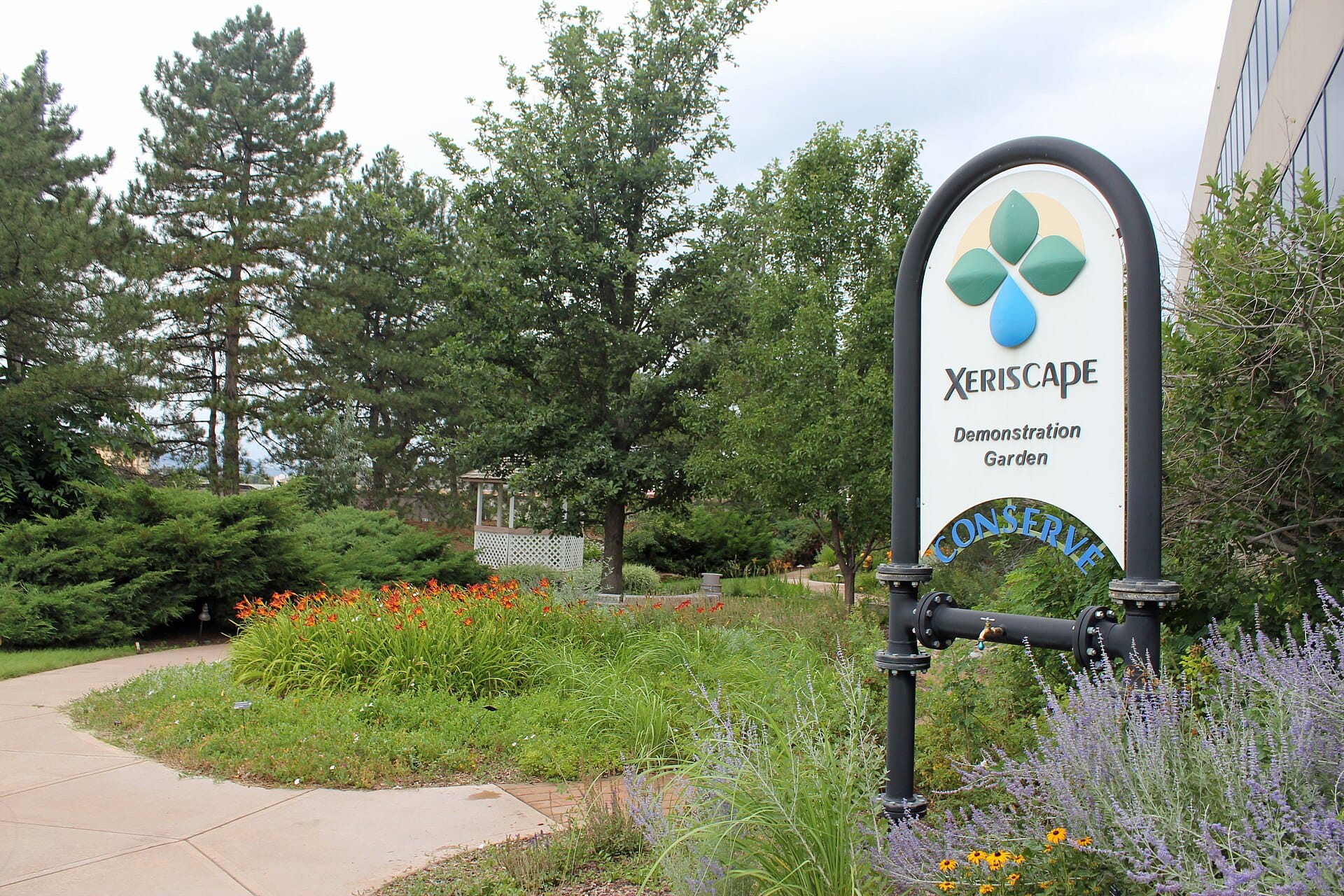
The pros (they're real)
Water savings of 50–75% on the landscape. Outdoor watering is roughly half of residential use in the arid West; climate-adapted plants on drip cut it dramatically. That's the core case for xeriscaping, and it shows up on your utility bill every month.
Genuinely low maintenance — eventually. A mature xeriscape asks for 15–25 hours a year against a lawn's 60–100+. No mowing, no fertilizing, no aeration. (The honest labor rankings.)
Lower cost of ownership. After the install, you're not paying for water, fertilizer, mower fuel, or a lawn service — the lawn-vs-xeriscape math compounds in your favor every year.
Rebates can shrink the price. Many western utilities pay per square foot to remove turf — amounts and rules vary and change, so check what's current before you dig.
It survives restrictions. When Stage 3 watering rules hit, lawns brown and xeriscapes don't notice.
Habitat and curb appeal. A well-designed xeriscape supports pollinators a lawn can't, and looks designed rather than defaulted.
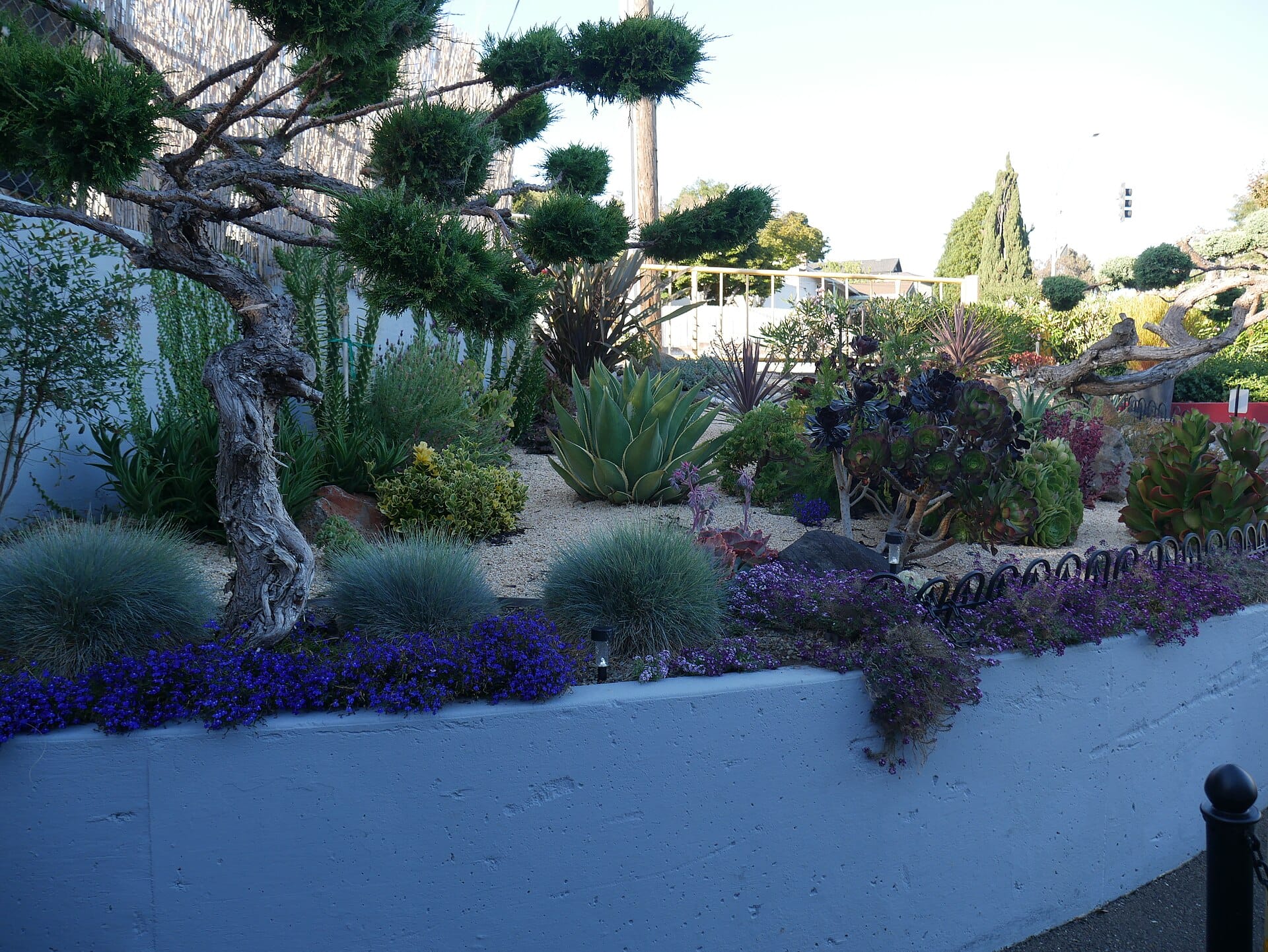
The cons (also real)
Upfront cost is significant. A professional conversion commonly runs into the thousands for an average yard — materials, plants, irrigation, labor. DIY and phasing cut it way down, but it's not free. Real numbers and payback math: what xeriscaping costs.
Year one is work, not savings. New plants need regular establishment watering, and open mulch grows weeds until the canopy closes. Anyone promising instant zero-maintenance is selling something — here's what the first year actually takes.
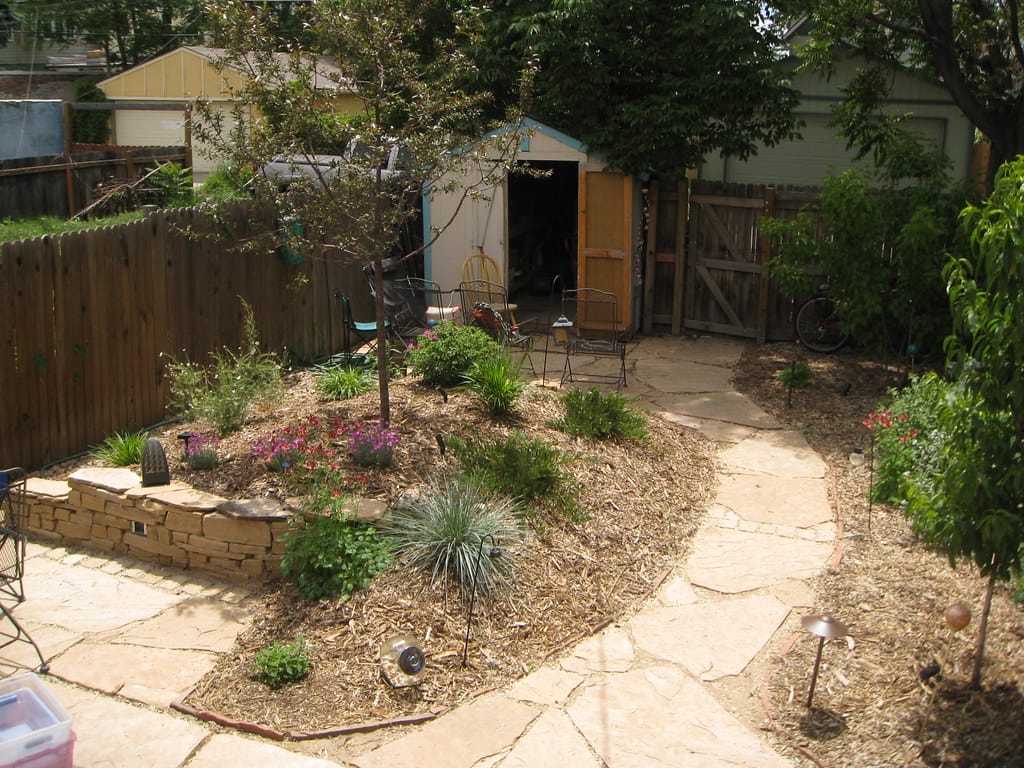
HOA friction is real. Many states now protect drought-tolerant landscaping, but HOAs can still require plan approval, minimum plant coverage, and specific materials. Skipping the paperwork can mean fines or forced rework. Submit a plan first, and lean on the "planned landscape, not gravel lot" distinction.
Rock done wrong makes heat. A yard of unshaded gravel absorbs and re-radiates serious heat — bad for plants, worse for the bedroom window above it. The fix is design, not regret: plant coverage, shade trees, and the right mulch in the right place. This is the single most common xeriscape mistake, and it's why "zeroscapes" give the practice a bad name.
Design skill matters more. A lawn is one decision; a xeriscape is fifty. Badly designed ones look sparse or chaotic. (Following the 7 principles prevents most of it.)
Weeds don't read the brochure. Gravel isn't weed-proof — here's the honest weed story — though dense planting eventually does most of the suppression for you.
You lose the play surface. If kids and dogs use the lawn, they need somewhere to go. Keeping a small buffalograss patch is usually the right compromise, not a failure.
Resale is climate-dependent. In Denver, Tucson, or Austin, a good xeriscape is a selling point. In a rainy market where buyers expect turf, an unfamiliar landscape can read as a project — design quality, not the concept, decides which way it cuts.
The verdict
The cons are front-loaded: money, labor, and paperwork in year one. The pros are permanent: lower bills, fewer chores, drought immunity, and a landscape with life in it. If you'll be in the house three or more years, the trade strongly favors converting — start small with a hell strip or single bed, or go all-in with the 10 Steps and beginner's guide.
Go in with open eyes and a plant plan, and the cons list gets shorter every season. The pros list doesn't.