
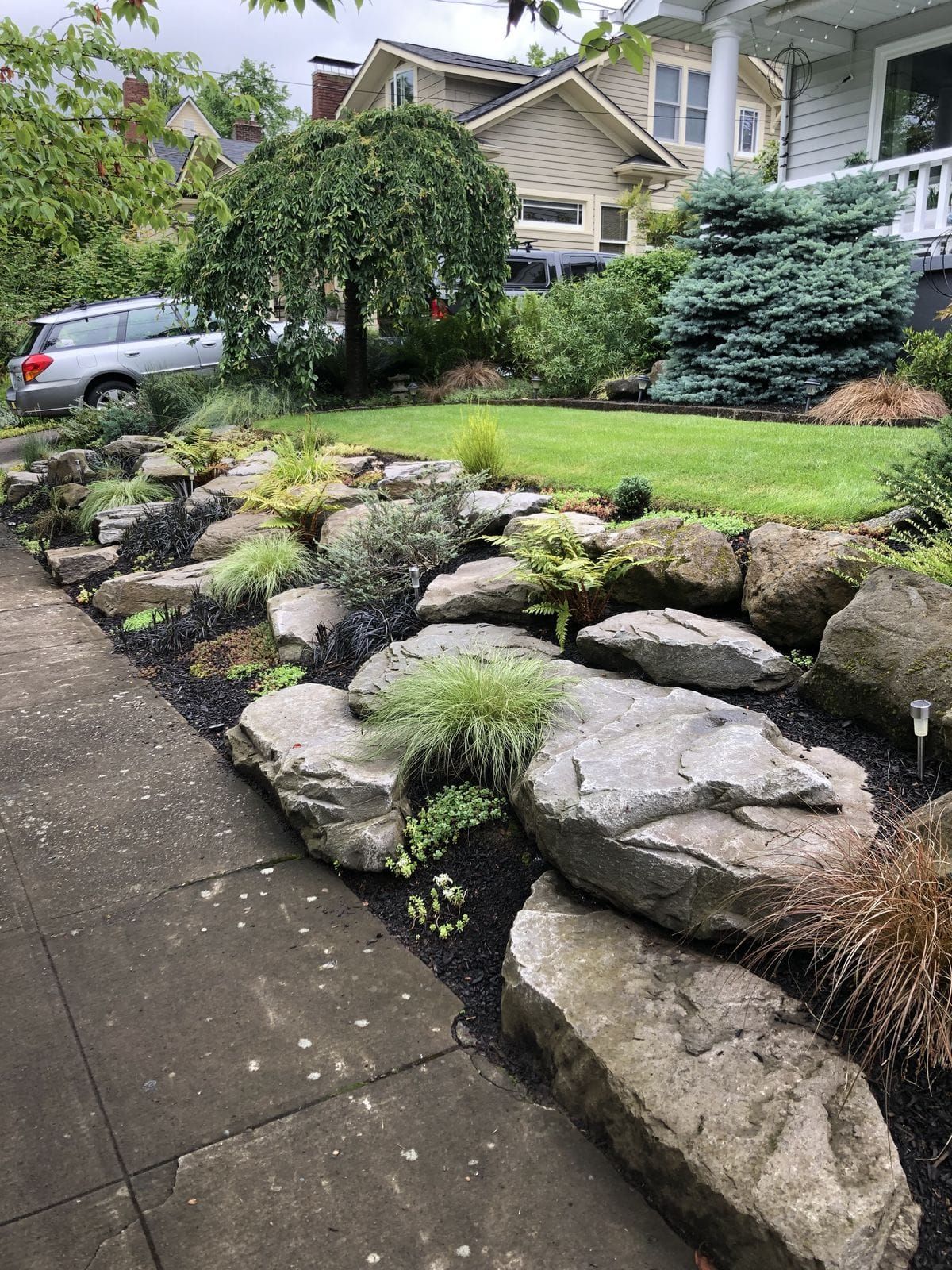
Half the resistance to xeriscaping comes from a simple mix-up: people hear "xeriscape" and picture a yard scraped to gravel with a cactus in the corner. That's not xeriscaping — that's zeroscaping, and the difference matters for how your yard looks, what it does for wildlife, and what it does to your home's value.
The definitions
Xeriscaping (from Greek xeros, "dry") is landscaping designed to thrive on the water your climate naturally provides. It's a design method built on seven principles: planning, soil work, smart plant selection, practical turf, efficient irrigation, mulch, and light maintenance. A good xeriscape is full of plants — grasses, perennials, shrubs, trees — chosen to live on little supplemental water.
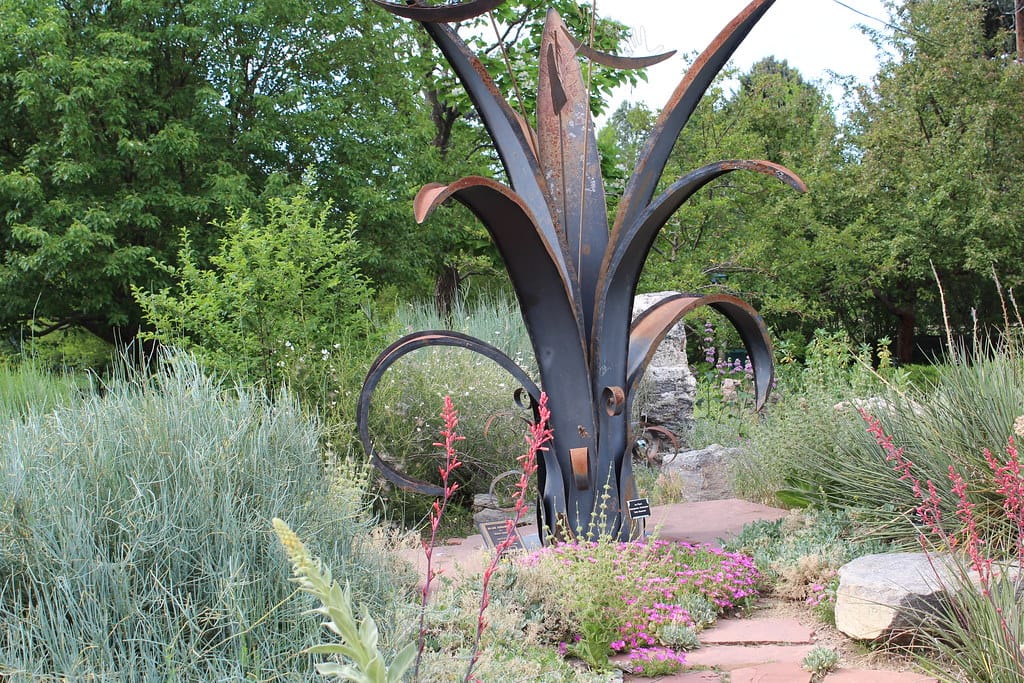
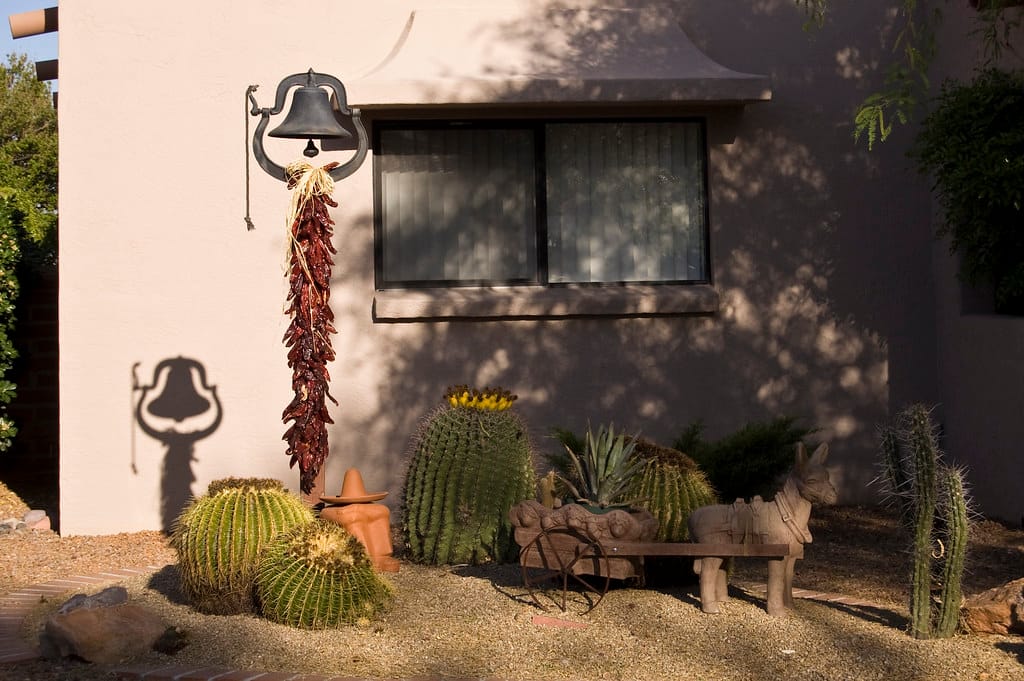
Zeroscaping is essentially the absence of landscaping: rock, gravel, maybe a yucca or two, and as close to zero maintenance and zero water as possible. It's what happens when the goal is eliminating the landscape rather than designing one.
Side by side
| Xeriscaping | Zeroscaping | |
|---|---|---|
| Plants | Abundant, climate-adapted | Minimal to none |
| Look | Lush, textured, seasonal color | Flat, static, hardscape-dominant |
| Water | Low (50–75% less than lawn) | Near zero |
| Wildlife | Pollinators, birds, habitat | Very little |
| Summer heat | Plants cool the site | Rock radiates heat at your house |
| Home value | Generally helps curb appeal | Can hurt it |
| Maintenance | Low, not zero | Low — but weeds love gravel too |
The heat problem nobody mentions
A yard of bare rock is a heat sink. Gravel and stone absorb sun all day and radiate it into the evening, raising temperatures around your home — the opposite of what plants do, which is cool the air through shade and transpiration. In hot regions, heavy zeroscaping can genuinely raise summer cooling costs.
And the "zero maintenance" promise underdelivers: weed seeds germinate happily in gravel dust, and there are no plants to outcompete them. (We cover the fix in how to stop weeds in gravel.)
When minimal rock is the right call
Zeroscape-style treatment has legitimate uses inside a xeriscape: gravel paths, a decomposed granite patio, a dry creek bed for drainage, rock mulch in the driest accent zones. The key is that these are elements of a designed, planted landscape — not the whole yard.
The bottom line
If you want low water and low maintenance, you don't have to choose a barren yard. A real xeriscape gives you the savings and a landscape that's alive. Start with Why Xeriscaping?, then follow the 10 Steps to design one properly.