
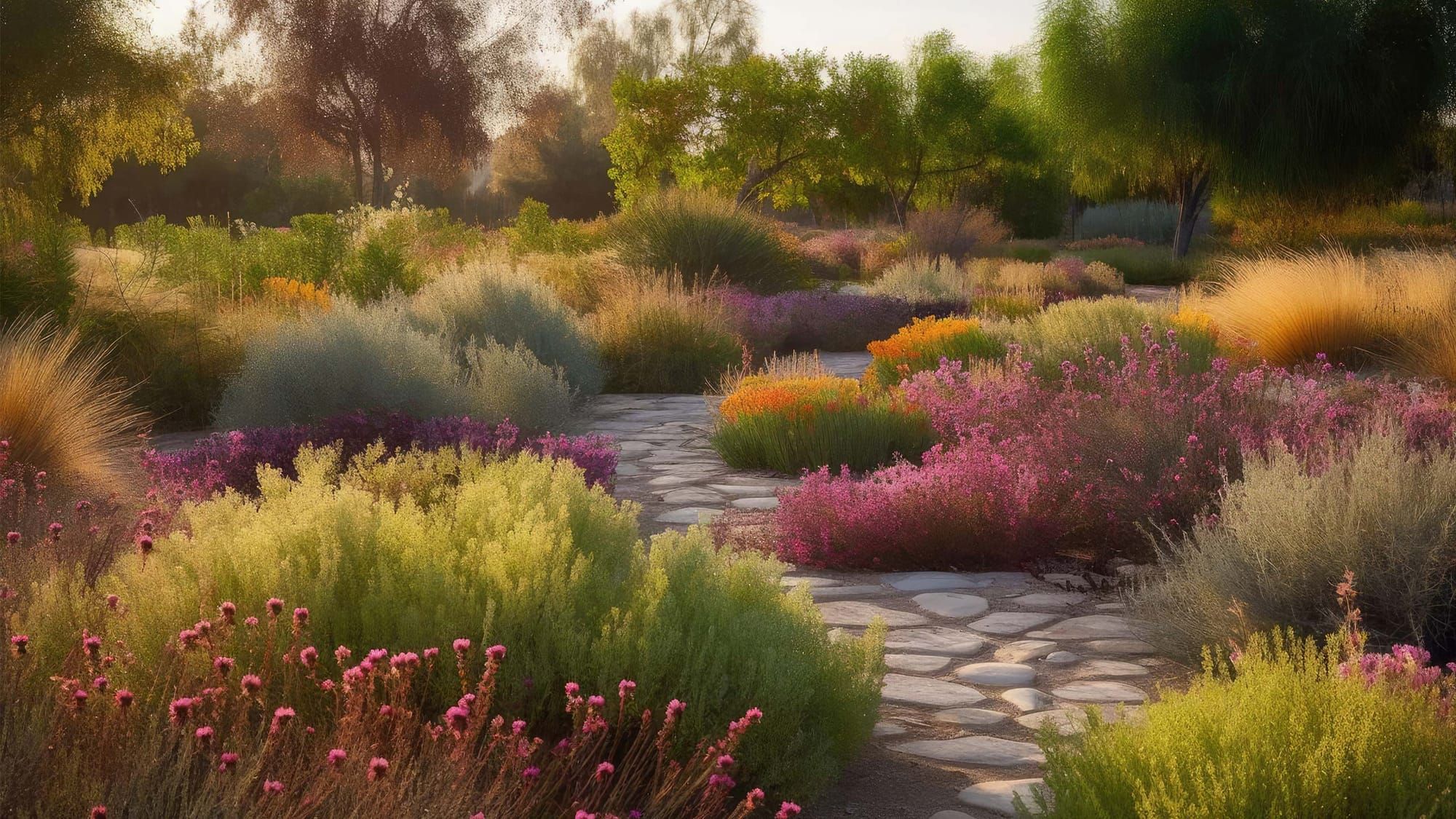
If you picture "xeriscaping" as a yard full of gravel and a lone cactus, you're not alone — and you're about to be pleasantly surprised. Xeriscaping is simply landscaping designed to thrive on the water your climate naturally provides. Done well, it's lush, colorful, and full of life. Done well, it also cuts your water bill, your weekend chores, and your reliance on the sprinkler that runs whether it rained or not.
What the word actually means
"Xeriscape" comes from the Greek xeros (dry) plus landscape. The term was coined in 1981 by Denver Water during a Colorado drought, as a way to promote water-efficient landscaping that still looked great. Four decades later it's a national movement — because the math works everywhere, not just in the desert.
The key idea: right plant, right place. Instead of forcing a thirsty, imported lawn to survive somewhere it was never meant to grow, you design with plants and materials suited to your local rainfall, soil, and sun.
The case for it
1. Water savings that show up on the bill. Outdoor watering is the single largest use of household water in much of the country — often half or more in summer. A well-designed xeriscape can cut outdoor water use by 50–75%. In regions with tiered water rates or drought restrictions, that's real money and real resilience when limits hit.
2. Less maintenance, more weekends. No more weekly mowing of turf you barely use. Native and adapted plants, once established, largely take care of themselves — less fertilizer, less pruning, fewer chemicals, no constant reseeding of a struggling lawn.
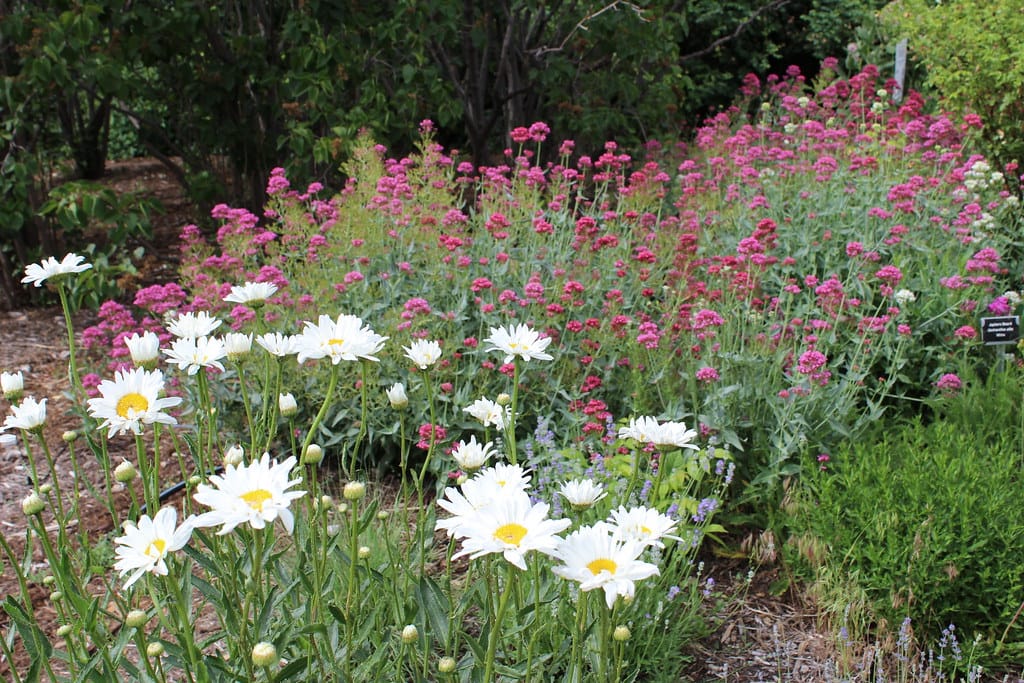
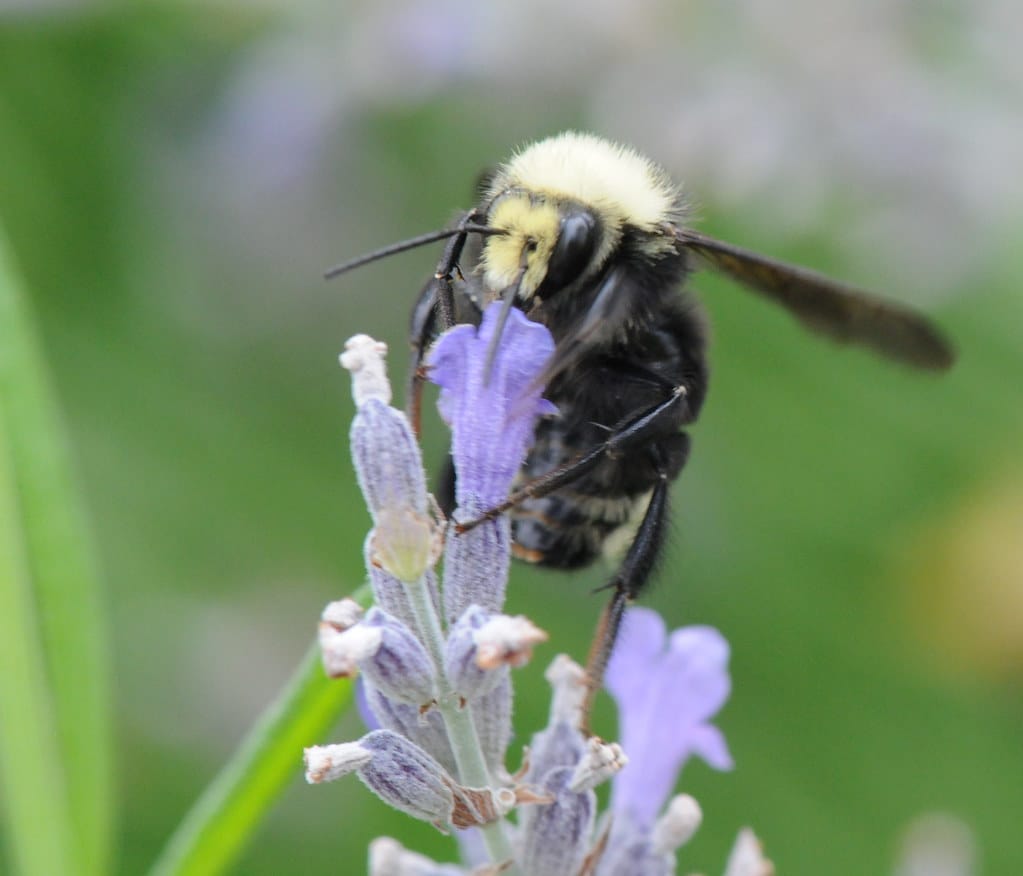
3. It's beautiful — and alive. This is the part people don't expect. Xeriscapes brim with texture and color: silver sages, blue grasses, purple salvia, golden yarrow, flowering groundcovers. And because you're planting things that belong, you attract the pollinators and birds that belong with them. Your yard becomes habitat, not just decoration.
4. It's tough when the weather isn't. Drought years, watering bans, brutal heat — a xeriscape is built for exactly those conditions. While thirsty lawns brown out and die, a climate-appropriate landscape shrugs it off.
What xeriscaping is not
- Not "zero-scaping." That gravel-and-nothing look gives xeriscaping a bad name. A true xeriscape is planted and green — it just drinks less.
- Not maintenance-free. It's low maintenance, especially after establishment. The first year still needs care while roots take hold.
- Not only for the desert. The principles apply anywhere — the plant list just changes to match your local climate and hardiness zone.
Where to start
You don't have to rip out your whole yard this weekend. Most people start with the thirstiest, least-used corner — a strip of struggling lawn, a hot south-facing bed — and expand from there.
Ready to plan yours? Start with our beginner's guide, then follow the 10 steps to a xeriscape to design it right.
Want low-water landscaping tips in your inbox? Subscribe below.