
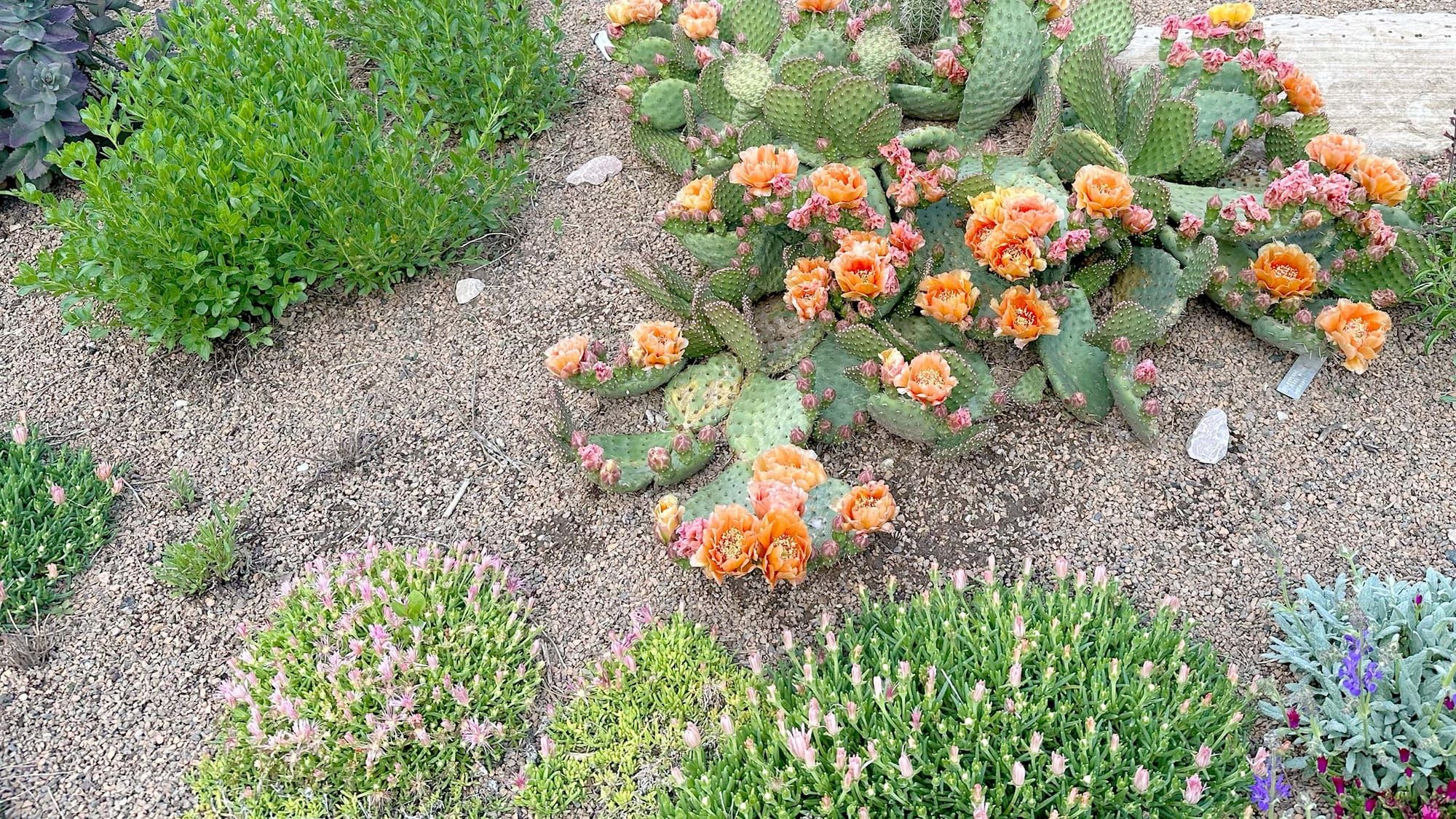
Xeriscaping is the practice of designing a landscape to thrive on minimal supplemental water by working with your local climate instead of against it. If you've ever wondered why your lawn needs constant watering just to stay alive, xeriscaping is the answer to a better question: what if the yard were built for where you actually live?
This guide walks you through the core ideas so you can plan with confidence.
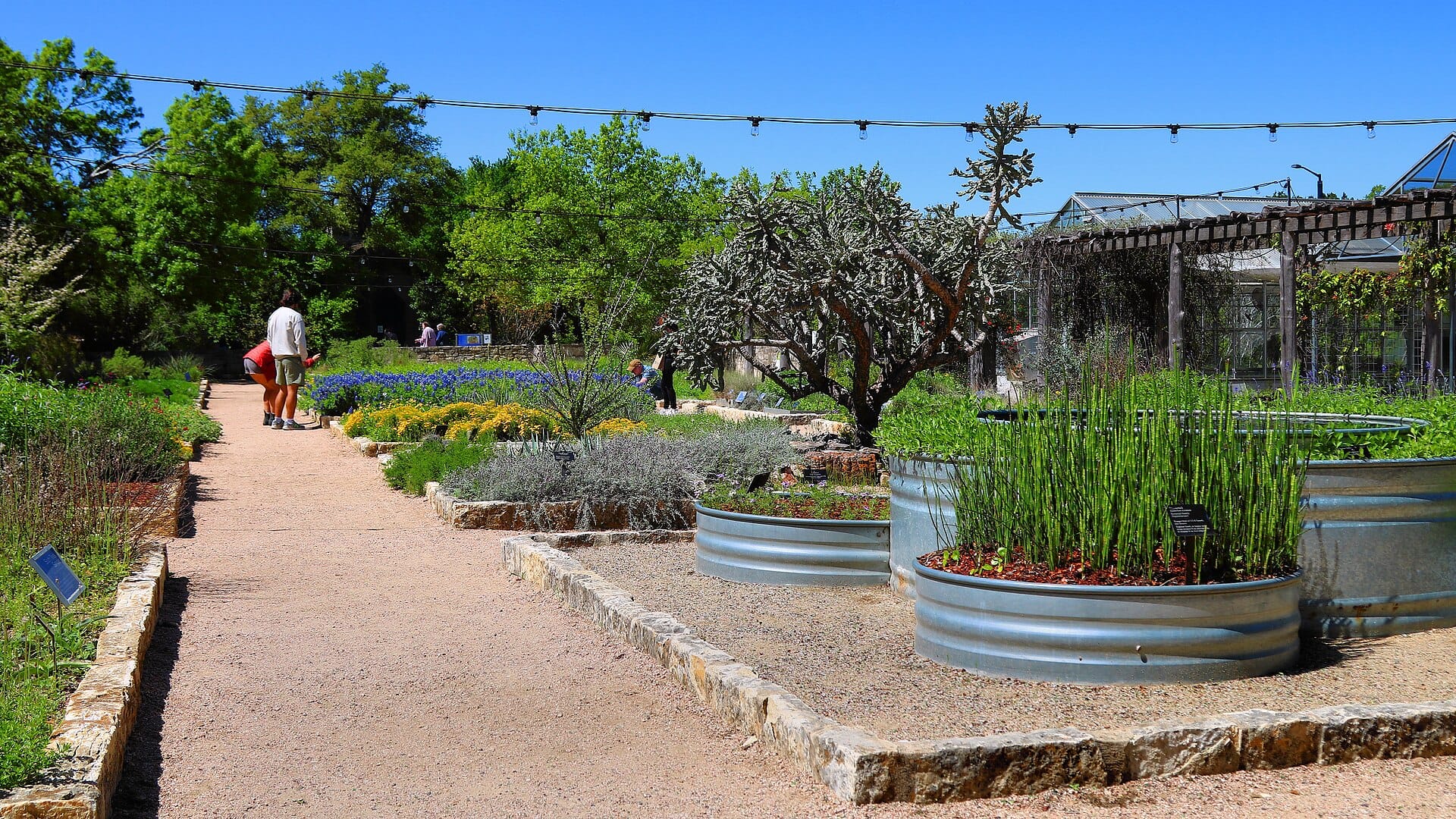
The seven principles (the foundation of every xeriscape)
Denver Water, which coined the term in 1981, built xeriscaping on seven simple principles. Almost every good low-water landscape follows them:
- Plan and design first. Map sun, shade, slope, and how you actually use the space.
- Improve the soil. Healthy soil holds water and feeds roots — amend with compost.
- Choose the right plants. Native and climate-adapted species that match your zone.
- Keep turf practical. Use lawn only where you'll walk or play — not as wall-to-wall carpet.
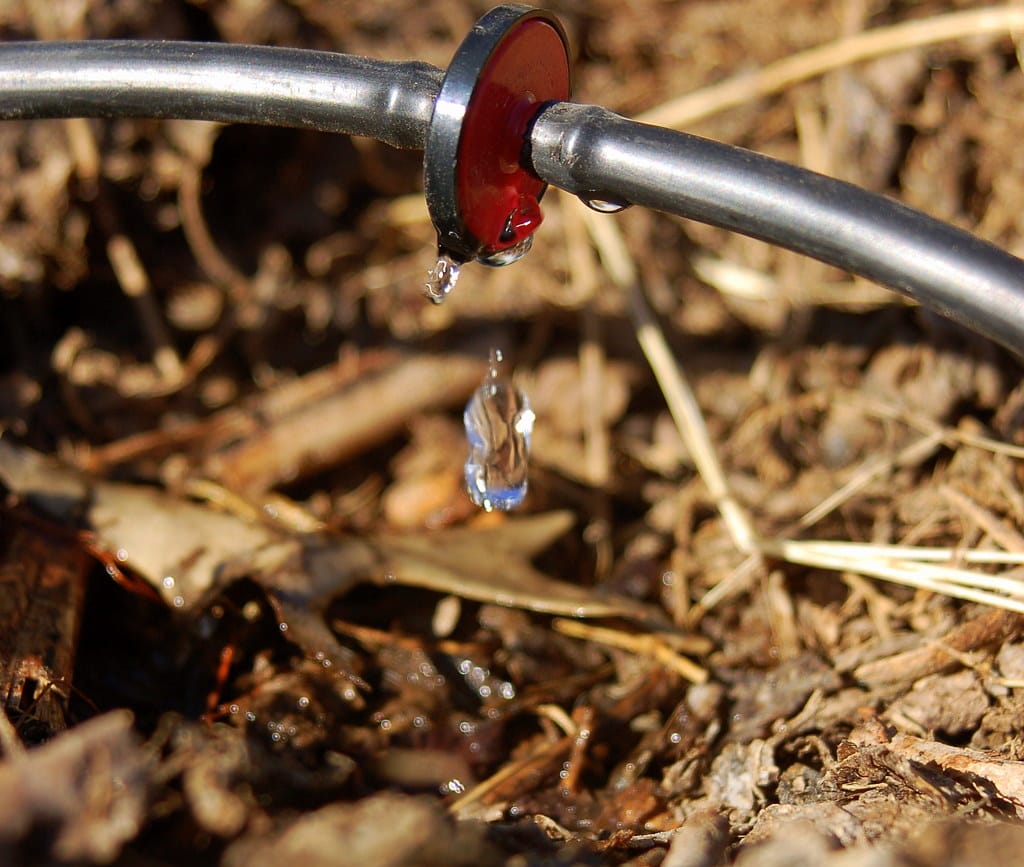
- Water efficiently. Drip irrigation and smart scheduling put water at the roots, not the air.
- Mulch generously. A few inches of mulch locks in moisture and blocks weeds.
- Maintain appropriately. Less work than a lawn, but not none — especially year one.
We expand these into a practical sequence in our 10 Steps to Xeriscaping.
How xeriscaping actually saves water
Three things do the heavy lifting:
- Plant choice. A native grass or shrub adapted to your rainfall simply needs less.
- Delivery. Drip and soaker systems lose almost nothing to evaporation or runoff, unlike spray heads hitting a sidewalk.
- Soil + mulch. Amended soil and mulch act like a sponge and a lid — water goes in and stays in.
Stack those together and 50–75% outdoor water reductions are realistic, not marketing.
Know your zone before you buy a single plant
The most common beginner mistake is buying plants that can't survive your winters — or your summers. The USDA Plant Hardiness Zone system tells you which plants will reliably overwinter where you live. Learn your zone first; it makes every plant decision easier and cheaper.
A simple first project
Don't renovate the whole yard at once. Try this:
- Pick one thirsty, low-use area — a hot hell strip, a patchy lawn corner.
- Sketch it. Note sun and where water pools or runs off.
- Amend the soil with 2–3 inches of compost worked in.
- Choose 3–5 adapted plants in varied heights and bloom times, plus a groundcover.
- Group by water need so you're not overwatering the tough ones to save the tender ones.
- Install drip and set it on a timer.
- Mulch 2–3 inches around (not against) the plants.
- Water deeply while establishing — then taper off as roots go deep.
That's a weekend project that pays you back every summer after.
Common beginner questions
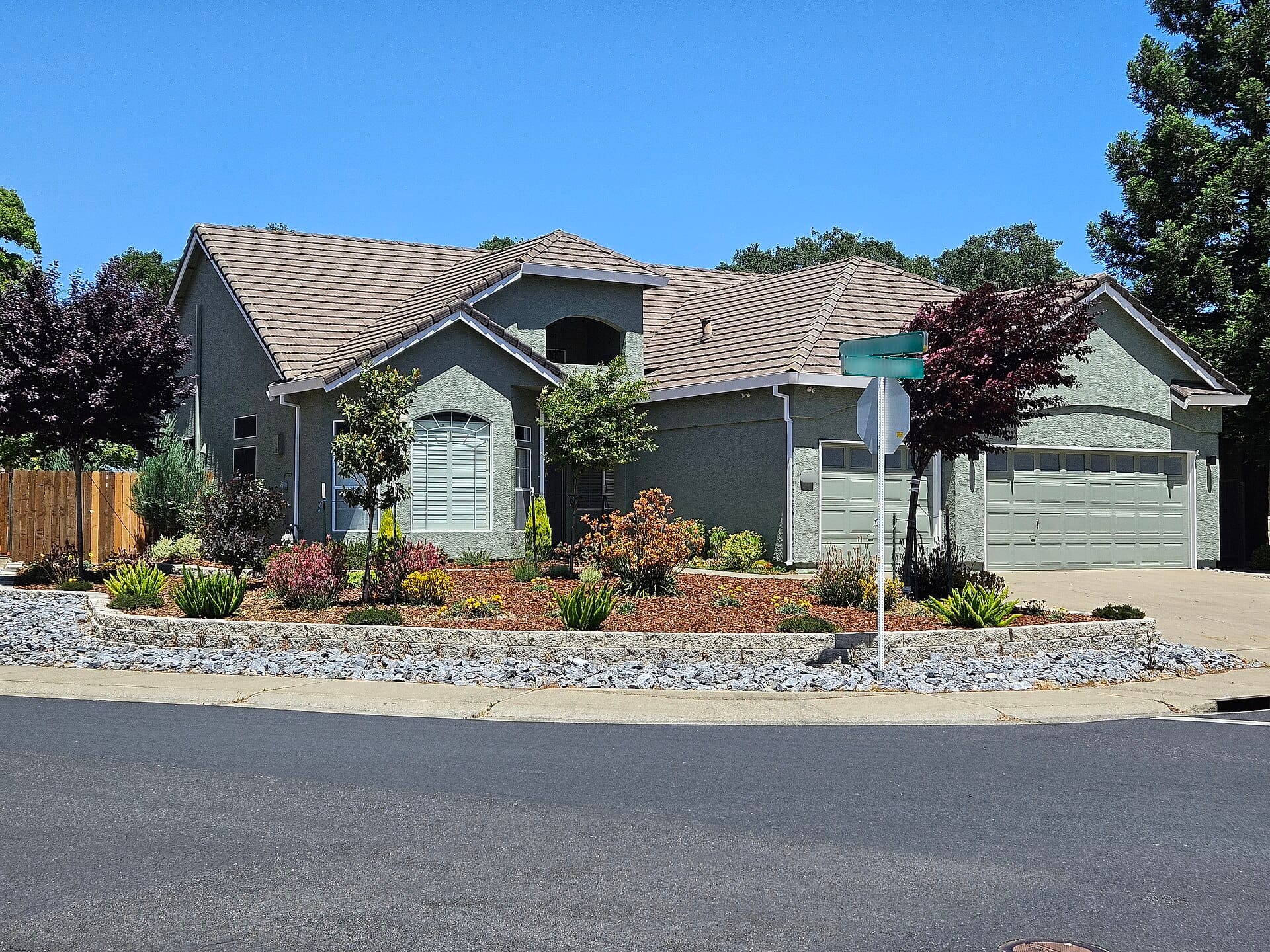
Will it look barren? Only if you skip the plants. A real xeriscape is full and colorful.
Is it expensive? There's upfront cost (soil, plants, drip), but many water utilities — especially in the West — offer rebates for lawn removal. And you save every month after.
Can I keep some lawn? Absolutely. Keep a practical patch for kids or pets; xeriscape the rest.
Next steps
- See the 10 Steps to Xeriscaping for the full how-to.
- Not sure it's worth it? Read Why Xeriscaping?.
- Need ideas? Browse Xeriscaping Ideas & Inspiration.
Subscribe below for plant picks, seasonal tips, and project walkthroughs.