
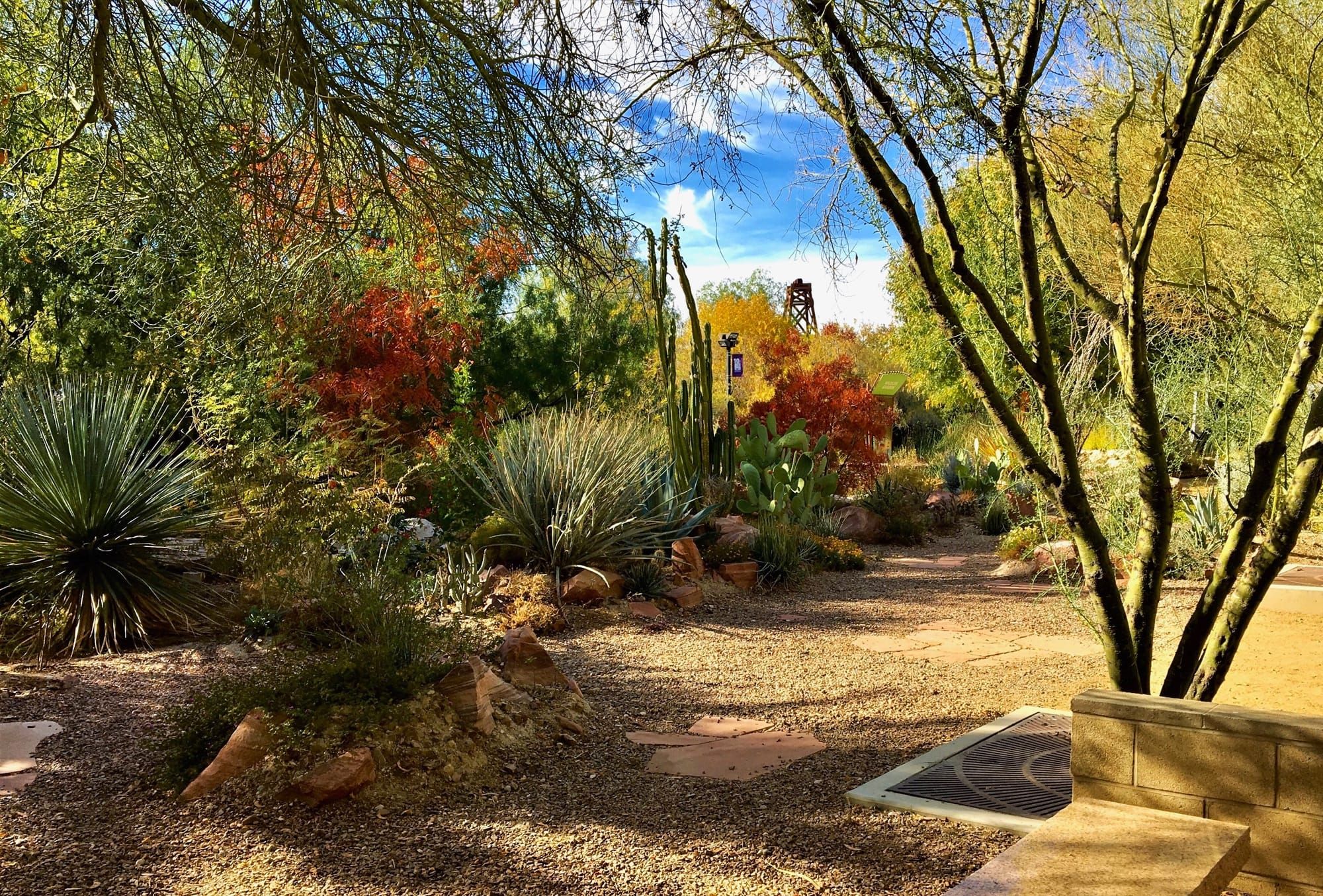
Low-water landscaping has an image problem: too many people still picture bare gravel. The truth is a well-designed xeriscape is one of the most striking gardens you can grow — full of color, movement, and texture. Here are ideas to steal for your own yard.
1. Lead with texture and silver
When water is limited, texture carries the design. Combine the fine blades of ornamental grasses with bold, sculptural agave or yucca, and weave in silver foliage — artemisia, lamb's ear, Russian sage. Silvers glow at dusk and cool down a hot palette.
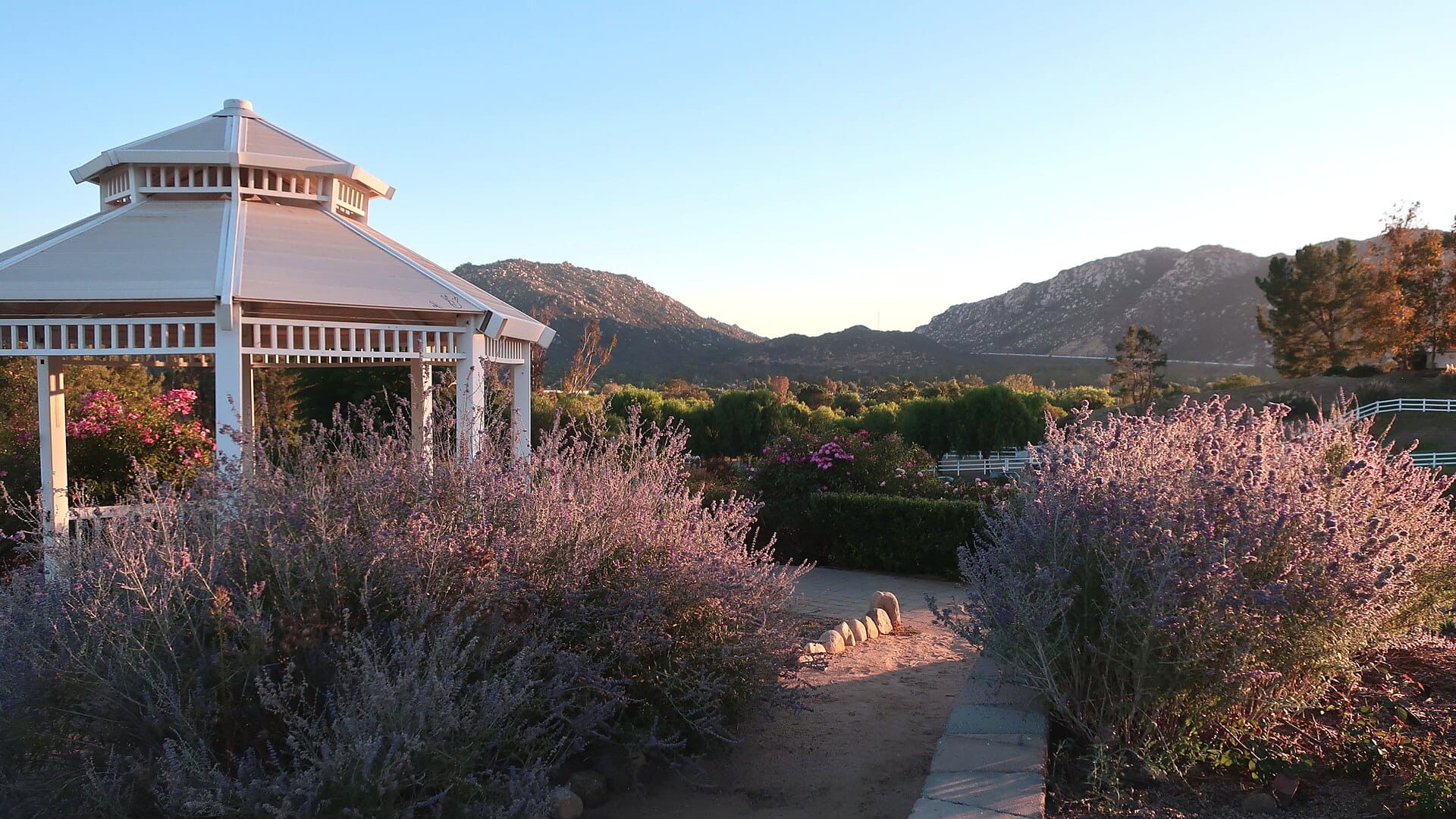
2. Plant in drifts, not dots
One lavender looks lonely; a drift of seven reads as design. Group plants in odd-numbered masses so the bed feels intentional and lush rather than sparse. Repetition of a few key plants across the yard ties the whole space together.
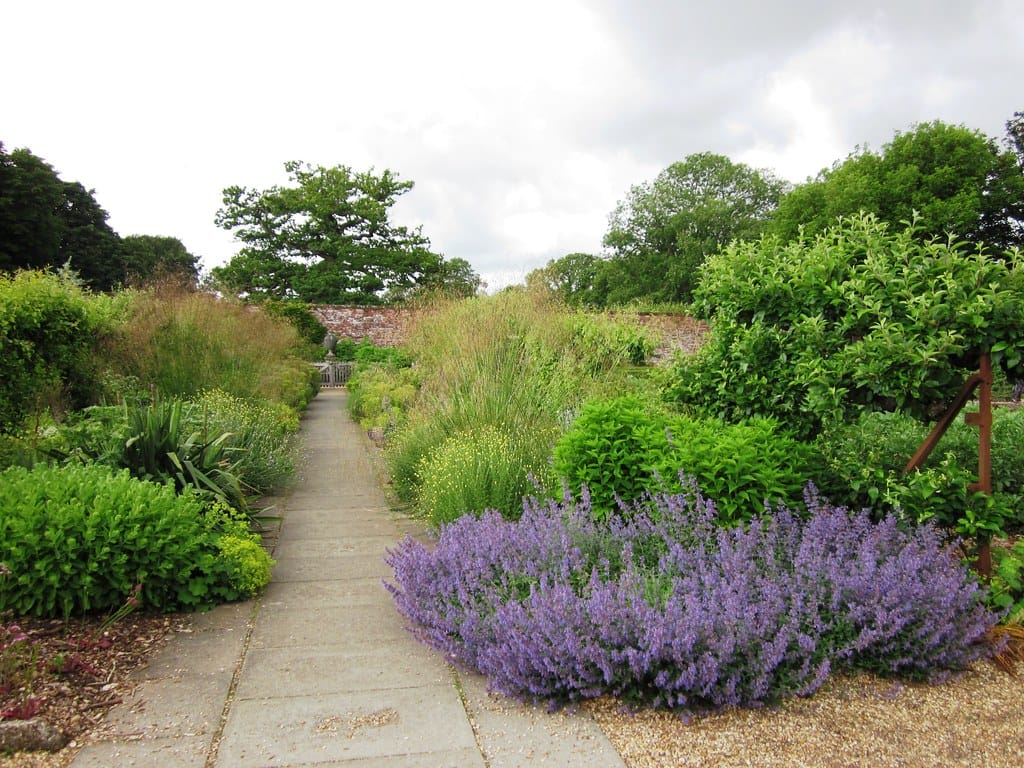
3. Build a pollinator ribbon
Choose plants with overlapping bloom times — spring penstemon, summer salvia and yarrow, fall asters and rabbitbrush — so something's always flowering. You'll get color for months and a yard humming with bees and butterflies.
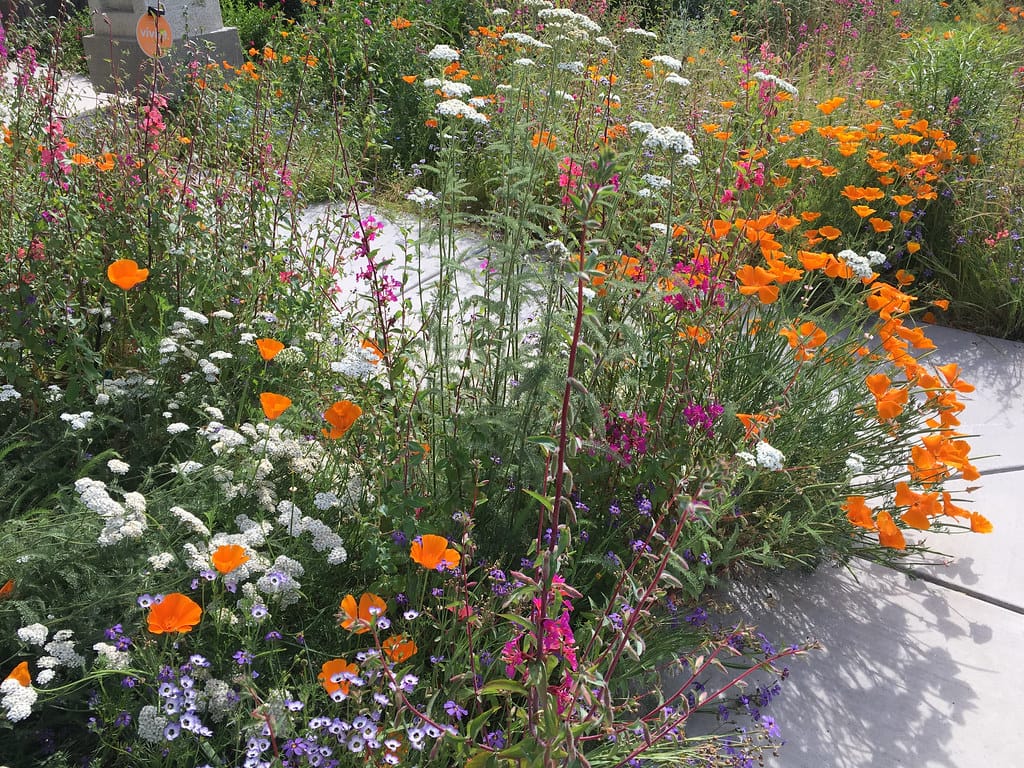
4. Use rock and gravel as design, not filler
Hardscape is part of the beauty when it's deliberate: a dry creek bed that channels runoff, boulders staged like they've always been there, a decomposed-granite path that winds through the planting. Vary the stone size so it reads as landscape, not parking lot.
5. Make a focal point
Every good garden has a place your eye lands: a specimen agave in a glazed pot, a weathered steel sculpture, a birdbath, a single sculptural tree. In a low, textural planting, one bold vertical element does a lot of work.
6. Rethink the "hell strip"
That hot, narrow band between sidewalk and street is the perfect xeriscape starter project — it's the hardest place to keep lawn alive and the easiest to transform. Tough natives and groundcovers turn a liability into a showpiece.
7. Keep a small, intentional green
If you love a patch of green, keep one — just make it practical and small. A tidy square of low-water turf or groundcover as a foreground makes the surrounding planting look even richer, and gives kids and pets a place to be.
8. Design for winter, too
Choose plants with structure that holds through the cold — the seed heads of grasses and sedums, the silhouettes of shrubs, evergreen bones. A xeriscape should look good in January, not just July.
The through-line: abundance, on less water. Pick a few of these moves, match the plants to your hardiness zone, and follow the 10 Steps to bring it to life.
Subscribe below for more plant combos and before-and-after project ideas.