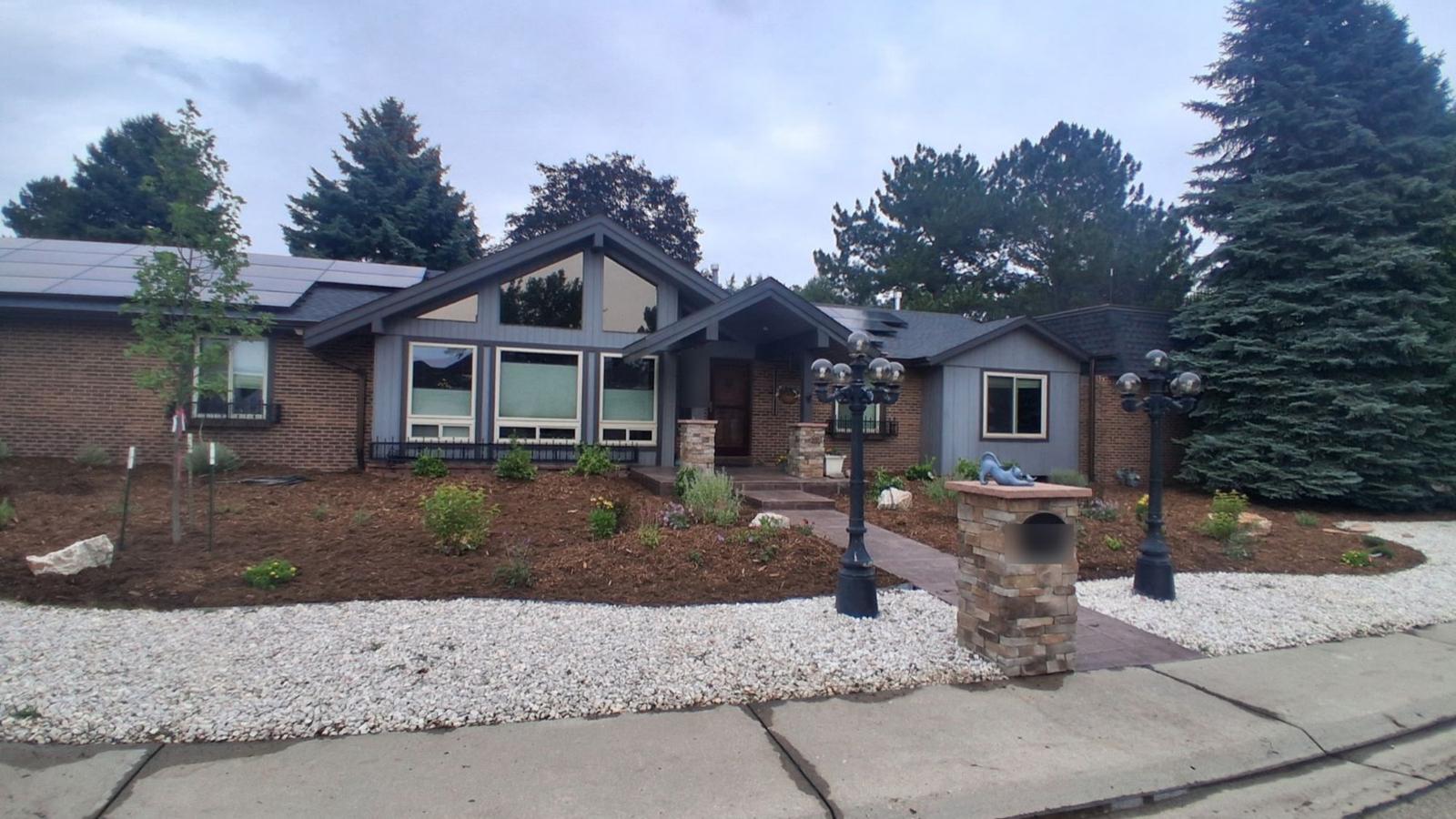
How Much Water Does Xeriscaping Save? The Measured Numbers by Region
Xeriscaping typically cuts outdoor water use 30–50% or more. A five-year utility study measured 55.8 gallons saved per square foot each year. Here's what to expect where you live.
Topic
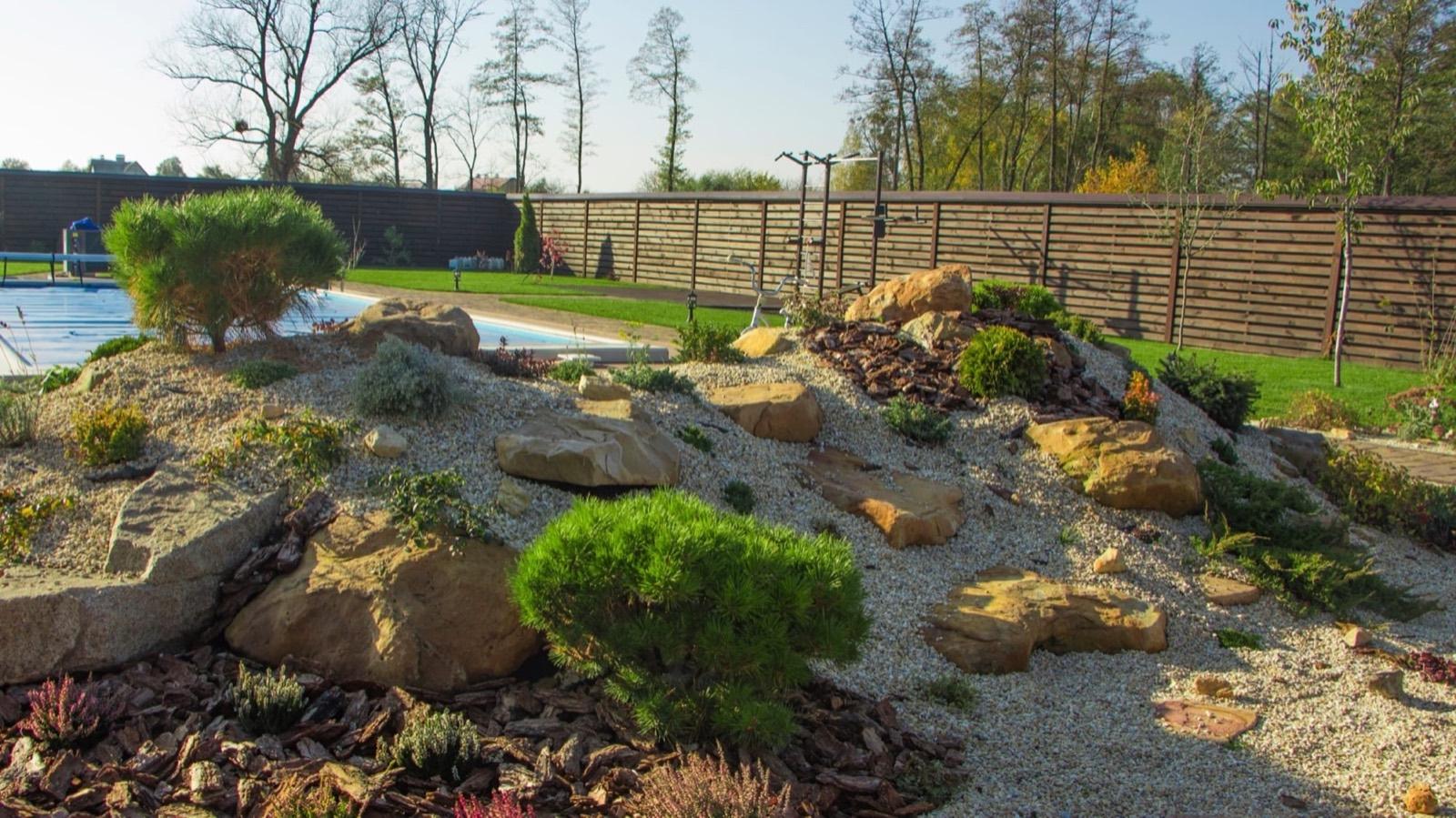
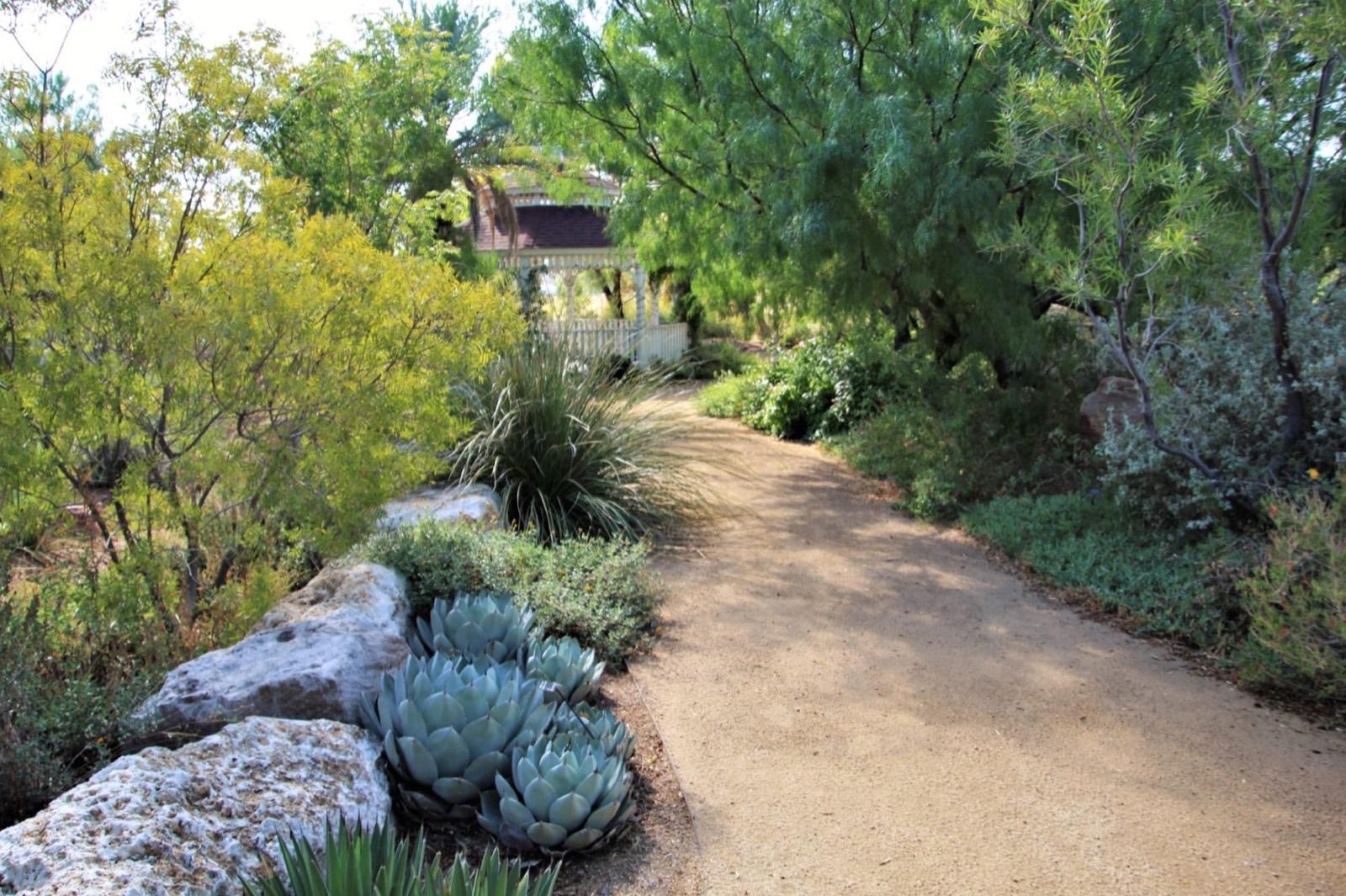
Start here: what xeriscaping is, the seven principles behind it, and how a planted low-water yard differs from gravel and cactus. Plain-language fundamentals for first-timers.
8 guides

Xeriscaping typically cuts outdoor water use 30–50% or more. A five-year utility study measured 55.8 gallons saved per square foot each year. Here's what to expect where you live.
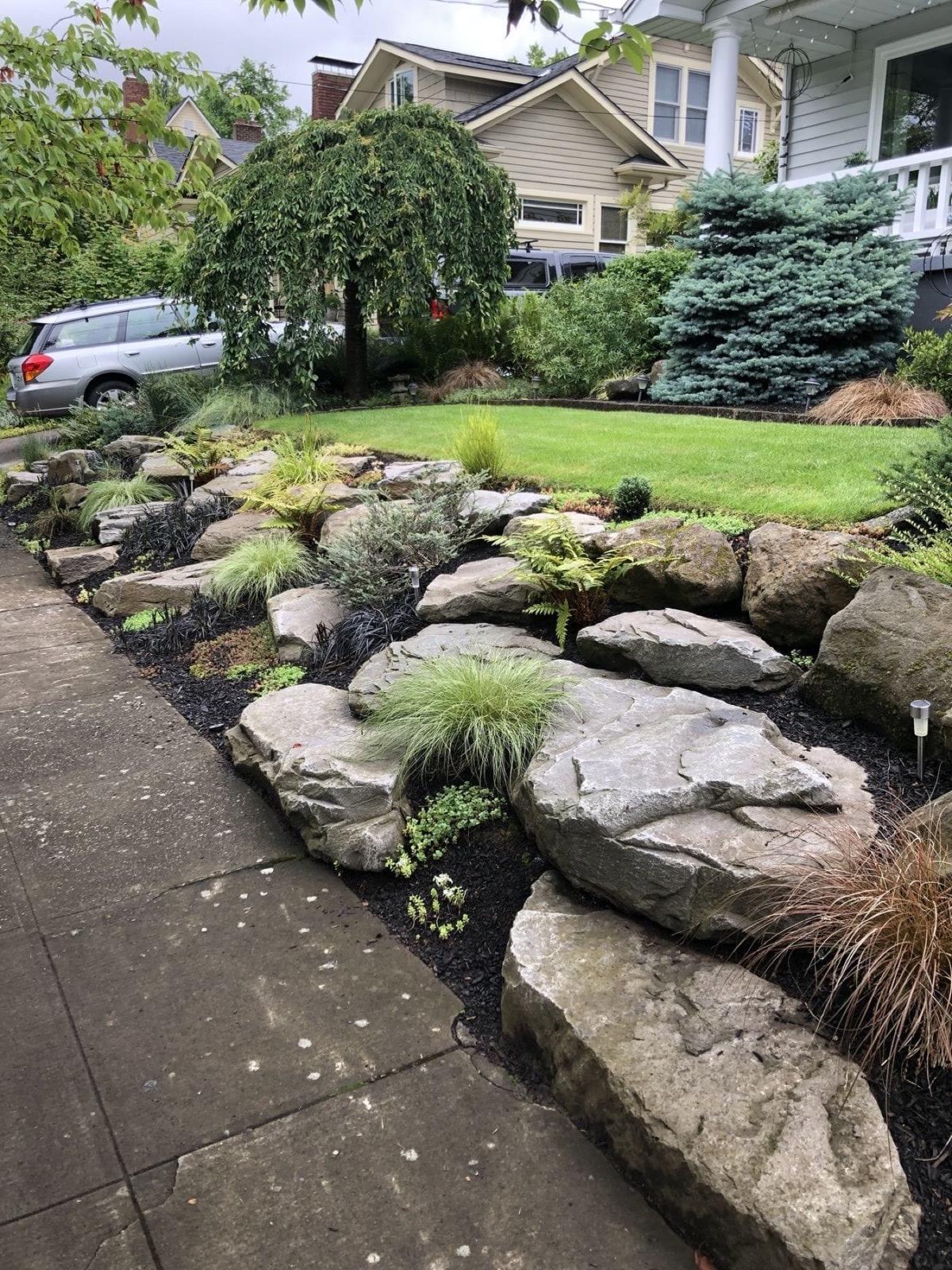
Denver Water coined "xeriscape" in 1981, and seven principles still decide whether a low-water landscape thrives or fails. Each one, explained the way it plays out in a real yard.

Every landscape claims to be low-maintenance. A realistic ranking of yard types by the work they demand each year, and the design choices that actually buy back your weekends.

Zeroscaping is gravel and a lonely cactus. Xeriscaping is a designed, planted landscape that happens to sip water. The differences in heat, habitat, upkeep, rebates and curb appeal.

No study isolates a xeriscape premium, but good landscaping raises perceived value, realtors say landscape upgrades recover their cost, and western buyers increasingly expect low-water yards.

Grass is cheap to install and expensive to own; xeriscape is the reverse. A line-by-line ledger of water, inputs, time and install cost, plus the cases where a lawn still wins.

Real water and maintenance savings on one side; upfront cost, a demanding first year, HOA paperwork and heat from rock done wrong on the other. Both sides of xeriscaping, at full strength.

New to xeriscaping? A plain-English guide to what it is, how it saves water, what it costs, which plants to start with, and how to plan your first low-water bed.