
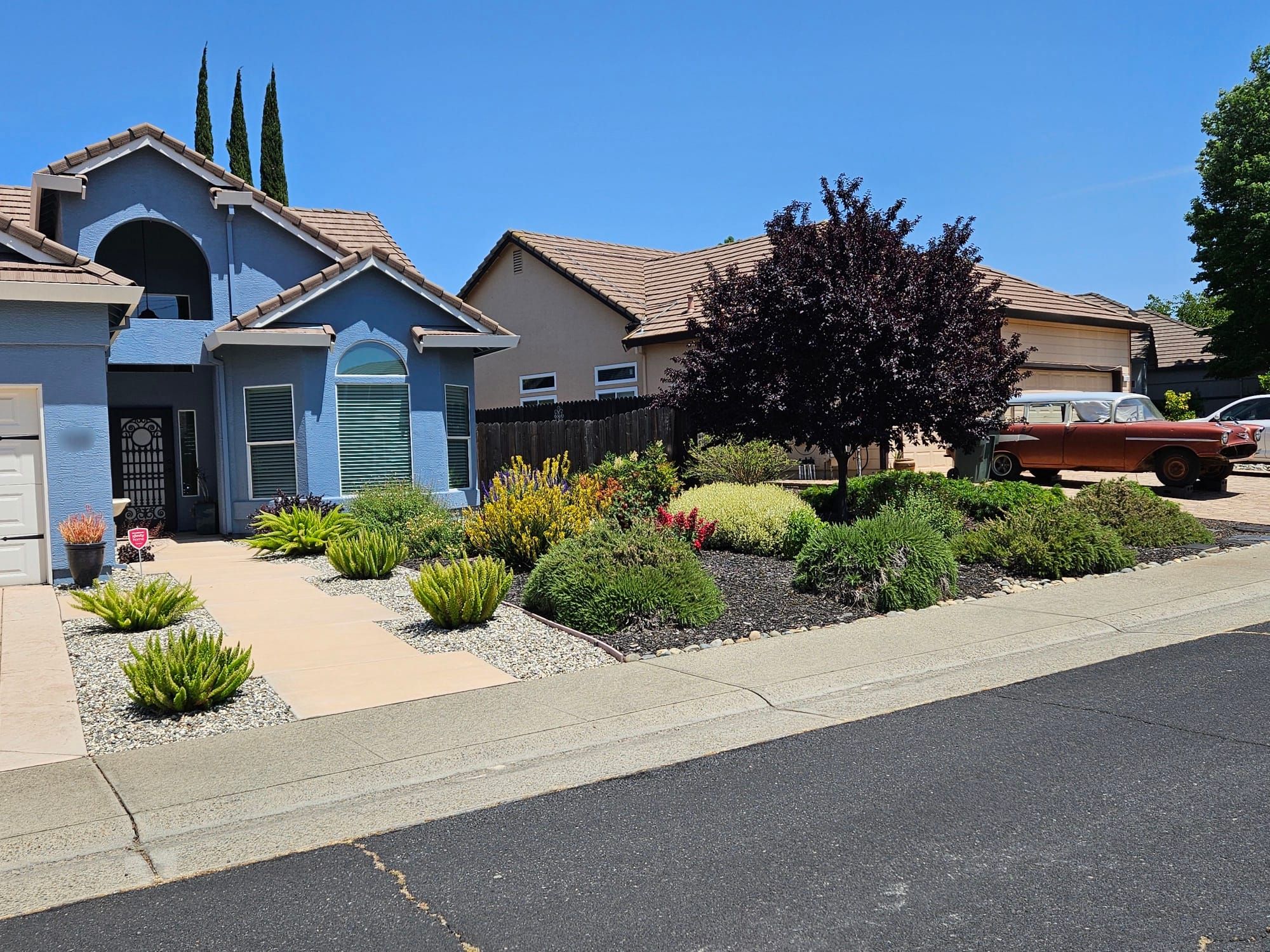
Does xeriscaping increase home value? The honest answer — the one the listicles won't give you — is: it depends on where you live and how well it's done. You'll see confident percentages floating around the internet; most trace back to nothing sturdy. What the evidence actually supports is more modest and more useful: quality landscaping of any kind helps homes sell, water costs are a growing factor in Western markets, and a bad xeriscape absolutely hurts. Let's separate what's known from what's marketing.
What we can say with confidence
Good landscaping adds value; bad landscaping subtracts it. Real-estate research has long found that well-designed, well-maintained landscaping improves sale prices and time on market. That's a landscaping effect, not a xeriscaping effect — but a thoughtfully built xeriscape qualifies, and an unmaintained one doesn't.
Curb appeal is the mechanism. Buyers form opinions from the street in seconds. A layered, blooming, deliberately designed water-wise yard — boulders, structure, year-round interest — photographs well and shows well. A yard of bare rock does not (that's zeroscaping, and buyers can tell).
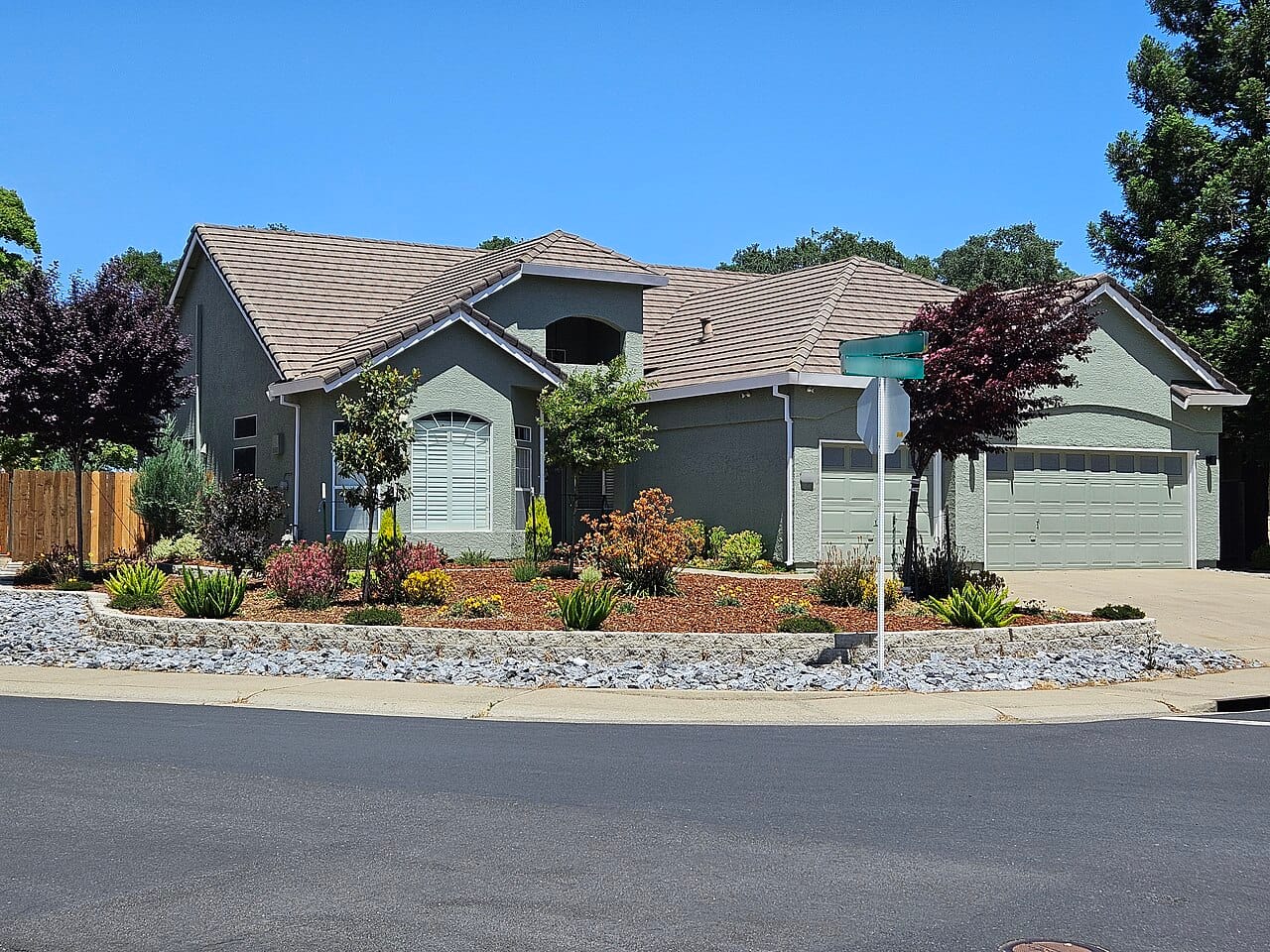
Low operating costs are a real selling point. A landscape that costs hundreds of dollars less per year to water — here's the water math — and needs hours instead of weekends is a legitimate line in a listing, exactly like an efficient furnace. As water rates climb and restrictions tighten across the West, that line gets stronger every year.
Where the honest uncertainty lives
The evidence on a xeriscape premium is mixed and regional. Studies and appraiser opinions differ by market. In Phoenix, Las Vegas, or Albuquerque, desert-adapted landscaping is the local norm — mature xeriscapes are an asset, and thirsty lawns can read as a liability. In a rainy or lawn-culture market, an unfamiliar landscape style may add nothing, and a poorly explained one can narrow your buyer pool. There is no universal percentage, and anyone quoting one to the decimal is improvising.
Buyer taste is a variable you don't control. Some buyers see freedom from mowing; some see "where would the kids play?" The resale-safe answer is usually a hybrid — right-sized play lawn, xeriscaped everything else.
What actually moves the number
If resale value is part of your motivation, build toward these:
- Design quality over plant count. Structure, repetition, and clean edges signal "professionally considered." Good front-yard patterns here.
- Keep it green-looking. The most valuable xeriscapes don't scan as "desert" at all — they scan as lush gardens that happen to sip water.
- Maintain it. A weedy gravel bed is worse for value than a mediocre lawn. (The gravel-weed fix is cheap insurance.)
- Document the invisible value. Keep before/after water bills, the plant list, the drip system layout, and any rebate paperwork. "This yard cut the water bill 60% — here are the bills" is a better pitch than any adjective.
- Mind the neighborhood context. The first xeriscape on a lawn-proud block should look extra intentional; in Denver or Tucson, you're just keeping up.
The better way to frame the investment
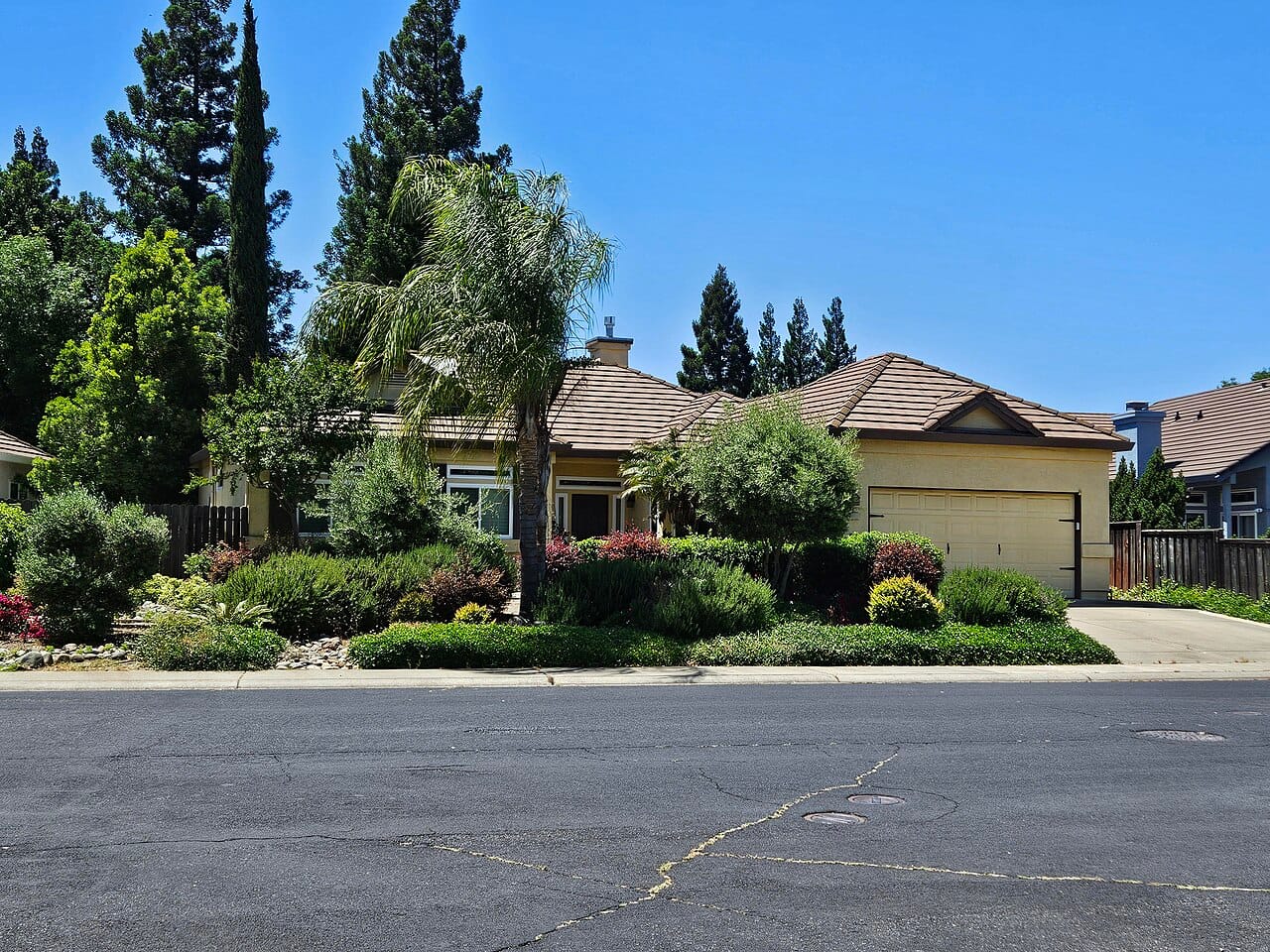
Even setting resale aside, the financial case stands on its own: a conversion costs 5–20/sq ft installed or 1–6 DIY (the full breakdown), often minus a utility rebate, and then pays a dividend of lower bills and reclaimed weekends every year you live there. If the market pays a premium at sale — and in water-stressed metros it increasingly does — that's the bonus, not the business case.
So: does xeriscaping increase home value? A good one, in the right market, probably helps — and its lower bills help everywhere. A bad one hurts anywhere. Which means the real answer isn't a percentage — it's build it well. The weighing of everything else is in xeriscaping pros and cons.