
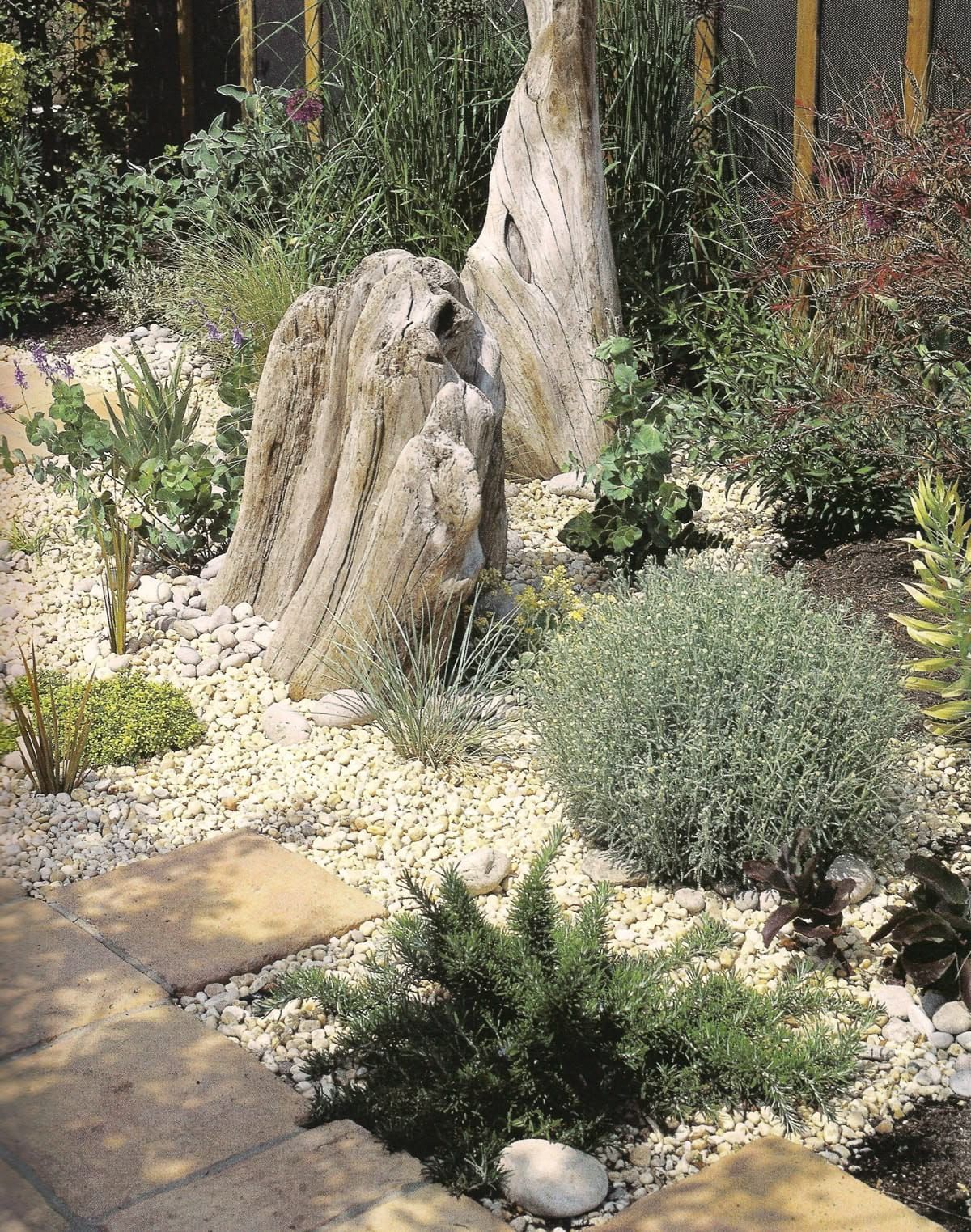
"Low maintenance" is not "no maintenance," and anyone who tells you otherwise is selling something. Honest xeriscape maintenance works out to a few focused hours per season — a fraction of what a lawn demands weekly — but those hours matter, and doing them at the right time is most of the trick. Here's the calendar. Adjust a few weeks either way for your hardiness zone.
Early spring (as things wake up)
This is the big work session of the year — budget a half day.
- Cut back last year's growth. Ornamental grasses get sheared to a few inches before new green emerges. Perennials get last season's dead stems removed. You left them standing all winter (right?) — for structure, seed for birds, and crown protection.
- Don't rush the tender stuff. Wait until after your last hard frost to cut back marginal plants; dead tops insulate live crowns.
- Prune shrubs lightly — remove dead wood, shape modestly. Spring bloomers get pruned after they flower.
- Weed early, weed small. The year's most important weeding happens now, when weeds are seedlings and the soil is soft.
- Flush and inspect drip lines. Run each zone, walk the line, replace clogged emitters, check the filter. Ten minutes now beats dead plants in July.
- Top up mulch to a full 2–3 inches — wood in the beds, gravel in the dry zones.
Late spring
- Start irrigation slowly. Established xeriscapes often need nothing until real heat arrives. Water deeply and infrequently when you do start — overwatering kills more xeriscapes than drought.
- Plant. Spring is prime time for adding perennials and shrubs; they get a full season to root before winter.
- Edit self-seeders before volunteers become a takeover.
Summer
The season your xeriscape was built for. Maintenance drops to a stroll:
- Water established beds deeply but rarely — for many, every couple of weeks; for natives in a normal year, sometimes not at all. First- and second-year plantings are the exception and follow their own schedule — first-year care is its own article.
- Deadhead if you feel like it. It extends bloom on many perennials; it's optional.
- Pull the occasional weed while the coffee's still warm. Deep mulch means there aren't many.
- Watch, don't fuss. Wilting at 4 p.m. that recovers by morning is normal heat behavior. Wilting at 8 a.m. means check the emitter.
Fall
- Stop feeding, stop shearing. Let plants harden off for winter.
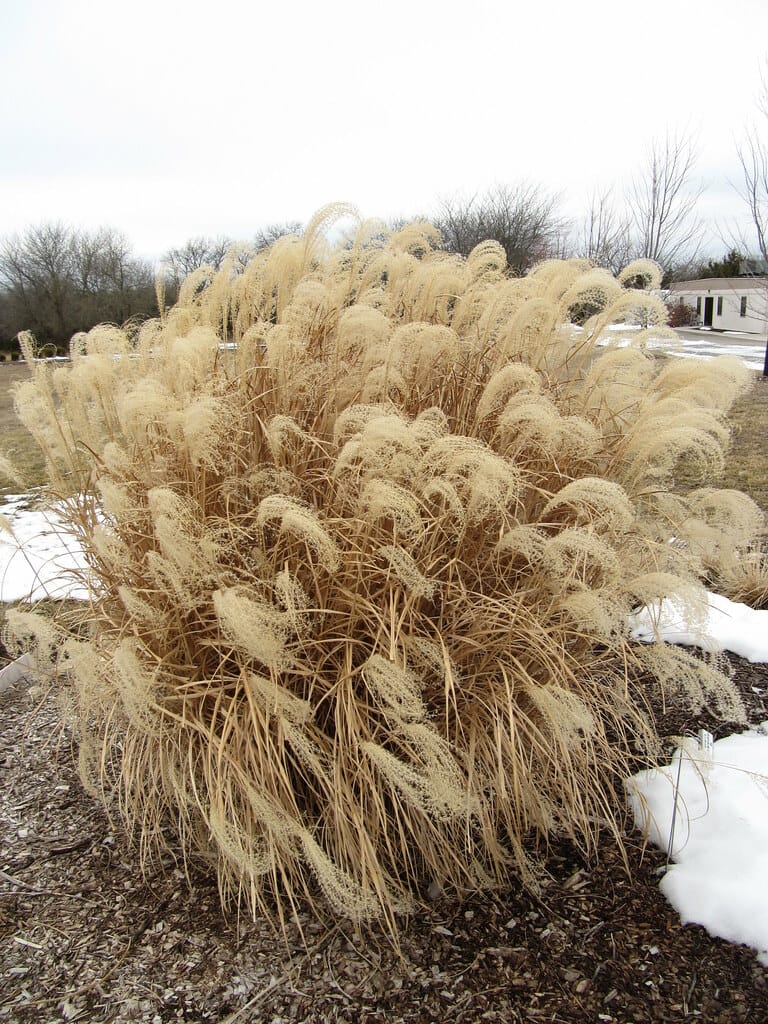
- Leave the seedheads and grasses standing. Winter interest, bird food, and free crown insulation. The "clean fall garden" habit is a lawn-culture leftover.
- One last deep watering before the ground freezes, especially for evergreens and anything planted this year.
- Winterize irrigation. Drain or blow out lines before the first hard freeze; unscrew and drain hose-end timers and backflow preventers.
- Plant bulbs and cool-season natives. Fall planting works beautifully in most xeriscapes — warm soil, cool air, winter moisture.
Winter
Mostly, admire it. Two real tasks:
- Winter watering during dry spells. In cold-dry climates (looking at you, Colorado), evergreens and young plants benefit from a monthly soak when there's no snow cover and temps are above freezing. Confirm what your area recommends.
- Keep de-icing salt off the beds — sand or pet-safe melt near plantings.
The whole year on one line
Big spring cleanup → light spring planting → almost nothing all summer → one fall watering and winterization → winter naps. Compare that with mowing 25+ times a year, plus fertilizing, aerating, overseeding, and re-fixing sprinklers, and the low-maintenance claim holds up fine — it just isn't zero. A xeriscape asks for a few good afternoons a year. Given what a lawn asks for, that's the best deal in the yard.