
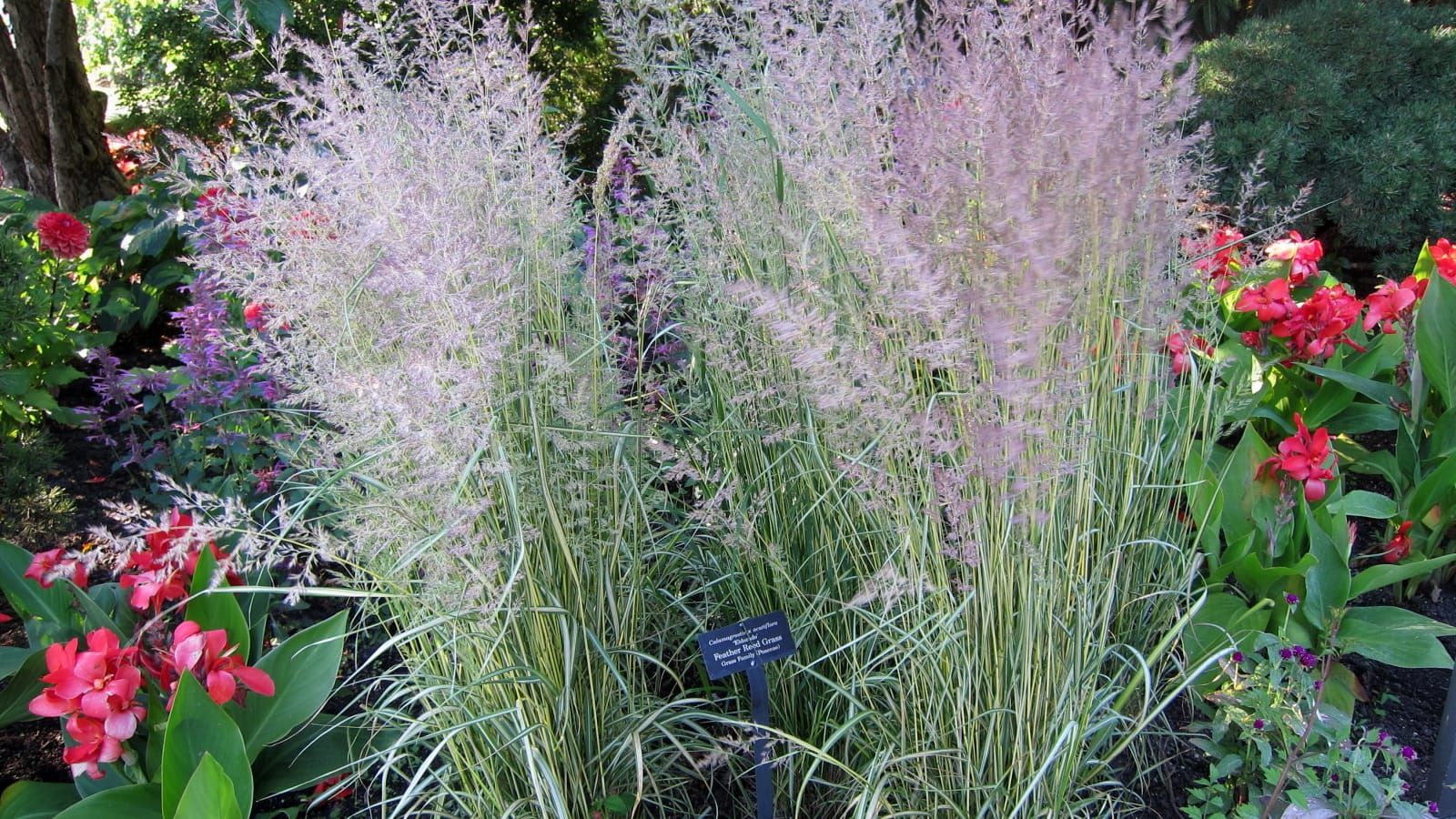
If perennials are the color in a xeriscape, ornamental grasses are the architecture. They bring movement, sound, texture, and — crucially — winter structure, standing tawny and sculptural long after the flowers quit. Most ask for almost nothing: sun, occasional deep water, and one haircut a year. These are the drought-tolerant grasses that earn their space.
The natives (toughest of the tough)
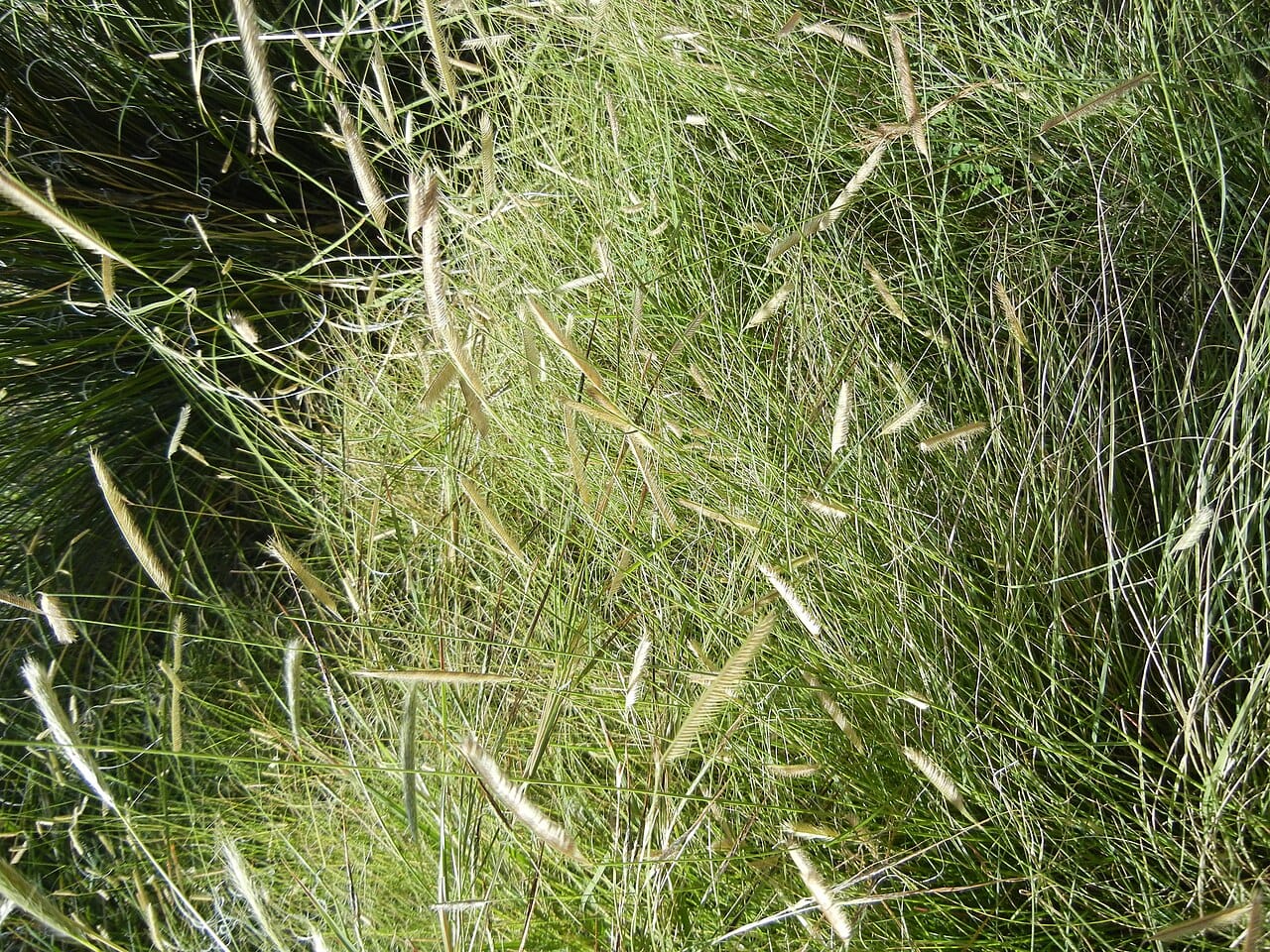
Blue grama (Bouteloua gracilis) — Zones 3–10. The Plains icon with "eyelash" seed heads. Use 'Blonde Ambition' as a specimen, or mow the straight species as a low-water lawn.
Little bluestem (Schizachyrium scoparium) — Zones 3–9. Steel-blue summer blades that ignite into copper-red for fall and winter. Upright, tidy, spectacular in drifts.
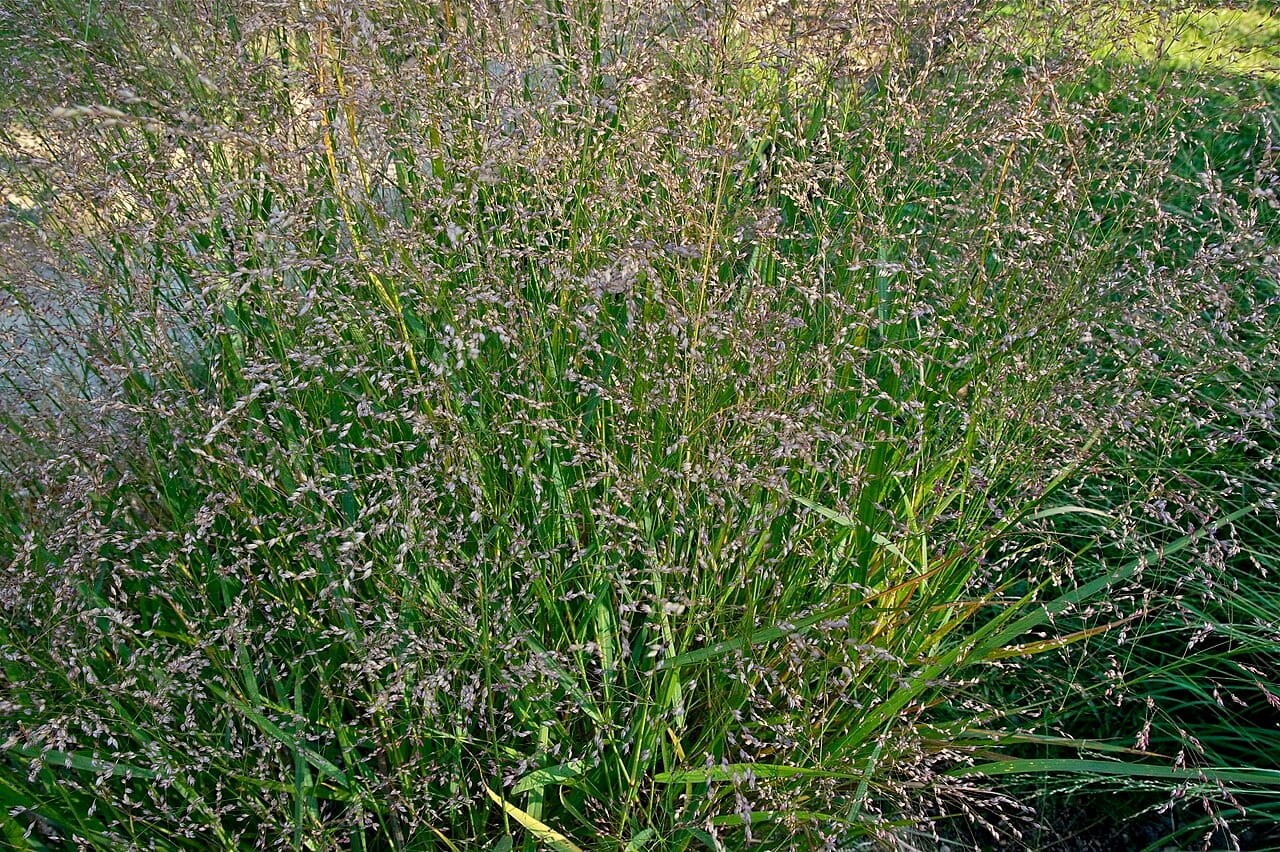
Switchgrass (Panicum virgatum) — Zones 4–9. Four-to-six-foot vertical presence with airy seed clouds. 'Northwind' stays rigidly upright; 'Shenandoah' goes wine-red.
Prairie dropseed (Sporobolus heterolepis) — Zones 3–9. Elegant fine-textured mounds with late-summer flowers that smell faintly of popcorn. Slow to establish, worth it.
Indian ricegrass (Achnatherum hymenoides) — Zones 4–8. High-desert shimmer; happiest in the driest, sandiest spot you own.
The adapted classics
Fountain grass (Pennisetum alopecuroides) — Zones 5–9. Fluffy foxtail plumes over graceful mounds — the grass most people picture. Needs a touch more water than natives; give it the wetter end of a hydrozone. (In mild-winter regions, check local guidance — some fountain grass species reseed aggressively in Zones 8+.)
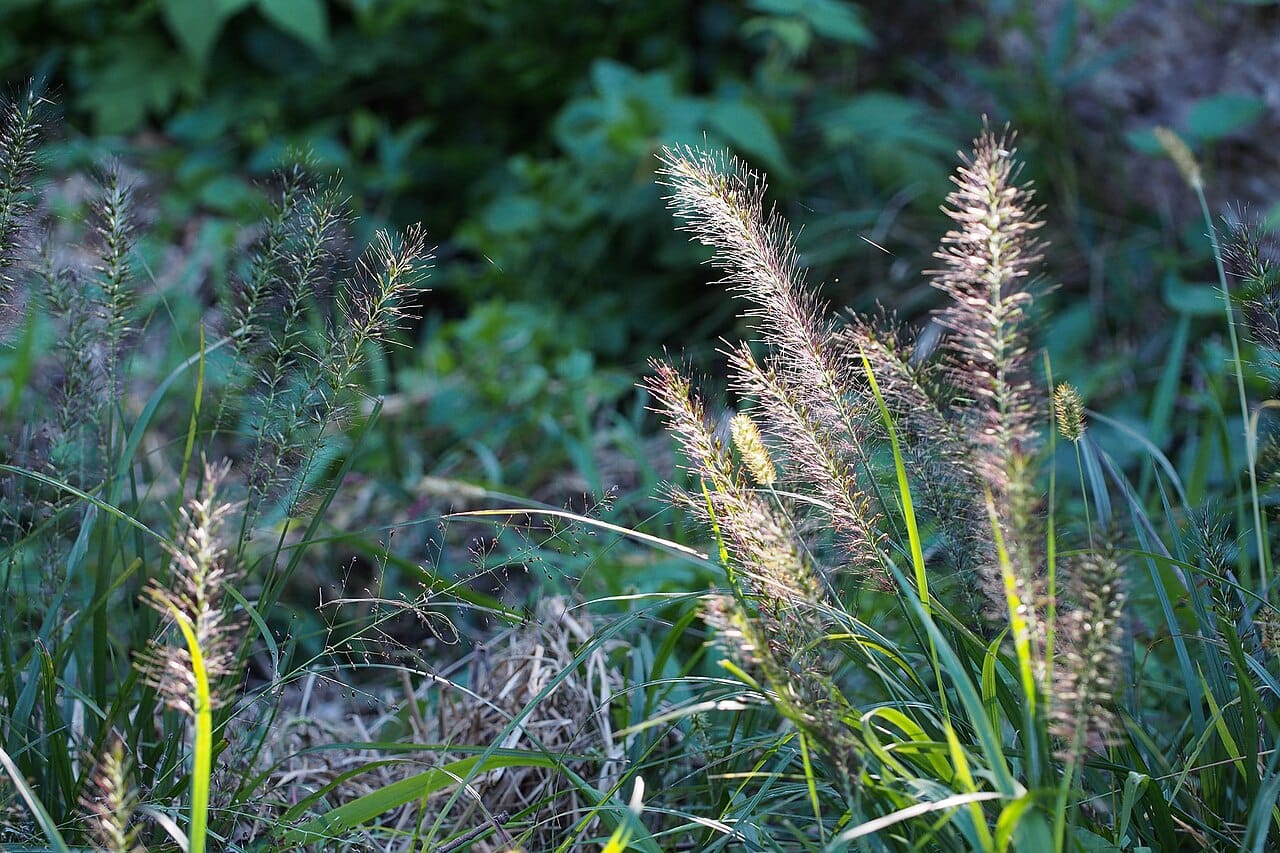
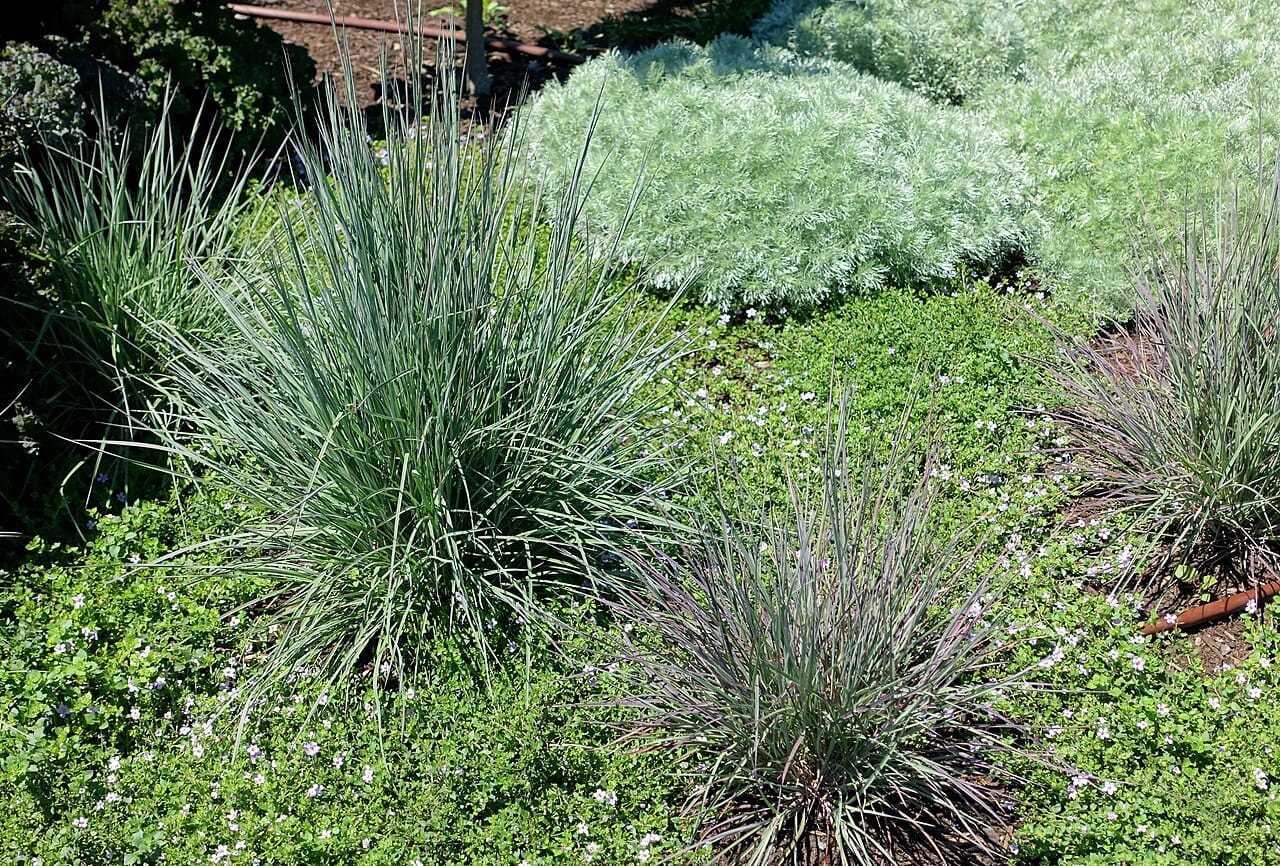
Blue oat grass (Helictotrichon sempervirens) — Zones 4–8. A steely-blue evergreen porcupine of a plant. The best cool-toned accent in the dry palette.
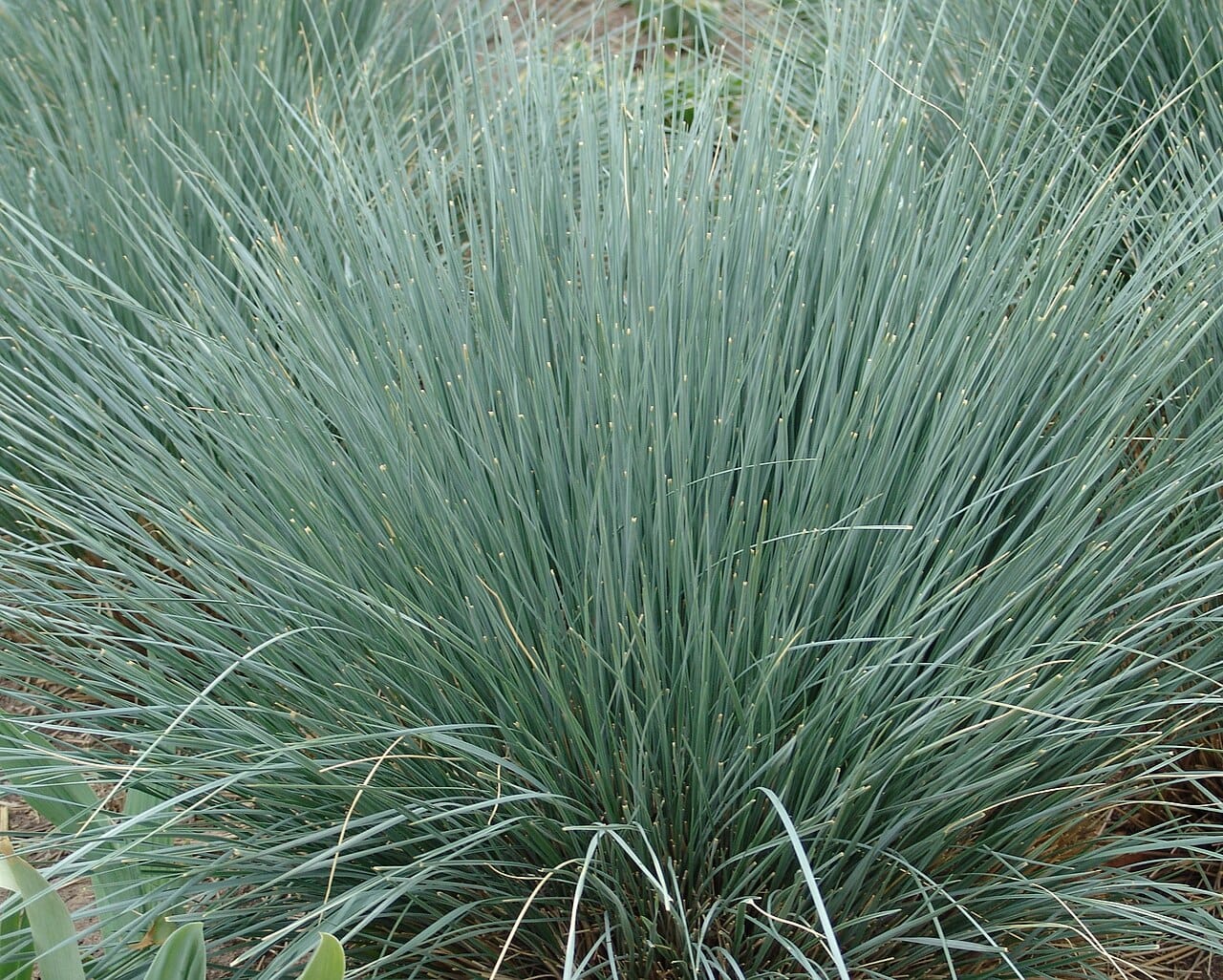
Karl Foerster feather reed grass (Calamagrostis × acutiflora) — Zones 4–9. The vertical exclamation point: wheat-colored plumes by June that stand until February. Sterile, so it never self-sows.
Mexican feather grass (Nassella tenuissima) — Zones 6–10. Hair-fine texture that moves in any breath of wind. Caveat honesty: it reseeds enthusiastically and is considered invasive in parts of California — use natives there instead.
Using grasses well
- Mass them. A single grass looks stranded; drifts of 5–9 read like landscape.
- Backlight them. Site grasses where morning or evening sun comes through the plumes — it's the cheapest drama in gardening.
- Pair with bold companions. Fine grass texture makes yucca, agave, and broad-leaved perennials pop.
- Leave them standing all winter. The structure is the point. Cut back to a few inches in early spring before new growth.
Care (there barely is any)
Full sun, well-drained soil, deep water every week or two the first season, then mostly rain. No fertilizer — soft, overfed grasses flop. One spring cutback. Divide clumps every few years if centers die out. That's the whole job.
Placing them in a design? See rock garden design and the full 10 Steps to Xeriscaping.