
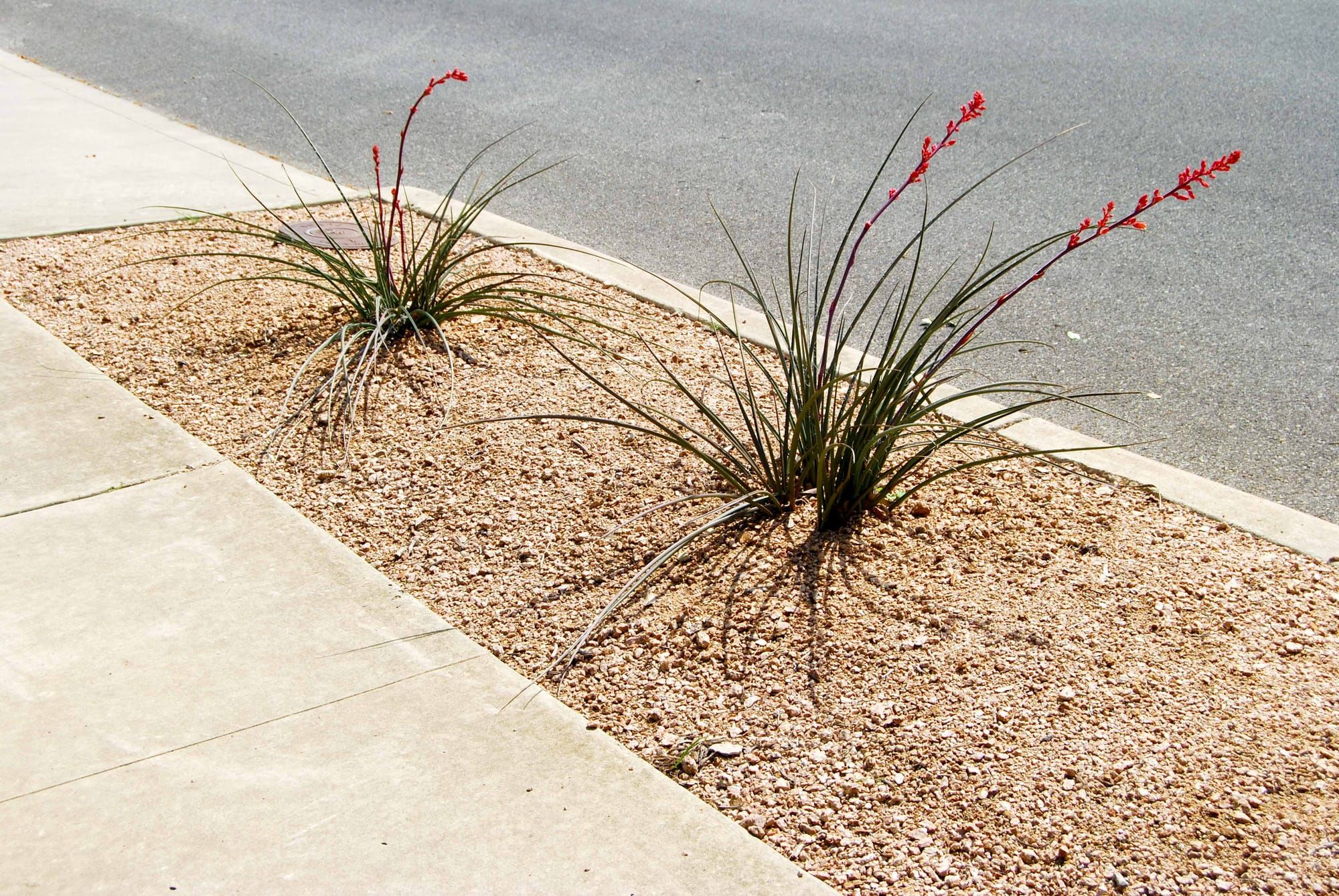
Every yard has one: the strip against a south-facing wall, the bed by the driveway, the slope that gets all-day sun plus heat bouncing off pavement. It's where lawn browns first and "drought-tolerant" plants from the garden center go to die. The fix isn't tougher love — it's plants that genuinely prefer that furnace. They exist, and they're some of the best-looking plants in the dry palette.
What makes a true heat plant
Look for the adaptations: silver or gray foliage (reflects light), fine or waxy leaves (less evaporation), succulence (onboard water storage), and deep taproots. When a plant has two or more of these, it belongs on your hot side.
The structural anchors
Texas red yucca (Hesperaloe parviflora) — Zones 5–10. Not a true yucca — better. Evergreen fountains of slim foliage and five-foot coral bloom spikes that hummingbirds patrol from May to frost. Thrives on reflected heat that kills lesser plants.
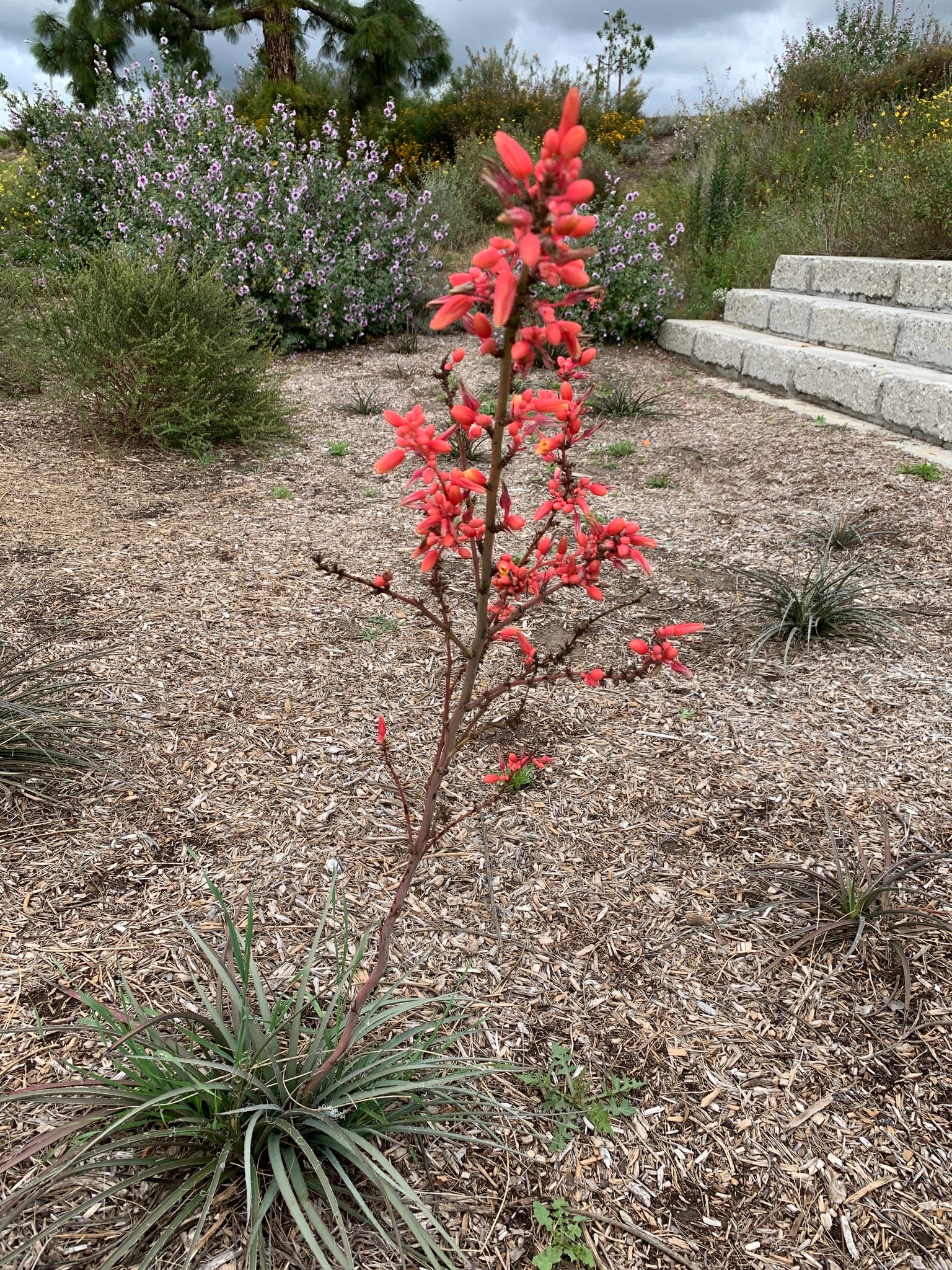
Yucca (soft-leaf and hardy species) — Zones 4–10. Bold evergreen rosettes and dramatic white bloom towers. Bulletproof architecture.
Cold-hardy agave (like Agave havardiana) — Zones 5–9 with drainage. Sculptural blue rosettes that want your worst soil and zero summer water. More in our cold-hardy agave guide.
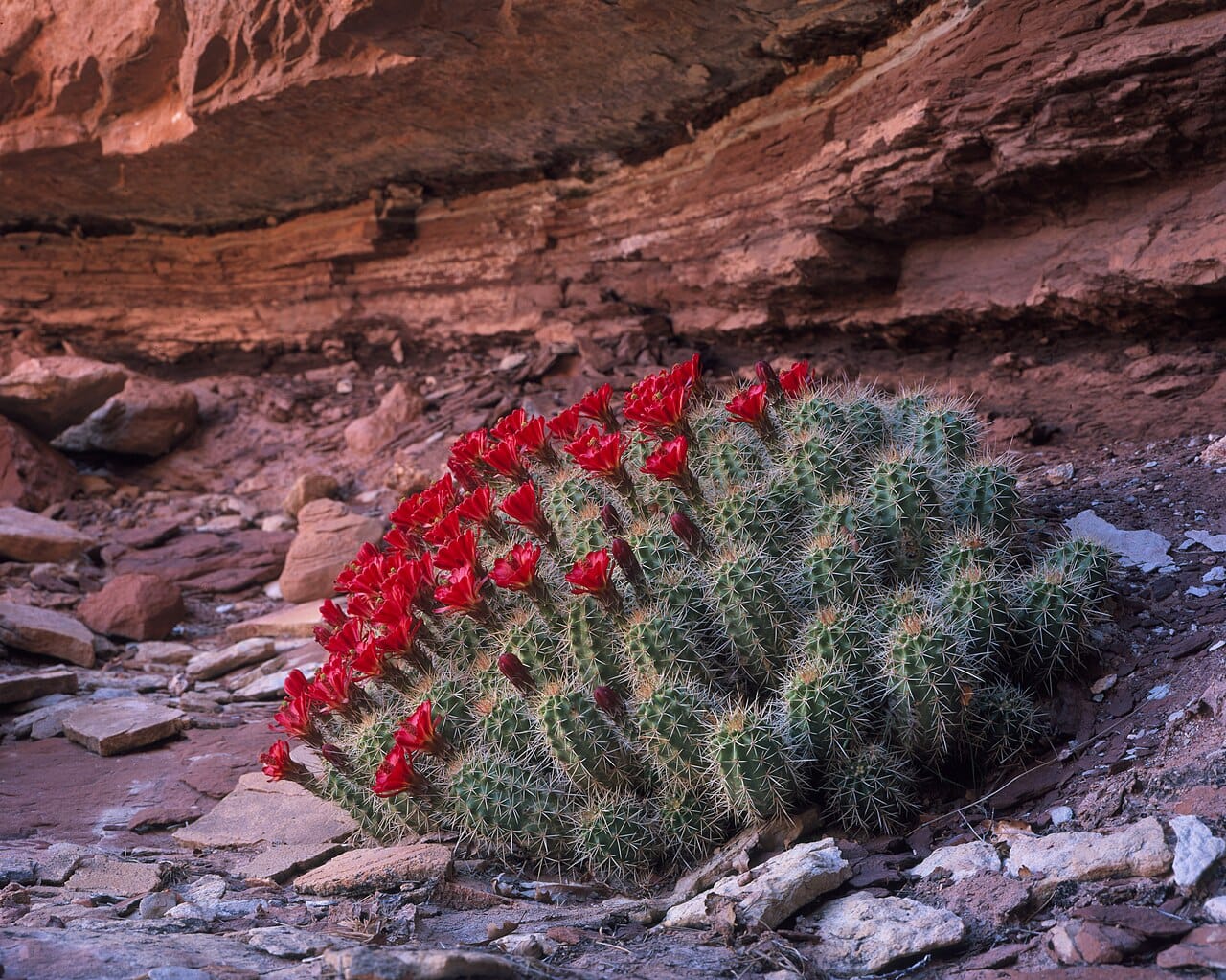
Claret cup cactus — Zones 5–9. Neon-red spring flowers on a clumping native cactus that laughs at both drought and −20° winters.
The color layer
Blanket flower, chocolate flower, and evening primrose — the daisies of the furnace zone, blooming through the worst of July.
Agastache — heat improves it; more sun means more bloom spikes and stronger scent.
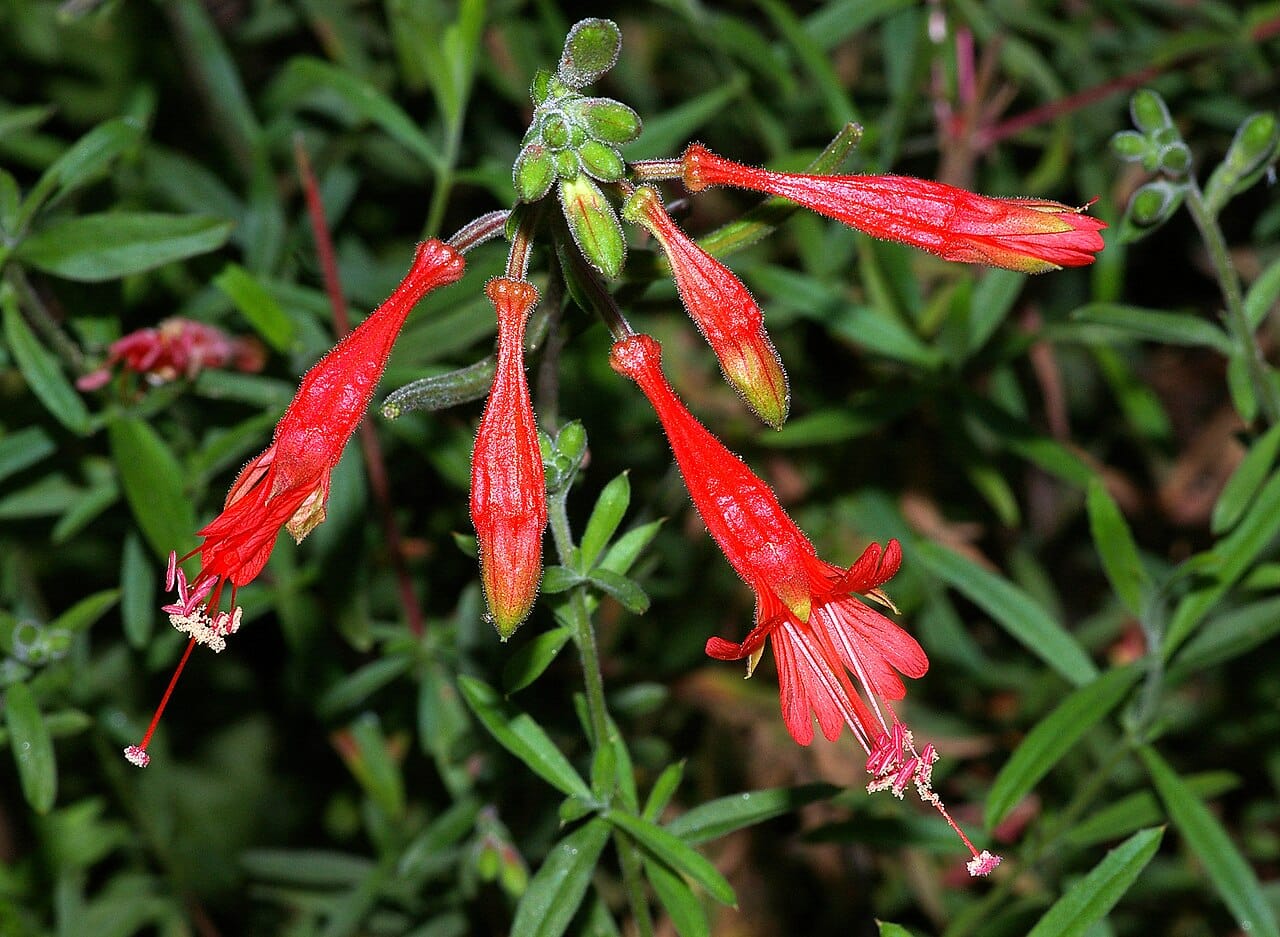
Zauschneria (hummingbird trumpet) — Zones 5–9. Scarlet tubes in late summer on a plant that wants full blast and dry feet. Hummingbird warfare ensues.
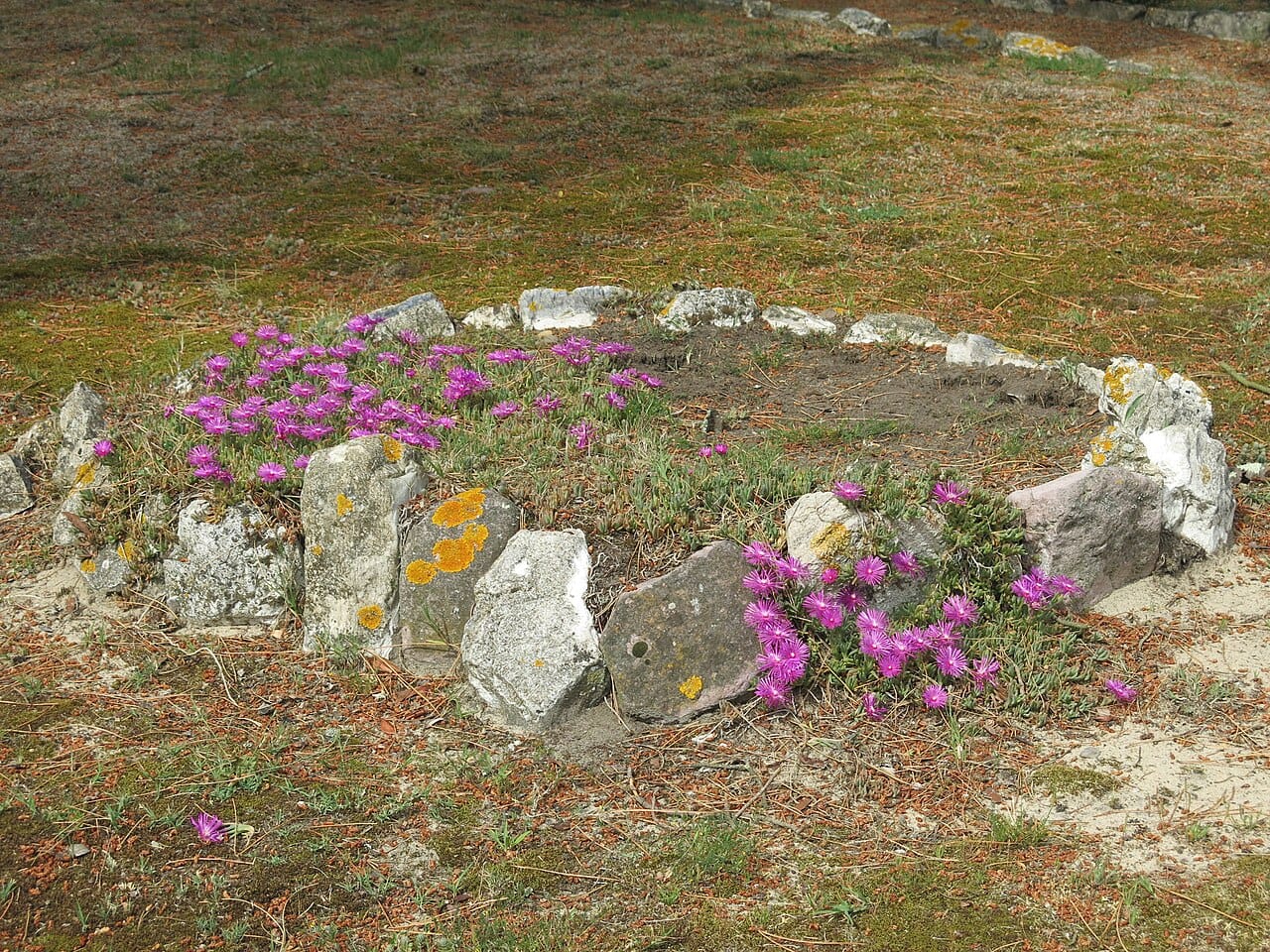
Ice plant (Delosperma) — succulent groundcover that shrugs off reflected pavement heat.
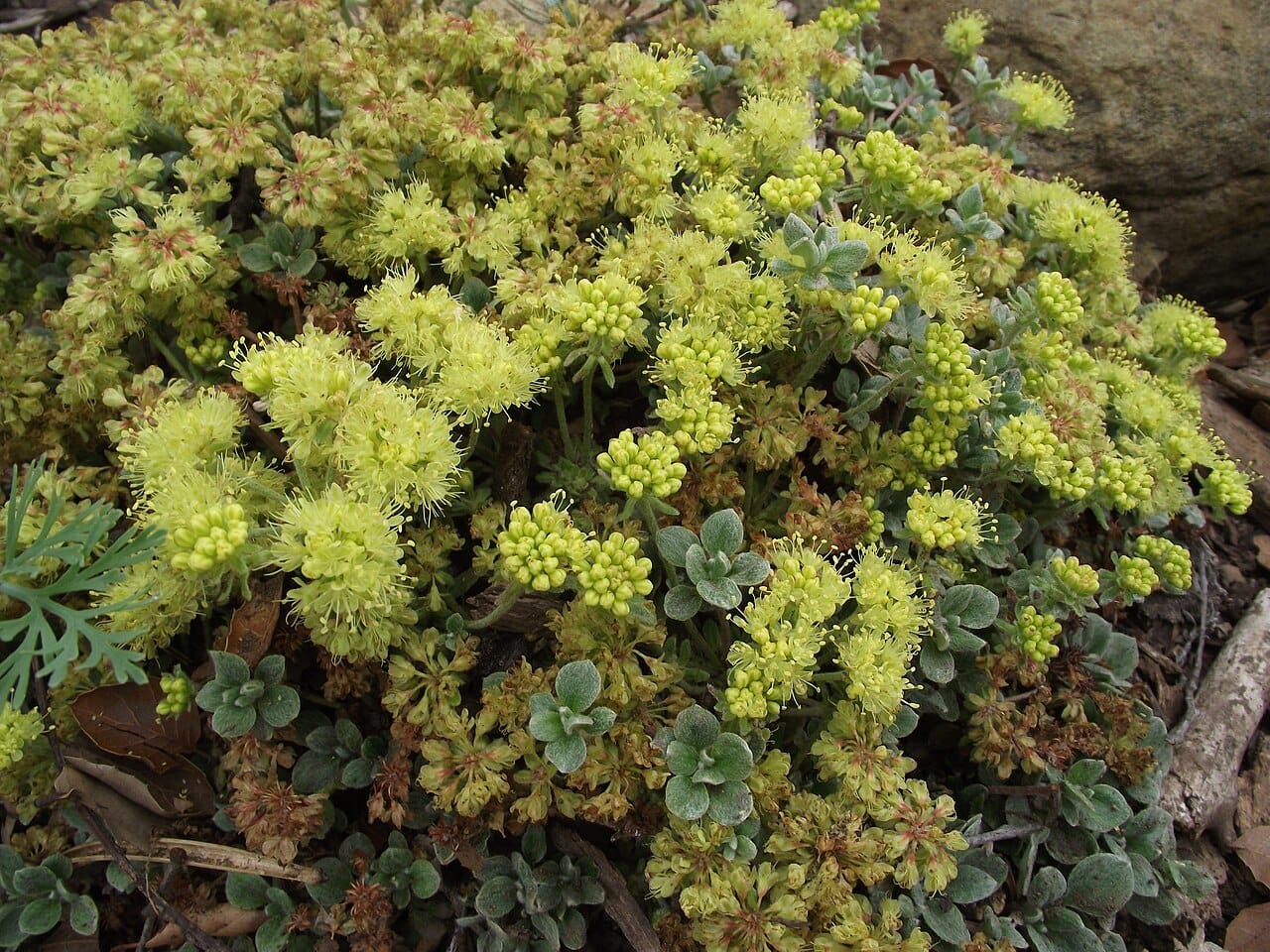
Sulphur buckwheat (Eriogonum) — native mats with pom-pom blooms; pollinator gold.
The silver brigade
Russian sage, artemisia, lamb's ear, and santolina — gray-leaved, aromatic, heat-reflecting. They cool the composition visually and physically, and deer skip all of them.
Making the hot zone work
- Do not amend heavily. Rich, moist soil in a hot zone rots these plants. Sharp drainage matters more than fertility — plant high, add gravel grit if your soil is clay.
- Gravel mulch, not wood. Organic mulch holds moisture against heat-plant crowns; gravel is the right call here.
- Water to establish, then stop. First season only. After that, most of this list wants nothing beyond rain — overwatering is the real killer.
- Check your zone — several of these push ratings when drainage is perfect, but verify against your zone before betting a bed on it.
The hottest spot in your yard isn't the problem child — it's the opportunity. Plant it right once, and it becomes the lowest-maintenance, most sculptural part of the whole landscape. For more design moves, see xeriscaping ideas & inspiration.