
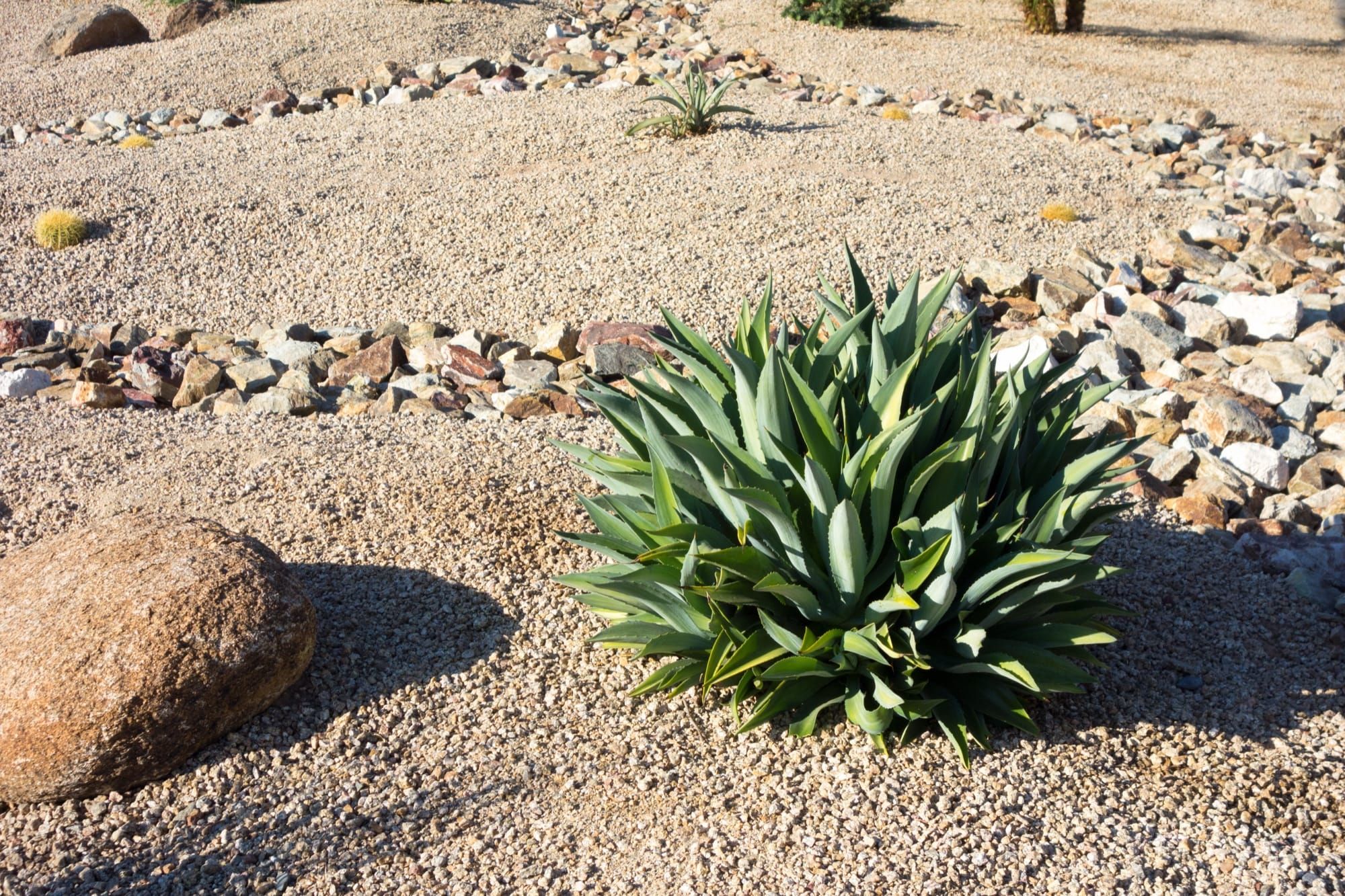
Nothing says "desert" like the sculptural rosette of an agave or the evergreen sword-fan of a yucca — and nothing surprises visitors more than seeing one thriving under a foot of Colorado snow. A genuine cold hardy agave exists; so do yuccas that laugh at Zone 4. The trick isn't finding warmth. It's understanding that these plants die of wet, not cold, and planting accordingly.
That's the whole secret, so let's say it plainly: a hardy agave in gritty, fast-draining soil on a south slope will take −15°F. The same plant in flat clay that stays damp all December is dead by March — rotted, not frozen. Drainage decides everything below.
Cold-hardy agaves
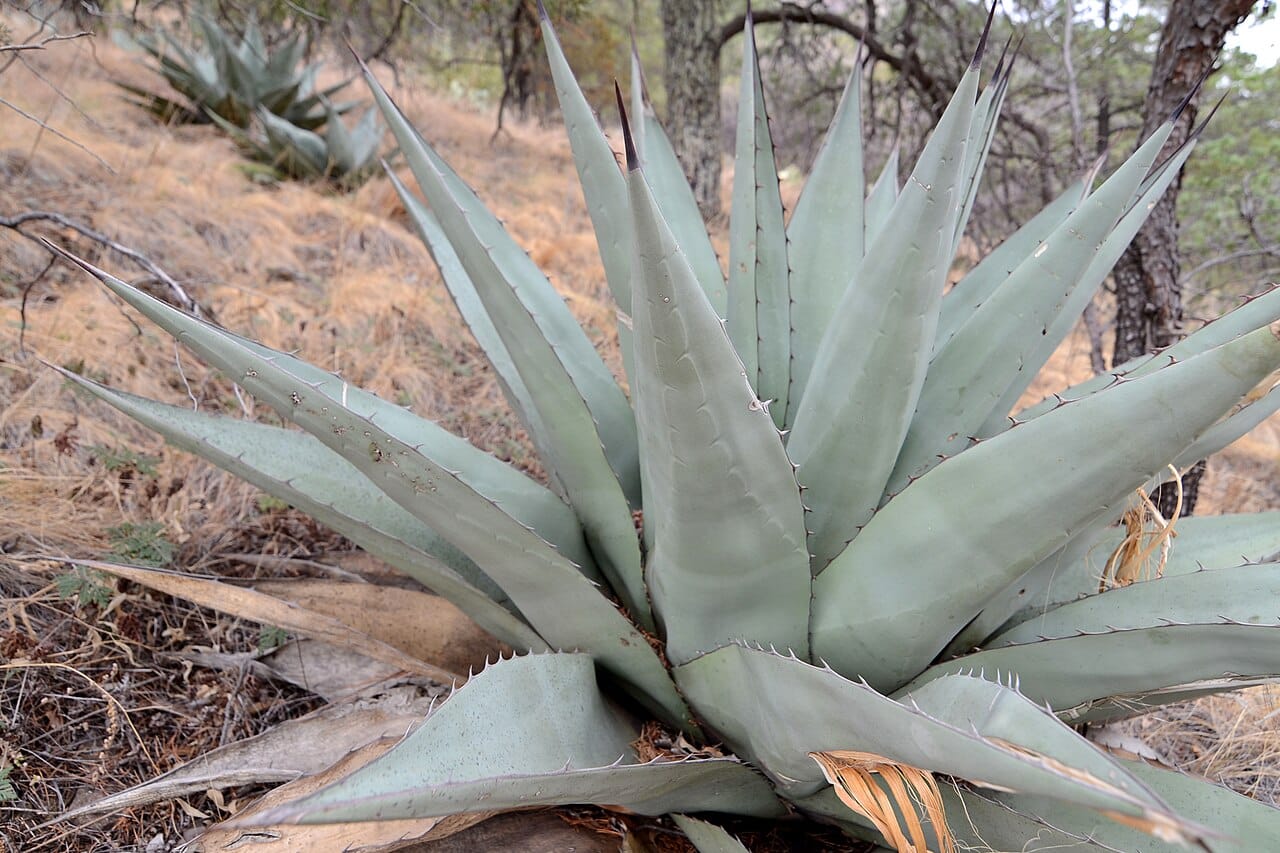
- Agave havardiana (Havard agave) — Zones 5–9. The big blue one — broad silver-blue rosettes to two feet or more, from the high Davis Mountains of West Texas. The best large agave for cold gardens, reliably taking −10 to −15°F when dry.
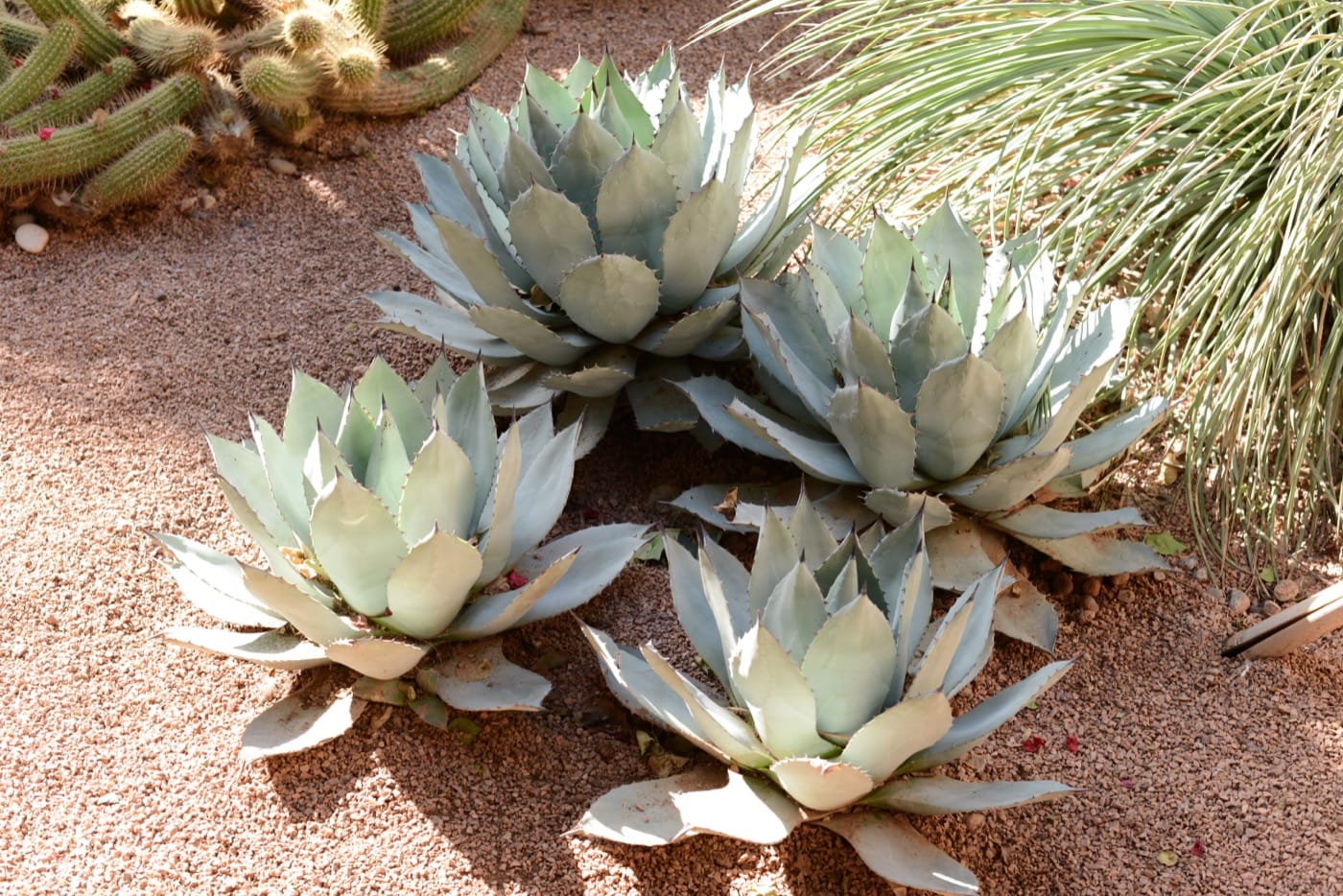
- Agave parryi (Parry's agave) — Zones 5–9. The artichoke-form classic, tight and symmetrical, to about 18 inches. Its high-elevation forms (A. parryi var. couesii, 'Flagstaff' provenance) are the cold champions.
- Agave neomexicana — Zones 5–8. New Mexico's native agave, compact and spiky, proven in Santa Fe winters.
- Agave utahensis — Zones 5–8. Small, wicked-spined, from the Great Basin — extremely cold-tough but the most rot-prone of the group; it demands near-perfect drainage.
One honest note: agaves are monocarpic. After a decade or three, the rosette sends up a spectacular bloom stalk and dies — usually leaving pups around the base to carry on.
Cold-hardy yuccas
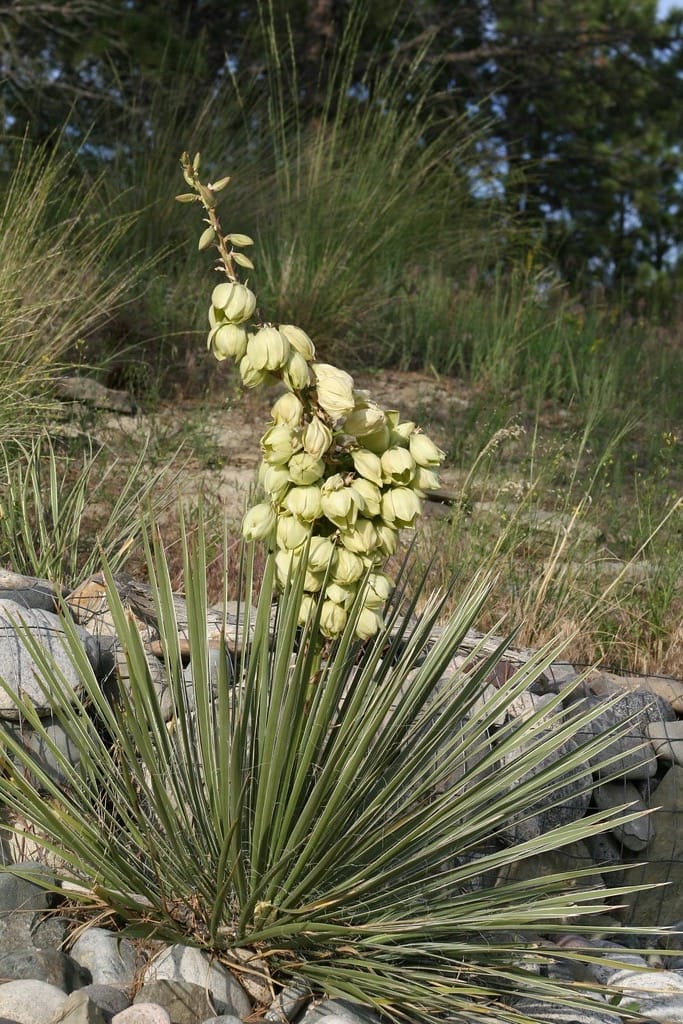
- Yucca glauca (soapweed yucca) — Zones 3–9. The hardiest of all — native to the northern plains, hardy past −30°F. Narrow blue-green needles and towers of cream bells.
- Yucca filamentosa (Adam's needle) — Zones 4–9. The garden-center standard, happy even in humid-summer states. 'Color Guard' adds a gold stripe that glows in winter.
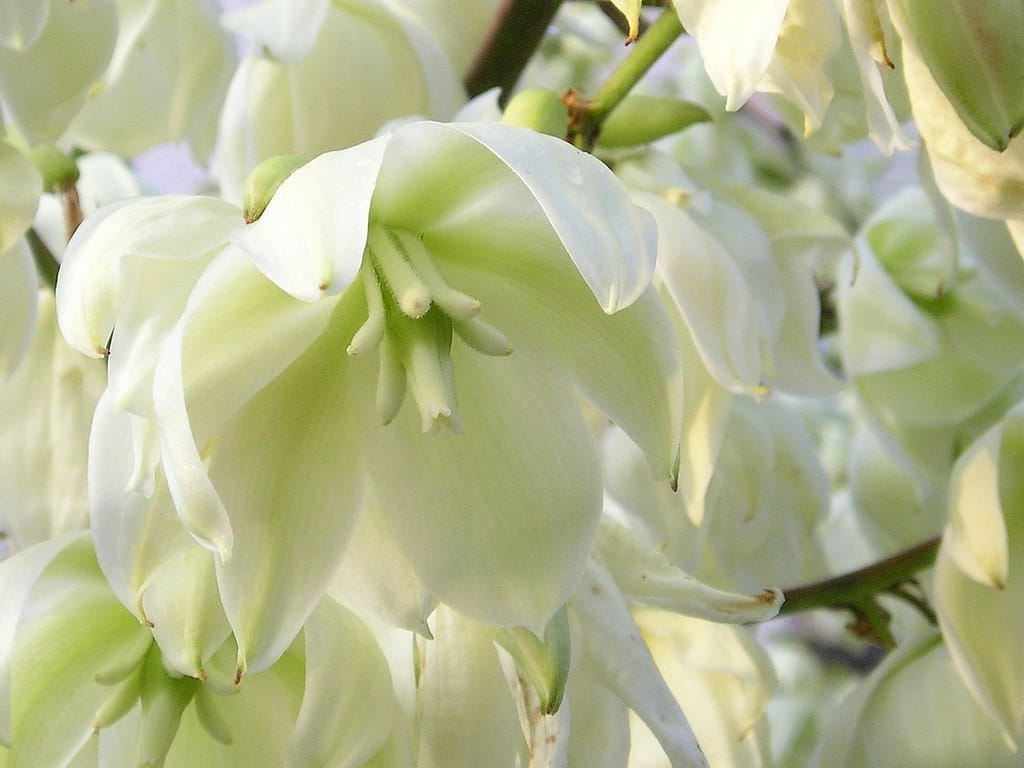
- Yucca baccata (banana yucca) — Zones 5–9. Broad, heavy, blue-toned blades and fat edible fruit — a Southwest native with real presence.
- Yucca harrimaniae — Zones 4–8. The dwarf — softball-to-basketball rosettes for rock gardens and troughs.
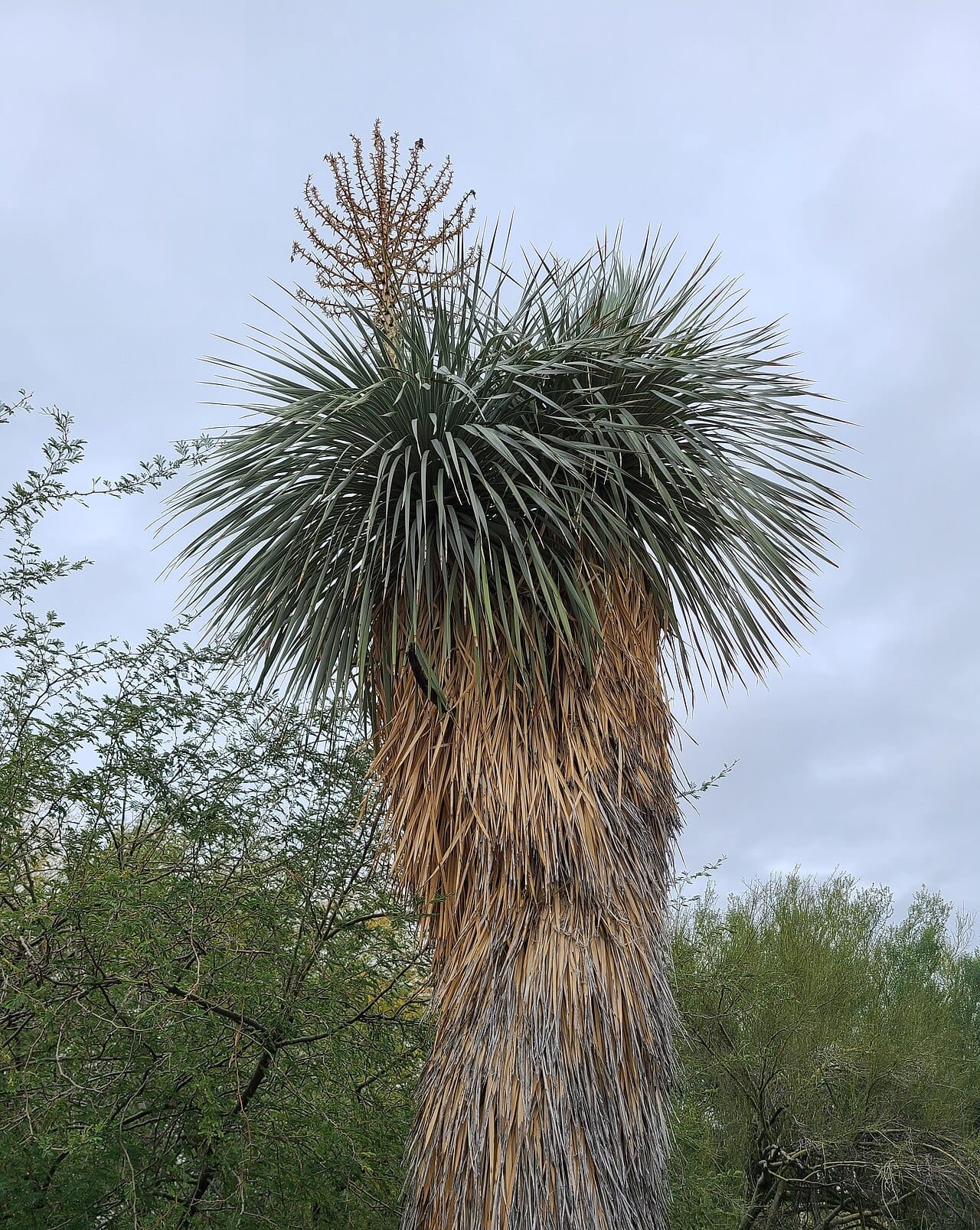
- Yucca rostrata (beaked yucca) — Zones 6–9. The one everybody wants: a trunk-forming silver pom-pom to six feet or more. Genuinely hardy to about −10°F when dry; in Zone 6 give it your warmest, driest microclimate.
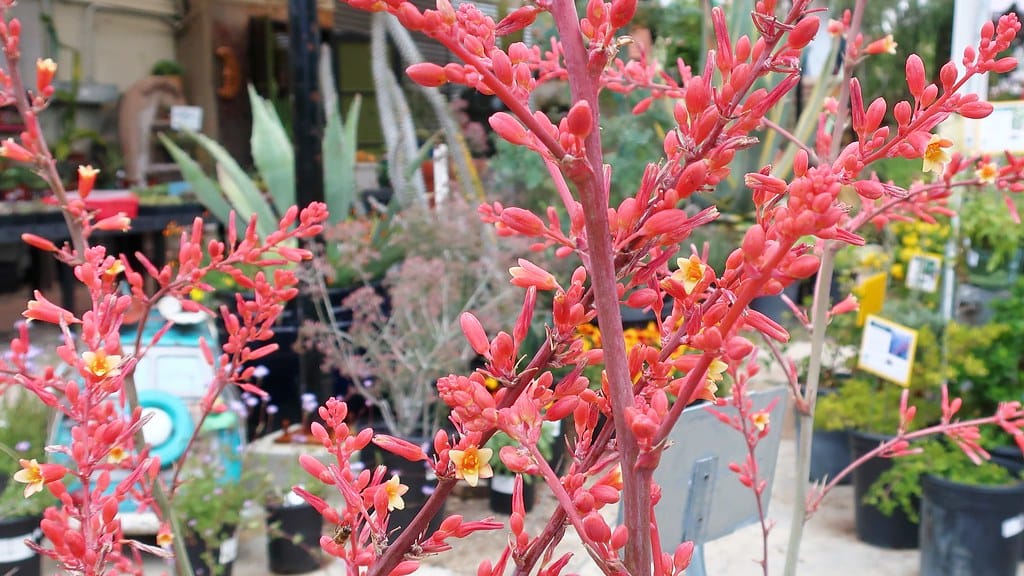
And the honorary yucca: red yucca (Hesperaloe parviflora), Zones 5b–10 — grassy evergreen foliage and coral bloom wands all summer, beloved by hummingbirds and parking lot designers alike.
Planting them to survive winter
- Build a mound or plant a slope. Even 8–12 inches of elevation sheds the winter moisture that kills these plants. South- or west-facing is ideal.
- Make the soil half grit. Blend coarse sand or fine gravel into the native soil; skip compost entirely (soil prep guide).
- Mulch with gravel only. Wood mulch traps damp against the crown — the one place gravel wins outright.
- Plant in late spring, so roots establish through a full warm season before their first winter. Water weekly the first summer, then taper to nearly nothing — established plants in most climates need no irrigation at all.
- Keep winter overhead water off agaves where you can. In wet-snow climates, siting under a deep eave — or a simple rain shelter for a prized specimen — beats any hardiness rating.
Designing with them
Use these as the exclamation points, not the paragraph: one agave anchoring a rock garden, a trio of yuccas punctuating a sweep of groundcovers, red yucca lining a hot driveway. Their evergreen structure carries the winter garden while the perennials sleep — which is exactly the role Zone 5 and Zone 6 xeriscapes struggle to fill any other way. Give each one clearance from paths (the spines are not kidding), and let the architecture do the talking.
Want more spiky-and-hardy? The cold-hardy cactus guide covers the prickly pears and hedgehogs that share exactly this planting recipe.