
The secret to a xeriscape that looks lush instead of sparse is simple: perennials that bloom long and drink little. These fifteen have earned their spots in low-water gardens across the country — most are hardy to at least Zone 5, several to Zone 4, and every one delivers weeks-to-months of color once established. (Not sure of your zone? Look it up first — it makes every choice easier.)
A quick rule before the list: "drought-tolerant" means after establishment. Water every plant here regularly through its first season so roots go deep, then taper off hard.
The list
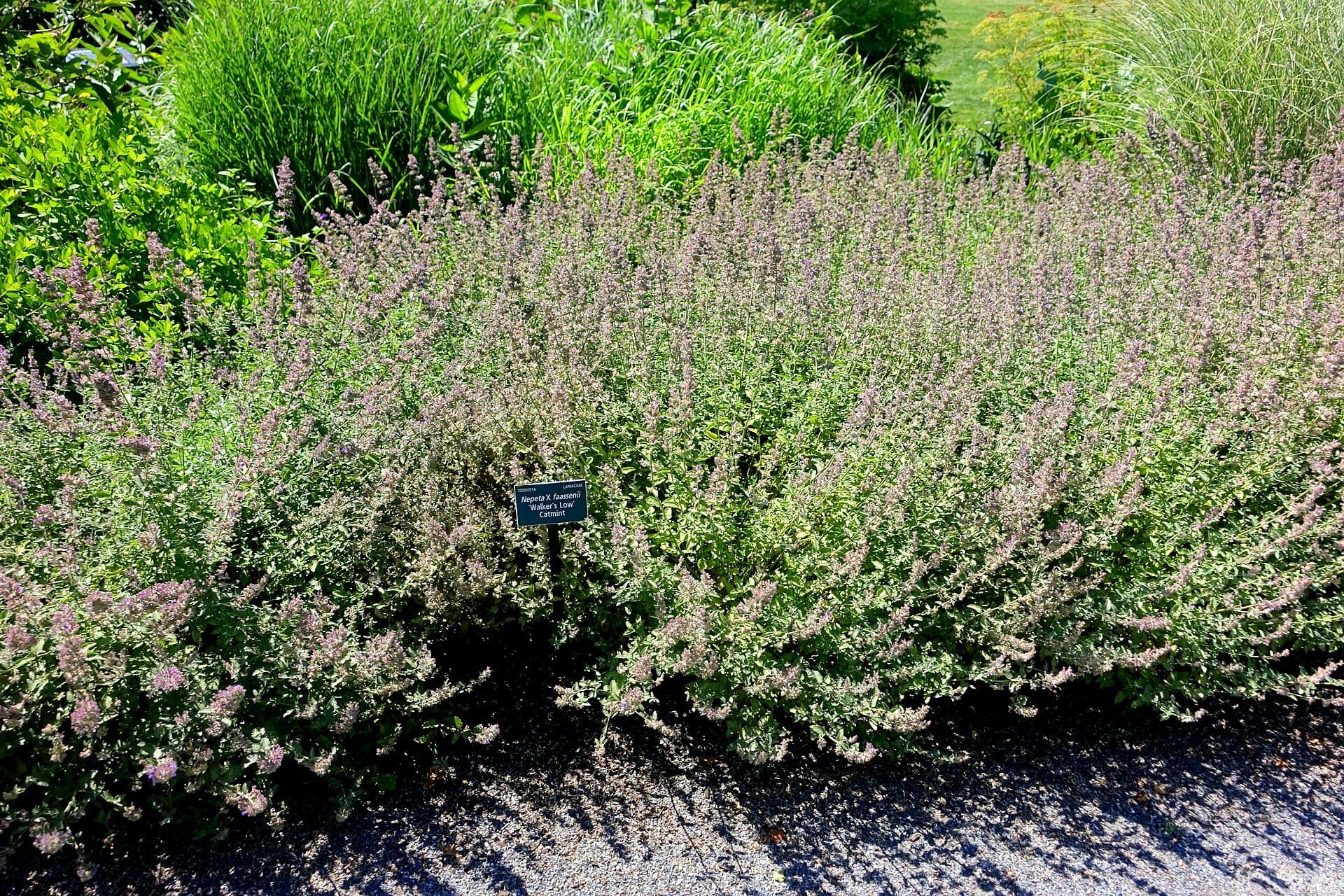
1. Catmint (Nepeta × faassenii) — Zones 4–8. The workhorse. A haze of lavender-blue from late spring to frost if you shear it once midsummer. Bee magnet, deer-proof, nearly unkillable.
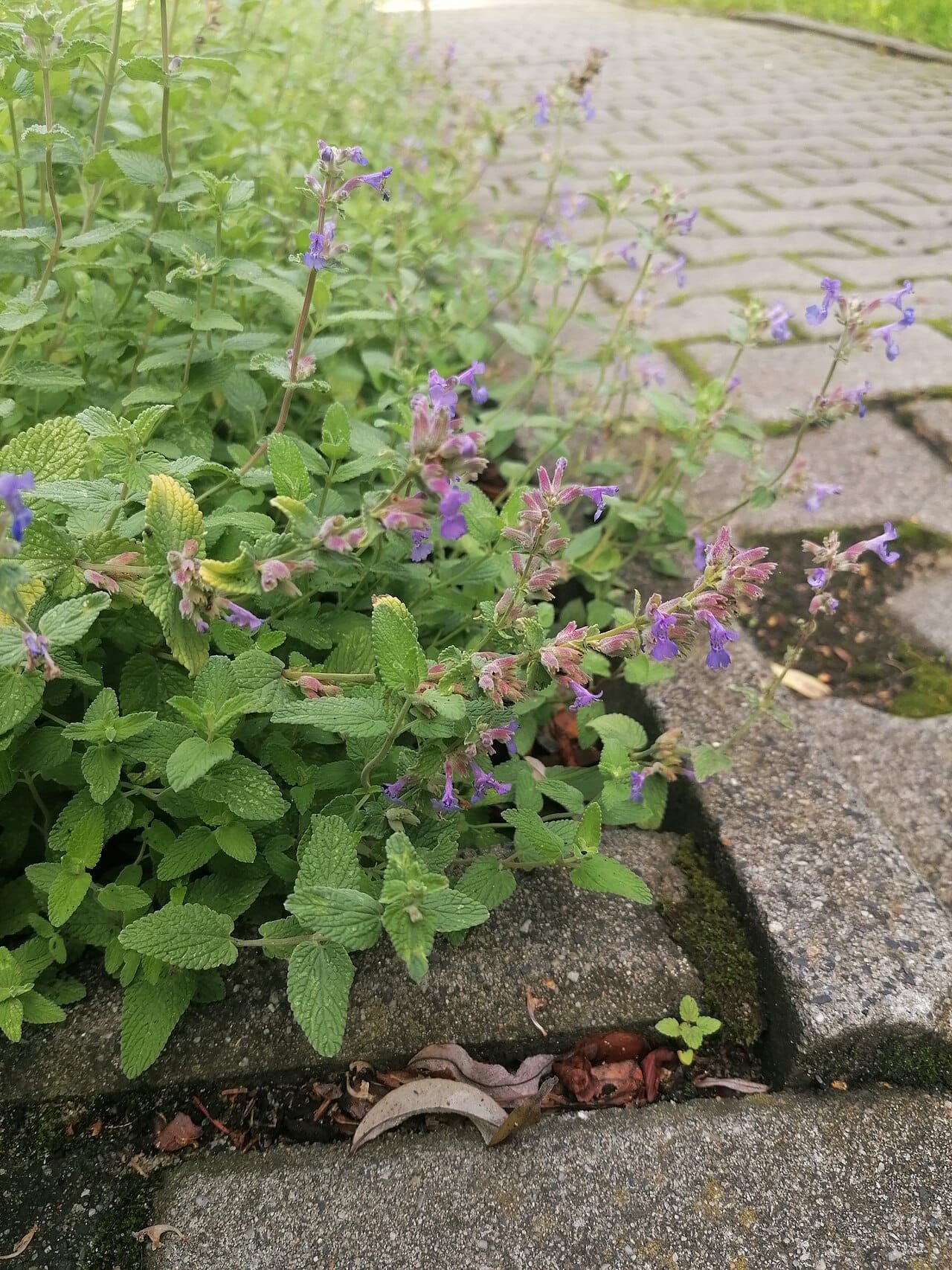
2. Yarrow (Achillea millefolium) — Zones 3–9. Flat-topped blooms in gold, red, pink, and cream over ferny foliage. Thrives in lean soil; flops in rich soil, so don't pamper it.
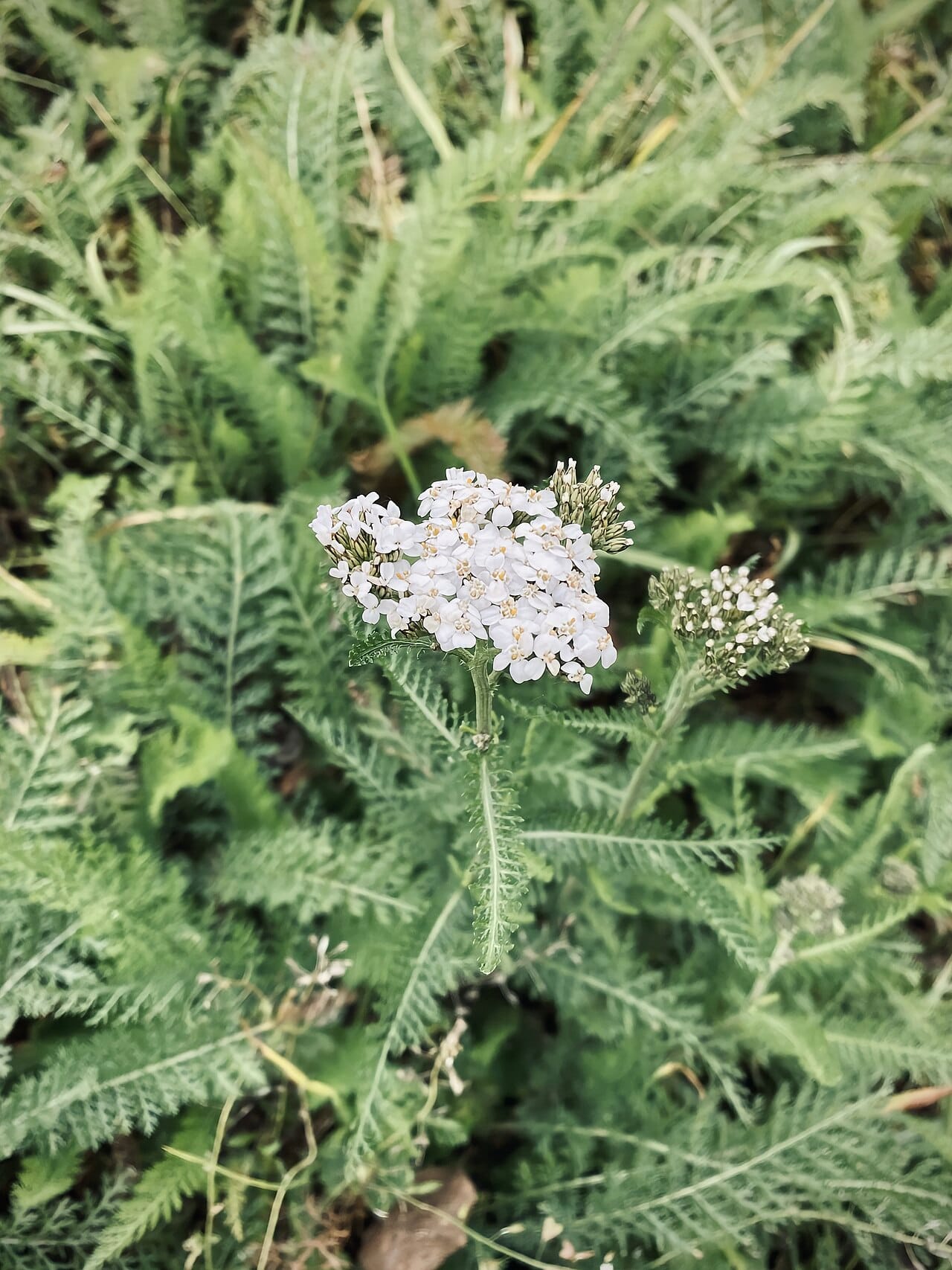
3. Salvia (Salvia nemorosa 'May Night' and kin) — Zones 4–8. Deep purple spikes in early summer; deadhead for a strong rebloom. Structured, tidy, pollinator-loved.
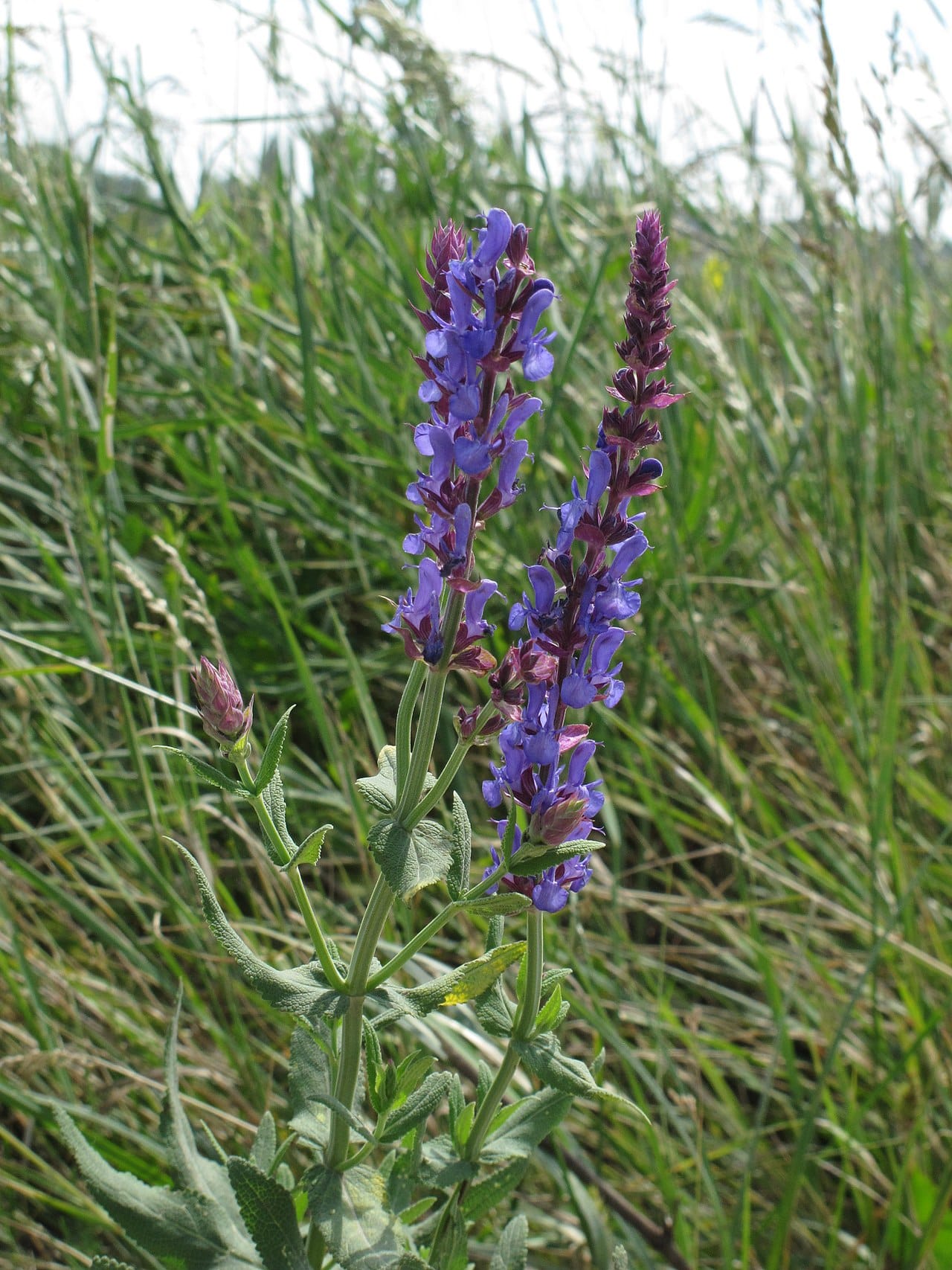
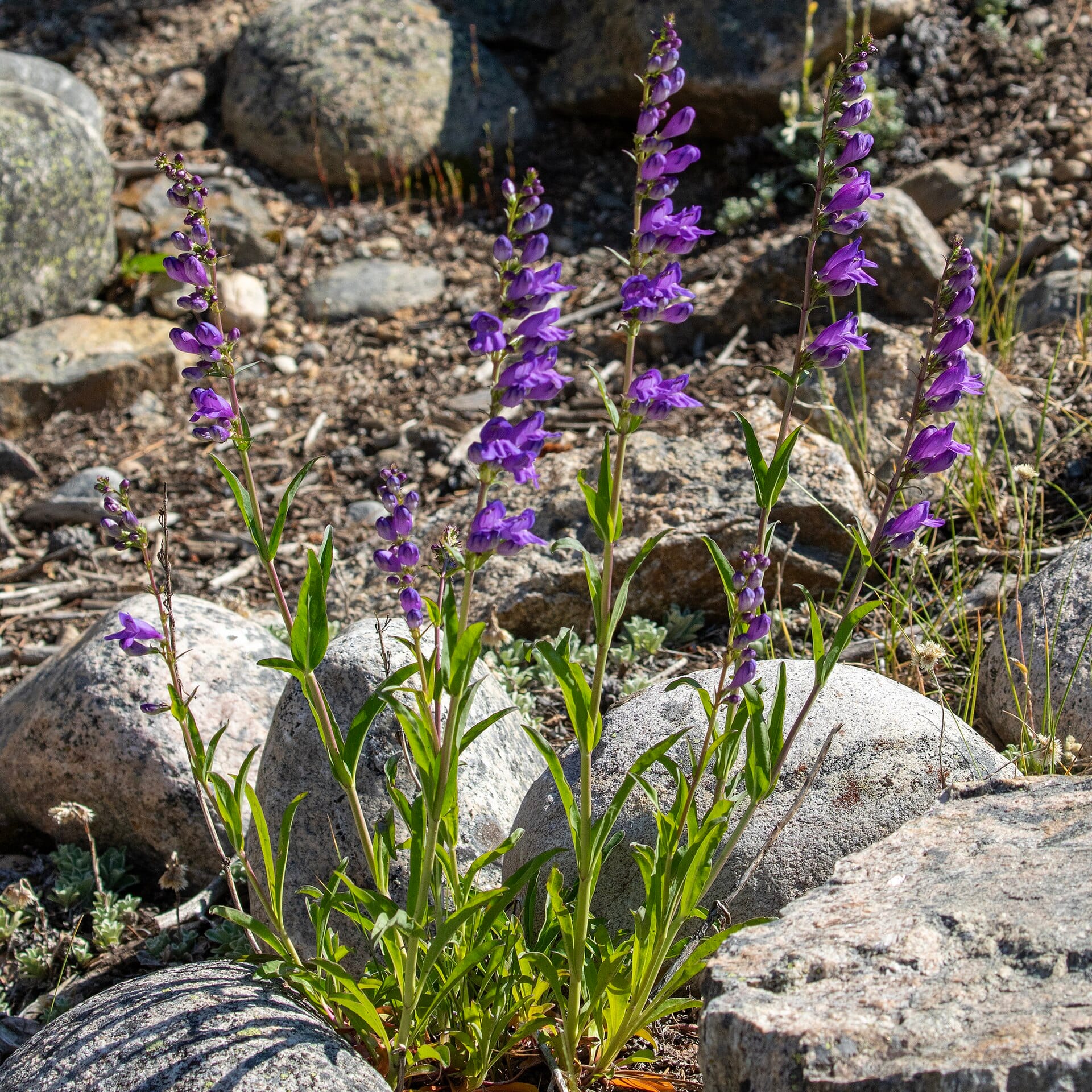
4. Penstemon (beardtongue) — Zones 4–9 by species. Tubular flowers hummingbirds can't resist. Natives like Rocky Mountain penstemon are spectacular in the West; 'Husker Red' is a tough garden classic anywhere.
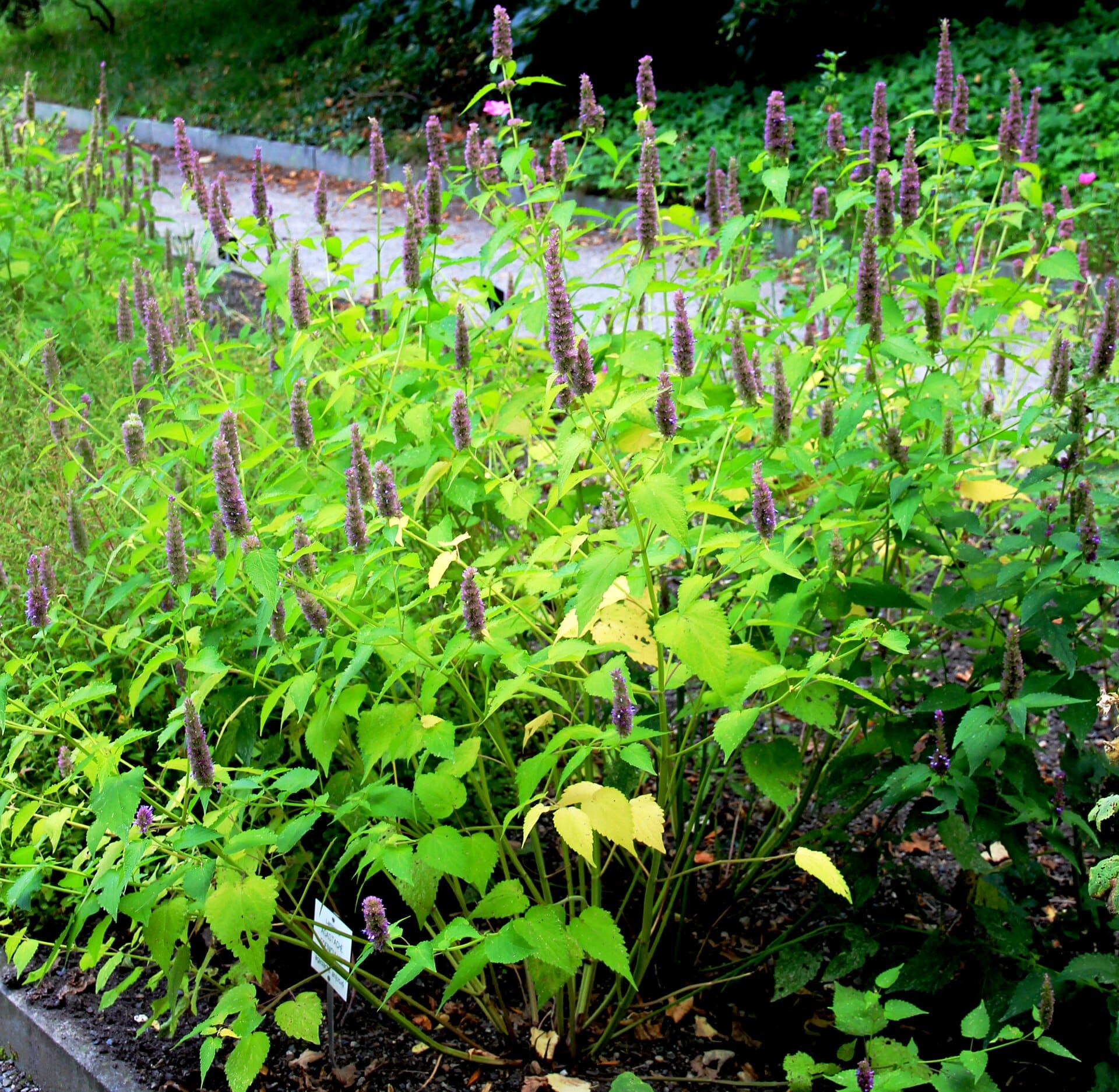
5. Agastache (hummingbird mint) — Zones 5–9. Licorice-scented spires of orange, pink, or blue from midsummer to frost. Wants sharp drainage — plant it high, never in a soggy spot.
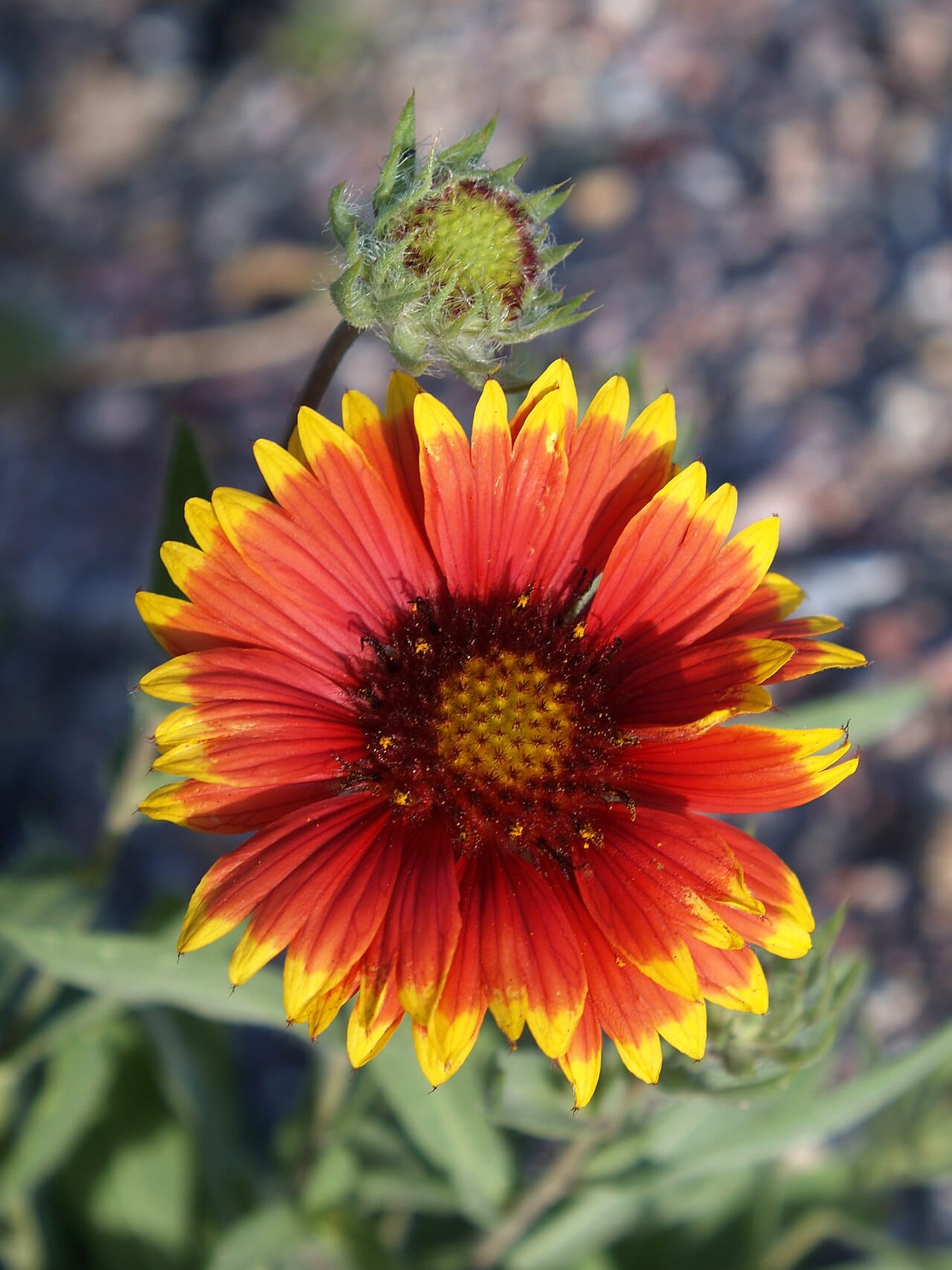
6. Blanket Flower (Gaillardia) — Zones 3–9. Red-and-gold daisies that bloom relentlessly all summer in blazing sun and poor soil. Short-lived but reseeds politely.
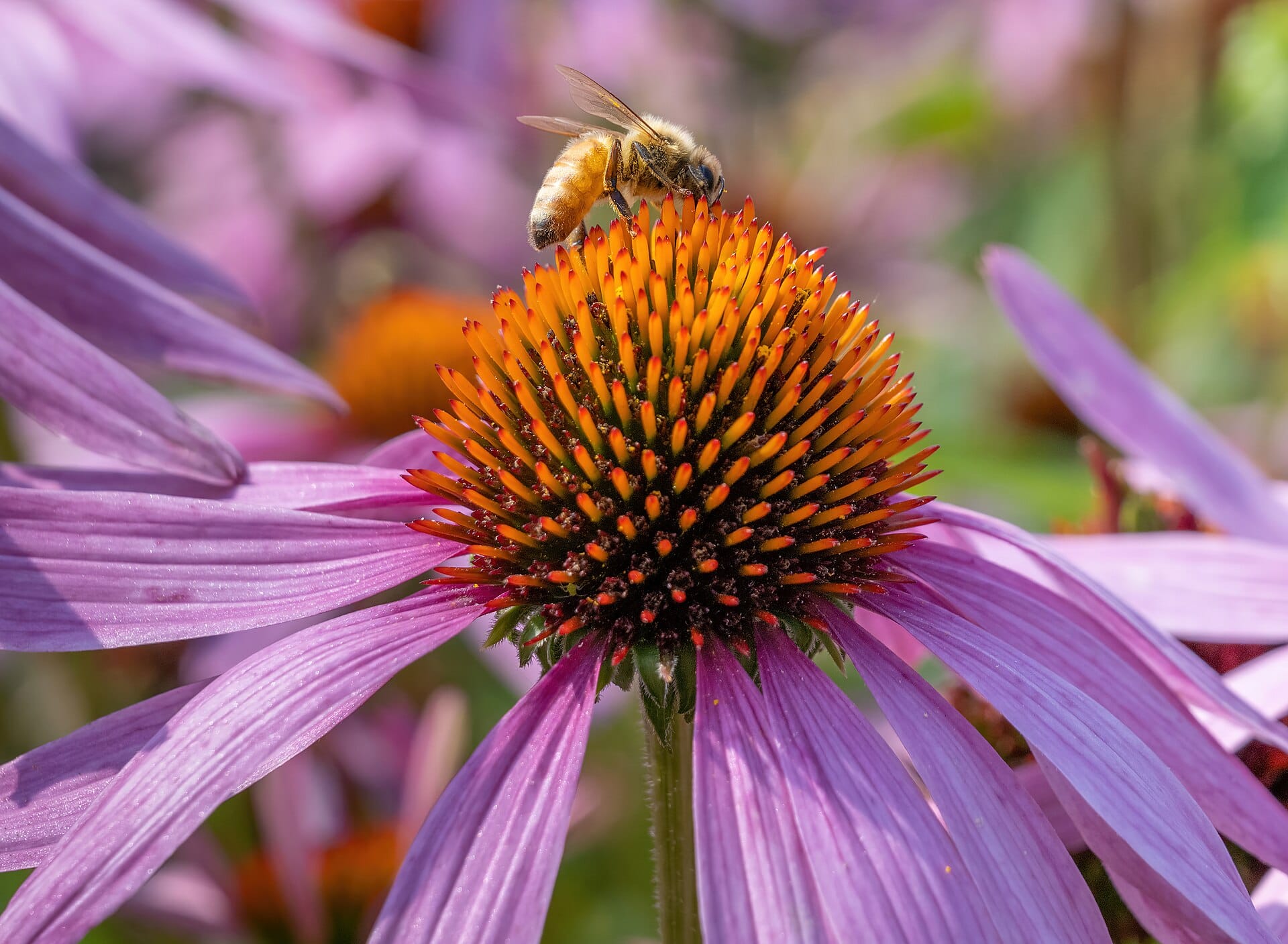
7. Coneflower (Echinacea purpurea) — Zones 3–9. Prairie native, iconic purple daisies, loved by butterflies in summer and goldfinches in winter — leave the seed heads standing.
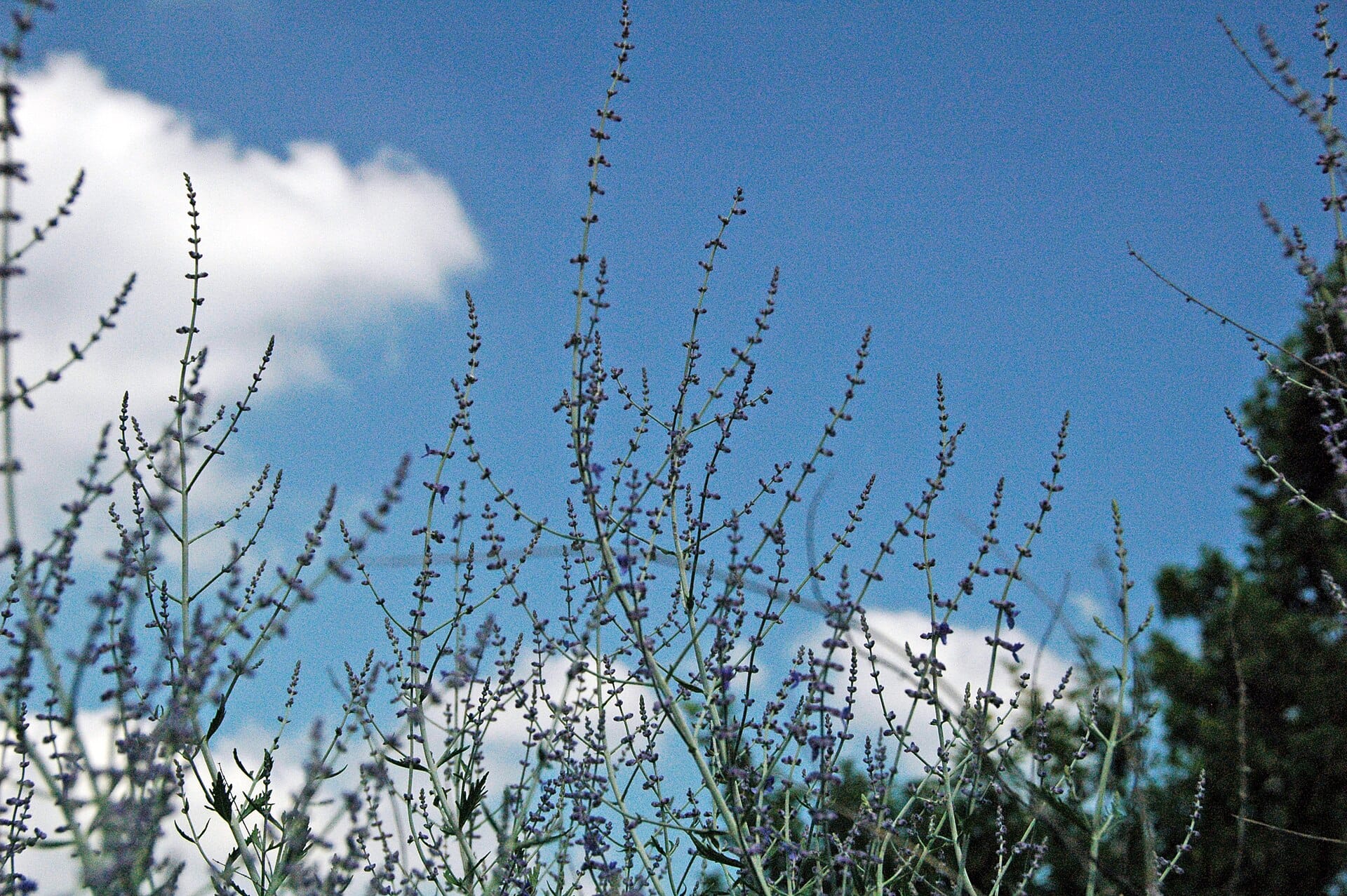
8. Russian Sage (Salvia yangii) — Zones 4–9. A silver-and-lavender cloud, four feet tall, blooming from July to fall. Give it space and full sun; it asks for nothing else.
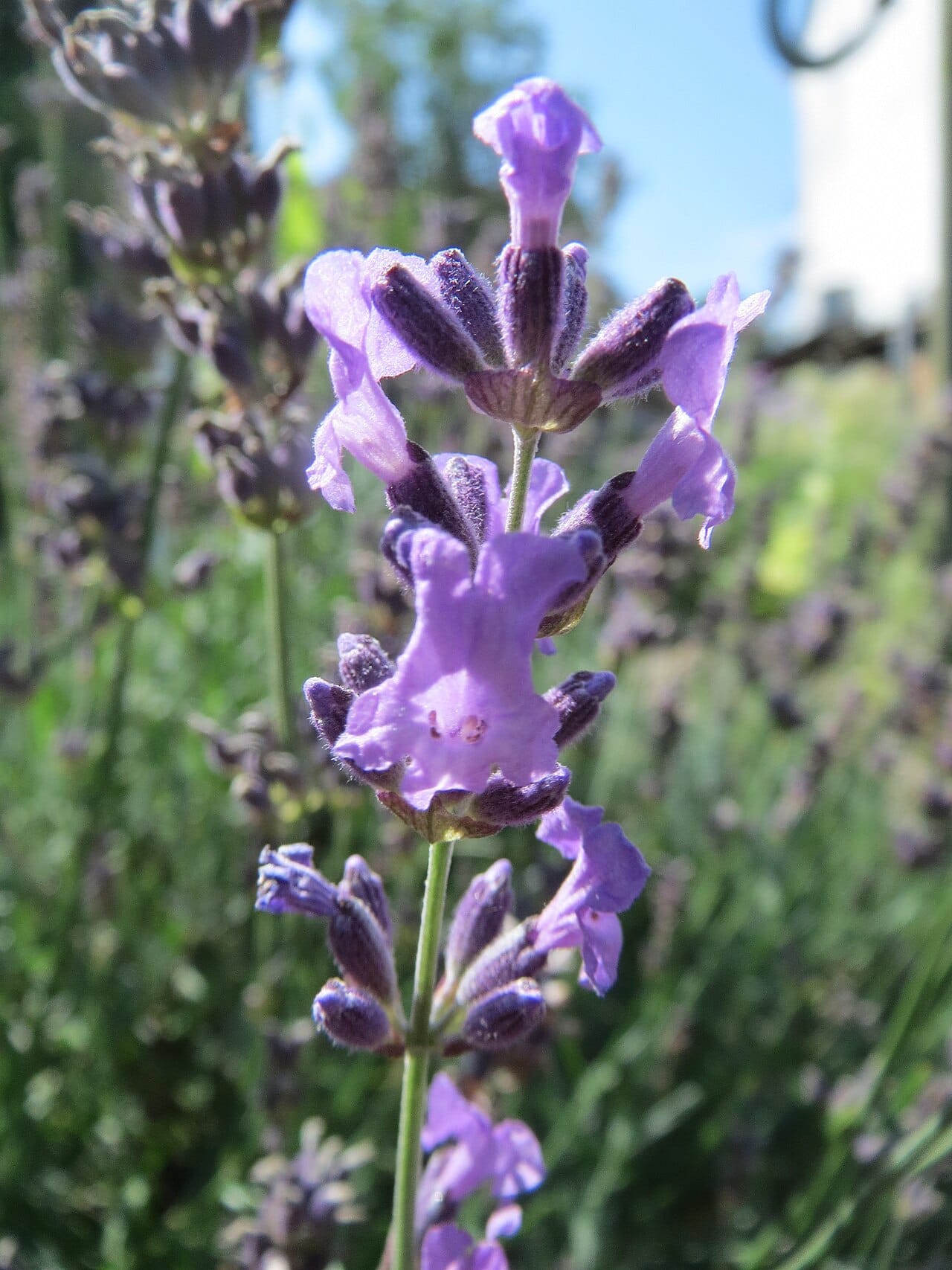
9. Lavender (Lavandula angustifolia) — Zones 5–9. English varieties like 'Munstead' and 'Hidcote' are the cold-hardy picks. Drainage is everything — see agastache's rule.
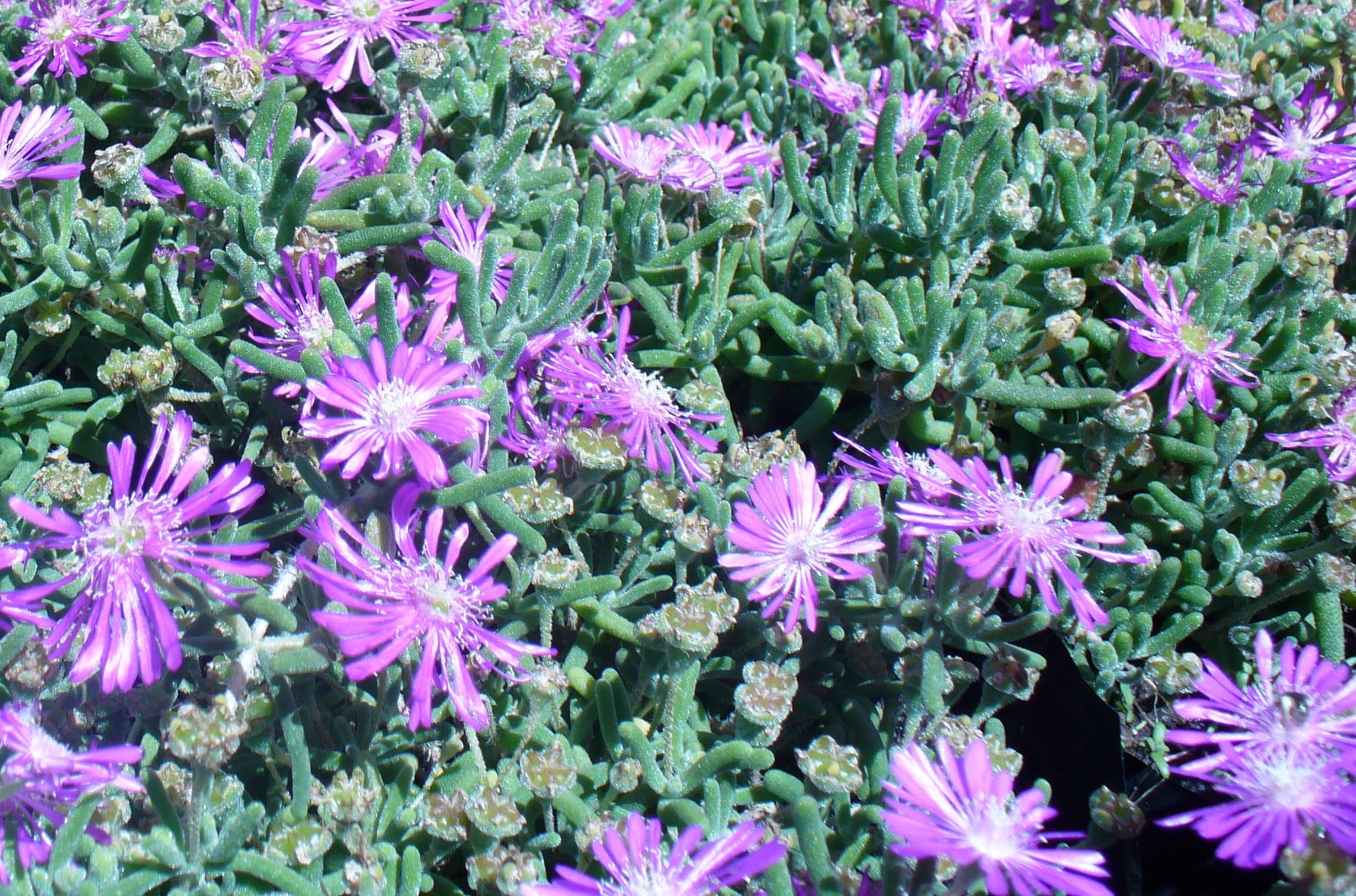
10. Ice Plant (Delosperma) — Zones 4–9 by variety. A succulent groundcover that carpets itself in neon daisies. Perfect for hell strips, slopes, and rock gardens.
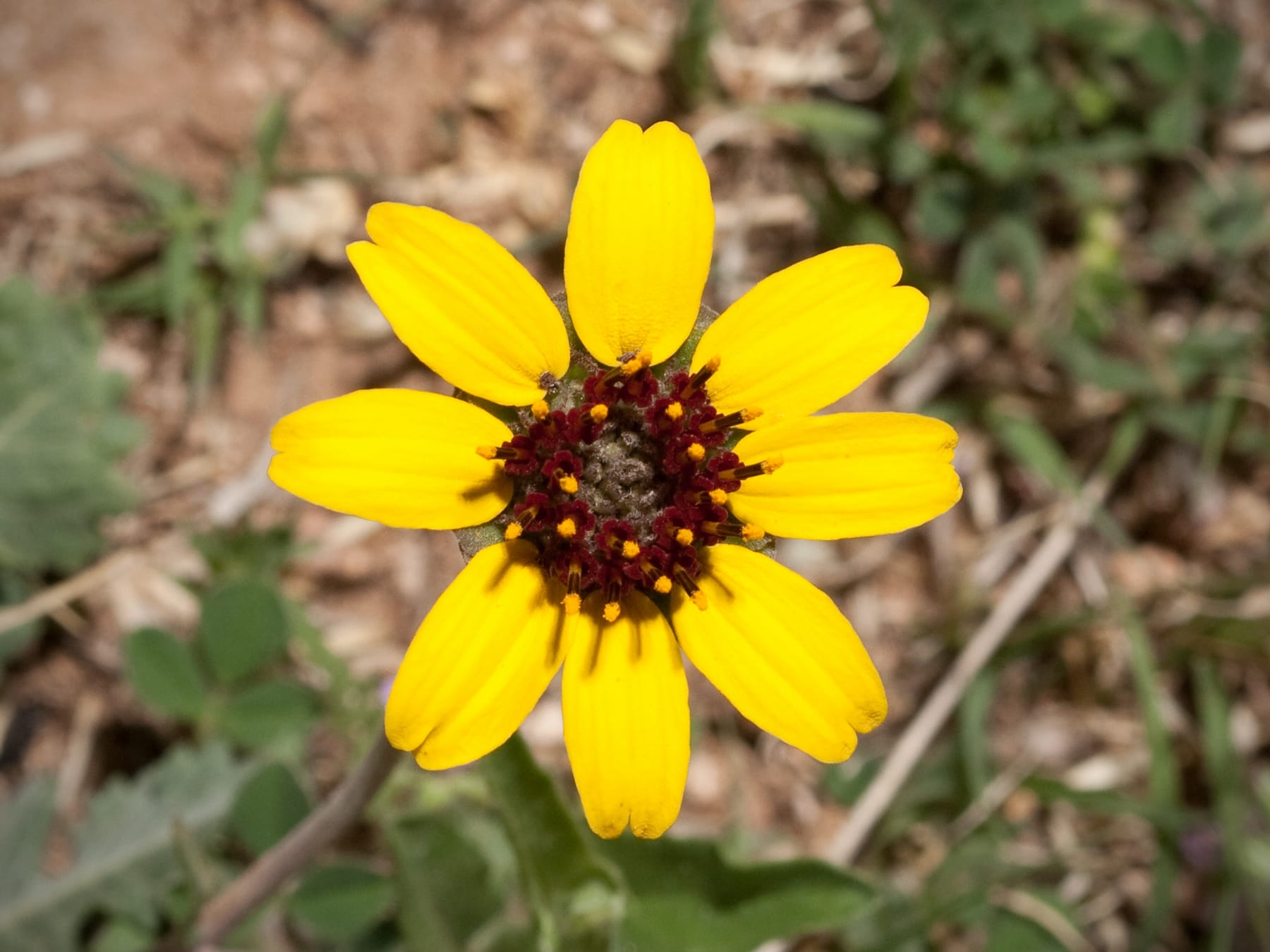
11. Chocolate Flower (Berlandiera lyrata) — Zones 4–10. Yellow daisies that genuinely smell like cocoa in the morning. Southwest native, blooms all season, criminally underused.
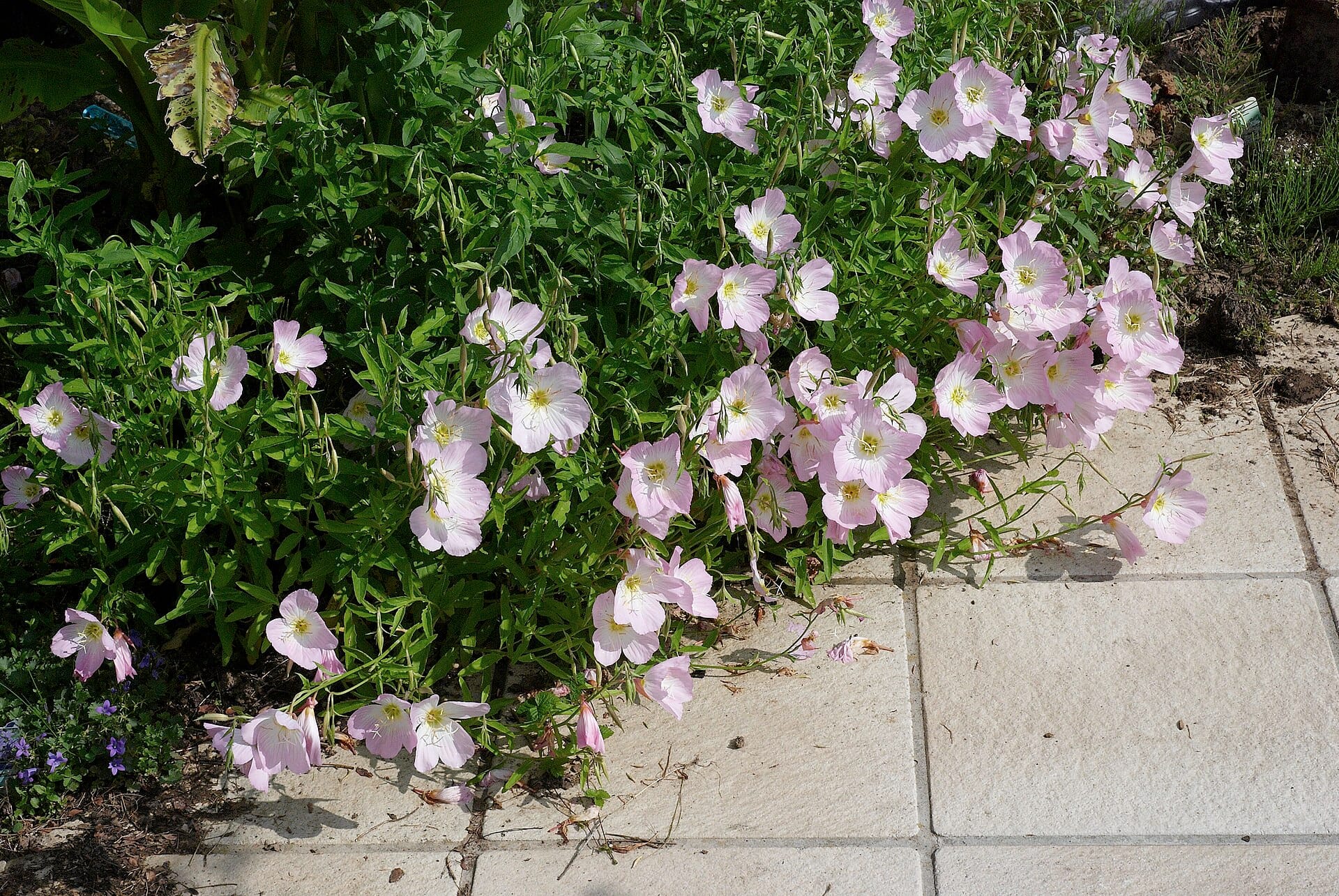
12. Evening Primrose (Oenothera) — Zones 4–9. Big silky pink or yellow blooms on a tough spreading plant. Give it room — it wanders, in a good way.
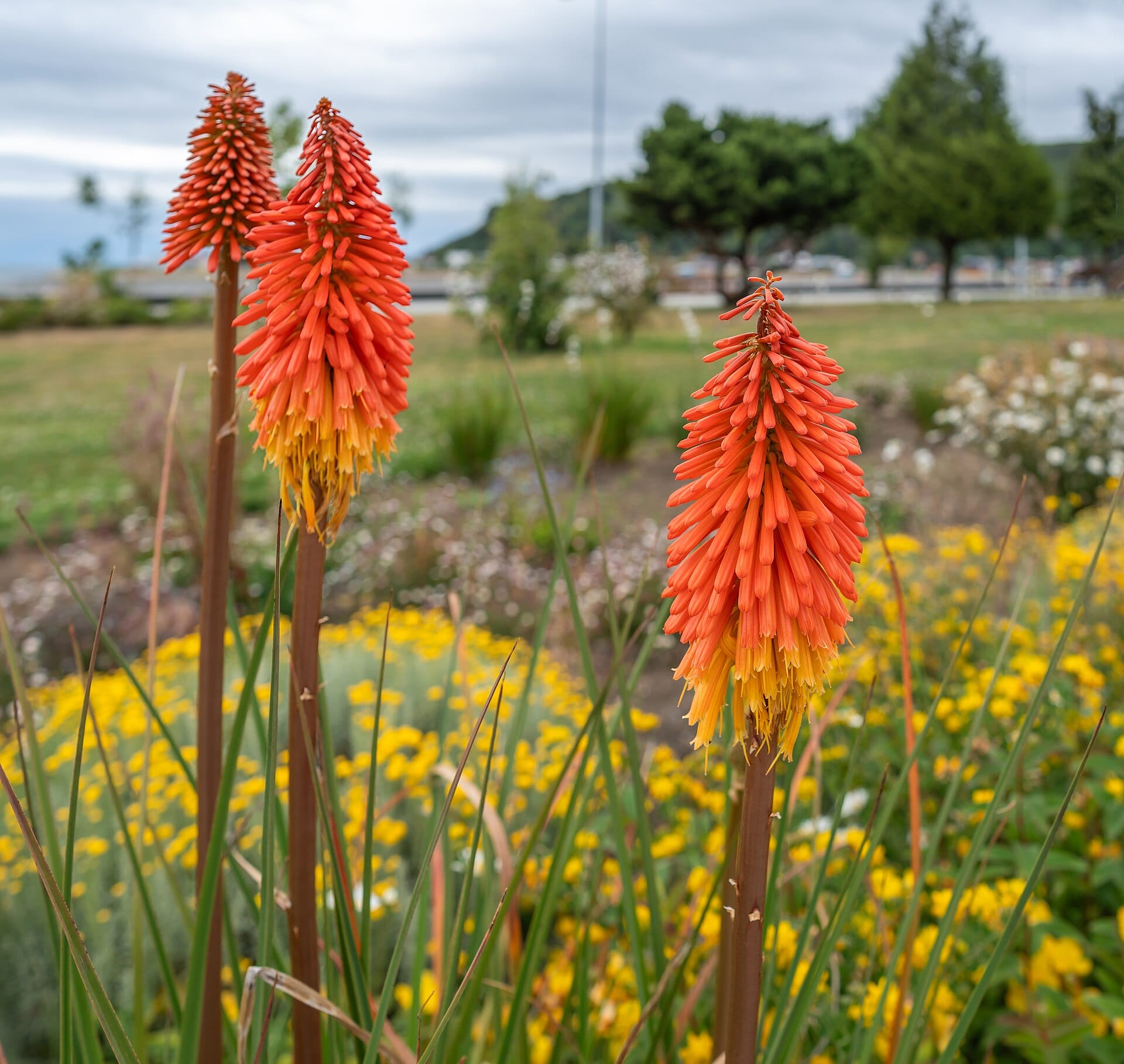
13. Red Hot Poker (Kniphofia) — Zones 5–9. Torch-shaped blooms over grassy evergreen foliage. Architectural, hummingbird-approved, surprisingly water-thrifty.
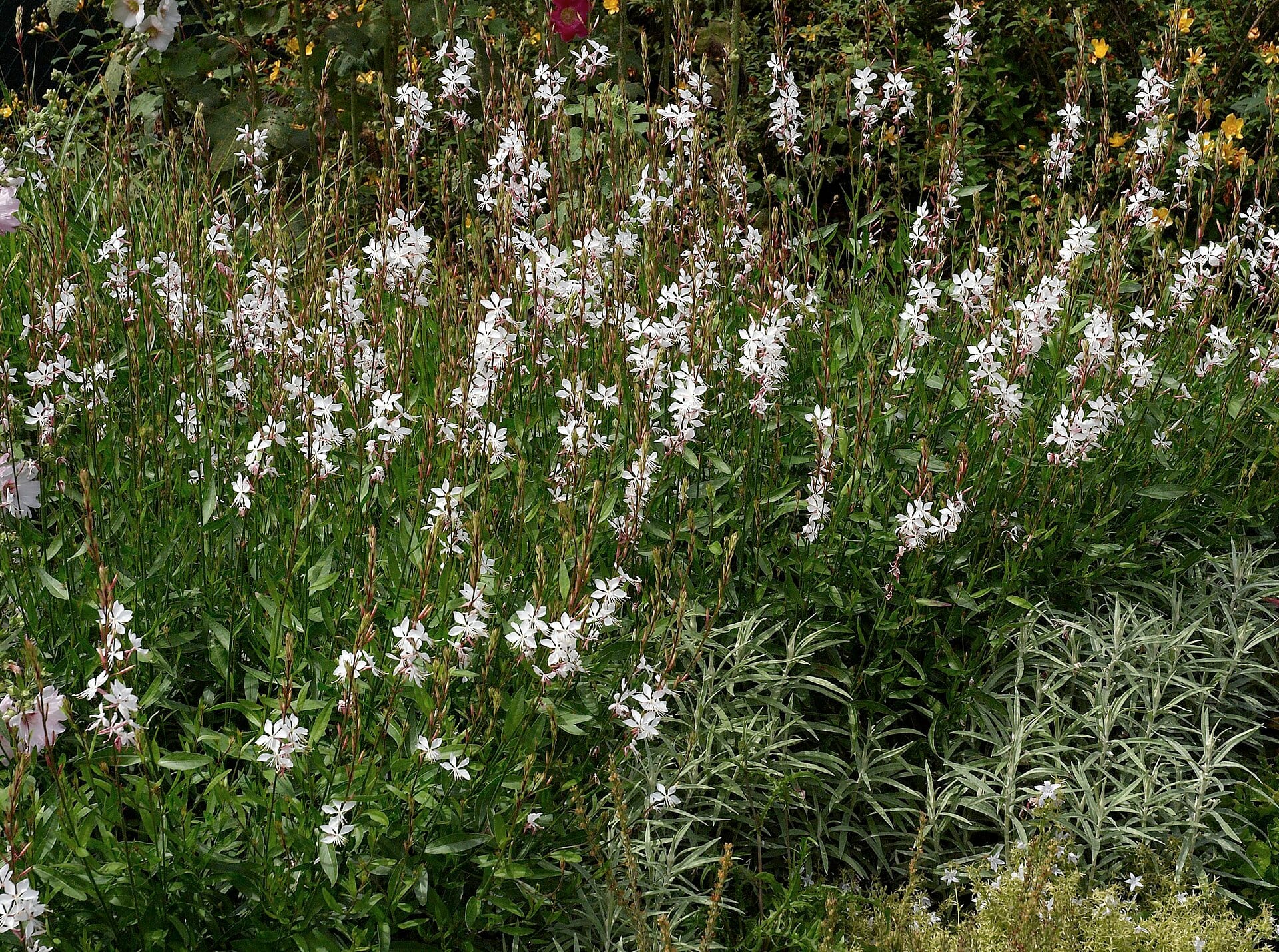
14. Gaura (Oenothera lindheimeri) — Zones 5–9. "Whirling butterflies" — white-to-pink flowers dancing on wiry stems from June to frost. Loose, airy, constant motion.
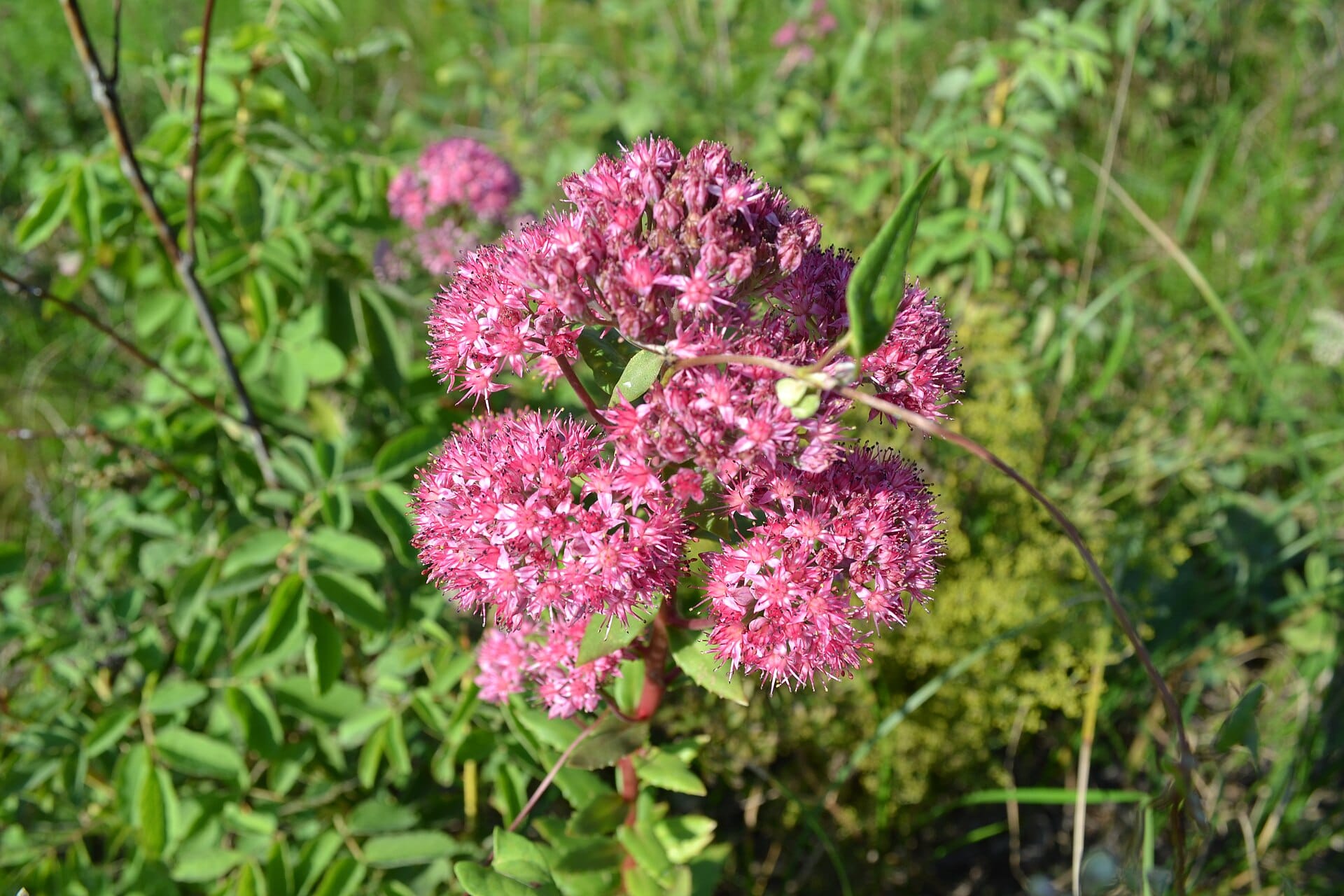
15. Sedum 'Autumn Joy' (Hylotelephium) — Zones 3–9. Succulent foliage all season, dusty-pink blooms in late summer aging to bronze, and standing winter structure. The perfect season-closer.
Designing with them
- Plant in drifts of 3–7, not singles — mass reads as intentional, dots read as sparse.
- Sequence the bloom: salvia and penstemon open early; catmint, gaillardia, and gaura carry the middle; agastache, Russian sage, and sedum close the season.
- Group by water needs (hydrozoning) so a drip line waters everything correctly — the full method is in our 10 Steps to Xeriscaping.
- Skip the fertilizer. Nearly everything here blooms harder in lean soil.
Getting them established
Water deeply once or twice a week for the first season, then cut back to deep, infrequent soaks. Overwatering kills more of these plants than drought ever will. Mulch 2–3 inches, keep it off the crowns, and in spring cut back last year's growth as new shoots appear.
Building the full landscape around them? Start with Why Xeriscaping? and browse design ideas to see these plants at work.