
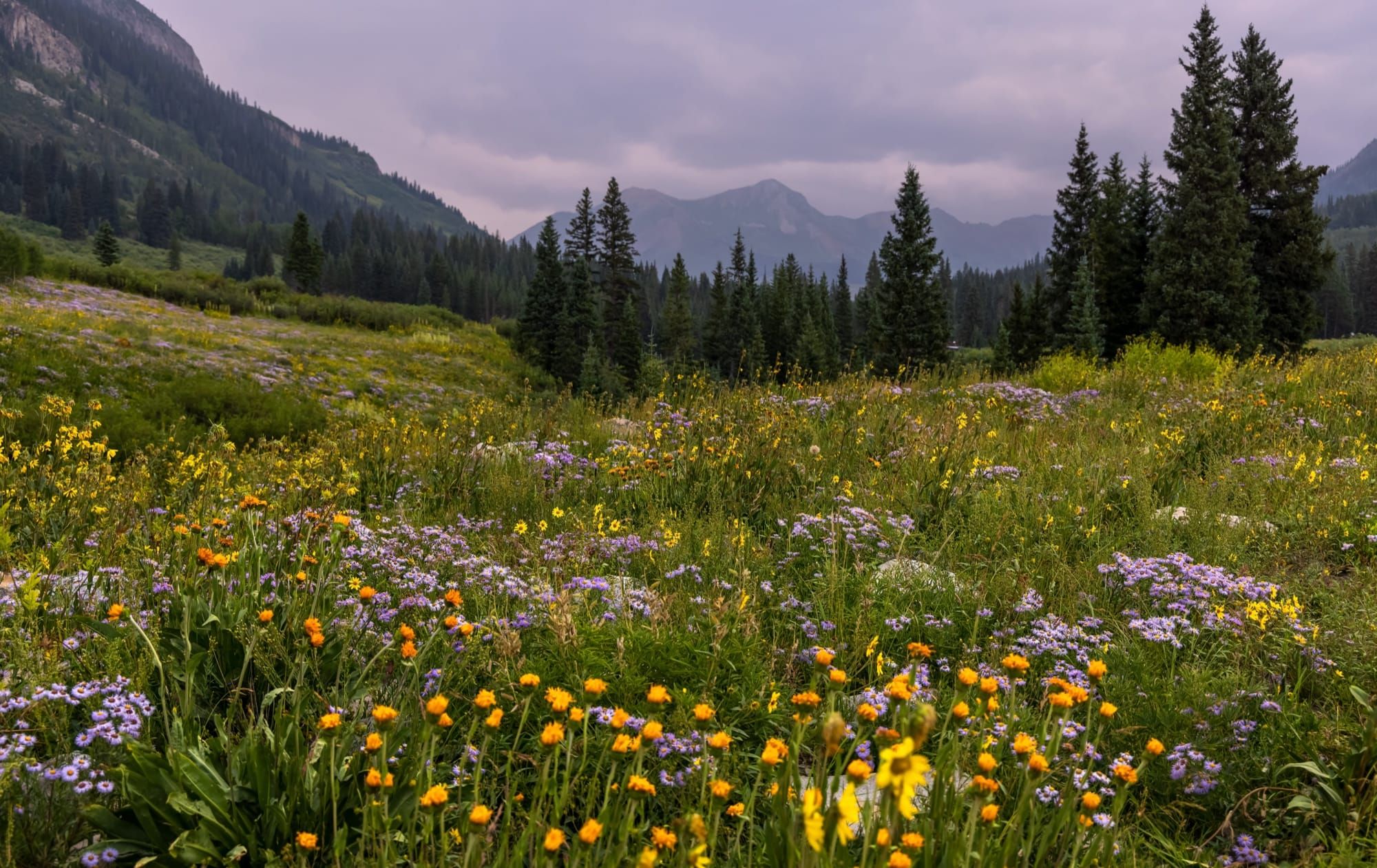
Zone 5 is where xeriscaping gets interesting: winters that drop to −20°F, summers that can bake, and — across the Zone 5 West — precious little rain in between. Denver, Fort Collins, Salt Lake City's benches, Boise's edges, and huge stretches of the interior West all garden here. The good news: this is native shortgrass-steppe country, and the plant palette that evolved for it is deep. (Zone unclear? Check the hardiness zone guide first.)
Everything below is rated Zone 5 or colder and genuinely low-water once established.
Perennials
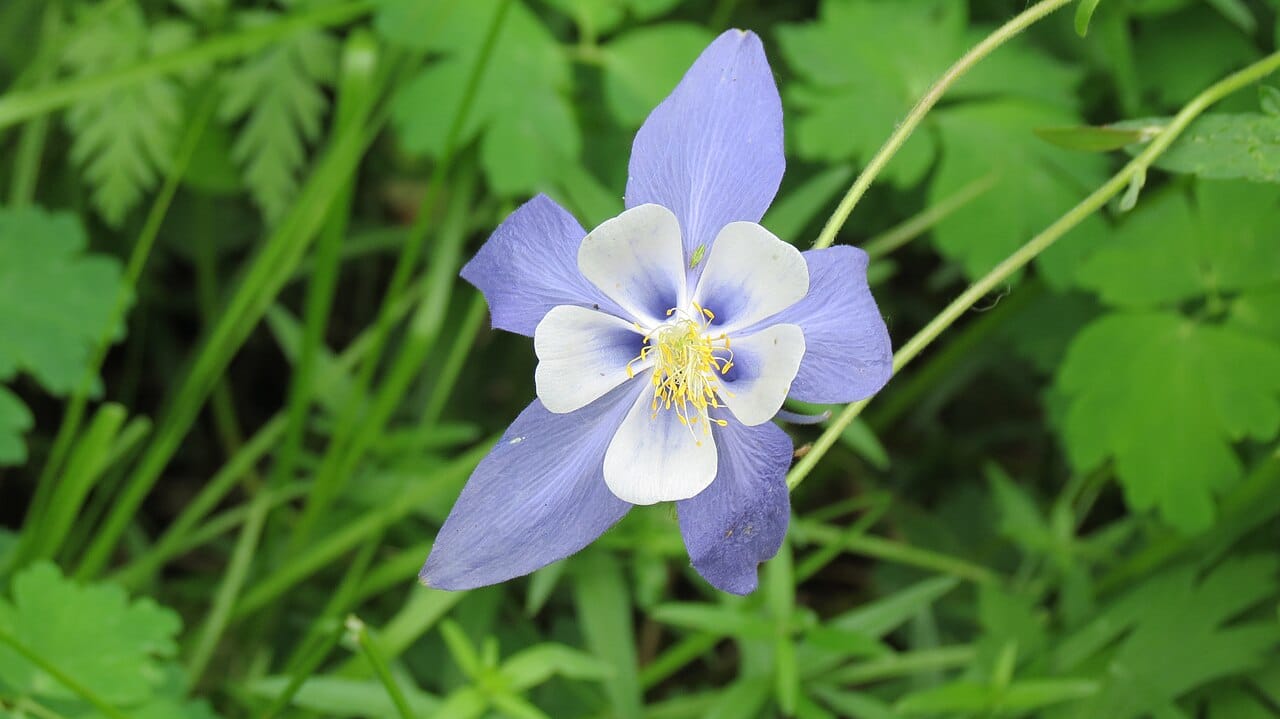
- Columbine (Aquilegia) — the Rocky Mountain classic; happiest with a little afternoon shade at low elevations.
- Catmint, yarrow, salvia 'May Night' — the indestructible bloom trio (full profiles here).
- Penstemon — Rocky Mountain and pineleaf penstemon are the zone-5 stars.
- Agastache — hardy varieties like 'Blue Fortune' and A. rupestris; drainage is the overwinter secret.
- Chocolate flower, blanket flower, evening primrose — the long-bloom daisies.
- Ice plant (Delosperma) — hardy types carpet zone 5 hell strips in neon.
- Sedum 'Autumn Joy' — succulent structure to −40°; ends the season in bronze.
Grasses
- Blue grama ('Blonde Ambition' or as a lawn substitute)
- Little bluestem — copper winter color made for snow-light landscapes.
- Karl Foerster feather reed grass — the upright accent, hardy to Zone 4.
- Blue oat grass — evergreen steel-blue tuffets. (More options in ornamental grasses.)
Shrubs
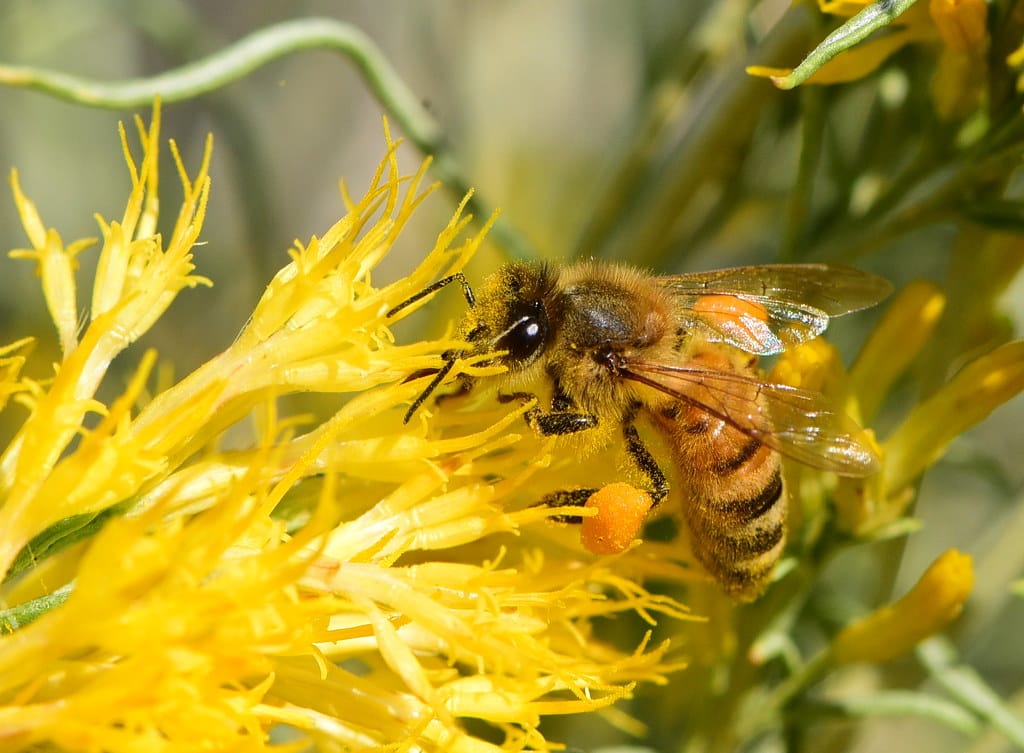
- Rabbitbrush — September gold, silver foliage, zero water once rooted.
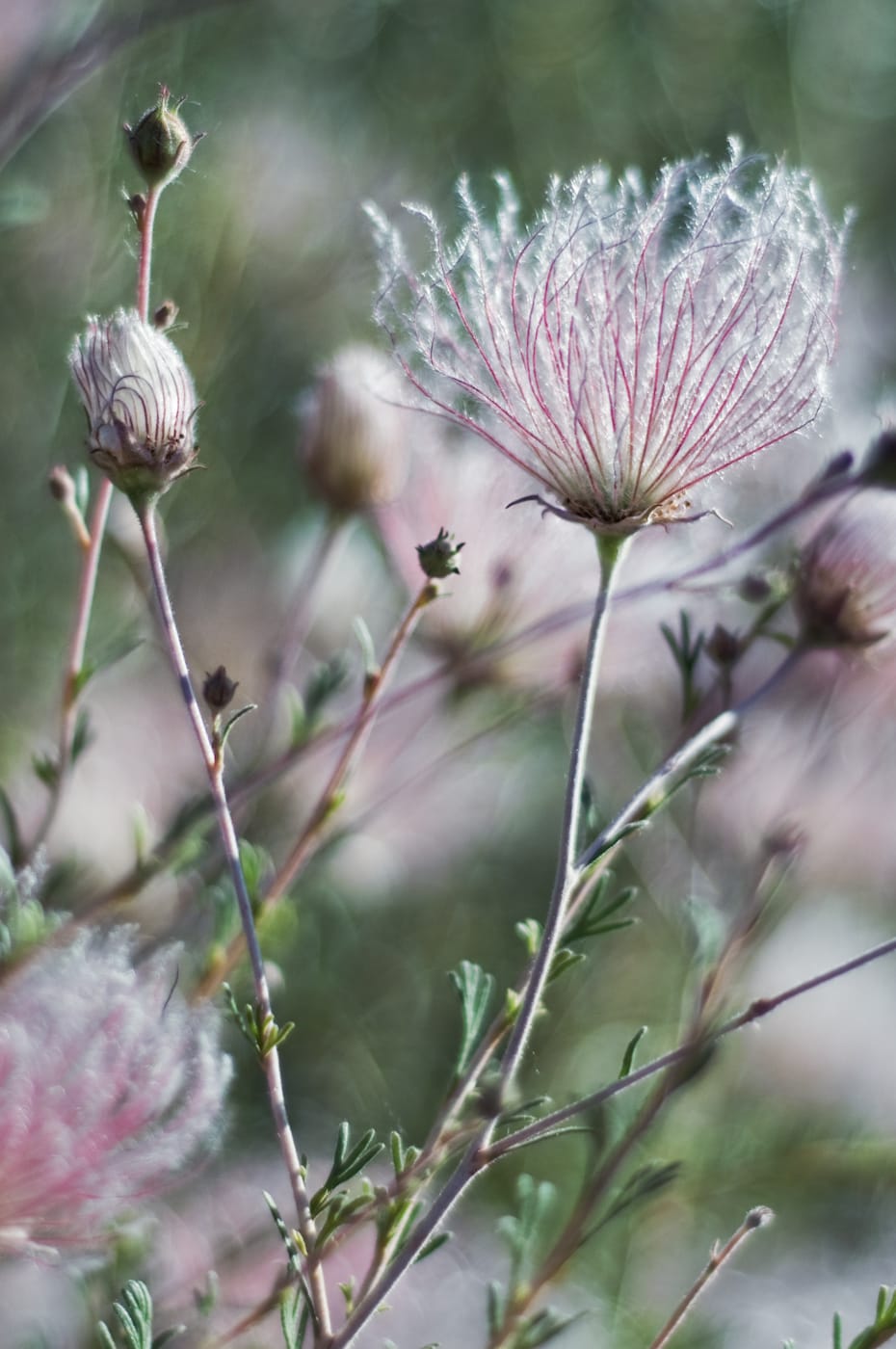
- Apache plume — white flowers and pink feathery seed heads at once.
- Fernbush — fragrant, ferny, bee-covered in July.
- Manzanita 'Panchito' — broadleaf evergreen groundcover for winter interest.
- Three-leaf sumac — fall color plus wildlife berries.
- Big sagebrush — the scent of the West; silver structure year-round.
Trees
- Hackberry — the tough shade tree of the plains.
- Bur oak — slow, massive, drought-proof once established.
- Pinyon pine — evergreen, compact, and thrifty.
- Kentucky coffeetree — bold winter silhouette, minimal water.
Cactus & succulents (yes, in Zone 5)
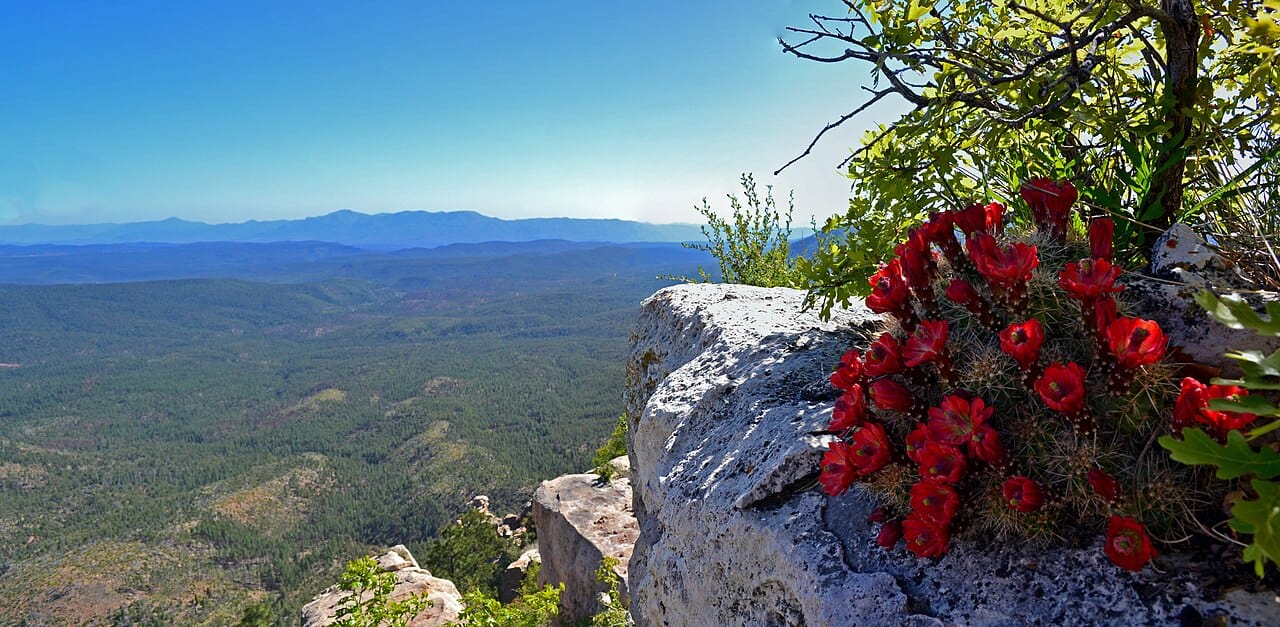
- Claret cup cactus and prickly pear — natives that bloom outrageously and overwinter under snow.
- Cold-hardy yucca — evergreen spikes for structure. (See cold-hardy succulents for the full set.)
Zone 5 success rules
- Drainage decides winter survival. More zone-5 xeric plants die of wet December feet than of cold. Plant borderline species high and gritty.
- Exploit microclimates. A south wall runs a half-zone warmer; a windy corner colder. Site accordingly.
- Plant in spring or early fall so roots establish before the freeze — the full sequence is here.
- Water monthly in dry winters. One deep drink during warm spells keeps evergreens and new plantings alive. It's the most-skipped task in zone 5.
Gardening along the Front Range specifically? The Denver xeriscaping guide localizes all of this.