
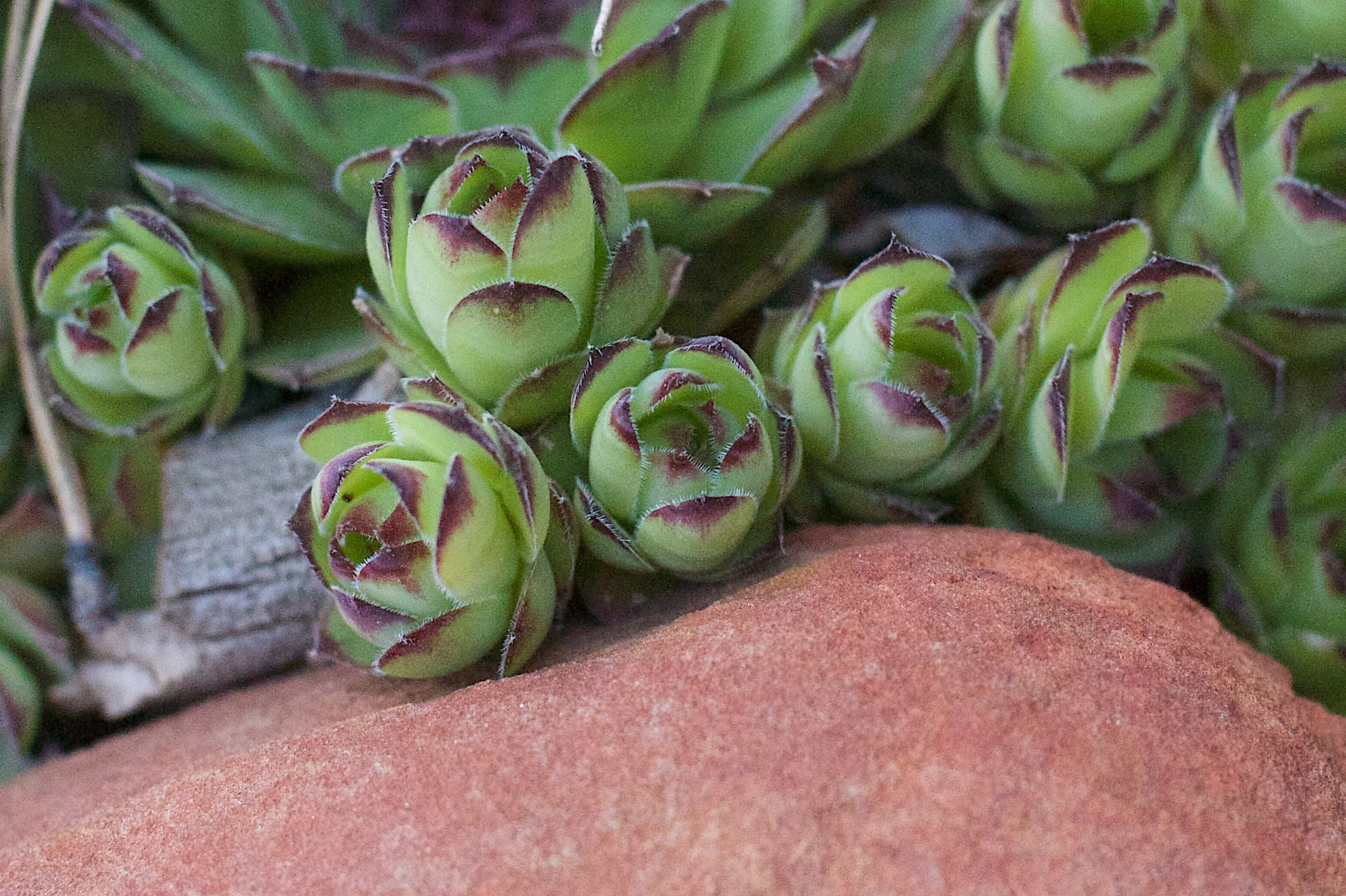
Most people meet succulents on a windowsill and assume they'd die in a real winter. Backwards, mostly: some of the toughest cold hardy succulents on earth evolved on alpine ridges and high steppe, and they'll sail through a −30°F January outdoors — buried in snow, frozen solid, and fine. If you garden in Zones 4–7 and want that sculptural, water-storing look without hauling pots inside every fall, this is your plant list.
The universal rule first, because it decides everything: cold doesn't kill hardy succulents — winter wet does. Every plant below wants gritty, fast-draining soil and a site that never puddles. Get drainage right and they're nearly effort-free; get it wrong and no hardiness rating will save them.
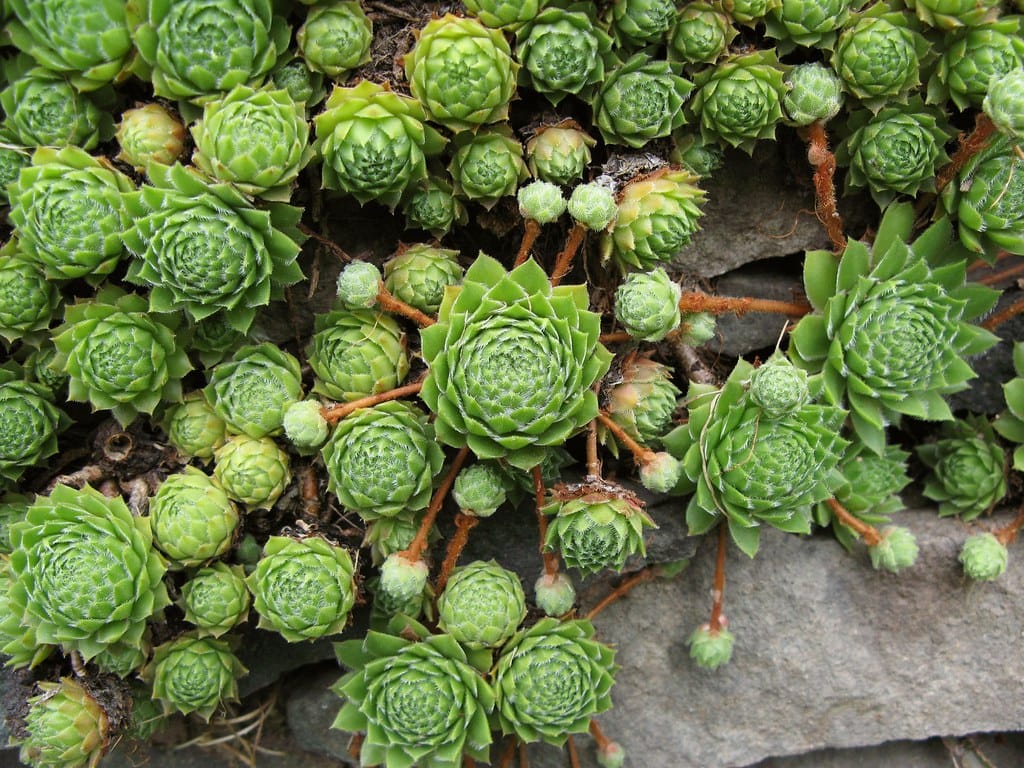
Sempervivum (hens and chicks) — Zones 3–8
The alpine classic. Tight rosettes in green, burgundy, silver-webbed, and everything between, multiplying into colonies via offset "chicks." They're monocarpic — a rosette that flowers dies afterward — but the chicks fill the gap so fast you'll barely notice. Perfect in rock gardens, wall crevices, troughs, and gravel mulch. Cousin Jovibarba and the fuzzy arachnoideum (cobweb) types are just as hardy.
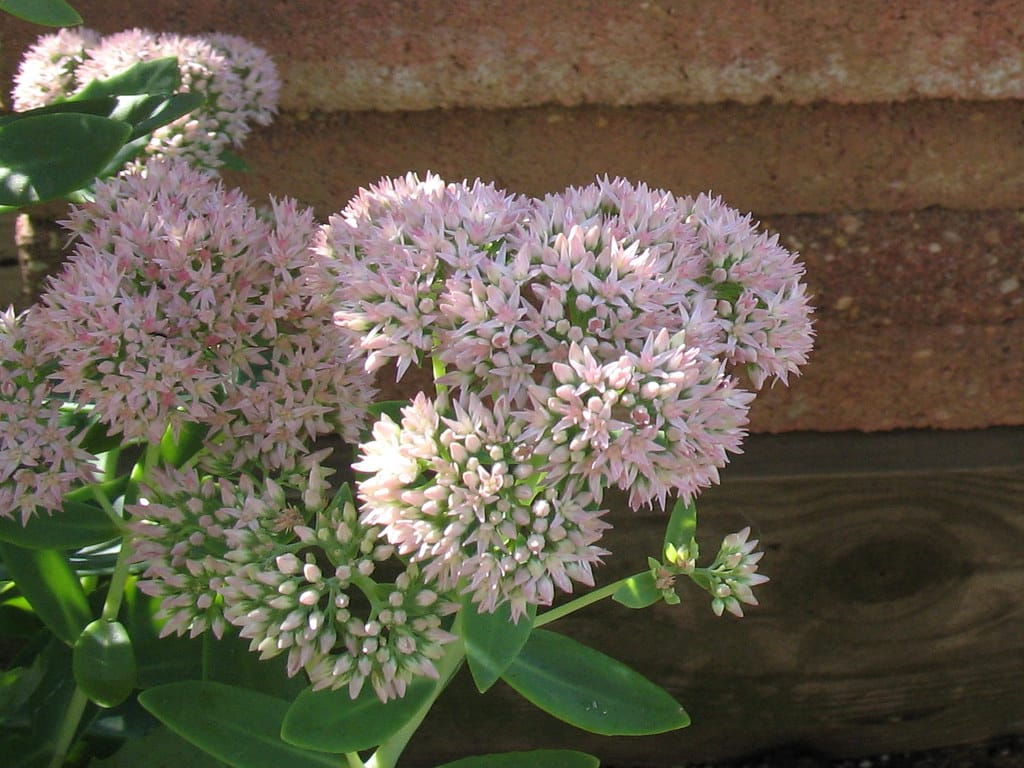
Sedum, tall and creeping — Zones 3–9
The workhorse genus (botanists have split it into Hylotelephium and Phedimus, but nurseries still say sedum):
- Tall border sedums — 'Autumn Joy' and kin: succulent structure all season, dusty-pink fall bloom, standing winter seed heads. Hardy to Zone 3.
- Creeping sedums — 'Dragon's Blood', 'Angelina' (gold, evergreen, orange in winter), Sedum album, 'Blue Spruce'. Inch-tall carpets that root wherever they touch and shrug off Zone 3–4 winters. The easy filler for groundcover duty and green roofs.
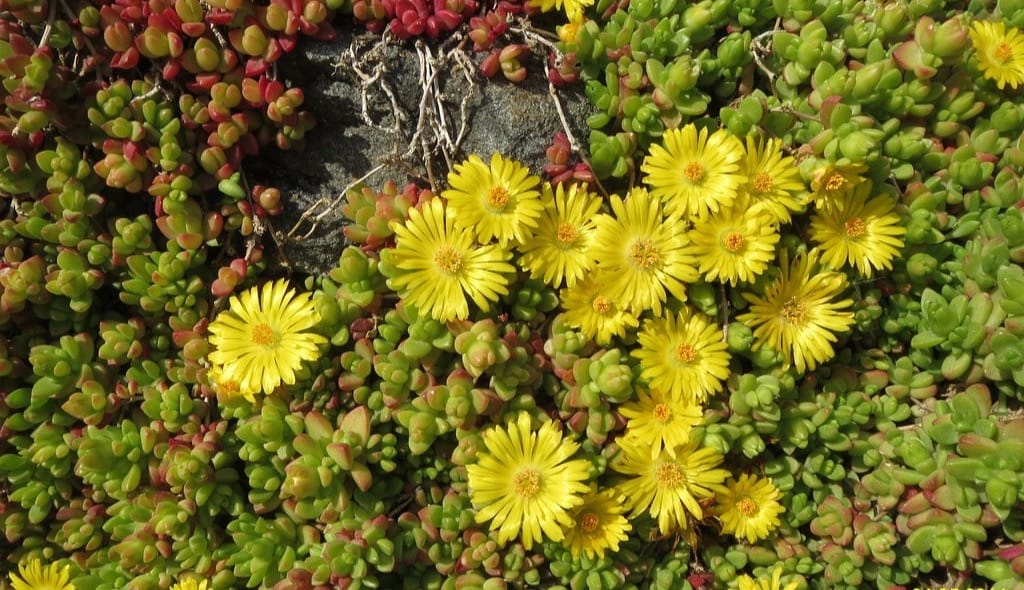
Ice plant (Delosperma) — Zones 4–9 by variety
The color bomb: succulent mats buried in iridescent daisies for months. Hardiness varies by species, so read tags — D. nubigenum and D. basuticum take Zone 4; 'Fire Spinner' and the Wheels of Wonder series are safe Zone 5; D. cooperi is best Zone 6 and up. Ice plant is the poster child for the drainage rule: winter-wet clay kills it in one season.
Hardy ball cactus and friends
Strictly speaking cactus, but they garden like succulents: Escobaria vivipara (Zone 4, pink crowns of bloom) and Echinocereus viridiflorus (Zone 4) tuck into rock gardens the same way sempervivum does. The full spiny lineup lives in the cold-hardy cactus guide.
The supporting cast
- Orostachys (dunce cap) — Zones 4–8. Silver spiral rosettes that send up conical bloom towers. Weird and wonderful.
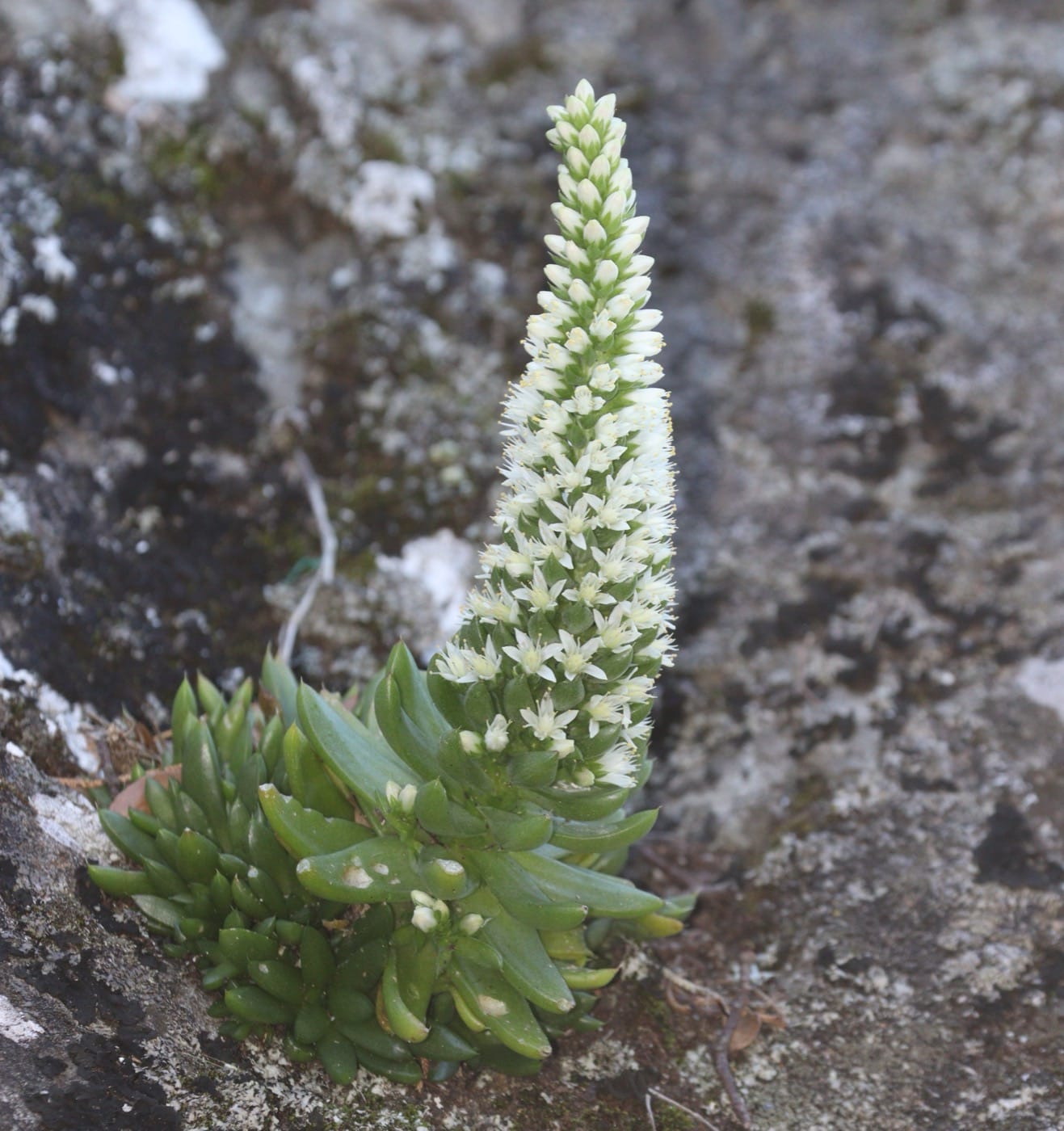
- Rosularia — Zones 4–8. Sempervivum's softer-looking cousin.
- Hardy yucca counts too — evergreen, architectural, and hardy to Zone 3 for some species (yucca and agave guide).
- Prairie natives with succulent habits — sulphur buckwheat and pussytoes aren't true succulents but mix seamlessly in the same gritty beds.
How to grow them (it's mostly restraint)
- Drainage first, always. Mix coarse grit or squeegee gravel into the top 6–8 inches, or build a raised mound or rock garden. Skip the compost — lean soil is the goal (soil prep guide).
- Full sun to light afternoon shade. Color intensifies with sun and stress.
- Gravel mulch, never wood. Organic mulch holds moisture against succulent crowns — exactly what kills them (gravel vs. wood).
- Water new plants weekly for their first month or two, then stop. Established plantings need water maybe monthly in a hot, dry summer — and overwatering is the #1 way these plants die.
- Leave them alone in winter. No covering, no cutting back, no water. Some sedums flush red-bronze, sempervivum shrinks and purples — that's normal cold stress, and they rebound in spring.
Winter honesty
Hardy succulents in January don't look like the Instagram photo from June — expect shrunken, blushed, hunkered-down plants. That's the survival strategy working. The transformation back each April, from frozen leather to plump jewel-tones, is half the fun of growing them.
Building a whole low-water bed around them? Start with the rock garden design guide and add cold-hardy cactus for the spiky exclamation points.