

Ask any xeric nursery what kills the plants they sell, and you'll get the same answer: not drought, not cold, not deer — the hose. Overwatering drought tolerant plants is the single most common way a new xeriscape fails, and it's a cruel failure, because the gardener was trying to help. The plant looks stressed, so they water more, so it looks worse, so they water more — straight into the ground.
Understanding why water kills these plants, and how to read the real symptoms, will save you more plants than any other skill in low-water gardening.
Why water kills a drought-adapted plant
Plants from dry places — lavender, Russian sage, penstemon, agastache, cactus, most Western natives — evolved in lean, gritty soil that dries fast. Their roots expect air. Keep that root zone constantly damp and two things happen: the roots literally drown (roots need oxygen, and waterlogged soil has none), and rot fungi that barely exist in dry soil bloom into a killing infection at the crown, right where stem meets ground.
That's why the drainage warnings repeat through every plant guide on this site: a drought-tolerant plant in wet soil isn't in its happy place with bonus water. It's a fish on land.
The symptoms — and the cruel trick
Here's what makes overwatering so deadly: an overwatered plant wilts. Drowned, rotting roots can't move water, so the top droops exactly like a thirsty plant. The gardener sees wilting, reaches for the hose, and finishes the job.
The tells that it's too much water, not too little:
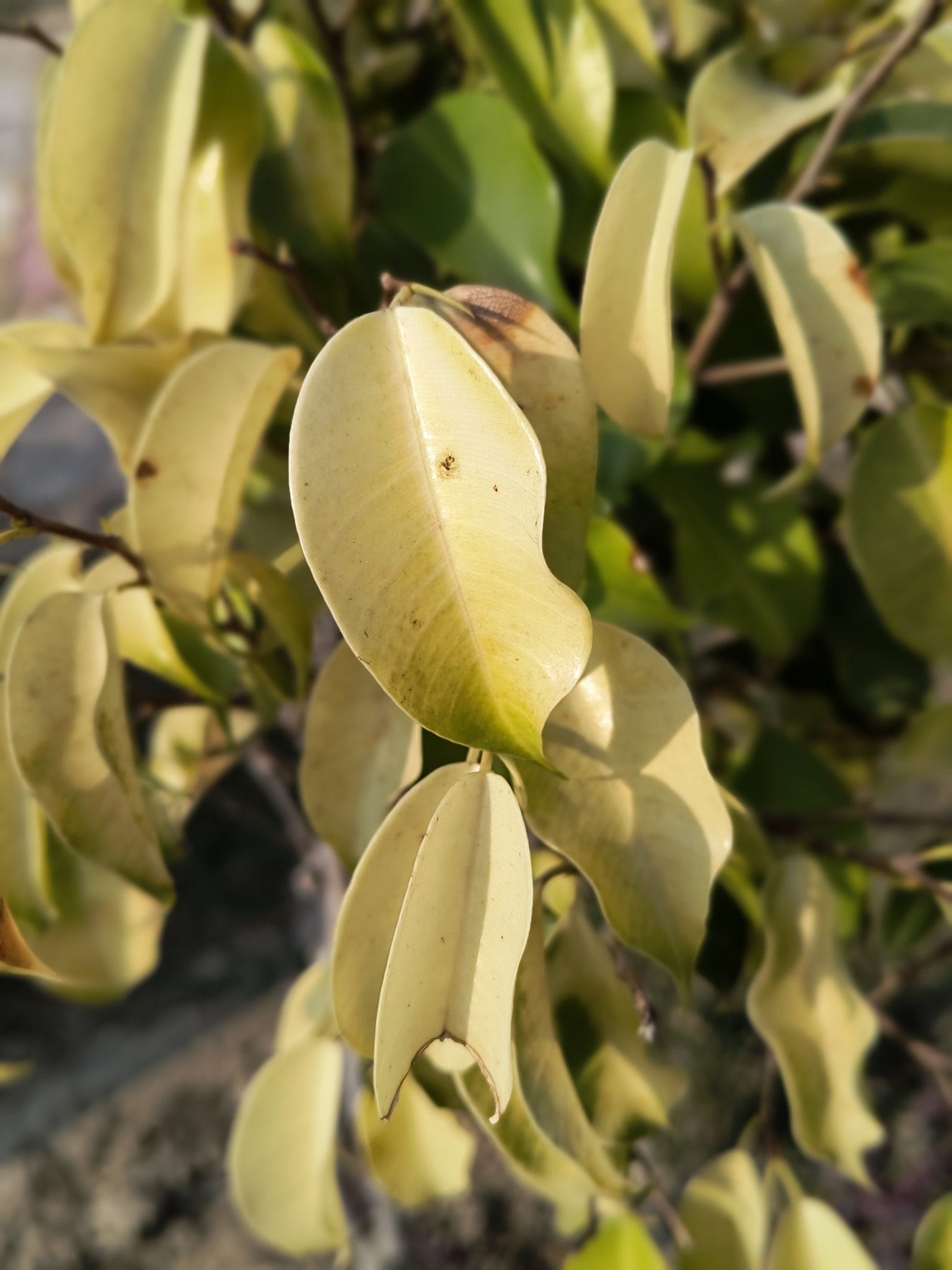
- Yellowing leaves, lower ones first — drought turns plants gray-green and crispy; overwatering turns them yellow and limp.
- Wilting while the soil is damp. This is the diagnostic moment. Always check.
- Soft, dark, mushy growth at the base — crown rot, usually fatal.
- Floppy, stretched, lush growth on plants that should be tight and silvery — chronic overwatering even when it isn't killing yet.
- Fungus gnats, algae, or moss on the soil surface — the ground never dries.
The five-second test beats every gadget: push a screwdriver or your finger two to three inches into the soil near the plant. Damp at depth? Do not water, no matter what the leaves are doing.
The plants it kills first
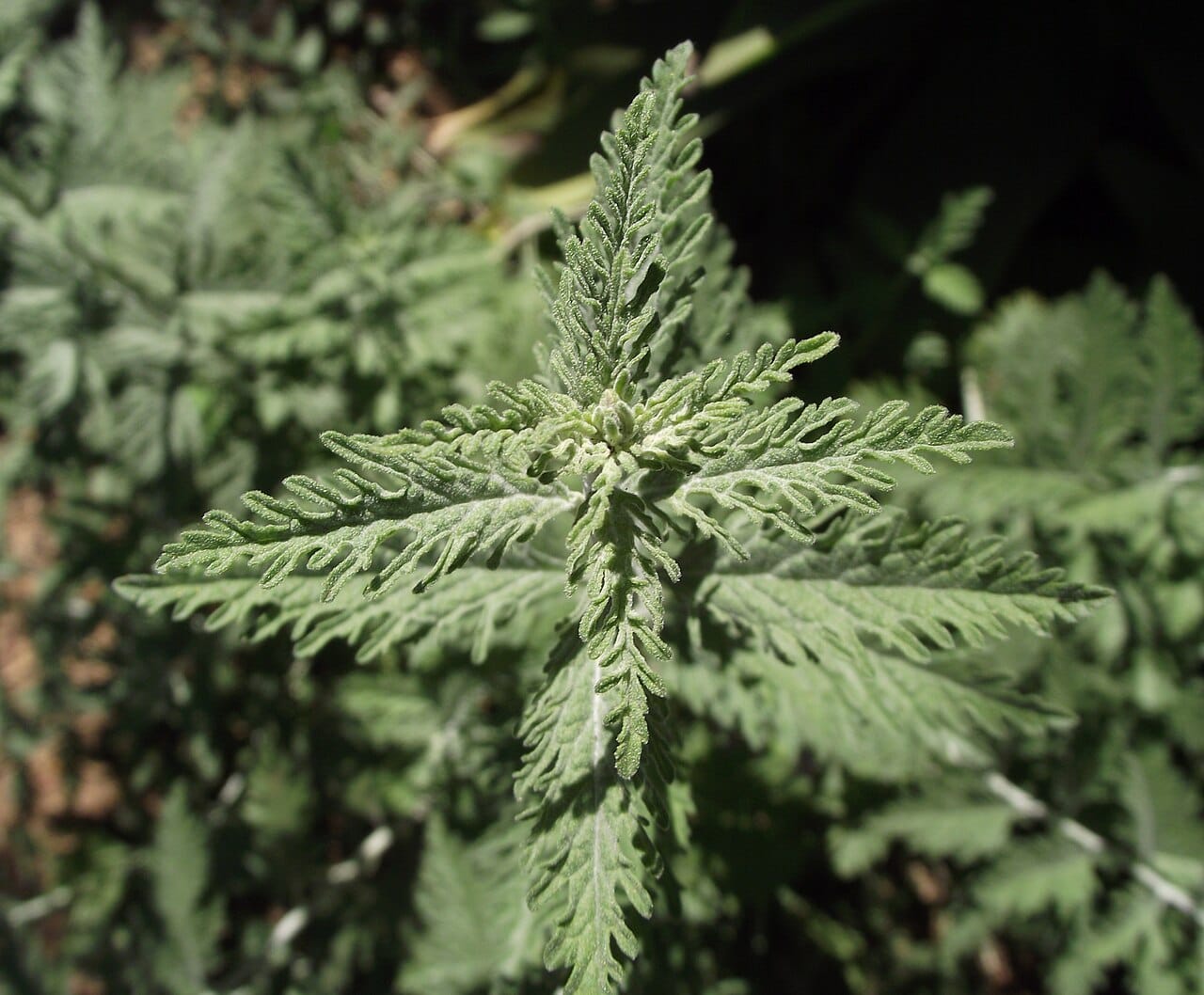
Roughly in order of how fast kindness kills them: cactus and succulents, agave and yucca, lavender, Russian sage, agastache, penstemon (the Western natives especially), big sagebrush and rabbitbrush, and nearly anything with silver, fuzzy, or needle-fine foliage — those are dry-climate adaptations, and they advertise a plant that wants drought. If it's in the drought-tolerant perennials list, water it less than you think.
How to water a xeriscape correctly
- Deep and infrequent — always. A long soak that wets the soil a foot down, then nothing until it genuinely dries. Frequent shallow sprinkles are wrong for every plant in a xeriscape, new or old.
- Establishment first, then the taper. New plants genuinely need regular water for their first season — the schedule lives in the first-year care guide. The killer mistake is running the establishment schedule forever.
- Hydrozone. Group plants by thirst so one valve's schedule fits everything on it — principle #3 of the seven. A cactus sharing a zone with a rose is a dead cactus.
- Run drip, and reprogram it seasonally. Drip irrigation applied monthly-in-spring frequencies all July — or vice versa — is how automated systems quietly overwater. Check the controller when the seasons turn; the maintenance calendar flags when.
- Turn off the zone entirely in year three for true xeric beds, and water manually during real droughts. Many mature xeriscapes need nothing else.
Can an overwatered plant be saved?
Sometimes. Stop watering immediately and let the soil dry completely — days to weeks. Pull mulch back from the crown so it can breathe. If the plant is small and valuable, lift it, trim off dark mushy roots, and replant into a gritty raised spot (soil prep here). Caught at "yellowing," recovery odds are decent. Caught at "mushy crown," they're not — replant into better drainage and water less, and the replacement will outlive us all.
The mantra for every drought-tolerant garden: when in doubt, don't water. These plants forgive a dry week far more readily than a wet month.