

Here's the thing nobody tells you at the nursery: a xeriscape isn't low-water in year one. Every "drought-tolerant" rating on every tag assumes an established plant with roots driven deep — and the day you plant, those roots are three inches long and living in a nursery-pot plug of peat. New xeriscape care is its own discipline, it lasts about one full growing season, and it's the difference between a landscape that thrives for twenty years and one you replant twice.
The good news: it's not complicated. It's one watering taper, ruthless weed patrol, and a short list of things not to do.
The first-year watering taper
Deep and infrequent beats shallow and often — from day one. Shallow sips grow shallow roots that need sips forever; deep soaks that dry out between waterings force roots downward, which is the entire game. A workable schedule for perennials, shrubs, and groundcovers planted in spring:
- Weeks 1–2: water deeply every 2–3 days while transplants recover.
- Weeks 3–8: twice a week, deep. Let the surface dry between.
- Rest of summer: once a week, deep.
- Fall: every 10–14 days until the ground cools, ending with one deep soak before freeze-up.
- Year two: start at weekly, stretch toward every two to three weeks by midsummer. By year three, most true xeric plants need little beyond rainfall.
Adjust honestly for your conditions — hotter and sandier means more often, clay means less — and check before you water: scratch down two or three inches, and if it's still moist, wait. Trees are the exception: they stay on the establishment program for two to three full years (tree specifics here).
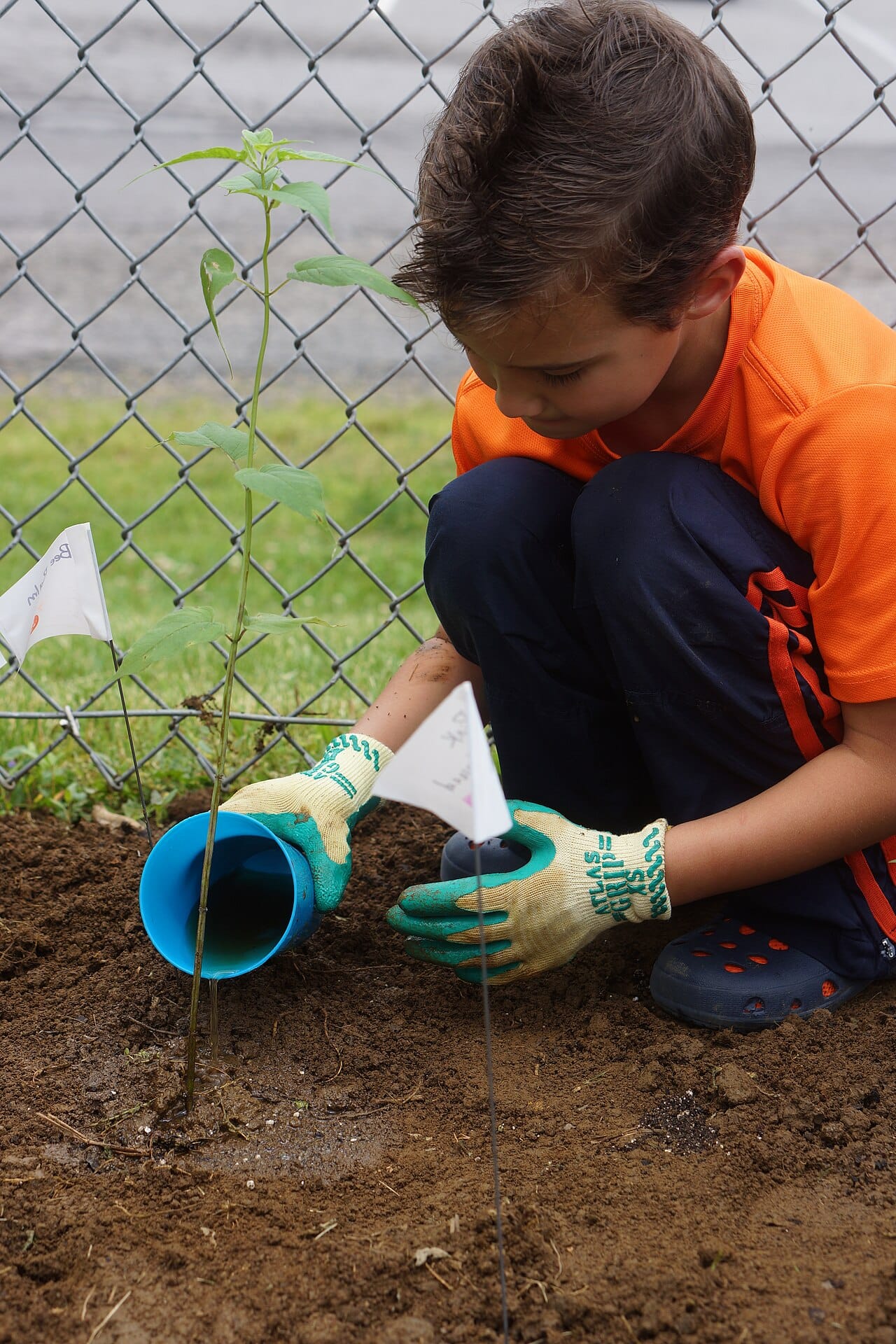
If you installed drip irrigation, this whole taper is just reprogramming the controller a few times a season — one more reason drip beats hand-watering guesswork.
The two ways beginners kill a new xeriscape
Overwatering is #1 by a mile. Yellowing leaves, wilting in wet soil, plants that flop and rot at the crown — lavender, penstemon, Russian sage, and anything silver or succulent will die of kindness long before they die of thirst. If a plant looks sad and the soil is damp, the answer is never more water. The full diagnosis guide is here.
Underwatering while pretending it's established is #2. "Drought-tolerant" on the tag doesn't mean drought-tolerant in June of year one. Crispy edges, gray-green dullness, and wilting in dry soil mean the taper moved too fast — back up one step.
Weed patrol (non-negotiable)
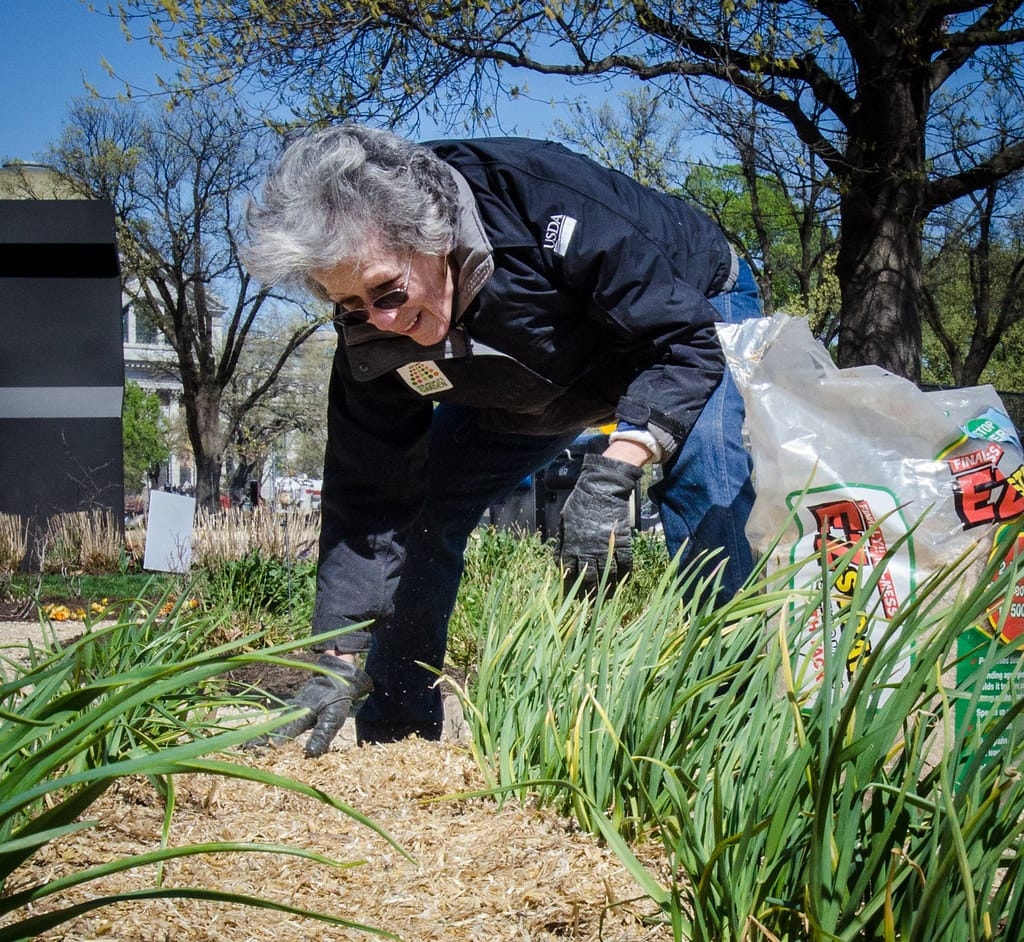
Year one is when weeds decide whether they own your landscape, because disturbed soil, open mulch, and irrigation are a weed's dream. Fifteen minutes a week, every week, pulls seedlings before they root deep or set seed — a season of that discipline is why year three takes almost no work. Top up mulch to a full 2–3 inches wherever it's thin, keep it off plant crowns, and if you used gravel, catch invaders while they're tiny (weeds-in-gravel tactics).
What NOT to do in year one
- Don't fertilize. Xeric plants in lean soil grow tough and tight; fertilizer grows floppy, thirsty, aphid-prone lushness.
- Don't prune for shape yet — plants are busy building roots. Snip broken stems and spent blooms, nothing more.
- Don't panic over "sleep." The old saying is real: first year they sleep, second year they creep, third year they leap. A quiet first season usually means energy is going underground, exactly where you want it.
- Don't replant a "dead" plant too fast. Many natives and perennials go summer- or winter-dormant on their own schedule. Scratch the stem — green underneath means wait.
The first winter
In cold, dry climates, water everything deeply once a month during snowless warm spells — dry frozen soil kills more first-winter plants than cold does, evergreens especially. Leave perennial tops standing for insulation and winter interest; cut back in spring. Don't let leaves mat over groundcovers and succulent crowns. That's the whole list — winter is mostly restraint.
When does it get easy?
Walk the landscape weekly in year one — with coffee, not tools — and you'll catch every problem small. By the second spring the watering interval stretches, the weeds thin out, and the plants start creeping. By year three you'll water a few times a summer and wonder why anyone mows. The season-by-season rhythm from there lives in the xeriscape maintenance calendar.
Still in the planning stage? Get the sequence right from the start with the 10 Steps to Xeriscaping.