
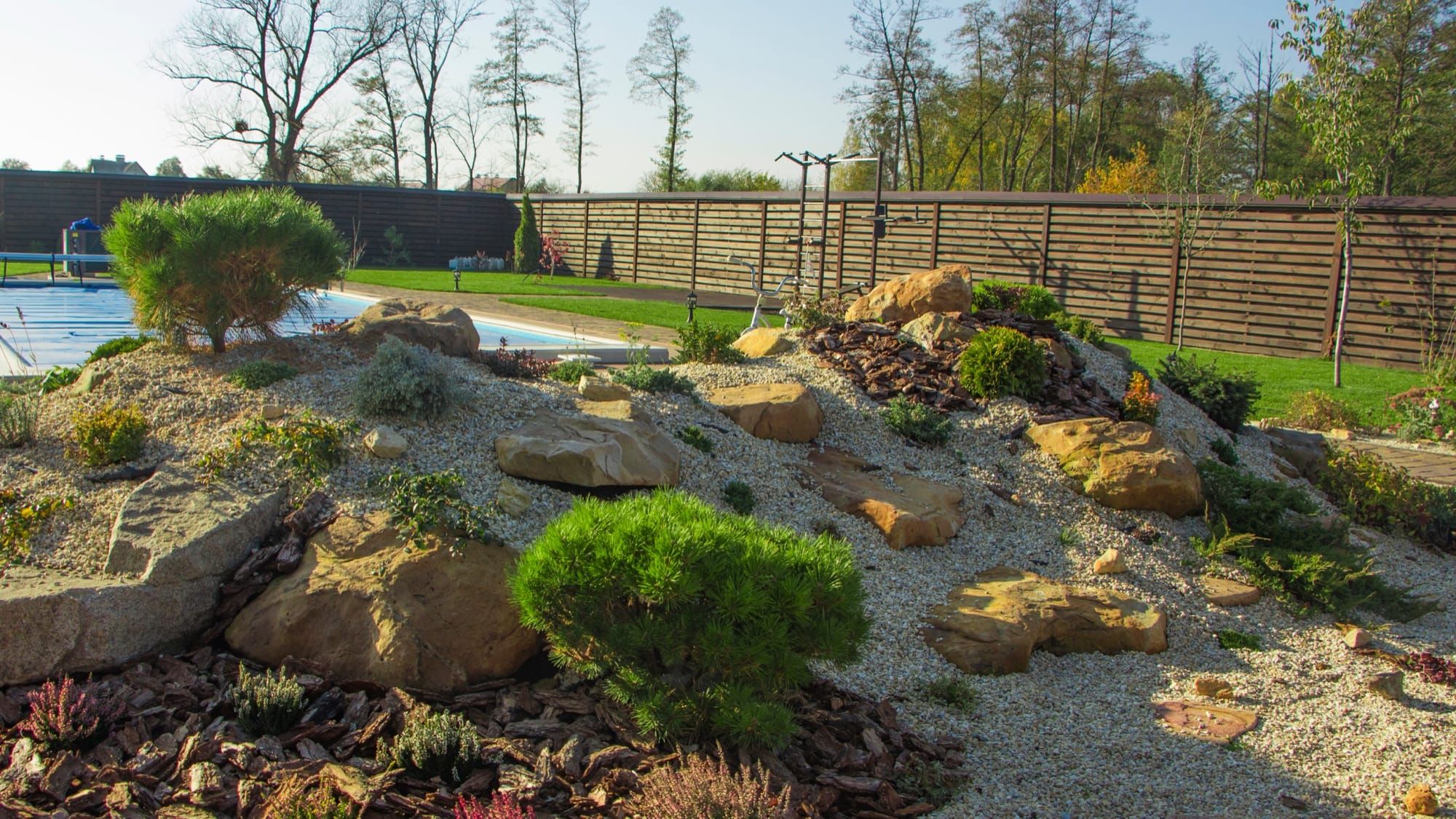
When Denver Water coined "xeriscape" in 1981, they didn't just invent a word — they published a framework. Four decades later, the seven principles of xeriscaping remain the difference between a landscape that thrives on little water and an expensive bed of dead plants. Here's each principle, and what it actually means when you're standing in your yard with a shovel.
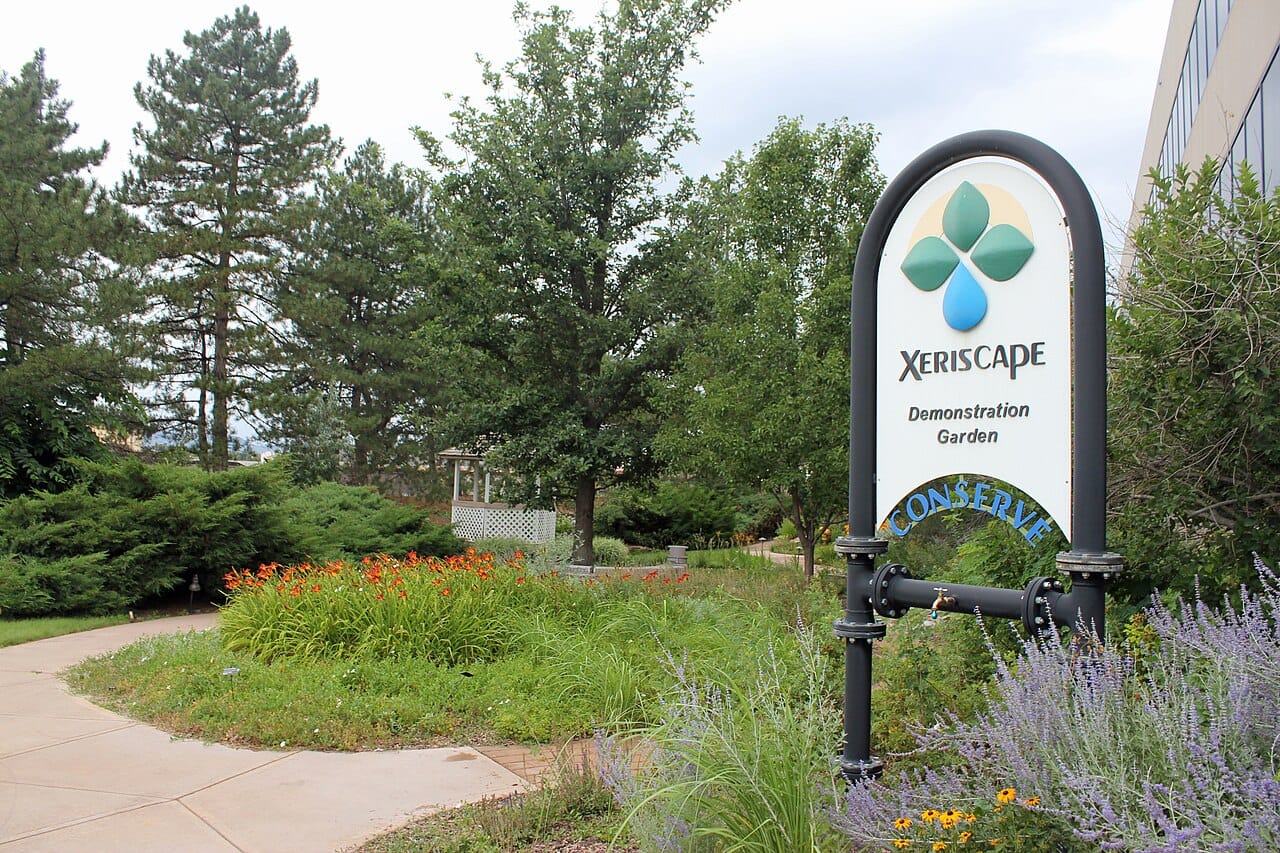
1. Plan and design first
Every failed xeriscape skipped this step. Map your sun, shade, slopes, and drainage. Note how you use each area — where kids play, where you walk, what you see from the kitchen window. Then design hydrozones: group plants by water need so a single irrigation zone never has to drown one plant to keep another alive. This one decision drives everything else.
2. Improve the soil (selectively)
Soil is a water storage system. Working 2–3 inches of compost into planting beds helps most garden-adapted plants hold moisture and root deeply. The nuance: many true Western natives prefer lean, unamended soil — match the amendment to the plant list, not habit.
3. Limit turf to practical areas
The principle isn't "no lawn" — it's "no pointless lawn." Keep grass where it earns its water: play areas, pet runs, a small green foreground. Replace the decorative carpet everywhere else, or switch it to a low-water species like buffalograss. The comparison math is in xeriscape vs. lawn.
4. Choose appropriate plants
Right plant, right place. Select natives and climate-adapted species rated for your hardiness zone, then put each in the microclimate it wants — heat-lovers on the south wall, moisture-tolerant plants near downspouts. Our drought-tolerant perennials list is a good start.
5. Water efficiently
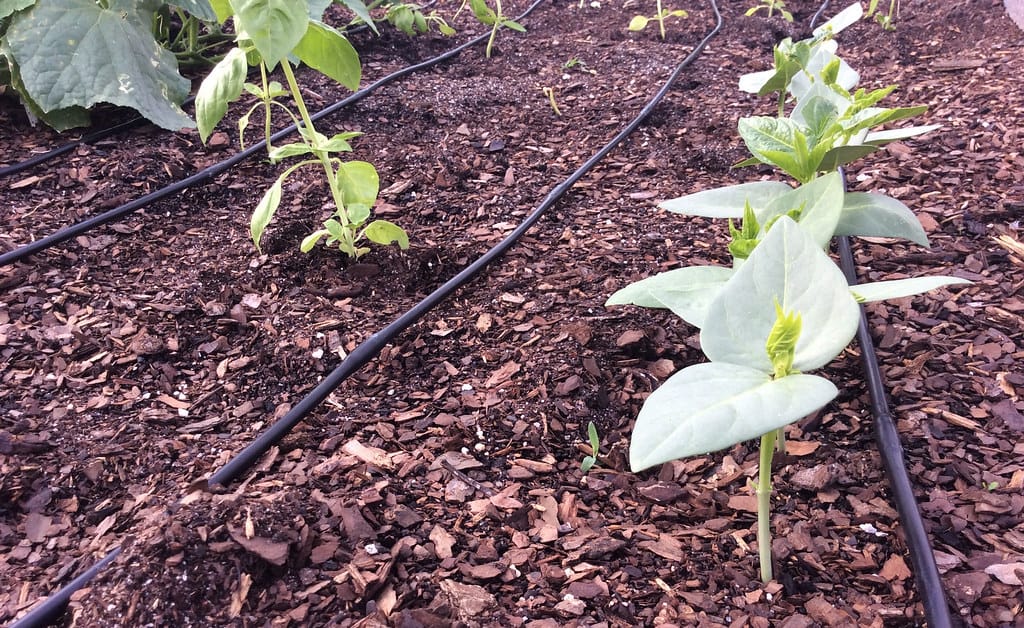
Spray heads lose huge fractions to evaporation, wind, and pavement. Drip irrigation delivers water to roots at nearly 100% efficiency. Add a smart controller or rain sensor, water deeply and infrequently, and taper hard after the first establishment season — deep roots are the whole game.
6. Mulch everything
Two to three inches of mulch is the cheapest water-saving technology that exists: it blocks evaporation, suppresses weeds, and moderates soil temperature. Wood mulch for planted beds, gravel for the hottest, driest zones — the tradeoffs are in gravel vs. wood mulch. Keep it off plant crowns.
7. Maintain appropriately
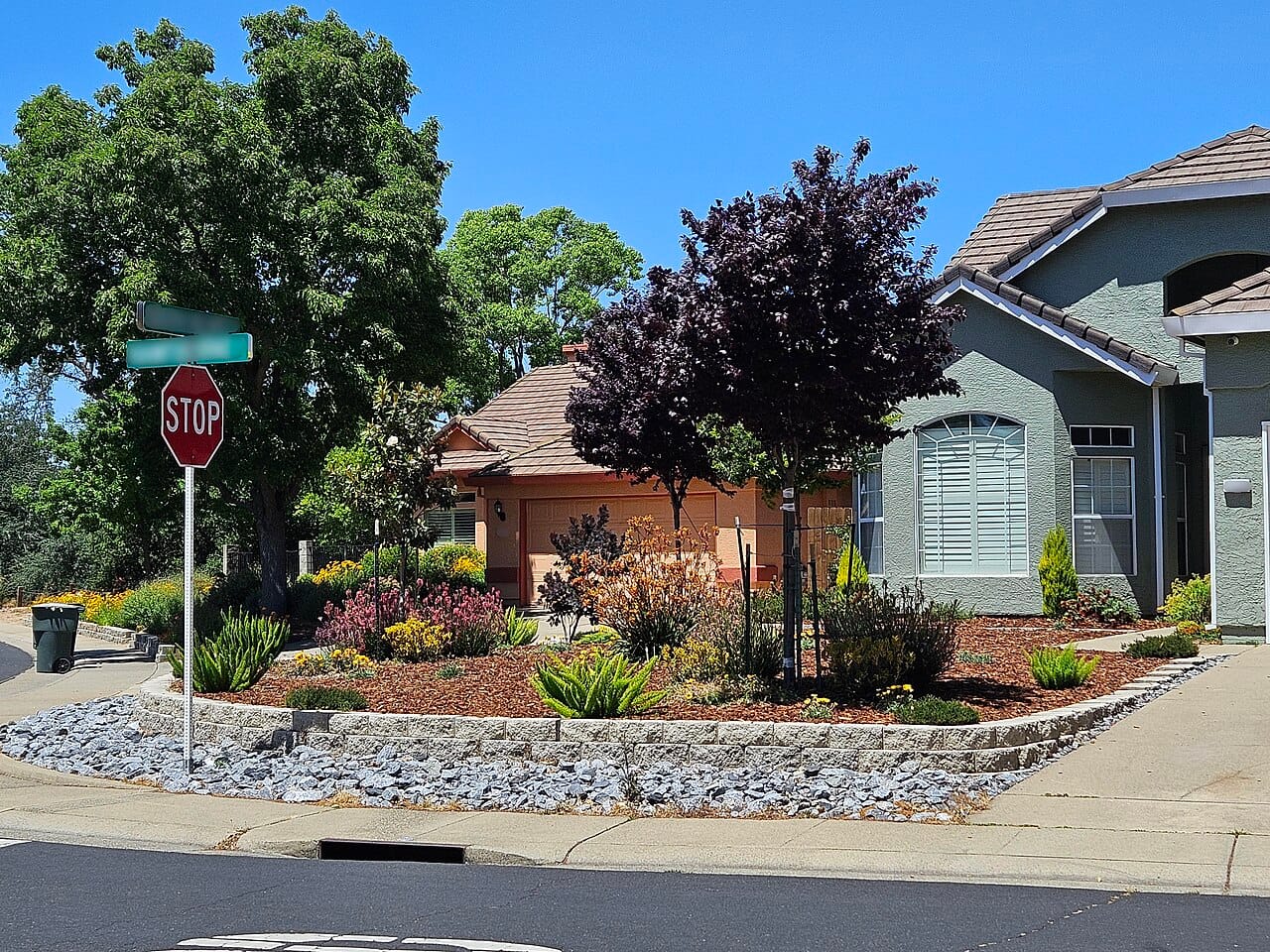
Low-maintenance isn't no-maintenance. The honest schedule: regular water the first year, a spring cutback, occasional weeding, a mulch top-up every year or two, and almost no fertilizer — most xeric plants bloom harder in lean soil. What kills these landscapes is usually too much love: overwatering and overfeeding.
Putting them in order
The principles are a sequence, not a menu. Plan → soil → turf decisions → plants → irrigation → mulch → maintain. We've turned them into a practical build order in 10 Steps to Xeriscaping Your Yard — start there when you're ready to break ground.