
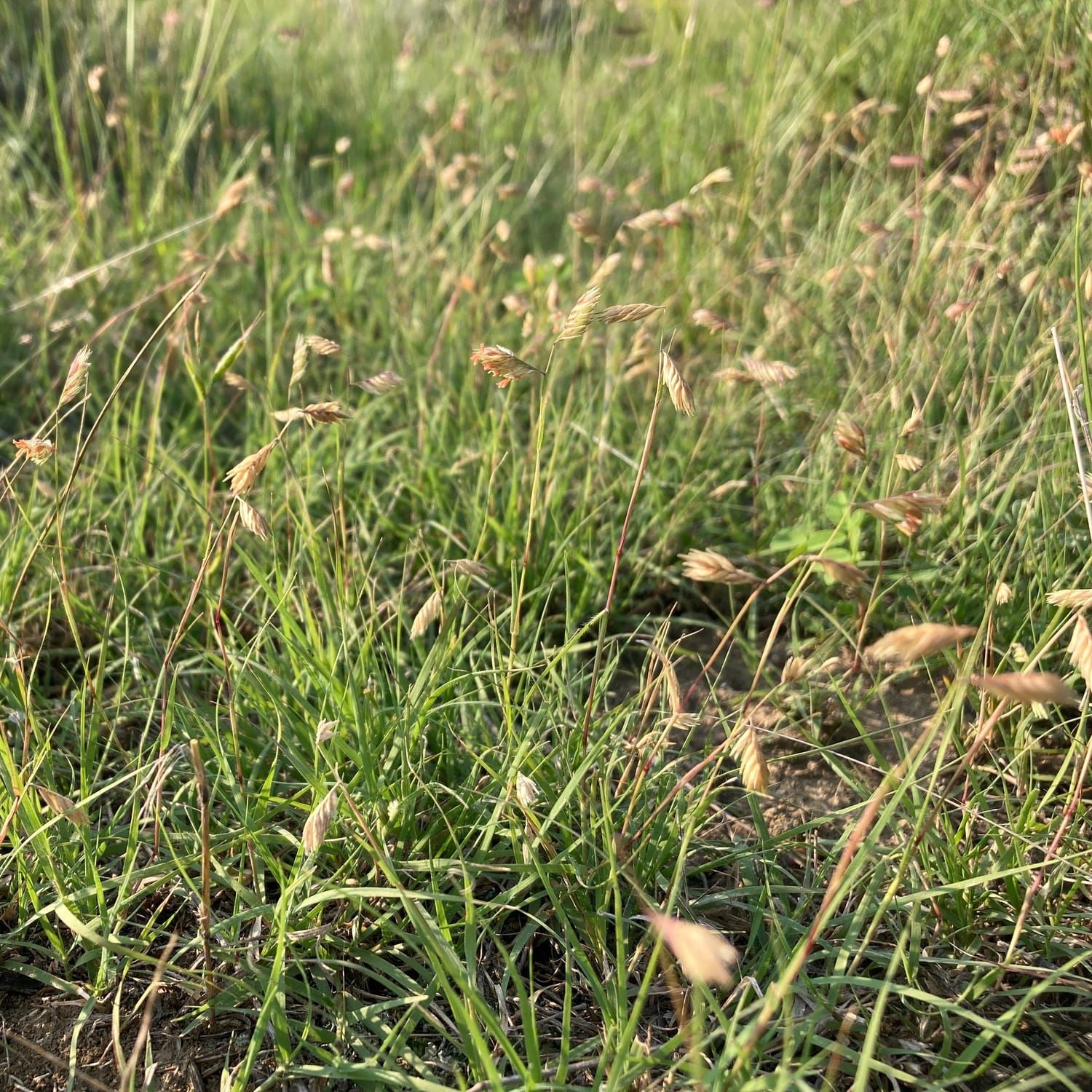
Most people who want a xeriscape don't actually want zero lawn — they want a patch to walk on, barefoot, without feeding a sprinkler system all summer. That's exactly what a buffalograss lawn delivers: a soft, green-enough, walkable native turf that survives on rainfall across much of the country and needs mowing a handful of times a year. Its partner in crime, blue grama, does the same trick and stretches even further into cold country.
These aren't exotic novelties. Buffalograss (Bouteloua dactyloides) and blue grama (Bouteloua gracilis) are the grasses that carpeted the shortgrass prairie — the same ground where lawns now demand 50+ inches of irrigation in a 15-inch-rain climate.
What you're getting
- Water: roughly 1 inch every 2–4 weeks in summer once established, versus 1–1.5 inches per week for bluegrass. Many established stands survive on rainfall alone, going tan in deep drought and greening back up with rain.
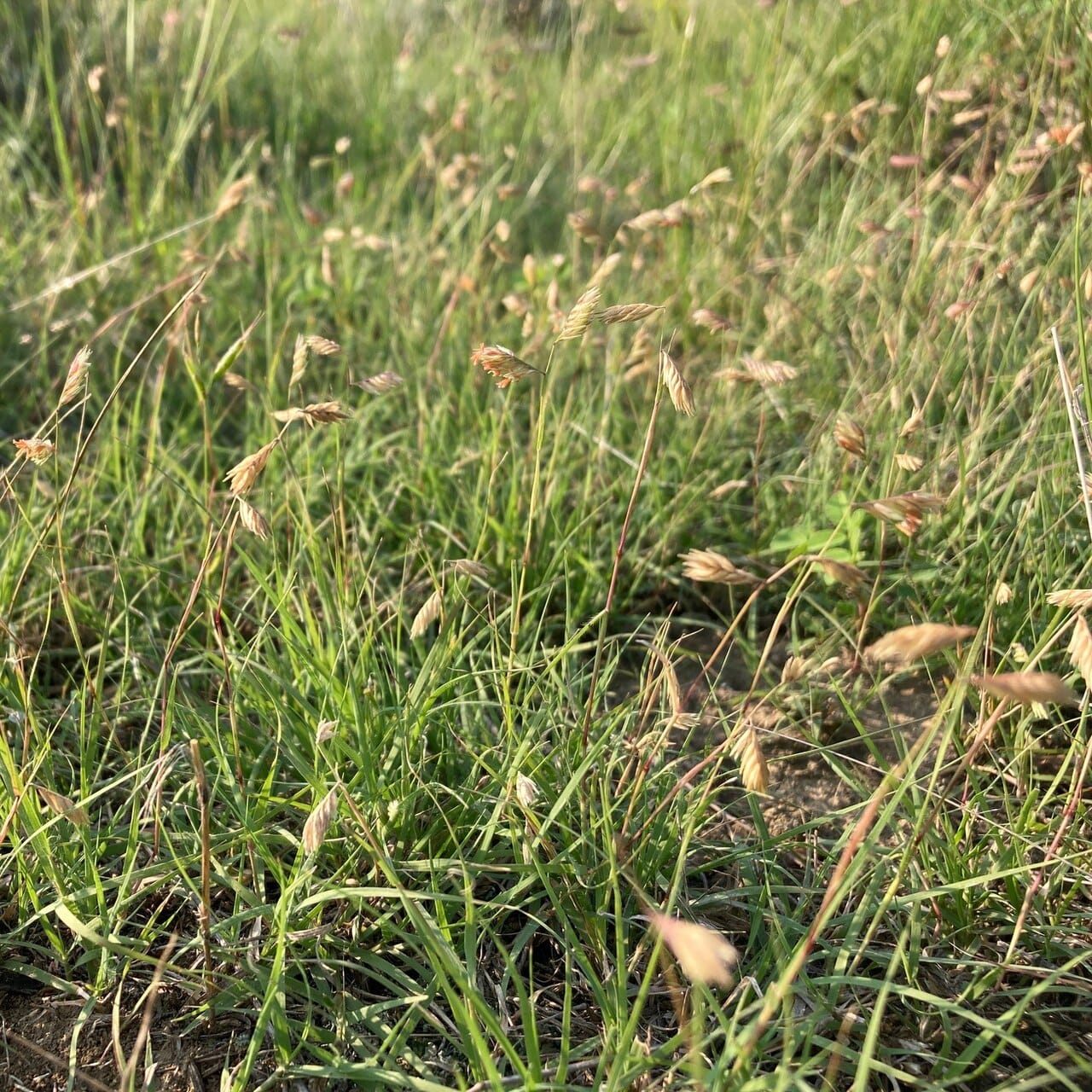
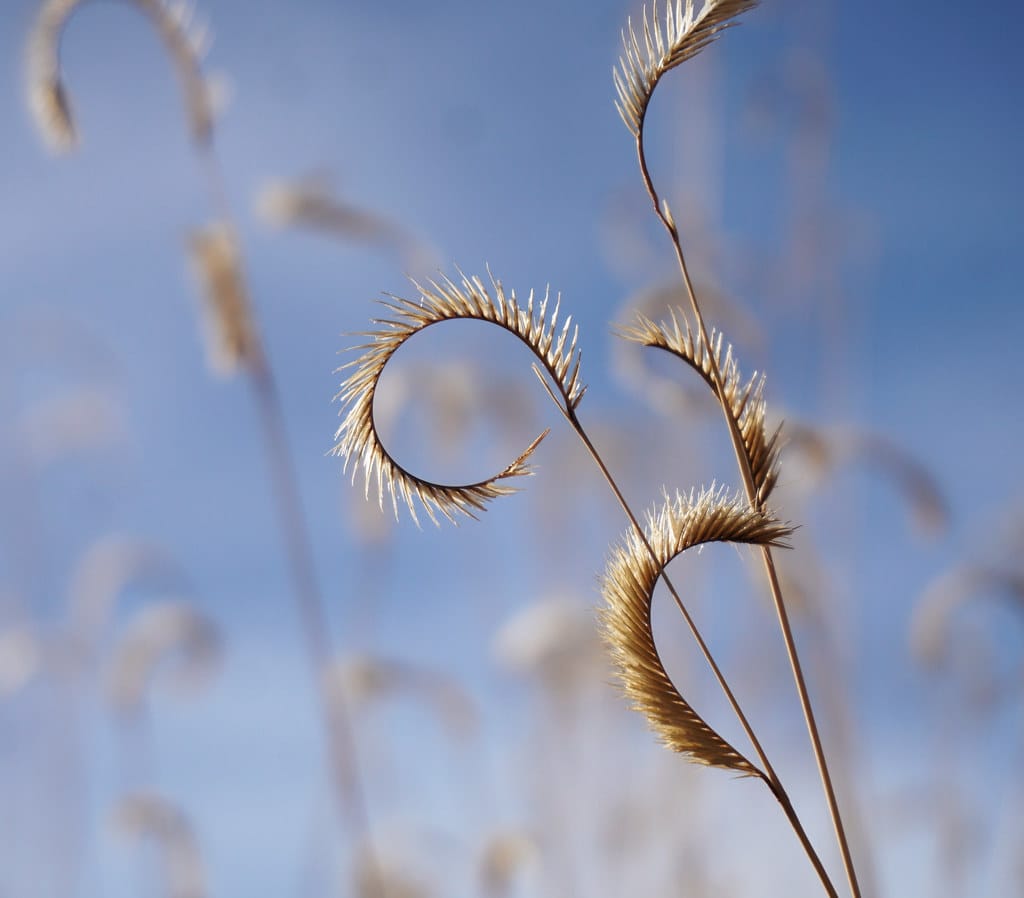
- Mowing: buffalograss tops out around 4–6 inches, blue grama a bit taller. Mow monthly for a tidy look — or never, for a soft meadow with blue grama's eyelash seed heads.
- Feet: buffalograss takes moderate foot traffic and recovers well; it spreads by surface runners (stolons) that knit into a true sod. Blue grama is more of a bunchgrass and handles a little less wear.
- Hardiness: blue grama to Zone 3, buffalograss to roughly Zone 4. Both thrive in heat that stresses cool-season lawns.
The honest downsides
Warm-season grasses are brown longer than they're green in cold climates — expect tan from roughly October to May in Zone 5. It's a soft wheat-blond, not dead-gray, but if a February-green lawn matters to you, this isn't it.
They also need full sun (six hours minimum — thin shade means thin turf), they won't take daily soccer games, and the establishment season demands real weed vigilance, because a slow-starting native lawn is an open invitation. Finally: don't over-love it. Watering and fertilizing a buffalograss lawn like bluegrass mostly grows weeds and bluegrass.
Seed, plugs, or sod
- Seed is cheapest. 'Cody' and 'Texoka' buffalograss and 'Hachita' blue grama are the proven seed varieties; many suppliers sell a buffalo/blue grama blend, which is the best of both. Sow 2–4 lbs per 1,000 sq ft.
- Plugs get you the elite vegetative buffalograsses — 'Legacy' and 'Prestige' are denser, darker, and lower than seeded types. Plant on 12-inch centers in June; they knit in one season. ('UC Verde' is the warm-climate equivalent for Zones 8+.)
- Sod exists for buffalograss in some regions — instant but expensive.
How to plant one
- Kill everything first. Existing lawn and weeds must go completely — the lawn removal guide covers the methods. Skipping this step is the #1 cause of failure.
- Wait for warmth. These are warm-season grasses: seed when soil hits 60°F+ — late May through early July in most of the West. Fall seeding fails.
- Rake seed in lightly, roll, and keep the surface damp for two to three weeks — this is the one period these grasses are genuinely thirsty.
- Water weekly the first summer, then start the taper. Pull or spot-spray weeds ruthlessly in year one.
- From year two on: deep-soak monthly in dry spells, mow when you feel like it, and fertilize lightly (half a pound of nitrogen per 1,000 sq ft) once in early summer — or not at all.
Where they make sense — and where they don't
From the Front Range to Texas to the Midwest, sunny and dry, these grasses are the easiest lawn-to-xeriscape compromise there is — and many western utilities pay rebates for the conversion. In shady yards, soggy climates, or high-traffic play areas, stick with a small, efficiently irrigated conventional lawn instead — a right-sized lawn is a legitimate part of the seven principles.
Prefer no lawn at all? See what drought-tolerant groundcovers can do, or use blue grama's showy cousin 'Blonde Ambition' as an ornamental accent instead of a turf.