
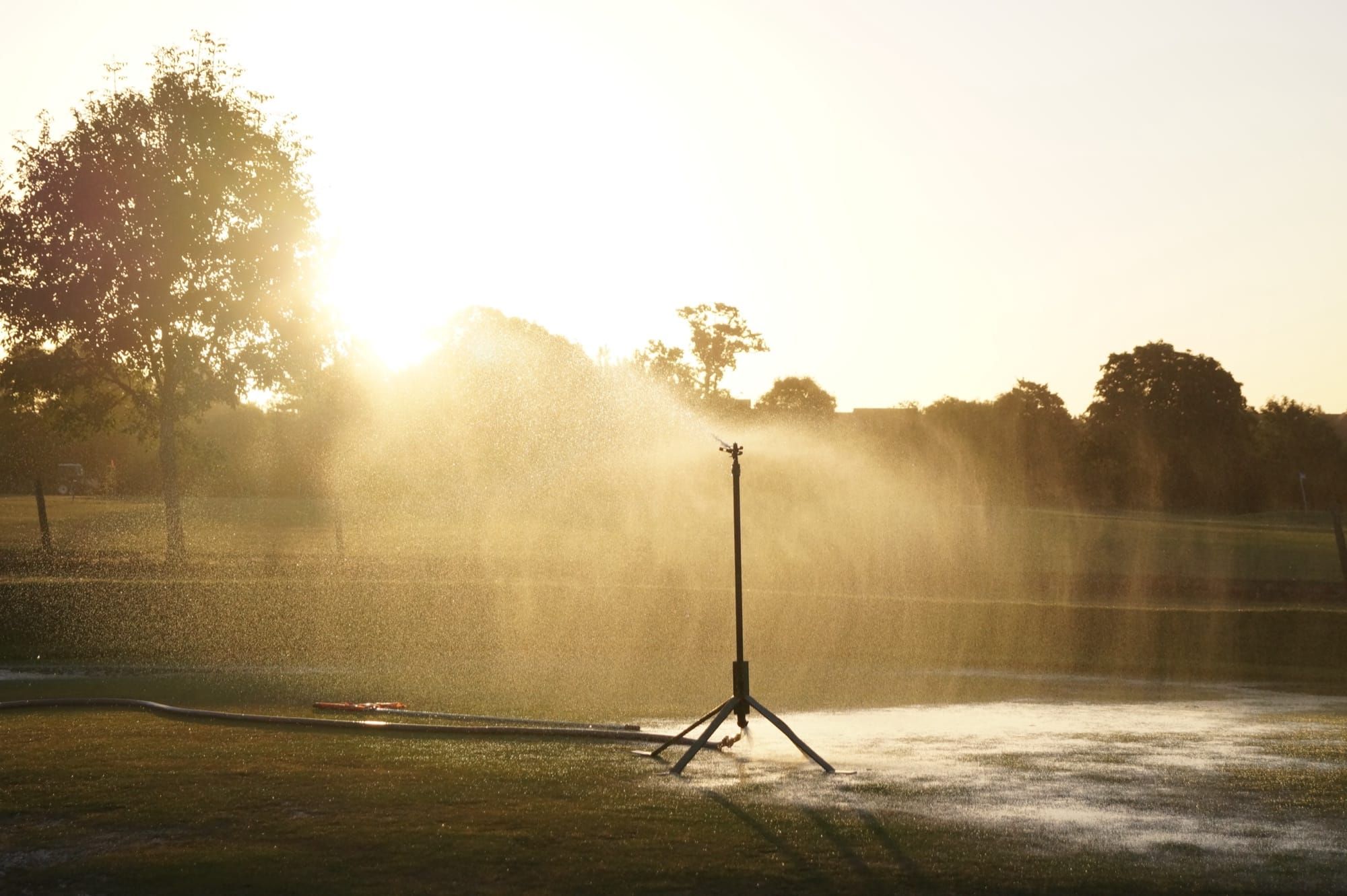
A lawn removal rebate is the rare government program that pays you to do something you already wanted to do: utilities across the West will write you a check, per square foot, for replacing thirsty turf with low-water landscaping. It's cheaper for them to buy back your lawn than to secure new water supply. Free money — with paperwork, rules, and one trap that disqualifies more homeowners than everything else combined:
You must apply and be approved BEFORE you remove any grass. Nearly every program requires pre-approval, usually with photos of the living lawn and often a pre-inspection. Kill the grass first and the rebate is gone, no appeals. Apply first. Then destroy.
How these programs generally work
The template is similar everywhere: apply with photos and a simple plan → get approved → convert within a deadline (commonly 6–12 months) → pass a final inspection → get paid. Typical conditions:
- Payment per square foot of turf removed, often with a minimum area and a cap.
- Living-lawn requirement — most programs won't pay to convert grass that's already dead or was never irrigated.
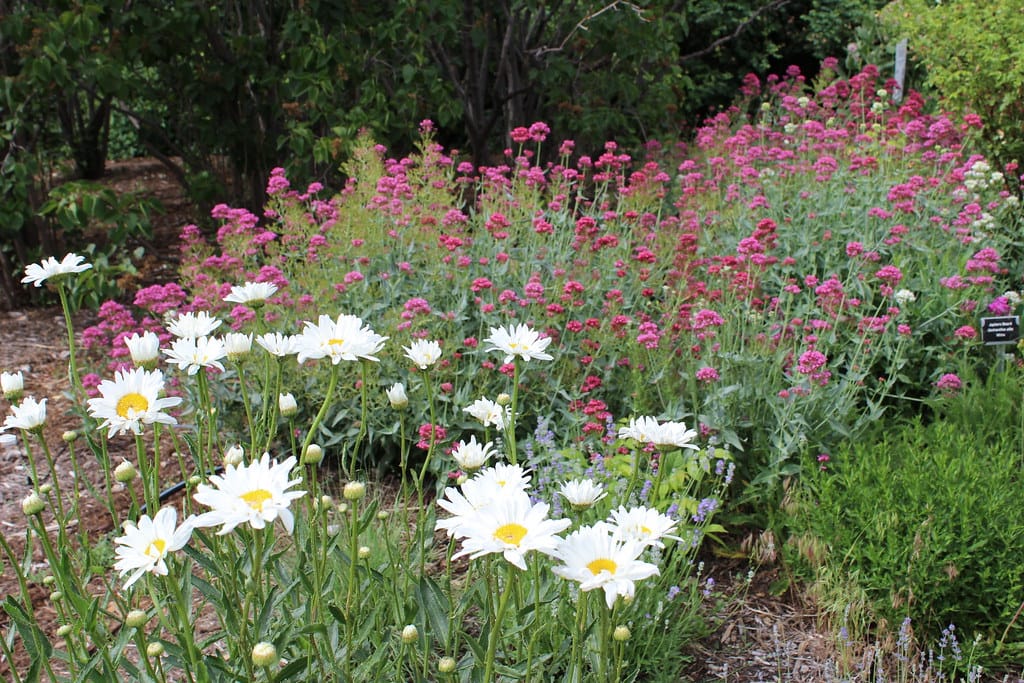
- Plant coverage minimums — usually ~50% living plant coverage at maturity. Rock from fence to fence doesn't qualify; that's zeroscaping, not xeriscaping, and utilities know the difference.
- No artificial turf in many newer programs, and often a mulch-depth and drip-irrigation requirement.
Rates and rules change constantly — treat everything below as a map, not a menu, and confirm current rates with your utility before planning a budget around them.
Where the money is, state by state
Nevada. The gold standard. Southern Nevada (Las Vegas area) runs the country's most established program, historically paying a meaningful dollar-plus per square foot with tiers. If you're in the Vegas Valley, this is the best turf deal in America — our Las Vegas guide covers the local playbook.
California. A patchwork with wide coverage: state and regional programs (including the Metropolitan Water District's, covering much of Southern California) plus city and water-district add-ons that can sometimes stack. Rates vary widely by district — full details in our California turf rebate guide.
Colorado. State legislation funds turf-replacement programs delivered through local utilities, and many Front Range cities run their own on top. Denver-area, Colorado Springs, and others participate — the Colorado-specific rundown is here.
Utah. Statewide coverage through a "flip your strip"-style program plus broader turf-swap offerings in participating districts along the Wasatch Front. Utah's programs famously love hell strips — often the easiest approval in the state.
Arizona. City-by-city rather than statewide: several Phoenix-area cities and Tucson have long-running xeriscape incentive programs of varying generosity. Check your city's water conservation office directly — Phoenix specifics here.
Texas. The thinnest coverage of the six, but programs exist — San Antonio's water utility has run landscape coupon and outdoor conservation programs, Austin has offered landscape conversion incentives, and El Paso pays per square foot. Dallas–Fort Worth is mostly education-only so far. See Austin and San Antonio.
Everywhere else: don't assume no. Boise, Albuquerque, Salt Lake City, and dozens of smaller utilities run or pilot programs. Search "[your water utility] turf replacement rebate," or just call.
Making the most of it
- Read your specific program's plant list and coverage rules before designing — approval is a design constraint, not an afterthought.
- Stack where allowed: some regions let city + district + state incentives combine. Add irrigation-upgrade rebates (sprinkler-to-drip conversion) on top where offered.
- Photograph everything — before, during, after. Inspections go smoother.
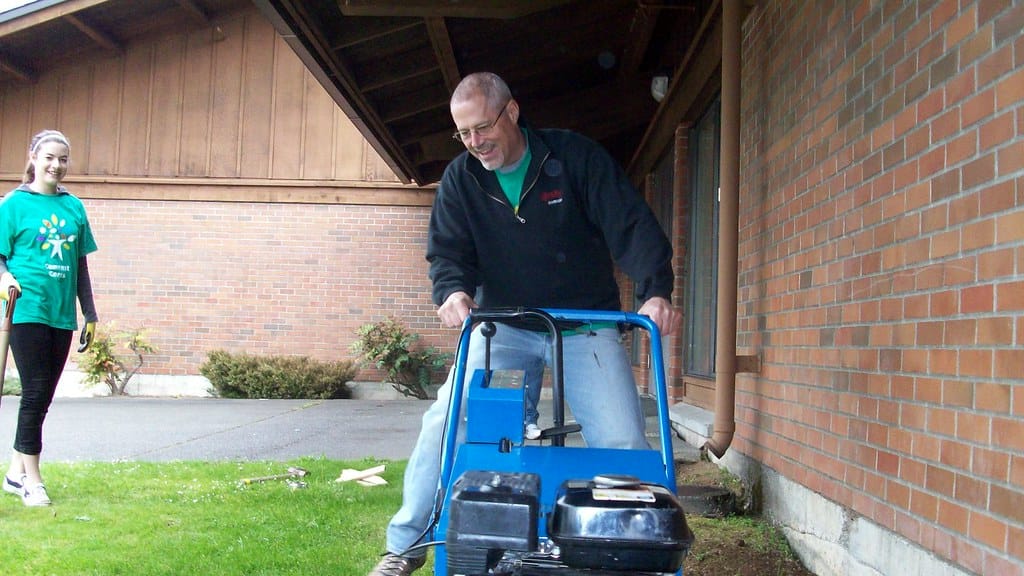
- Mind the deadline. Approval windows expire; a sod cutter weekend fits inside any of them.
- Do the math with the rebate as a bonus, not the business case. The real payback is the water you stop buying — rebates just shorten the payoff timeline.
The sprinkler in the photo above is what your utility is paying to retire. Apply, get approved, and then — only then — go get the sod cutter.