

California invented the modern "cash for grass" rebate at scale — but there's no single California program. Turf money flows through a patchwork of wholesalers, water districts, and city utilities, and what you're eligible for depends entirely on whose service area you live in. The good news: the programs share a common playbook, and once you understand it, finding and stacking your local rebates takes an afternoon.
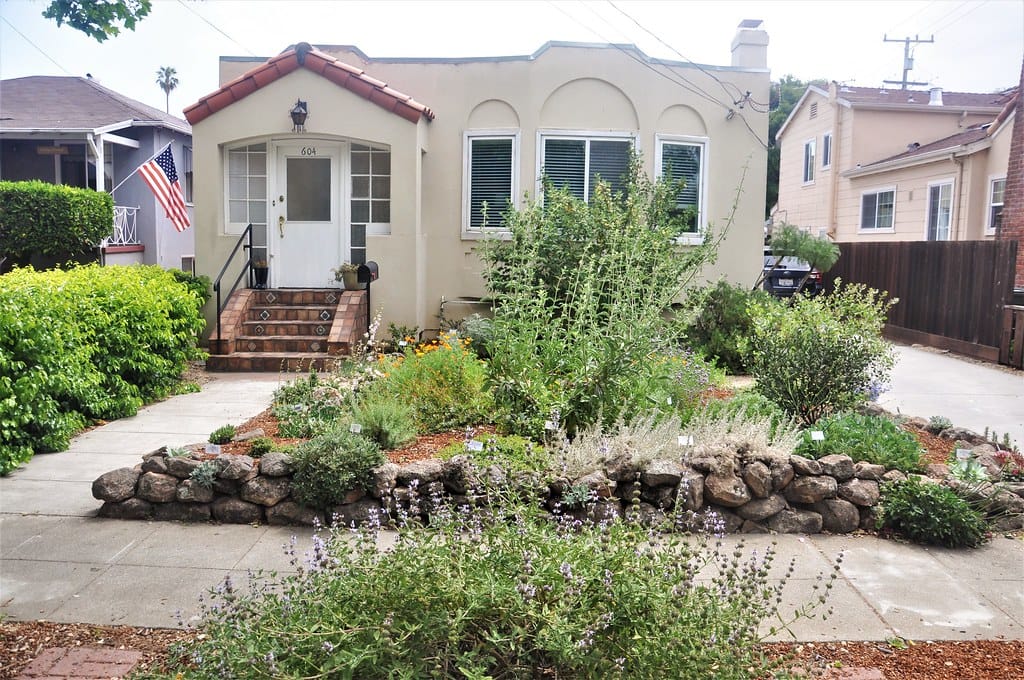
Southern California: the Metropolitan program
The Metropolitan Water District of Southern California runs the region's backbone turf-replacement rebate through SoCal WaterSmart / bewaterwise.com, covering roughly 19 million people from LA to San Diego and inland to the desert.
- Paid per square foot of living turf converted to a qualifying sustainable landscape.
- Member agencies stack on top — cities and districts (LADWP among them) often add their own per-square-foot supplement, so your total depends on your address.
- Rates and funding come and go — confirm current amounts at bewaterwise.com before you plan.
Local guides for the region: Los Angeles and San Diego.
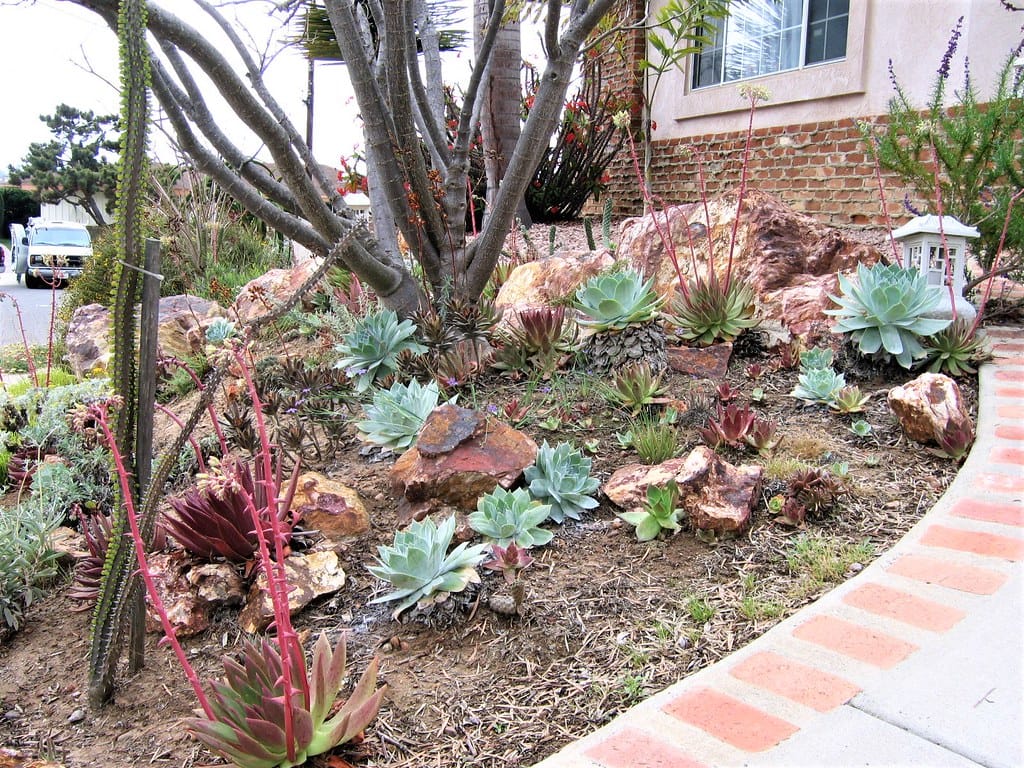
Northern California and the valleys
- Sacramento region: many area providers run turf conversion rebates — check the Regional Water Authority's water-efficiency portal and your own city.
- Bay Area: programs vary sharply by district — Santa Clara Valley Water has run one of the state's more generous landscape conversion rebates; East Bay MUD and others run their own. Check your district directly.
- Central Valley: Fresno, Bakersfield, and other cities have offered programs intermittently as drought conditions and funding shift.
Wherever you live, the search that works is "[your water provider] turf replacement rebate" — and your water bill tells you who your provider actually is.
The requirements pattern (learn it once)
California programs are strikingly consistent about the rules (the national pattern is similar):
- Pre-approval before removal. Photos of living, irrigated lawn; kill the grass early and you've killed the rebate.
- Minimum plant coverage. Most SoCal programs require a set number of drought-tolerant plants per 100 sq ft, with mature canopy expected to cover a large share of the converted area.
- No artificial-turf-only conversions. Plastic lawns don't qualify (and several programs ban them from rebated areas entirely).
- A stormwater feature — many programs require rain capture, such as a swale, basin, or rock-lined infiltration area.
- Irrigation conversion — cap or convert spray heads to drip.
- Post-inspection before the check is cut.
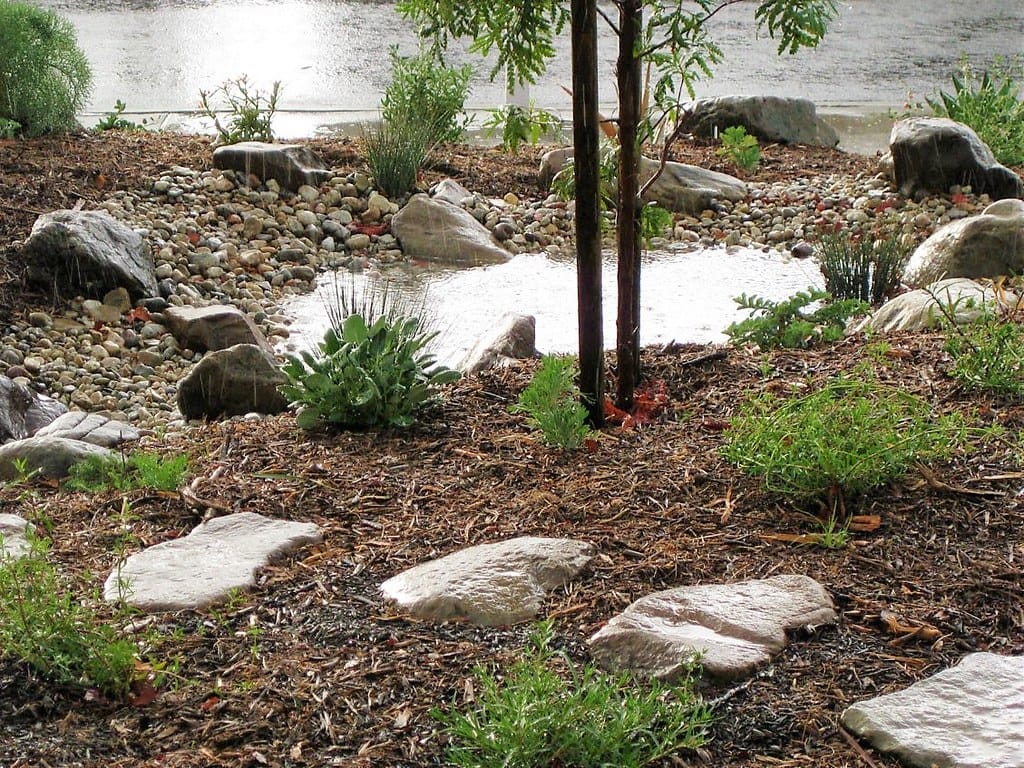
These rules exist because bare-gravel conversions failed a generation ago — the programs are effectively paying you to build a real garden (the xeriscape-vs-zeroscape distinction, enforced with money).
Making the numbers work
Between a wholesaler rebate, a city supplement, and California's year-round growing season, conversions here often recoup a large share of out-of-pocket costs — and Mediterranean-climate water bills make the ongoing savings substantial. Our cost guide covers the full math, and cheap xeriscaping ideas shows how to stretch the rebate into the entire budget.
The step-by-step
- Identify your water provider and search their current turf program; in SoCal, start at bewaterwise.com.
- Photograph living turf, measure the area, submit pre-approval with your plant plan.
- Wait for written approval, then remove the lawn.
- Build to spec: required plant density, mulch, drip, rain capture.
- Pass inspection, submit documentation, get paid.
California's rebate map is messy, but the money is real and the playbook is universal: apply first, plant generously, skip the plastic. Your district's current rates are one search away.