
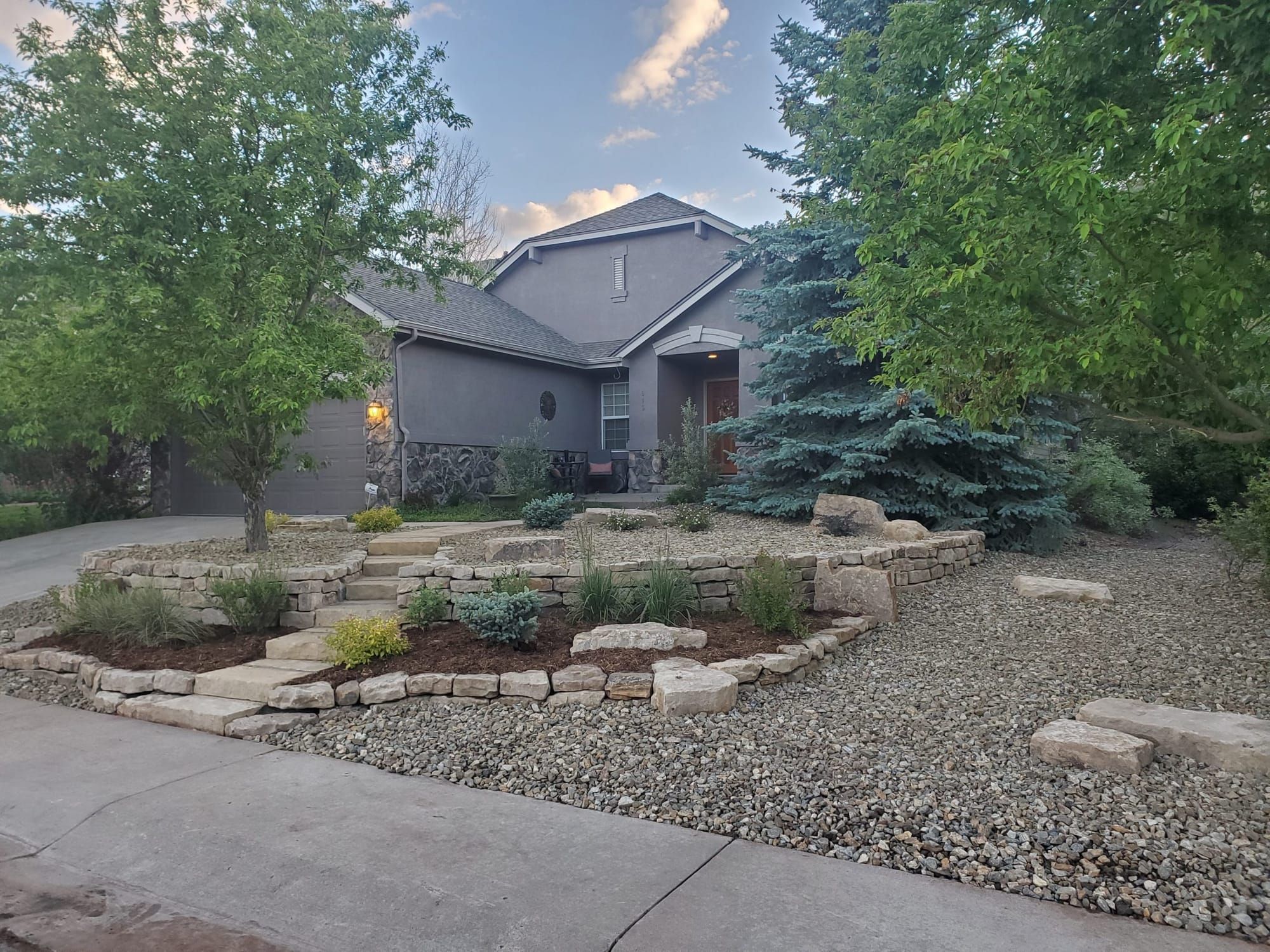
Every xeriscape conversion starts with the same question: how do you get rid of the grass? There are three proven methods, and picking the right one depends on your timeline, budget, and how much of the work you want to do yourself. Here's the honest comparison.
One thing before you kill anything: if your water utility offers a turf-replacement rebate, nearly all of them require pre-approval with photos of the living lawn. Apply first. Then destroy.
Method 1: Sheet mulching (the patient, nearly-free way)
Mow the grass short, cover it with overlapping plain cardboard, wet it down, and bury it under 3–4 inches of mulch. The lawn dies in darkness and composts in place, feeding the soil as it goes.
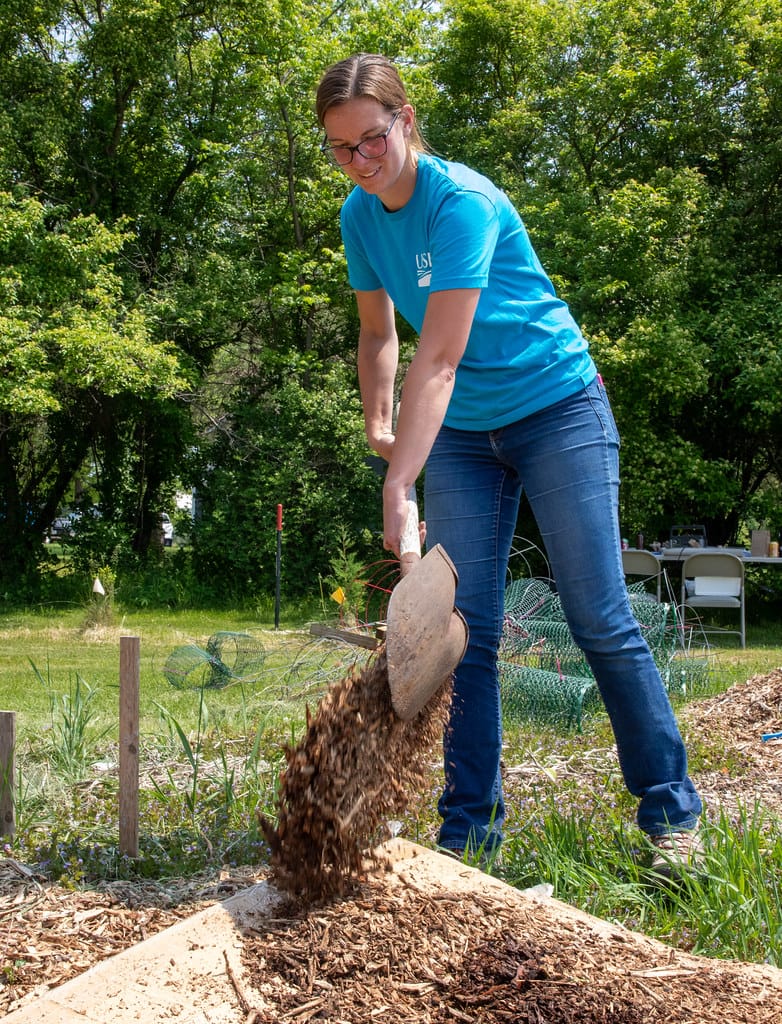
- Cost: almost nothing — scavenged cardboard and bulk mulch.
- Effort: low. No digging, no hauling.
- Time: 2–4 months minimum; start in fall and plant in spring for perfect timing.
- Best for: patient DIYers, bigger areas, anyone improving soil while they wait.
- Watch out: aggressive spreaders (bermudagrass, bindweed) can survive; use two cardboard layers and be ready to spot-treat escapees.
Method 2: Sod cutting (the fast, physical way)
Rent a sod cutter (or use a flat spade for small areas), slice the lawn into strips, roll them up, and haul them away — or flip them upside-down to compost under mulch.
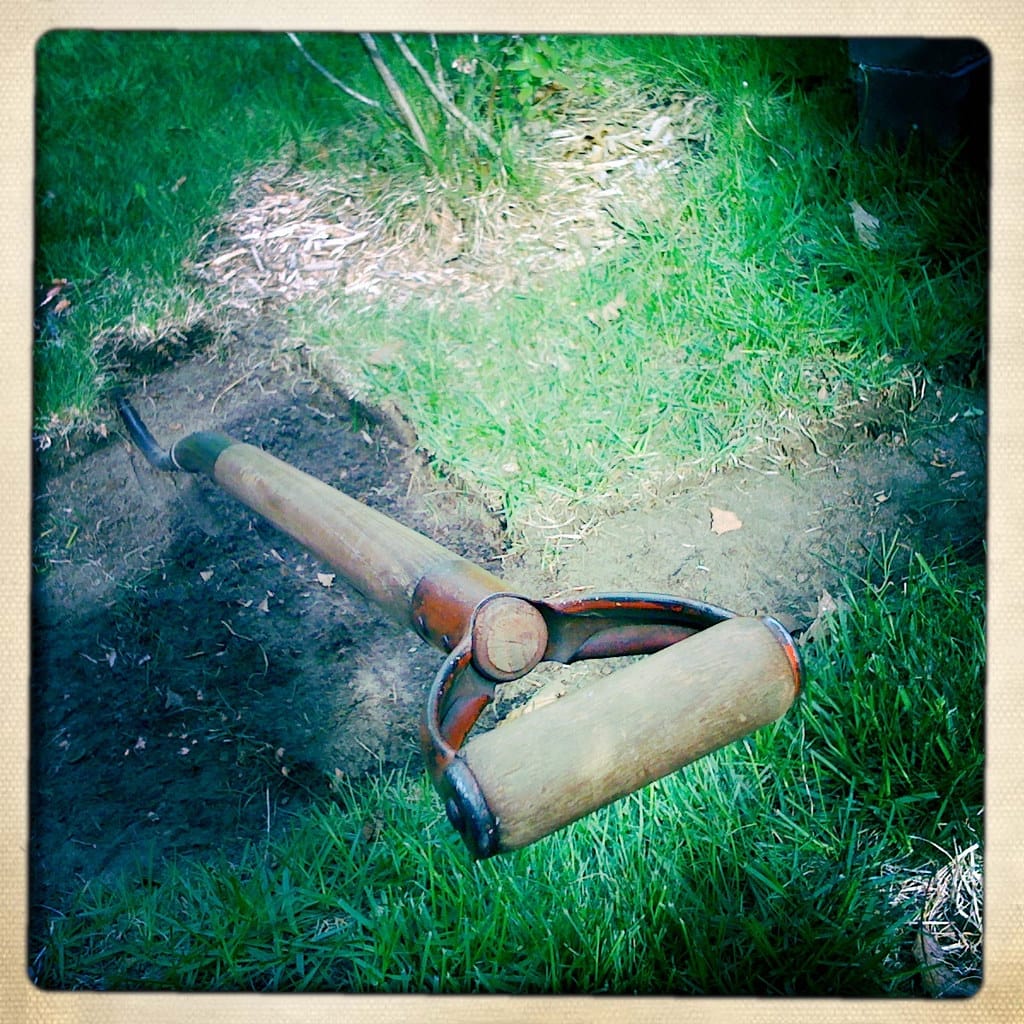
- Cost: sod cutter rental runs modest money per day; disposal can add up. Pros charge roughly 1–2/sq ft to cut and haul.
- Effort: high. Sod is shockingly heavy.
- Time: a weekend. You can plant immediately.
- Best for: small-to-medium areas, tight timelines, rebate deadlines.
- Watch out: you're removing a layer of topsoil with the sod — plan to amend after.
Method 3: Solarization (the summer bake)
Mow short, water deeply, then cover the area with clear plastic sealed at the edges for 6–8 weeks during the hottest part of summer. Sunlight cooks the grass, roots, and many weed seeds beneath.
- Cost: a roll of clear plastic.
- Effort: low.
- Time: 6–8 weeks, and only works in high summer with strong sun.
- Best for: hot-summer regions, weedy lawns where you also want the seed bank cooked.
- Watch out: it also disrupts some beneficial soil life near the surface, and your yard spends two months looking like a construction site.
Which one should you use?
- Converting this fall, planting in spring? Sheet mulch. It's free and improves the soil.
- Rebate paperwork with a deadline? Sod cutter. Done in a weekend.
- Bermudagrass or serious weeds in a hot climate? Solarize first, then mulch.
- Big yard, phased plan? Mix them — sod-cut the section you're planting now, sheet mulch the section you'll plant next season. (Phasing is also the budget play — see what xeriscaping costs.)
After the lawn is gone
Amend the soil where your plant plan calls for it, rough in the drip irrigation, plant, and mulch 2–3 inches. The full sequence, in order, is in 10 Steps to Xeriscaping.