
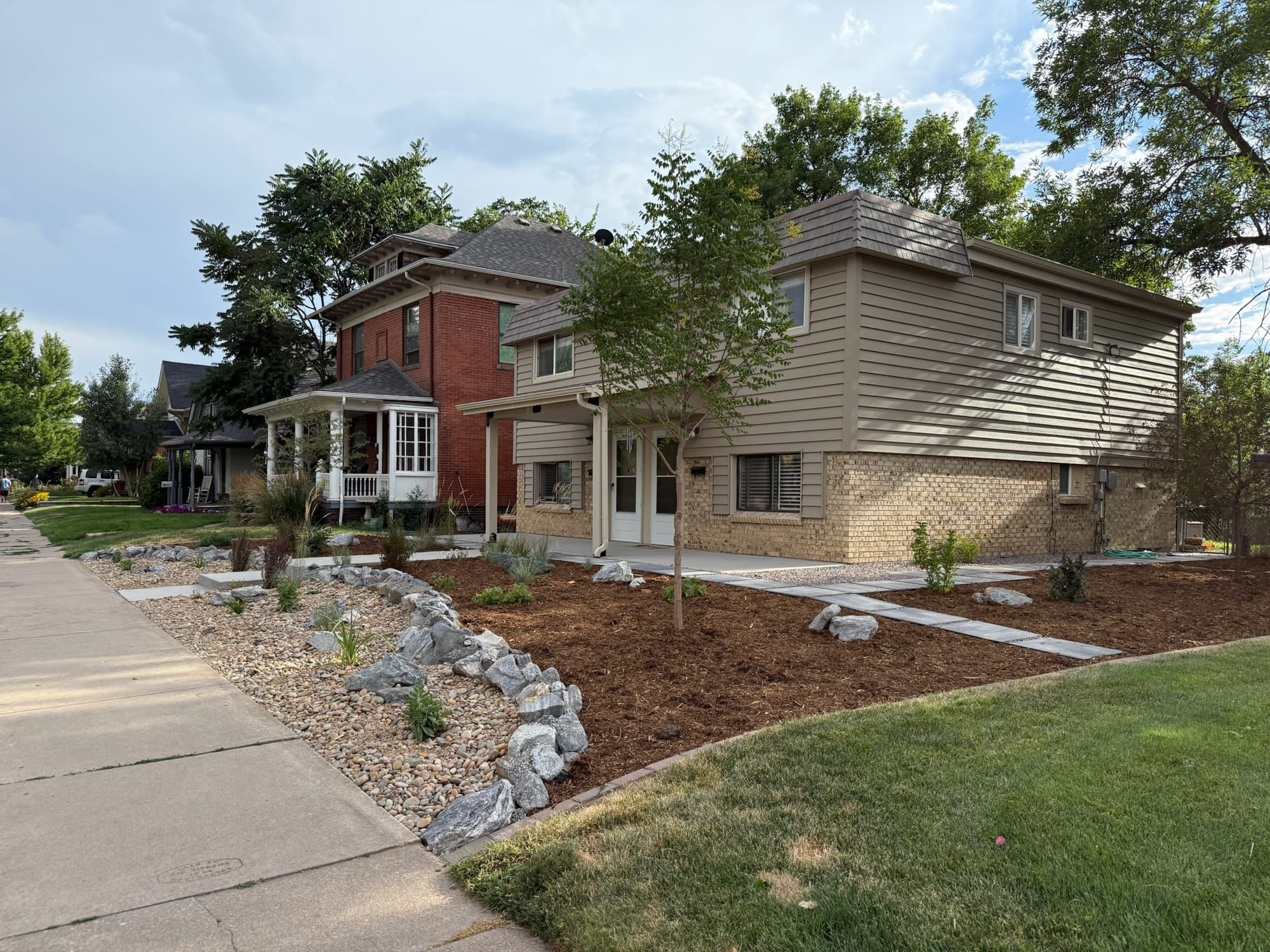
If you're pricing out a xeriscape, here's the honest answer up front: professionally installed xeriscaping typically runs 5–20 per square foot, depending on how much hardscape, irrigation, and plant density you want. Do the work yourself and materials alone usually land between 1–6 per square foot. A typical front-yard conversion falls somewhere between $3,000 and $15,000 installed — less than most people fear, and unlike a lawn, it starts paying you back immediately.
Let's break down where the money actually goes.
What drives the cost
1. Lawn removal. Cutting out and hauling sod, or solarizing/sheet-mulching it yourself. Pro removal typically adds 1–2 per square foot; DIY methods cost almost nothing but time.
2. Soil prep. Compost and amendments are cheap per bag but add up across a yard. Budget a few hundred dollars for a typical front yard.
3. Hardscape — the big variable. Gravel and decomposed granite are affordable; flagstone, boulders, and retaining walls are where budgets grow. A design that's mostly planted beds with gravel paths costs a fraction of one built around stonework.
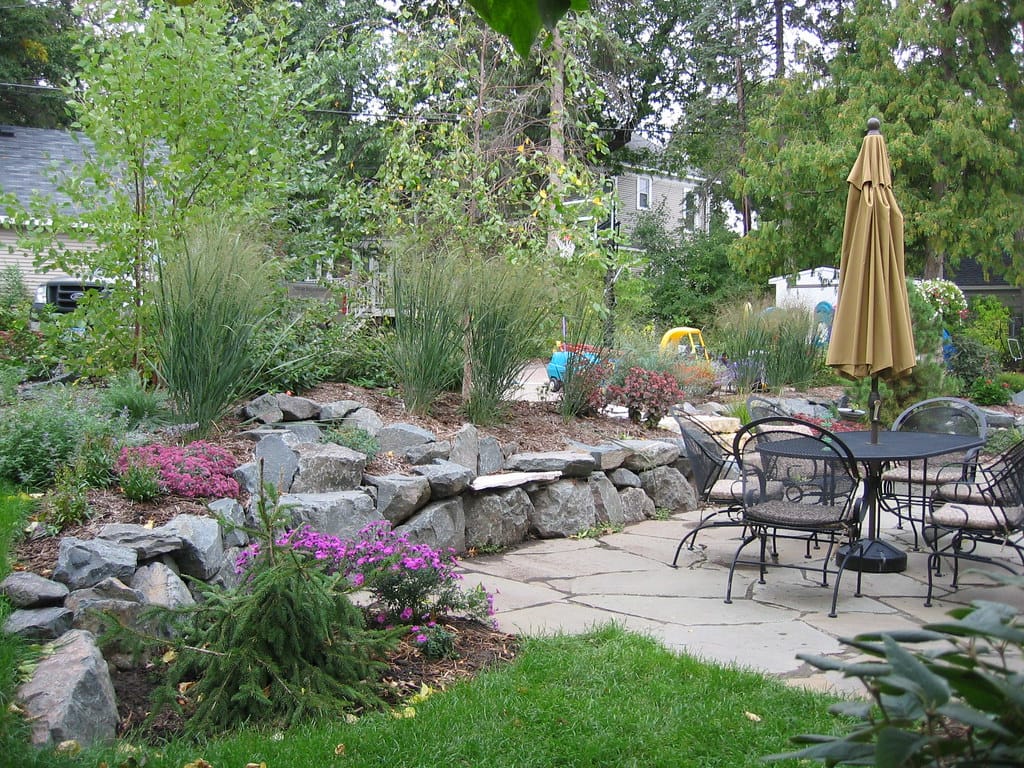
4. Plants. Expect 10–30 per perennial, 30–80 per shrub, more for trees. Smart move: buy smaller sizes. Drought-adapted plants establish fast, and a 1-gallon plant usually catches up to a 5-gallon within two seasons — at a third of the price.
5. Irrigation. A drip system for a typical front yard runs a few hundred dollars in parts (DIY) to $1,500+ installed. If you're converting existing sprinklers, adapters bring the cost down significantly.
6. Mulch. Wood mulch or gravel at 2–3 inches deep. Buying in bulk by the cubic yard is dramatically cheaper than bags.
DIY vs. pro: where to spend
You can DIY more of a xeriscape than almost any other landscape style. The honest split:
- DIY-friendly: lawn removal (sheet mulching), planting, mulching, basic drip irrigation.
- Worth hiring out: grading and drainage, large stonework, irrigation mainline work, and design if you're unsure — a few hundred dollars of design advice prevents thousands in plant-replacement mistakes.
The payback side of the ledger
This is what lawn-cost comparisons always skip:
- Water savings. A well-designed xeriscape cuts outdoor water use by 50–75%. Outdoor watering is often half a household's summer usage, so the bill impact is real — typically hundreds of dollars a year in water-expensive regions, more under tiered rates.
- Rebates. Many western utilities pay you per square foot to remove turf — programs in Colorado, Nevada, California, Utah, and Arizona can offset a meaningful chunk of installation. Check your local water utility before you start; some require pre-approval before you remove any grass.
- Maintenance. No weekly mowing, less fertilizer, fewer chemicals, no aeration, no reseeding. Your time is worth something too.
Most homeowners find the conversion pays for itself in 5–10 years on water and maintenance alone — faster with a rebate, and faster still as water rates keep climbing.
Keeping the budget down
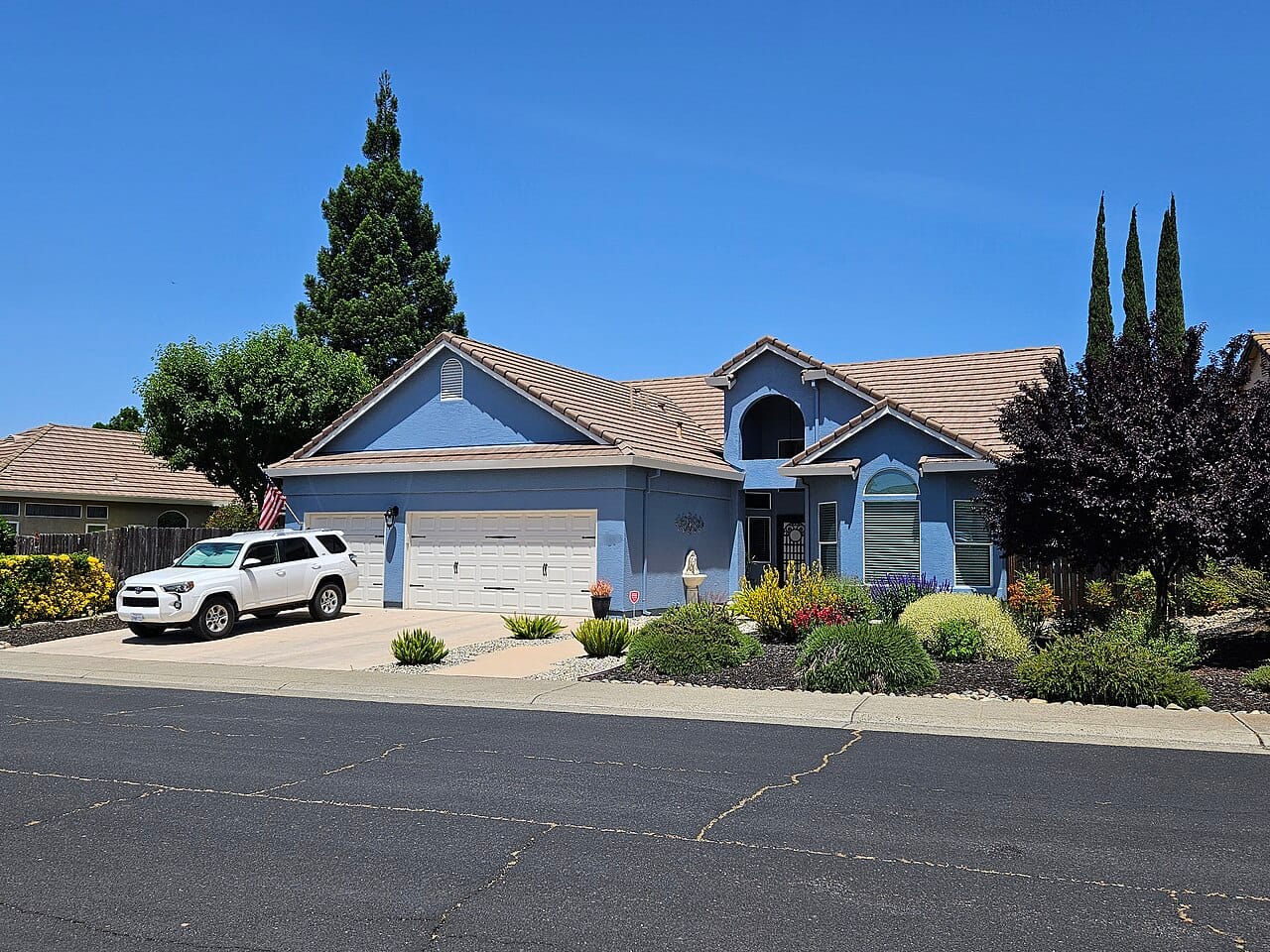
- Phase it. Convert the hell strip or one section per season. See our 10 Steps to Xeriscaping for the right order.
- Start plants small (1-gallon or plugs) and let them grow in.
- Minimize bought hardscape — plants per square foot cost less than stone.
- Sheet-mulch instead of hauling sod. Cardboard + mulch kills lawn for almost free.
- Stack a rebate on top of everything above.
The bottom line
A xeriscape costs about as much as any decent landscaping up front — 5–20/sq ft installed, 1–6 DIY — but it's the only kind that lowers your bills every month afterward. Start with our beginner's guide, check your utility's rebate program, and convert the thirstiest section first.
Curious what it looks like when it's done well? Browse xeriscape ideas and inspiration.