
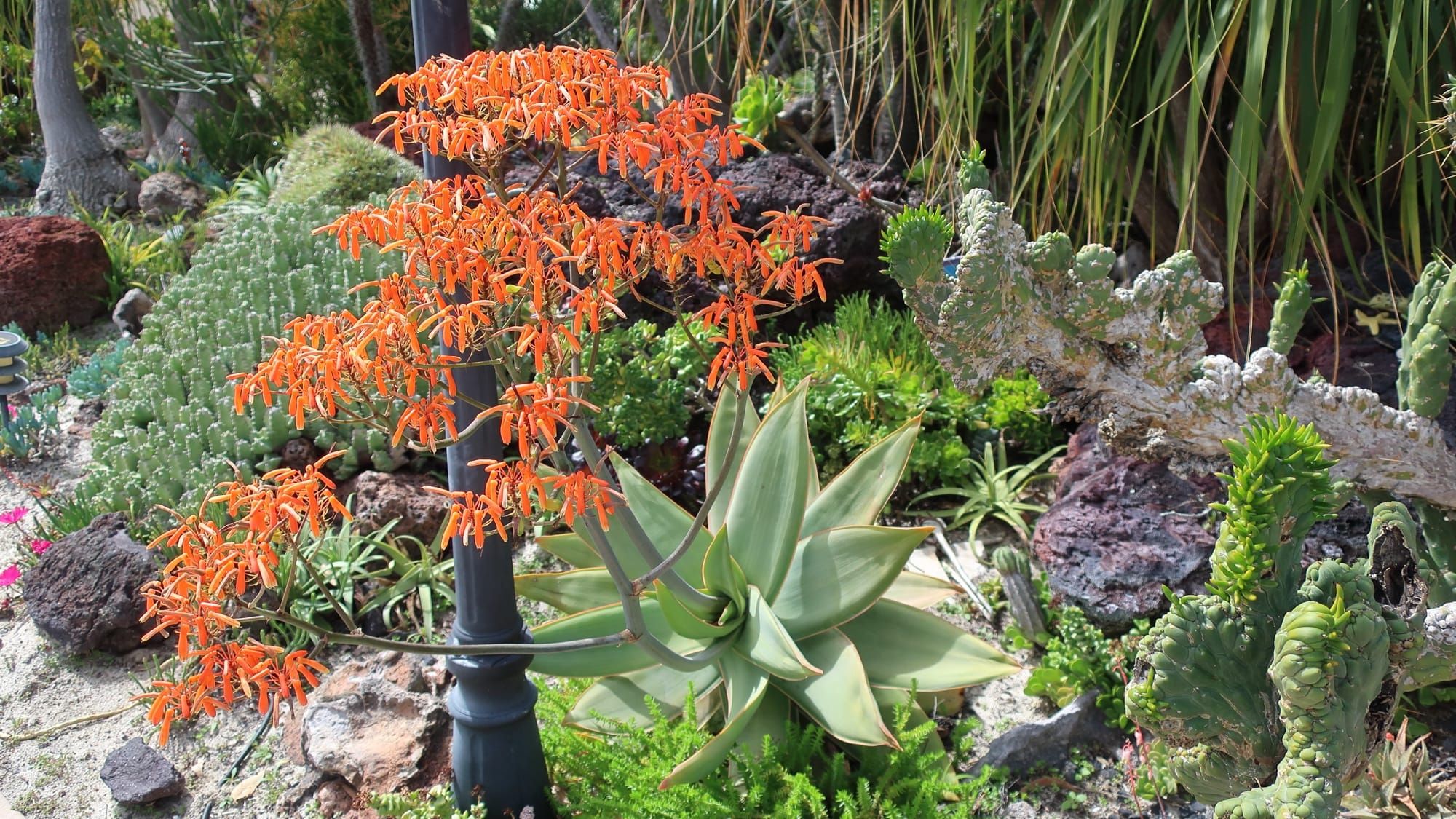
San Diego imports the overwhelming majority of its water — most of it pumped and piped from the Colorado River and Northern California — and then enjoys the single best succulent-growing climate in the continental United States. That's the whole case in one sentence: nowhere else does removing a lawn open up so many spectacular low-water options. Aloes bloom here in January. Your bluegrass never did that.
San Diego growing conditions: coastal vs. inland
San Diego is two gardens wearing one zip-code prefix:
- Coastal (zone 10a–10b): the marine layer keeps summers cool and humid-ish and winters frost-free. Succulents, aeoniums, and coastal natives thrive with barely any irrigation — but full-sun desert plants can sulk under "May Gray" skies.
- Inland valleys and foothills (zone 9b–10a): hotter, brighter summers, occasional light frost in the valleys. More like a gentle desert — agaves, dry-slope natives, and Mediterranean shrubs excel.
- Almost no summer rain anywhere (~10 inches annually, nearly all November–March), and soils from beach sand to inland clay — drainage decides succulent placement.
Rebates: stack the layers
San Diego sits inside the Metropolitan Water District's regional turf-replacement program (bewaterwise.com), and the San Diego County Water Authority and local agencies have run their own landscape incentives, from turf rebates to free landscaping workshops and design resources. Amounts and funding windows change — confirm current programs through bewaterwise.com and your local water agency before you plan. The standard California rules apply: pre-approval with living turf, minimum plant coverage, rain capture, drip conversion, and no artificial-turf-only projects — the full pattern is in our California rebate guide.
The San Diego palette
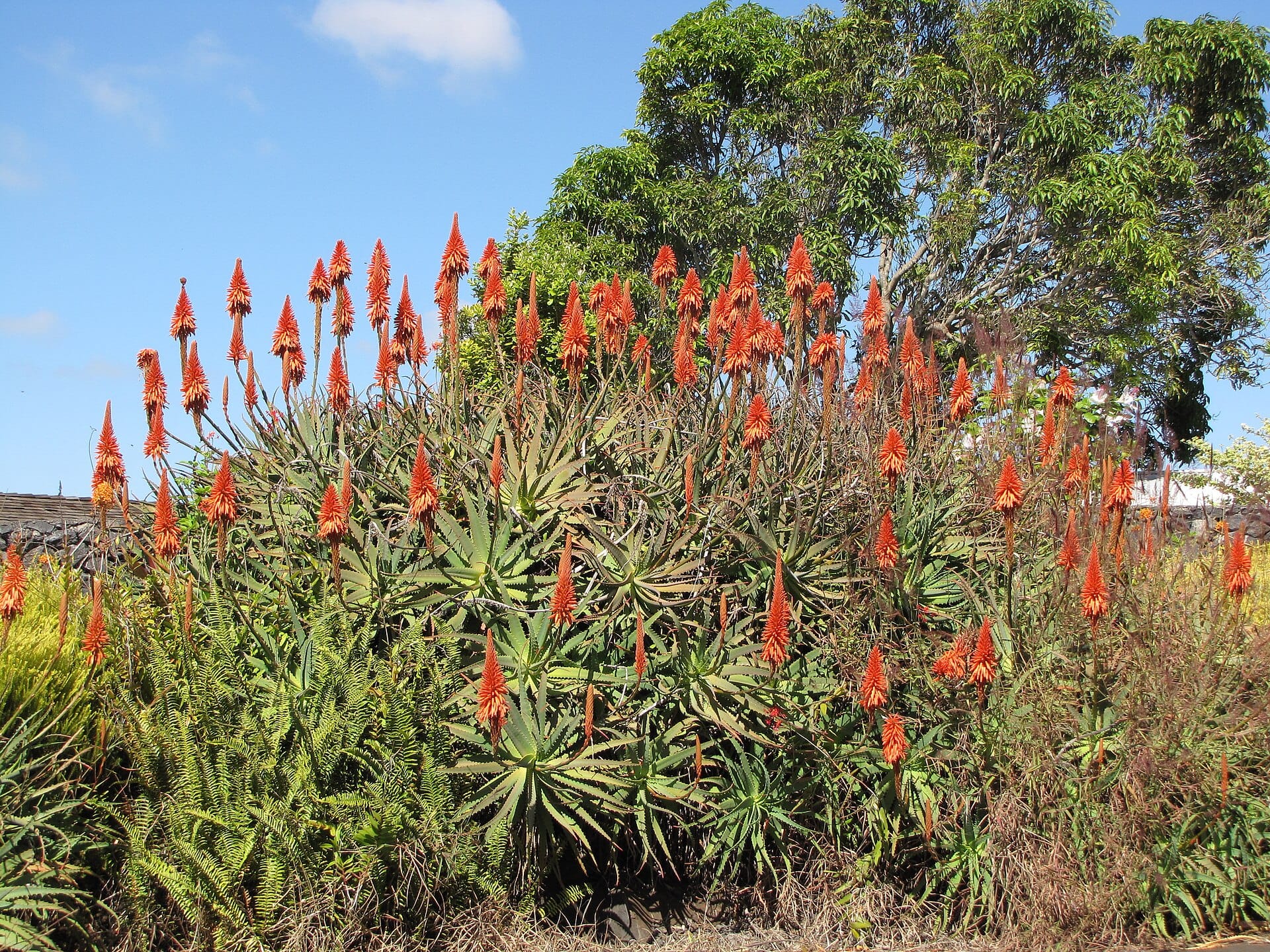
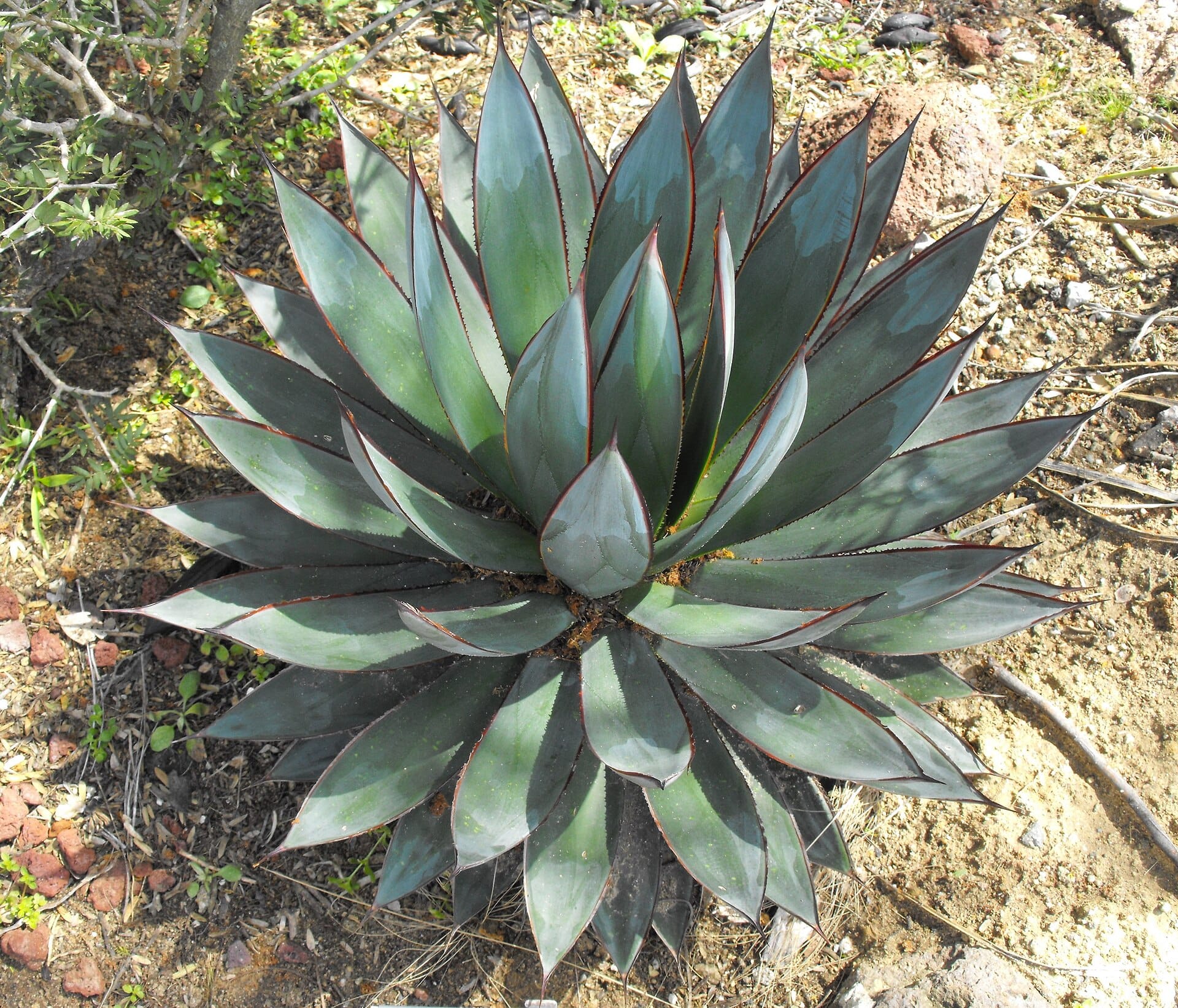
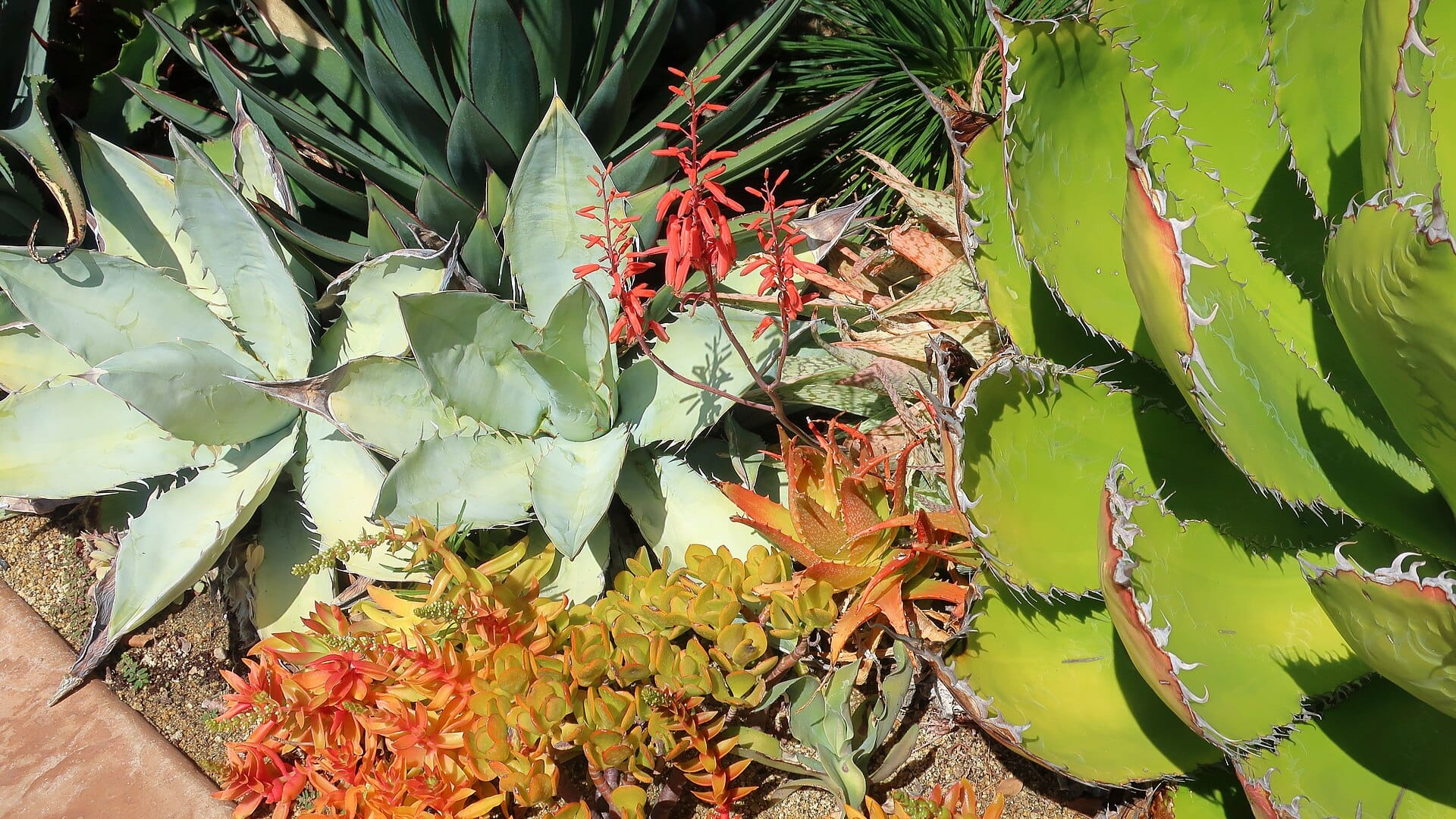
Succulent structure: agave ('Blue Glow', attenuata near the coast), aloes (arborescens and hybrids for winter bloom), aeonium, dudleya (the native San Diego succulent — plant it on unirrigated slopes), and golden barrel for punctuation.
Native shrubs: California sagebrush, Cleveland sage, black sage, lemonade berry, toyon, San Diego sunflower (bush sunflower), and ceanothus inland.
Color: California fuchsia, monkeyflower, penstemon, blanket flower, and proven Mediterranean-climate imports — rosemary, lavender, grevillea, and kangaroo paw — that match the rainfall rhythm.
Groundcovers: low ceanothus and 'Bee's Bliss' sage on slopes, and succulent carpets where you want the postcard look (more options here).
Trees: Torrey pine if you have the room (it grows wild nowhere else on the mainland), western redbud, desert willow inland, and coast live oak.
Design notes
- Succulents are the local signature — but mass them. A drift of one aloe species beats a one-of-everything collection, and repetition is what makes the famous San Diego front yards work (front yard layouts here).
- Respect the marine layer line. Gray-coast yards favor aeoniums, natives, and winter bloom; hot inland yards handle agave, desert accents, and summer-flowering Mediterranean shrubs. Buy where you live.
- Slopes are an asset: terraced dudleya, low ceanothus, and rock-lined swales turn erosion problems into the best views in the yard — and satisfy the rain-capture requirement most rebates include.
- Water succulents and natives separately. Different hydrozones, different schedules — the core of the 7 Principles.
Getting started
- Check bewaterwise.com and your local agency's current programs; get pre-approved with photos of the living lawn.
- Remove the turf and convert spray to drip.
- Plant in fall with the 10 Steps — winter rain does the establishment work for free.
- Go easy on summer water from year two — most failures in San Diego xeriscapes are from kindness.
San Diego's climate is the one the rest of the country buys plane tickets to visit. Plant aloes that bloom at Christmas, dudleya that live on fog, and keep the imported water in the pipes.