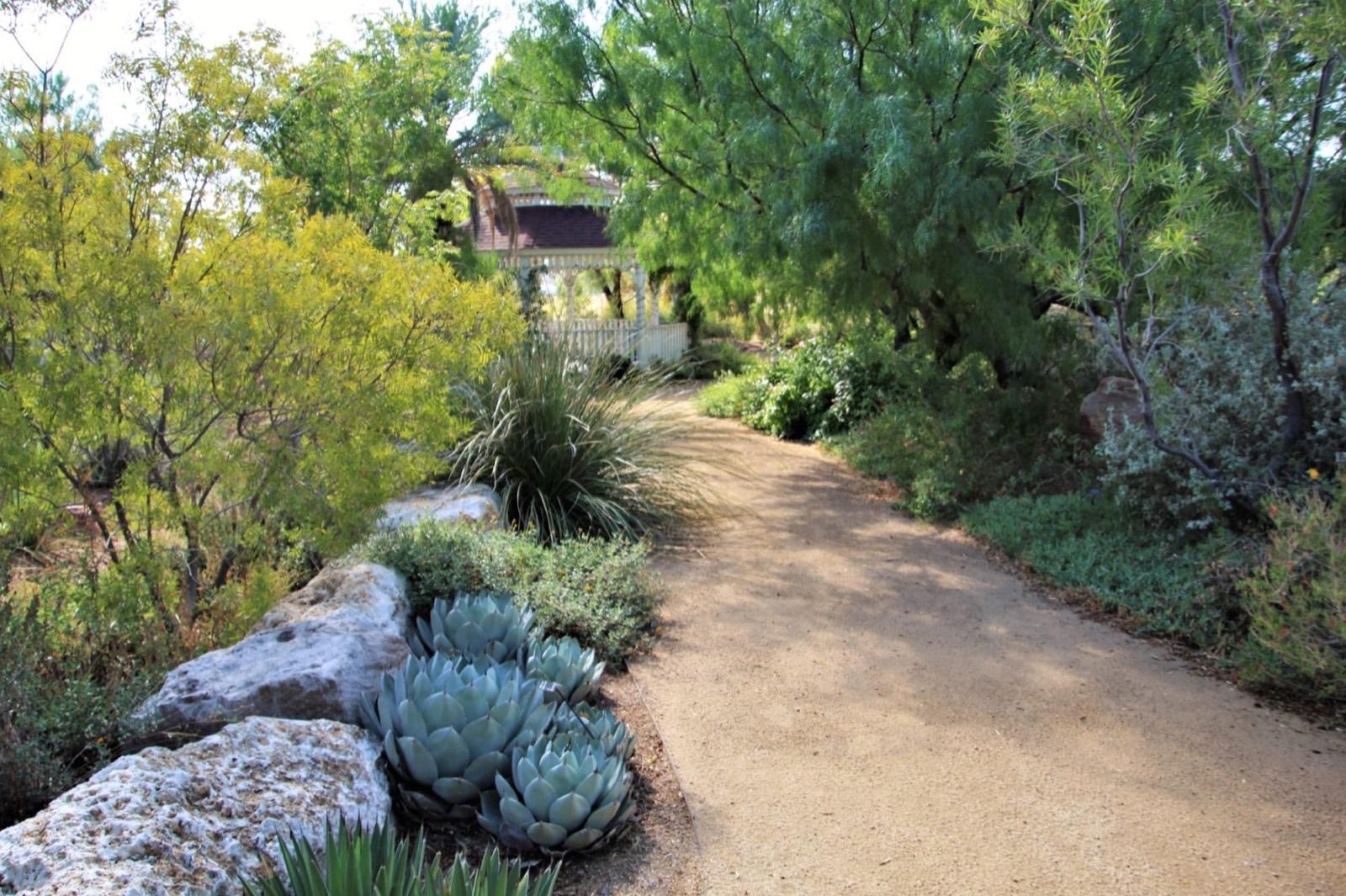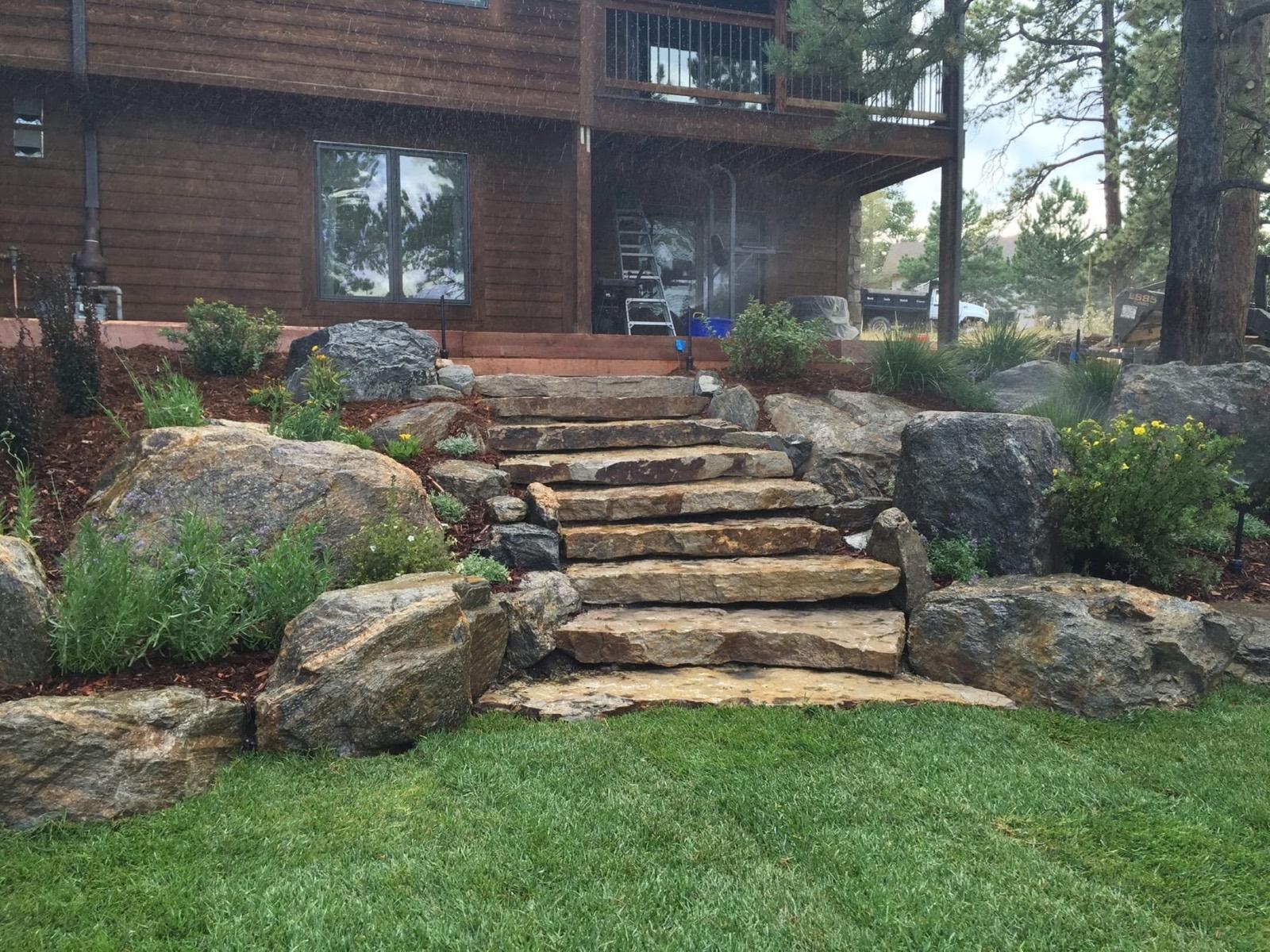
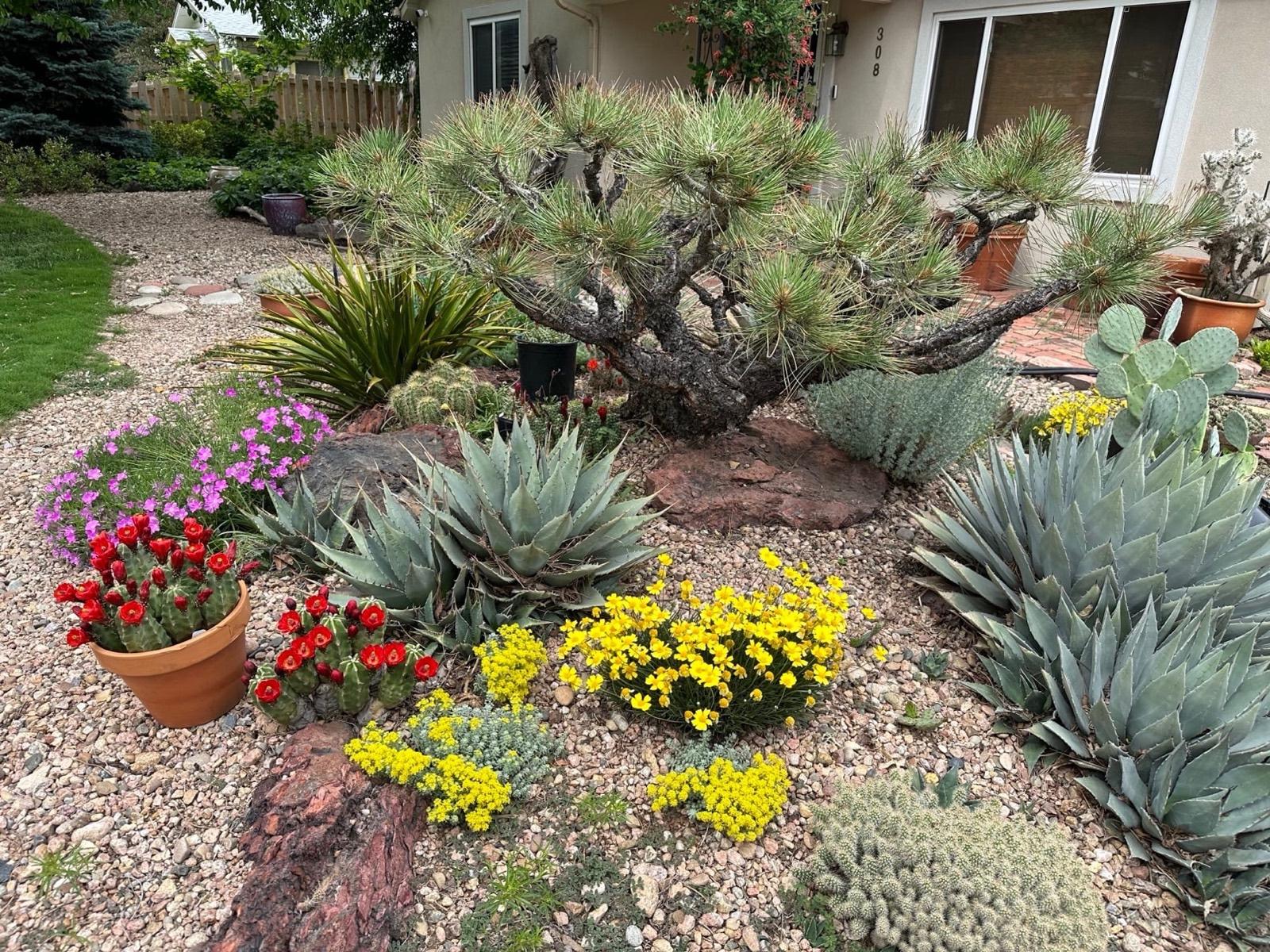
The best front yard xeriscape ideas solve one problem: how to lose the lawn without losing the curb appeal. A good one doesn't read as "gave up on grass." It reads as the most interesting yard on the block, on a fraction of the water and with no weekly mowing. Below are 25 ideas, grouped by the job they do, with plant names, hardiness zones and the practical details that make them work. Pick the three or four that fit your house and start there.
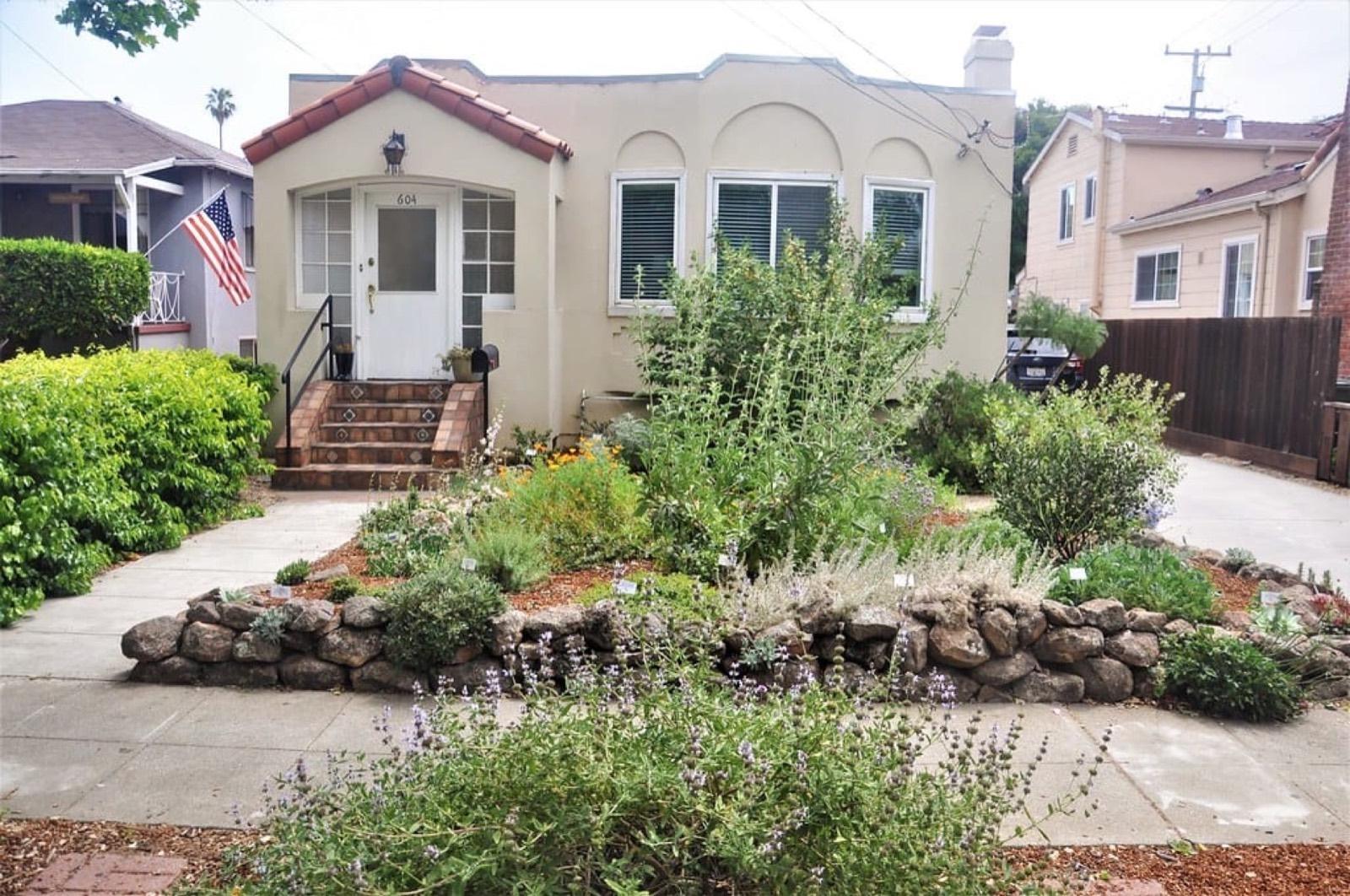
Layout: decide what the yard is for
1. Keep a small "welcome mat" of low-water turf
You don't have to lose every blade. A compact rectangle of buffalograss or blue grama framed by planting beds gives the eye a place to rest and reads as tidy to the neighbors. Keep it at least 8 feet wide: CSU Extension notes that strips of grass narrower than 8 feet are hard to irrigate efficiently with spray heads.
2. Remove the hard-to-water pieces first
Slopes, narrow side strips, odd corners and the strip along the driveway waste the most water and look the worst in August. Convert those first. You get the biggest visual and water payoff for the fewest square feet, and you learn how your soil and sun behave before tackling the whole yard.
3. Give the front door a generous path
A front walk 4 to 5 feet wide lets two people walk side by side and makes the entry feel important. Flagstone, concrete pavers or compacted crushed gravel with steel edging all work. Aim the path at the door in one or two easy curves; a path that wanders for no reason gets cut across.
4. Draw beds with long, easy curves
Lay a garden hose on the ground to sketch bed lines, then walk away and look from the street and from the front window. Broad arcs look intentional and are easy to edge. Tight wiggles look busy and are a pain to maintain.
5. Add a berm for height and drainage
A mound 12 to 18 inches high turns a flat lot into a landscape and gives penstemon, agastache and cactus the sharp drainage they want. Build it from the native soil you dug out of paths, mixed with squeegee or crusher fines, and keep side slopes gentle so mulch doesn't wash off.
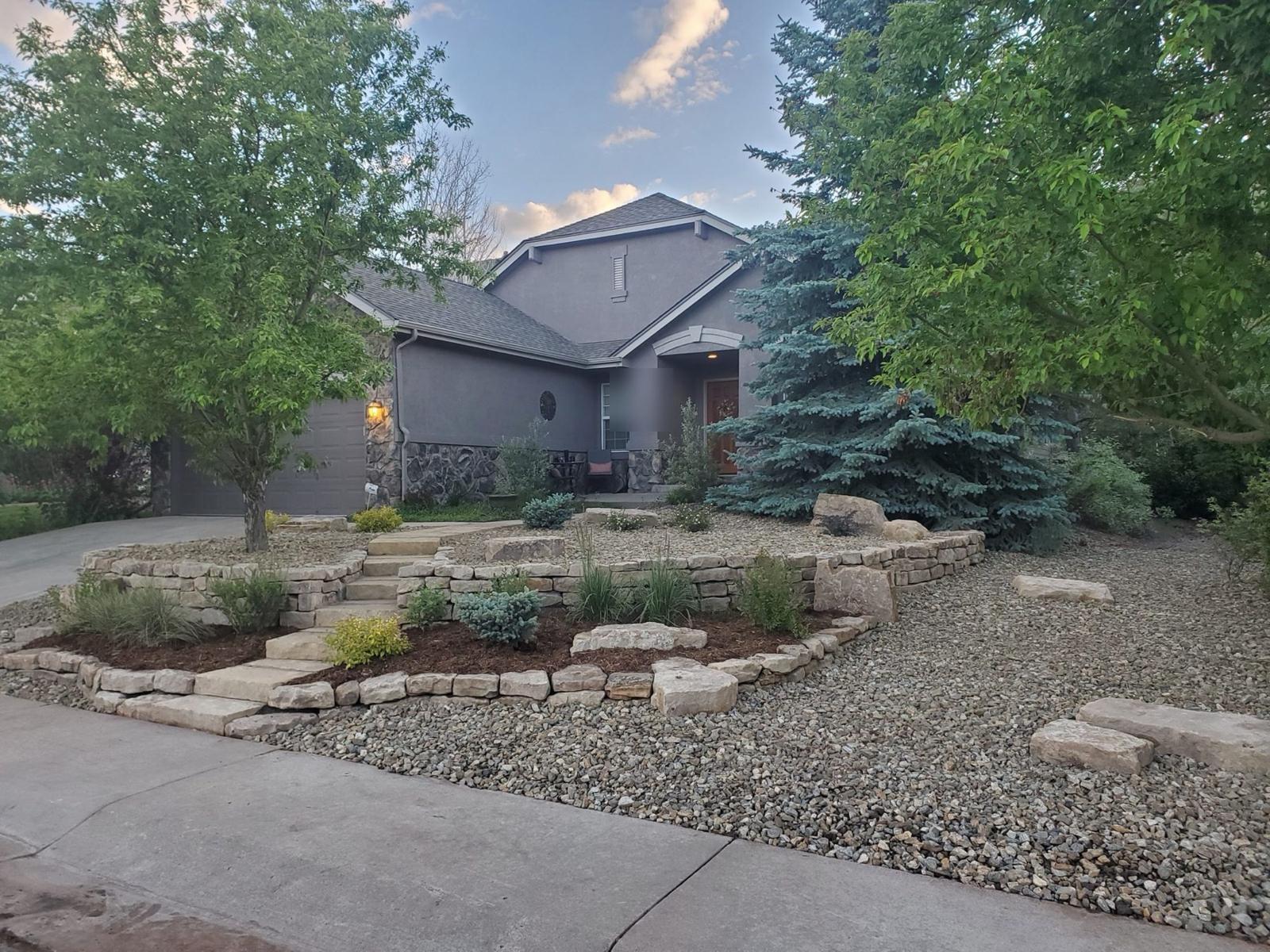
6. Terrace a slope with dry-stacked stone
A sloped front yard is a mowing hazard and a runoff chute. Two or three low walls of dry-stacked sandstone, each under knee height, turn it into planting terraces with built-in steps. Check your city's permit threshold before building anything taller.
Stone and hardscape
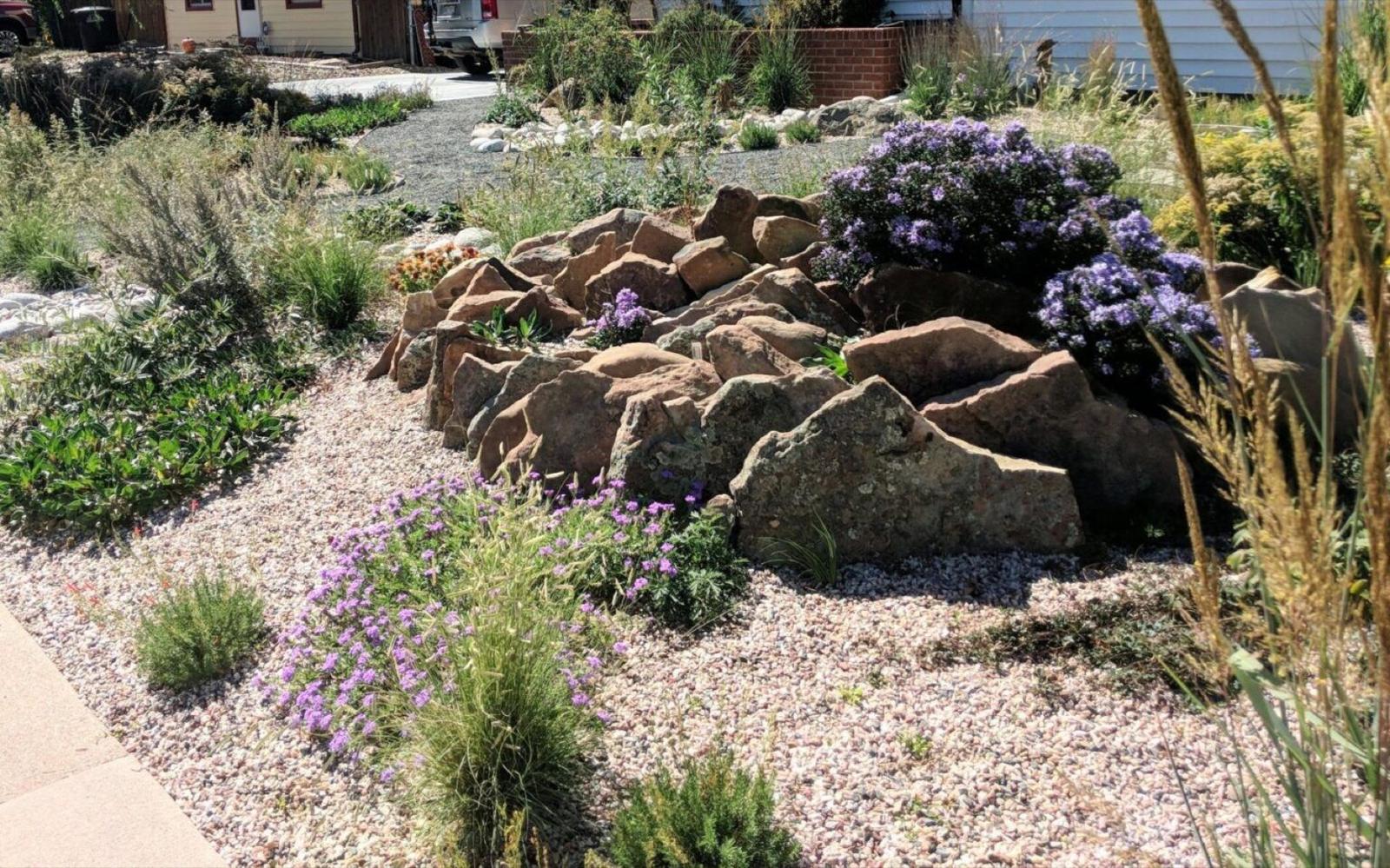
7. Group boulders in odd numbers, and bury them
One large boulder with two smaller companions looks geological; five equal rocks in a row look delivered. Bury each stone a third of its height and set the widest face down, grain running the same direction. Use one stone type for the whole yard.
8. Build a dry creek that carries real water
Route downspout water through a shallow swale lined with river cobble and flanked by a few boulders. It solves a drainage problem, gives the eye a line to follow, and the plants along its edges get a free drink every storm. Our dry creek bed guide covers sizing and fabric.
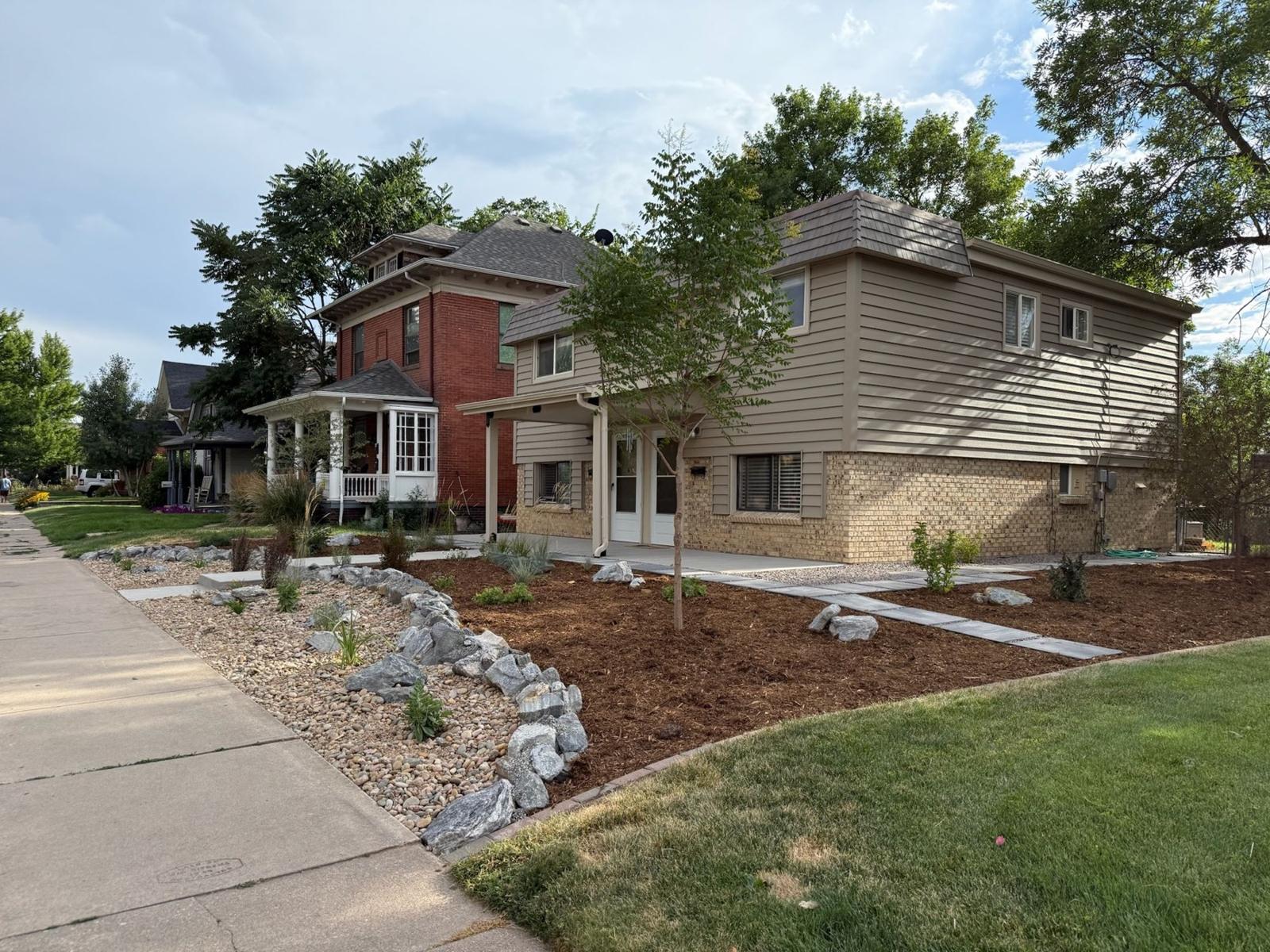
9. Mulch by plant type, not by yard
Use gravel or crusher fines around xeric perennials, cactus and bunchgrasses, and shredded wood around shrubs and trees. The EPA's WaterSense program cautions that rock mulch in hot, sunny spots radiates heat and can scorch plants that aren't arid-adapted. More detail is in gravel vs. wood mulch.
10. Frame everything with steel edging
A crisp line of steel or aluminum edging between gravel, mulch and turf makes a loose planting look deliberate. It's also the single most effective way to keep an HOA happy, and it stops gravel from migrating into the lawn.
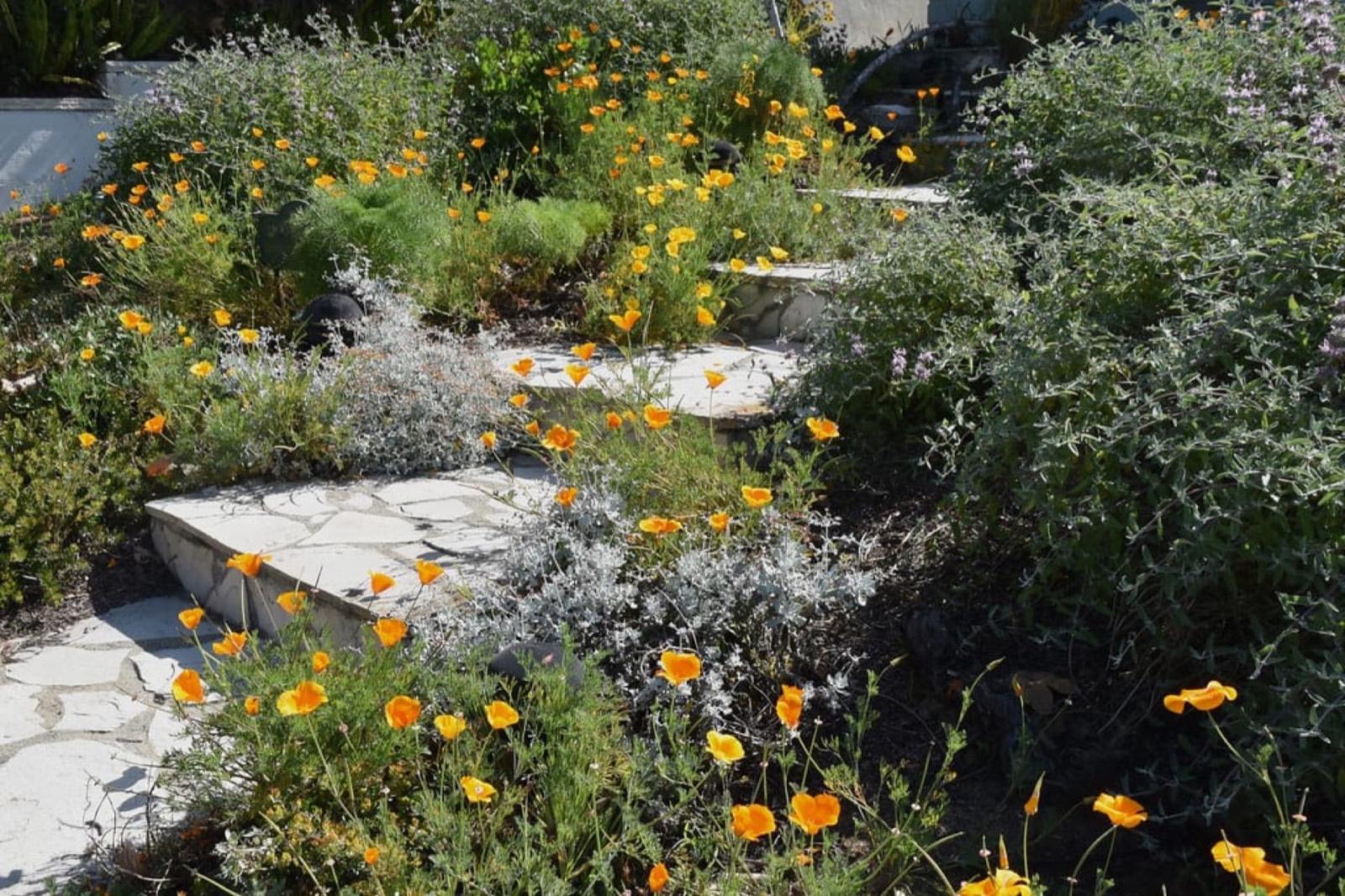
11. Swap a solid walk for steppers and groundcover
Large flagstone steppers set 2 to 3 inches apart, with creeping veronica (Veronica liwanensis, zones 3–8) or woolly thyme between them, soften a walk and let rain soak in. Creeping veronica takes light foot traffic and turns solid blue in spring.
Planting that reads as design
12. Plant in drifts of 5 to 7
Singles scattered through gravel look like polka dots. Groups of five to seven of the same plant read from the street. Use odd numbers and let neighboring drifts interlock at the edges.
13. Repeat three anchor plants across the whole yard
Choose three reliable plants and repeat them in every bed. Catmint 'Walker's Low' (zones 3–8), blue grama (zones 3–10) and Russian sage (zones 4–9) are a proven trio for the cold West. Repetition is what ties a large planting together.
14. Build a four-season backbone
Every bed needs an evergreen (a dwarf pine, Panchito manzanita at zones 4–8, or a yucca), a grass that stands through winter (little bluestem turns copper), and one long-season bloomer. Without the first two, a xeriscape looks empty from November to April.
15. Use silver foliage to make colors pop
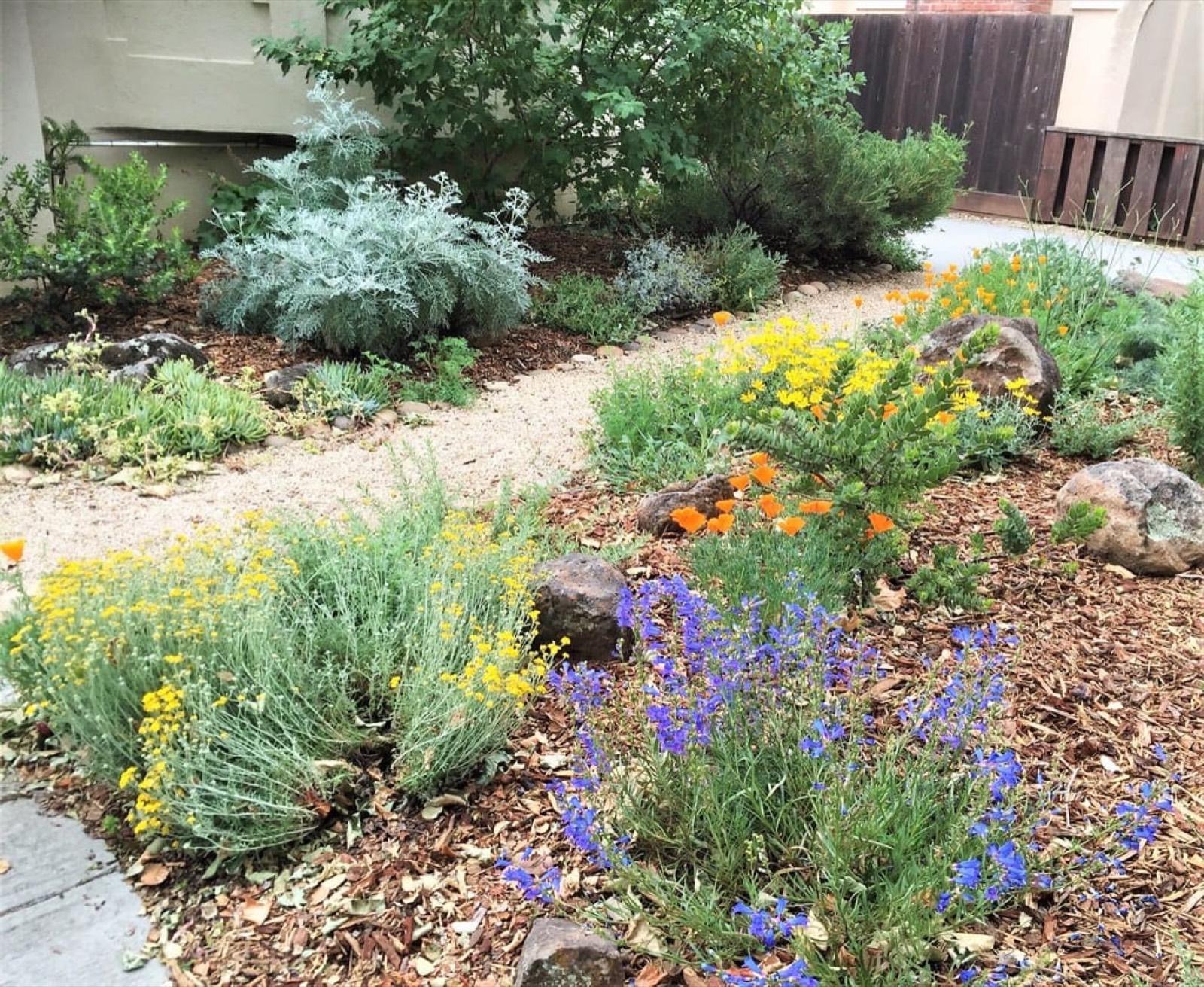
Russian sage, lamb's ear, artemisia and blue oat grass bounce light and make greens and flowers look brighter. Silver leaves are also a sign of drought adaptation, so they belong in the driest, sunniest spots.
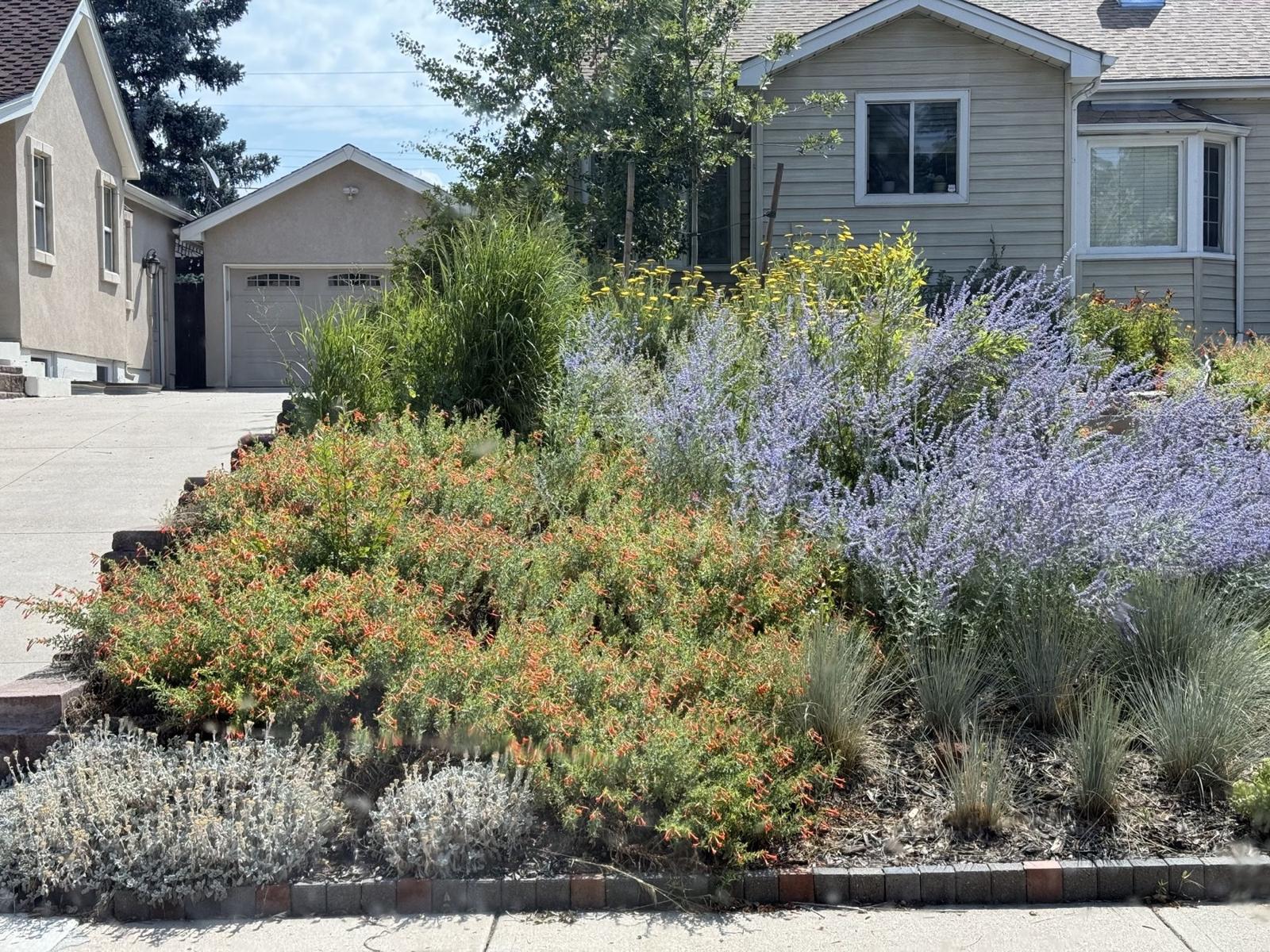
16. Plan bloom from April to October
Stack the season: basket-of-gold and creeping veronica in April; Rocky Mountain penstemon (zones 4–9) and salvia 'May Night' (zones 4–8) in May and June; blanket flower (zones 3–8) through summer; sunset hyssop (zones 4–10) and rabbitbrush (zones 4–9) into fall. Plant Select rates Agastache rupestris to zone 4b; in zone 4 and cold zone 5 sites, give it a spot that drains fast.
17. Add one focal plant
One sculptural plant gives the eye a place to land. In cold regions, Havard agave (zones 5–9) or a blue yucca in a raised gravel bed; in the low desert, a desert willow (zones 7–11). Put it where it's lit from the street and seen from the front window.
18. Use grasses for movement
Little bluestem, blue grama and Undaunted® ruby muhly catch every breeze and backlight beautifully in the evening. Leave them standing until March for winter structure. More options are in ornamental grasses for xeriscapes.
19. Plant for 70 to 80 percent coverage at maturity
Bare gravel between plants is a weed invitation. Space plants at their mature width (catmint about 3 feet, blanket flower about 18 inches) so the canopy closes within two or three seasons. Buying smaller plants and more of them gets you there faster.
The street edge
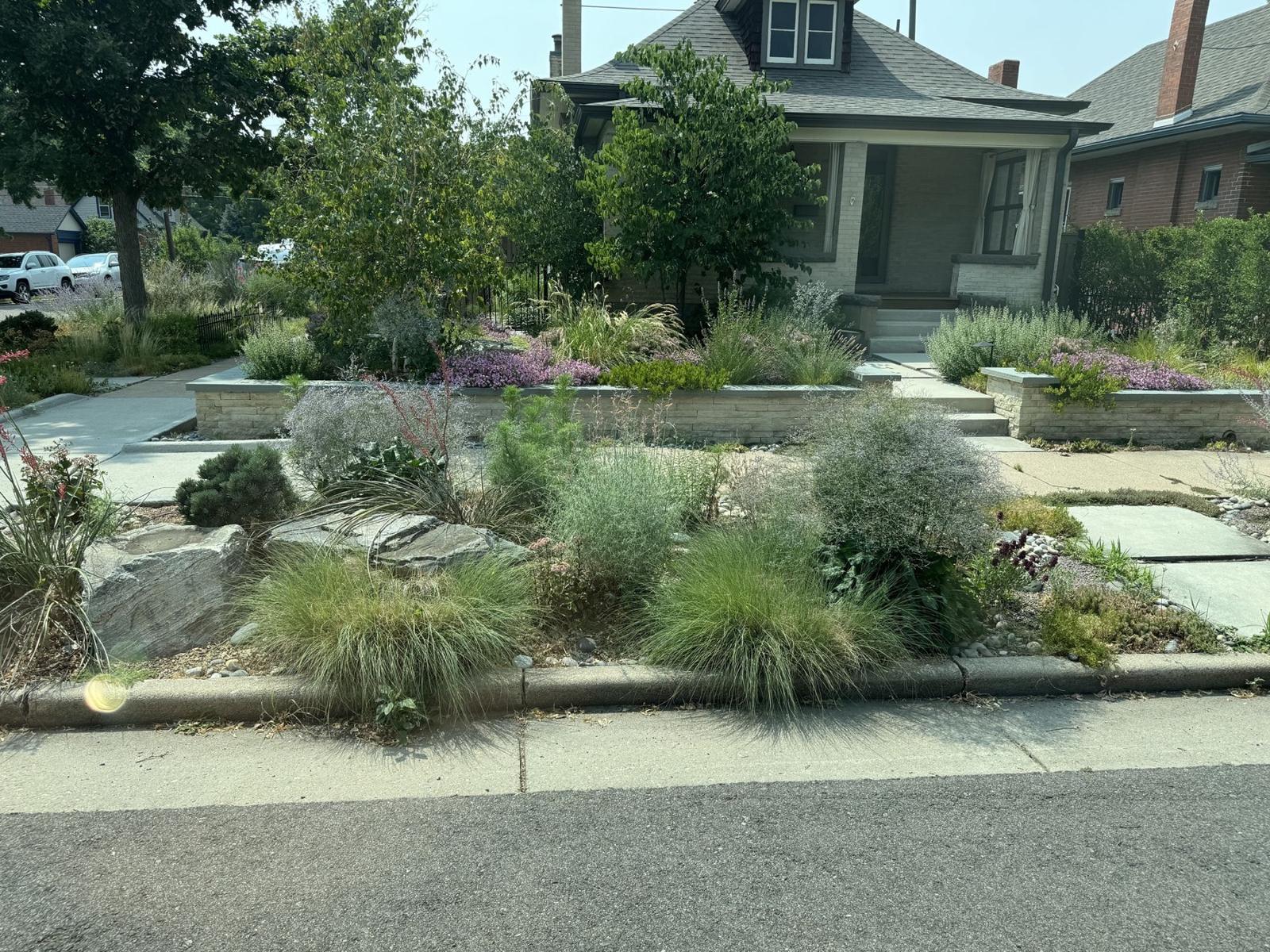
20. Convert the hell strip
The strip between sidewalk and curb is the most visible, least used ground you own. Keep plants under about 24 inches near driveways and corners so drivers can see, leave stepping space where people get out of cars, and check your city's right-of-way rules. The hell strip guide has plant lists.
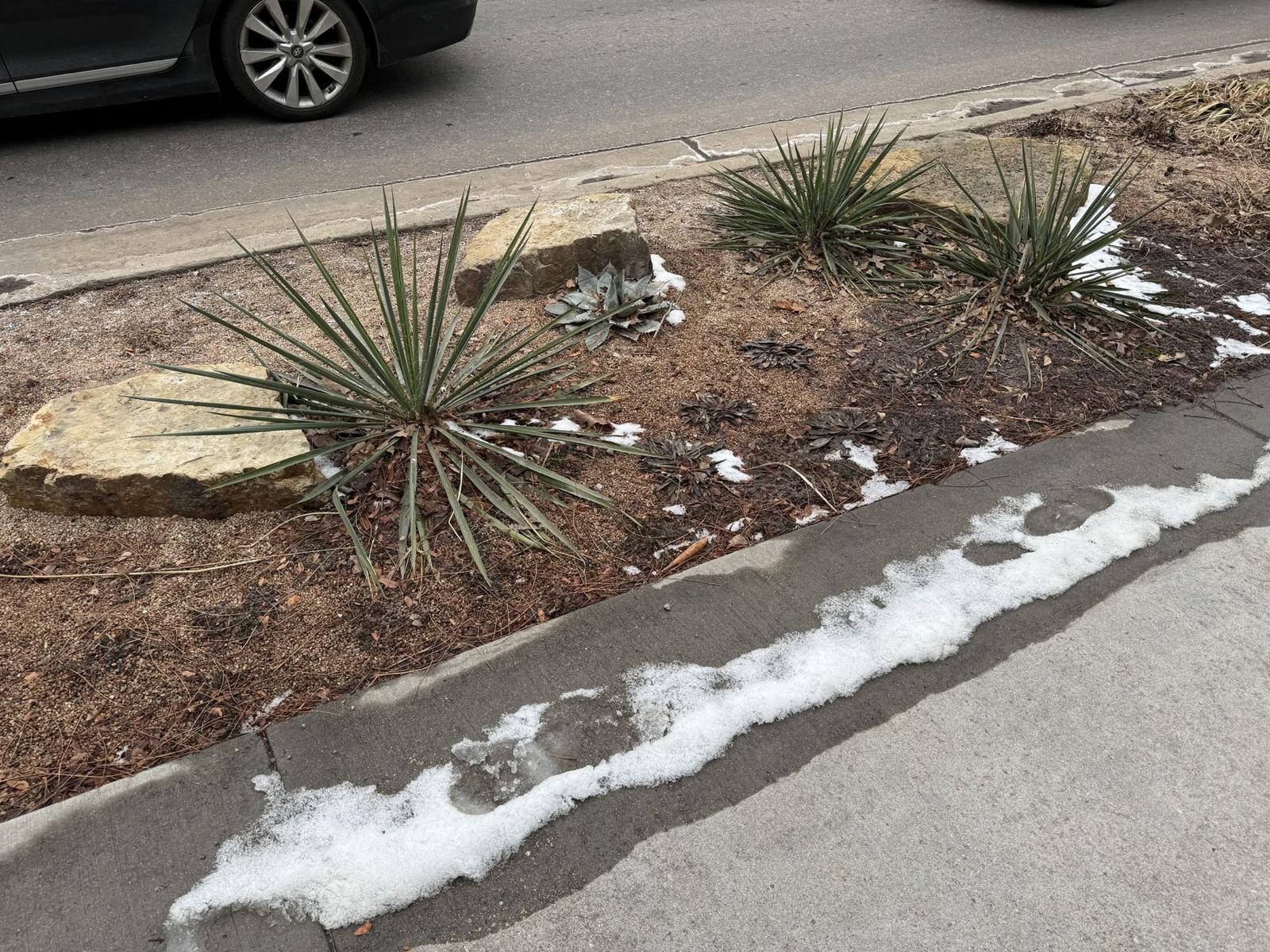
21. Protect the street trees during the conversion
When the lawn sprinklers go off, established trees lose the water they depended on. CSU Extension warns that this "imposed drought" can stress or kill trees. Give every tree its own drip ring or soaker loop before you pull the turf.
22. Frame the driveway with heat lovers
Concrete and asphalt reflect heat all afternoon. Along driveways, plant things that like it: red yucca (zones 5–10), sulphur buckwheat (zones 4–8), blanket flower and hardy ice plant. More picks are in full-sun plants for the hottest spots.
23. Make a mailbox and house-number bed
A 4-by-4-foot bed around the mailbox post, with a boulder, one grass and a clump of catmint, takes an afternoon and makes the whole yard look cared for.
Finishing details
24. Light the focal point and the path
Two or three low-voltage uplights on a tree, agave or boulder group, plus a few path lights, give the yard a second life after dark. LED fixtures on a transformer timer are a weekend DIY project.
25. Put it on drip, and get paid for the lawn you remove
Replace spray heads with drip emitters on a smart controller (see how to install drip irrigation). Many Western water utilities pay for turf removal, but most require approval before you dig, so apply first. Denver Water and Denver Botanic Gardens also publish free ColoradoScape front yard plans you can adapt.
From our installs
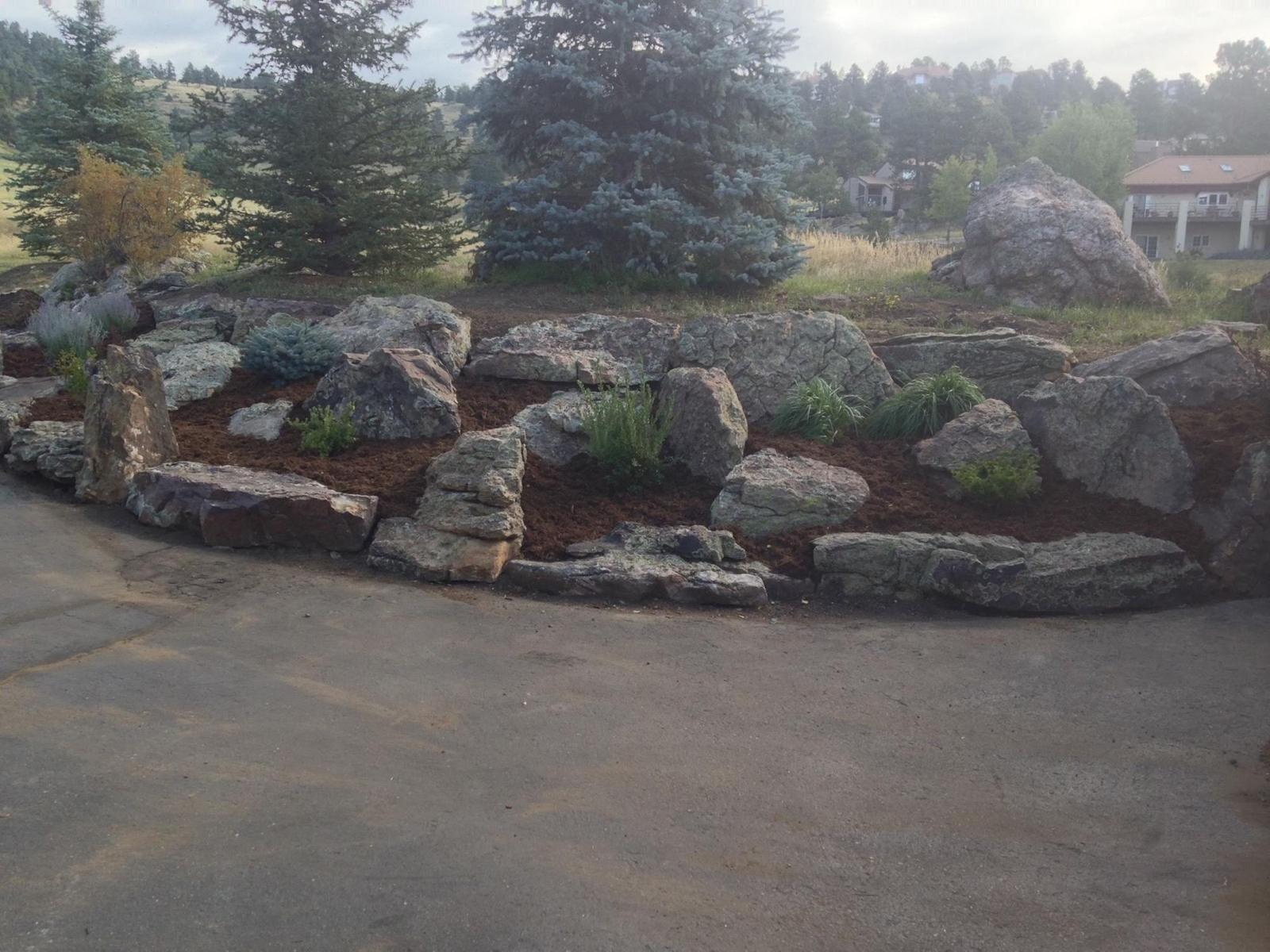
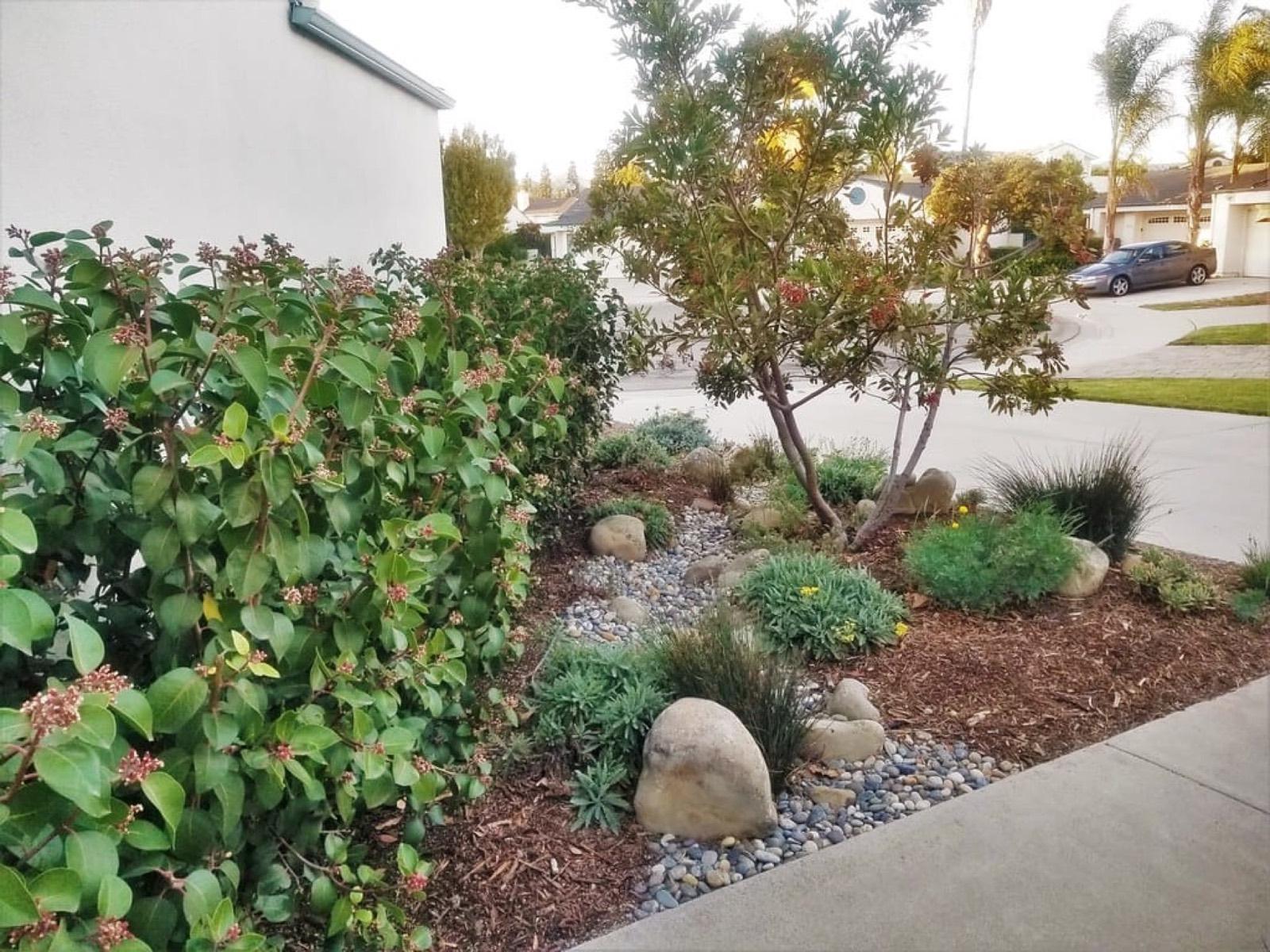
Most Front Range front yards sit on compacted clay, so the first job is breaking up the top few inches, not trucking in rich topsoil. Xeric plants bloom harder and live longer in lean ground. The failures we see most often are overwatering after the first year and wood mulch piled against crowns, which rots penstemon and agastache over winter. We water new plantings deeply once or twice a week through the first summer, then taper off in fall. Hail shreds broad leaves every few years; grasses, yuccas and fine-leaved plants like Russian sage shrug it off, so we lean on them near the street. (Xeris Landscaping is owned by Xeriscaping.com's founder.)
Frequently asked questions
Does a xeriscaped front yard hurt resale value?
A well-designed one tends to help, because buyers read it as low-maintenance. A yard of bare rock and scattered plants can hurt. We cover the evidence in does xeriscaping increase home value?
How much of my front lawn should I remove?
As much as you don't use. Many homeowners keep a small low-water turf panel for kids or dogs and convert everything else. Start with the slopes, strips and corners that are hardest to water.
What's the cheapest front yard xeriscape idea?
Converting the hell strip and planting small plants in drifts. Both deliver a lot of curb appeal for little money. See cheap xeriscaping ideas for more.
Will my HOA allow xeriscaping?
Several Western states, Colorado among them, now limit how far an HOA can ban water-wise landscaping, but you usually still need design approval. Clean edges, a defined path, and plant coverage (not bare rock) make approval much easier.
When is the best time to plant a front yard xeriscape?
Spring and early fall. Fall planting gives roots time to settle in cool soil before summer heat, which is why we like September and early October on the Front Range.
Once the front is done, carry the same thinking to the rest of the lot with our backyard xeriscape ideas, browse more looks in xeriscaping ideas and inspiration, or follow the full process in 10 steps to xeriscaping.