
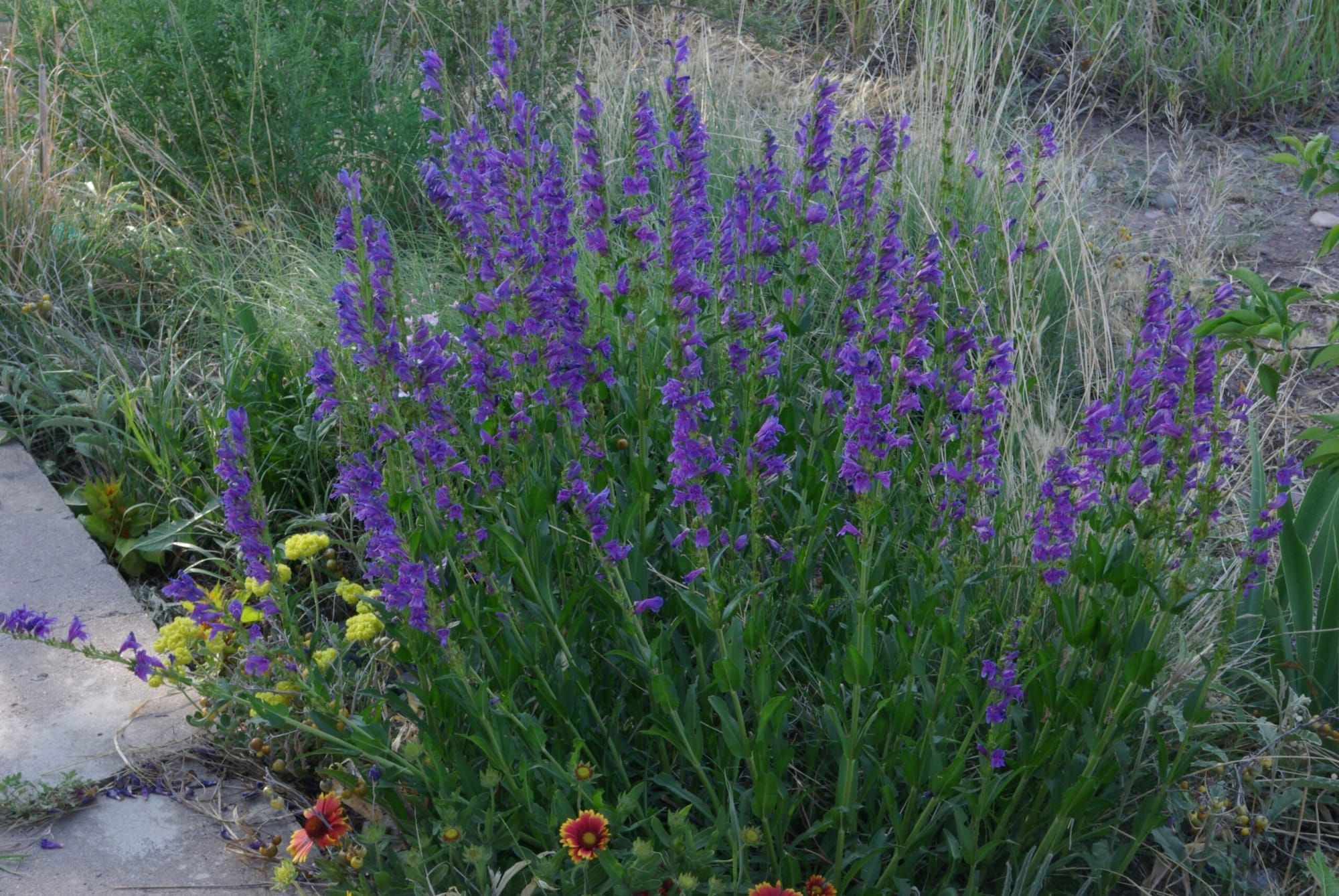
Here's a happy coincidence of ecology: the same plants that thrive on little water are disproportionately the ones pollinators love. Natives and dry-land perennials evolved alongside local bees, butterflies, and hummingbirds — while a bluegrass lawn feeds essentially nothing. Convert a patch of turf to xeriscape and you turn a green desert into a working habitat.
The design rule that matters most: overlapping bloom. Aim for at least three species flowering in every season, spring through frost. Here's a list that does it.
Spring shift
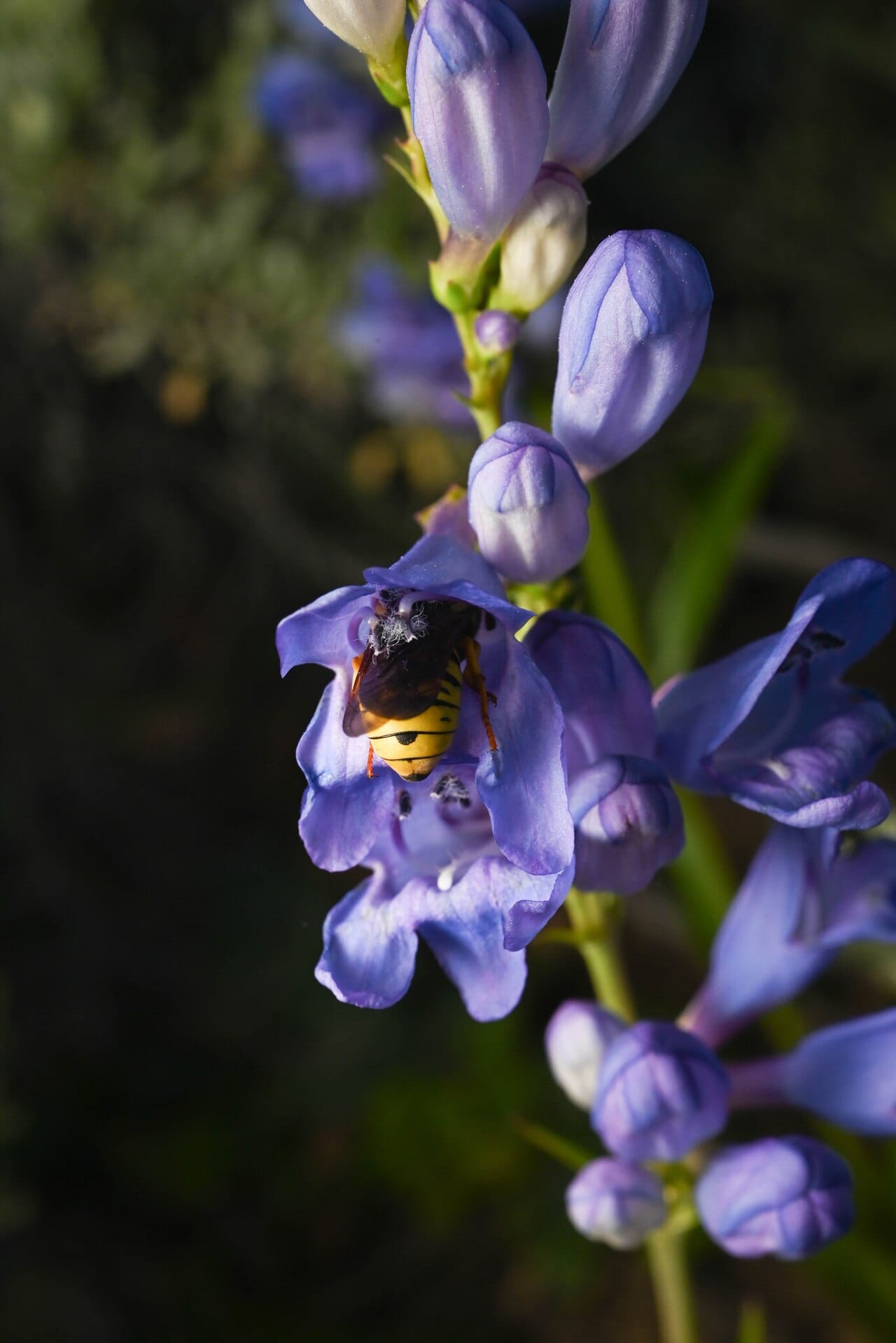
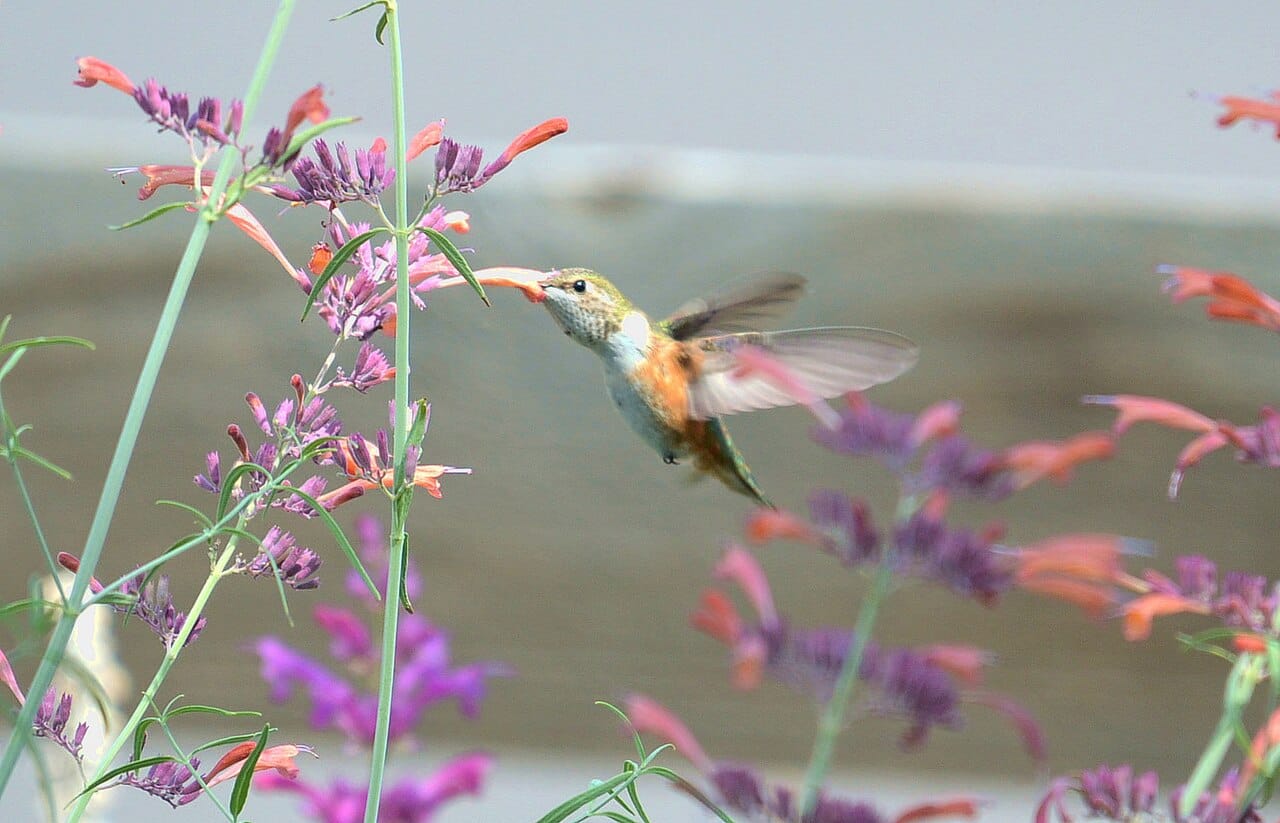
- Penstemon — tubular flowers built for hummingbirds; natives feed specialist bees.
- Golden currant — early shrub nectar plus summer berries for birds.
- Basket-of-gold (Aurinia) — carpets of early yellow for emerging bees.
- Serviceberry — small tree; spring bloom, summer fruit, fall color. Triple duty.
- Wild lupine — legume that feeds bumblebees and fixes nitrogen.
Summer engine
- Catmint — months of bloom; reliably covered in bees.
- Yarrow — flat landing pads for small native bees and beneficial wasps.
- Salvia — bumblebee favorite; rebloom after shearing.
- Coneflower — butterflies in summer, goldfinch seed in winter.
- Blanket flower — nonstop bloom, drought-proof, native-bee magnet.
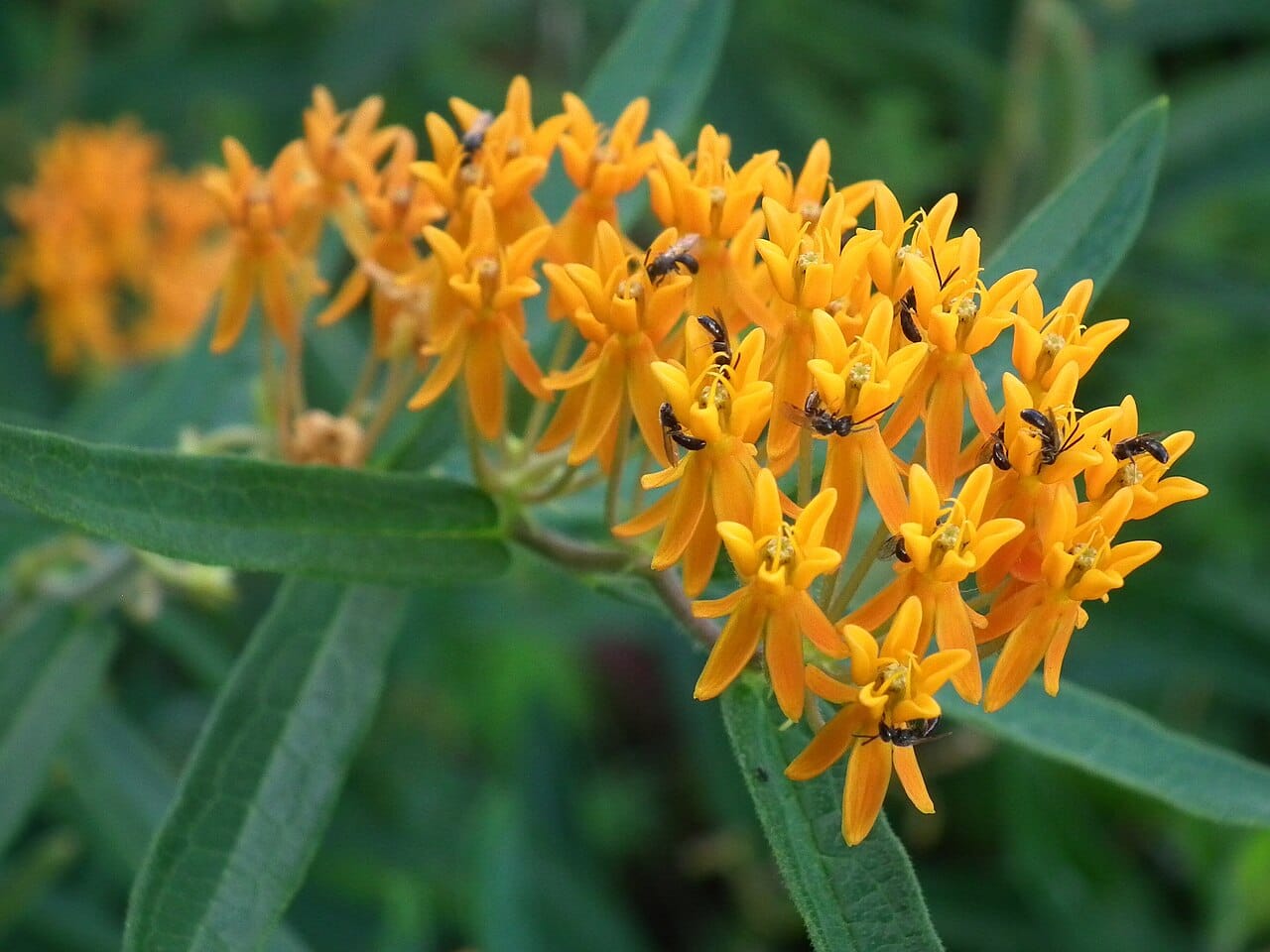
- Milkweed (showy or butterflyweed) — the monarch host plant; choose your regional native species.
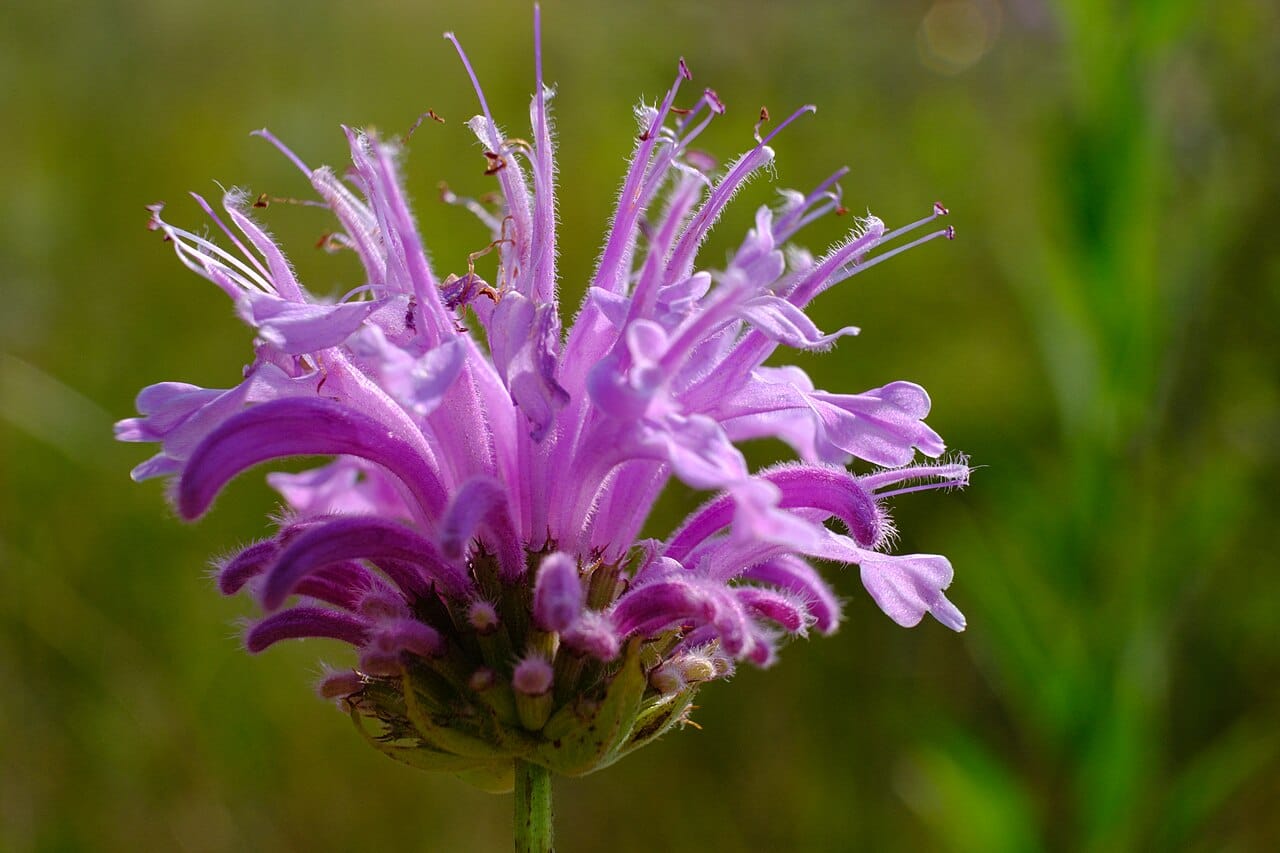
- Bee balm (Monarda fistulosa) — the dryland wild bergamot, not the thirsty hybrids.
- Globe thistle — architectural blue orbs bees sleep on.
- Lavender — honeybee classic, hummingbird moth favorite.
Late-season lifeline (the most neglected slot)
- Agastache — hummingbird fuel from midsummer to frost.
- Russian sage — a month-long lavender cloud when little else blooms.
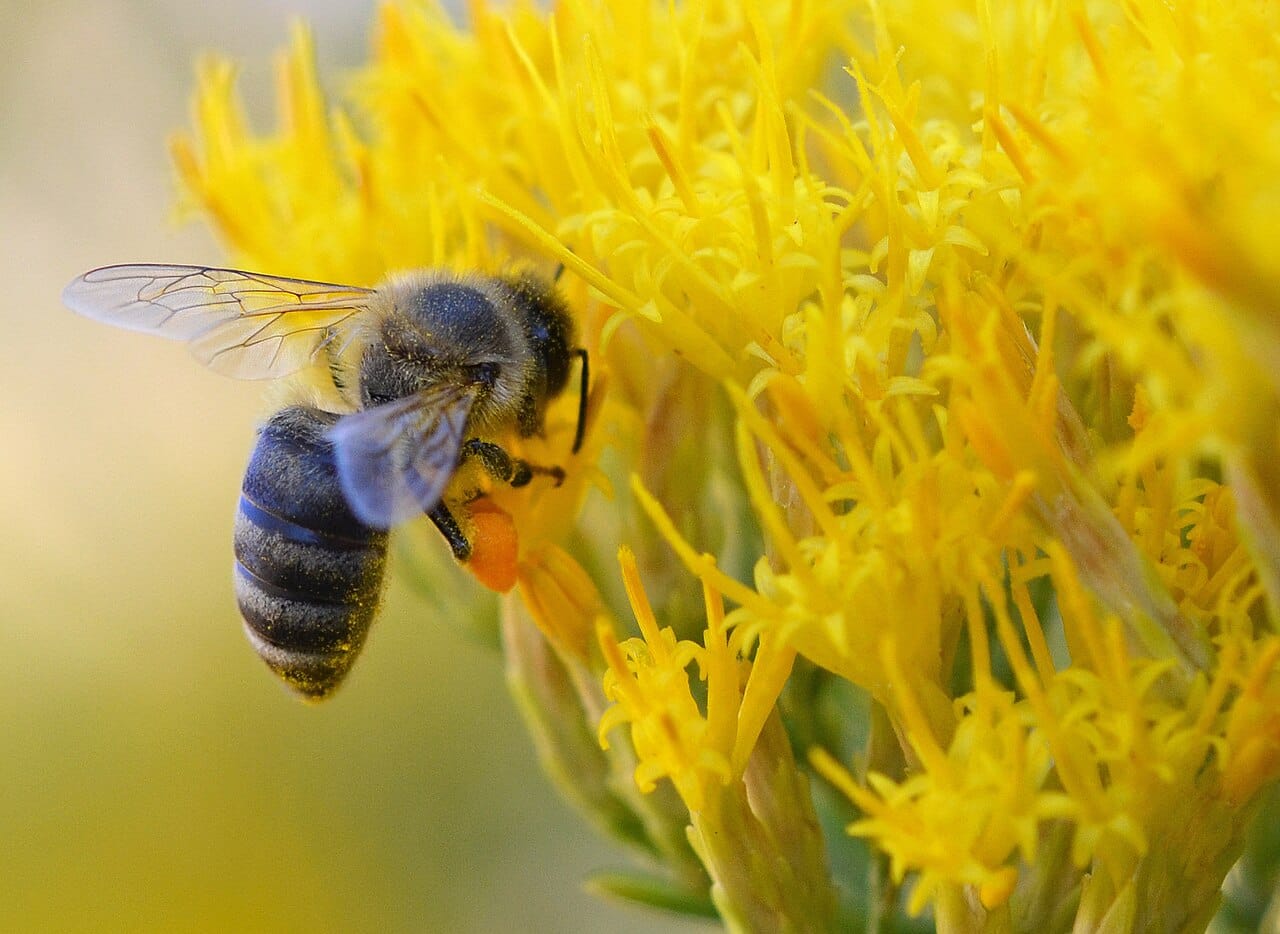
- Rabbitbrush — gold September bloom; one of the last big nectar sources of the year.
- Asters (native) — the migration station for late butterflies.
- Sedum 'Autumn Joy' — bee-covered pink heads in September.
- Goldenrod — unfairly blamed for allergies (that's ragweed); actually a late-season powerhouse.
Beyond the plant list
- Plant in drifts — a single flower is invisible to a foraging bee; a 3-foot patch is a billboard.
- Skip pesticides entirely. One systemic treatment can undo the whole project.
- Leave some mess. Bare soil patches host ground-nesting native bees (70% of species); standing winter stems shelter next year's generation. Delay the big cleanup until spring.
- Add water. A shallow dish with stones to land on serves everything from honeybees to butterflies.
Most plants here are profiled in our drought-tolerant perennials guide, and the layout method — hydrozones, drifts, bloom sequencing — is in 10 Steps to Xeriscaping. Check your hardiness zone before buying, and favor the regional native species of anything on this list. Local bees will notice the difference even when you can't.