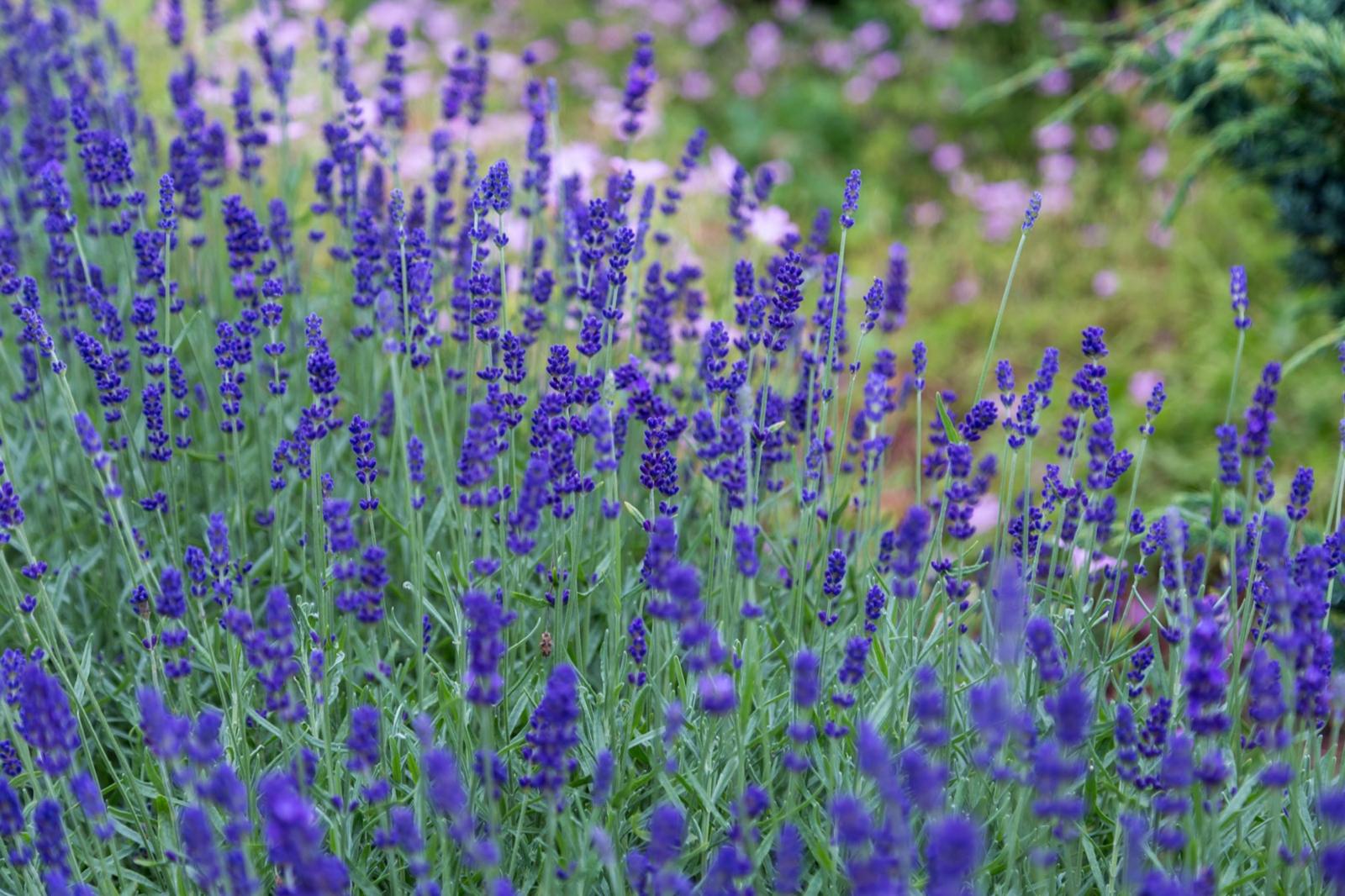
Growing lavender in a xeriscape comes down to three choices. Pick the right type for your winters: English lavender (Lavandula angustifolia) is hardy to zone 5, and lavandin (L. × intermedia) is bigger and later-blooming but a little less hardy. Plant it in full sun in soil that drains fast, because root rot kills far more lavender than drought. And prune it every year into green growth, never into bare wood. Do that, and Utah State University Extension says a lavender plant can live 10 to 15 years.
Lavender types compared
| Plant/Variety | Zones | Water | Size | Bloom | Notes |
|---|---|---|---|---|---|
| English lavender (L. angustifolia) | 5–9 | Low | 1–2 ft | Early summer; often reblooms | Hardiest; 'Munstead', 'Hidcote' |
| 'Wee One' English lavender | 5–10 | Very low | 8–10 in | Late spring | Plant Select dwarf |
| Lavandin (L. × intermedia) | 5–8 | Low | 2–4 ft | Mid–late summer, once | 'Grosso', 'Provence', 'Phenomenal' |
| Spanish lavender (L. stoechas) | 8–9 | Low | 2–3 ft | Spring–early summer | Rabbit-ear bracts; annual in cold zones |
Zones: NC State Extension Plant Toolbox and Plant Select. CSU Extension notes that hardy lavenders thrive in Colorado's zones 5 through 7, and that French and Spanish lavenders aren't cold hardy there.
English lavender vs lavandin
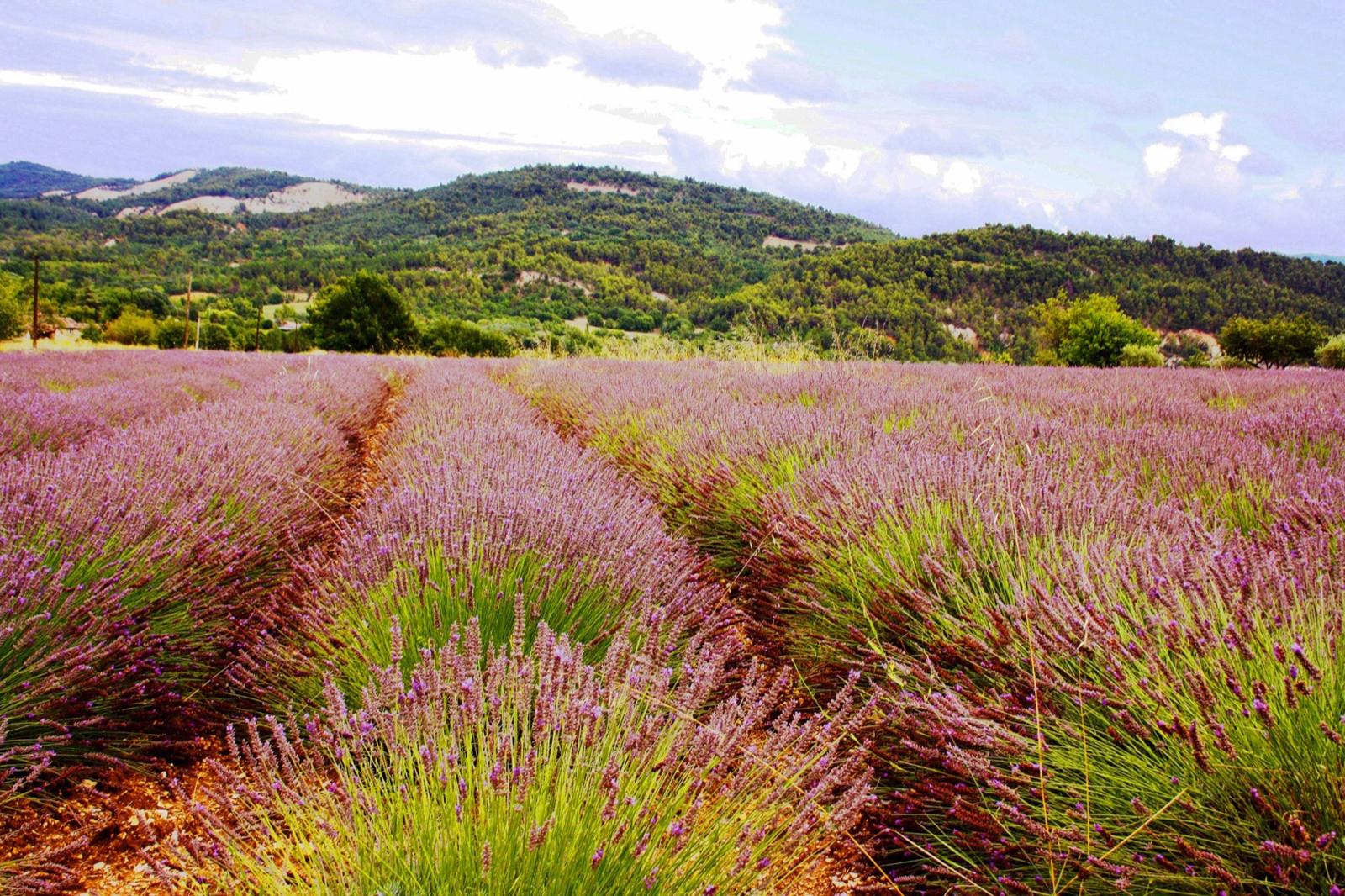
English lavender (Lavandula angustifolia) is the one to plant if your winters are cold. CSU Extension rates it hardy to zone 5 and notes that it often blooms twice in a season. USU recommends 'Munstead' and 'Hidcote' for Utah and says English lavender suits most of the state except the coldest high-mountain areas. Plants reach 1–2 feet tall and wide and take about three years to hit full size. Our lavender plant page profiles the species.
Two buying tips from CSU: English lavender doesn't always come true from seed, so buy plants propagated from cuttings if you want a specific variety. And for a small space, Plant Select's 'Wee One' stays 8–10 inches tall.
Lavandin (Lavandula × intermedia) is a hybrid of English lavender and spike lavender. It's the lavender of the big Provence fields. NC State Extension describes it as somewhat less hardy than its parents but larger, maturing to a 2–4 foot mound with showier, more fragrant spikes. CSU adds that lavandins bloom once, later in summer, and are sterile, so they don't self-seed. 'Grosso' and 'Provence' are the classic varieties; 'Phenomenal' is a newer selection sold for its cold and humidity tolerance.
In most cold-winter xeriscapes, the best approach is to use both: English lavender for early color and reliability, lavandin for the big midsummer show.
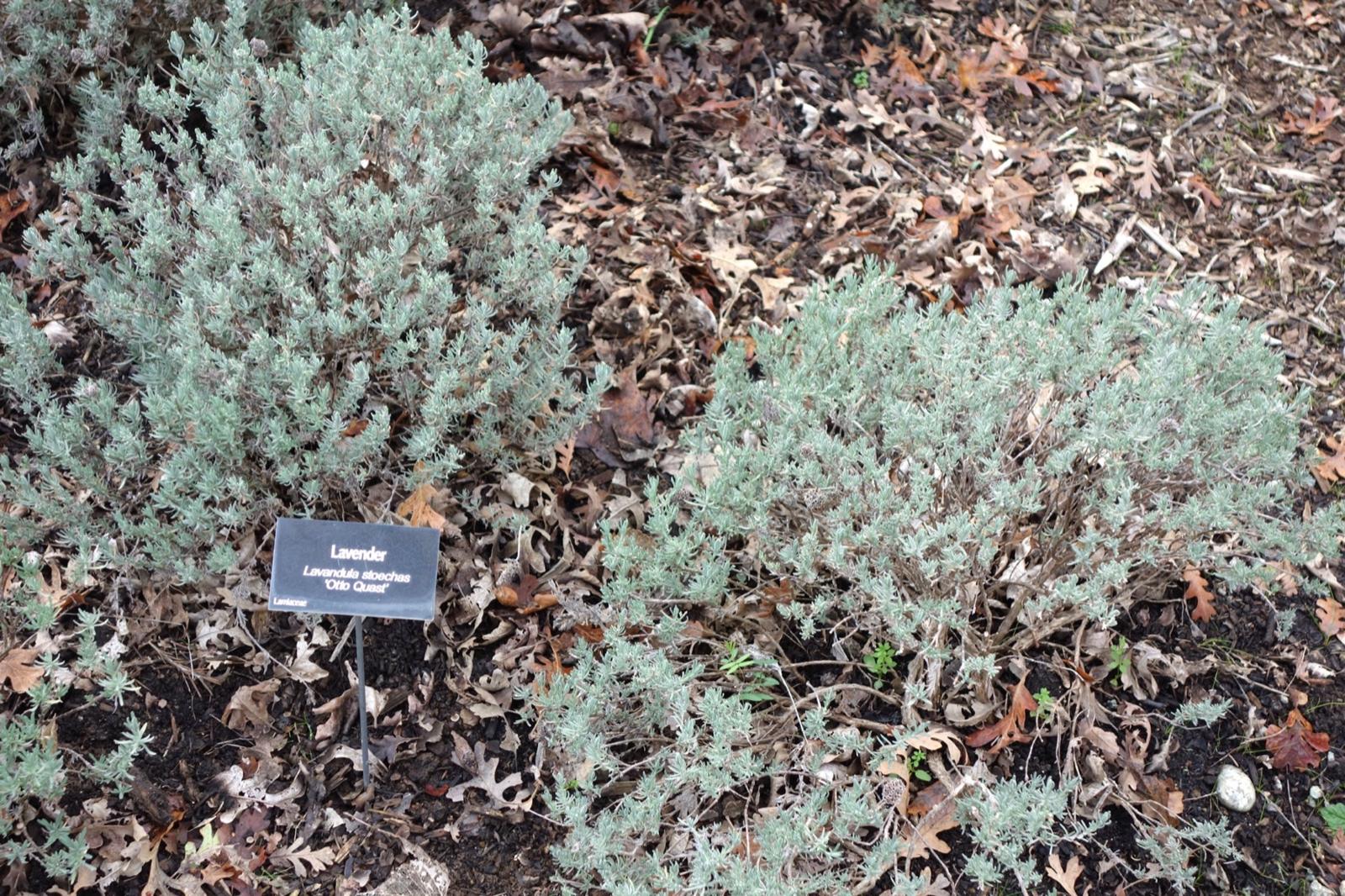
Spanish lavender (L. stoechas), with its "rabbit ear" bracts, is a mild-winter plant. NC State rates it zones 8–9. In mild-winter parts of California it's a good low-water shrub; in Denver or Salt Lake City, treat it as an annual.
Hardiness: what "zone 5" really means for lavender
Zone ratings describe how cold a plant can take, but lavender usually dies of wet cold, not dry cold. A plant that sits in soggy clay through a freeze-thaw winter can rot even in zone 6, while the same variety in gravelly soil on a slope comes through zone 5 fine.
A few things improve winter survival:
- Plant in spring, or early in fall. CSU cites New Mexico State University research showing that fall-planted lavender survived better and flowered more the next season, as long as plants went in from 4-inch or larger pots with established roots. USU cautions that fall planting only works if plants get about two months of good weather to root in before winter.
- Don't let roots dry out completely in winter. CSU says the root zone shouldn't be allowed to dry out during winter. In the dry West, a deep watering during a warm, snowless spell helps.
- Skip fall pruning. NC State warns that fall trimming encourages new growth that may not be cold hardy.
- Use a warm spot in marginal zones. USU notes that a seed-grown variety, 'Lady', can survive zone 4 winters with mulch or a south-facing location.
Not sure of your zone? See understanding USDA hardiness zones.
Soil and drainage
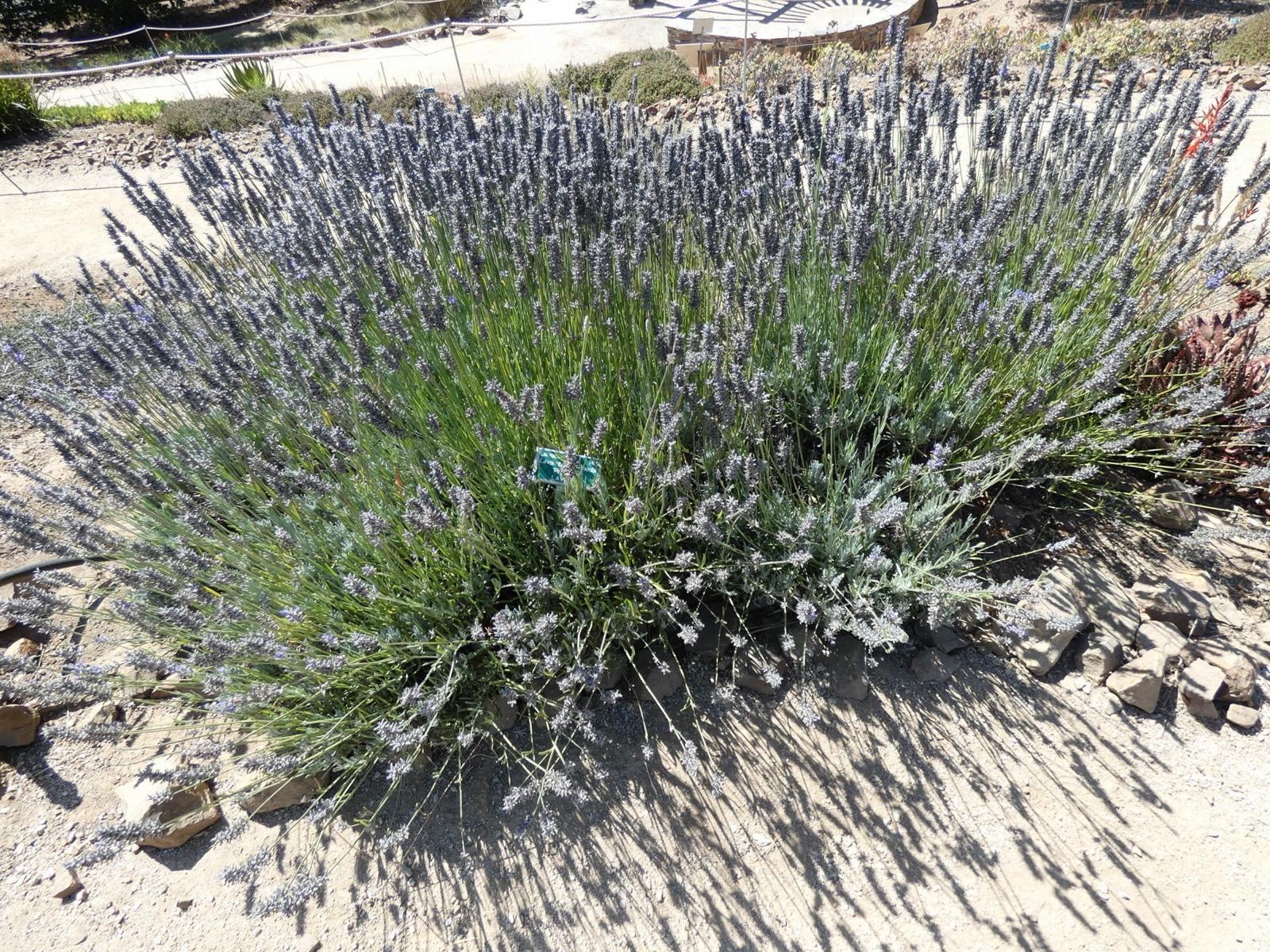
Lavender wants full sun and lean, well-drained soil. CSU notes that it prefers slightly alkaline soil with very little organic matter, which suits much of the West. USU recommends a pH of 6.5 to 7.5.
Drainage is the part people get wrong. On heavy clay:
- Improve structure without making a bathtub. CSU recommends tilling 1 inch of small (quarter-inch) bark mulch into the top 6–8 inches of heavy soil, and warns that adding sand or gravel to clay can make drainage worse. USU suggests an inch of coarse compost worked in 4–8 inches deep.
- Plant high. A slight mound, a berm or the top of a slope keeps the crown out of standing water.
- Keep mulch off the crown. CSU recommends rock or bark mulch applied away from the crown. In a xeriscape, gravel is the natural choice because it doesn't hold moisture against the stems. See gravel vs. wood mulch.
For more on preparing beds, see xeriscape soil prep.
Watering
Lavender is drought tolerant once established, but it isn't a cactus. CSU's schedule for Colorado: water once or twice a week right after planting until plants establish, then water mature plants every two to three weeks until buds form, and once or twice a week from bud to bloom if you want the biggest flower show. In a landscape where you aren't harvesting, most established plants get by on less.
What lavender won't tolerate is constant moisture. Both CSU and USU name Phytophthora root rot as its main disease problem and say the fix is not to overwater or let water stand around plants. If your lavender sits in a spray-irrigated lawn zone, move it or change the zone. See overwatering in a xeriscape.
Fertilizer does more harm than good. USU notes that over-fertilized plants grow more foliage and fewer flowers, and become more vulnerable to disease and cold injury.
How to prune lavender
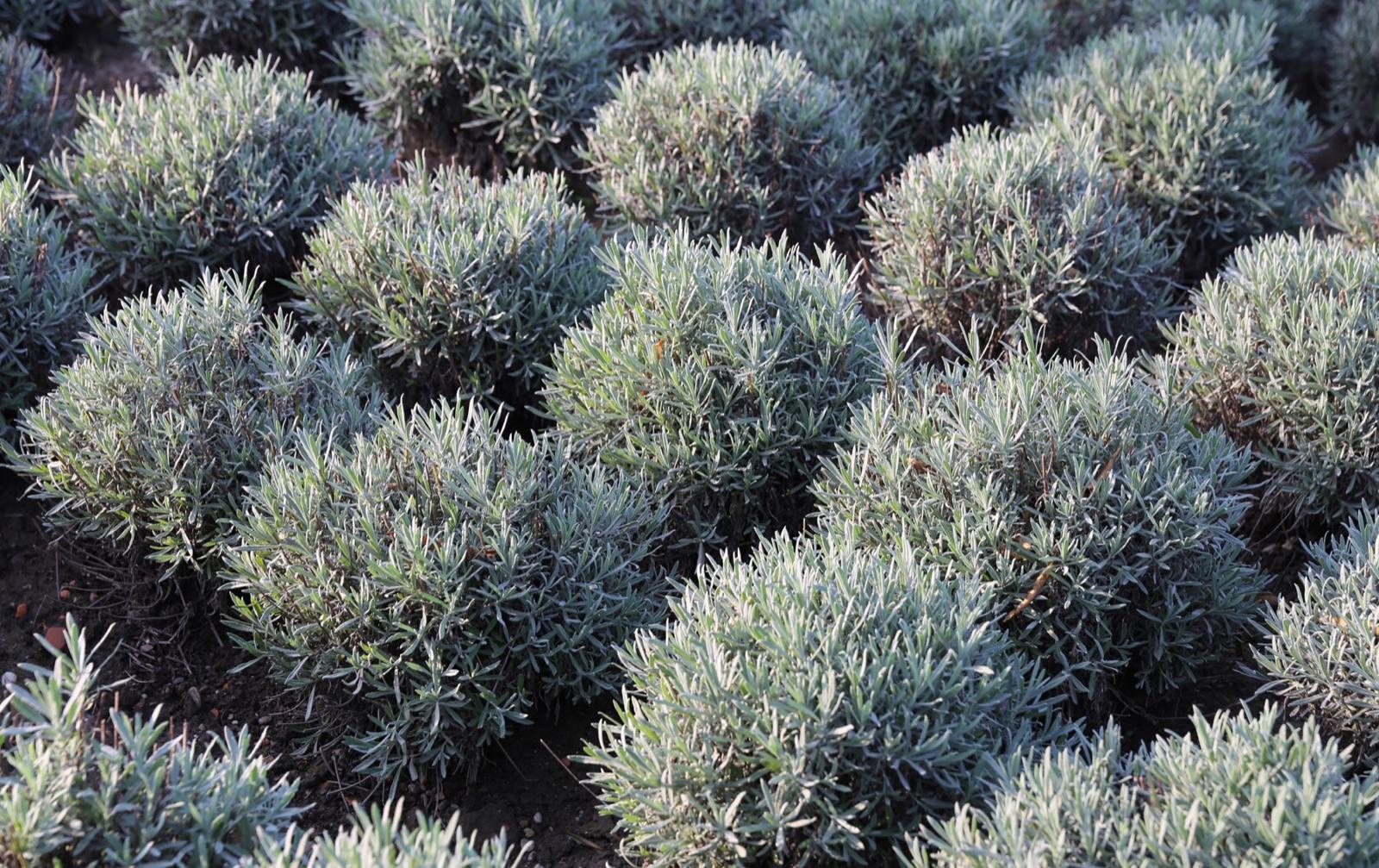
Lavender flowers on new growth, and pruning keeps it from splitting open and going woody in the center. Unpruned plants eventually flop open and die out in the middle.
The two extension services frame the timing a little differently. You can use both:
- Spring cleanup (CSU). When green leaves start to emerge from the base in spring, remove about a third of the top. This is the main cut in cold climates, because you can see what survived winter.
- Post-bloom shear (USU). After flowering, shear the plant back to stimulate bushy new growth. USU says pruning and shaping every year extends a plant's life.
The rule under both: cut back into leafy green stems, but don't cut into bare, leafless wood. Old wood often won't resprout. And don't do a hard cut in fall.
If you're harvesting, CSU recommends cutting stems in the morning when about half of the flower buds have opened.
From our installs: On Front Range clay, the lavender we lose is almost always planted flat in a bed that stays wet in spring, or crowded by bark mulch. We plant English lavender and lavandins on low berms, mulch them with gravel, and give them their own drip emitters so a thirstier plant next to them doesn't set the watering schedule. We do the main cut in April, once we can see green at the base. (Xeris Landscaping is owned by Xeriscaping.com's founder.)
Frequently asked questions
Which lavender is most cold hardy?
English lavender (Lavandula angustifolia). CSU and USU both rate it hardy to zone 5, and USU recommends 'Munstead' and 'Hidcote' for cold areas. Lavandins are slightly less hardy; Spanish and French lavenders aren't hardy in cold-winter states like Colorado.
Why is my lavender dying in the middle?
Usually it's a plant that hasn't been pruned annually and has gone woody, or one with root rot from wet soil. Woody plants can sometimes be rejuvenated by cutting just above live green shoots in spring. If the base is soft and brown, it's rot, and the plant should be replaced in a better-drained spot.
Does lavender need to be watered in a xeriscape?
Yes during establishment: once or twice a week after planting, per CSU. Once established, occasional deep watering in summer is enough for landscape plants. Too much water is a bigger threat than too little.
Is lavender deer resistant?
Yes. Rutgers Cooperative Extension rates lavender as rarely damaged by deer, and CSU lists it among plants deer rarely browse, though CSU also notes deer or elk may trample plants in some areas. See our deer-resistant xeriscape plants.
How far apart should I plant lavender?
USU recommends 18–24 inches apart for English lavender. Lavandins get larger (2–4 feet), so give them more room.
Lavender pairs naturally with Russian sage, catmint and blue oat grass. For more plant combinations, see drought-tolerant perennials.