The most dependable drought-tolerant plants for dry shade under trees are evergreen groundcovers like creeping Oregon grape, kinnikinnick and Guernsey Green juniper, tough perennials like barrenwort (epimedium), 'Snow Angel' coral bells and Lenten rose, and shade-tolerant native shrubs such as three-leaf sumac and snowberry. Plant them small, don't bury the tree's roots under new soil, and water deeply through the first season. After that, most need only occasional summer soaks.
Dry shade is the hardest spot in most yards because the plants are fighting the tree for water, not just coping with low light. Here's what grows there and how to get it started.
Why the ground under trees is so dry
Two things happen under a mature canopy. The leaves intercept a share of every rain, so less water reaches the ground. And the tree's roots take most of what does. CSU Extension's guidance on watering mature shade trees puts numbers on it: in clay or compacted soil, 90–95 percent of tree roots sit in the top 12 inches and half are in the top four inches, and roots can spread two to five times the width of the canopy.
That's the same shallow zone your new plants are trying to root into. So a dry-shade plant needs to tolerate low light, root competition and dry soil all at once. The plants below have a track record in those conditions. Most come from CSU Extension's shade tables for Colorado landscapes.
Dry shade plants compared
| Plant/Variety | Zones | Water | Size | Bloom | Notes |
|---|---|---|---|---|---|
| Creeping Oregon grape (Mahonia repens) | 4–9 | Low | 6–18 in | Yellow, April–May | Evergreen native; CSU xeric shade list |
| Kinnikinnick (Arctostaphylos uva-ursi) | 3–7 | Low | 4–6 in | Pink, spring | Evergreen; red berries; best in acidic soil |
| Guernsey Green juniper | 4–9 | Low–very low | 3 in × 5–10 ft | None | Sun to shade; Plant Select |
| Pennsylvania sedge (Carex pensylvanica) | 3–8 | Low | 1–8 in | Inconspicuous | Lawn substitute for dry shade |
| Barrenwort (Epimedium) | 5–8 | Low | 8–10 in | Spring | Competes with tree roots once established |
| 'Snow Angel' coral bells | 3–9 | Moderate | 6–14 in | Red, late spring–summer | Plant Select dry-shade pick |
| Sandia coral bells (Heuchera pulchella) | 4–7 | Low–moderate | 8–10 in | Pink, May–June | Sun to shade; native |
| Lenten rose (Helleborus × hybridus) | 4–9 | Low–moderate | 1–2 ft | Late winter–spring | Evergreen; avoid bright winter sun |
| Denver Gold columbine (Aquilegia chrysantha) | 3–8 | Moderate | 30–36 in | Yellow, late spring on | Tolerates dry shade; reseeds |
| Three-leaf sumac 'Autumn Amber' | 4–8 | Very low | 10–14 in × 6–8 ft | Inconspicuous | Sun to full shade; fall color |
| Oregon grape holly (Mahonia aquifolium) | 5–8 | Low | 3–6 ft | Yellow, spring | Shade tolerant; may winter-burn |
| Snowberry (Symphoricarpos albus) | 3–7 | Low | 3–6 ft | Pink, summer | White winter berries; native |
| Hop tree (Ptelea trifoliata) | 3–9 | Low | 15–20 ft | Small, fragrant | Drought and shade tolerant per CSU |
| Panchito manzanita | 4b–8 | Very low | 18–30 in | Pink, early spring | Sun to part sun; needs drainage |
Zones come from Plant Select and the NC State Extension Plant Toolbox; sizes from the same sources and CSU Extension. "Low" water means occasional deep watering in summer once established, not none. Under a thirsty tree, plan on a little more than you'd give the same plant in open ground.
Evergreen groundcovers for under trees
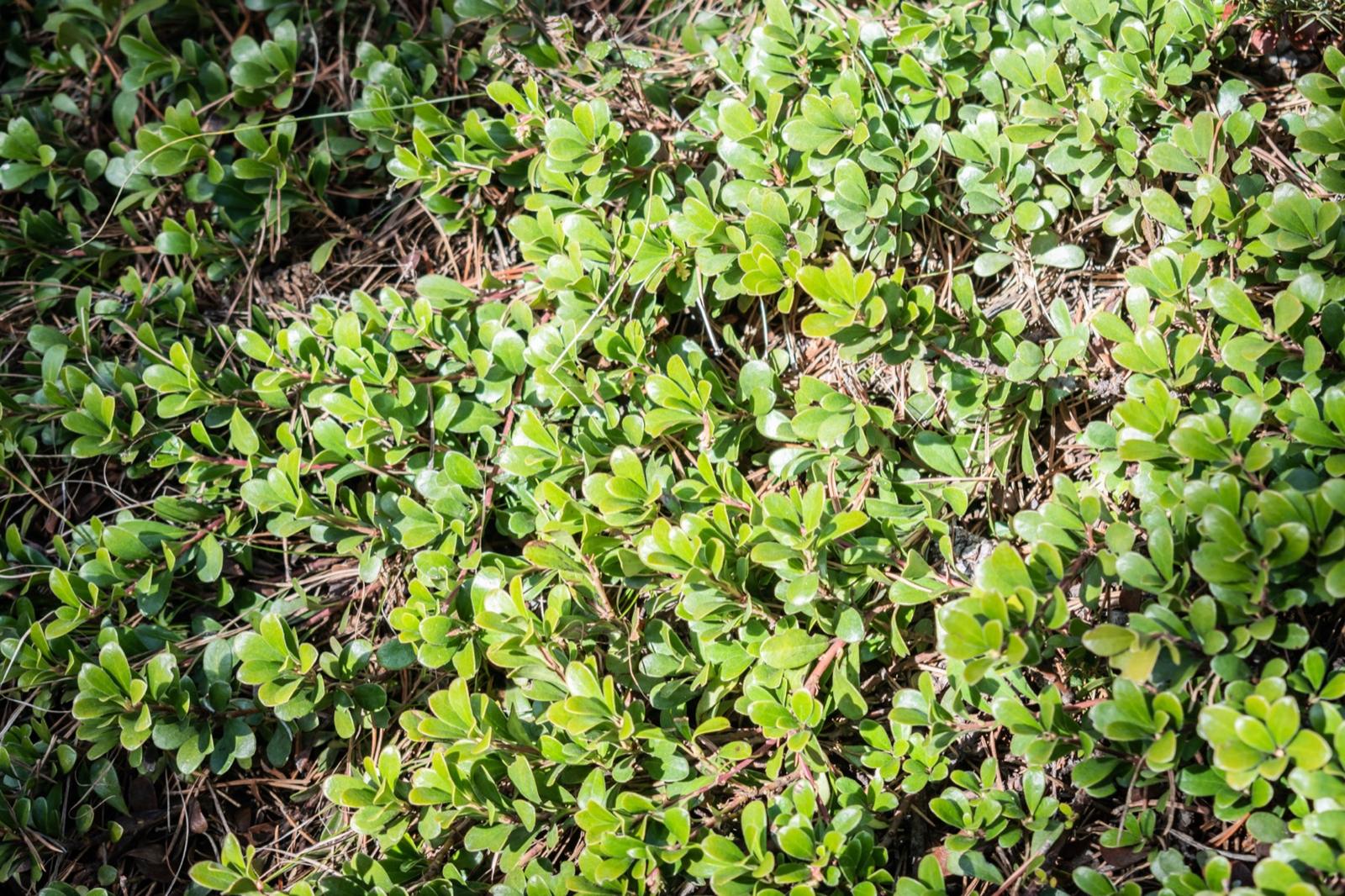
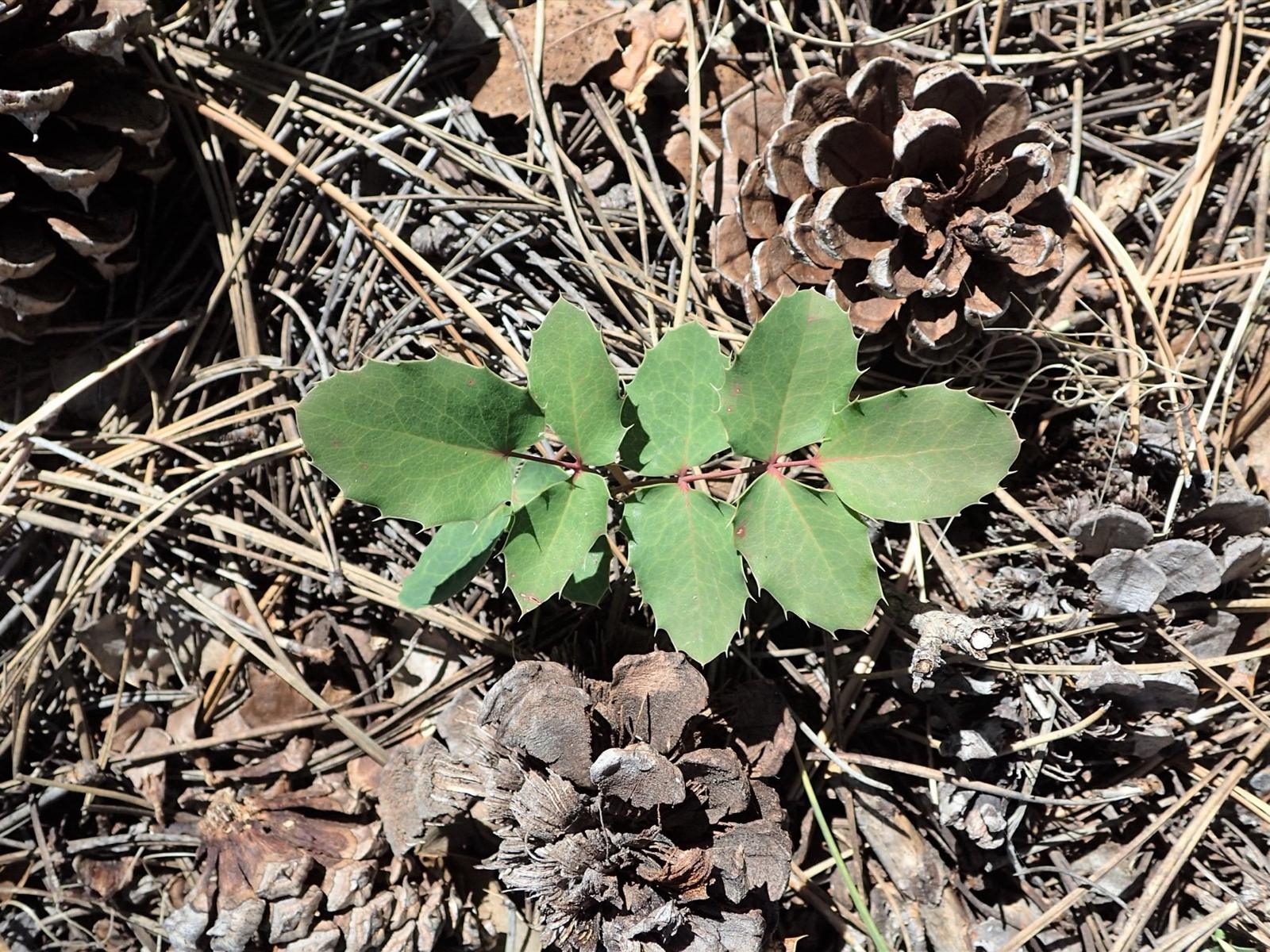
Creeping Oregon grape (Mahonia repens, also listed as Berberis repens). This is the plant we reach for first. It's native to the Rocky Mountain foothills, stays 6–18 inches tall, and has holly-like leaves that turn reddish-purple in fall and winter, with yellow flowers in spring and blue fruit after. CSU puts it on both its xeric shade list and its deep-shade list, with one caveat: it can winter-burn on exposed sites. Under a canopy, it's protected.
Kinnikinnick (Arctostaphylos uva-ursi). A 4–6 inch evergreen mat with glossy leaves, pink spring bells and red berries. CSU lists it for xeric part shade to shade and notes that it prefers acidic soil. That matters in the alkaline West: it does best under pines and spruces, where needle litter has lowered the pH a little, and struggles in heavy alkaline clay.
Guernsey Green juniper. A 3-inch-tall creeping juniper that spreads 5–10 feet. Plant Select rates it for sun, part sun and shade with low to xeric water needs, and CSU calls it "equally shade and sun tolerant." It's the lowest-maintenance way to cover a big area under a high canopy. Plant Select notes it isn't deer resistant.
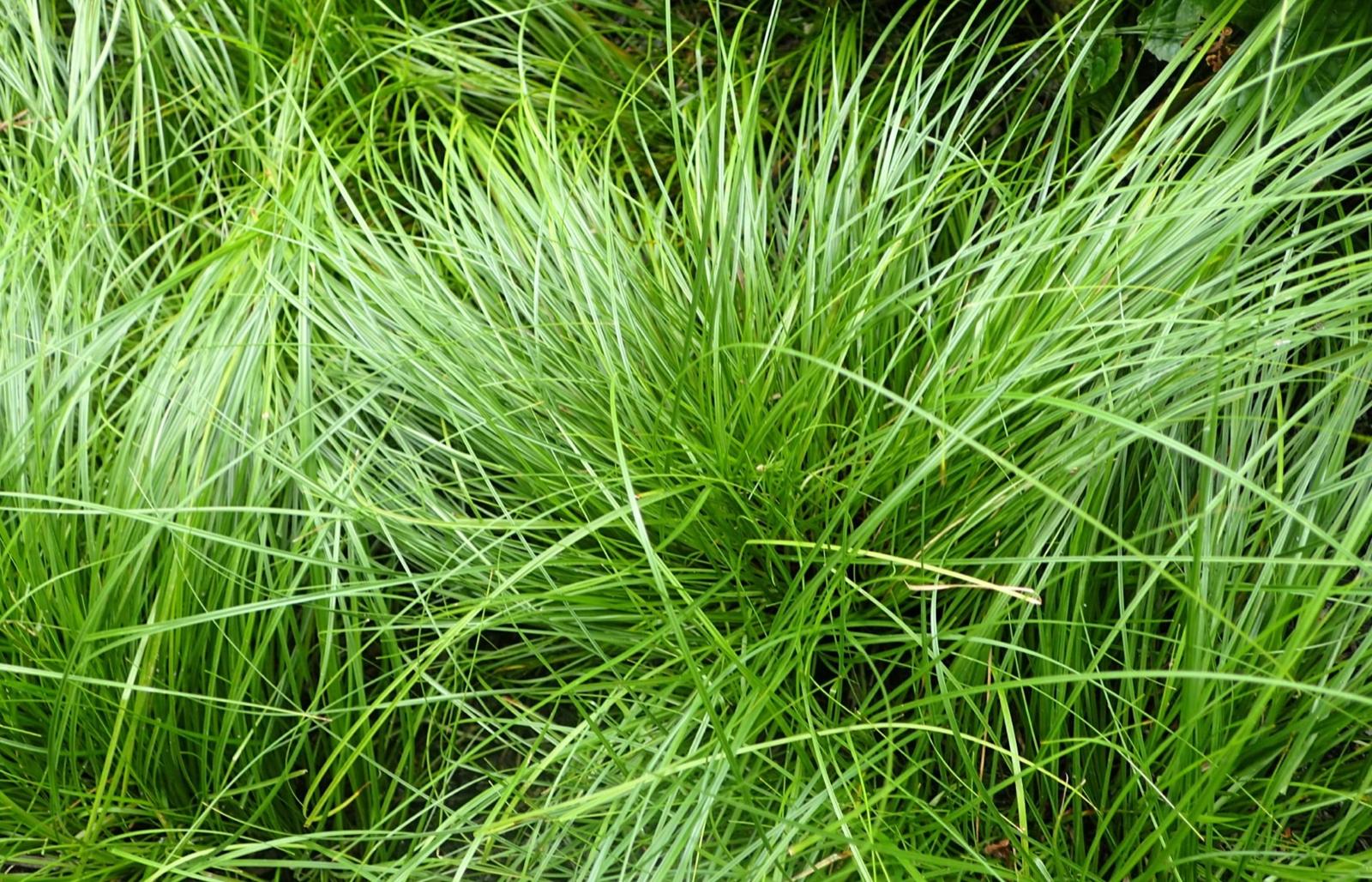
Pennsylvania sedge (Carex pensylvanica). A fine-textured native sedge from dry eastern woodlands. NC State Extension calls it an ideal turf alternative for dry shade; mow it once or twice a season, or leave it shaggy. It won't take heavy foot traffic.
For sunny slopes and open ground, see our main list of drought-tolerant groundcovers.
Perennials that bloom in dry shade
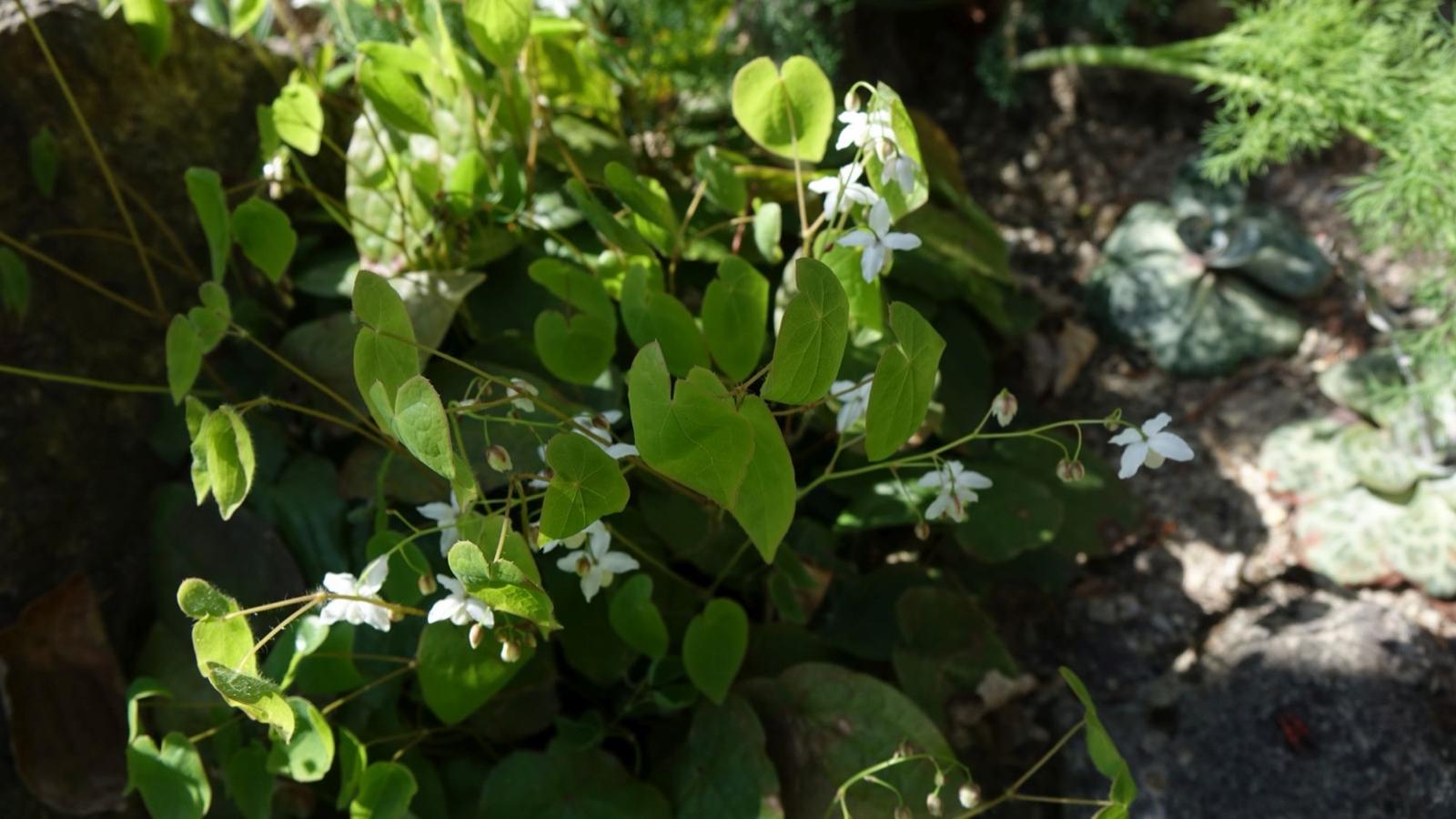
Barrenwort (Epimedium). The classic answer to dry shade in gardening books, and NC State Extension explains why: once established, deep shade and drought "are not an issue," and its shallow roots can compete with surrounding tree roots. Heart-shaped leaves, small spring flowers in white, yellow, pink or red, 8–10 inches tall. Rutgers rates it rarely damaged by deer. Many kinds spread slowly, so buy more than you think you need.
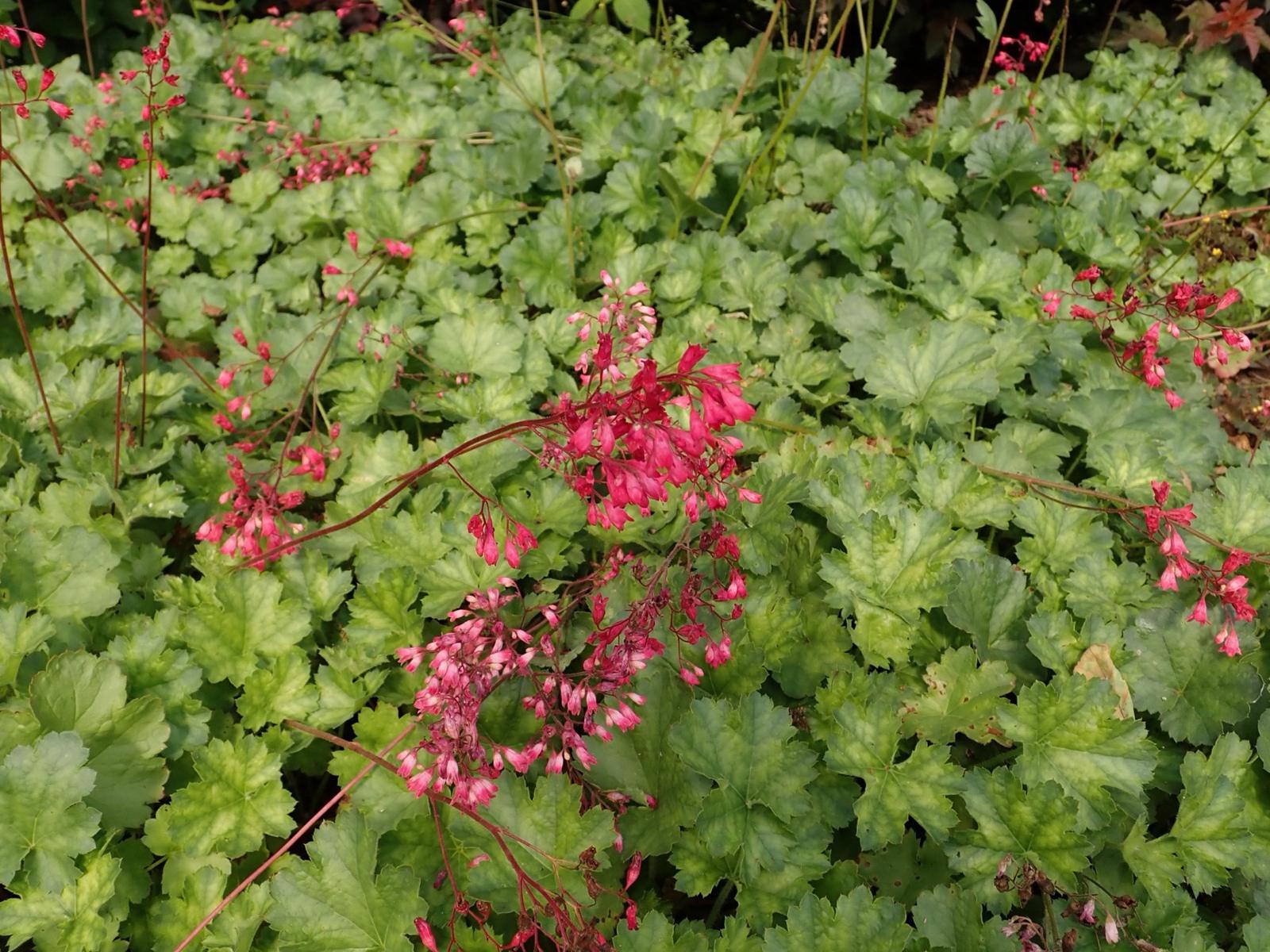
'Snow Angel' coral bells (Heuchera sanguinea 'Snow Angel'). A Plant Select pick rated zones 3–9, with variegated leaves and red flowers from late spring into summer. Plant Select's note is direct: "An excellent plant for dry shade." It lists water as moderate, so plan on regular summer soaks.
Sandia coral bells (Heuchera pulchella). A small New Mexico native, 8–10 inches, with pink flowers in May and June. Plant Select rates it for sun through shade with moderate-to-dry water, zones 4–7.
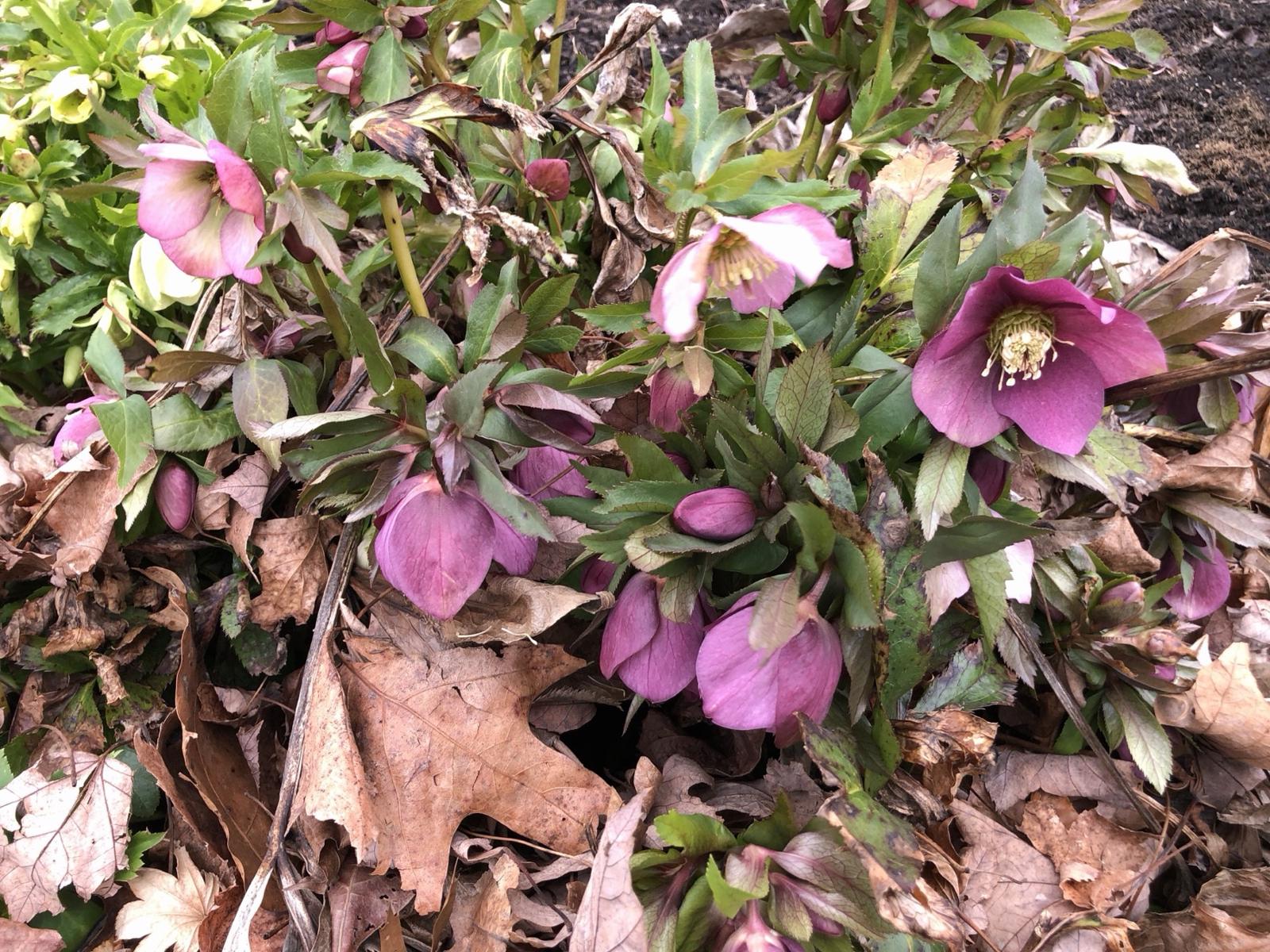
Lenten rose (Helleborus × hybridus). Evergreen, leathery leaves and nodding flowers from late winter into spring, when little else blooms. NC State Extension describes it as relatively drought tolerant once established and says it dislikes bright winter sun and high heat, which makes the north side of a tree ideal. Rutgers rates hellebores rarely damaged by deer.
Denver Gold columbine (Aquilegia chrysantha). Long-spurred yellow flowers from late spring on, 30–36 inches tall. Plant Select says it tolerates dry shade, and suggests cutting tired foliage to the ground in midsummer so it regrows for fall. It reseeds, and Plant Select marks it not deer resistant.
CSU also lists Corsican violet (Viola corsica), a 2003 Plant Select pick, as able to tolerate some drought in part to deep shade. It reseeds moderately.
Shrubs and small trees for dry shade
Three-leaf sumac 'Autumn Amber' (Rhus trilobata). A low, spreading form of the native sumac, 10–14 inches tall and 6–8 feet wide. Plant Select rates it for full sun through full shade with dry-to-xeric water needs, zones 4–8.
Oregon grape holly (Mahonia aquifolium). The upright cousin of creeping Oregon grape, 3–6 feet, with glossy evergreen leaves, yellow spring flowers and blue fruit. CSU describes it as shade tolerant but prone to winter burn. Rutgers rates it rarely damaged by deer.
Snowberry (Symphoricarpos albus). A native shrub, 3–6 feet, with pink bell-shaped flowers in summer and white berries that hang on into winter. CSU lists it as shade tolerant.
Hop tree (Ptelea trifoliata). CSU describes this native small tree or large shrub as drought and shade tolerant, with small, fragrant flowers, yellow fall color and papery fruit that persists. It's a good understory tree beneath a larger canopy.
For sunny structure plants, see drought-tolerant shrubs.
How to plant under trees without hurting them
The tree matters more than anything you plant beneath it, so work around its roots.
- Plant small. Quart and 4-inch pots need small holes, which means fewer cut roots. Tuck them between roots rather than chopping through.
- Don't bury the roots. Adding a thick layer of new soil or building raised beds over roots cuts off oxygen, and CSU notes that in clay soils half of a tree's roots are in the top four inches. Plant into the existing soil.
- Mulch lightly. A thin layer of shredded wood or the tree's own leaf litter holds moisture and suits woodland plants like epimedium and hellebore. Keep mulch off tree trunks.
- Water deeply to establish. New plants under a tree dry out faster than the same plants in open ground. Soak weekly through the first growing season, then taper. CSU recommends watering mature trees when the top four to six inches of soil are dry, and applying it near the dripline rather than at the trunk. Watering that way helps the understory plants too.
- Group by water. Keep moderate-water plants like 'Snow Angel' and Denver Gold columbine together near a hose or drip line, and put the xeric plants (sumac, juniper, creeping Oregon grape) farther out.
From our installs: Under big blue spruces and old silver maples on the Front Range, we plant creeping Oregon grape, 'Autumn Amber' sumac and coral bells from small pots, working between the roots with a hand trowel instead of tilling. The most common failure we see is a homeowner adding a few inches of topsoil to "improve" the bed. The new plants sit in fluffy soil the tree roots quickly fill, and the tree is stressed on top of that. We plant into the native soil and hand-water or run a separate drip zone through the first summer. (Xeris Landscaping is owned by Xeriscaping.com's founder.)
If you're taking out lawn under a tree, our guide to removing a lawn covers methods that don't damage roots. Fall is a good time to plant a shaded bed, since the soil is warm and the tree is slowing down; see first-year xeriscape care for the watering schedule.
Frequently asked questions
What is the best groundcover for dry shade?
For the interior West, creeping Oregon grape is the most reliable. It's native, evergreen, low-water once established and on both of CSU Extension's shade lists. Epimedium and Pennsylvania sedge are good alternatives. Kinnikinnick works well under pines and spruces with acidic needle litter.
Can grass grow in dry shade?
Turf grasses struggle in dry shade because they need more light and water than the tree leaves them. Pennsylvania sedge is the closest lawn substitute. NC State Extension calls it an ideal turf alternative for dry shade, mowed once or twice a year. It won't take heavy foot traffic.
How often should I water plants under a tree?
Weekly deep watering through the first growing season, then occasional deep soaks during hot, dry spells, adjusted for rain. Check the soil a few inches down before watering. The low-water groundcovers need less once rooted in; coral bells and columbine need more.
Will adding soil under a tree help new plants?
Usually not, and it can hurt the tree. CSU notes that in clay soils about half of tree roots are in the top four inches. Piling soil on top cuts off oxygen to those roots, and they grow into the new soil anyway. Plant into the existing soil instead.
What grows under pine trees?
Kinnikinnick, creeping Oregon grape and Guernsey Green juniper all handle pine needle litter and the slightly acidic soil it creates. Keep them a few feet out from the trunk.
Need zone-specific options? Look up your zone and filter for shade-tolerant plants, or browse low-water trees if you're planning the canopy itself.