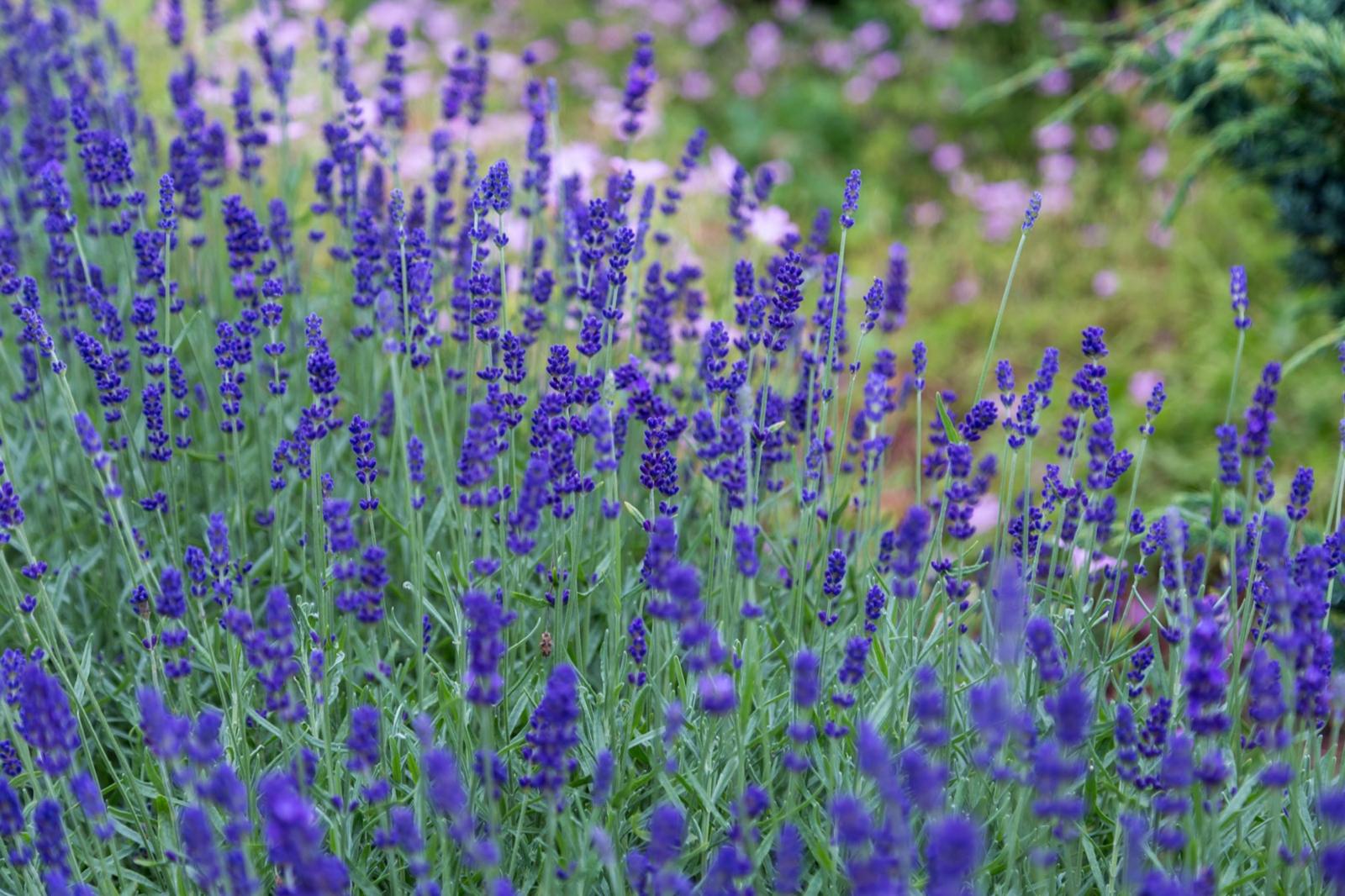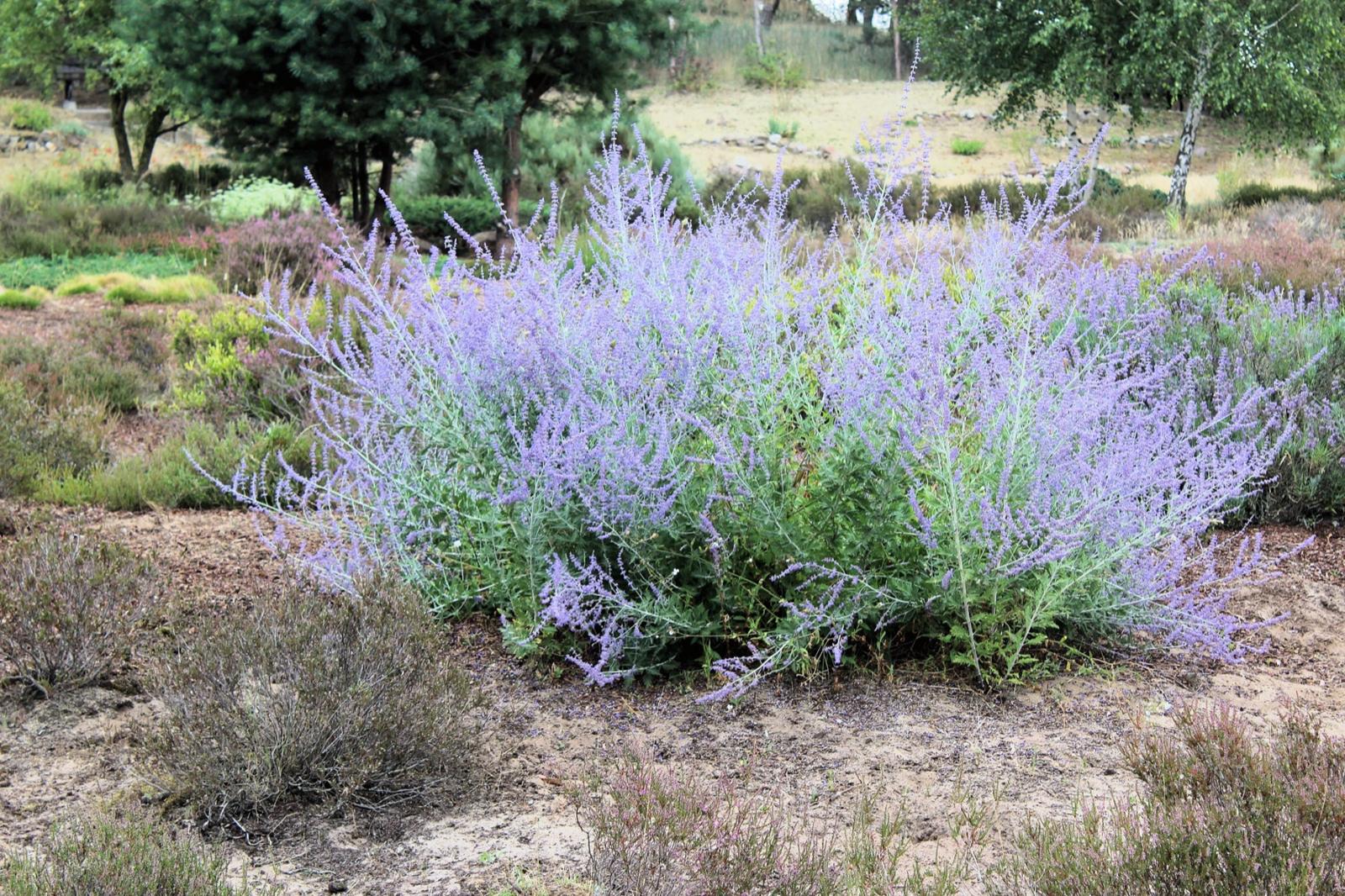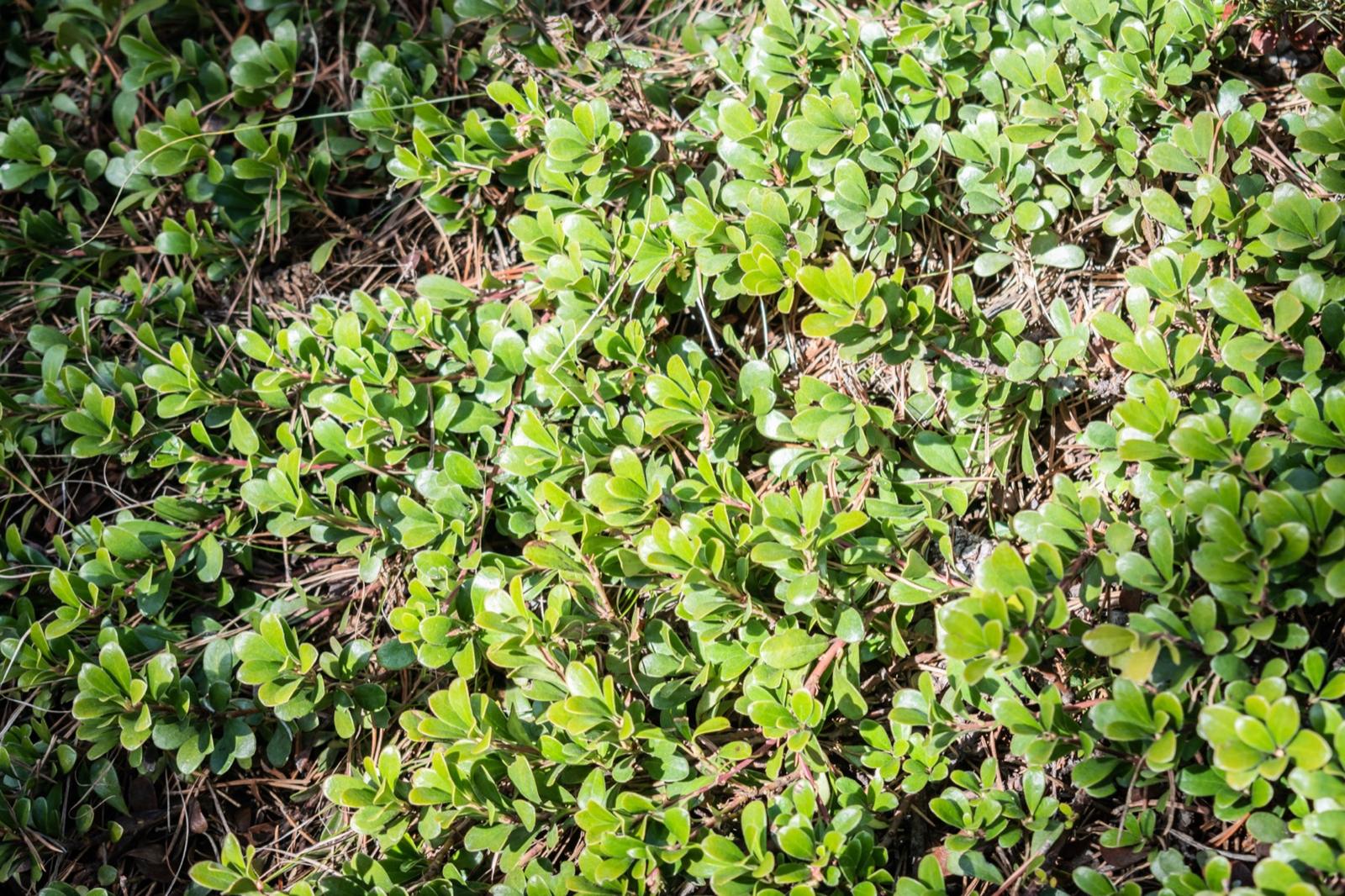
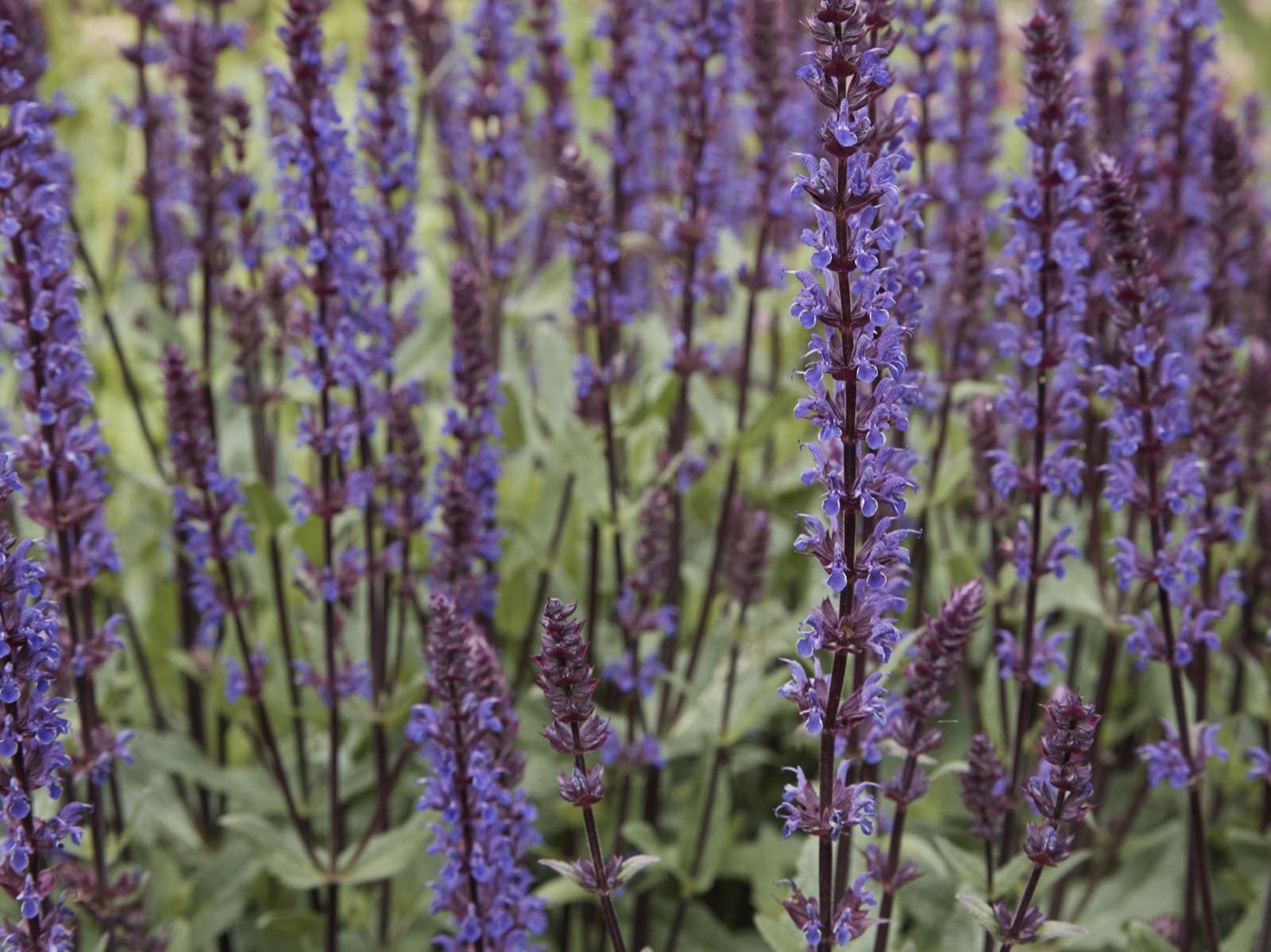
The best drought-tolerant salvia depends on your winters. In cold-winter yards (zones 4–8), meadow sage like 'May Night' and 'Caradonna' blooms in late spring and again after a trim, and Russian sage, now officially a salvia, carries the summer. In zones 6 and warmer, autumn sage (Salvia greggii) blooms from spring to frost. And Plant Select's Western sages, including Mojave sage, Platinum sage and Vermilion Bluffs, bridge the gap with zone 5 hardiness and very little water. Plant any of them in full sun and well-drained soil and hold the fertilizer.
Salvia is a huge genus in the mint family, covering everything from culinary sage to shrubby desert species. The ten below are the ones worth building a low-water bed around.
Salvias compared
| Plant/Variety | Zones | Water | Size | Bloom | Notes |
|---|---|---|---|---|---|
| Meadow sage 'May Night' (S. nemorosa) | 4–8 | Low | 18–24 in | Late spring; rebloom | Cut back for second flush |
| Russian sage (S. yangii) | 4–9 | Very low | 3–4 ft | July–fall | Silver stems; formerly Perovskia |
| Autumn sage (S. greggii) | 6–9 (5b for Plant Select forms) | Low | 18 in–3 ft | Spring–fall | Hummingbirds; semi-evergreen |
| Mojave sage (S. pachyphylla) | 5–10 | Very low | 18–24 in | Mid–late summer | Silver leaves; purple bracts |
| Platinum sage (S. daghestanica) | 5–10 | Low | 8–12 in | Early summer | Silver mat; blue flowers |
| Vermilion Bluffs (S. darcyi) | 5b–10 | Low | 36–40 in | August–October | Red; late hummingbird nectar |
| Autumn Sapphire (S. reptans) | 5–10 | Very low | 18–24 in | Autumn | Texas native; blue |
| Mealy cup sage (S. farinacea) | 8–10 | Moderate | 1.5–3 ft | Spring–fall | Annual in cold zones |
| Cleveland sage (S. clevelandii) | 8–10 | Very low | About 4 ft | Spring–summer | California native; fragrant |
| Culinary sage (S. officinalis) | 4–8 | Low | 1–2 ft | Late spring | Edible; rarely browsed by deer |
Zones and sizes come from Plant Select, the NC State Extension Plant Toolbox and AMWUA's Arizona plant list. Cleveland sage and mealy cup sage zones are estimated from AMWUA's published low temperatures (15°F and 10°F).
Cold-hardy sages for zones 4–8
1. Meadow sage (Salvia nemorosa) 'May Night' and 'Caradonna'
The workhorse of cold-climate xeriscapes. Salvia 'May Night' ('Mainacht') makes a tidy 18–24 inch clump topped with dense violet spikes in late spring. 'Caradonna' is similar but with near-black stems. NC State Extension rates the species zones 4–8, drought tolerant, happiest in sandy or gravelly soil, and "seldom damaged by deer or rabbit browsing." Rutgers gives meadow sage a B for deer resistance.
The trick with meadow sage is the midsummer cut. When the first spikes fade, shear the plant back to the fresh basal leaves. It regrows and blooms again, usually a lighter show, in late summer.
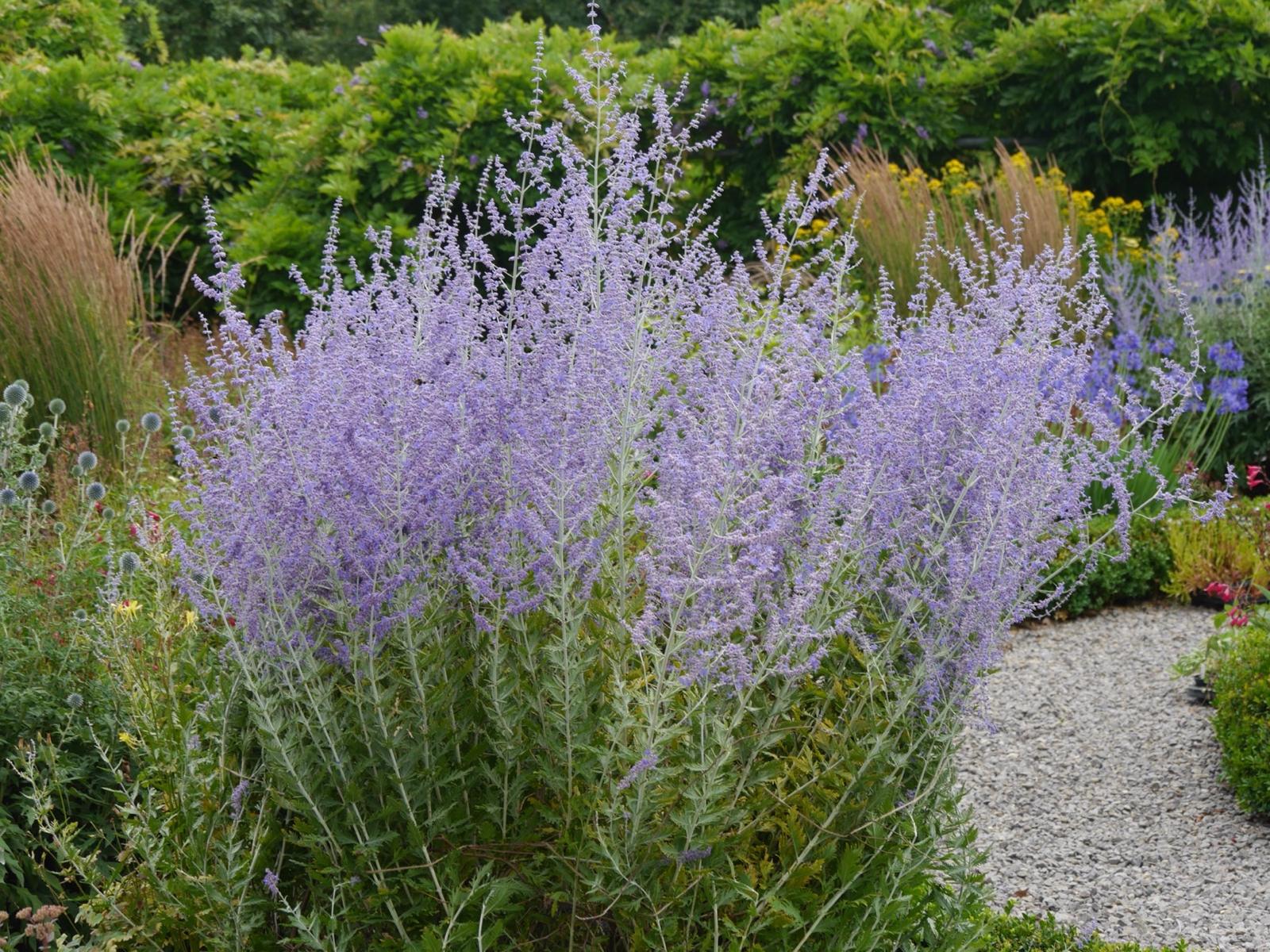
2. Russian sage (Salvia yangii)
Botanists moved Russian sage from Perovskia into Salvia, so it belongs here. Russian sage makes a 3–4 foot haze of silver stems and lavender-blue flowers from July into fall on almost no water. It's rated zones 4–9 in our plant database; NC State is more cautious, at 5–9. Cut it back hard in spring when new growth appears, and give it room.
3. Platinum sage (Salvia canescens var. daghestanica)
A low, 8–12 inch mat of felted silver leaves with blue flowers in early summer. Plant Select introduced it in 2006 and rates it zones 5–10. It's a good front-of-bed or rock garden sage, and deadheading brings sporadic rebloom.
Western and Plant Select sages for zones 5–10
Plant Select, the Colorado plant program run with CSU and Denver Botanic Gardens, has done more than anyone to bring heat-loving Southwestern sages into cold-winter gardens. Its rule of thumb for all of them: plant in spring so roots establish by fall, use well-drained soil, and wait until new growth shows in spring to cut back.
4. Autumn sage (Salvia greggii)
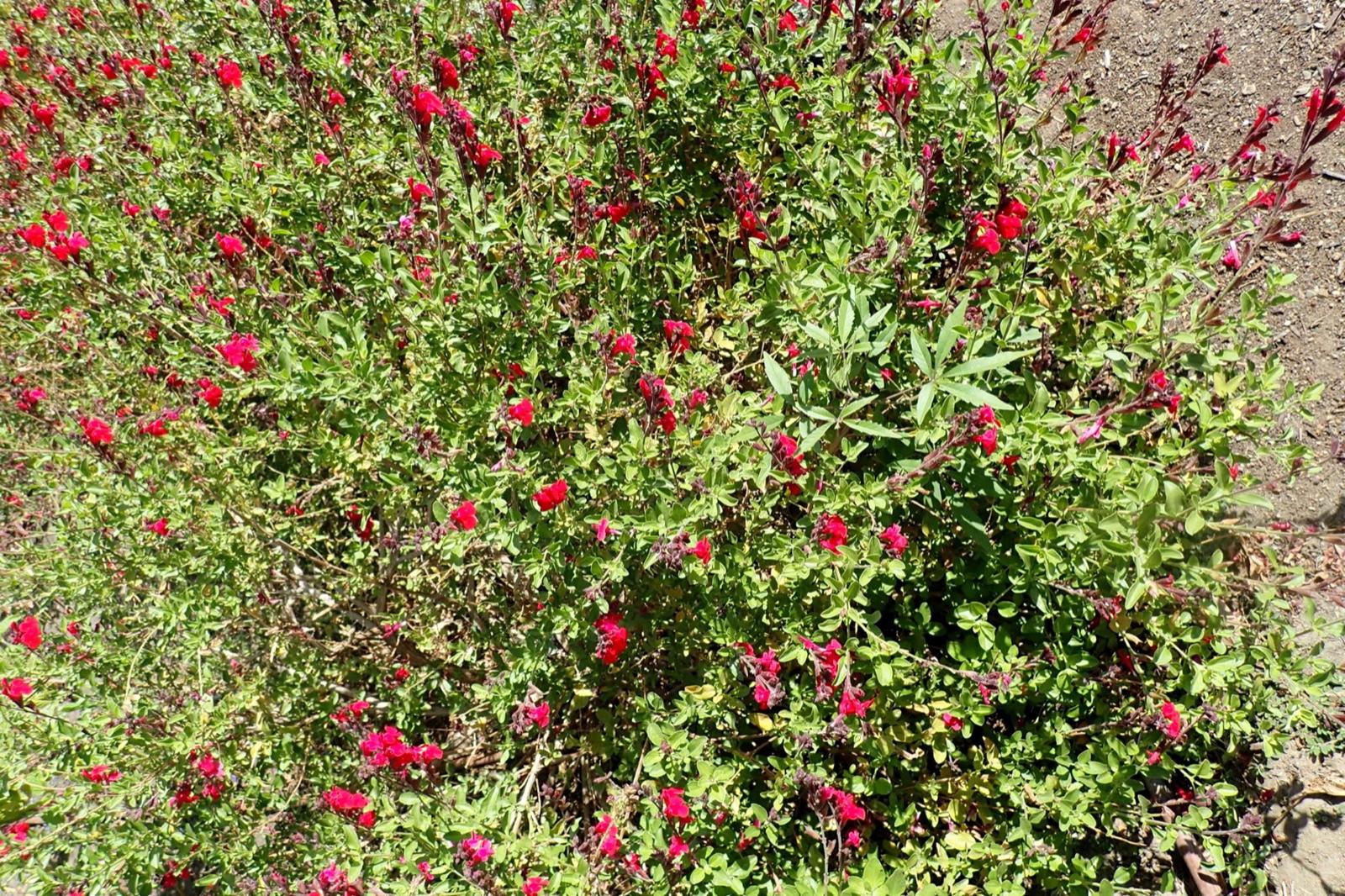
A small, semi-woody shrub native to Texas and northern Mexico, with red, pink, coral or white flowers that feed hummingbirds from spring through fall. NC State rates the species zones 6–9. Plant Select's 'Furman's Red' and 'Wild Thing' selections are rated to zone 5b with extra winter mulch; Plant Select advises deadheading consistently the first season to build a stronger crown. In the low desert, AMWUA lists it as hardy to 5°F and notes it does best in partial sun there.
5. Mojave sage (Salvia pachyphylla)
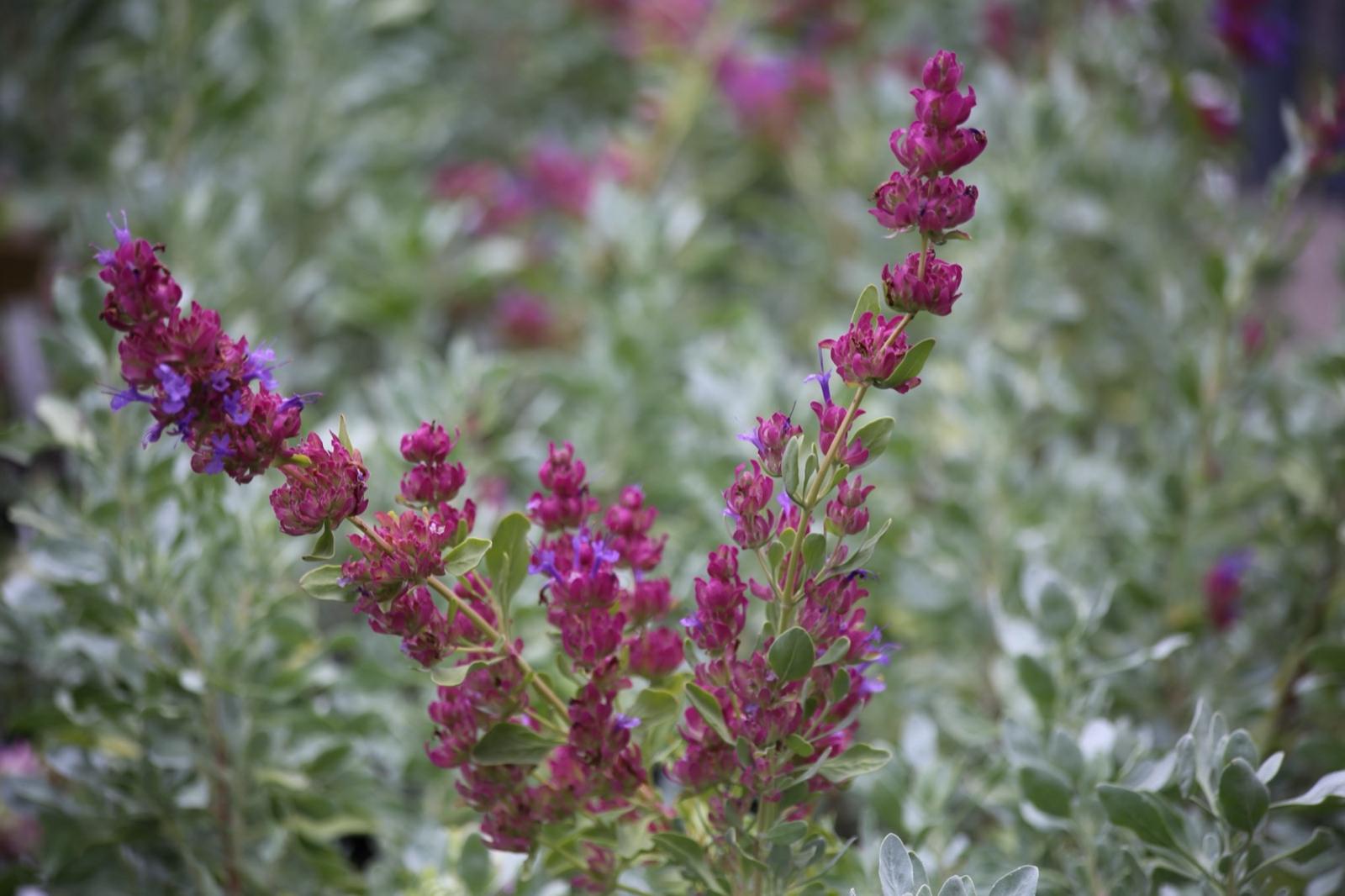
A silver-leaved Southwestern native, 18–24 inches tall and wider, with purple flowers held in showy rose-purple bracts in mid to late summer. Plant Select rates it zones 5–10. It develops woody stems, and Plant Select's advice is to prune just above the woody part in spring, never into it.
6. Vermilion Bluffs Mexican sage (Salvia darcyi 'Pscarl')
Tall, 36–40 inch stems of red flowers from August to October, right when hummingbirds are fueling up to migrate. Plant Select rates it zones 5b–10 and recommends well-drained soil and extra winter mulch. Its cousin Windwalker Royal Red (S. darcyi × S. microphylla) blooms June through October, zones 5–9; Plant Select notes that a hot, dry site keeps it compact.
7. Autumn Sapphire sage (Salvia reptans 'P016S')
A narrow-leaved Texas native that blooms sky blue in fall. Plant Select rates it zones 5–10 and "dry to xeric," and says it stays most compact with little water and well-drained soil. It's one of the few salvias that asks for less water than meadow sage.
Warm-climate sages for zones 8–10
8. Mealy cup sage (Salvia farinacea)
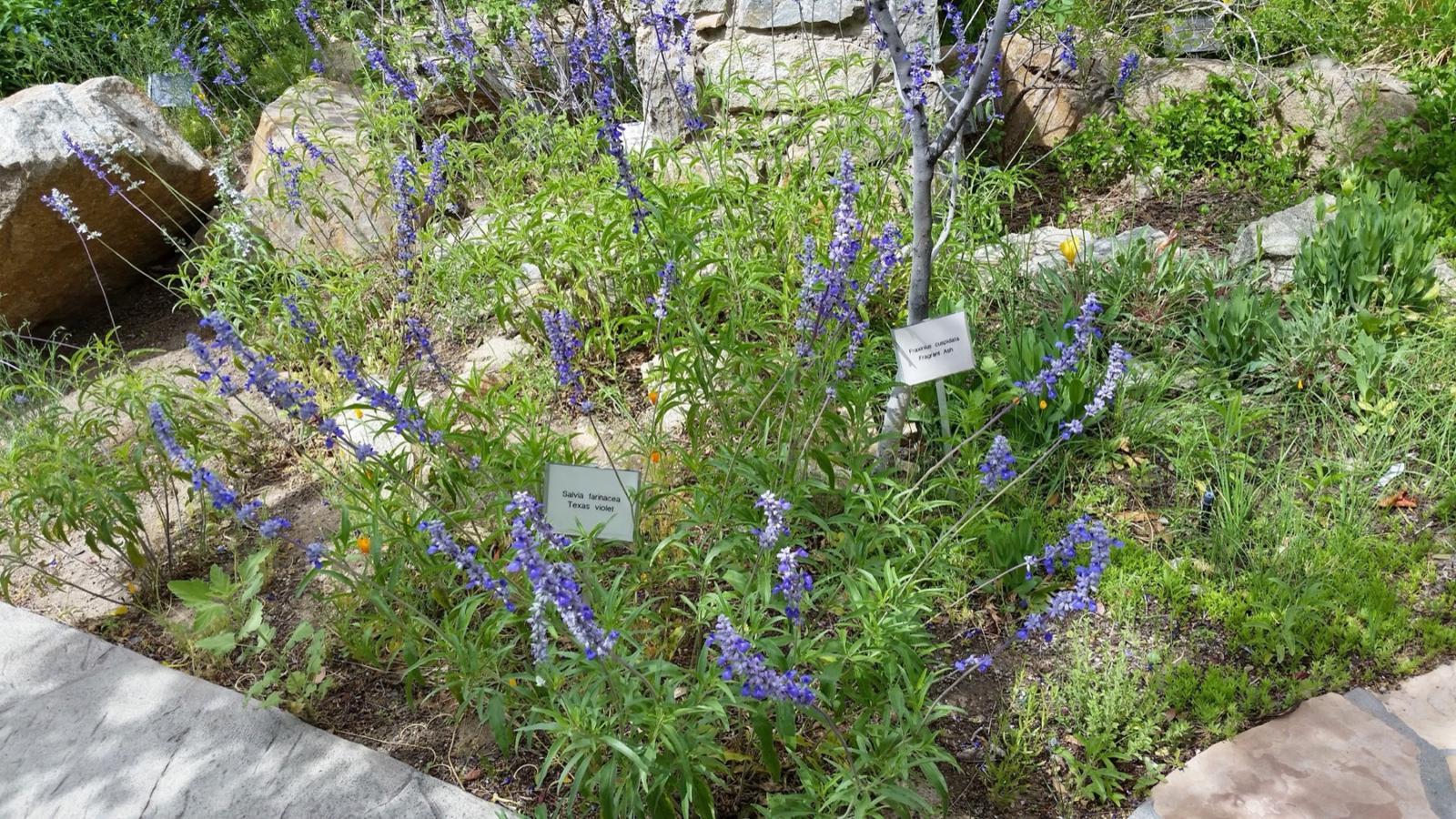
A Texas and New Mexico native with blue-purple spikes from spring to fall. It's perennial in zones 8–10 (AMWUA lists it as hardy to 10°F) and sold as an annual farther north. It needs moderate water, more than most sages here.
9. Cleveland sage (Salvia clevelandii)
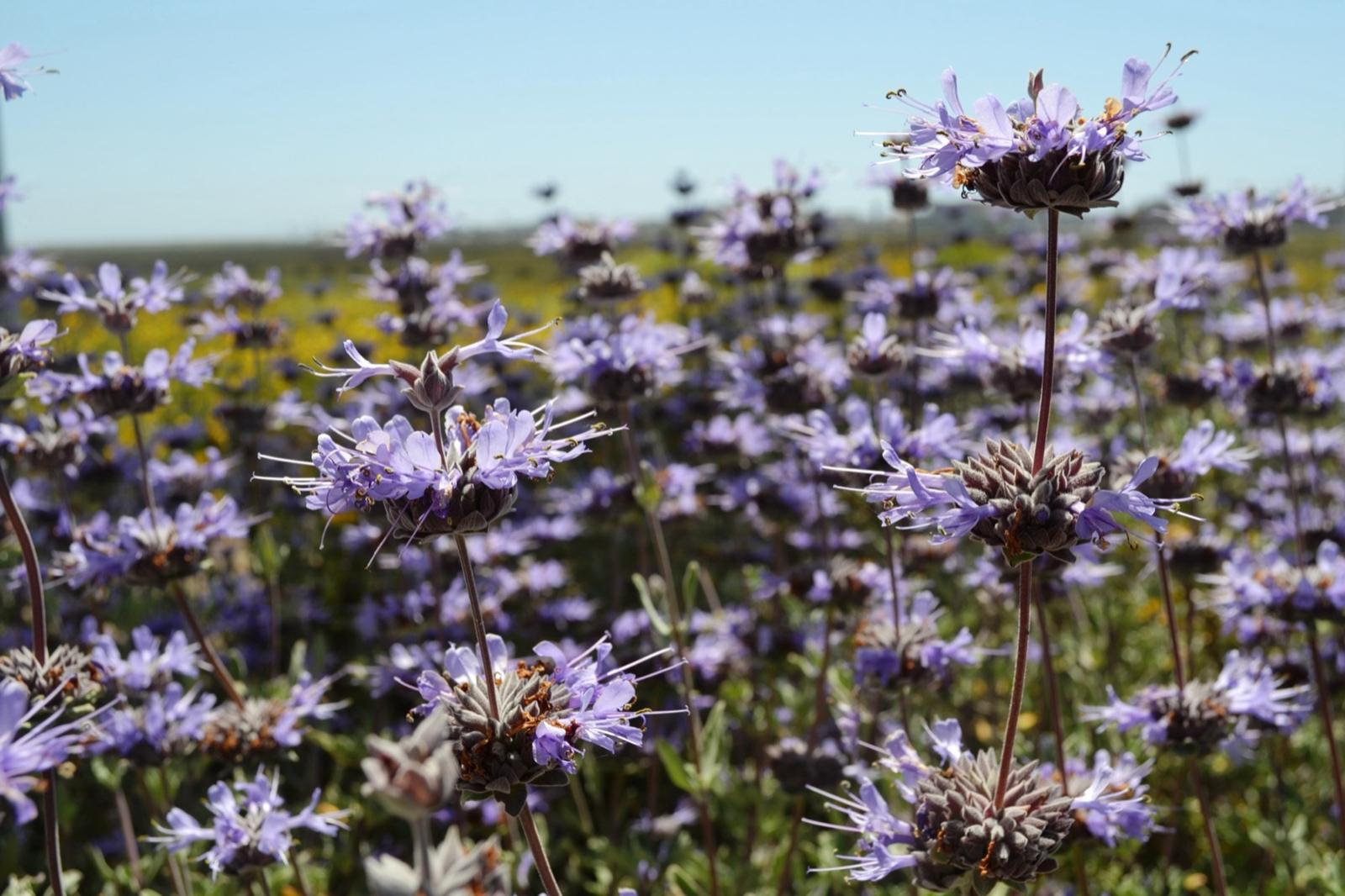
A Southern California native shrub, about 4 feet tall, with gray foliage that smells strongly of sage and whorls of blue-violet flowers in spring and summer. AMWUA rates it hardy to 15°F, low water, and warns that it may be short-lived.
10. Culinary sage (Salvia officinalis)
The kitchen herb is a legitimately good xeriscape plant: gray, aromatic leaves, blue-violet flowers in late spring, zones 4–8 per NC State, and Rutgers rates it rarely damaged by deer. It gets woody and open after a few years; replace it or cut it back in spring.
Not a salvia: Texas sage. The silver shrub sold as Texas sage or cenizo is Leucophyllum frutescens, a different plant family. It's an excellent low-water shrub for hot climates (AMWUA calls it very low water and hardy to 10°F), but don't expect it to behave like a salvia.
How to grow salvias in a xeriscape
- Full sun and fast drainage. Every salvia here wants at least six hours of sun. Plant Select's warning on its sages applies broadly: they don't like soggy winter soil. On clay, plant on a slight mound.
- Lean soil, no fertilizer. Rich soil makes salvias floppy and shortens their lives.
- Water to establish, then back off. Water weekly through the first summer. After that, the Western sages need only occasional deep soaks; meadow sage and mealy cup sage need a little more.
- Prune by type. Shear herbaceous meadow sage after the first bloom. Leave woody and shrubby sages (autumn sage, Mojave sage, Russian sage) standing over winter and cut back in spring when new growth appears. Don't cut Mojave sage or autumn sage into bare old wood.
- Plant in spring in cold zones. Plant Select recommends spring planting for its Southwestern sages so roots are established before winter. In the low desert, fall planting works better.
From our installs: On Front Range jobs, 'May Night' and 'Caradonna' go in almost every sunny bed. We shear them in early July and get a second round of color in August. We've had more trouble with autumn sage, which wants the warmest, best-drained spot in the yard at our elevation. We treat it like a zone 6 plant and tuck it against south-facing walls or rock. (Xeris Landscaping is owned by Xeriscaping.com's founder.)
Frequently asked questions
Which salvia is the most drought tolerant?
Among widely available salvias, Russian sage, Mojave sage and Autumn Sapphire sage need the least water once established. Plant Select rates Autumn Sapphire "dry to xeric," and Russian sage thrives in some of the driest beds in the interior West. Meadow sage and mealy cup sage need more.
Do salvias come back every year?
Most on this list are perennials within their zones. Meadow sage is reliably perennial to zone 4. Autumn sage and the Mexican sages are borderline in zone 5 and need good drainage and winter mulch. Mealy cup sage is grown as an annual north of zone 8.
Should I cut back salvia in fall?
Cut herbaceous meadow sage back after its first bloom and again in late winter or spring. Leave woody sages like autumn sage, Mojave sage and Russian sage standing until spring; Plant Select recommends waiting until new growth is visible.
Do hummingbirds like salvia?
Yes, especially the red and pink tubular species. Autumn sage, Vermilion Bluffs and Windwalker Royal Red are strong hummingbird plants. The blue meadow sages draw mostly bees. For more, see penstemon varieties for hummingbirds and pollinator plants for a low-water garden.
Are salvias deer resistant?
Mostly. Rutgers rates culinary sage and Russian sage as rarely damaged and meadow sage as seldom severely damaged. Plant Select marks most of its sages deer resistant, with the exception of Windwalker Desert Rose (S. lemmonii). See our full list of deer-resistant xeriscape plants.
Salvias combine well with agastache, catmint and ornamental grasses in drought-tolerant perennial beds. In the Southwest, see our guides to Austin and El Paso for heat-loving companions.