
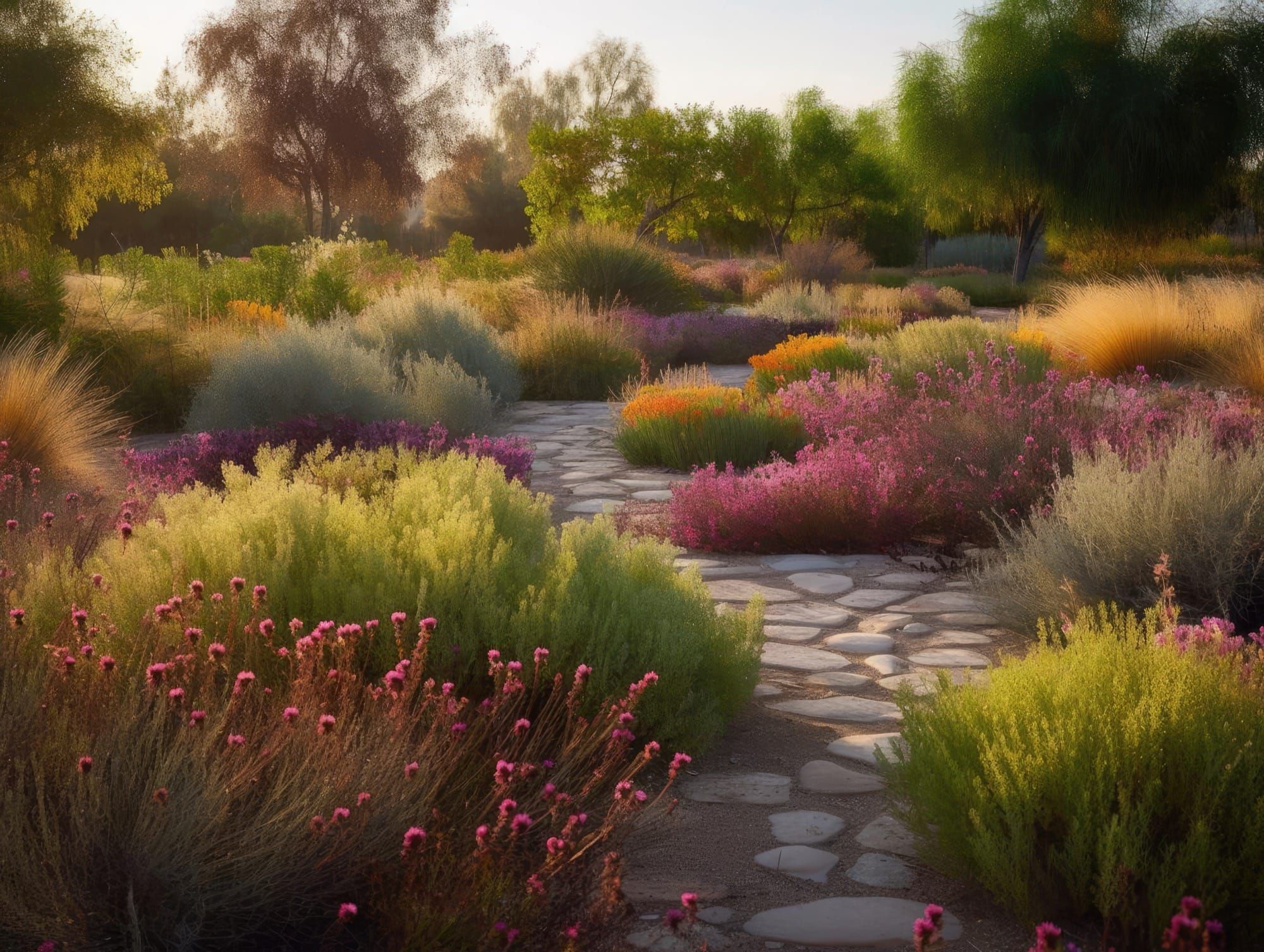
Xeriscaping in Austin is less about giving something up and more about finally planting what belongs here. The Hill Country is one of the most beautiful landscapes in America — live oaks, limestone, wine-red salvias, clouds of muhly grass — and every bit of it runs on a fraction of the water a St. Augustine lawn drinks. With hotter summers, multi-year droughts, and watering restrictions that keep tightening, the case has never been easier to make.
Austin's growing conditions (know before you plant)
- Hardiness zone: 8b to 9a. Mild winters, but the occasional hard freeze (everyone remembers 2021) argues for proven natives over borderline tropicals. (New to zones? Read our hardiness zone guide.)
- Feast-or-famine rain. Around 34 inches a year on paper — but delivered in floods and droughts, not gentle averages. Plants must handle both extremes.
- Thin, alkaline soils. West of I-35 you're gardening on inches of soil over limestone (caliche); east of it, heavy blackland clay. Natives evolved for exactly this — imported plants mostly didn't.
- Brutal summer heat. Triple digits for weeks. Full-sun beds need genuinely heat-proof plants, not "drought-tolerant" in the marketing sense.
The best xeriscape plants for Austin
The Hill Country palette is deep and gorgeous:
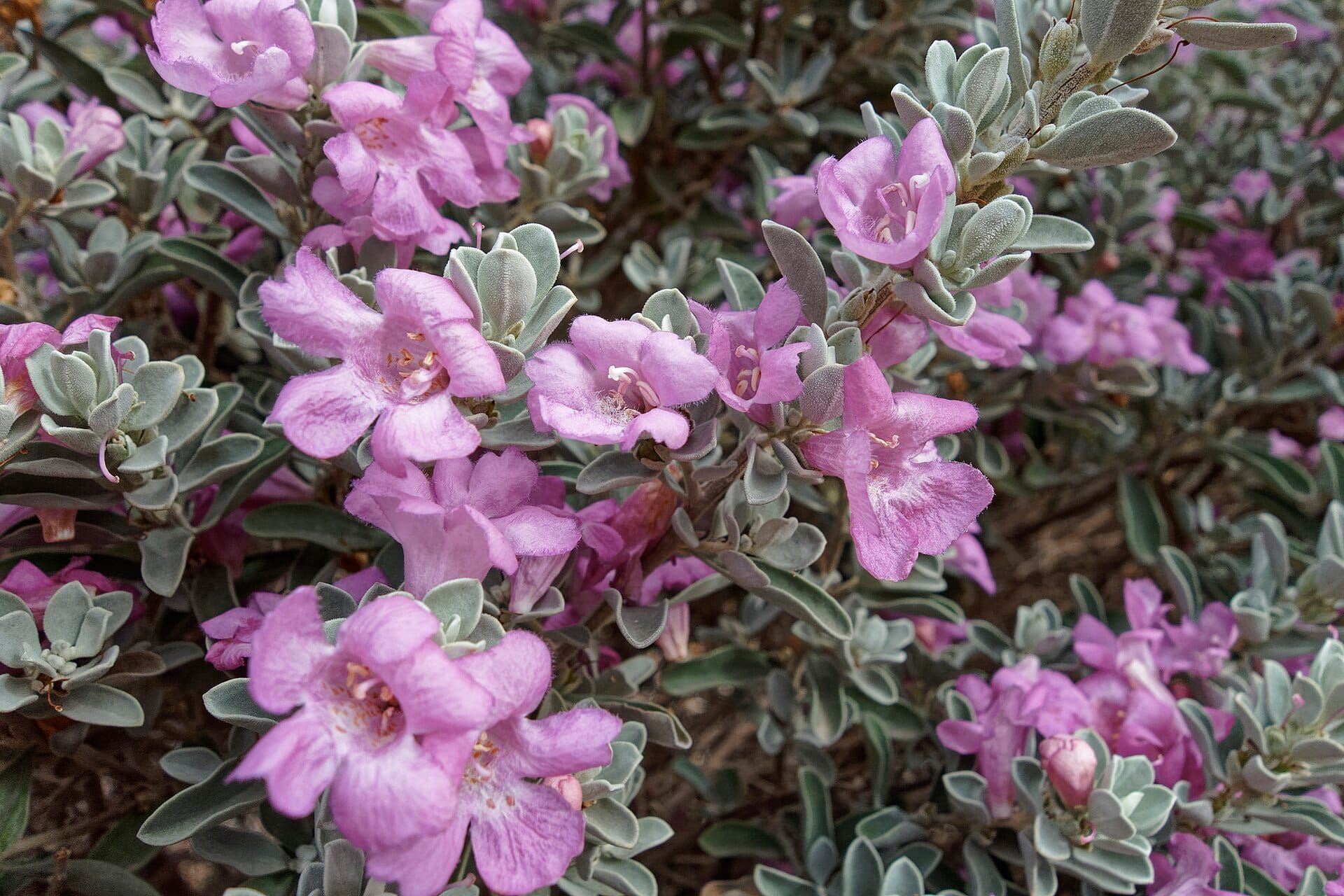
Shrubs: cenizo (Texas sage — silver leaves, purple blooms after rain), agarita, flame acanthus, dwarf yaupon holly, and evergreen sumac.
Perennials: salvia greggii (autumn sage), blackfoot daisy, damianita, mealy blue sage, rock penstemon, zexmenia, and four-nerve daisy. All bloom through heat that flattens everything else.
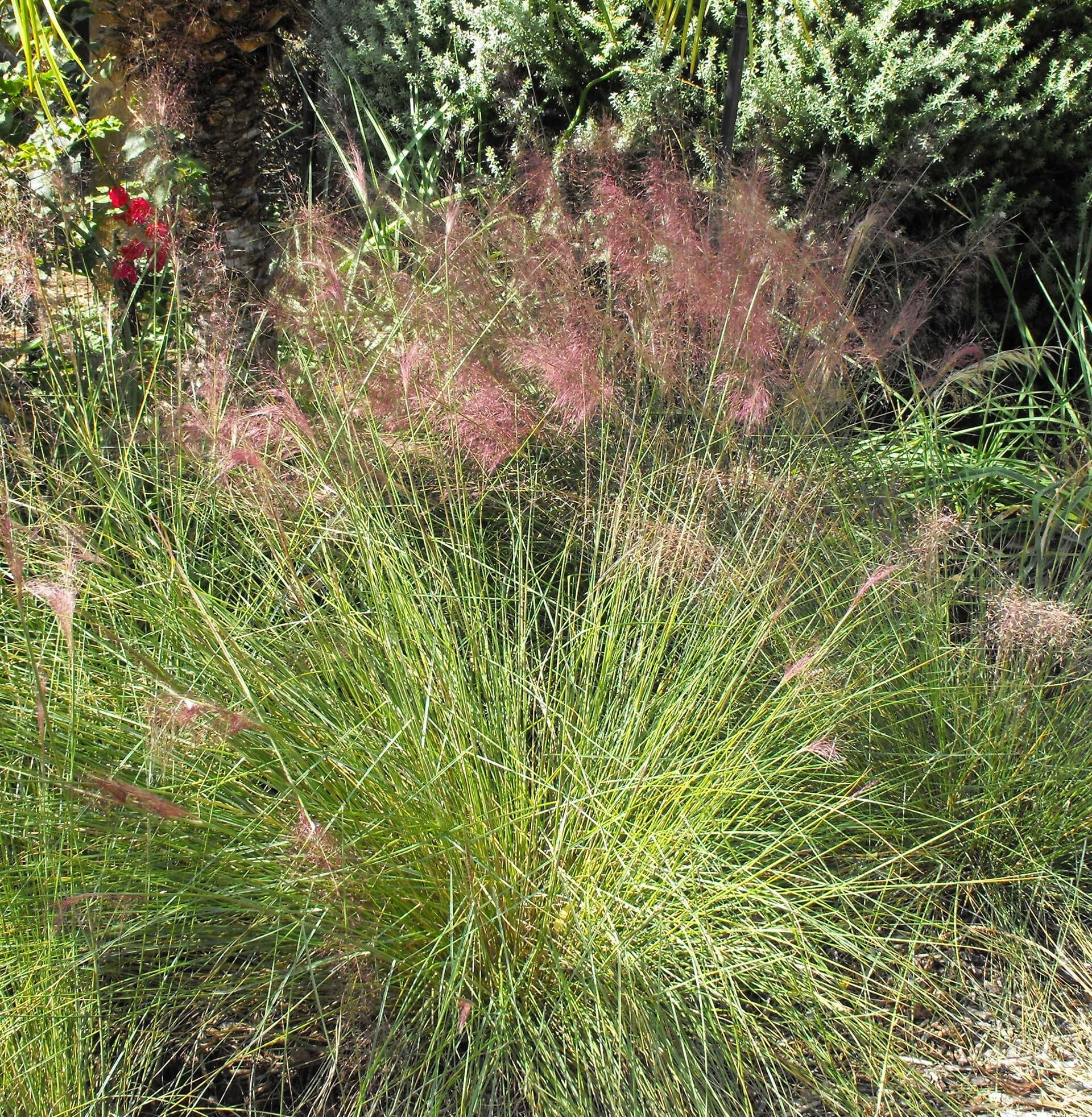
Grasses: Gulf muhly (pink clouds in fall), Lindheimer's muhly, and sideoats grama — the state grass. More options in our ornamental grasses guide.
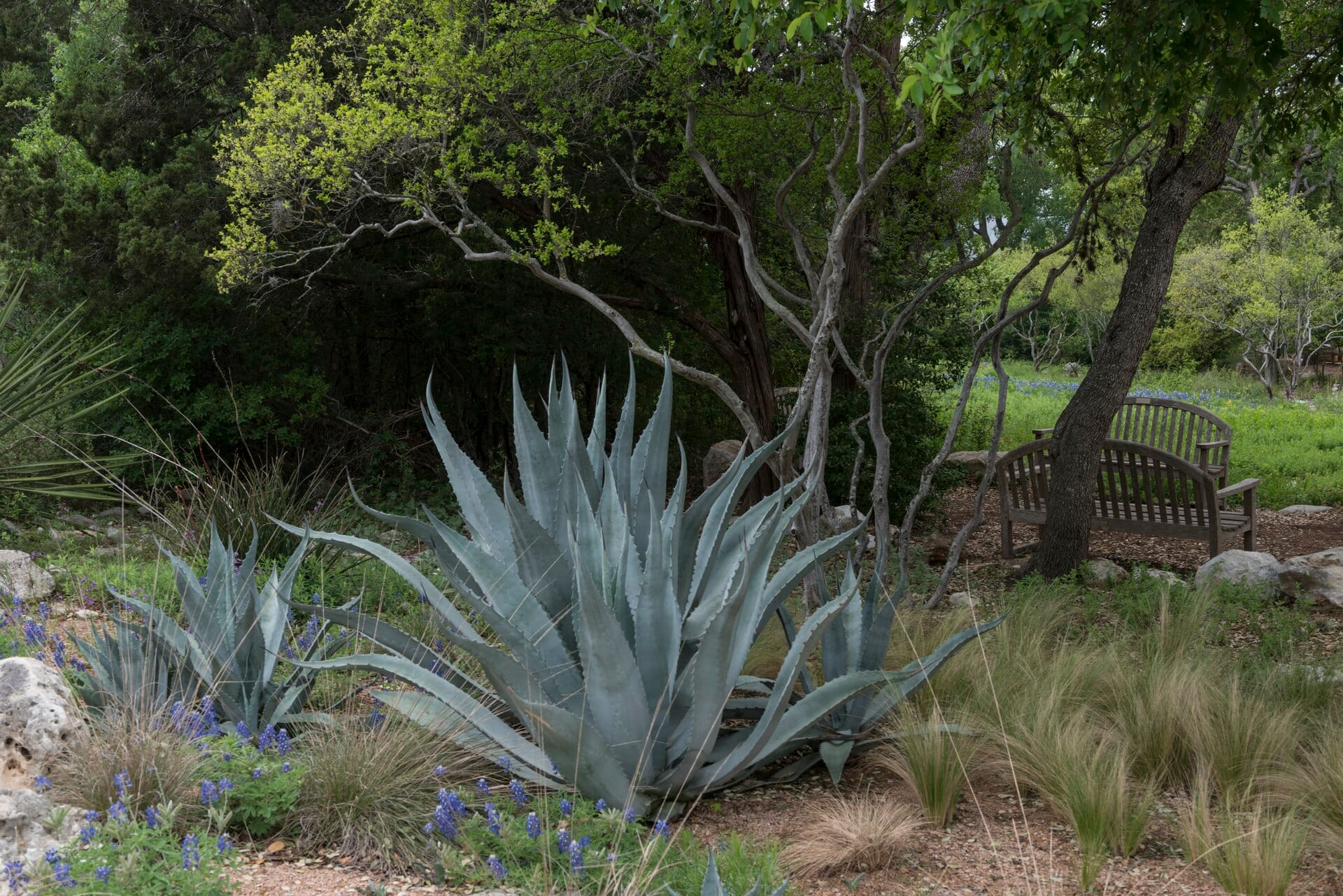
Accents: red yucca (hesperaloe), twistleaf yucca, spineless prickly pear, and century plant for sculptural punch.
Trees: live oak, Texas redbud, desert willow, and Mexican plum all earn their water.
Texas even maintains a free plant-picking tool — Texas SmartScape — that filters natives and adapted plants by region. It's worth a browse before you buy anything.
Rebates and rules: check before you dig
- Austin Water has historically offered landscape conversion incentives and WaterWise rebates for replacing turf with native beds — programs and amounts change, so check their current offerings (and get any required pre-approval) before you remove grass. Our rebate guide explains how these programs typically work.
- Watering restrictions are the norm, with stage-based schedules most of the year. A xeriscape mostly opts out of the whole drama.
- If you're in an HOA, submit a simple plan first — Texas law generally protects drought-tolerant landscaping, but process still matters.
Design notes for the Hill Country look
- Limestone is the material. Chopped limestone borders, flagstone paths, and boulders read instantly local — skip the red lava rock.
- Plant for the flood, too. Use berms and a dry creek bed to route the occasional four-inch downpour away from foundations.
- Shade is a design element. A live oak's canopy cools everything under it; plant shade-tolerant natives like turk's cap beneath rather than fighting for sun.
- Keep a green patch if you want one — buffalograss or a buffalograss–blue grama blend stays soft on a fraction of St. Augustine's water.
Getting started
- Check Austin Water's current incentives and get pre-approved if required.
- Remove the lawn — solarization works beautifully in an Austin summer.
- Follow the 10 Steps to Xeriscaping: plan, plant in fall (Austin's best planting season), drip-irrigate, and mulch.
- Water deeply the first year, then let the natives do what they've always done.
Costs track the national picture — see what xeriscaping costs — and if you're comparing notes with neighbors down I-35, our San Antonio guide covers the same conversation one aquifer over.
An Austin yard full of cenizo, muhly, and salvia isn't a sacrifice. It's the Hill Country moving back in.