
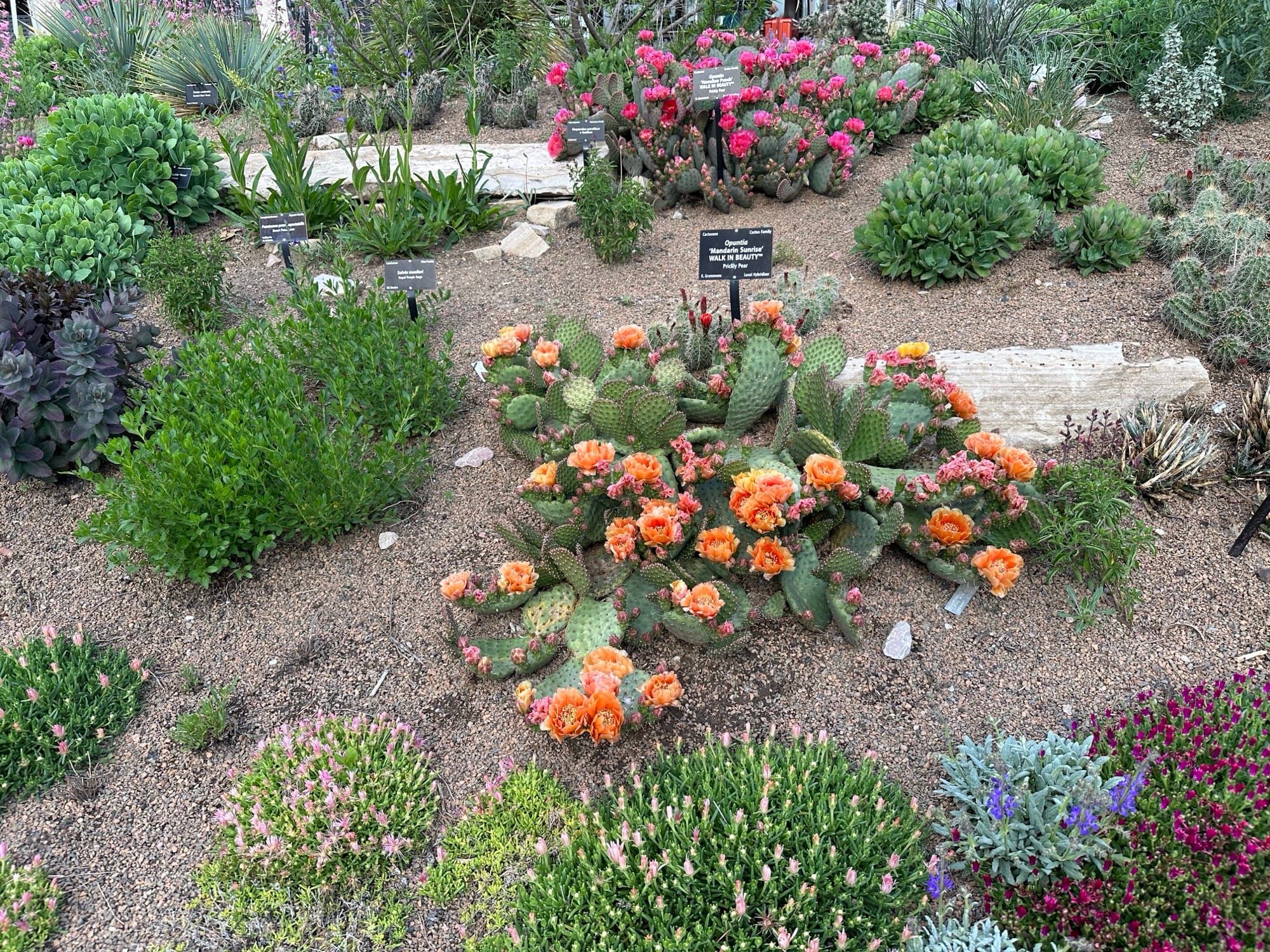
Xeriscaping in San Antonio might be the easiest sell in Texas. The city sits on the edge of the Chihuahuan brushland, draws its water from the stressed Edwards Aquifer, and spends most summers under drought restrictions — and in response, its water utility has built some of the most homeowner-friendly landscape incentive programs in the country. If you've been waiting for a sign to lose the lawn, this is it.
San Antonio's growing conditions (know before you plant)
- Hardiness zone: 9a (8b at the fringes). Winters are mild, but hard freezes do blow through — the 2021 freeze taught everyone to anchor a landscape with proven natives, not just tropicals. (Zone basics are in our hardiness zone guide.)
- About 32 inches of rain a year — but lumpy: drought for months, then a tropical deluge. Design for both.
- Soils split by geography: shallow caliche over limestone on the north side, heavy clay in much of the rest of the metro. Natives shrug at both.
- Long, punishing summers. Heat tolerance matters as much as drought tolerance — our full-sun plant guide is calibrated for exactly this.
The best xeriscape plants for San Antonio
South-central Texas has an embarrassment of riches:
Shrubs: cenizo (Texas sage), esperanza (gold bells all summer), pride of Barbados (zone-pushing but spectacular), agarita, and dwarf yaupon.
Perennials: salvia greggii, blackfoot daisy, damianita, mealy blue sage, lantana (trailing natives), zexmenia, and rock rose (Pavonia).
Grasses: Gulf muhly, Lindheimer's muhly, sideoats grama, and inland sea oats for dry shade.
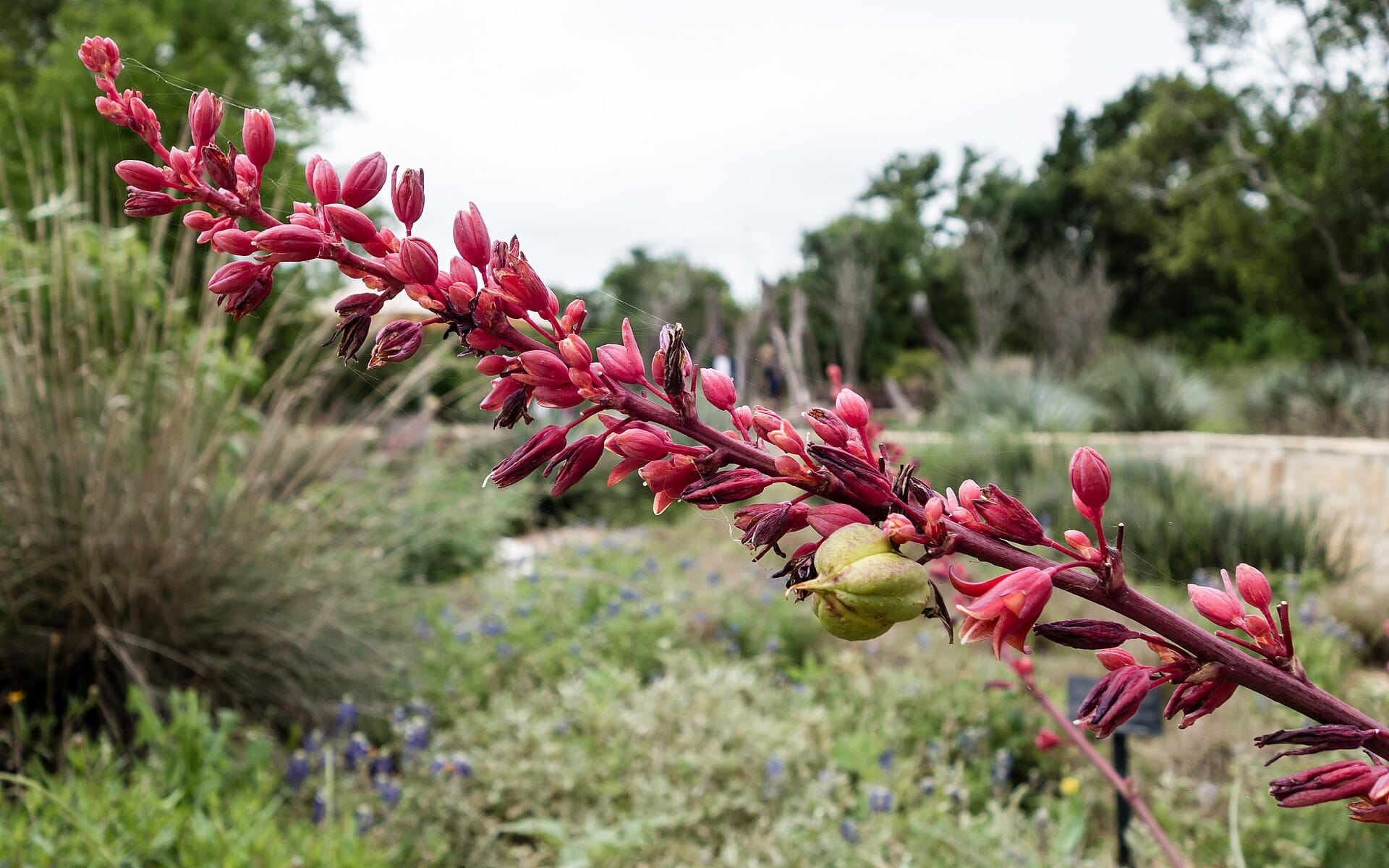
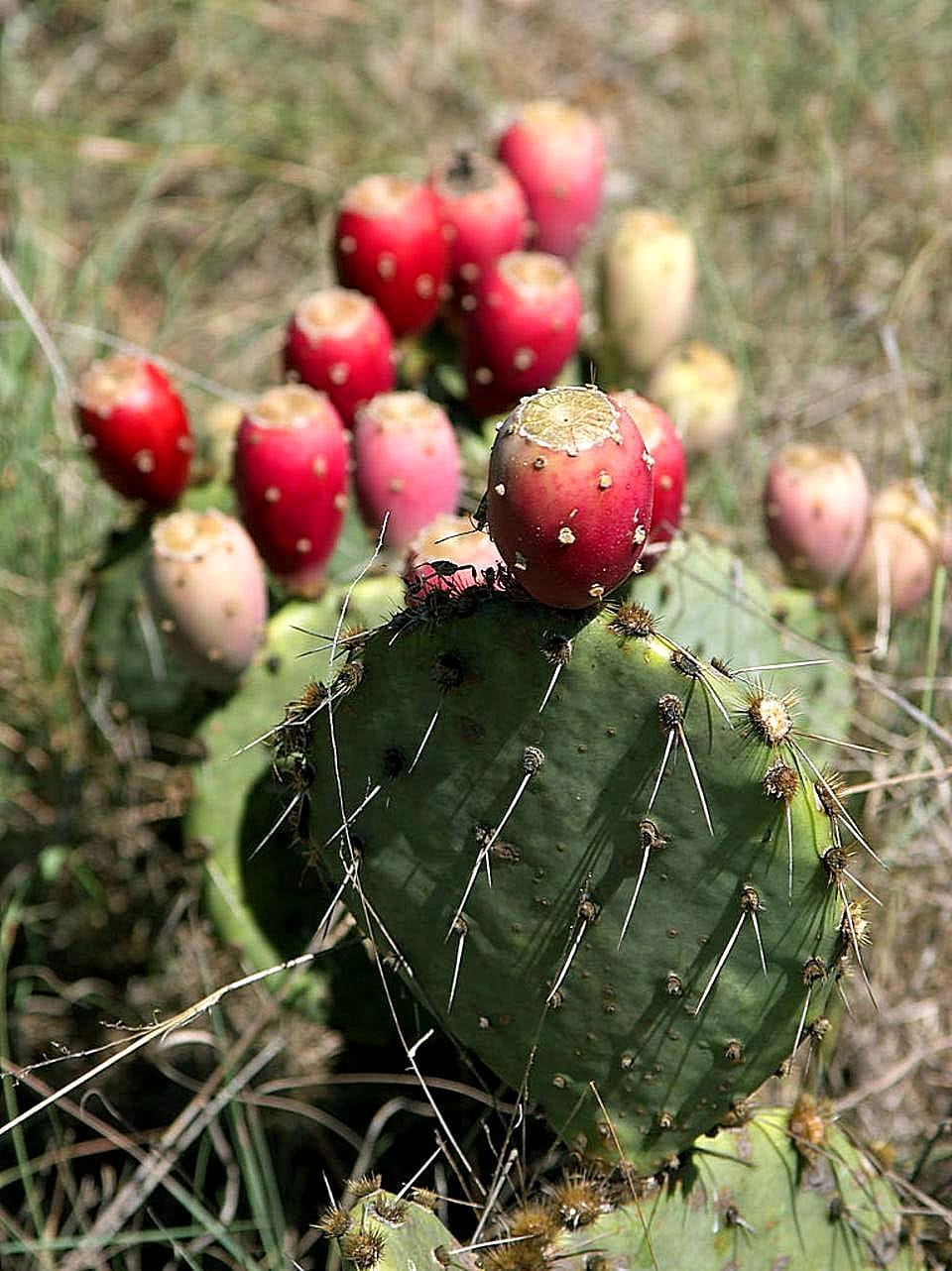
Cactus & accents: spineless prickly pear (the state plant — its spring bloom is reason enough), red yucca, twistleaf yucca, and sotol.
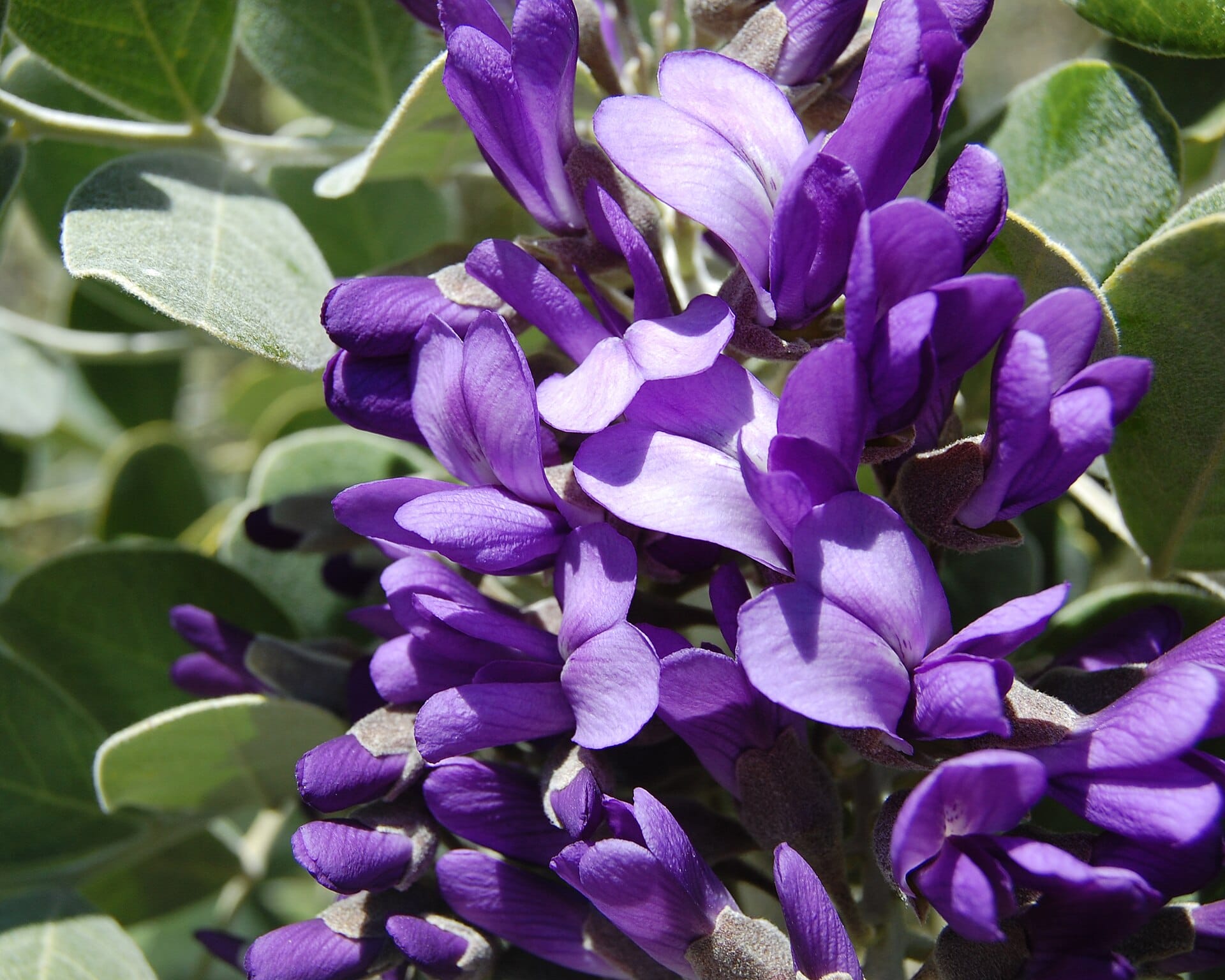
Trees: live oak, Texas mountain laurel (grape-soda blooms in March), desert willow, and anacua.
SAWS: the rebate program everyone talks about
San Antonio Water System (SAWS) is famous in water-conservation circles for actually paying customers to convert. Programs have historically included landscape coupons, turf-replacement incentives, and irrigation rebates — offerings, amounts, and eligibility change from year to year, so treat specifics as a moving target and check the current SAWS conservation page directly.
Two evergreen rules apply no matter the year:
- Apply and get approved before you touch the lawn. Programs almost always require pre-approval, often with photos of the living turf.
- Plant lists matter. Incentives are typically tied to approved drought-tolerant plant selections and coverage minimums.
Our rebate guide walks through how these programs work in general — the paperwork rhythm is the same everywhere.
Design notes for the San Antonio look
- Lean into the brush-country palette: silver cenizo, sculptural prickly pear, and limestone boulders look like they grew here (because they did).
- Route the deluge. A dry creek bed turns a flash-flood gutter into the best-looking feature in the yard.
- Mulch generously but correctly — gravel around cactus and accents, wood mulch in shrub and perennial beds (which goes where). Bare caliche grows weeds and radiates heat; covered soil does neither.
- Shade the west side. A well-placed mountain laurel or desert willow drops indoor cooling costs along with outdoor watering.
- Want some lawn? A small buffalograss patch survives restrictions that kill St. Augustine.
Getting started
- Check current SAWS programs and get pre-approved.
- Remove the grass — summer solarization is very effective here.
- Follow the 10 Steps, plant in October–November (fall planting is the local cheat code), and run drip irrigation under 2–3 inches of mulch.
- Water deeply through the first summer, then taper hard.
Comparing regions? Austin's version of this conversation is in our Austin xeriscaping guide, and the money math lives in what xeriscaping costs.
San Antonio pays you to plant what wants to live here anyway. Take the deal.