
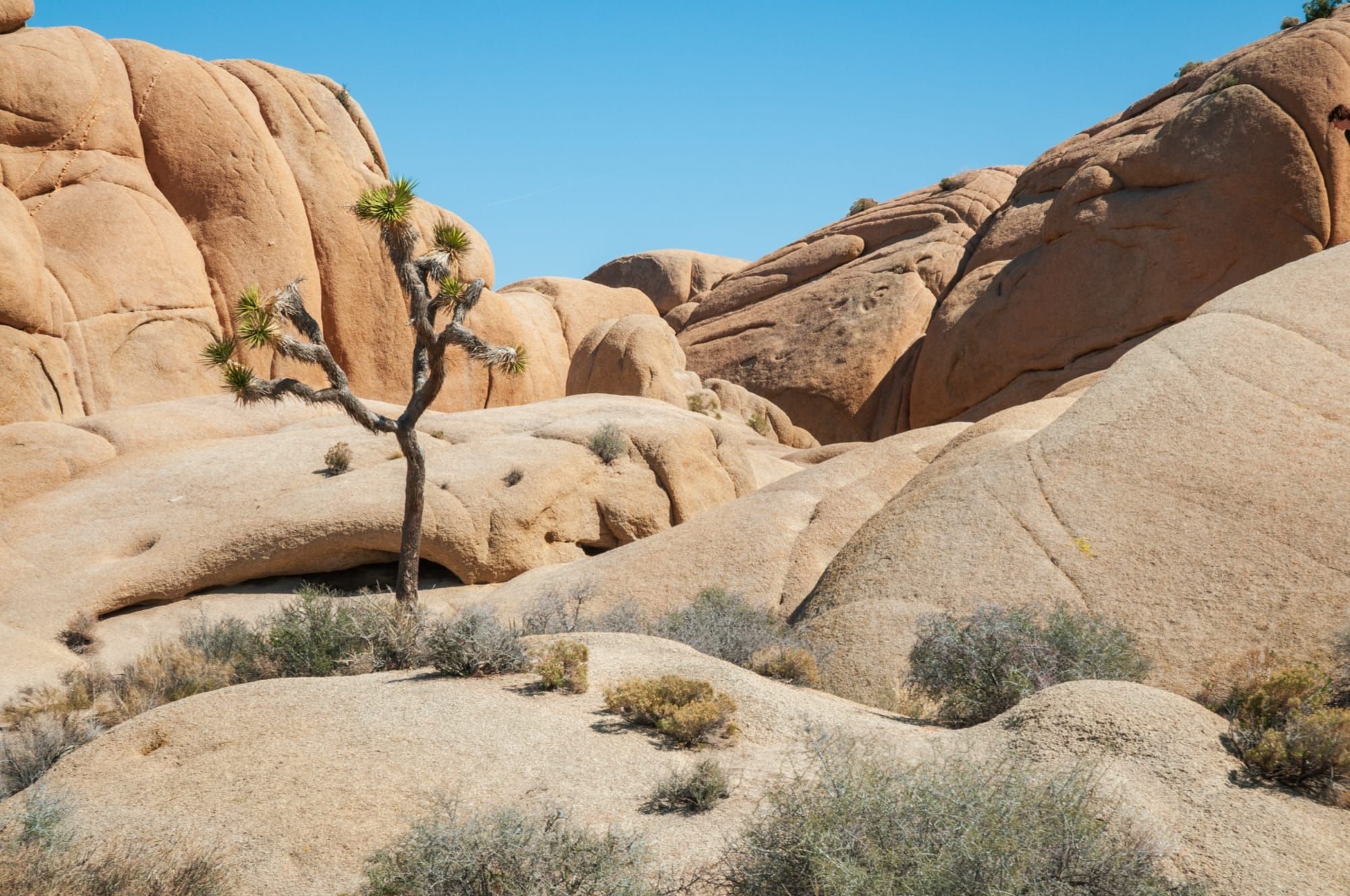
Los Angeles has one of the five Mediterranean climates on Earth — a rare, coveted regime of mild wet winters and rainless summers that produces some of the most beautiful flora anywhere. Then it lays Kentucky bluegrass over the top and irrigates it with water piped hundreds of miles from the Owens Valley, the Delta, and the Colorado River. Xeriscaping in LA isn't deprivation; it's taking the costume off one of the best gardening climates in the world.
LA growing conditions
- Hardiness zones 9–11 depending on where you are — coastal strand, basin, foothills, and valleys are genuinely different gardens. Inland valleys bake; the coast barely freezes, ever.
- Essentially zero summer rain. The climate's defining fact: natives grow in winter and rest in summer. Summer overwatering is the #1 killer of California native plants.
- Clay soils in the basin, decomposed granite in the hills — most natives want drainage more than fertility.
- Fire is a design input in the hills and canyons (more below).
Rebates: the SoCal stack
LA-area homeowners can typically stack two layers: the Metropolitan Water District's regional turf-replacement rebate (apply via bewaterwise.com) plus a supplement from your local agency — LADWP and many city providers add their own per-square-foot amounts. Rates and funding cycles change, so confirm current figures before you plan, and follow the universal sequence: pre-approval with photos of living lawn, minimum plant coverage, rain-capture feature, no artificial-turf-only conversions. Full details in our California rebate guide.
The Mediterranean-native palette
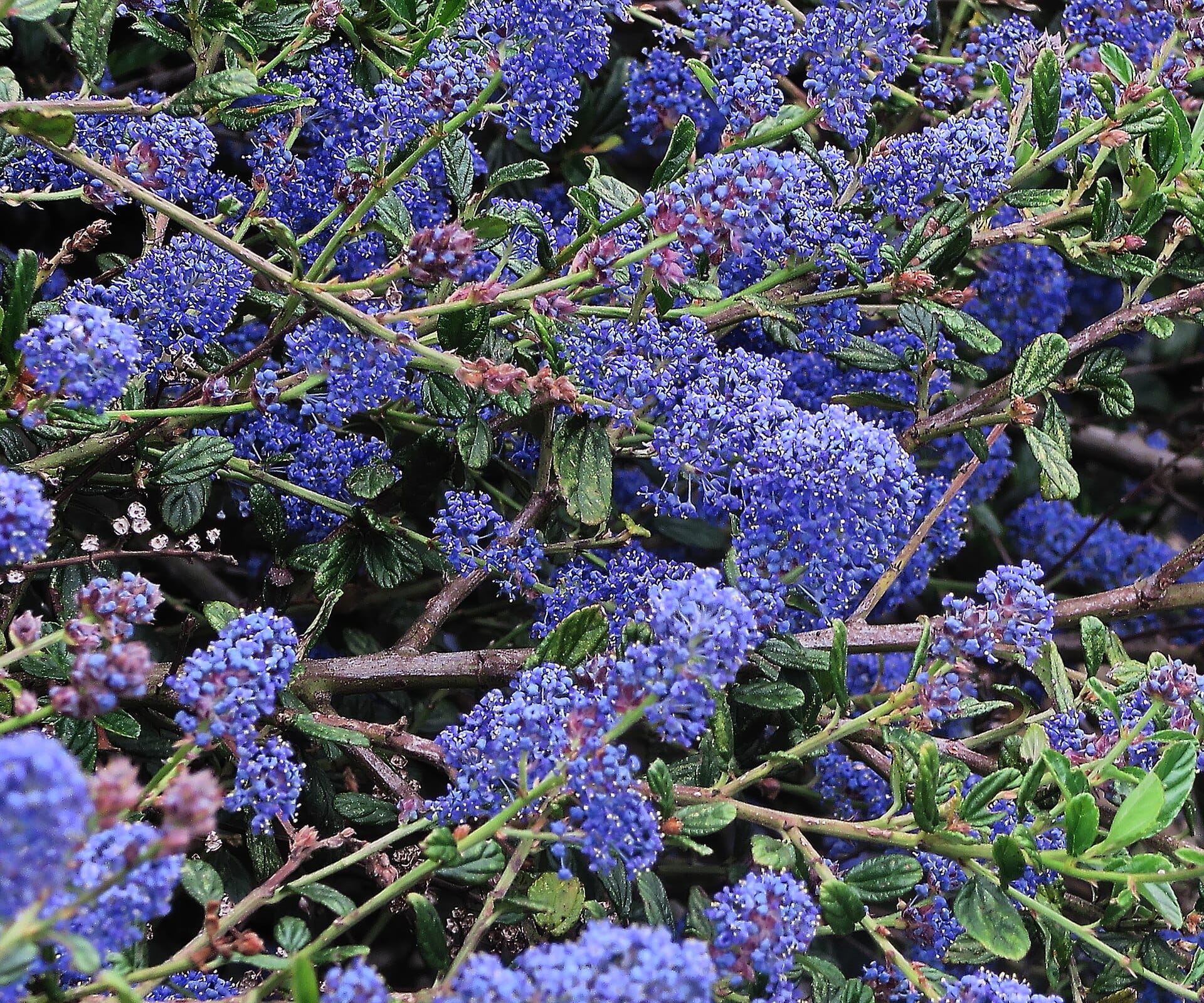
Shrub backbone: ceanothus (California lilac — electric blue spring bloom), manzanita (sculptural red bark), toyon (the "holly" of Hollywood), lemonade berry, and coffeeberry.
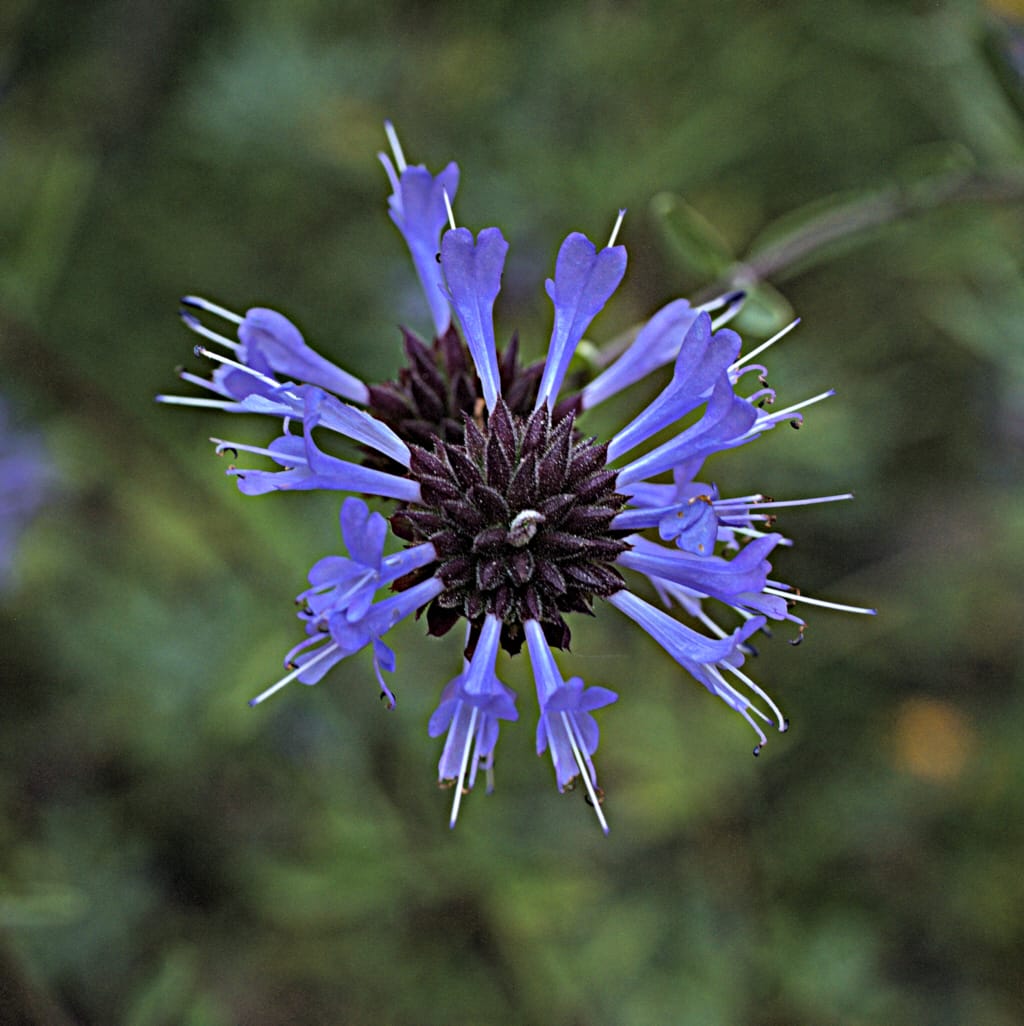
Salvias are the signature: Cleveland sage (the fragrance of the chaparral), white sage, purple sage, and hybrid groundcovers like 'Bee's Bliss'. Hummingbirds will find them within days (more pollinator picks).
Perennials and accents: California buckwheat, matilija poppy (fried-egg flowers six feet tall), California fuchsia (fall hummingbird fuel), monkeyflower, yarrow, and Douglas iris near the coast.
Grasses: deergrass (the region's structural workhorse), California fescue, and purple three-awn for shimmer.
Trees: western redbud, desert willow inland, and coast live oak — the single most valuable habitat plant in the region (never irrigate inside an oak's drip line in summer).
Design notes: the California look
- Plant in fall, water in winter, back off in summer. The Mediterranean rhythm inverts everything a Midwest gardener knows. Establishment happens November–March on rain plus supplements; by year two or three, many natives want little beyond monthly (or no) summer water.
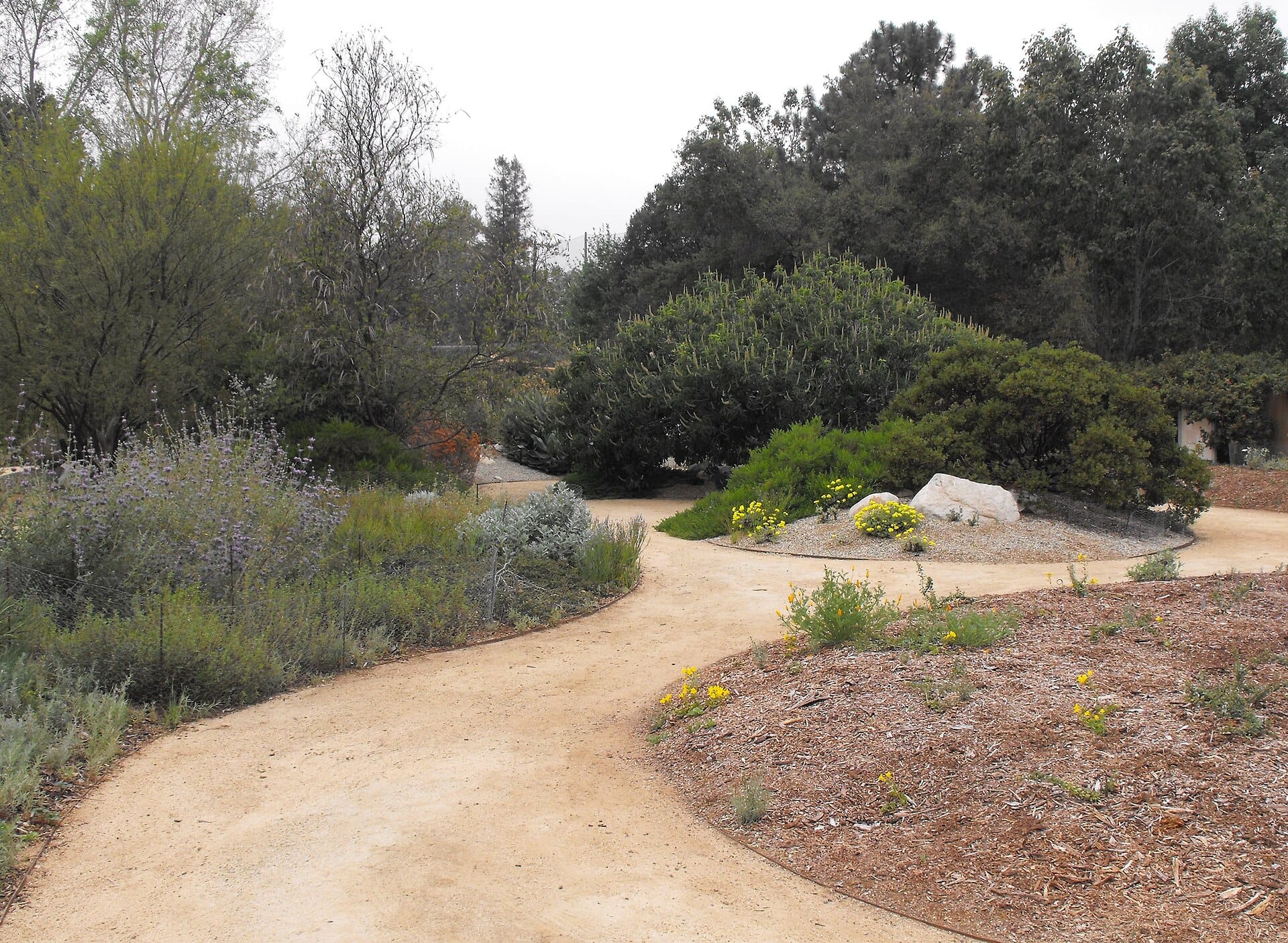
- Fire-wise spacing in the hills: keep the first 0–5 feet from structures lean, green, and noncombustible (hardscape, succulents, low hydrated plants — no woody shrubs against the siding); separate shrub groupings with gravel paths or low groundcovers so fire can't ladder; limb trees up and clear dead material religiously. Chaparral plants are adapted to fire — your layout decides whether that's a problem.
- Summer dormancy is the aesthetic. Buckwheat rust-red, deergrass gold — pair them with evergreen ceanothus and manzanita so the garden reads intentional in September.
- Keep succulents and natives in separate hydrozones — their water schedules differ. Layout principles in the 7 Principles guide.
Getting started
- Apply at bewaterwise.com and through your local agency; get pre-approved before touching the lawn.
- Remove turf — sheet mulching over summer, planting into it at the first fall rains, is the classic LA sequence.
- Follow the 10 Steps with the Mediterranean twist: fall planting, winter establishment, drip converted from your old spray system.
- Mulch woody natives with wood chips or gravel per plant preference, and let the winter rain work.
The chaparral bloomed for ten thousand springs without a single sprinkler. Plant ceanothus and Cleveland sage, get paid for the lawn they replace, and let LA's real climate show off.