
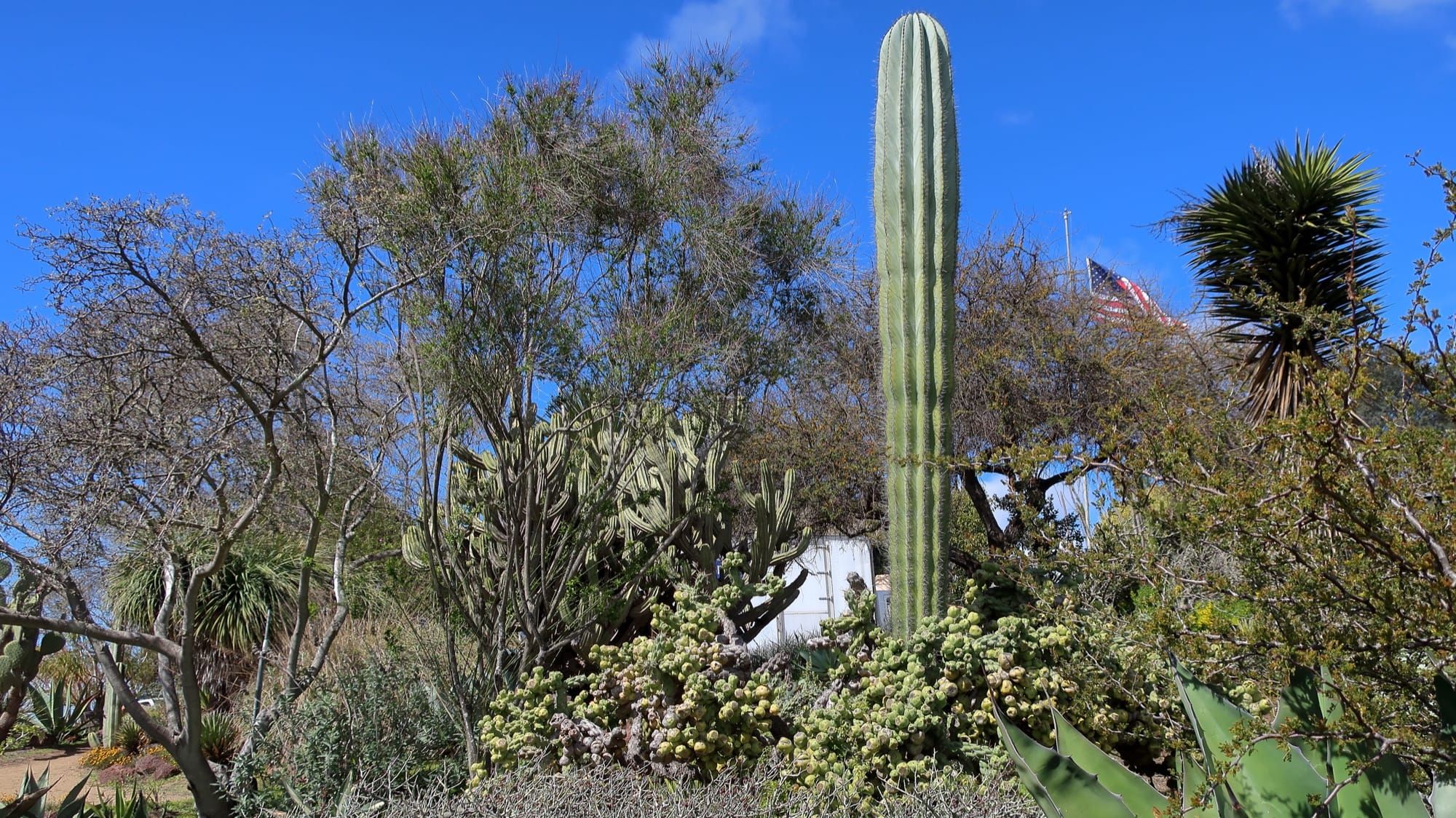
Phoenix has a secret that surprises transplants: it sits in the lushest desert on Earth. The Sonoran gets two rainy seasons — winter storms and summer monsoons — which is why it grows actual trees, giant cacti, and spring wildflower shows instead of bare sand. Xeriscaping in Phoenix isn't about giving things up. It's about trading a heat-stressed, thirsty lawn for the landscape that already knows how to live here.
Phoenix growing conditions
- Hardiness zone: 9b to 10a — freezes are rare and brief, but summer is the real test, with 110°F+ air temperature and far hotter soil and wall surfaces.
- Two planting seasons. Fall (October–November) is prime time; spring works for heat-lovers. Summer planting is a rescue mission — avoid it.
- Caliche hardpan lurks under much of the Valley. If a test hole won't drain, break through the caliche layer or choose a different spot.
- Reflected heat is the killer. South- and west-facing walls, pool decks, and gravel expanses roast plants that would be fine ten feet away (choose those spots from this list).
The Sonoran plant palette
The Arizona Municipal Water Users Association (AMWUA) publishes excellent low-water plant guides for the Valley — the short version:
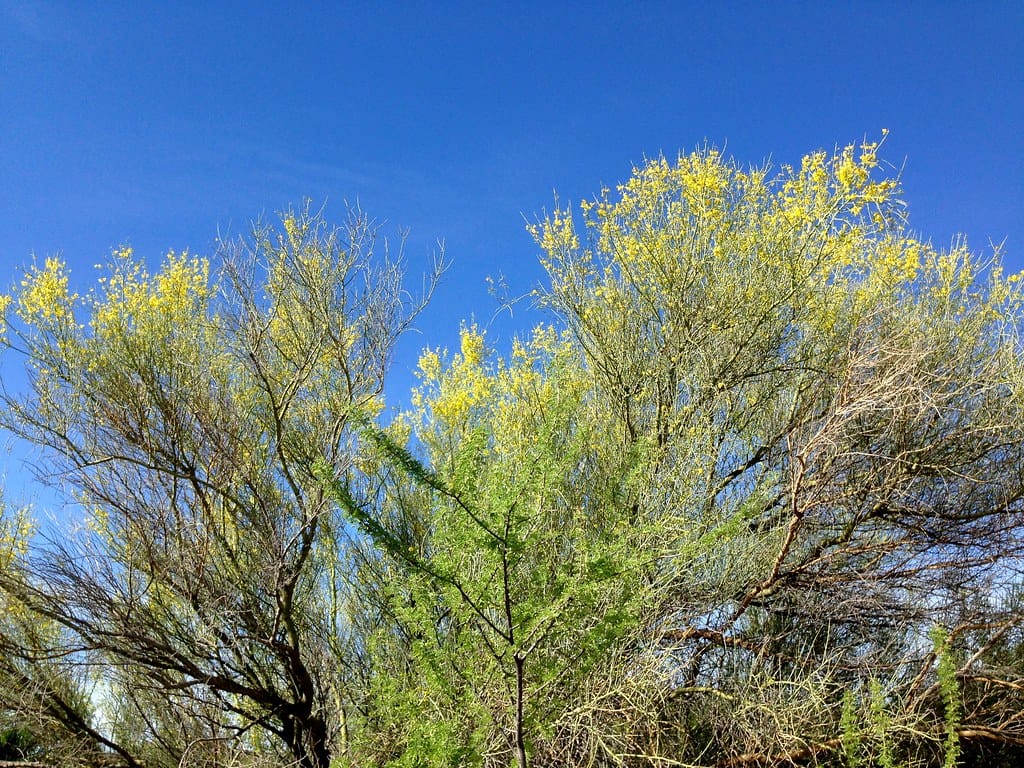
Trees: palo verde (the region's signature — 'Desert Museum' is thornless and spectacular), ironwood, desert willow, and mesquite (water deeply so roots anchor).
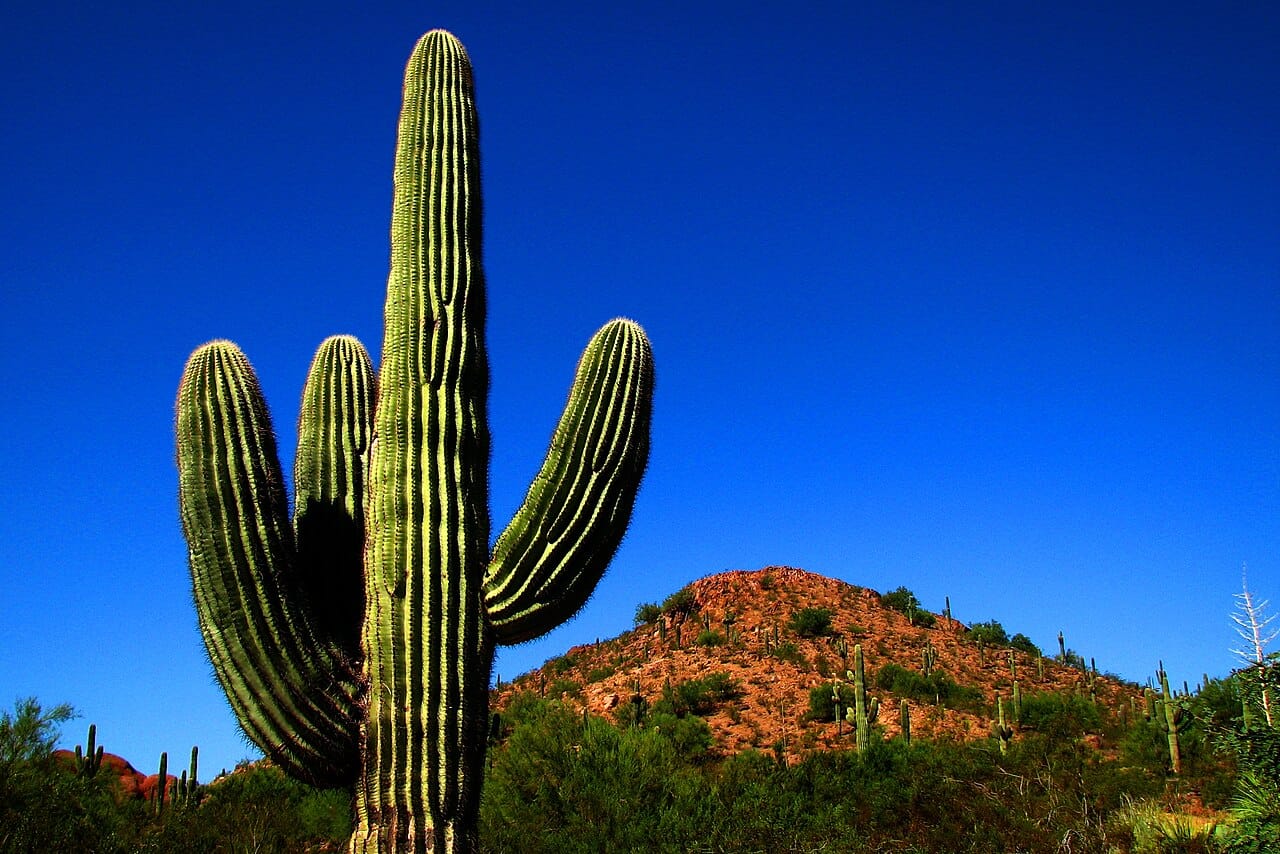
Structure: saguaro if you have the budget and patience, golden barrel cactus, agave (americana, parryi, 'Blue Glow'), ocotillo, red yucca, and totem-pole cacti for architectural lines.
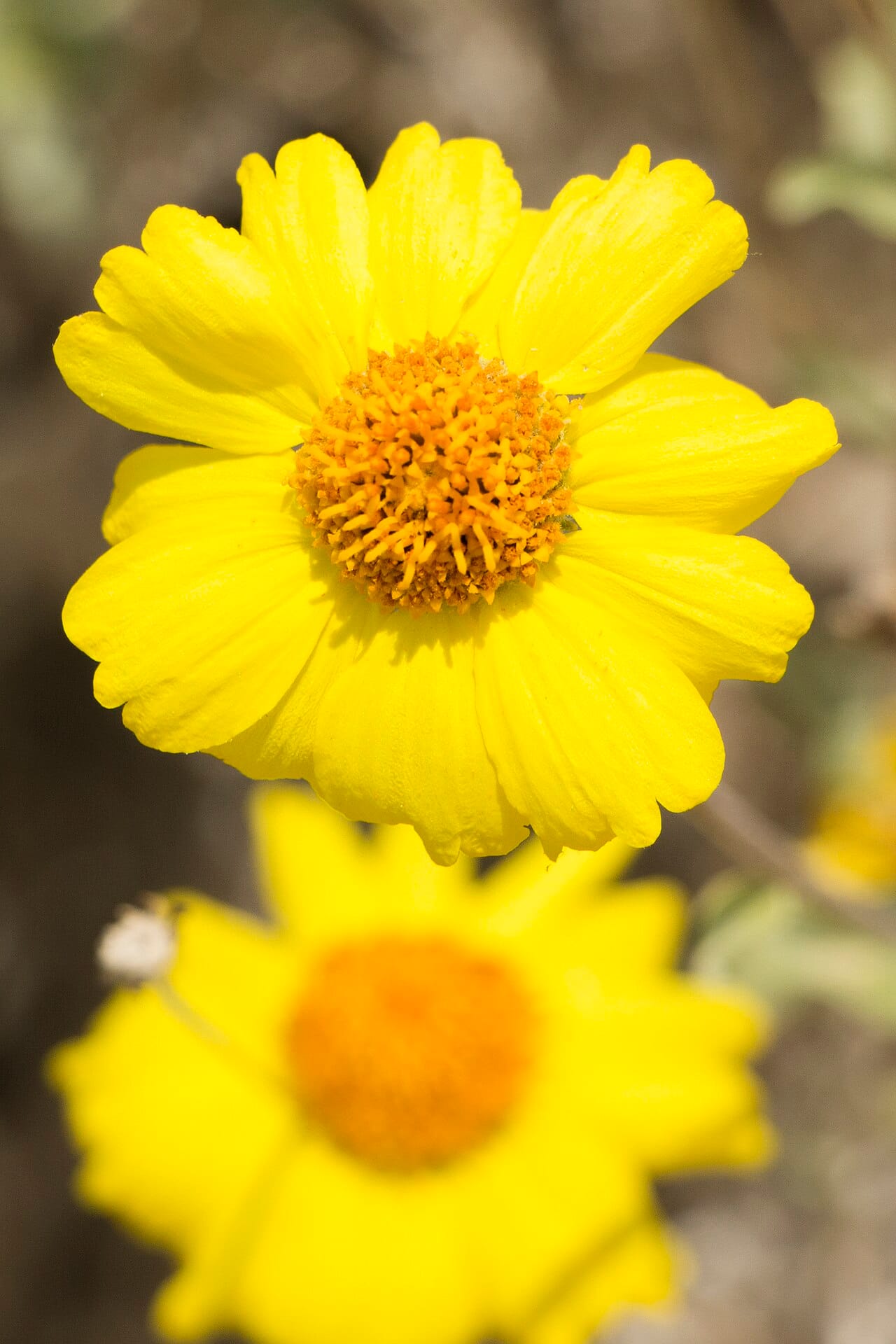
Color: brittlebush, globe mallow, Parry's penstemon, desert marigold, chuparosa (hummingbird magnet), autumn sage, and lantana for relentless summer bloom.
Groundcovers: trailing dalea, damianita, and blackfoot daisy soften gravel and keep soil cooler.
Rebates: check your city, not just "Phoenix"
Water is managed city by city across the Valley, and several municipalities — Mesa, Chandler, Glendale, Scottsdale, Tempe, and others — have run grass-to-xeriscape conversion rebates at various times. Programs, rates, and rules change, so confirm current offerings with your own city's water conservation office before touching the lawn, and browse AMWUA's site for the regional roundup. The universal pattern applies here as everywhere: apply and get approved before you remove any grass, and expect requirements for living plant coverage rather than wall-to-wall gravel.
Even without a rebate, the math is friendly — summer irrigation dominates Phoenix water bills, and conversions pay back faster here than in milder cities (the cost breakdown is here).
Design notes: desert-adapted, not desert-empty
- Shade first, plants second. A palo verde or ironwood sited to shade west windows and the patio changes how your whole yard (and house) performs in July. Canopy is the single highest-value element in a Phoenix landscape.
- Plant the desert lush. The classic Phoenix mistake is a moonscape of gravel with three cacti — hotter, uglier, and worse for resale than a layered Sonoran planting (that's zeroscaping, not xeriscaping).
- Light-colored decomposed granite runs cooler than dark rock and reads native. Leave rock mulch out of root zones of shallow-rooted succulents in full west sun.
- Drip is non-negotiable. Deep, infrequent soaks grow the anchored roots that survive August (installation guide).
- For layout ideas that fit the region, see our desert landscaping ideas.
Getting started
- Map sun, shade, and reflected-heat zones — Phoenix design lives and dies here.
- Call your city's water conservation office about current rebate programs and get pre-approved if one exists.
- Work the 10 Steps to Xeriscaping: remove turf, check drainage (caliche!), install drip, plant in fall.
- Water to establish through the first summer, then taper to deep, infrequent soaks.
The Sonoran is the desert that blooms. Plant palo verde, brittlebush, and globe mallow, and your yard will too — on a fraction of the water your lawn drinks now.