
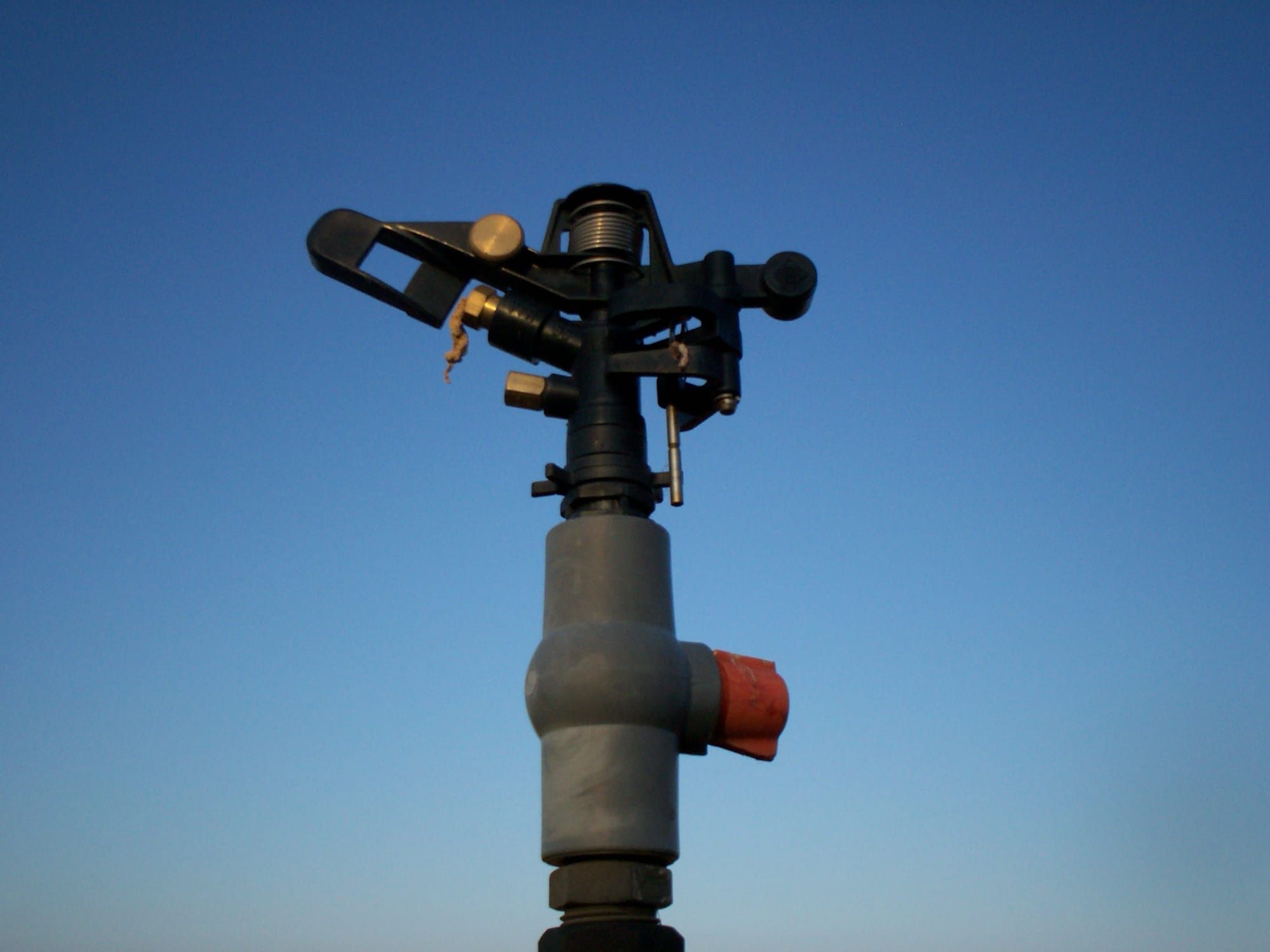
If you already have a sprinkler system, the cheapest irrigation upgrade you'll ever make is learning to convert sprinkler to drip. The expensive parts — valves, buried pipe, a controller — are already in your yard. Retrofit kits screw onto an existing sprinkler head's riser and turn a spray zone into a drip zone in an afternoon, cutting landscape water use dramatically while putting every drop at the roots where it belongs.
Why convert instead of rip out
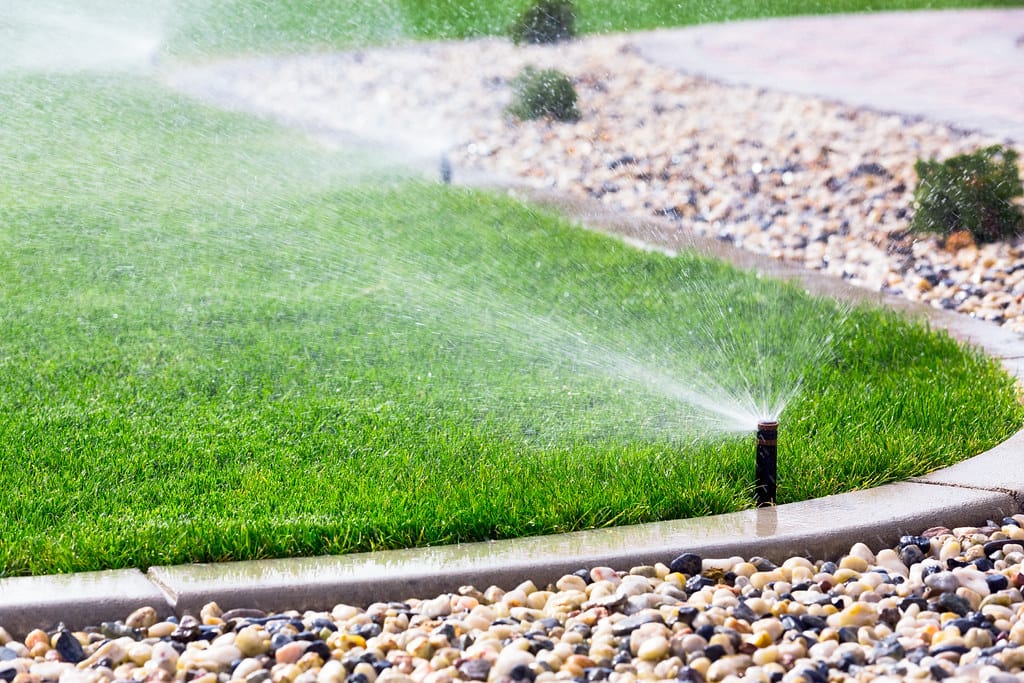
Spray heads are built for lawns: broad, shallow, fast. Xeriscape beds want the opposite — slow, deep, targeted. Converting gets you:
- 30–50%+ less water to keep the same plants healthier (no more evaporation and overspray on the fence).
- Fewer weeds, because you stop irrigating the bare mulch between plants.
- Fewer fungal problems, because foliage stays dry.
- The plumbing you already paid for keeps doing the work.
If you're starting from bare dirt with no system at all, our drip irrigation install guide covers the from-scratch version.
What you'll need
- A drip retrofit kit (one per zone): pressure regulator (usually 25–30 PSI), filter, and a threaded adapter that fits a sprinkler riser.
- Caps or plugs for the sprinkler heads you're retiring.
- 1/2" poly distribution tubing, 1/4" micro-tubing, emitters (1 and 2 GPH cover most needs), stakes, and a punch tool.
- Optional but smart: a smart controller or at least a dedicated program for the new drip zone.
The conversion, step by step
1. Map your zones. Run each zone and note what it waters. Convert whole zones, not single heads — drip and spray need very different run times, so they can't share a zone happily. Beds and lawns on the same zone? Converting that zone is your excuse to finally separate them.
2. Pick the supply head. Choose one sprinkler head per zone — usually the highest or most central — to become the drip supply point.
3. Cap the rest. Unscrew each remaining head on the zone and install a threaded cap or plug on the riser. Don't just bury heads — they'll leak underground where you can't see it.
4. Install the retrofit kit. Remove the chosen head, screw the filter-plus-regulator assembly onto the riser, and connect your 1/2" poly tubing to the outlet. Hand-tight plus a nudge; overtightening cracks fittings.
5. Run the mainline. Snake 1/2" tubing through the bed, past every plant, and stake it down. Close the far end with a figure-8 clamp — after step 7.
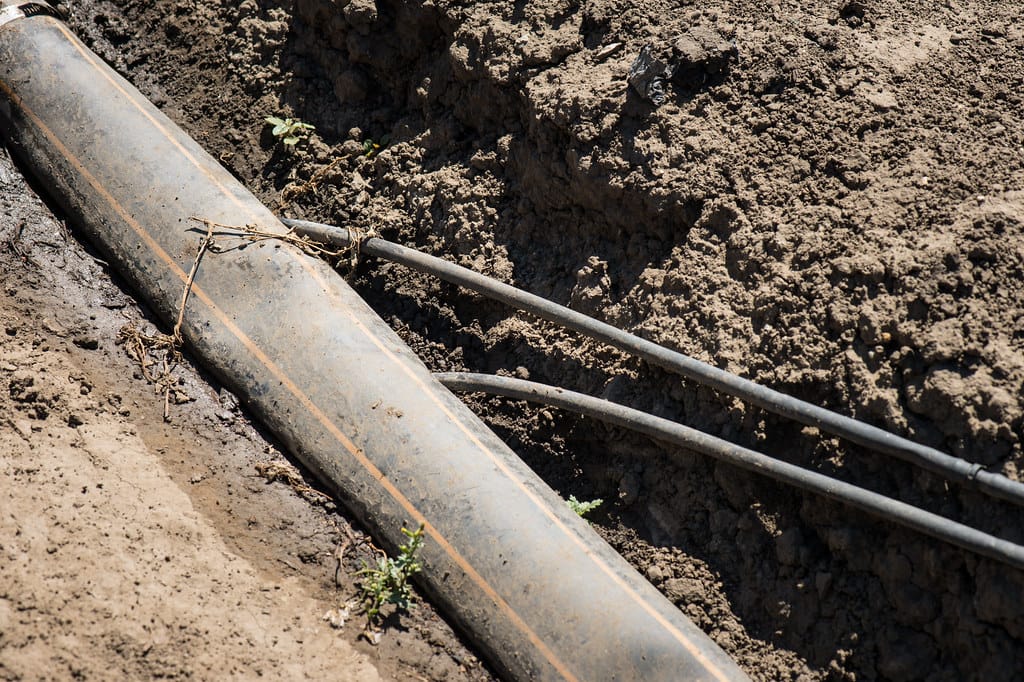
6. Punch in emitters. One 1-GPH emitter per small plant, two on opposite sides for shrubs, more in a ring for trees. Deliver water at the edge of the root ball, not against stems.
7. Flush, then close. Open the line end, run the zone until water flows clean, then close it up. Skipping the flush is how you clog half your emitters on day one.
8. Reprogram the controller. This is the step everyone botches: drip runs longer and less often than spray. Think 30–60 minutes once or twice a week for establishing plants, tapering toward much less as they mature — not 10 minutes daily. Deep and infrequent is the whole philosophy.
9. Check it monthly. Walk the lines while the zone runs: look for geysers (popped emitters), dry plants, and soggy spots. Overwatering kills more xeriscapes than drought does.
Mistakes to avoid
- Skipping the pressure regulator. House pressure blows drip fittings apart — that's the geyser you'll find in July.
- Skipping the filter, then blaming the emitters.
- Mixing drip and sprays on one zone — one of them will always be wrong.
- Burying poly tubing in soil. Run it under the mulch, on the soil surface, where you can find and fix it.
- Set-and-forget scheduling. Seasonal adjustment is where the real savings live — a smart controller earns its price, and some utilities have offered rebates on them (check yours; rebate basics here).
One zone, one afternoon, one screwdriver — and your old lawn plumbing becomes the efficient heart of a low-maintenance landscape.