
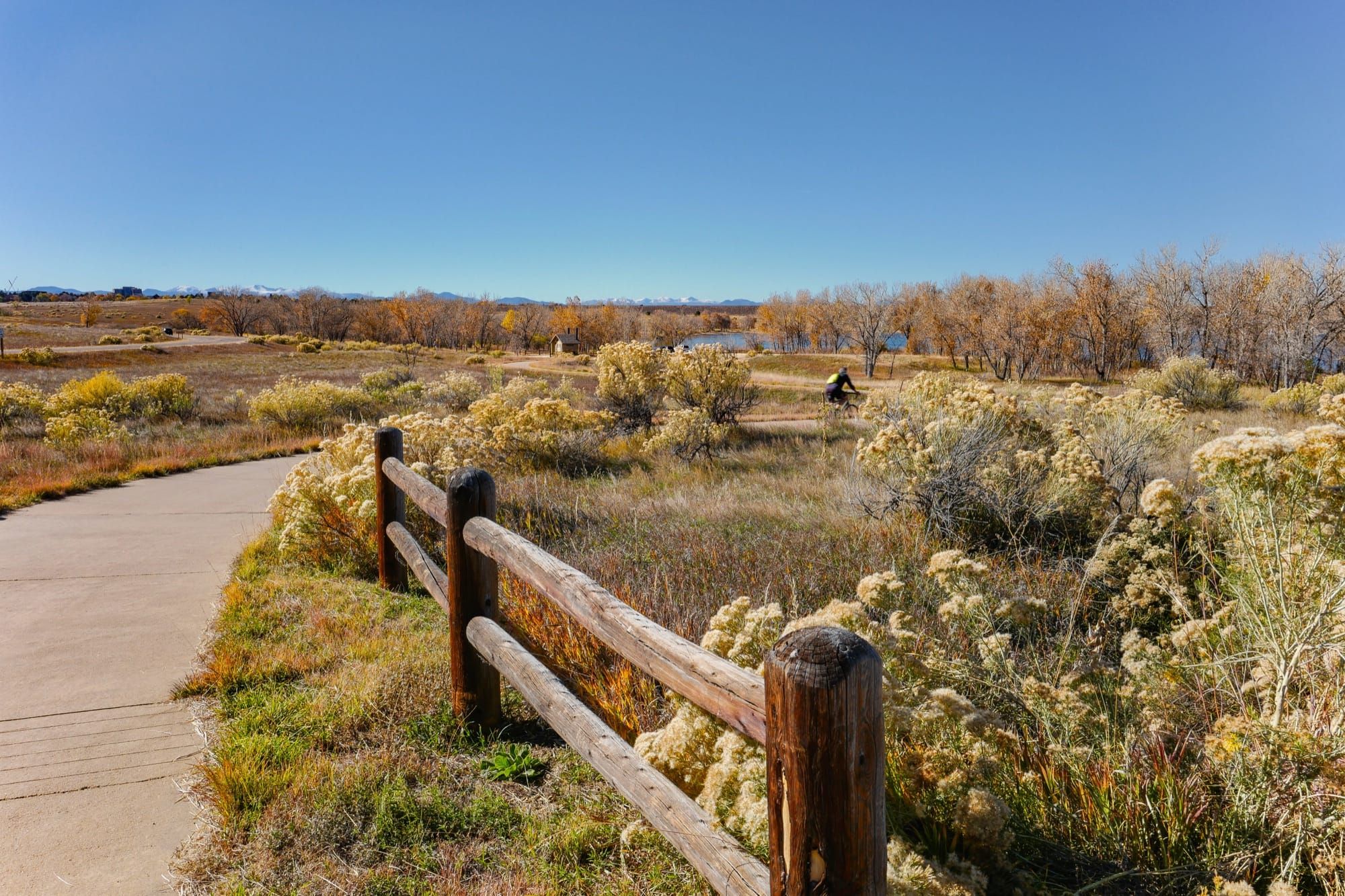
Colorado doesn't just tolerate lawn removal — it funds it at the state level. Since the legislature created a statewide turf replacement program in 2022, money has flowed through the Colorado Water Conservation Board to dozens of local utilities and nonprofits, stacking on top of city programs that in some cases have run for decades. If you own a Colorado lawn, someone probably wants to pay you to shrink it. Here's how the pieces fit together.
The three layers of Colorado turf money
1. The statewide program. Colorado's turf replacement fund (created by HB22-1151) distributes money to participating local governments, utilities, and nonprofits, which run the actual buyback programs. You don't apply to the state — you apply through whoever serves your address.
2. Your water utility. Most Front Range providers now run their own turf-replacement rebates — Denver Water, Aurora Water, Colorado Springs Utilities, Fort Collins Utilities, Greeley, Castle Rock, Westminster, Broomfield, and many more, with per-square-foot payments and annual caps that vary by city and funding year. Rates change — confirm your utility's current program before planning.
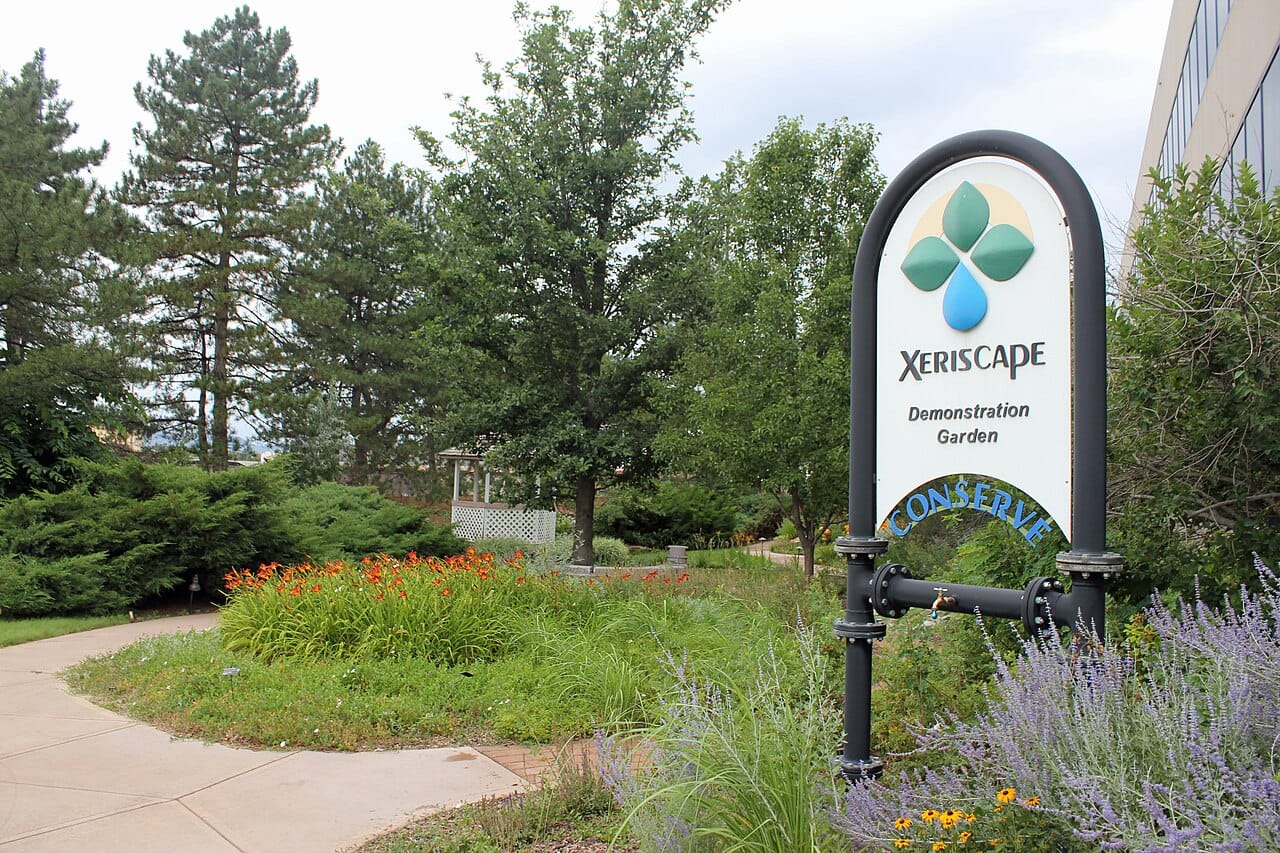
3. Resource Central. The Boulder-based nonprofit is Colorado's turf-replacement workhorse: its Lawn Removal Service physically strips the sod (often discounted through utility partnerships), and Garden In A Box kits deliver pre-designed, professionally planned waterwise gardens at bargain prices. Many utilities subsidize both.
The rules almost every program shares
Programs differ in dollars but rhyme in requirements (national overview here):
- Apply before you remove anything. Pre-approval with photos of living, irrigated lawn is nearly universal. Dead or already-removed turf gets nothing.
- A landscape plan is usually required — living plant coverage minimums, mulch, and drip or efficient irrigation, not blank gravel.
- Artificial turf almost never qualifies, and several Colorado programs explicitly exclude it.
- Caps apply — typically a maximum square footage or dollar amount per property per year.
- Inspection follows — most programs verify the conversion before paying.
Is it worth the paperwork?
Usually, yes. Rebates commonly cover a meaningful slice of a DIY conversion — and Garden In A Box-style subsidies compress the design cost that intimidates most homeowners. The bigger prize is permanent: a bluegrass lawn on the Front Range drinks far more than any xeriscape, and the water-bill savings continue every summer after the rebate check clears. Run your own numbers with our xeriscaping cost guide and the lawn vs. xeriscape comparison.
How to actually collect
- Find your program. Search "[your city] turf replacement rebate," check your water utility's conservation page, and look at Resource Central's service area.
- Photograph your living lawn and submit the pre-approval application, including the area measurement and (if required) a simple planting plan.
- Wait for approval. Seriously — removals before the approval date are the #1 way Coloradans forfeit rebates.
- Remove the turf (methods compared) and build the new landscape to program specs: plants, mulch, drip.
- Schedule the inspection, submit receipts, and collect.
What to plant instead
That's the fun part, and we've covered it deeply: start with the Denver-area plant guide (it applies across the Front Range), browse drought-tolerant perennials, and consider a buffalograss or blue grama lawn where you still want something mowable and green.
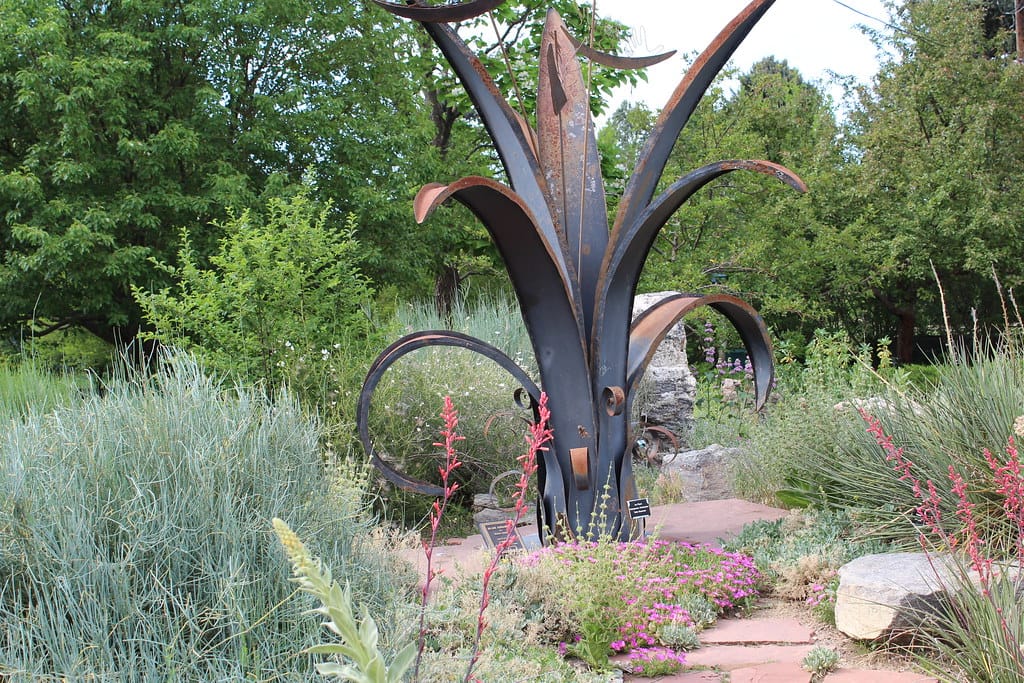
Colorado decided that paying people to remove bluegrass is cheaper than finding new water. That's a rare alignment of your interests and the state's — take advantage of it while the funding lasts.