Xeriscaping in Denver means building a yard for 14.5 inches of annual precipitation, USDA Zone 6a (5b in the foothills and southern suburbs), and clay soil, using plants that look like the Front Range. Denver Water coined the word "xeriscape" in 1981, and in 2026 the case for it is stronger than ever. Denver Water declared a Stage 1 drought in March and ended all lawn watering after September 30, 2026. Most 2026 turf rebates are fully claimed, but Aurora's $3-per-square-foot program reopens November 1, and fall is the right time to plan a spring conversion.
Denver growing conditions
| Factor | Denver | Source |
|---|---|---|
| USDA hardiness zone (2023 map) | 6a in the city and most of the metro; 5b in Golden, west Littleton, Parker and Castle Rock | USDA |
| Annual precipitation | 14.48 inches (Denver International Airport) | NOAA 1991–2020 normals |
| Median last spring frost | May 5 | NOAA |
| Median first fall frost | October 9 | NOAA |
| Soils | Heavy clay across much of the metro, alkaline | CSU Extension |
A few local realities shape every good Denver xeriscape:
- Clay soil. CSU Extension notes that on clayey soils, amendments "can improve the soil aggregation, increase porosity and permeability, and improve aeration, drainage, and rooting depth." Amend planting holes moderately. Most xeric plants prefer lean soil, and too much compost makes them flop.
- Wild temperature swings. Sixty degrees in January followed by a hard freeze is normal. Choose plants rated to zone 5 for exposed spots even though the city is 6a.
- Hail. Fine-textured and strap-leaved plants (grasses, penstemon, yucca) recover from hail better than big-leaved ornamentals.
- Sun at altitude. South- and west-facing beds against brick or concrete bake. Save the toughest plants for those spots.
Check your exact address with our Denver zone lookup. New to zones? Start with the hardiness zone guide.
The best xeriscape plants for Denver
These plants have proven themselves on the Front Range. Many are Plant Select introductions developed for Colorado conditions.
Perennials: catmint, penstemon (Rocky Mountain penstemon is a native), yarrow, agastache, chocolate flower, blanket flower, evening primrose and salvia 'May Night'. All bloom heavily on little water once established.
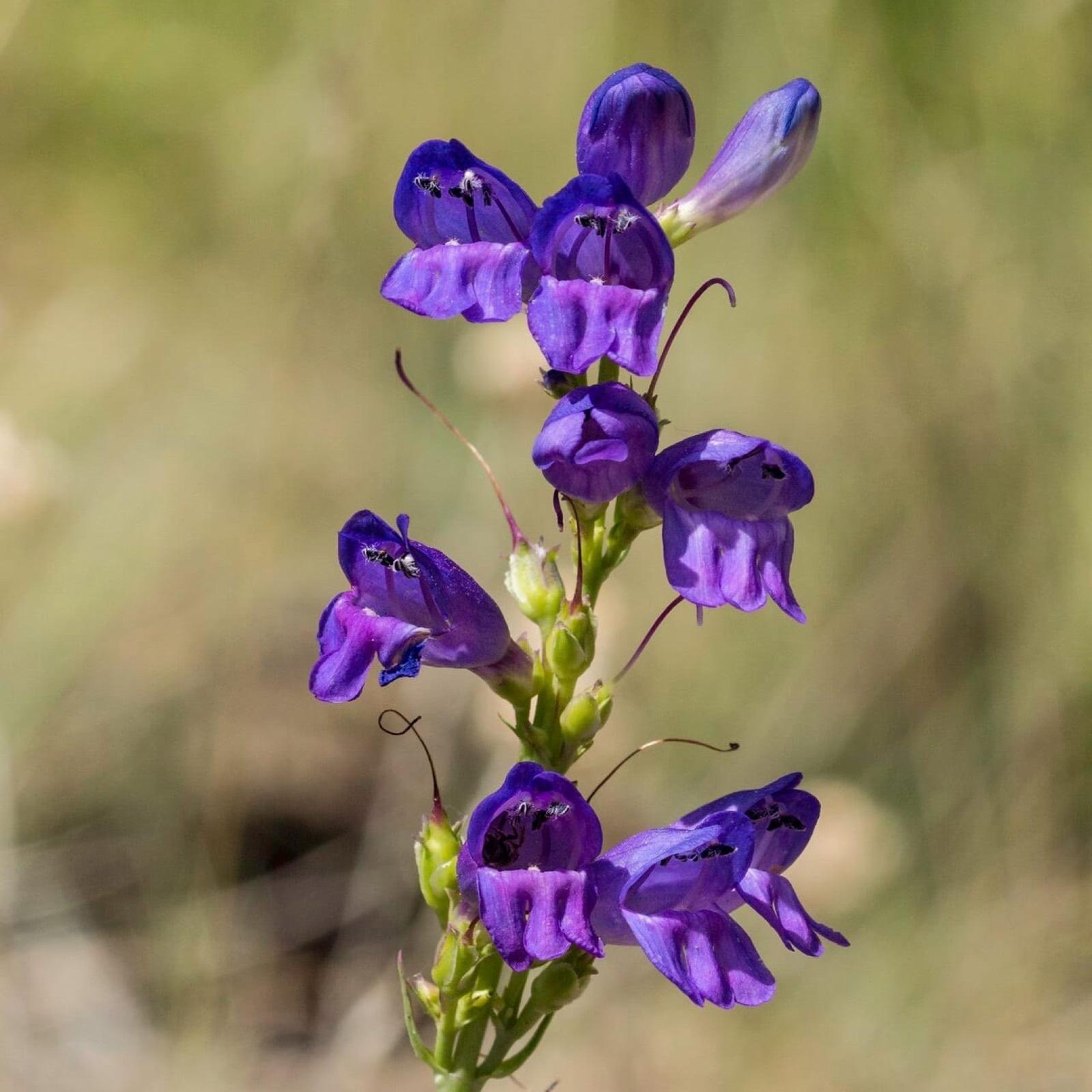
Grasses: blue grama (Colorado's state grass and a mowable lawn alternative), little bluestem for copper fall color, and switchgrass for height and winter structure.
Shrubs: rabbitbrush for gold fall bloom, Apache plume, fernbush, 'Panchito' manzanita as an evergreen groundcover, and three-leaf sumac.
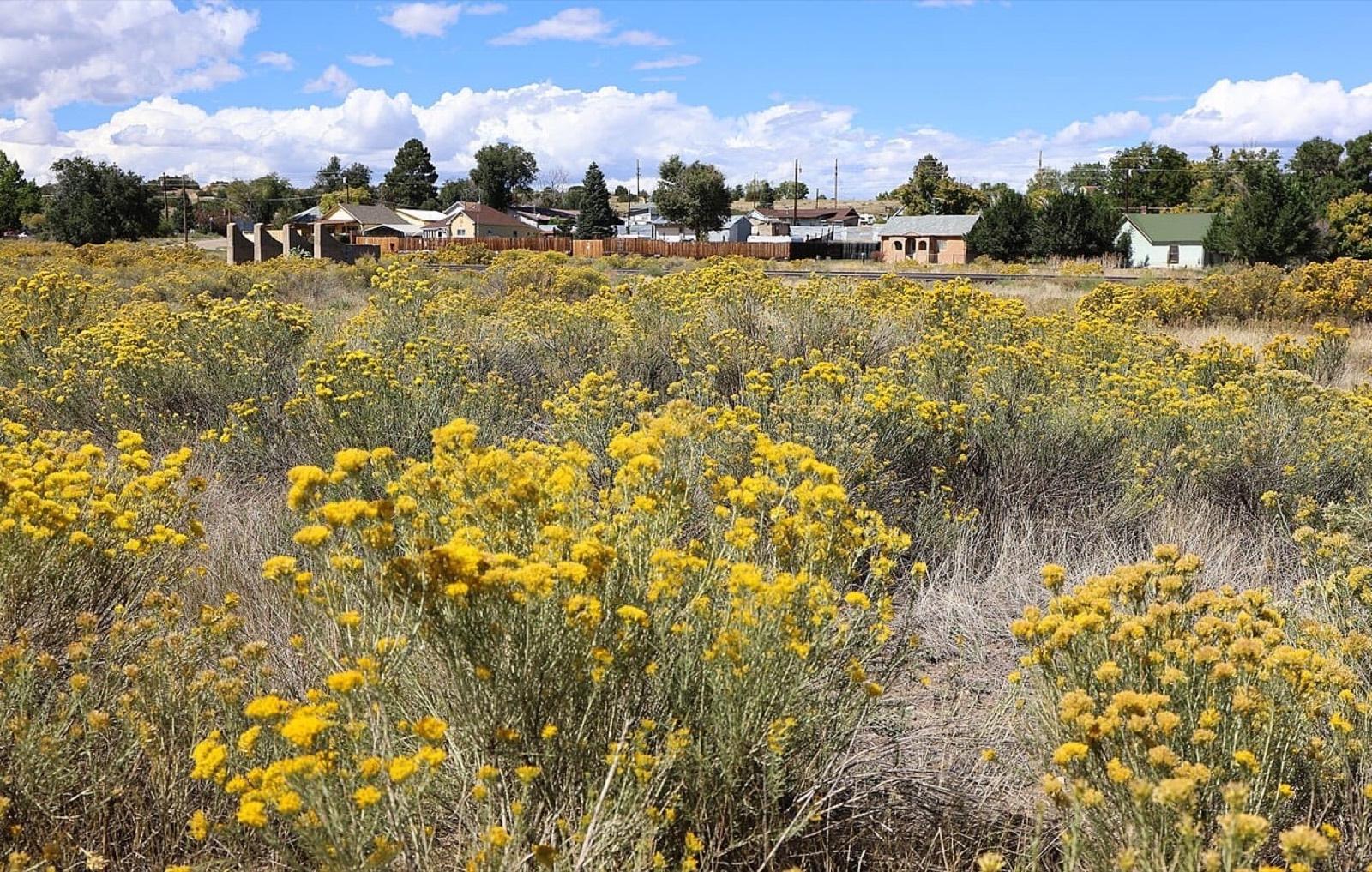
Trees: hackberry, bur oak and pinyon pine all hold up well in Denver's dry conditions. More options are in low-water trees.
Groundcovers: ice plant, creeping veronica and sulphur buckwheat fill gaps and crowd out weeds.
For deeper lists by zone, see xeriscape plants for zone 5 and zone 6.
Denver-area rebates (as of September 2026)
Front Range turf money went fast in 2026. Here's where each metro Denver program stands.
| Program | Amount | Cap | Key requirement | Link |
|---|---|---|---|---|
| Denver Water turfgrass removal (via Resource Central) | Up to $750 off removal | $750 | Resource Central approval first | Closed for 2026 |
| Denver Water sprinkler nozzles | Up to $3 per high-efficiency nozzle | 10–100 nozzles | Apply within 90 days of purchase | Denver Water outdoor rebates |
| Aurora Water GRIP | $3/sq ft (water-wise landscape); $0.50/sq ft (native grass) | No per-property cap published | Living irrigated lawn; 50% plant cover; approval first | Next window Nov 1, 2026 |
| Castle Rock Water | $3.25/sq ft | 1,500 sq ft | Min 400 sq ft or entire front yard; no artificial turf | Castle Rock rebates |
| Resource Central Lawn Replacement | Discount set by your provider | Varies | Min 200 sq ft; 50% waterwise plants | Full for 2026 |
Do not remove any grass before you have written approval. Every program above requires pre-approval, and Aurora says plainly that rebates "are not retroactive." Thornton, Highlands Ranch, Erie, Broomfield and Fort Collins programs are covered in our Colorado lawn rebate guide.
Denver watering rules in 2026
Denver Water declared a Stage 1 drought on March 25, 2026. Under Stage 1, outdoor watering is limited to two assigned days a week, and only before 10 a.m. or after 6 p.m. Even-numbered addresses water Sunday and Thursday, and odd-numbered addresses water Wednesday and Saturday. In August the board went further: "Lawn watering and all spray irrigation must stop after Sept. 30, 2026," while "trees, plants and gardens may be watered any day by hand." Fines start at $250 for a second violation (Denver Water).
In normal years, Denver Water's summer rules run May 1 to October 1 and prohibit lawn watering between 10 a.m. and 6 p.m. A drip-irrigated xeriscape handles either regime easily. For how to get plants through this winter, see winterizing a xeriscape.
HOA rules: Colorado protects xeriscape
Colorado law (C.R.S. 38-33.3-106.5) bars HOAs from prohibiting xeriscape or drought-tolerant landscaping. SB23-178, in effect since August 2023 for single-family detached homes, goes further. HOAs must offer at least three pre-approved water-wise garden designs, can't require hardscape on more than 20% of a landscape, and must allow an option of at least 80% drought-tolerant plantings (SB23-178). Your HOA can still review your plan and regulate plant placement, so submit it before you dig.
Design notes: the Front Range look
The best Denver xeriscapes look like Colorado, not Phoenix.
- Steppe, not desert. Drifts of grasses and flowering perennials with a few boulders read as native here. Save the agaves for one sunny corner.
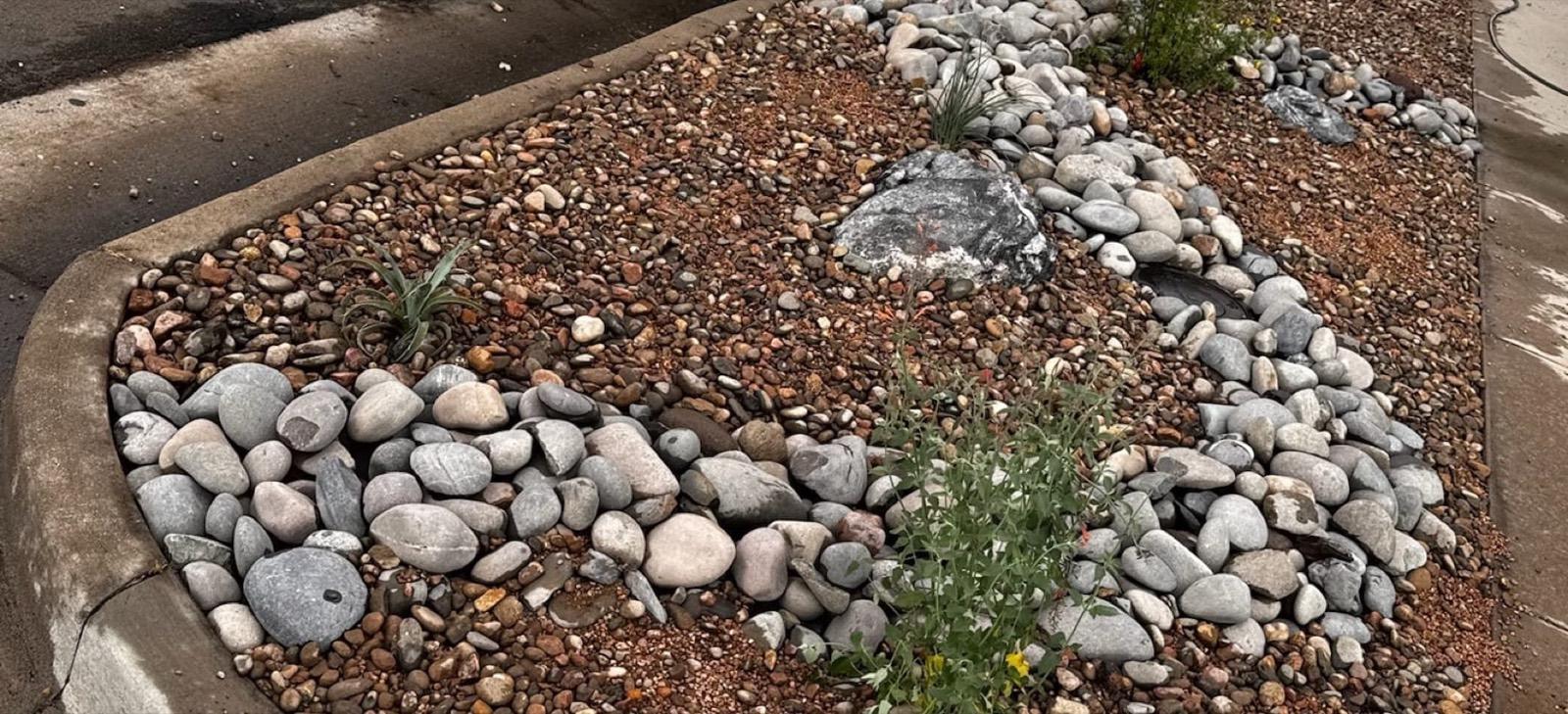
- Start with the hell strip. The baked strip between sidewalk and street is the classic first Denver project, and it's easy to get approved. See hell strip landscaping.
- Design for winter. Grasses, seed heads and evergreen structure keep the yard looking alive through brown months.
- Keep a little green if you want it. A patch of buffalograss or blue grama stays soft underfoot on a fraction of bluegrass's water. Compare options in xeriscape vs. lawn.
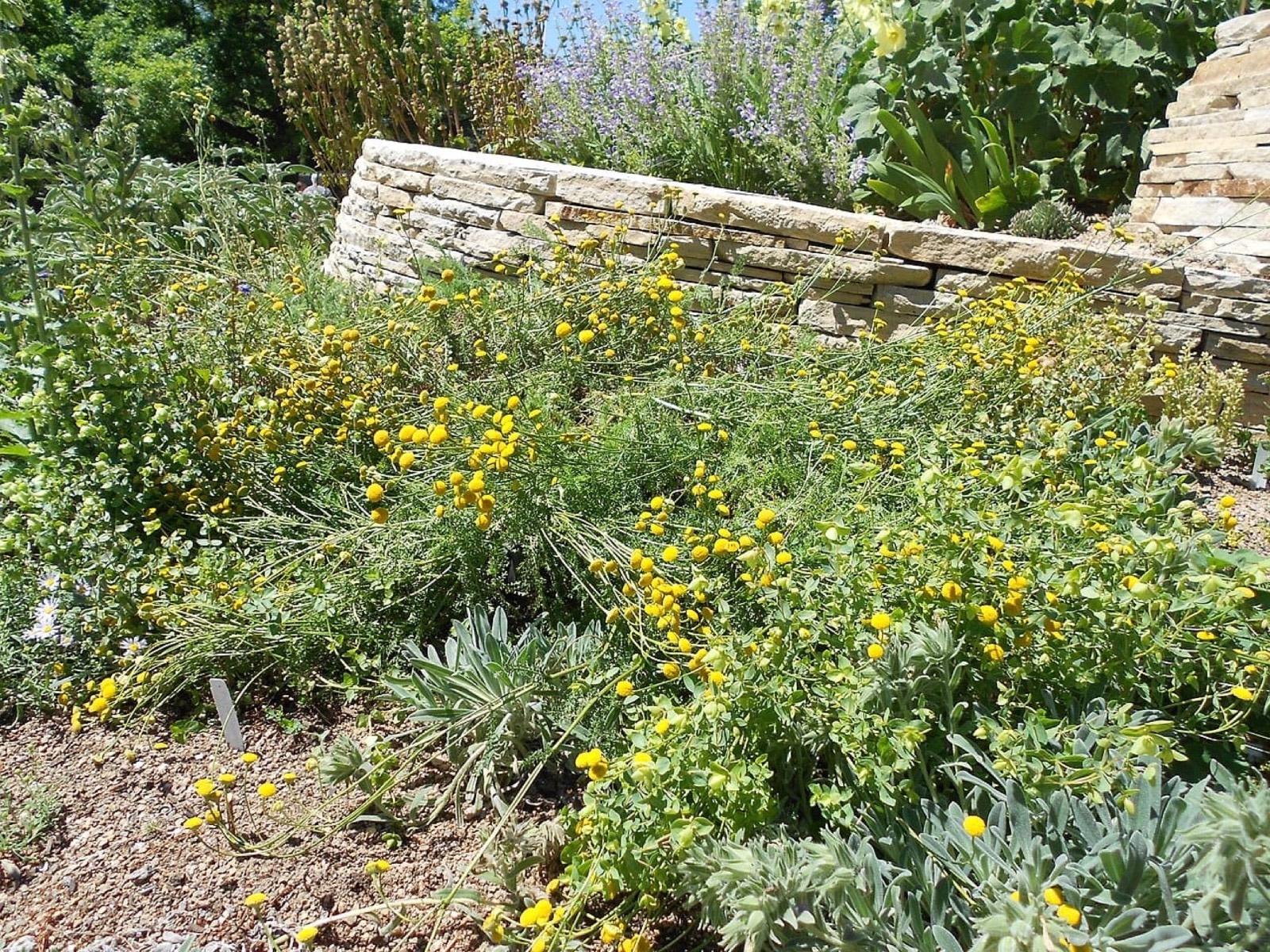
From our installs: On Front Range clay, the plants we see fail most often are the ones that were overwatered in their first summer, not underwatered. Water new plantings deeply every few days for the first month, then stretch the interval. By the second summer most of the plants above need little beyond natural rainfall and occasional deep soaks in July. Fall planting (September to mid-October) gives roots a head start before spring.
Hire it out
If you'd rather have a crew handle sod removal, grading and drip, browse the landscape pros listed for metro Denver. Ask each one whether they've built rebate-compliant projects, and get the design itemized so you can compare bids. The cost guide shows what a fair price looks like.
Elsewhere in Colorado, see our Colorado Springs and Fort Collins guides.
Frequently asked questions
What planting zone is Denver?
Denver is Zone 6a on the 2023 USDA map. Foothill and southern suburbs such as Golden, Parker and Castle Rock are 5b. Because Denver's temperature swings are harsh, choose plants hardy to zone 5 for exposed sites.
Does Denver Water have a turf rebate in 2026?
Not anymore for 2026. Denver Water's discount of up to $750 off Resource Central lawn removal is fully allocated, and Resource Central's 2026 program is closed. Aurora Water customers can apply for $3/sq ft starting November 1, 2026. Watch Denver Water's program page for 2027.
Can I water my lawn in Denver this fall?
No. Denver Water ended lawn watering and all spray irrigation after September 30, 2026, because of drought. Trees, plants and gardens may still be hand-watered.
When should I plant a xeriscape in Denver?
Early fall (September to mid-October) and spring after the median last frost around May 5 are best. Fall planting lets roots establish before summer heat.
Can my HOA stop me from xeriscaping in Denver?
No. Colorado law prohibits HOAs from banning xeriscape, and SB23-178 requires them to offer pre-approved water-wise designs for single-family homes. They can still review and approve your specific plan.