
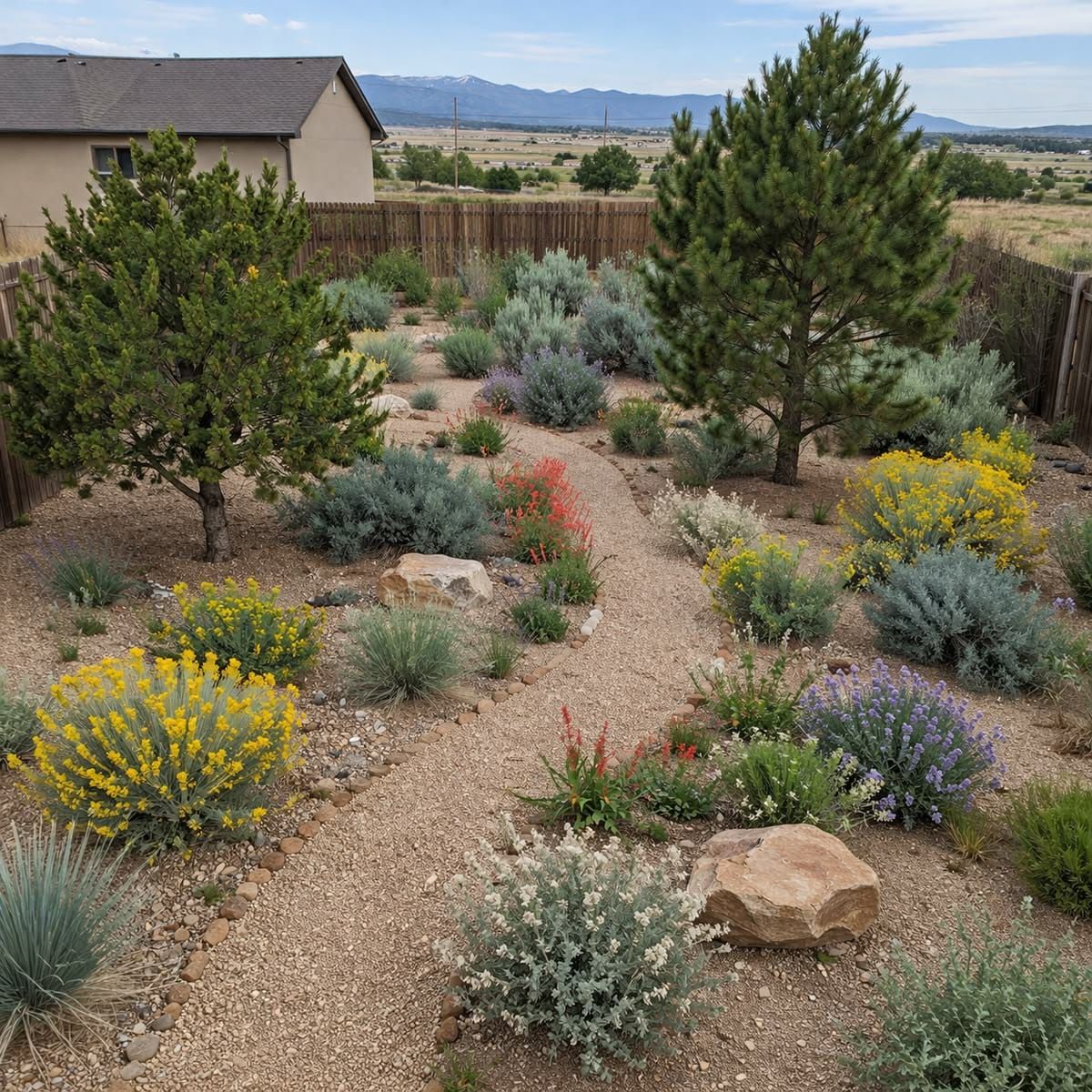
No American city has pushed lawn removal harder than Las Vegas — and no city pays you better to do it. With about 4 inches of rain a year, Colorado River supplies shrinking, and state law now phasing out "nonfunctional" grass, the question in Southern Nevada isn't whether to xeriscape. It's how to do it beautifully. Here's the local playbook.
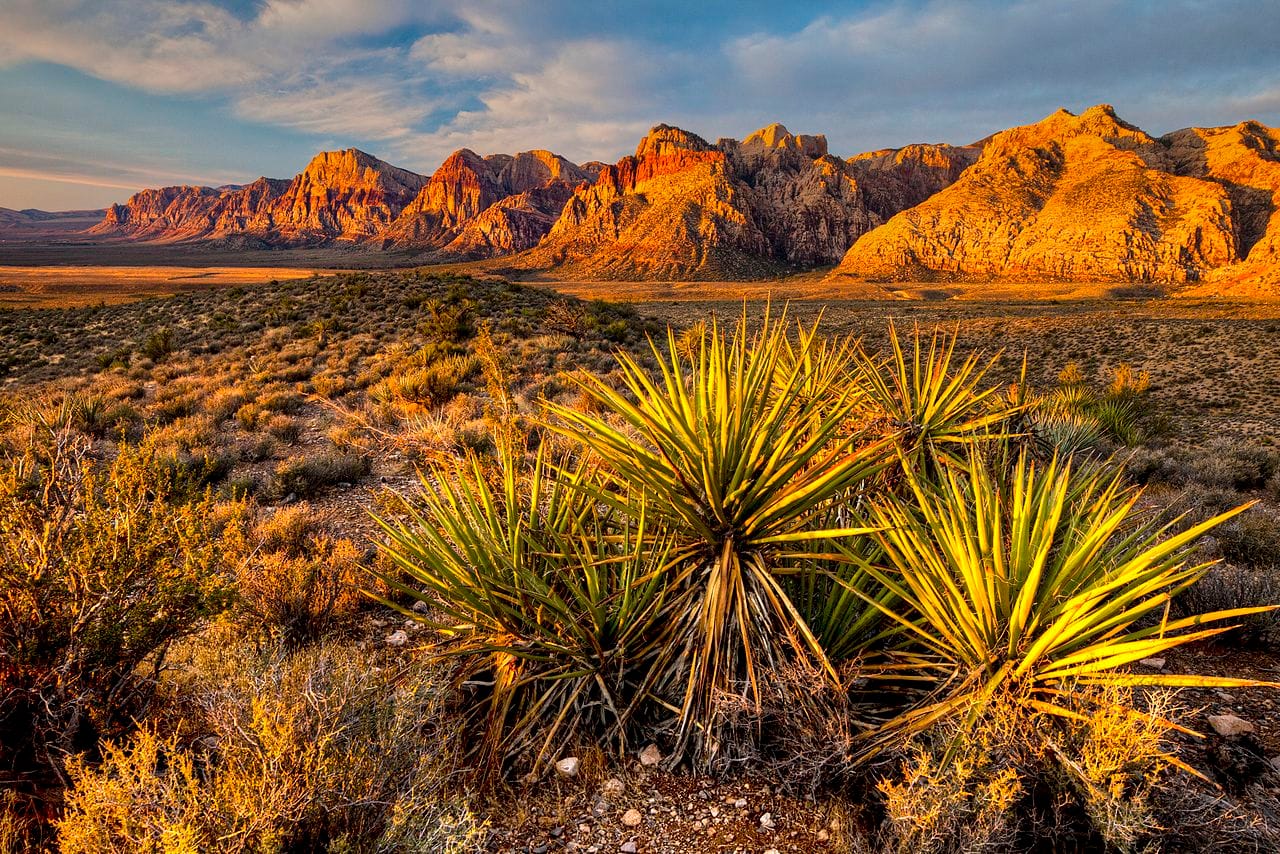
The rebate: America's most famous turf buyback
The Southern Nevada Water Authority (SNWA) Water Smart Landscapes program has paid for the removal of hundreds of millions of square feet of grass since 1999. The essentials:
- You're paid per square foot of living lawn converted to desert landscaping — historically among the most generous rates in the country (recently in the ~$3/sq ft range for initial conversions; confirm current rates with SNWA before you plan).
- Apply and get approved BEFORE removing any grass — retroactive conversions don't qualify.
- Converted areas must meet coverage requirements for living plant canopy, and drip irrigation is expected.
- Nevada law (AB356) requires removal of most decorative-only turf in the Las Vegas Valley — meaning much of the remaining lawn is on a clock anyway. Get paid for it while the paying's good.
Between the rebate and water bills that climb steeply with use, a Vegas conversion often pays for itself faster than anywhere else in the country (the general cost math is here).
Vegas growing conditions
- Zone 9a–9b — winters barely freeze, summers exceed 110°F.
- Mojave alkaline soils — caliche hardpan is common; you may need to break through or plant above it.
- The real enemy is reflected heat — south and west exposures against block walls are furnace conditions (plant those spots accordingly).
The Mojave-smart plant palette
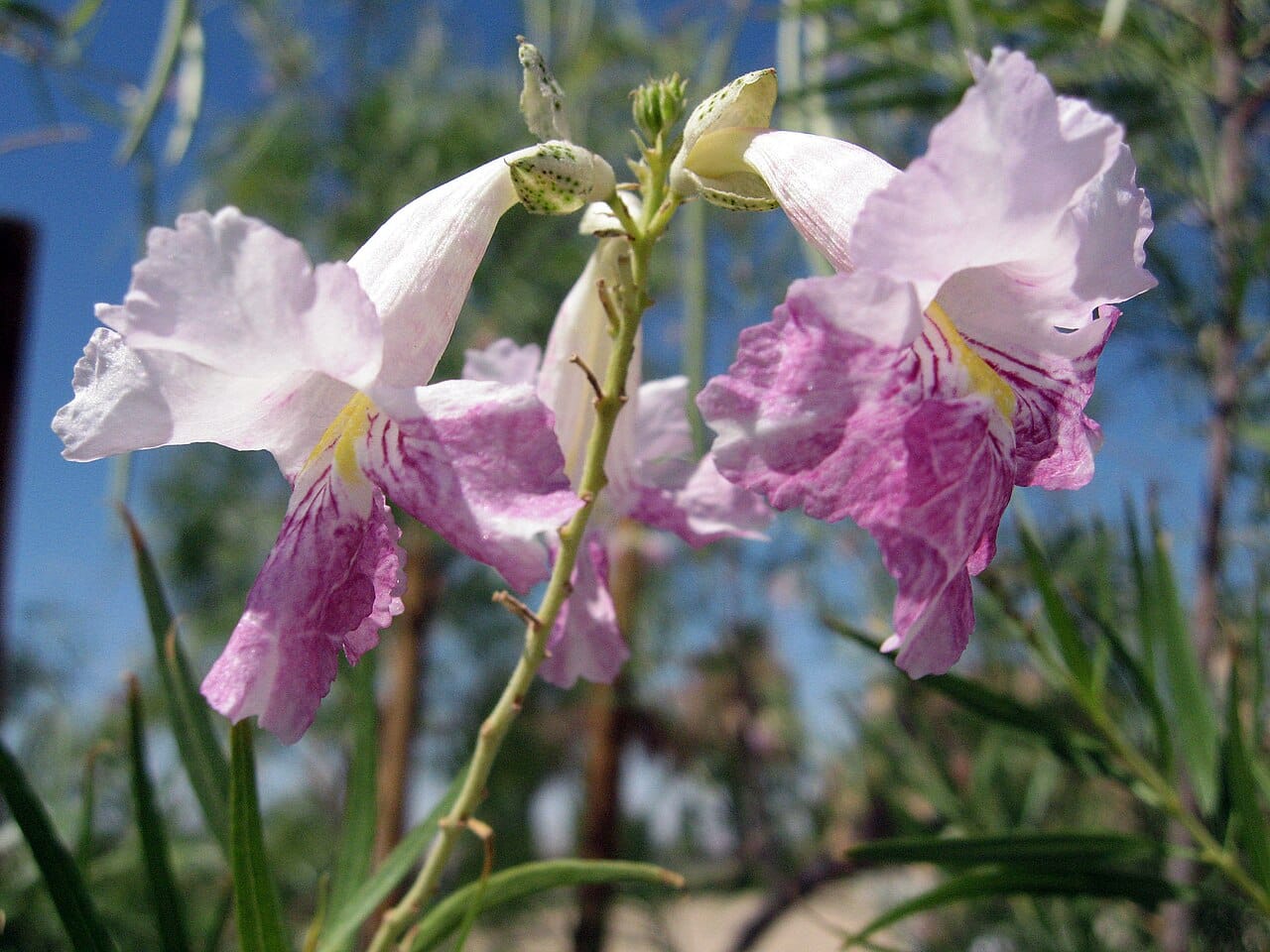
Trees: desert willow (pink summer bloom), palo verde varieties, mesquite (with deep watering to prevent shallow-root blowdowns), Texas ebony.
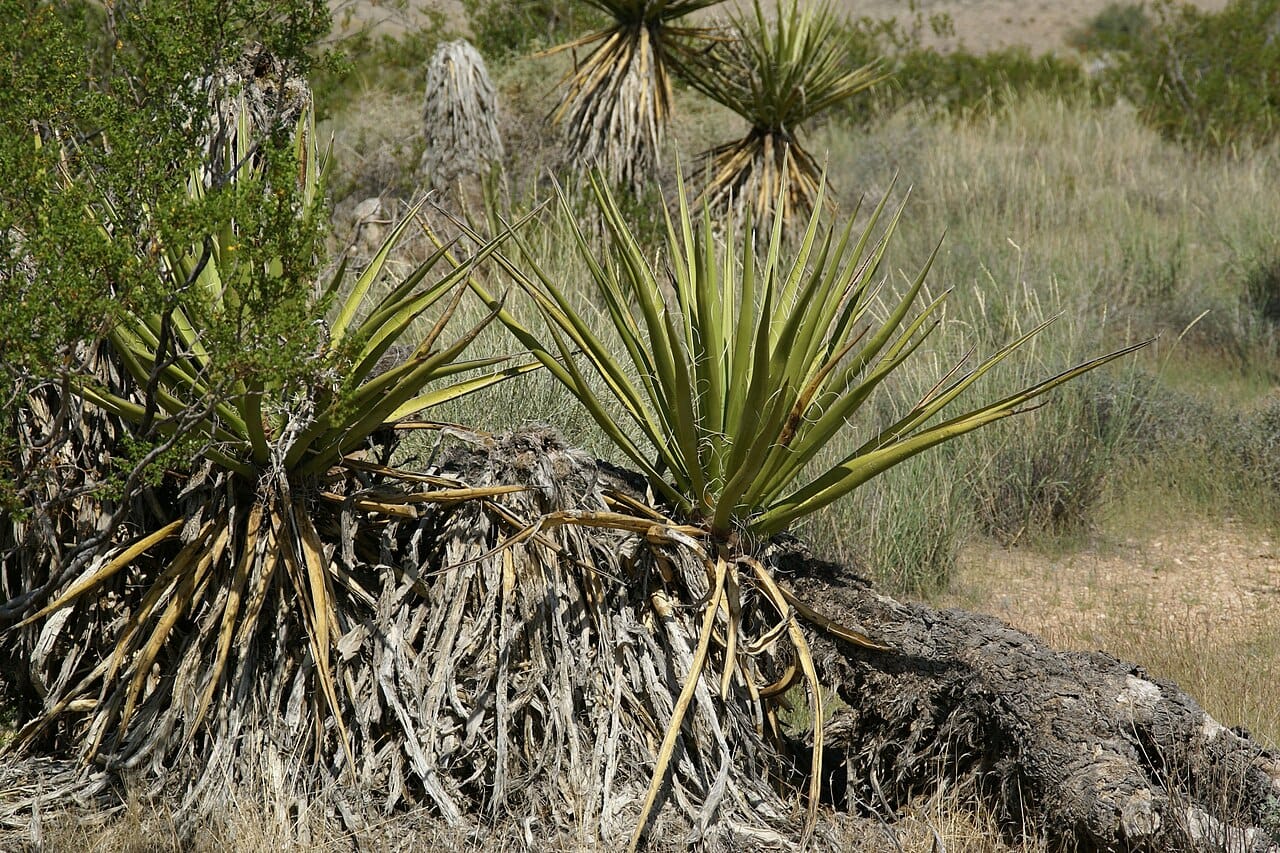
Structure: red yucca, agave (americana, parryi), yucca, ocotillo, golden barrel cactus — the sculptural desert icons that make the style.
Color: globe mallow (apricot spring bloom), penstemon (firecracker and Parry's), brittlebush, desert marigold, verbena, lantana (workhorse summer color), autumn sage (Salvia greggii) for hummingbirds.
Groundcovers: trailing rosemary, damianita, myoporum in the milder spots.
Design notes for the desert-done-right look
- Canopy first. Shade is life in the Mojave — site desert trees to shade windows, patios, and rooms first, plants second.
- Sculptural minimalism works here. Vegas is one place bold agave-and-gravel compositions look native rather than lazy — but keep the living coverage up for beauty, cooling, and rebate compliance (the difference from zeroscaping still matters).
- Choose light gravel, not dark. Dark rock absorbs brutal heat; buff and tan decomposed granite runs cooler and reads Mojave-native.
- Drip everything, water deep and rare. Established desert trees want monthly deep soaks, not weekly sips.
Getting started
- Photograph your living lawn and apply to SNWA first.
- Plan hydrozones and canopy using the 10 Steps.
- Remove turf (methods compared), install drip, plant in fall — Vegas fall planting beats spring by a mile.
- Mulch with light-colored rock, water to establish, then taper hard.
Las Vegas made "cash for grass" a national model. Take the money — and build something that finally looks like it belongs in the Mojave.