
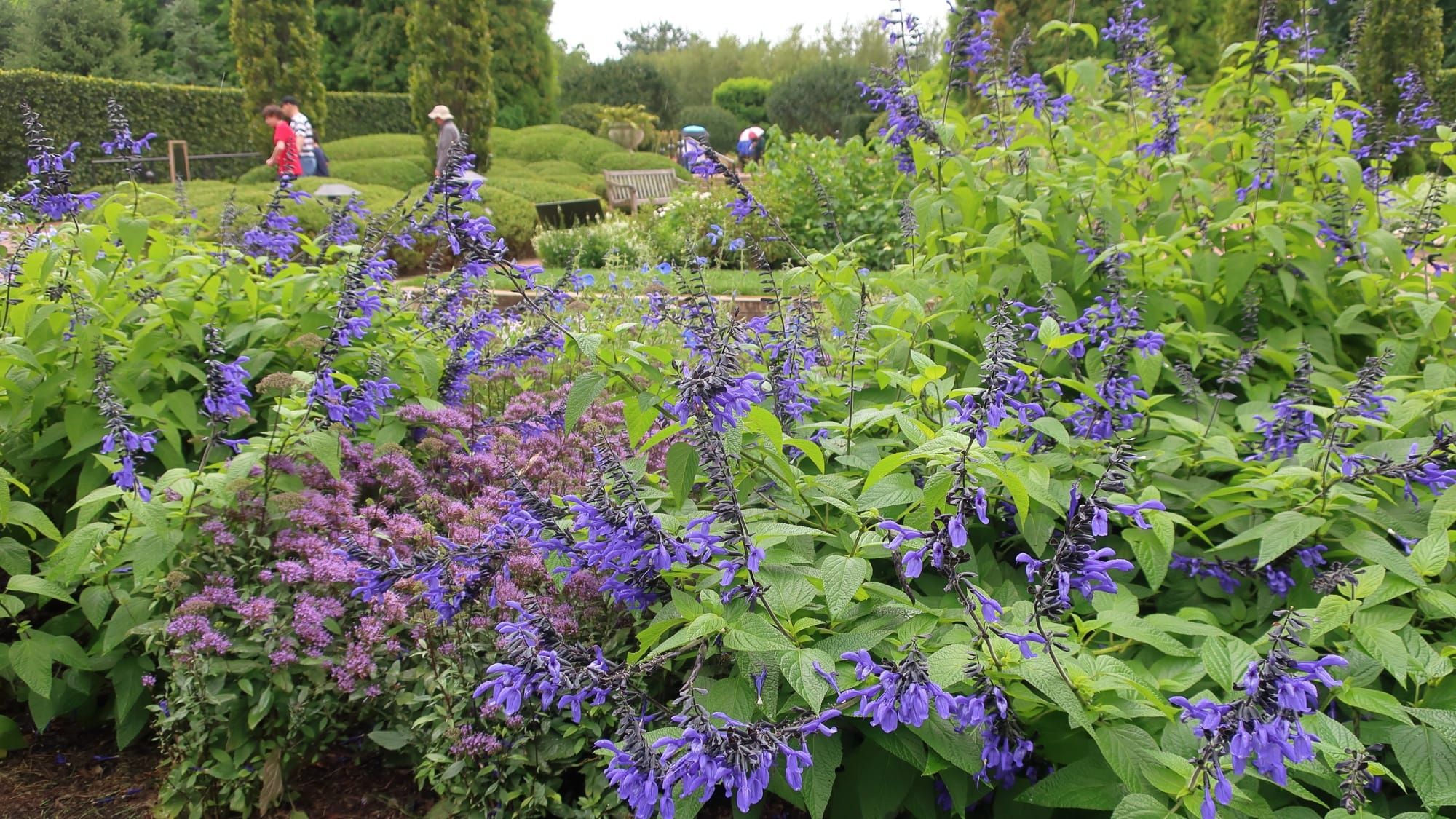
Zone 6 is the sweet spot of low-water gardening. Winters bottom out between −10 and 0°F — cold enough that palms and most agaves are out, mild enough that a huge range of zone 6 drought tolerant plants opens up that Zone 5 gardeners gamble on. Albuquerque, Santa Fe, Colorado Springs, Boise's valley floor, much of Utah, and wide bands of the Midwest and East all garden here. (Not sure which zone you're in? Check the hardiness zone guide — recent map updates moved a lot of Zone 5 neighborhoods into 6.)
Everything below is solidly hardy in Zone 6 and genuinely low-water once established — plus a few "Zone 6 bonus" plants that colder zones can't reliably keep.
Perennials
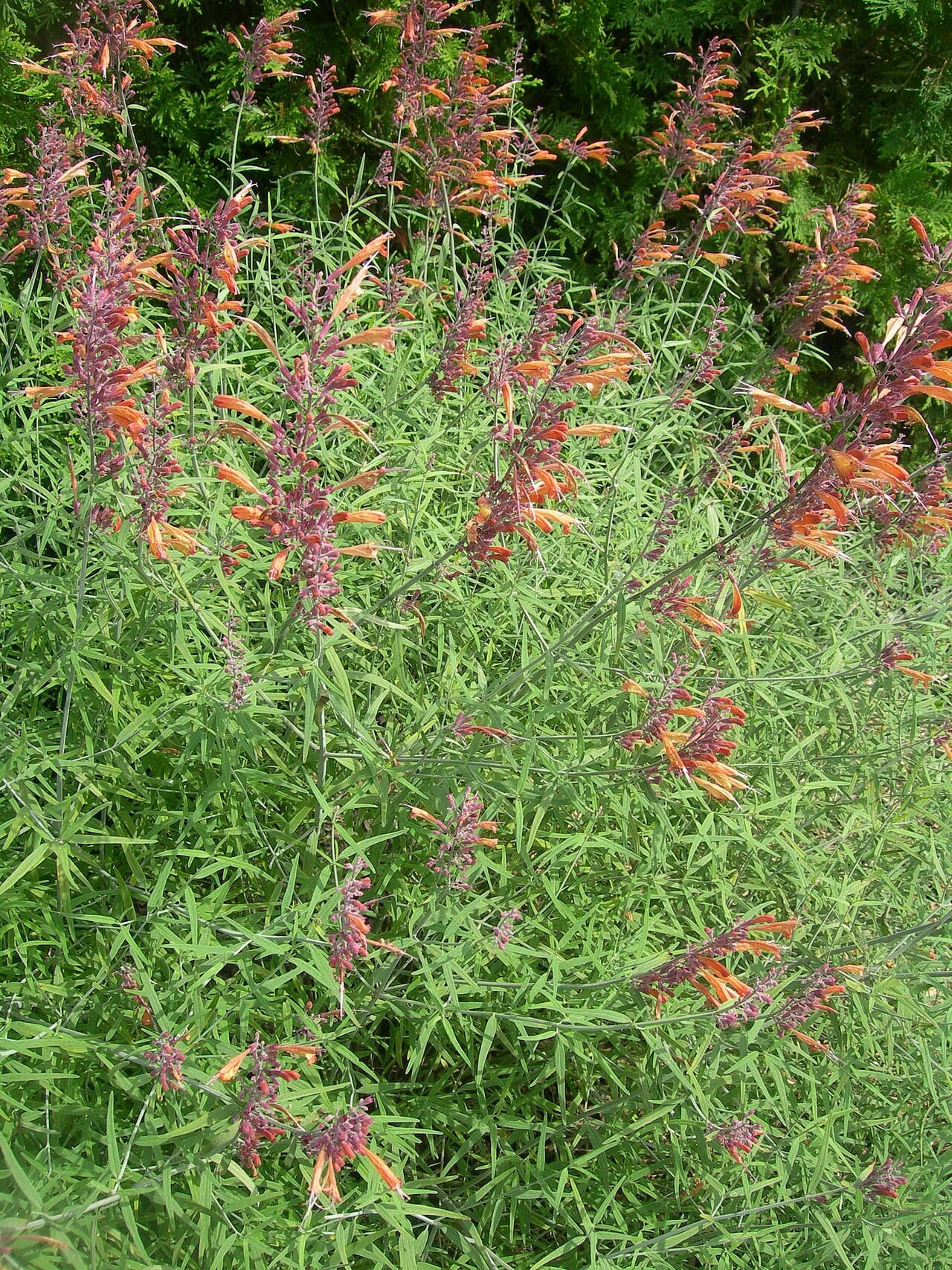
- Agastache (hummingbird mint) — the Zone 6 signature plant. Orange and pink varieties like A. rupestris and 'Ava' that are iffy in Zone 5 bloom here from July to frost. Sharp drainage is the overwintering secret.
- Catmint, yarrow, salvia, penstemon, blanket flower — the indestructible core (full profiles).
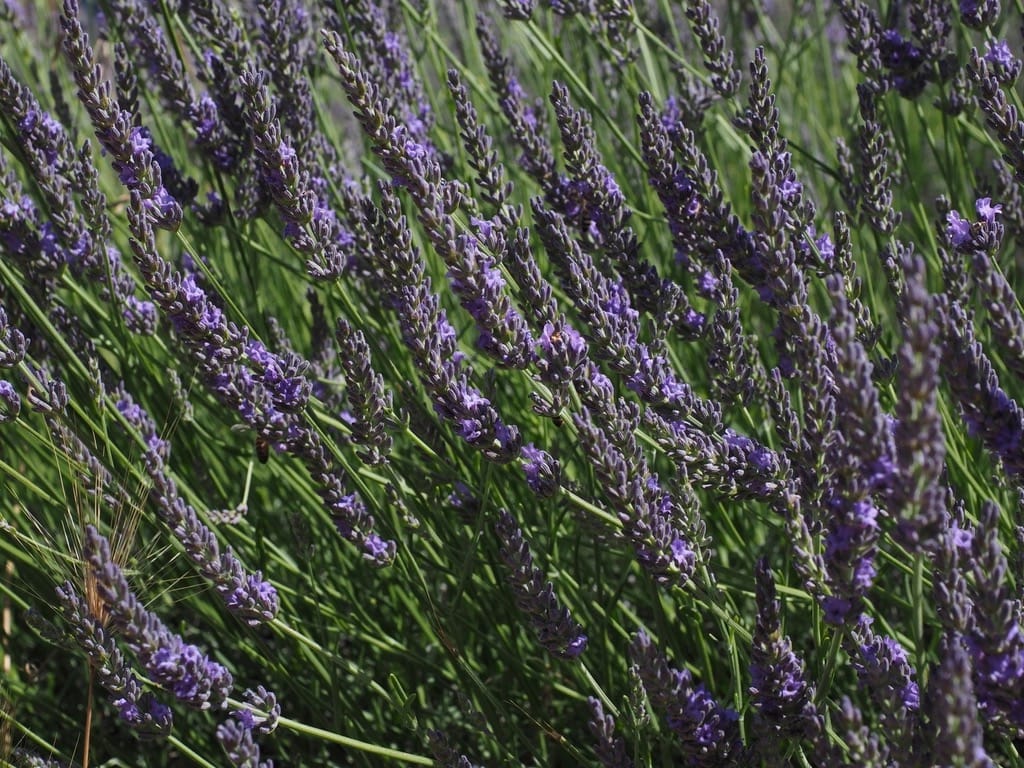
- Lavender — English types are easy; Zone 6 also holds the showier lavandins ('Provence', 'Grosso') that Zone 5 usually loses.
- Red hot poker (Kniphofia) — reliably perennial here, marginal colder.
- Gaura — 'Whirling Butterflies' motion from June to frost.
- Santolina — silver evergreen mounds for edging; a Zone 6-and-warmer plant.
Grasses
- Blue grama 'Blonde Ambition' and little bluestem for native texture.
- Karl Foerster feather reed grass for the vertical exclamation point.
- Pine muhly and Mexican feather grass — Zone 6 bonuses; feather grass reseeds aggressively in mild climates, so deadhead it. (More in ornamental grasses.)
Shrubs
- Rabbitbrush, Apache plume, fernbush, blue mist spirea — the xeric structure set.
- Rosemary 'Arp' and 'Madalene Hill' — the cold-hardiest rosemaries, evergreen and culinary, realistic in Zone 6b with drainage and a warm wall.
- Butterfly bush and crape myrtle — both root-hardy here; crape myrtle may die back in a harsh winter and rebound from the base.
Trees
- Chitalpa — the desert willow hybrid that brings pink summer bloom to Zone 6.
- Honey locust, hackberry, bur oak — the tough-shade backbone (full tree guide).
- Pinyon pine and Arizona cypress (Zone 6b) for low-water evergreen structure.
Groundcovers
- Creeping thyme and Turkish veronica — walkable mats for paths and patio joints.
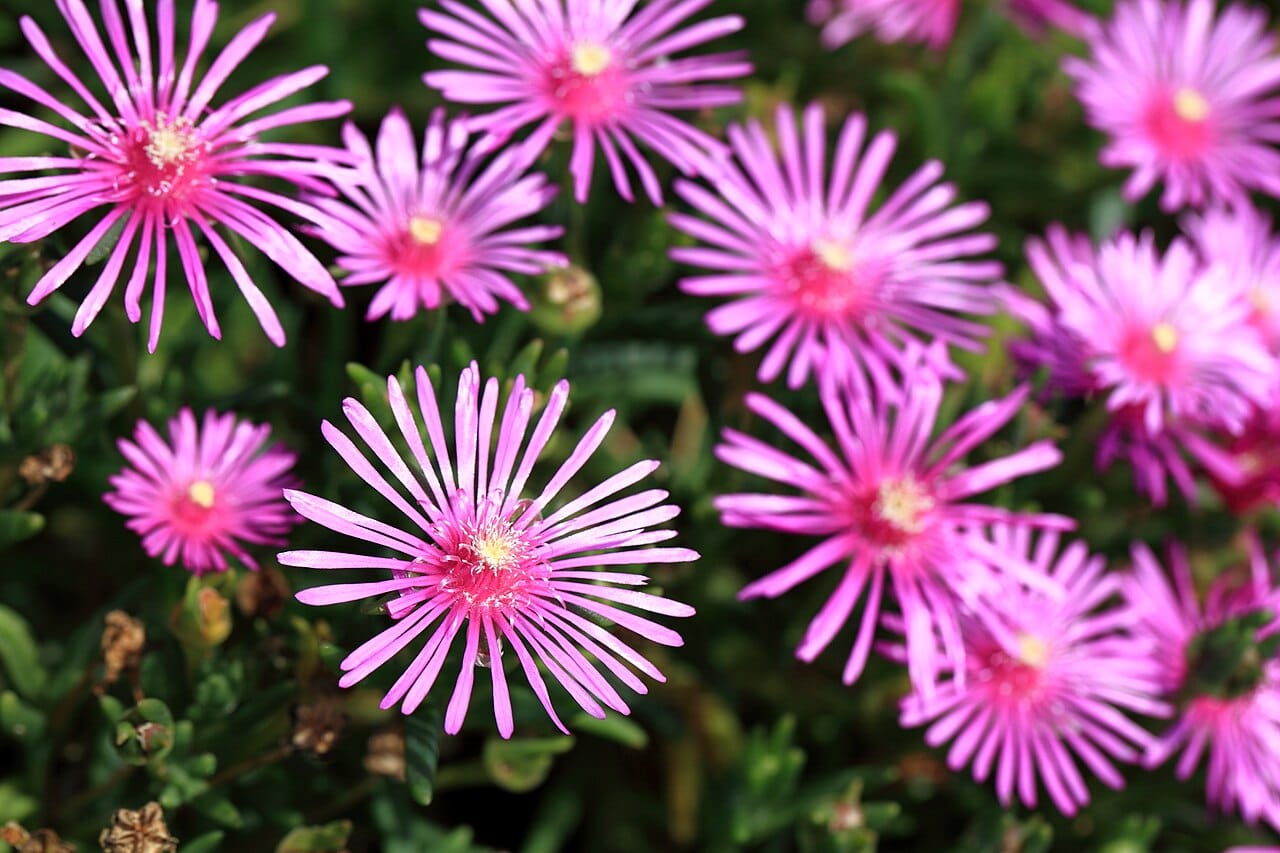
- Ice plant — nearly the whole Delosperma catalog is safe in Zone 6, including the big-flowered hybrids that Zone 5 loses in a wet winter.
- Winecups and prairie zinnia — native, taprooted, and happy in the hottest spots. (Twelve options compared in the groundcover guide.)
Succulents, yucca, and cactus
Zone 6 is where sculptural desert plants get easy:
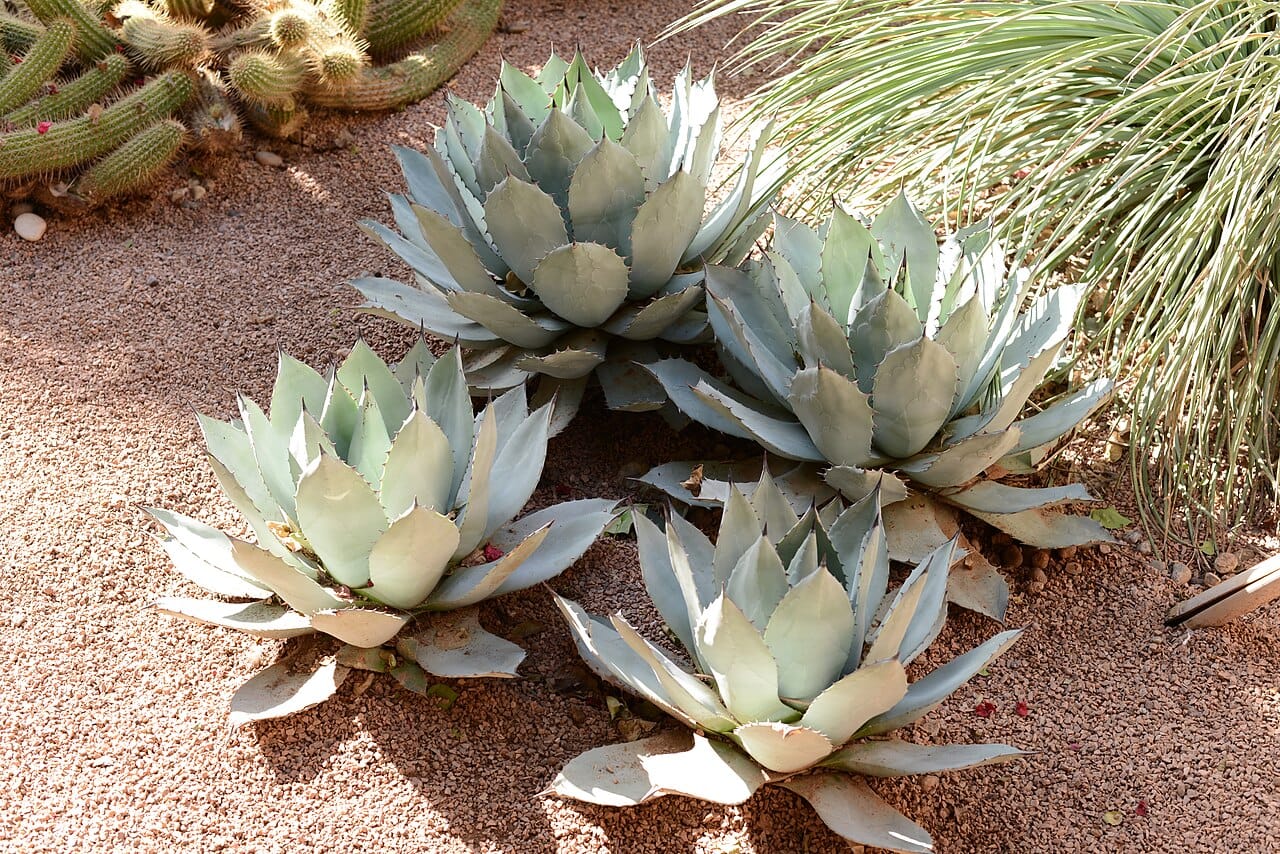
- Agave parryi and A. neomexicana — true hardy agaves that make Zone 6 gardens look like Tucson (cold-hardy agave guide).
- Yucca 'Color Guard' and banana yucca — evergreen variegated structure.
- Claret cup and prickly pear cactus — outrageous bloom, zero water (cold-hardy cactus).
- Ice plant, sedum, hens-and-chicks — carpeting color (cold-hardy succulents).
- Red yucca (Hesperaloe parviflora) — coral bloom wands all summer, hardy through Zone 6 and a hummingbird staple.
Zone 6 success rules
- Drainage still decides winters. Zone 6 cold snaps kill borderline plants through wet roots, not air temperature. Plant agaves, lavender, and agastache high and gritty — soil prep details here.
- Use microclimates for the bonuses. A south-facing wall effectively gardens in Zone 7 — that's where the rosemary and crape myrtle go.
- Beware false spring. Zone 6 climates lure plants out early, then frost them. Buy locally grown stock and don't rush tender growth with early fertilizer or water.
- Water new plantings through their first season, then taper — establishment-first watering is non-negotiable no matter the zone.
Gardening colder? The Zone 5 plant guide covers the next band down. Ready to design? The beginner's guide puts the whole plan together.