
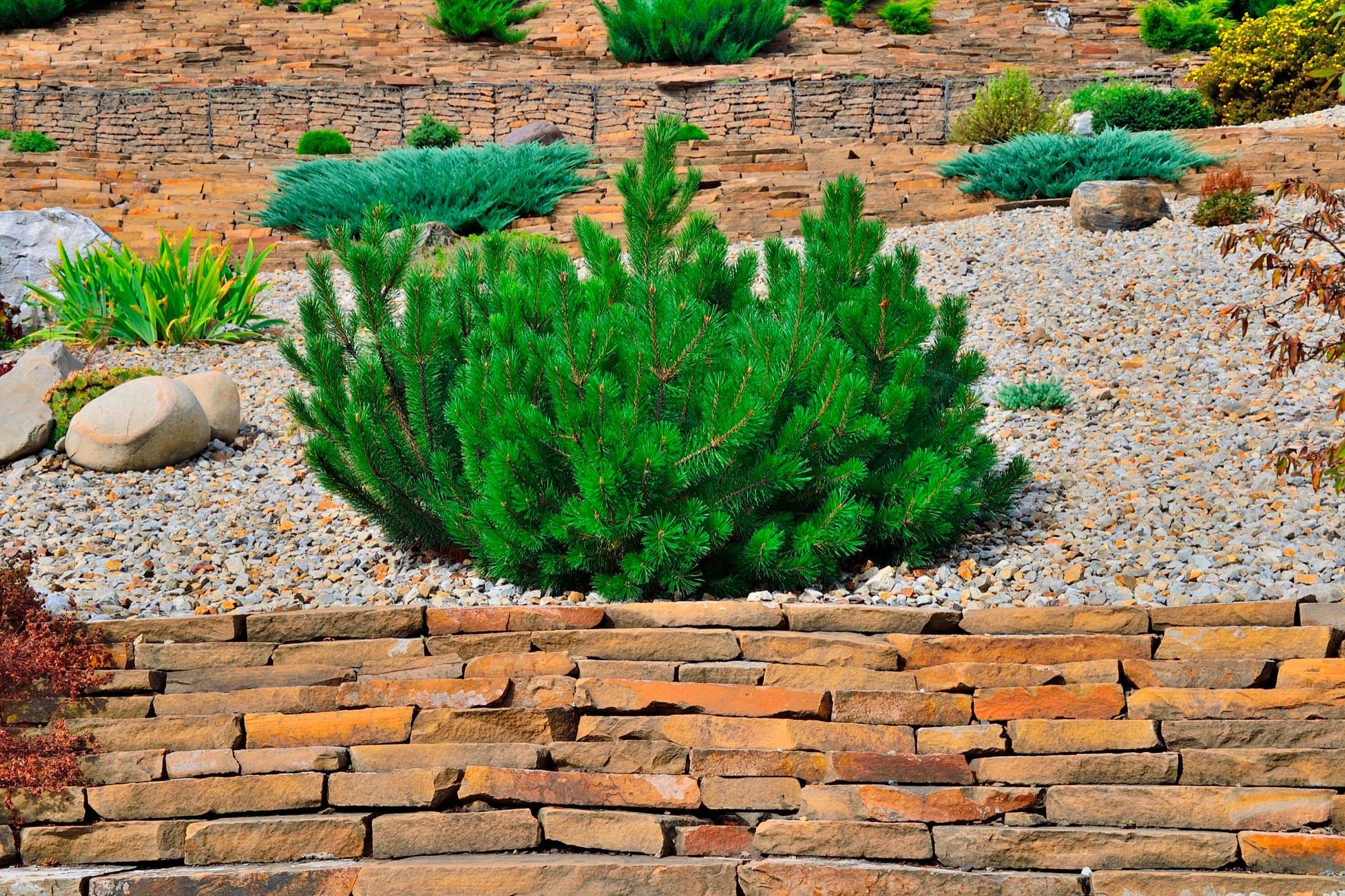
Colorado Springs has to pump its water over the Continental Divide — most of the city's supply travels through mountain tunnels and pipelines before it ever touches a sprinkler. That engineering marvel makes every bluegrass lawn in El Paso County one of the most expensively watered patches of grass in America. The good news: at 6,000+ feet on the edge of the shortgrass prairie, the Springs is genuinely great xeriscape country — arguably better than Denver.
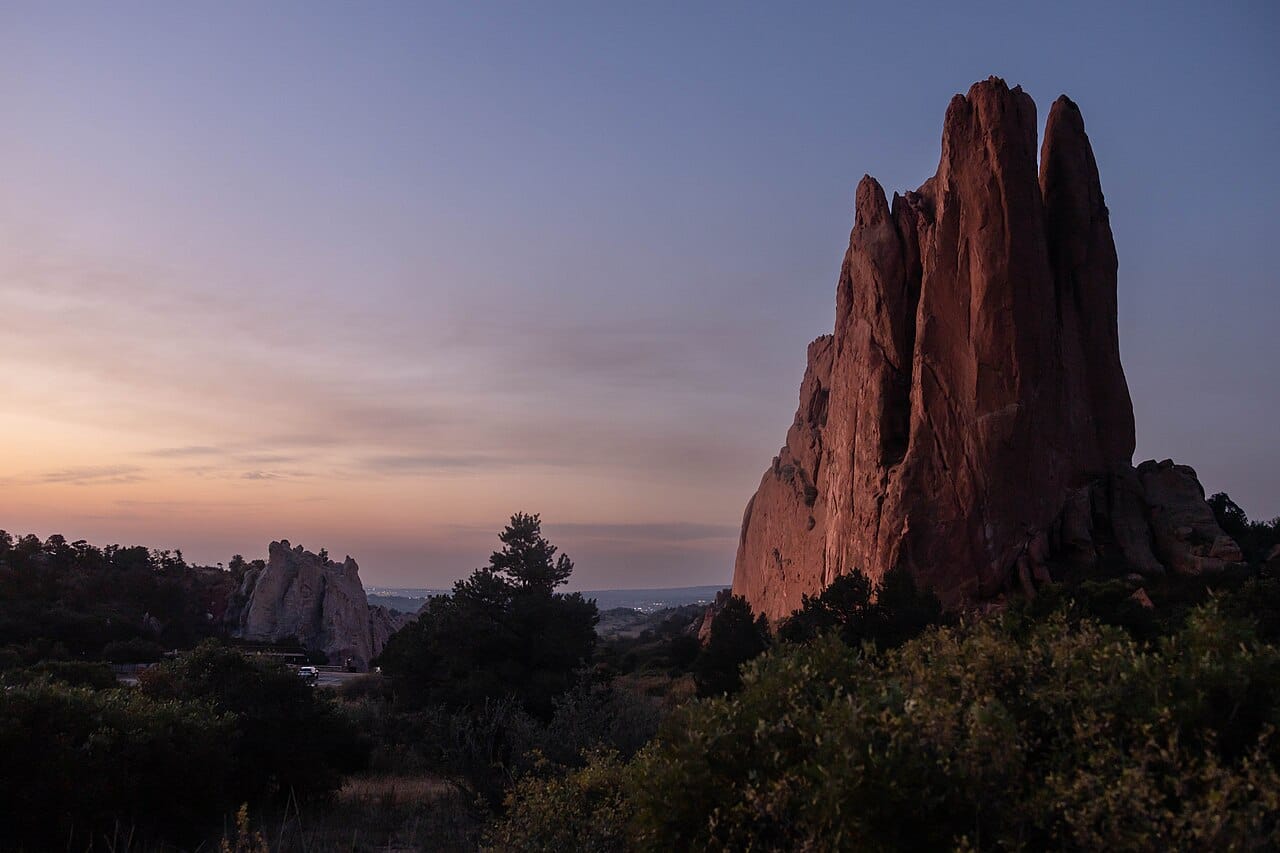
Colorado Springs growing conditions
- Hardiness zone: 5b to 6a, trending colder than Denver thanks to altitude — plant for zone 5 toughness in exposed and northside locations (our zone 5 plant list is built for exactly this).
- About 16 inches of precipitation, much of it in spring snow and July monsoon bursts.
- Hail is a design constraint, not a rumor. The Springs sits in one of the hailiest corridors in the country — fine-textured, strappy, and small-leaved plants recover in weeks; big-leaved ornamentals get shredded.
- Intense altitude sun and dramatic temperature swings; soils range from decomposed granite near the mountains to clay and gravelly prairie soil east of I-25.
Rebates and programs
Colorado Springs Utilities has run water-wise landscaping programs for years — demonstration gardens, landscape seminars, and turf-replacement incentives in recent funding cycles. Colorado's statewide turf-replacement funding also flows through local utilities. Confirm current programs and rates with Colorado Springs Utilities before you start, and remember the universal rule: pre-approval before any grass comes out, with photos of the living lawn. Our lawn removal rebates guide explains the standard hoops.
While you're researching, visit the utility's Xeriscape Demonstration Garden at Mesa — two decades of proof of what thrives here.
The Pikes Peak plant palette
Perennials: catmint, Rocky Mountain penstemon, firecracker penstemon, blanket flower, chocolate flower, sulphur buckwheat, prairie winecups, and hummingbird mint — all fine-textured enough to shrug off hail.
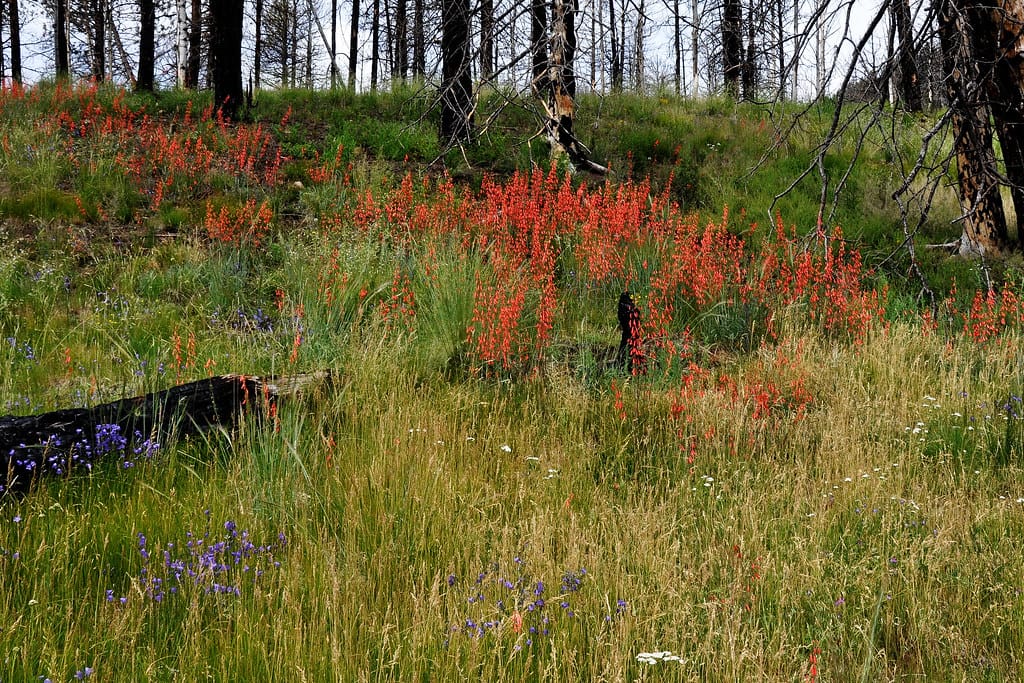
Grasses: blue grama (fine blades bend, don't break), little bluestem, and switchgrass for winter structure.
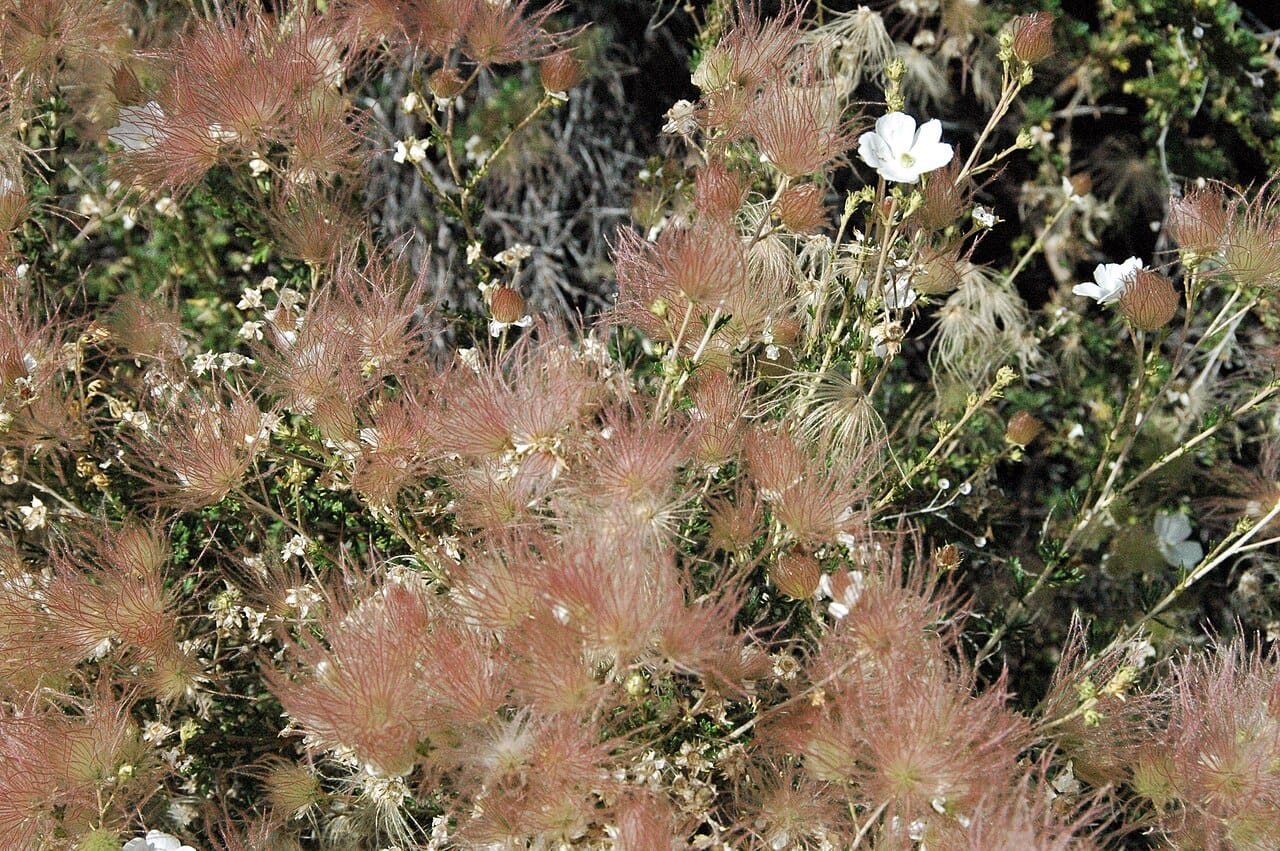
Shrubs: rabbitbrush, Apache plume, fernbush, mountain mahogany, three-leaf sumac, and 'Panchito' manzanita for evergreen groundcover.
Trees: ponderosa pine, pinyon, gambel oak, and hackberry — natives that already know the altitude.
Design notes: mountain-edge, not desert
- Granite is the local stone. Pikes Peak granite — pink-buff boulders and crusher fines — ties a yard to the mountain the whole city faces. Skip white marble chips.
- Design for hail recovery: grasses, small-leaved shrubs, and multi-stemmed perennials that regrow from the base. After a June storm, a xeriscape looks rough for three weeks; a hosta bed looks rough until next year.
- Use the grade. The Springs is a city of slopes — terraces, dry creek beds for monsoon runoff, and rock garden plantings turn drainage problems into the best feature in the yard.
- Winter matters at altitude: evergreen structure (pinyon, mountain mahogany, manzanita) plus grass seed heads keep the yard alive November through April.
- Denver's playbook one hour north is largely transferable — see how the Front Range original does it.
Getting started
- Check Colorado Springs Utilities' current turf-replacement and water-wise offerings; get pre-approved.
- Visit the demonstration garden and note what's thriving in your zone of the city.
- Follow the 10 Steps to Xeriscaping — remove turf, amend lightly, drip-irrigate, plant spring or early fall (altitude shortens the fall window).
- Water deeply through establishment, then taper hard.
Colorado Springs moves its water across the spine of the continent. A yard of blue grama, penstemon, and pinyon under Pikes Peak asks almost nothing of that pipeline — and looks like it grew from the mountain itself.