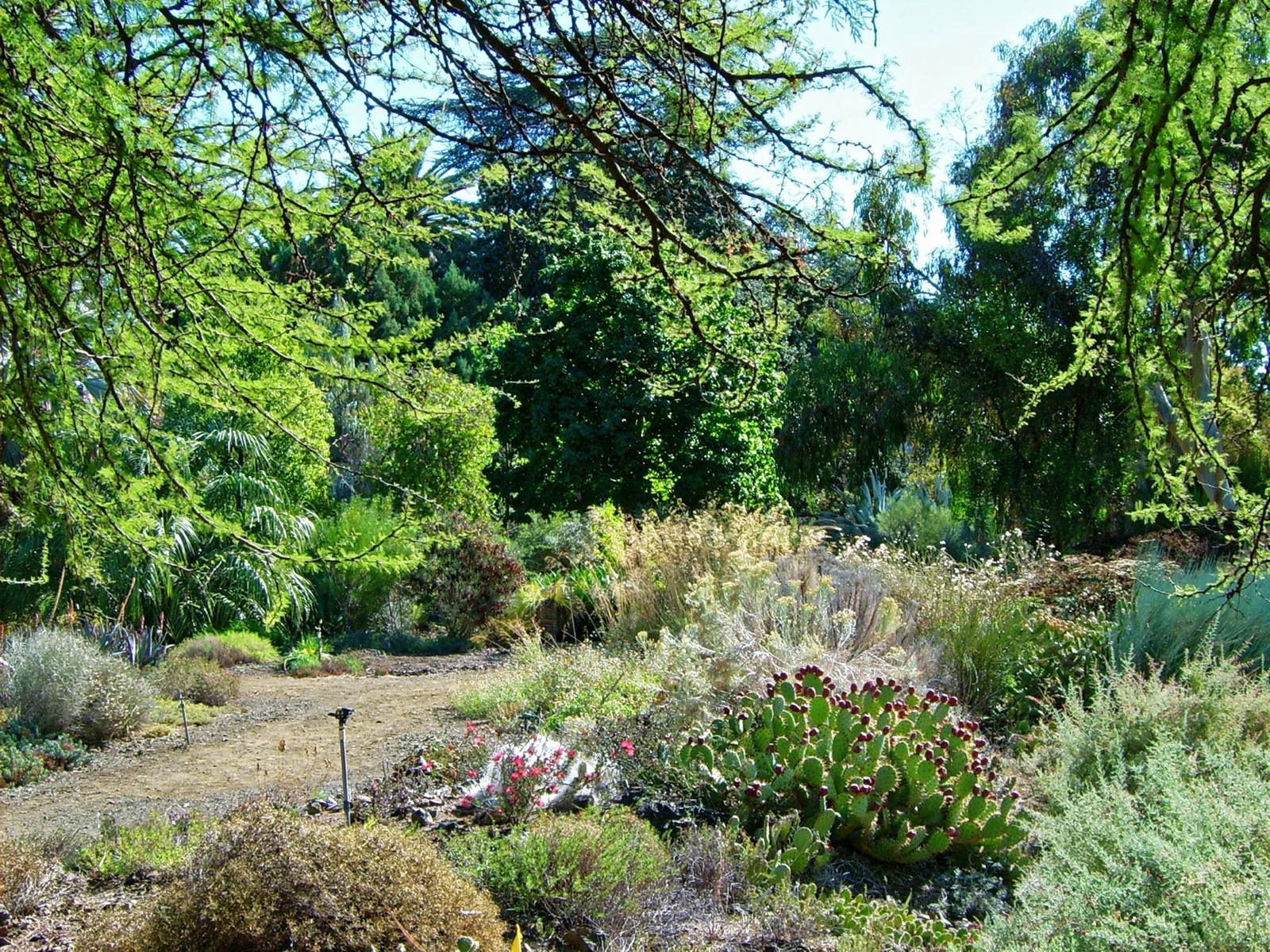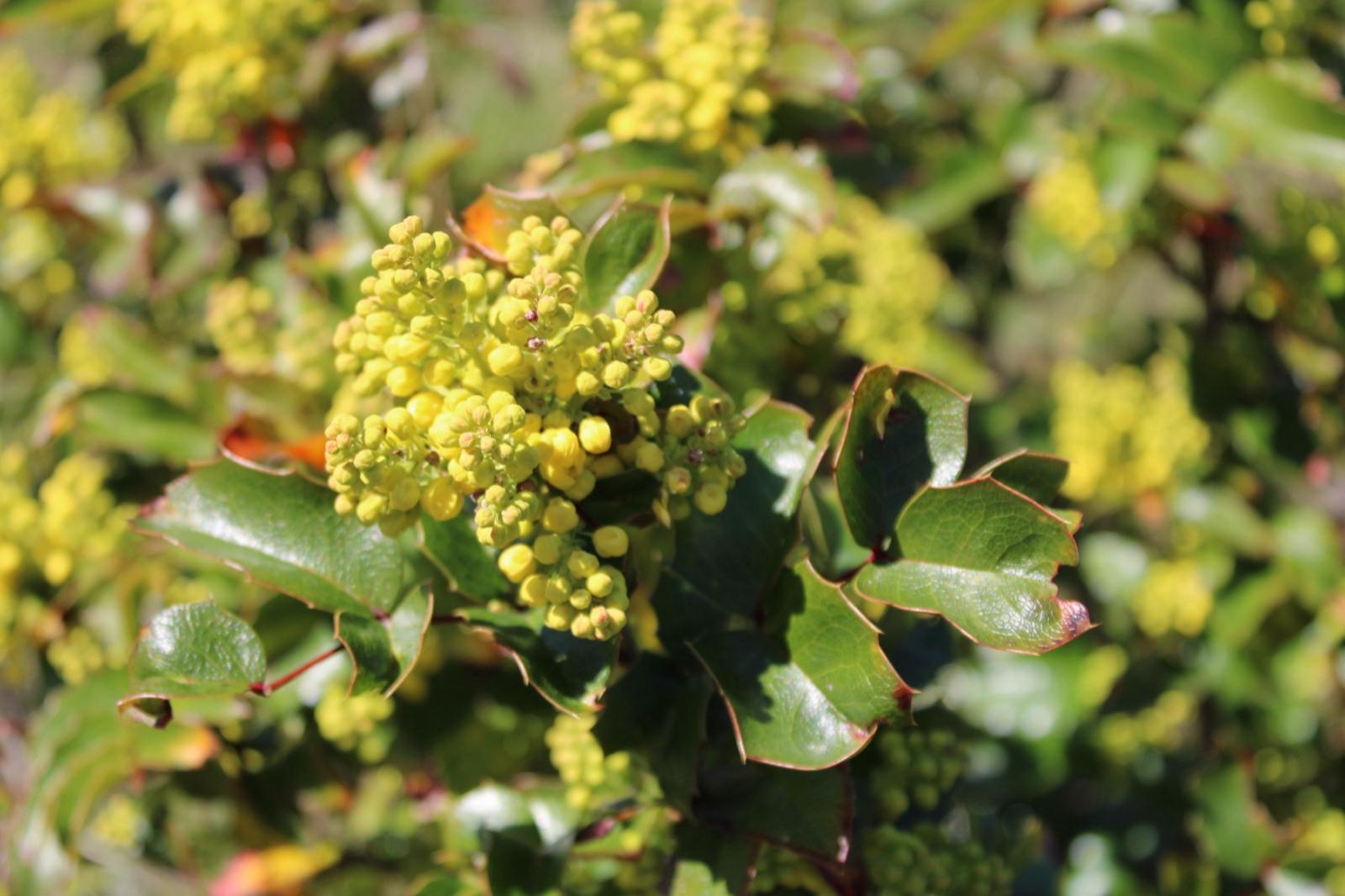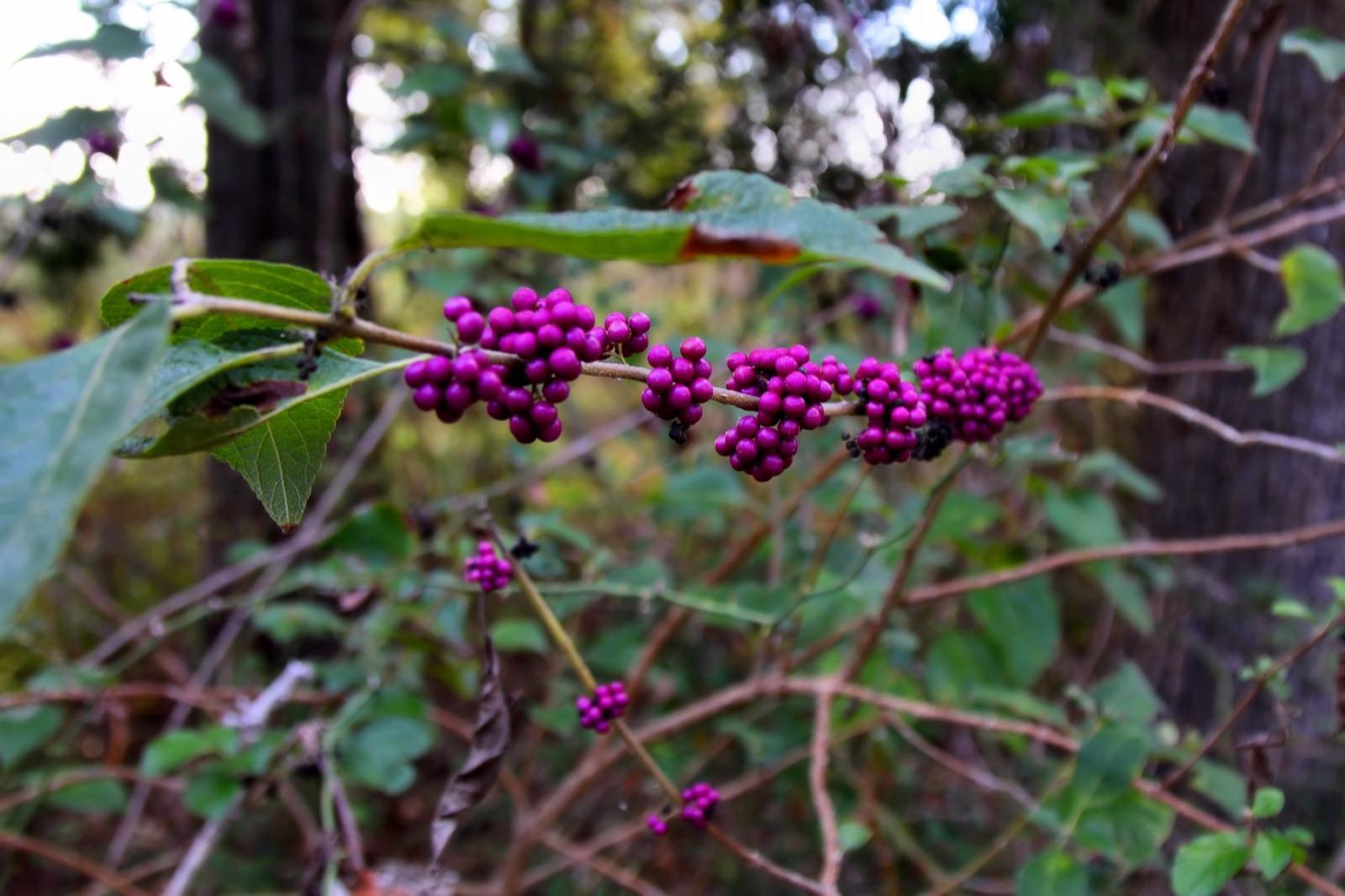
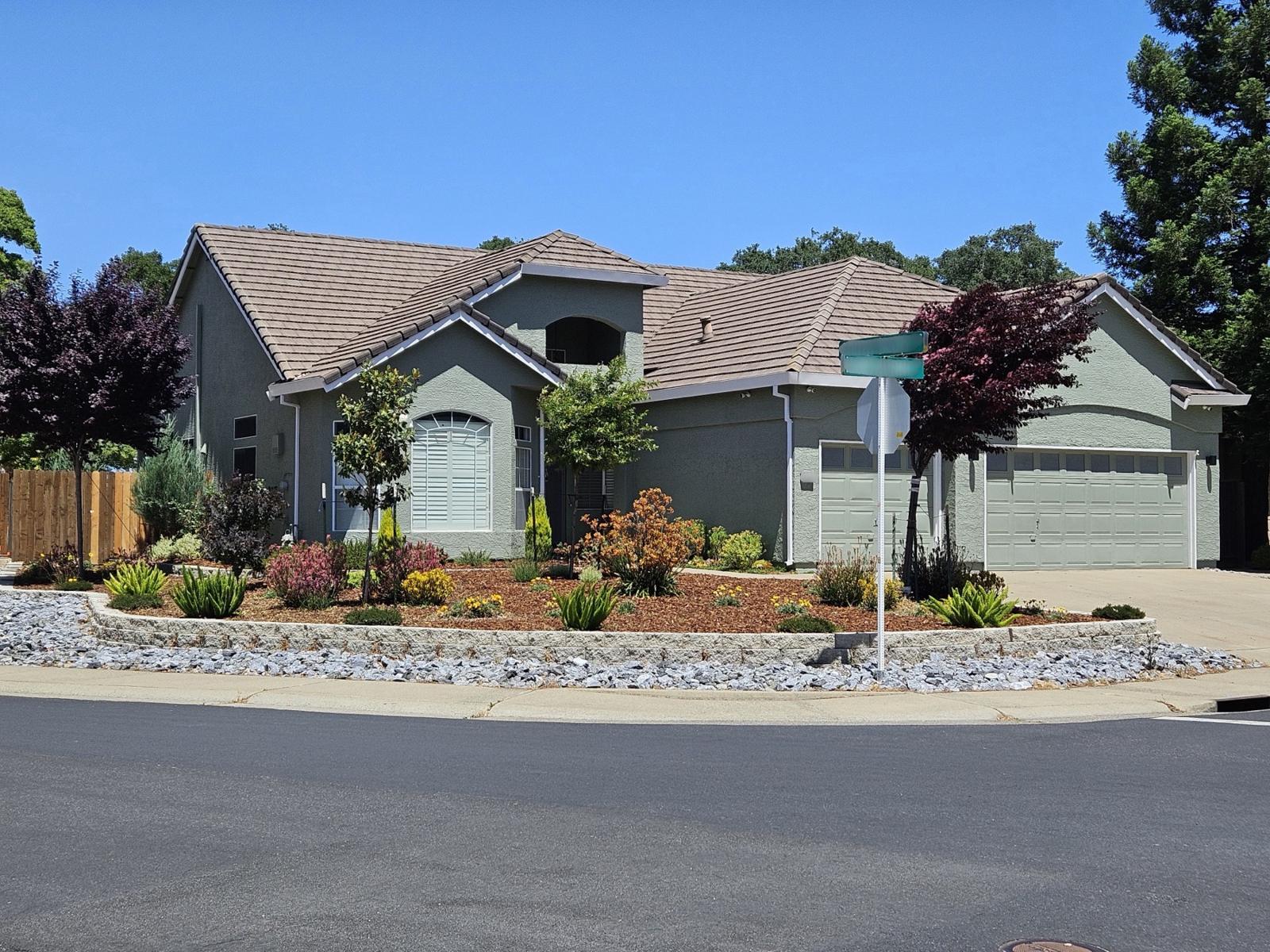
Xeriscaping in Sacramento means planting for a Mediterranean climate at its most extreme. The city gets about 18 inches of rain a year, and almost none of it falls from May through September, when afternoon highs routinely top 90°F. A lawn survives that only on sprinklers. California natives and Mediterranean shrubs do it on winter rain plus a little summer drip, and the City of Sacramento is paying $2.50 per square foot to help homeowners switch through February 2027.
This guide covers Sacramento's growing conditions, plants that handle Central Valley heat and clay, design tips, the city's seasonal watering schedule and the rebates open as of September 2026.
Sacramento growing conditions
- USDA zone 9b. Every Sacramento ZIP we checked on the 2023 USDA map, from downtown (95814) to Land Park (95822), Arden-Arcade (95825, 95864) and Natomas (95833), is 9b. Suburbs including Elk Grove, Folsom and Citrus Heights are 9b as well. See our Sacramento zone page.
- Rain comes in winter. NOAA's 1991–2020 normals put Sacramento Executive Airport at 18.14 inches a year. November through March brings about 15 of those inches. July averages 0.00 inches and August 0.04 (NOAA monthly normals).
- Summer heat. The July mean daily high at the airport is 92.6°F, and September averages 88.5°F. Plants face three to four months of heat with essentially no rain.
- Light frost. The median last spring freeze is February 2 and the median first fall freeze is December 2 (NOAA annual normals). Frost-tender succulents need a covered spot in cold snaps.
- Low and flat. The airport station sits at about 19 feet above sea level. Low spots near the rivers stay wet in winter.
- Check your drainage. Before planting, dig a hole about a foot deep and fill it with water. If it's still holding water the next day, you're on heavy clay or a hardpan layer. Plant on low mounds and choose species that tolerate clay.
The best xeriscape plants for Sacramento
The best Sacramento xeriscapes lean on California natives that evolved with rainy winters and dry summers, plus Mediterranean shrubs from climates just like it. Most of these plants want almost no summer water once established. Too much summer irrigation is the main way people kill manzanita and ceanothus in the Valley.
| Plant | Type | Zones | Water | Why it works here |
|---|---|---|---|---|
| Western redbud (Cercis occidentalis) | Tree | 6–9 | Low | California native with magenta spring bloom. Takes heat and poor soil |
| Chinese pistache (Pistacia chinensis) | Tree | 6–9 | Low | Adapted deciduous shade tree with red-orange fall color |
| Desert willow | Tree | 7–11 | Low | Small tree that blooms all summer in reflected heat |
| Toyon (Heteromeles arbutifolia) | Shrub | 8–10 | Very low | California native evergreen with red winter berries for birds |
| Manzanita (Arctostaphylos manzanita) | Shrub | 8–10 | Very low | Sculptural red bark. Needs drainage and no summer sprinklers |
| Ceanothus (California lilac) | Shrub | 7–10 | Very low | Blue spring flowers for native bees. Plant on a mound in clay |
| Rock rose (Cistus) | Shrub | 7–10 | Very low | Mediterranean evergreen that shrugs off Sacramento heat |
| Autumn sage (Salvia greggii) | Shrub | 6–9 | Low | Months of hummingbird flowers on a compact plant |
| California fuchsia (Epilobium canum) | Perennial | 8–10 | Very low | Orange-red trumpets in late summer, when little else blooms |
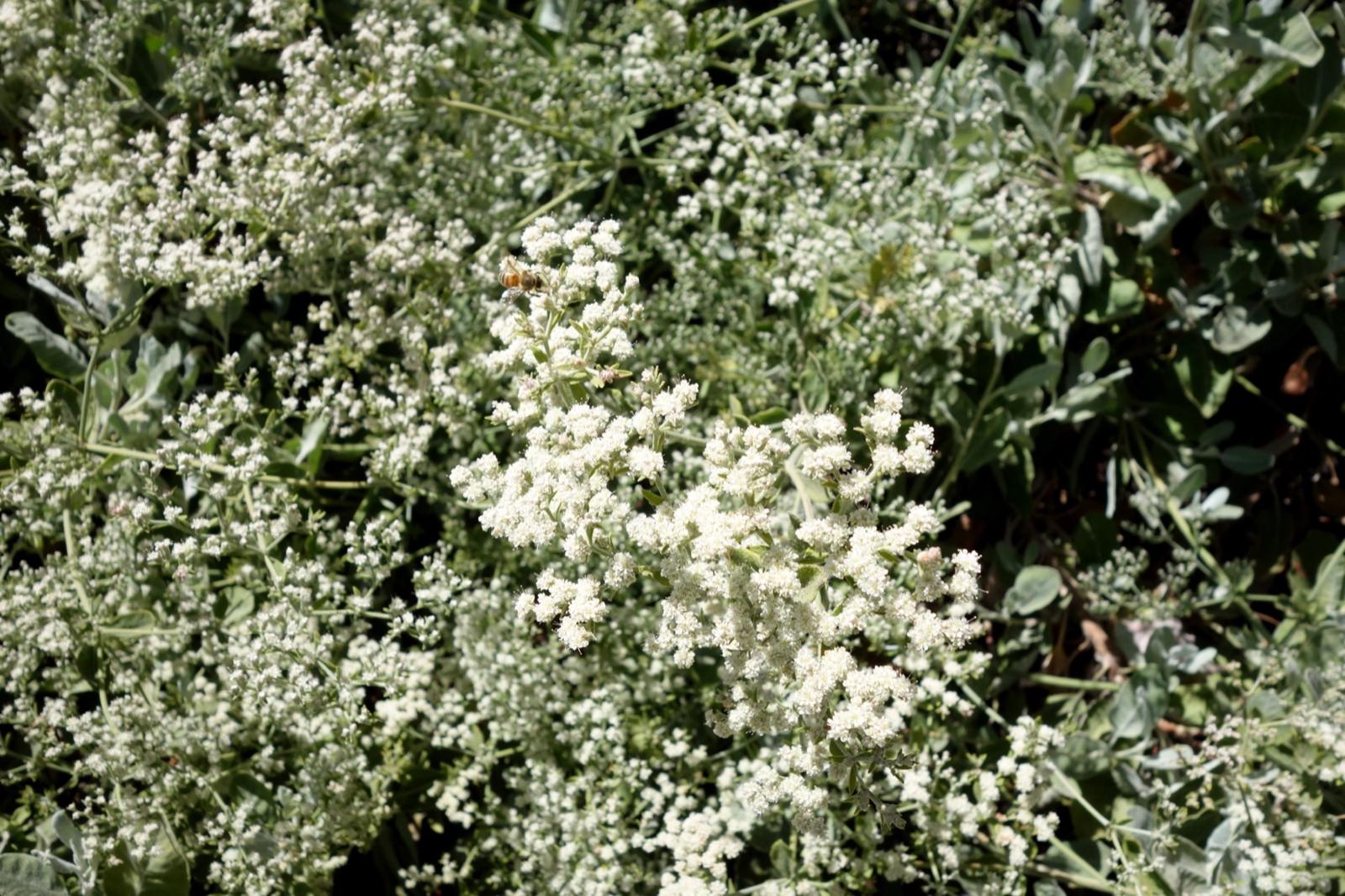
| Yarrow | Perennial | 3–9 | Very low | California native. Use it as a flowering groundcover or lawn substitute |
| Lavender | Perennial | 5–9 | Low | Classic Mediterranean fit. Give it full sun and fast drainage |
| Red yucca | Succulent | 5–10 | Very low | Coral bloom spikes all summer along hot driveways |
For a soft, grassy texture, deergrass (Muhlenbergia rigens) is a California native bunchgrass that Calscape rates at low to moderate water, with summer irrigation at most once a month once established (Calscape). For more shrub ideas, see our drought-tolerant shrubs guide.
Design notes for the Central Valley
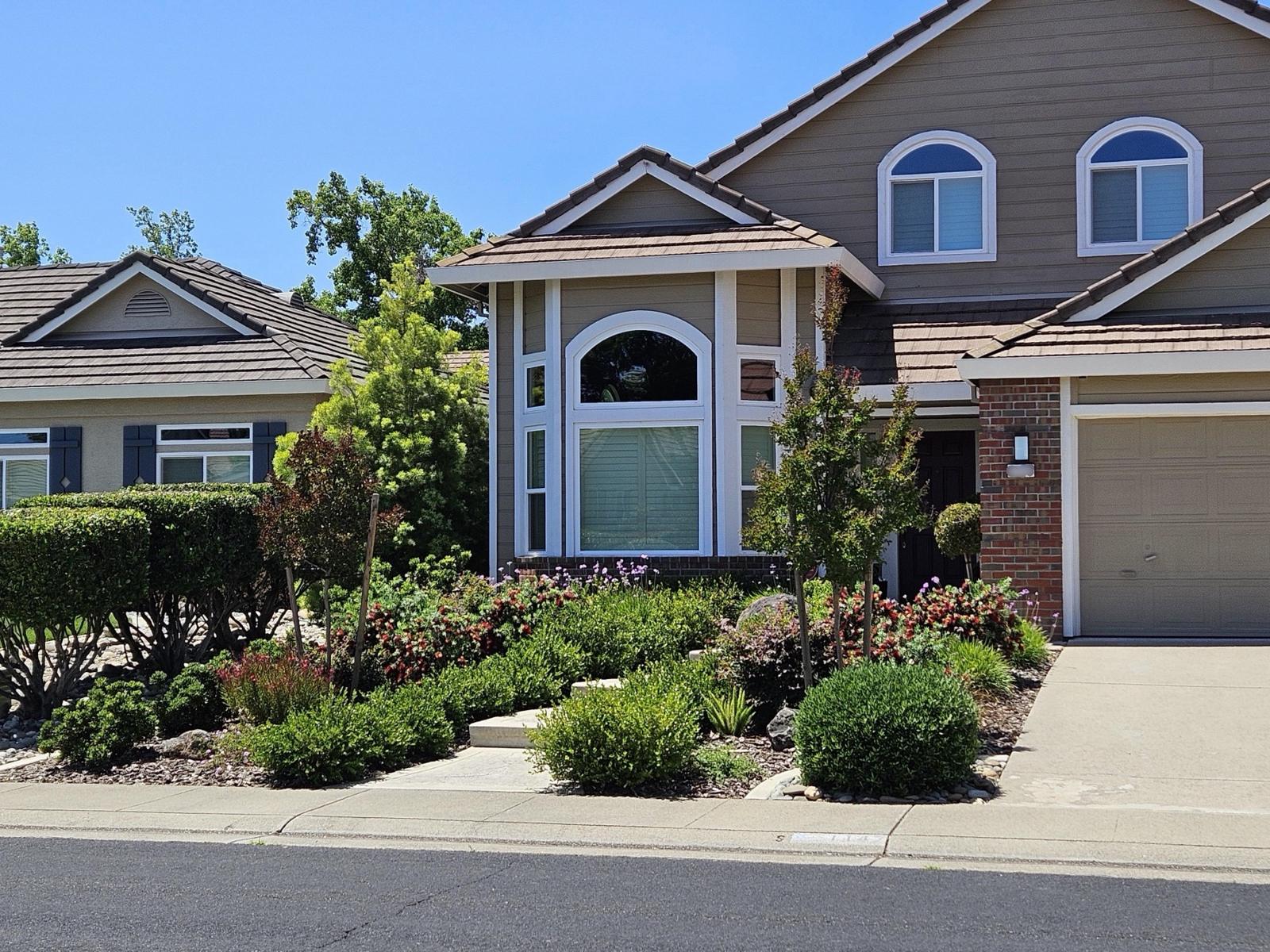
Plant in fall. Sacramento's rainy season does your establishment watering for you. Plants set in October and November grow roots all winter and head into their first summer with a head start. Spring-planted natives need much more hand-holding through July.
Shade the west side. A deciduous tree like Chinese pistache or western redbud on the west side of the house cuts afternoon heat in summer and lets winter sun through.
Keep natives dry in summer. Put manzanita, ceanothus and toyon on their own drip valve and turn it way down, or off, once they're established. Group summer-thirstier plants like autumn sage and lavender separately. Our drip irrigation guide covers layout.
Mulch deep. The city rebate requires 2 to 5 inches of mulch under trees and shrubs, and it's good practice anyway. Mulch keeps clay from baking hard and cracking in August. See gravel vs. wood mulch for which to use where.
Sacramento watering rules
City of Sacramento customers must follow a seasonal schedule when watering with sprinklers (City of Sacramento):
- March 1 to October 31: even-numbered addresses water on Wednesday and Sunday, odd-numbered addresses on Tuesday and Saturday. Water before 10 a.m. and/or after 7 p.m.
- November 1 to February 28: one day a week, Saturday or Sunday, at any time of day. No weekday watering.
- After rain: no watering for 48 hours after one-eighth inch of rain.
- Exemptions: drip irrigation and soaker hoses, watering with a hose and spray nozzle, city-validated smart controllers, potted plants, edible gardens, and new landscaping for up to 30 days after installation.
Runoff onto sidewalks and gutters is prohibited year-round. Suburban water districts set their own schedules, so check with your provider if you're outside city limits.
Sacramento rebates (as of September 2026)
| Program | Amount | Cap | Key requirement | Link |
|---|---|---|---|---|
| City of Sacramento Grass Conversion Rebate — open | $2.50/sq ft for applications Sept. 1, 2026 – Feb. 28, 2027; $1/sq ft for dirt or dead lawn areas | $5,000 for single-family and duplex homes, limited to receipted costs | City pre-inspection and approval before work begins. At least 60% plant coverage at maturity, drip with a WaterSense smart controller (or hand watering), 2–5 in. of mulch, permeable paths, no artificial grass. Finish within 120 days | City of Sacramento |
| City of Sacramento Landscape Design Assistance | Up to $200 | $200 | For single-family front yards | City of Sacramento |
| Sacramento County Water Agency Cash for Grass — on hold | Not published | Not published | On hold until further notice. Applications submitted through June 30, 2026 are being processed | SCWA |
| Other suburban water suppliers | Check current amount | Varies | Each supplier runs its own program. Look yours up by address | BeWaterSmart |
Don't remove grass before you're approved. The city program isn't retroactive, and it requires a pre-inspection of the existing lawn. The converted area must stay in place for five years, and licensed (C-27) contractor labor is reimbursable only up to $800. The city also lists irrigation, rain barrel and laundry-to-landscape rebates; check current amounts on its outdoor rebates pages. For a statewide view, see our California turf rebates guide.
HOA rules in California
California Civil Code §4735 makes HOA rules void and unenforceable if they prohibit, or have the effect of prohibiting, low water-using plants as a group or as a replacement for existing turf. The same section covers artificial turf. Your HOA can still review your design, so submit plans before you start.
Separately, AB 1572 (Water Code §10608.14) phases out potable water for nonfunctional turf on commercial, institutional and industrial properties and, starting January 1, 2029, on HOA common areas. It doesn't cover single-family front yards.
Hire it out
Sacramento's rebate has a paperwork trail (pre-inspection, a plant list, a smart controller and receipts), and many homeowners hand the whole job to a landscaper who has done city conversions before. Ask for itemized bids, since the rebate only reimburses documented costs. Our xeriscaping cost guide shows typical price ranges. Browse listed pros in the Sacramento area:
Looking at Southern California too? Our Los Angeles guide covers the Water$mart rebates down south.
Frequently asked questions
How much does Sacramento pay to remove a lawn?
As of September 2026, the City of Sacramento pays $2.50 per square foot for grass conversions on applications submitted between September 1, 2026 and February 28, 2027, up to $5,000 for single-family homes. Dead lawn or dirt areas earn $1 per square foot. You must be approved before starting.
What days can I water in Sacramento?
From March through October, even-numbered addresses water Wednesday and Sunday and odd-numbered addresses Tuesday and Saturday, before 10 a.m. and/or after 7 p.m. From November through February, watering is limited to one weekend day. Drip irrigation and watering with a hose and spray nozzle are exempt.
Can my HOA stop me from replacing my lawn with drought-tolerant plants?
No. California Civil Code §4735 voids HOA rules that prohibit low water-using plants or have that effect. The HOA can still require architectural review of your plans.
When should I plant a xeriscape in Sacramento?
October through early December is ideal. Winter rain establishes roots with little irrigation, and plants go into their first summer stronger. If you plant in spring, plan on regular deep watering through the first summer.