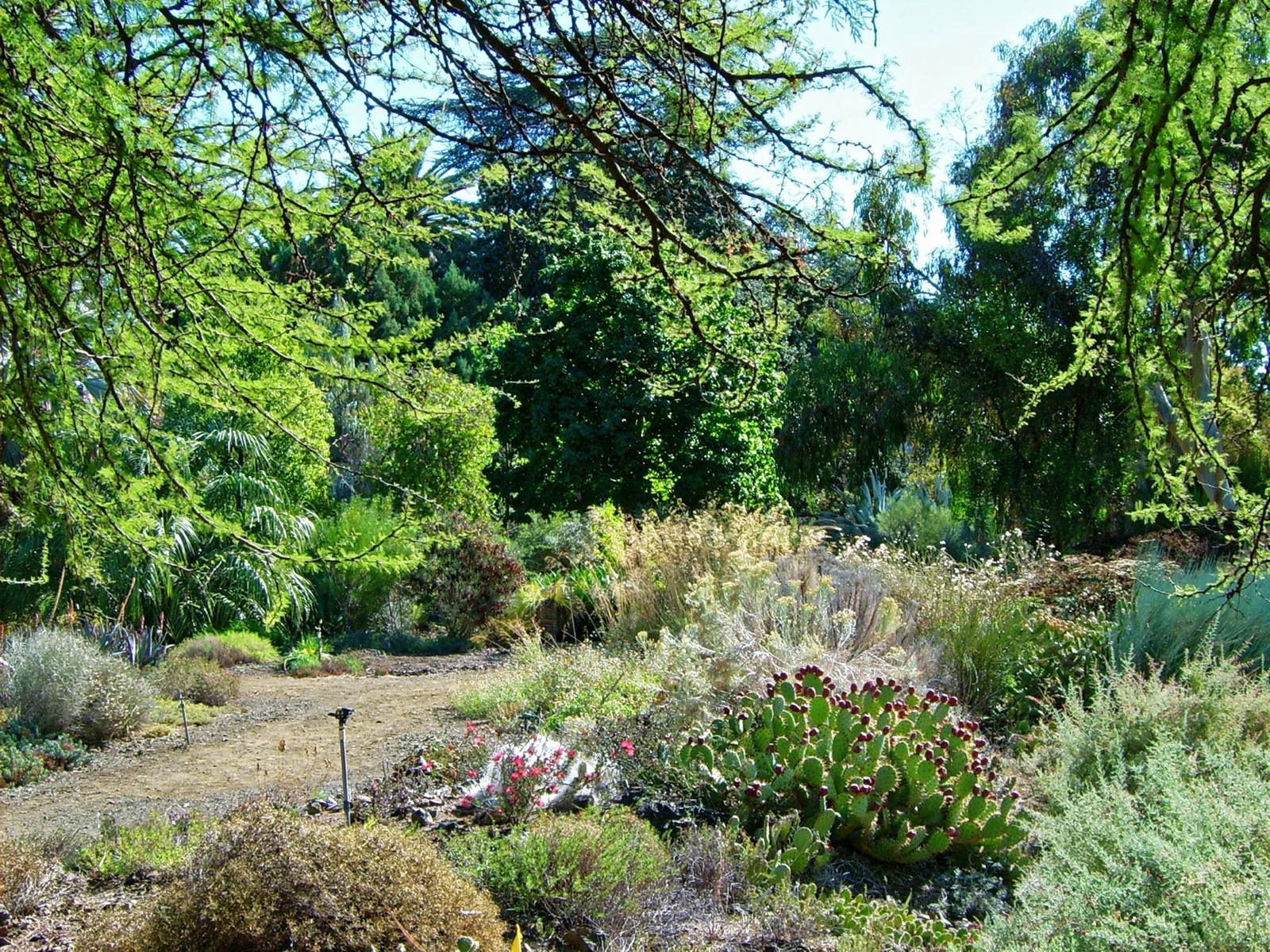
Xeriscaping in the Bay Area means planting for one of the most varied climates in the country. San Francisco's downtown station averages 22.89 inches of rain a year and a July high of just 66°F, while San Jose gets 13.48 inches and August highs near 81°F. What they share is a dry summer: both stations average essentially zero rain in July, according to NOAA's 1991–2020 normals. California natives and Mediterranean shrubs are built for that pattern, and East Bay, South Bay and Peninsula water agencies will pay you to replace lawn with them.
This guide covers Bay Area microclimates, plants that work from the fog belt to inland valleys, design tips, water-use rules and the lawn rebates open as of September 2026.
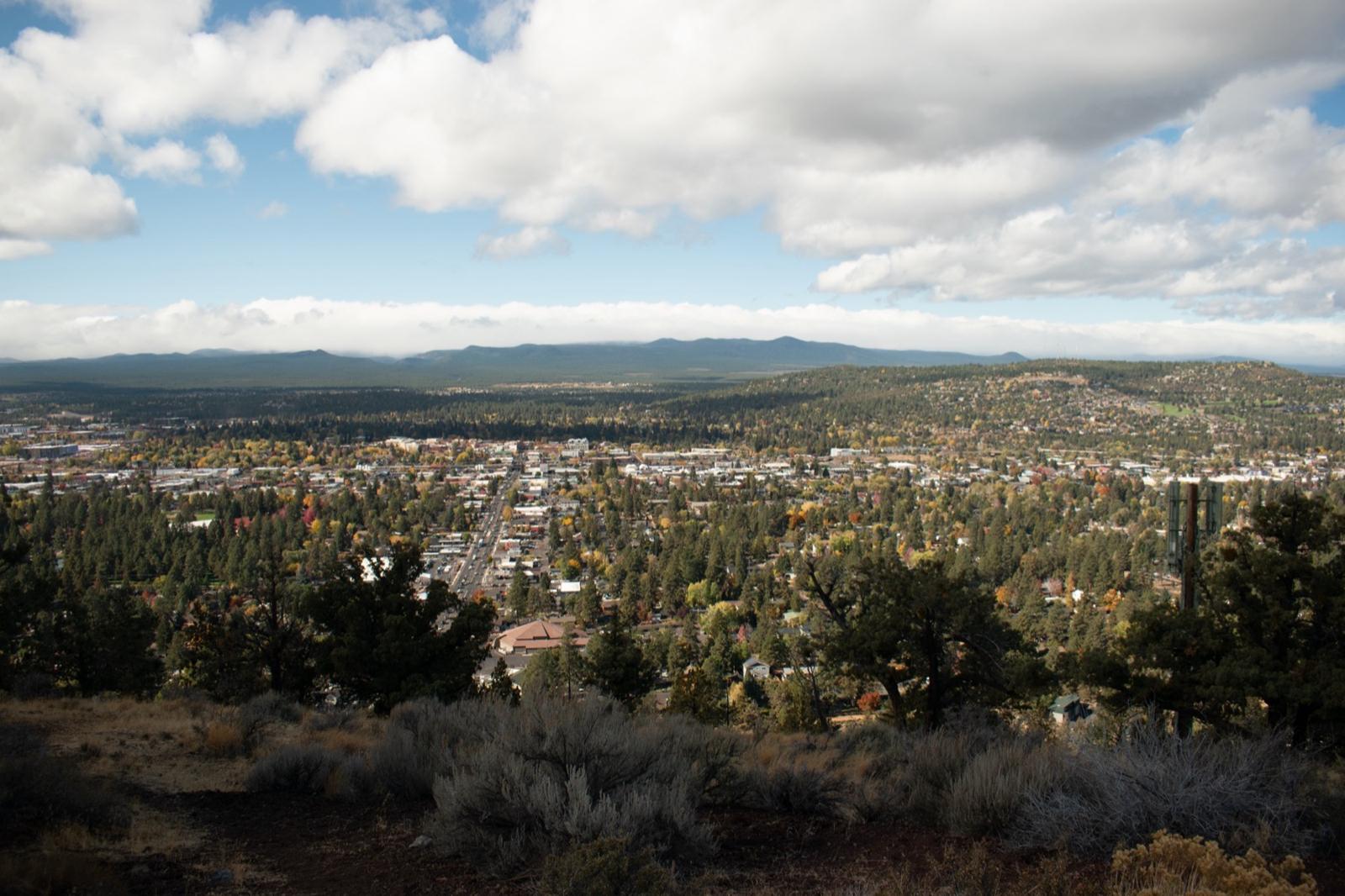
Bay Area growing conditions
- USDA zones 9b to 10b. On the 2023 USDA map, San Francisco ZIPs such as 94110, 94121 and 94122 are 10b. Oakland (94610, 94611, 94612), Berkeley (94705), Alameda (94501) and Milpitas (95035) are 10a. San Jose (95112, 95120, 95125), Palo Alto, Menlo Park, Mountain View, Walnut Creek, Concord-area 94596 and Livermore are 9b. See our Bay Area zone page.
- Rain falls in winter only. NOAA's annual normals are 22.89 inches for downtown San Francisco, 26.12 for Berkeley, 18.68 for Oakland Airport and 13.48 for San Jose (NOAA NCEI). June through September averages well under half an inch combined at both San Francisco and San Jose.
- Fog belt vs. inland heat. San Francisco's warmest month is September (mean high 70.2°F), and July averages 66.3°F. San Jose's August mean high is 81.4°F (NOAA monthly normals).
- Frost is rare. Downtown San Francisco freezes in fewer than half of all years, so NOAA lists no median freeze date. At Oakland Airport and San Jose, the median freeze-free season runs about 347 to 356 days.
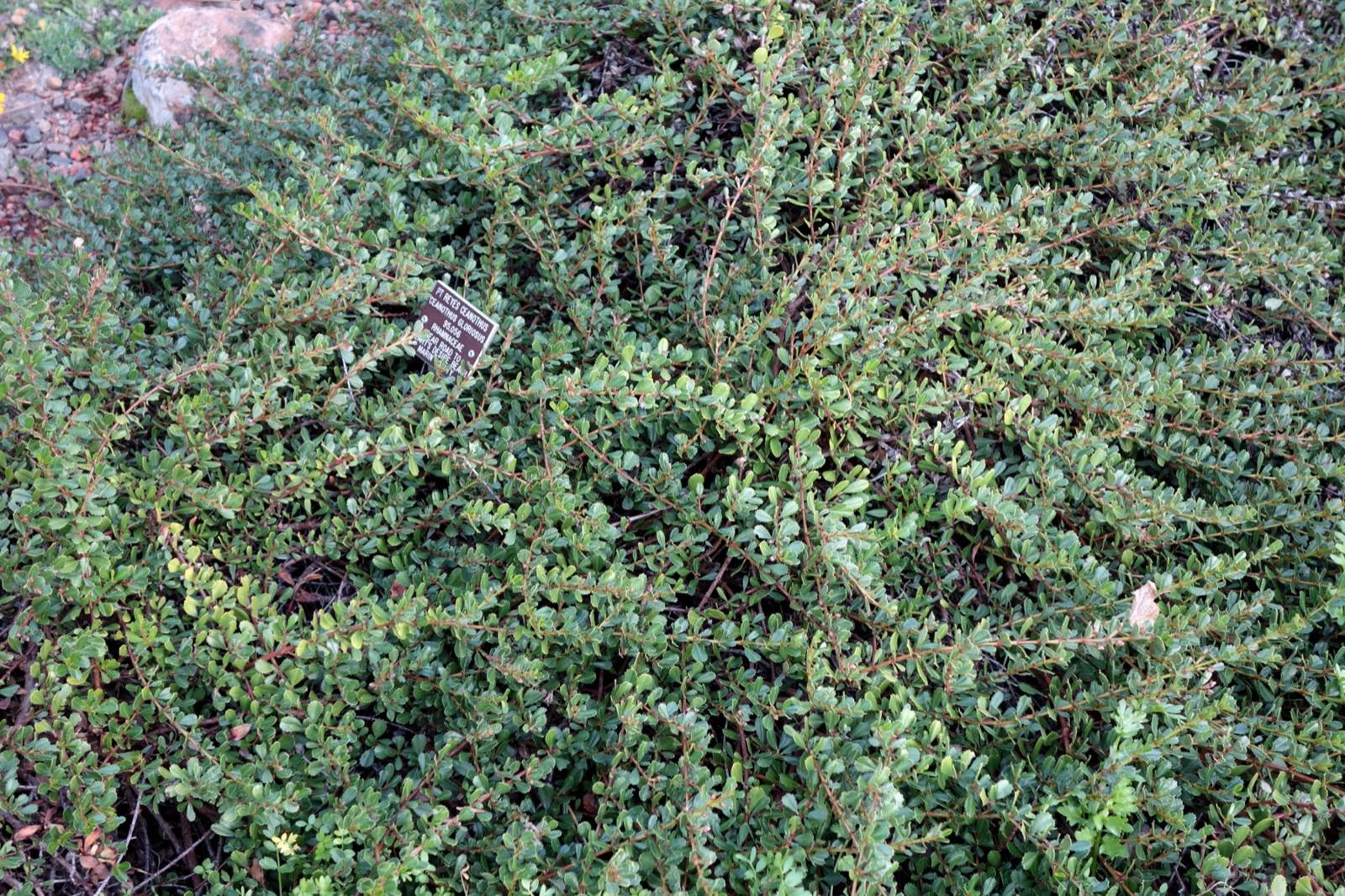
- Check drainage. Dig a test hole, fill it with water, and if it's still full the next day, plant manzanita and ceanothus on mounds rather than in the flat.
The best xeriscape plants for the Bay Area
Build on California natives first. They evolved with dry summers, support native bees and birds, and many need no summer water once established. The table covers plants in our database; the natives listed after it are from Calscape, the California Native Plant Society's planting guide.
| Plant | Type | Zones | Water | Why it works here |
|---|---|---|---|---|
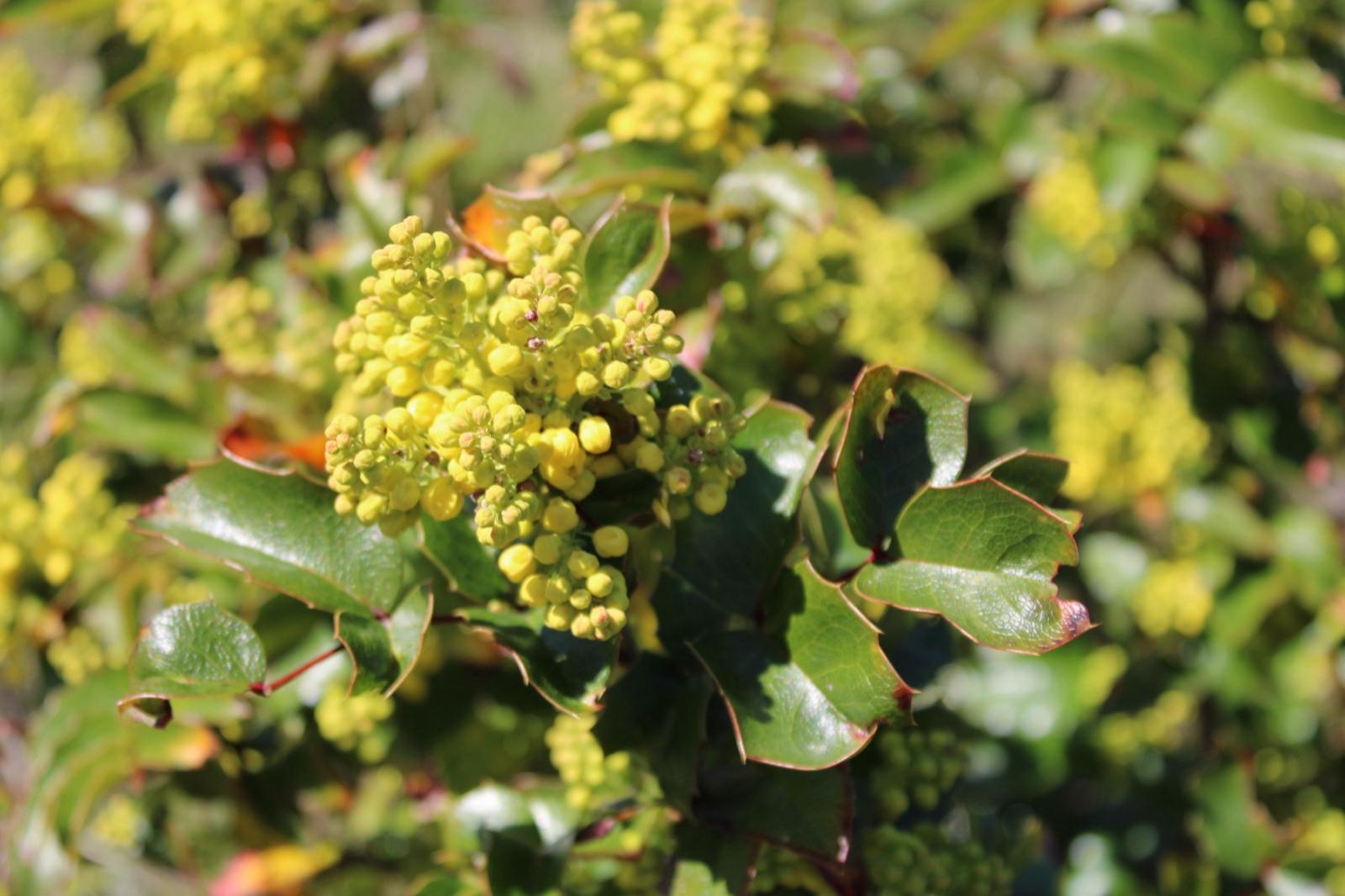
| Ceanothus (California lilac) | Shrub | 7–10 | Very low | Bay Area native. Blue spring flowers for native bees. Needs drainage |
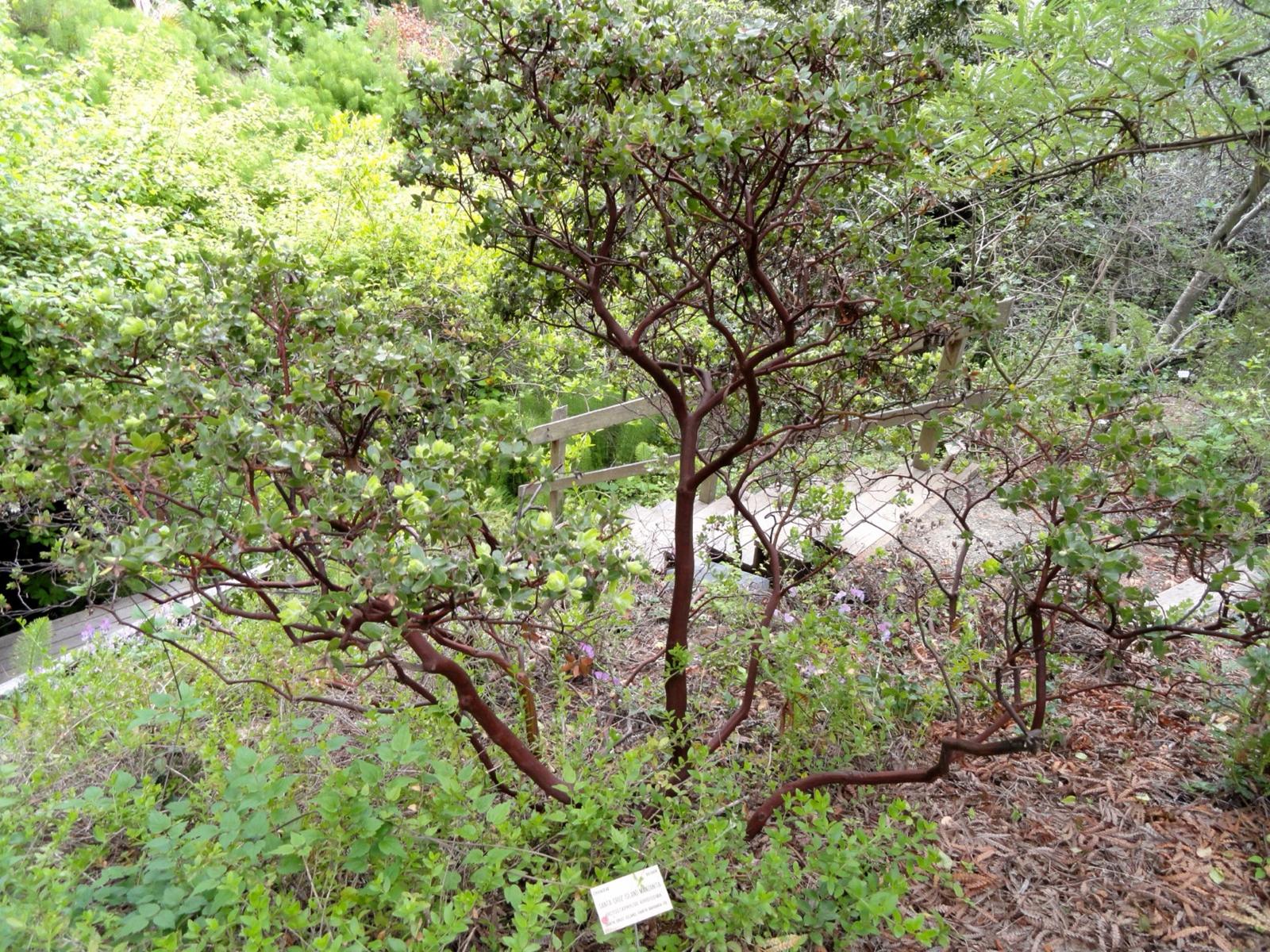
| Manzanita (Arctostaphylos manzanita) | Shrub | 8–10 | Very low | Native with red bark and winter flowers for hummingbirds |
| Toyon (Heteromeles arbutifolia) | Shrub | 8–10 | Very low | Native evergreen screen with red winter berries |
| California fuchsia (Epilobium canum) | Perennial | 8–10 | Very low | Orange-red flowers from late summer into fall |
| Western redbud (Cercis occidentalis) | Tree | 6–9 | Low | Native small tree for inland 9b yards |
| Rock rose (Cistus) | Shrub | 7–10 | Very low | Mediterranean evergreen for hot, dry banks |
| Trailing rosemary | Groundcover | 8–10 | Low | Spills over walls. Bees work the winter flowers |
| Red yucca | Succulent | 5–10 | Very low | Architectural accent with long summer bloom inland |
| Lavender | Perennial | 5–9 | Low | Best in inland 9b sun. Give it your warmest, sunniest spot |
| Yarrow | Perennial | 3–9 | Very low | California native. Tough flowering groundcover or lawn substitute |
| Desert willow | Tree | 7–11 | Low | For hot inland yards in the South and East Bay |
More California natives from Calscape, with its summer watering guidance for established plants:
- Cleveland sage (Salvia clevelandii): very low water; never irrigate once established.
- California buckwheat (Eriogonum fasciculatum): very low to low water; at most once a month in summer.
- Coffeeberry (Frangula californica): very low to low water; at most twice a month in summer.
- Douglas iris (Iris douglasiana): low to moderate water; at most once a month in summer. A good native for part shade.
- Coast live oak (Quercus agrifolia): very low to moderate water; at most once a month in summer.
- Deergrass (Muhlenbergia rigens): low to moderate water; at most once a month in summer.
Match plants to your microclimate. Cleveland sage and lavender want heat and sun; in the foggy west side of San Francisco, lean on coffeeberry, Douglas iris and ceanothus. Avoid invasives sold as drought-tolerant. The California Invasive Plant Council rates pampas and jubata grass and highway iceplant (Carpobrotus edulis) as High-impact invasives, and its Don't Plant a Pest! list for the Bay Area suggests safe alternatives. For our Southern California take, see the Los Angeles guide.
Design notes for Bay Area microclimates
Plant in fall and winter. Rain does the establishment work from November to March. EBMUD's $2/sq ft Super Rebate actually requires cool-season planting between September and February.
Sheet mulch instead of spraying. Leaving the lawn in place under cardboard, compost and mulch is the method EBMUD rewards with its higher rebate. It's also the easiest way to kill a lawn without herbicide. Our lawn removal guide compares methods.
Keep natives dry in summer. Calscape says established Cleveland sage should never be irrigated, and most of the natives above want water no more than once or twice a month in summer. Put them on their own drip valve, or plan to hand-water only through their first summer. See how to install drip irrigation.
Mulch deep. EBMUD and BAWSCA both require at least 3 inches of mulch in rebated areas, and Valley Water requires at least 2. Wood chips hold summer moisture in clay and suppress weeds.
Design for fire on hillsides. If your home backs onto wildland in the Oakland or Berkeley hills or the Peninsula foothills, keep the area next to the house lean: gravel, low succulents and well-spaced, irrigated plants, with larger shrubs farther out. Check your city's defensible-space rules before planting.
Bay Area water-use rules
Each Bay Area water agency sets its own rules, but most include permanent bans on wasteful use. San Francisco's are typical. Under SFPUC Rule 12, these prohibitions are permanent, rain or shine (SFPUC):
- No landscape watering that causes runoff onto walkways, roads, parking lots or neighboring property.
- No landscape watering with drinking water during or within 48 hours after measurable rain.
- No hoses without an automatic shut-off valve.
- No washing sidewalks or driveways with potable water in a way that causes runoff, except for health, safety or city cleanliness standards.
SFPUC says watering once or twice a week may be enough for a typical San Francisco property. EBMUD, Valley Water and Peninsula agencies publish their own rules, so check your water bill for your provider.
Bay Area rebates (as of September 2026)
| Program | Amount | Cap | Key requirement | Link |
|---|---|---|---|---|
| EBMUD Lawn Conversion Rebate (East Bay) | $1.00/sq ft Standard; $2.00/sq ft Super Rebate (sheet mulch, mostly California natives, plant September–February) | $2,000 per 2-year period for single-family and small multi-family homes | EBMUD approval before starting. Lawn irrigated and mowed for the past 3 years. 50% plant coverage, 3 in. of mulch, no artificial turf. Finish within 9 months | EBMUD |
| Valley Water Landscape Conversion Rebate (Santa Clara County) | $2/sq ft base rate | $3,000 default for single-family; $6,000 in cost-sharing areas (combined with irrigation upgrades) | Pre-inspection and Notice to Proceed before work. 50% plant coverage, 2 in. of mulch, drip, micro-spray or bubblers only. Funding lasts until June 30, 2027 or until depleted | Valley Water |
| BAWSCA Lawn Be Gone! (participating Peninsula agencies) | $1–$4/sq ft depending on agency (e.g., $4 in Mid-Peninsula WD, $3 in Menlo Park, $2 in Redwood City); optional $300 Rain Garden rebate at most agencies | Limited to actual costs; some agencies set caps | Pre-conversion inspection and Notice to Proceed. At least 200 sq ft, 3 in. of mulch, no artificial turf. Finish within 4 months | BAWSCA |
| SFPUC Large Landscape Grant (San Francisco) | Up to $4.00/sq ft (grant with 50% match) | $1.5 million | Projects of 10,000 sq ft or more, so typical homes don't qualify | SFPUC |
Get approved before you touch the lawn. Every lawn program above requires an inspection or written approval first, and none pays for artificial turf. San Francisco homeowners don't have an SFPUC lawn rebate; SFPUC offers irrigation controller, rain barrel and laundry-to-landscape rebates instead. Cal Water and Alameda County Water District customers apply through their own agencies. For the statewide picture, see our California turf rebates guide.
HOA rules in California
California Civil Code §4735 voids HOA rules that prohibit, or have the effect of prohibiting, low water-using plants as a group or as a replacement for existing turf. HOAs can still review your design, so submit plans first. Separately, AB 1572 (Water Code §10608.14) phases out drinking water for nonfunctional turf on commercial, institutional and industrial properties, and on HOA common areas starting January 1, 2029. It doesn't apply to single-family yards.
Hire it out
Sheet mulching a small front yard is a weekend job, but larger conversions with drip retrofits, grading and rebate paperwork go faster with a pro. Ask whether the installer has completed EBMUD, Valley Water or Lawn Be Gone! projects, since each has its own photo and inspection requirements. Compare itemized bids with our xeriscaping cost guide. Browse listed pros in the Bay Area:
Heading inland? Our Sacramento guide covers the hotter Central Valley and the City of Sacramento's rebate.
Frequently asked questions
Which Bay Area water agencies pay you to remove your lawn?
As of September 2026, EBMUD pays $1 to $2 per square foot (up to $2,000 every two years), Valley Water pays $2 per square foot (up to $3,000 for most homes), and BAWSCA's Lawn Be Gone! pays $1 to $4 per square foot through participating Peninsula agencies. SFPUC's landscape grant is only for projects of 10,000 square feet or more.
When should I plant a drought-tolerant garden in the Bay Area?
Fall through winter, roughly October to February, is best. Winter rain establishes roots with little irrigation. EBMUD's Super Rebate requires planting between September and February for that reason.
Can I water on any day in San Francisco?
SFPUC doesn't assign watering days, but its permanent rules ban runoff and ban landscape watering during or within 48 hours after measurable rain. Hoses must have an automatic shut-off nozzle. Other Bay Area agencies set their own rules.
Can my HOA stop me from replacing my lawn with native plants?
No. California Civil Code §4735 voids HOA rules that prohibit or effectively prohibit low water-using plants or replacing turf with them. Your HOA can still require architectural review, so submit a plan before you start.