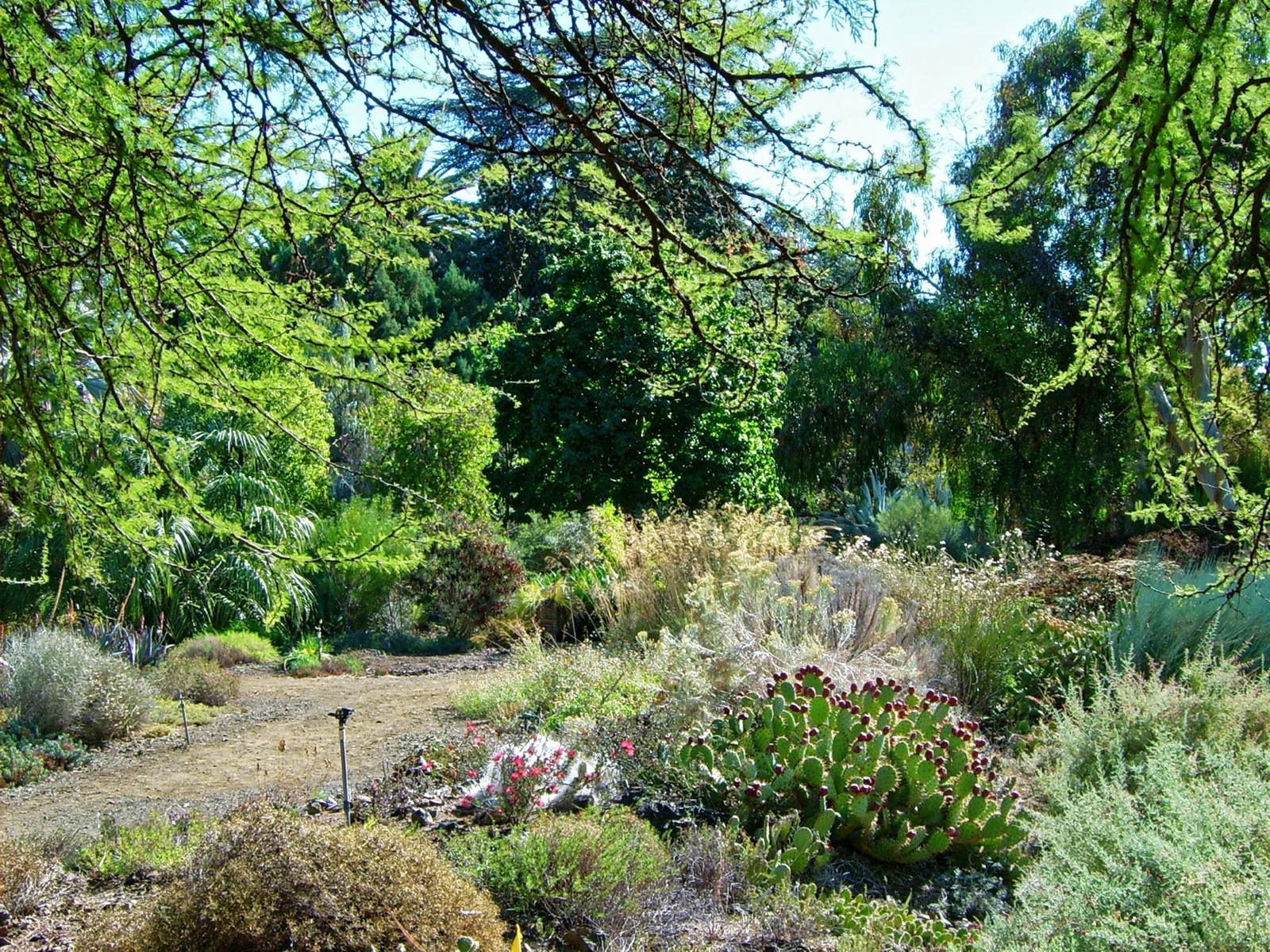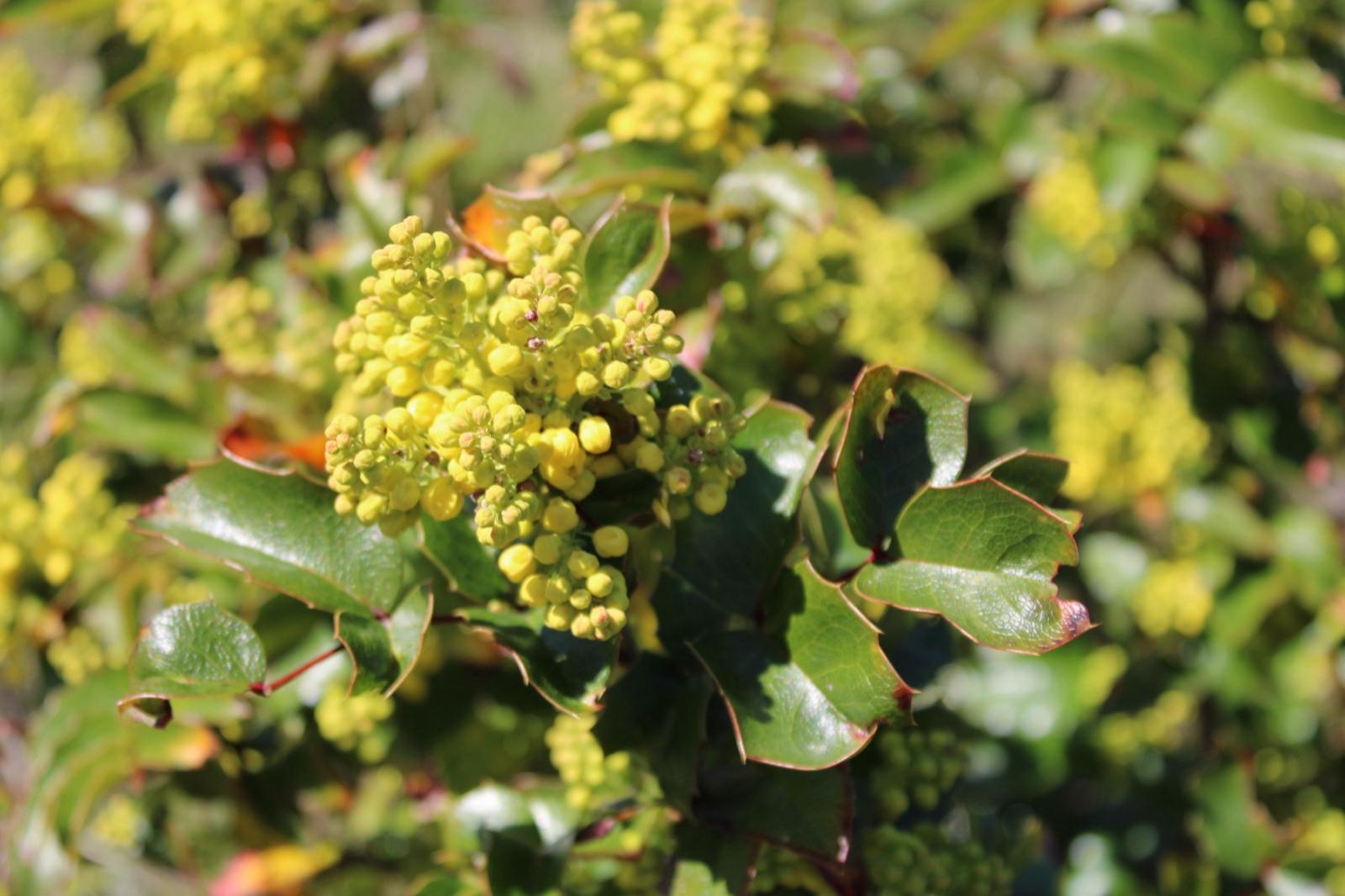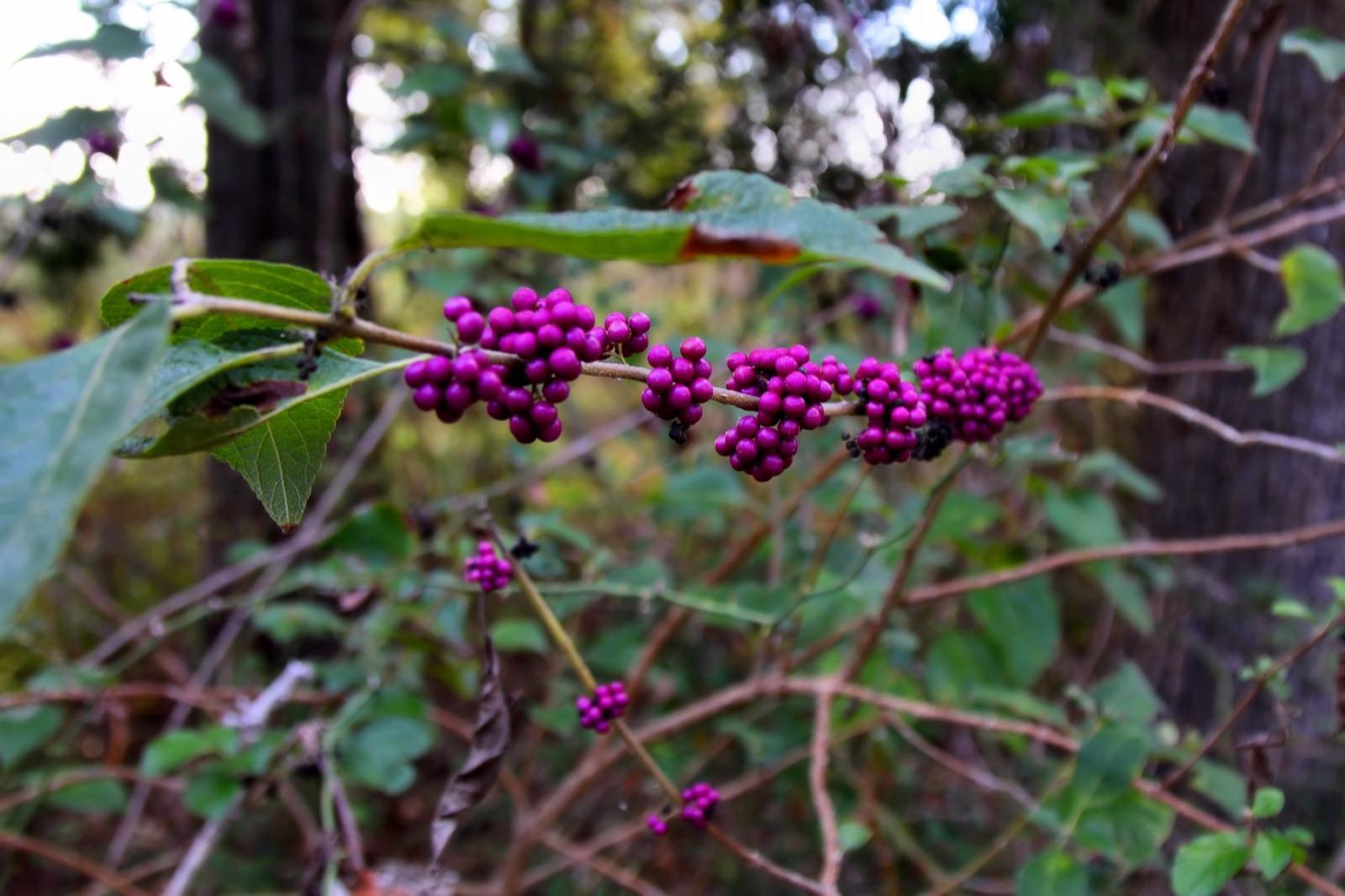
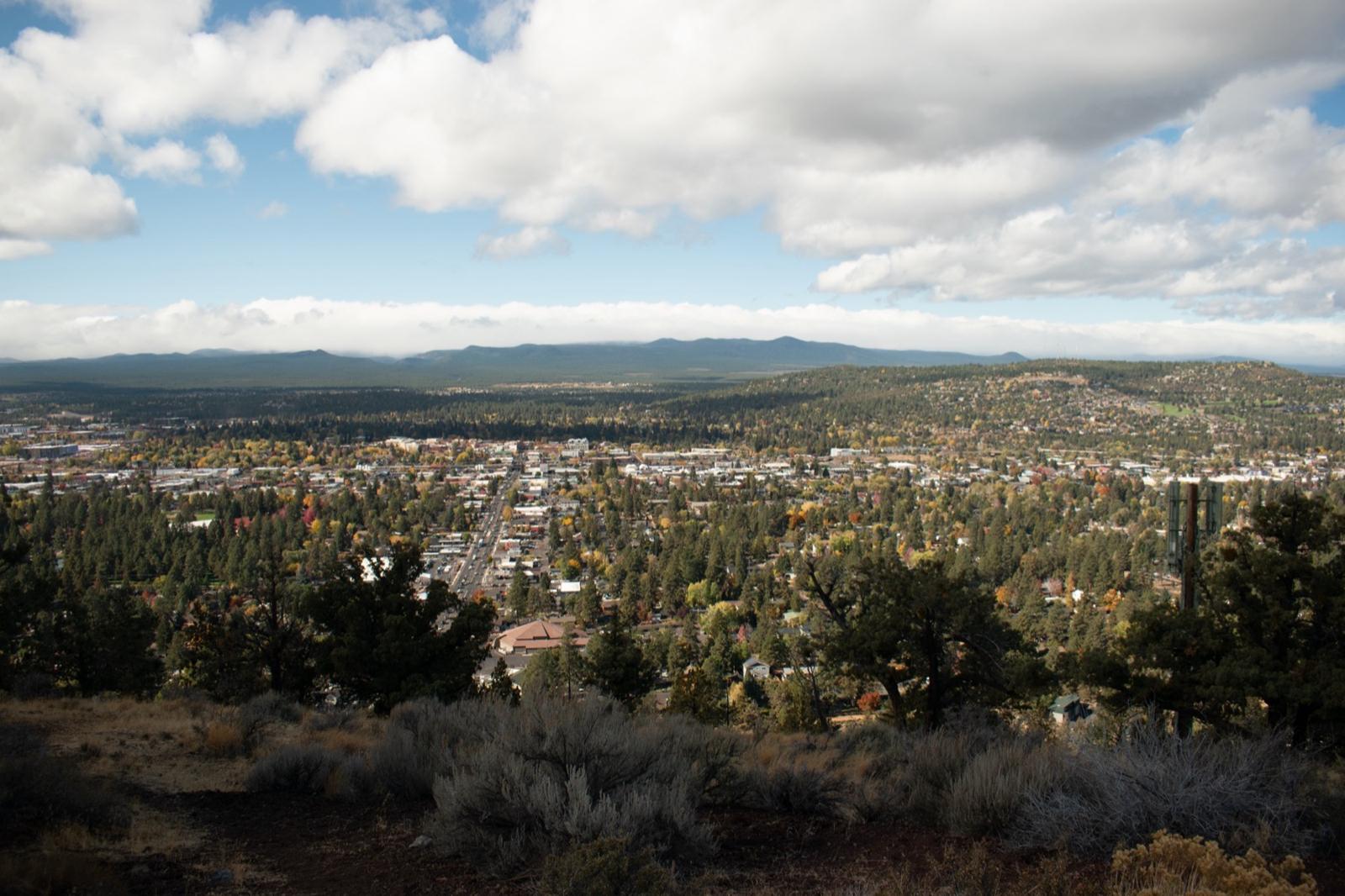
Xeriscaping in Bend is about surviving extremes on very little water. The city's NOAA weather station averages 10.62 inches of precipitation a year, frost is possible into June, and summer afternoons are hot and dry. Lawns stay green here only on irrigation. Central Oregon's native shrubs and a short list of tough perennials handle all of it, and the City of Bend pays $3 per square foot to help you switch.
This guide covers Bend's growing conditions, the plants that make it through a Central Oregon winter, design for fire and wind, the city's year-round watering rules and the rebates available as of September 2026.
Bend growing conditions
- USDA zone 6b, with 6a nearby. On the 2023 USDA map, Bend's 97701 and 97702 ZIPs are 6b, as is Redmond (97756). The 97707 ZIP south of town drops to 6a. See our Bend zone page.
- Dry. NOAA's 1991–2020 normals put Bend at 10.62 inches of precipitation a year, with 21.6 inches of snow (NOAA annual normals). July through September average less than half an inch a month. OSU Extension's Waterwise Gardening in Central Oregon puts natural precipitation at only 3 to 6 inches during the April–October growing season, and notes that a typical Central Oregon resident uses more than half of their water outdoors.
- A very short frost-free season. Bend's median last spring freeze is June 6 and its median first fall freeze is September 20. That's a growing season of about 105 days, one of the shortest of any city we cover. In half of all years, it freezes after June 6.
- Cool nights all summer. July's mean high is 83.8°F, but its mean low is just 48.6°F (NOAA monthly normals). Heat-loving plants from the Southwest can stall here.
- Elevation. The Bend station sits at about 3,660 feet on the east side of the Cascades.
- Fire country. Bend sits in ponderosa pine, juniper and sagebrush country. OSU Extension's fire-resistant plants guide is the local reference for what to plant near a house.
The best xeriscape plants for Bend
Start with the plants of the high desert around town: sagebrush, rabbitbrush, mountain mahogany and native buckwheats. Then add cold-hardy perennials that bloom inside a short season. OSU Extension's Deschutes County office publishes Central Oregon garden guides and runs Master Gardener demonstration gardens where you can see what grows locally.
| Plant | Type | Zones | Water | Why it works here |
|---|---|---|---|---|
| Big sagebrush | Shrub | 4–9 | Very low | The native backbone of Central Oregon. Plant it away from the house |
| Rabbitbrush | Shrub | 4–9 | Very low | Local native with gold bloom in late summer and fall |
| Curl-leaf mountain mahogany (Cercocarpus ledifolius) | Shrub | 3–8 | Very low | Native evergreen for screens and small-tree structure |
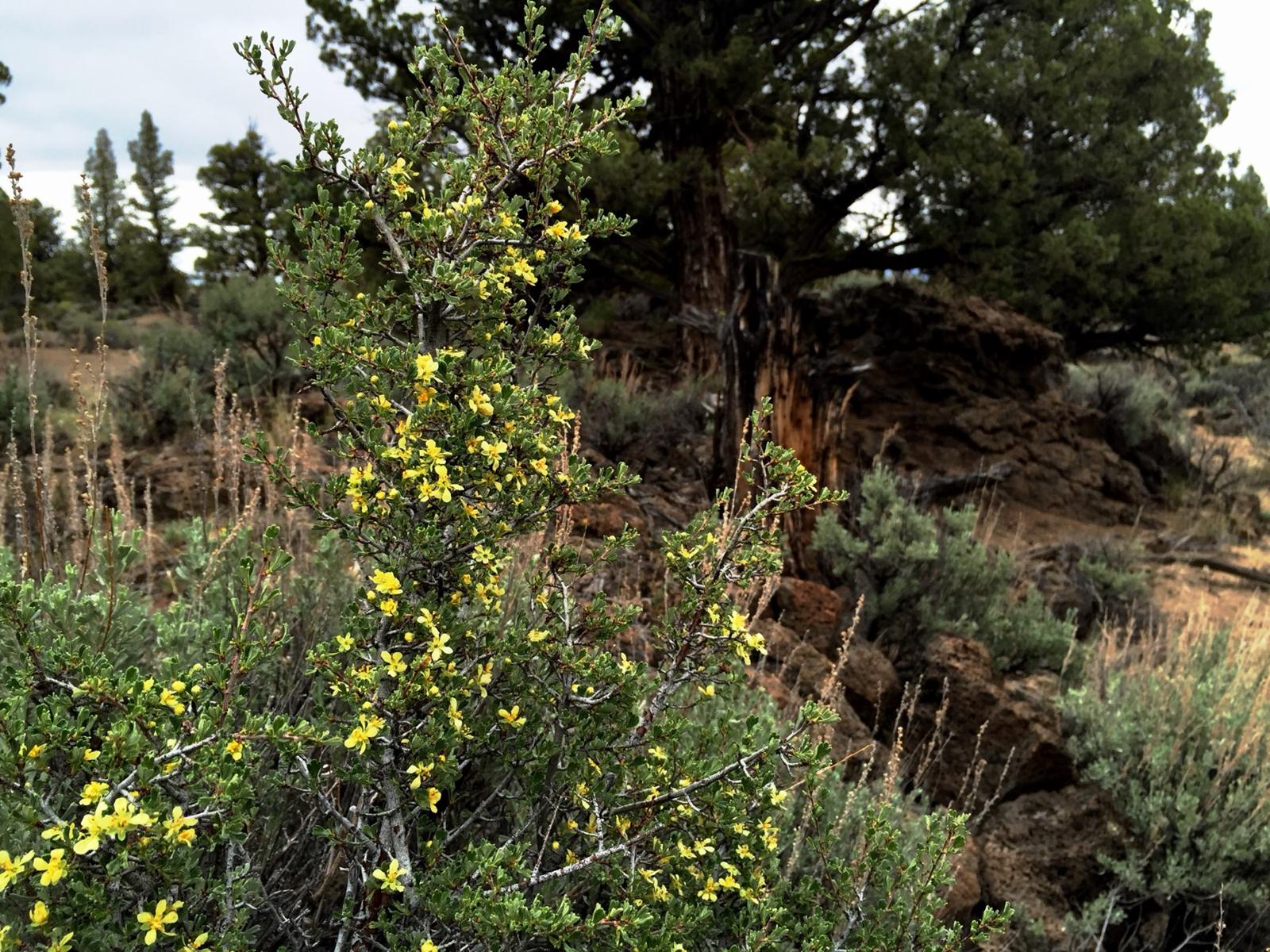
| Shrubby cinquefoil (Potentilla fruticosa) | Shrub | 2–7 | Low | Cold-proof shrub with yellow flowers all summer |
| Fernbush | Shrub | 4–8 | Very low | Great Basin native. Fragrant white summer bloom |
| Sulphur buckwheat | Groundcover | 4–8 | Very low | Western native mat with yellow summer flowers |
| Yarrow | Perennial | 3–9 | Very low | Native, fire-resistant and quick to bloom in a short season |
| Blanket flower | Perennial | 3–8 | Very low | Native to the interior West. Blooms from early summer to frost |
| Rocky Mountain penstemon | Perennial | 4–9 | Very low | Blue spikes in late spring. Loves lean, fast-draining soil |
| Catmint | Perennial | 3–8 | Low | Deer-resistant edging with a long bloom |
| Russian sage | Perennial | 4–9 | Very low | Deer-resistant silver-blue haze from midsummer on |
| Blue oat grass | Grass | 4–8 | Low | Evergreen blue accent that stands up in winter |
Skip plants rated only to zone 7 and warmer, such as desert willow. They may survive a mild winter, but Bend's cold snaps and short, cool summers catch up with them. For more options rated to your zone, see xeriscape plants for zone 6.
Design notes for Central Oregon
Plan around fire. OSU Extension notes that most healthy deciduous shrubs and trees are fire-resistant, but that native and ornamental plants can both be highly flammable, and it singles out juniper as a highly flammable shrub often planted around homes. Keep junipers and sagebrush at the outer edge of your lot. Use rock mulch, low perennials and hardscape in the first few feet around the house. OSU's example of a fire-resistant landscape is pineleaf penstemon surrounded by decorative rock.
Work with the short season. Plant perennials and shrubs from early June through mid-August, after the median last freeze and with enough time for roots to establish before fall. Perennials set out after mid-September may not root in before the ground freezes.
Water deep, then back off. Established natives need little summer water here. Put new plantings on drip, water deeply once or twice a week the first summer, and then taper. Our first-year xeriscape care guide covers establishment in detail.
Use gravel and rock where you can. Rock mulch doesn't burn, doesn't blow away and suits the high-desert look. Wood mulch works under shrubs away from the house. See gravel vs. wood mulch.
Bend watering rules
The City of Bend's outdoor watering regulations apply all year (City of Bend):
- Odd/even days: even house numbers water on even-numbered days of the month, odd house numbers on odd-numbered days. Everyone may water on the 31st.
- No irrigation from 9 a.m. to 5 p.m. The city says the best time to water is between 7 p.m. and 6 a.m.
- No runoff into the street, down the sidewalk or onto a neighbor's property, and no sprinklers hitting pavement.
- Hand-held hoses under manual control are exempt. You can ask the city for a temporary variance for new sod, seed or plantings.
Unresolved violations can lead to a fine. Customers of other water providers in the Bend area should check their own provider's rules.
Bend rebates (as of September 2026)
| Program | Amount | Cap | Key requirement | Link |
|---|---|---|---|---|
| City of Bend Turf Replacement Rebate — open for the 2026 season | $3/sq ft of removed turf | $3,000 | Project Consultation and written Approval to Proceed before any work. At least 75% healthy turf, whole irrigation zones, a 3-inch mulch layer, drip for new plantings, about 50% plant coverage within five years. Finish within 90 days and maintain for five years | City of Bend |
| City of Bend Residential Outdoor Rebates | Smart irrigation controller $100; drip conversion kit $90; high-efficiency nozzles $4 each; pressure-regulating spray bodies $4 each | One controller and one drip kit; up to 20 nozzles and 20 spray bodies; not more than the purchase price | Retrofits only. Apply through WaterSmart within 90 days of purchase. Post-installation inspection required | City of Bend |
Timing matters this fall. Bend's turf program runs April 1 through October 31 each year. For 2026, the city says projects must be finished before October 15, with the follow-up evaluation scheduled before October 31. If you're applying now, you may be better off booking a consultation for the 2027 season, which opens April 1. Never remove grass before you have written approval; rebates are first-come, first-served while funds last. For removal methods, see how to remove a lawn.
Oregon HOA rules
Oregon doesn't give homeowners a blanket right to xeriscape in a planned community, but ORS 94.779 helps. Any HOA rule that imposes irrigation requirements on an owner is void while a governor's drought declaration, a Water Resources Commission drought finding, or a local water conservation or curtailment ordinance is in effect. The same statute lets an HOA adopt rules that permit or require replacing turf with xeriscape, and it can require its own review and approval of your plans first.
Hire it out
Turf removal, drip conversion and rock work are heavy lifting, and the city's rebate has strict irrigation and mulch requirements. A contractor who has done City of Bend turf projects will know the consultation and inspection steps. Ask for itemized bids and compare them with our xeriscaping cost guide. Browse listed pros in Bend:
The closest high-desert cousin we cover is Boise, with a longer, hotter summer.
Frequently asked questions
Does Bend pay you to remove your lawn?
Yes. The City of Bend's Turf Replacement Rebate pays $3 per square foot of removed turf, up to $3,000, as of September 2026. You need a Project Consultation and written Approval to Proceed before any work, and the program runs April 1 to October 31 each year.
What are the watering rules in Bend?
Even house numbers water on even days of the month and odd numbers on odd days. Everyone can water on the 31st. Irrigation is prohibited from 9 a.m. to 5 p.m., and the rules apply year-round. Hand-held hoses under manual control are exempt.
When is the last frost in Bend?
NOAA's 1991–2020 median last spring freeze in Bend is June 6, and the median first fall freeze is September 20. That leaves a growing season of only about 105 days, so plant in early summer and choose plants rated for zone 6 or colder.
What plants are fire-resistant in Central Oregon?
OSU Extension's PNW 590 guide lists more than 150 plants that are safe for fire-wise landscapes, and it warns that juniper is highly flammable. Low perennials such as penstemon and yarrow surrounded by rock are a good choice close to the house.