
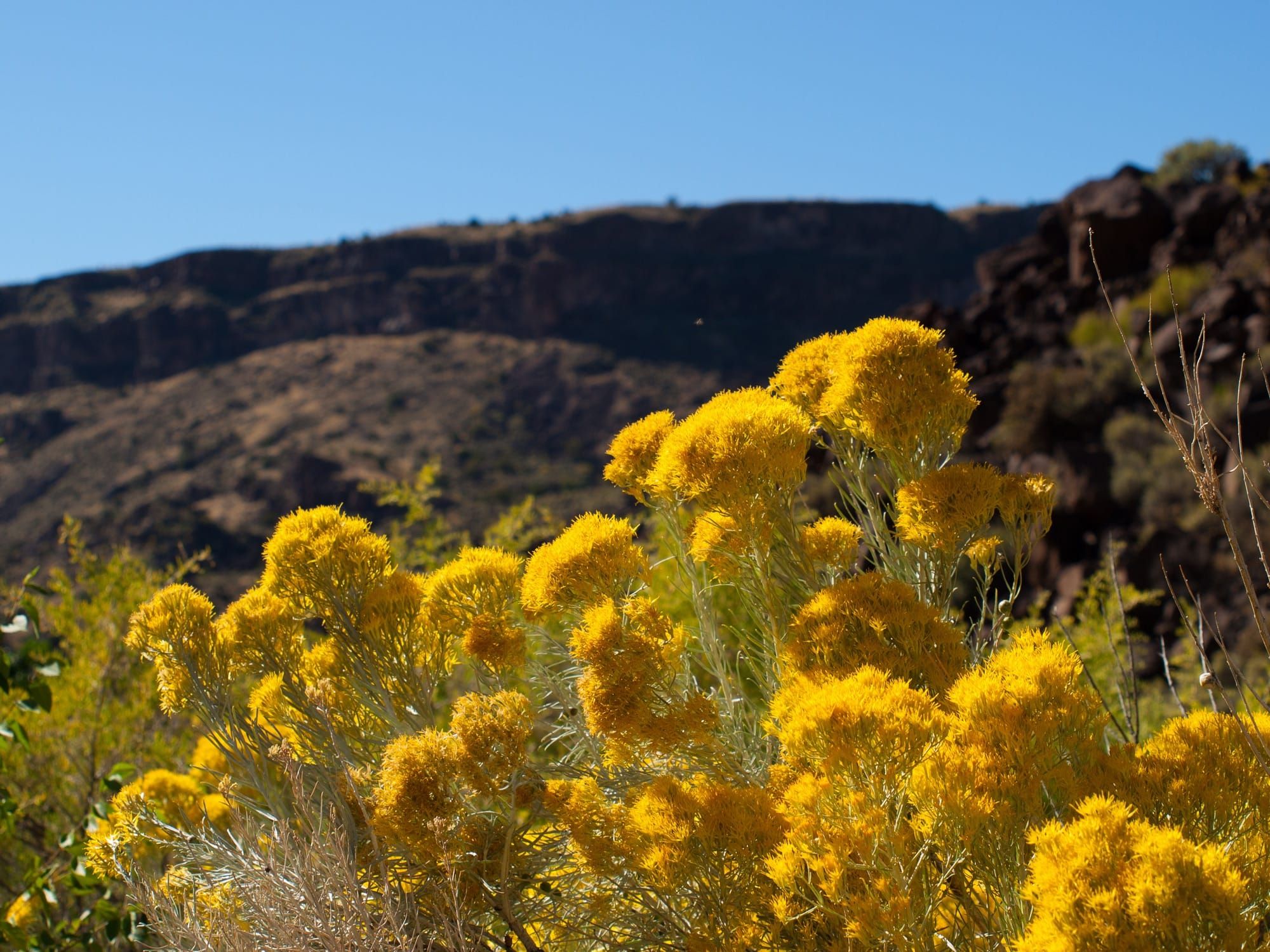
Drive twenty minutes out of Boise in any direction and you're in sagebrush steppe — silver-green, bunchgrass-dotted, and running on about 12 inches of precipitation a year. Drive back into town and it's wall-to-wall Kentucky bluegrass drinking four times that. The Treasure Valley's irrigation heritage made lawns feel free for a century, but growth is catching up with the water — and the foothills have been demonstrating the alternative all along.
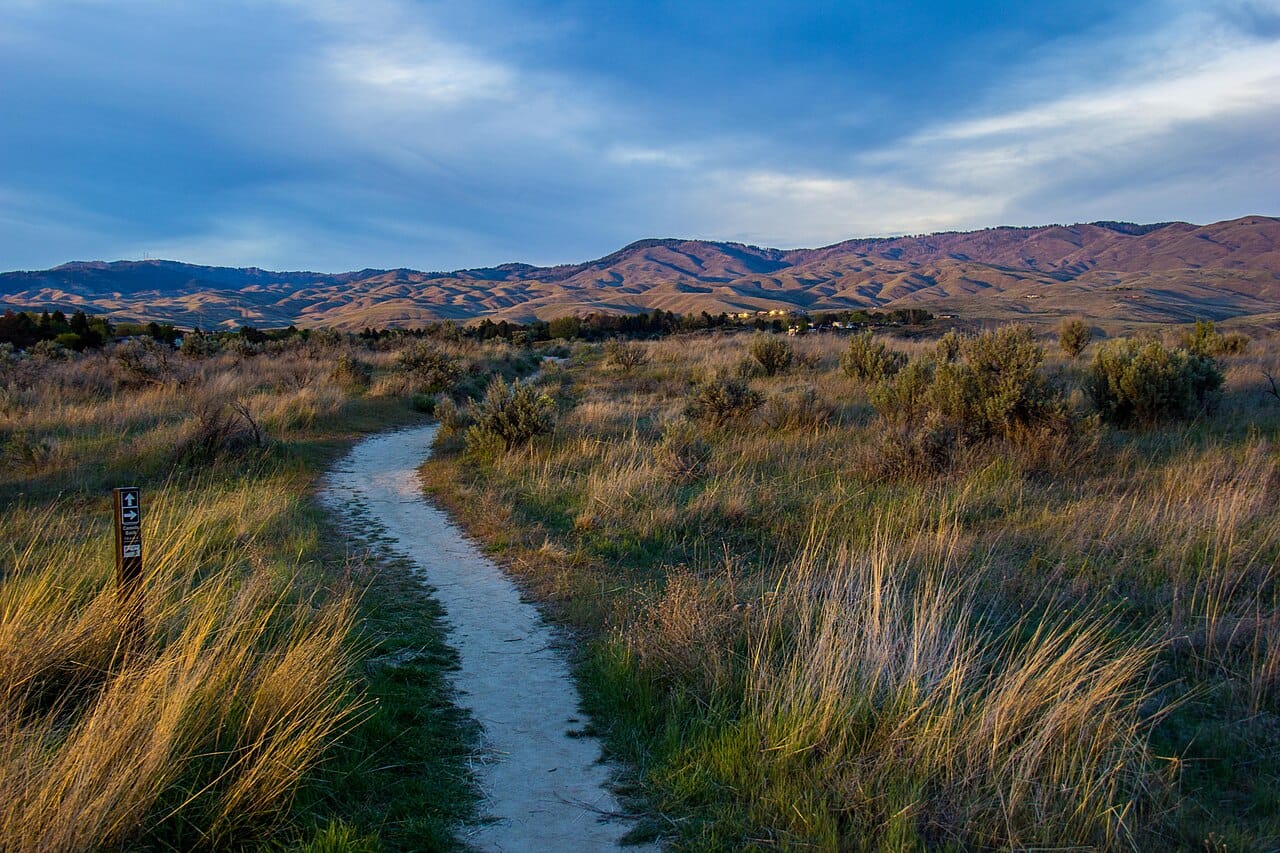
Boise growing conditions
- Hardiness zone: 6b to 7a — real winters with single-digit snaps, hot dry summers, and almost no summer rain.
- High desert light and low humidity cure most fungal problems bluegrass suffers elsewhere — and make silver-foliaged steppe plants look their best.
- Soils vary from river-bottom loam near the Boise River to thin, rocky ground on the bench and foothills. Nearly all of it is alkaline; steppe natives approve.
- Wind exposure on the bench favors low, tough, fine-textured plants.
Water and rebates: know your supplier
Boise's water situation is unusual — much of the valley irrigates with untreated canal water under old irrigation-district rights, while drinking water comes from a separate utility. That history means turf-replacement rebates have been less common than in Colorado or Utah. Check with your water provider and the City of Boise's conservation programs for current incentives, and don't be surprised if the strongest argument is simply the labor: a xeriscape frees you from the mow-water-mow treadmill even where canal water is cheap (the broader rebate landscape is covered here).
The sagebrush-steppe plant palette
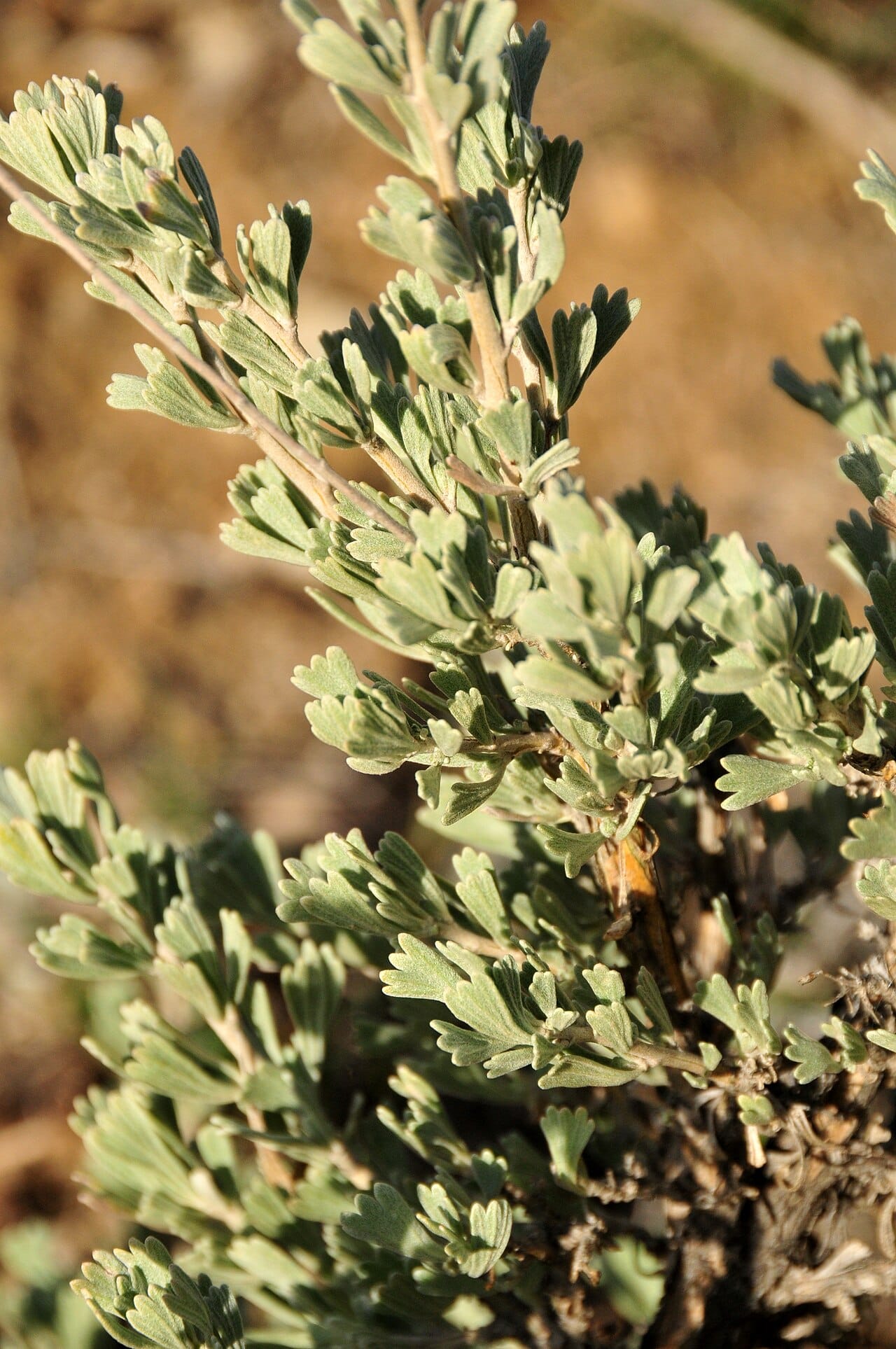
Shrubs: big sagebrush (yes, plant it — it's the landscape's soul), rubber rabbitbrush (electric gold in September), antelope bitterbrush, fernbush, and serviceberry for spring bloom and berries.
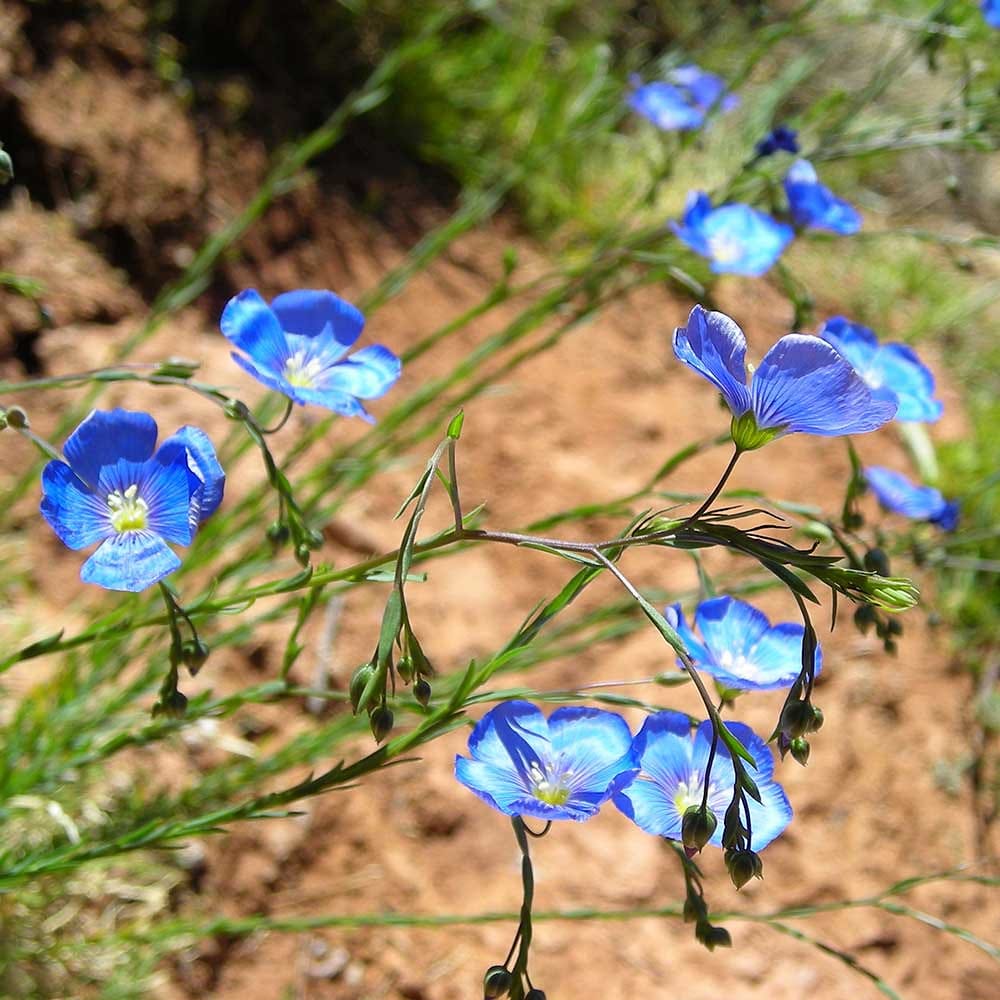
Perennials: firecracker and Palmer's penstemon, sulphur buckwheat, blue flax (Lewis's — an Idaho native), yarrow, blanket flower, globe mallow, and hummingbird mint. Deep-dive options in our drought-tolerant perennials guide.
Grasses: Idaho fescue (the state grass), bluebunch wheatgrass, blue grama, and little bluestem — the bunchgrass matrix that makes steppe plantings read intentional (how to use them).
Trees: netleaf hackberry, ponderosa pine, gambel oak, and golden currant at the shrub-tree line.
Design notes: the foothills look
- Copy the foothills' rhythm — widely spaced shrubs in a matrix of bunchgrasses and wildflowers, not solid beds. It's the most water-honest style in the region and reads instantly local against the Boise Front.
- Silver is your color scheme. Sagebrush, buckwheat, and flax foliage carry the yard between bloom cycles; gold rabbitbrush and red penstemon are the accents.
- Basalt belongs here. Local dark basalt boulders and crushed gravel echo the Snake River Plain's geology far better than imported river rock.
- Keep green where it counts. A small irrigated patch near the patio, surrounded by steppe planting, splits the difference — and cuts water dramatically.
- South-facing slopes on bench lots are your hottest, driest zones — plant them from the full-sun toughest-of-the-tough list.
Getting started
- Identify your water source (canal vs. culinary) and check current city and utility conservation programs.
- Plan the conversion — lawn removal methods compared here; sheet mulching works well over a Treasure Valley winter.
- Follow the 10 Steps to Xeriscaping: drip irrigation, fall planting, gravel or bark mulch per bed style.
- Water establishment year one; by year three, steppe natives barely need you.
The Boise foothills turn silver-gold every September and never see a sprinkler. Your yard is twenty minutes and one growing season away from joining them.