Xeriscaping in Portland sounds like a contradiction until you look at the summer numbers. Portland International Airport averages 36.92 inches of precipitation a year, according to NOAA's 1991–2020 normals, but only 0.51 inches in July and 0.54 in August. Portland has a summer drought every year, and lawns and thirsty borders get through it only on irrigation. A Portland xeriscape uses plants that thrive on winter rain and need little or no summer water, as long as they're planted where they won't sit in soggy clay from November to March.
This guide covers Portland's climate, the plants proven to go without summer irrigation in western Oregon, design for wet winters, local water rules and the incentives available as of September 2026.
Portland growing conditions
- USDA zones 8b and 9a. On the 2023 USDA map, downtown and the West Hills (97201, 97205, 97219), Beaverton's 97229 and Gresham's 97080 are 8b. Northeast Portland (97211), outer southeast (97266), Tigard (97223) and Gresham's 97030 are 9a. See our Portland zone page.
- Wet winters, dry summers. October through March brings about 27 of PDX's 36.92 annual inches. June through September adds only about 4.2 inches combined (NOAA monthly normals).
- Warm, dry summers. Mean daily highs at PDX are 81.9°F in July and 82.3°F in August, with occasional heat waves well above that.
- Frost. The median last spring freeze at PDX is March 13 and the median first fall freeze is November 19 (NOAA annual normals).
- Drainage decides everything. OSU Extension warns that areas where water stands after rain are a problem for almost all landscape plants, and that compacted soils or soils with high clay content should be amended before planting (OSU Extension).
The best drought-tolerant plants for Portland
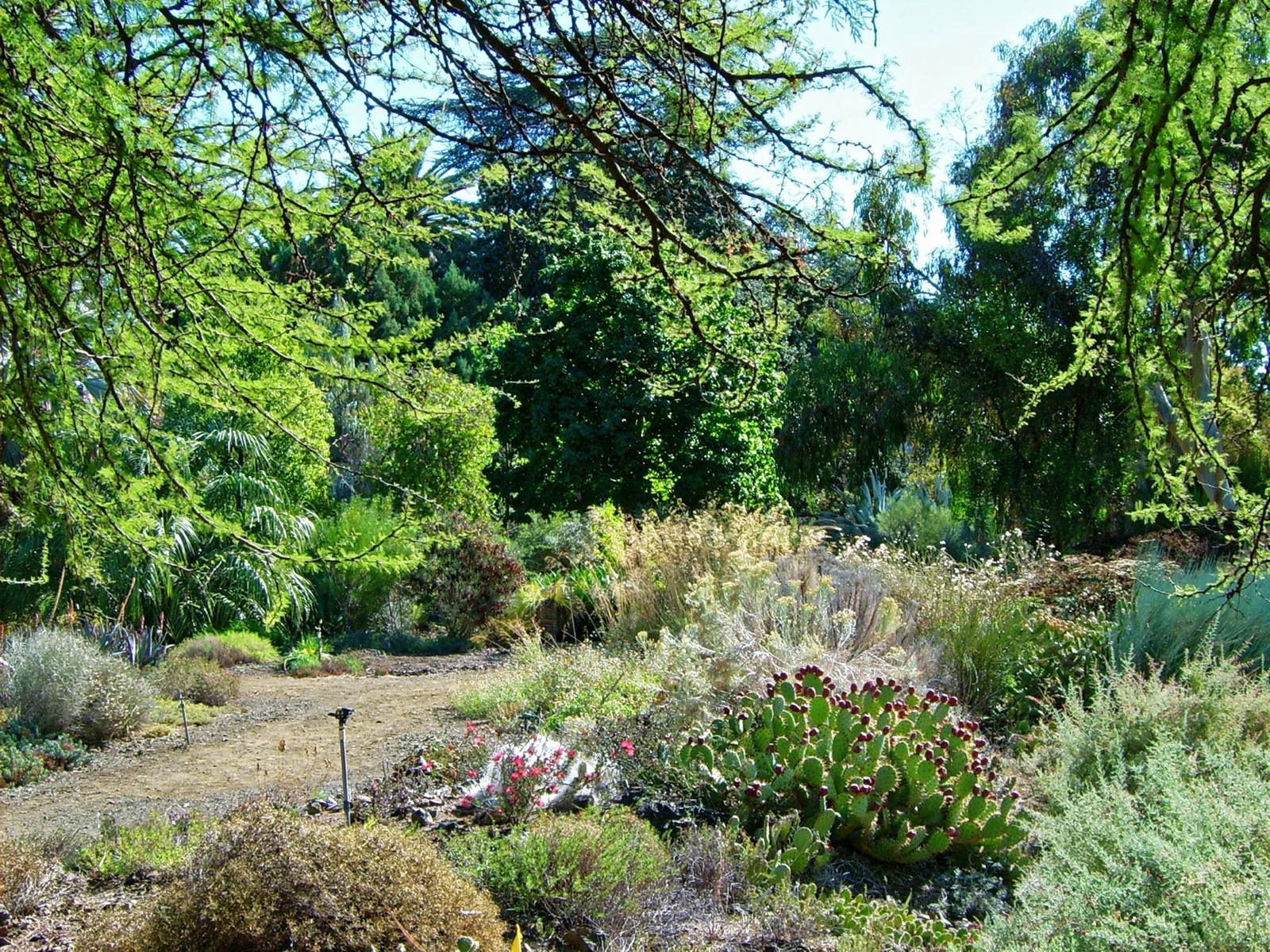
The best local evidence comes from Oregon State University. OSU horticulture researchers have grown landscape plants without summer irrigation at Aurora, Oregon, south of Portland, since 2000. Their trials cover California lilac (Ceanothus), rockrose (Cistus and Halimium), manzanita (Arctostaphylos), spider flower (Grevillea) and groundcover shrubs, and OSU says western Oregon gardens can flourish without summer irrigation when you choose the right plants (OSU Extension). Pair those with Oregon natives from dry upland sites.
| Plant | Type | Zones | Water | Why it works here |
|---|---|---|---|---|
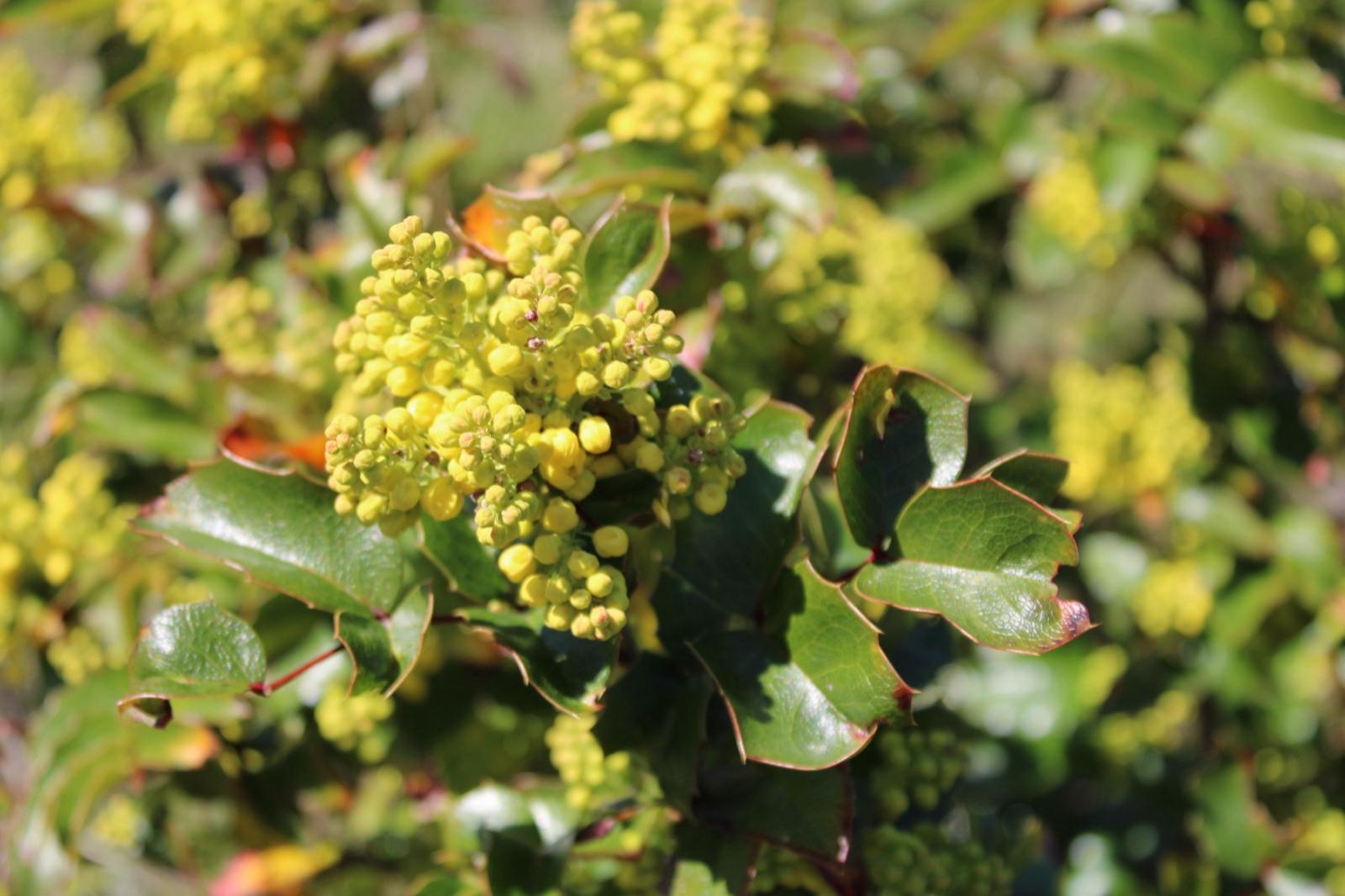
| Oregon grape (Mahonia aquifolium) | Shrub | 5–8 | Low | Pacific Northwest native evergreen with yellow spring flowers and blue berries |
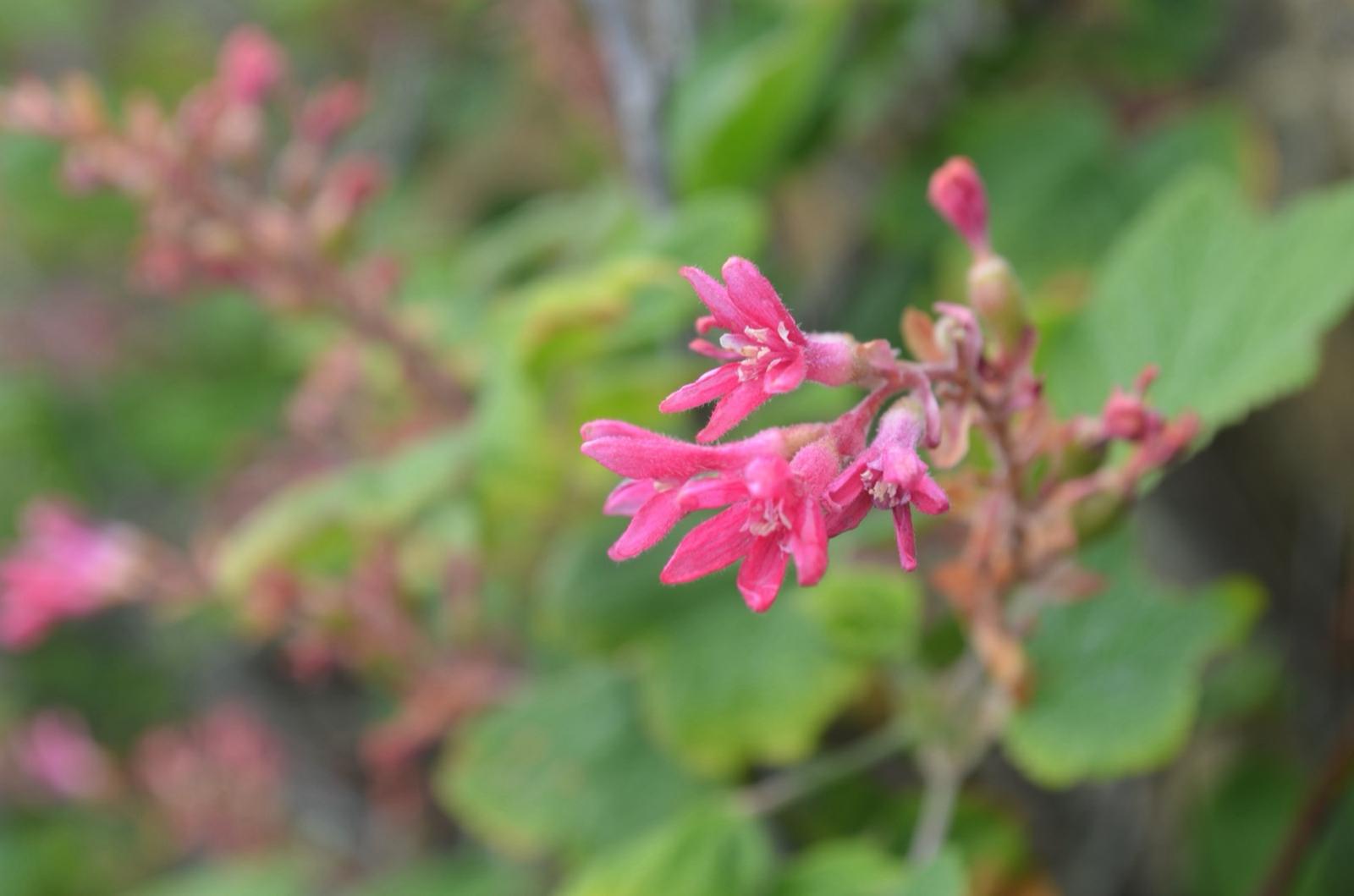
| Red-flowering currant (Ribes sanguineum) | Shrub | 6–8 | Moderate | Native shrub with pink flower clusters in early spring |
| Ceanothus (California lilac) | Shrub | 7–10 | Very low | Tested without summer water in OSU's Aurora trials. Blue spring flowers |
| Manzanita (Arctostaphylos) | Shrub | 7–10 | Very low | OSU trial plant. Evergreen with mahogany bark. Needs drainage |
| Rock rose (Cistus) | Shrub | 7–10 | Very low | OSU trial plant. Mediterranean evergreen for hot, dry spots |
| Western redbud (Cercis occidentalis) | Tree | 6–9 | Low | West Coast native small tree with magenta spring bloom |
| Lavender | Perennial | 5–9 | Low | Mediterranean classic. Plant it high on a mound or slope |
| Trailing rosemary | Groundcover | 8–10 | Low | Spills over walls and rockeries in Portland's warmer 8b–9a yards |
| Russian sage | Perennial | 4–9 | Very low | On OSU's list of resilient waterwise plants for Oregon |
| Yarrow | Perennial | 3–9 | Very low | Native. Use it in meadows or as a flowering lawn substitute |
| Autumn Joy sedum | Succulent | 3–9 | Low | Handles dry summers and survives wet winters in decent drainage |
| California fuchsia (Epilobium canum) | Perennial | 8–10 | Very low | West Coast native with orange-red flowers in late summer, when little else blooms |
Zones for Oregon grape and red-flowering currant come from the NC State Extension Plant Toolbox, and water ratings from the Lady Bird Johnson Wildflower Center. Don't plant English ivy or other invasive groundcovers as "low-water" fill. For more groundcover ideas, see our drought-tolerant groundcovers guide.
Design for wet winters and dry summers
Fix drainage before you plant. The Mediterranean shrubs in OSU's trials die in soggy soil. Raise beds or mounds 8 to 12 inches, amend heavy clay, and never put manzanita, ceanothus or rockrose in a low spot. OSU recommends digging the whole planting area if the soil is compacted, which is common around new homes.
Use the heat. OSU notes that Mediterranean plants appreciate extra heat, such as a bed against a south- or west-facing wall, and perform better there than typical landscape plants. That's the place for rockrose, lavender and rosemary.
Plant in fall. Fall rain establishes roots for free. A fall-planted shrub has a full wet season to grow before its first dry summer. Water new plantings deeply every week or two through the first summer, then taper off. Our first-year care guide covers establishment.
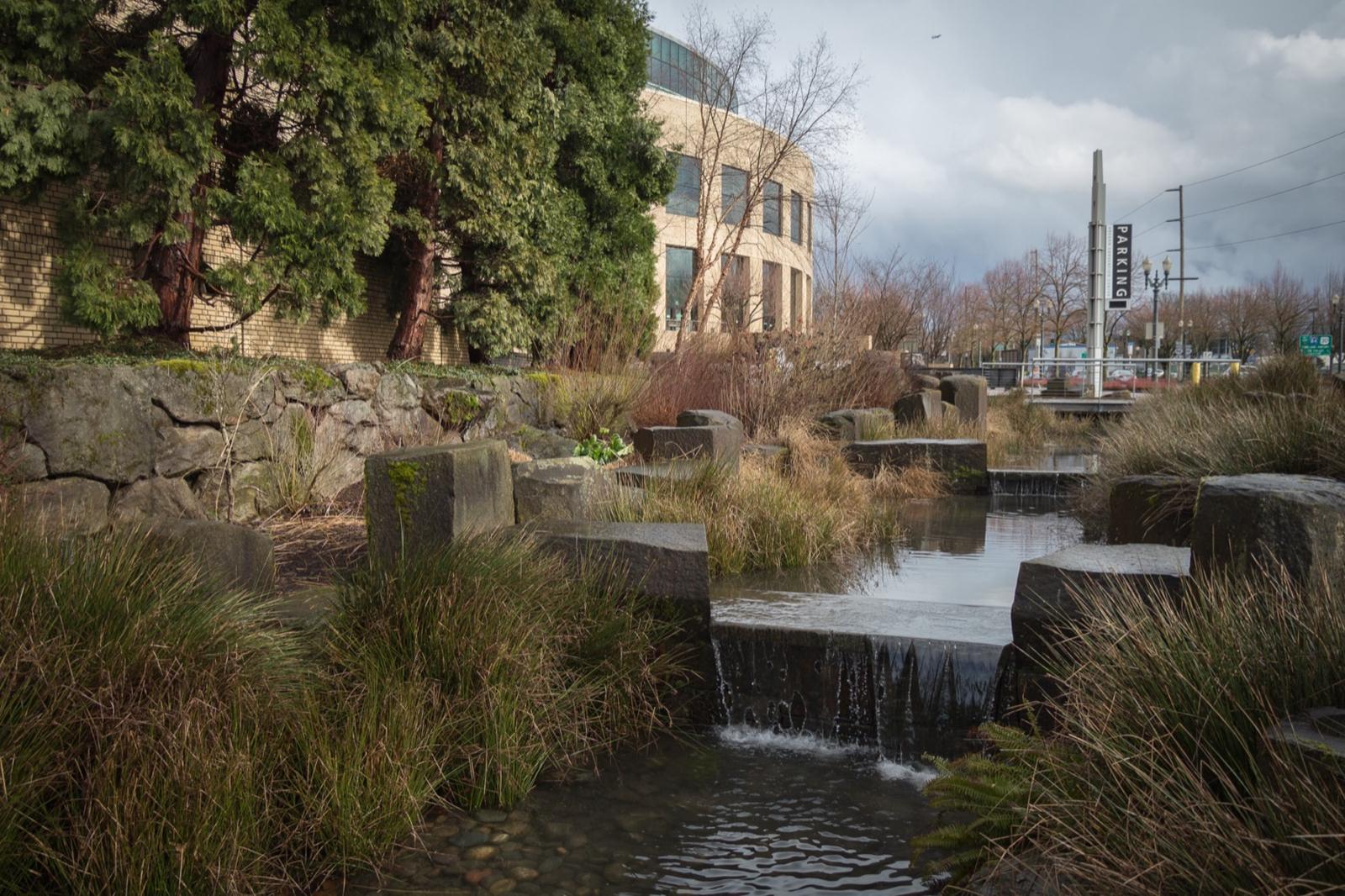
Catch winter rain on site. A rain garden in a low spot, planted with species that tolerate wet feet, can take roof runoff in winter and dry out in summer. Rain gardens, swales and landscaped areas that collect runoff can also qualify you for a stormwater discount (below). See our dry creek bed guide for moving water to where you want it.
Mulch, then leave it. Portland Water Bureau points out that mulch reduces evaporation, the main source of water loss from soil. Compost mixed into the top six inches helps clay hold water in summer and drain better in winter.
Portland watering rules
Portland has no routine watering-day schedule. As of September 2026, the Portland Water Bureau says the city is not experiencing a water shortage and hasn't needed to request curtailment since 1992 (Portland Water Bureau). If a shortage does occur, curtailment works in three stages: voluntary cuts in Stage 1, mandatory reductions focused on outdoor use in Stage 2, and no outdoor water use at all in Stage 3.
The bureau's outdoor guidance (Saving water outdoors) matches xeriscape practice:
- Established trees and shrubs typically need little supplemental water beyond a deep soak or two on the hottest days of summer.
- Water in the early morning or evening to reduce evaporation.
- Give perennials and shrubs about half the water you'd give a lawn, and water them separately from grass.
- Sign up for the Regional Water Providers Consortium's Weekly Watering Number, emailed Thursdays from April through September based on your ZIP code.
Portland rebates and incentives (as of September 2026)
Portland doesn't have a lawn-replacement rebate. The Water Bureau rebates irrigation hardware, and Environmental Services discounts stormwater fees for managing rain on site.
| Program | Amount | Cap | Key requirement | Link |
|---|---|---|---|---|
| Portland Water Bureau Outdoor Rebate: WaterSense irrigation controller | Up to $100 (single-family) | One controller per account | Active Water Bureau drinking water account. Testable backflow assembly with annual testing up to date. Apply within 1 year of purchase | Portland Water Bureau |
| Outdoor Rebate: WaterSense hose faucet controllers | $50 each ($75 for financial assistance customers) | Two per account | Installed with backflow protection. Photo of installation required | Portland Water Bureau |
| Outdoor Rebate: multi-stream rotator nozzles or WaterSense spray bodies | $3 each | 32 per single-family account | Rebate can't exceed hardware cost | Portland Water Bureau |
| Clean River Rewards (Bureau of Environmental Services) | Discount on the stormwater portion of your bill | Up to 35% of your total stormwater fee | Manage roof and paved-area runoff on your property with rain gardens, swales, lawns or landscaped areas | Portland BES |
| Lawn replacement rebate | None listed | n/a | The Water Bureau lists no turf-replacement rebate | Portland Water Bureau |
Check your provider first. These programs apply to Portland Water Bureau and City of Portland accounts. Suburban water providers run their own programs; the Regional Water Providers Consortium lists them by provider. Credits can take up to three months to appear on your Water Bureau account.
Oregon HOA rules
ORS 94.779 makes HOA irrigation requirements void and unenforceable while a governor's drought declaration, a Water Resources Commission drought finding or a local water conservation or curtailment ordinance is in effect for the area. It also lets an HOA adopt rules that permit or require replacing turf with xeriscape, with the association's prior review and approval of plans. Outside those conditions, your CC&Rs control, so get design approval before you start.
Hire it out
Grading for drainage, building raised beds and removing sod are where a Portland conversion takes the most work. Look for a landscaper who knows summer-dry plants and can explain how the design handles a wet January as well as a dry August. Get itemized quotes and compare them with our xeriscaping cost guide. Browse listed pros in the Portland area:
East of the Cascades, conditions are completely different; see our Bend xeriscaping guide for the high-desert version.
Frequently asked questions
Does xeriscaping make sense in Portland with all the rain?
Yes. Most of Portland's rain falls between October and May, and July and August average about an inch combined. A xeriscape of summer-dry plants like manzanita, ceanothus, rockrose and Oregon grape can go with little or no summer irrigation once established, as OSU's trials show.
Does Portland pay you to remove your lawn?
No. As of September 2026, Portland Water Bureau offers rebates on irrigation hardware (up to $100 for a WaterSense controller), not on lawn removal. Environmental Services' Clean River Rewards can cut up to 35% of your stormwater fee if you manage runoff on your property.
Why do drought-tolerant plants die in Portland?
Usually from wet feet in winter, not drought in summer. Mediterranean and dry-climate plants rot in poorly drained clay. Plant them on raised beds, mounds or slopes, amend heavy soil and avoid low spots where water stands after rain.
Are there watering restrictions in Portland?
Not as of September 2026. The Portland Water Bureau says the city isn't experiencing a water shortage and hasn't requested curtailment since 1992. If a shortage occurs, the bureau can call voluntary or mandatory curtailment stages.