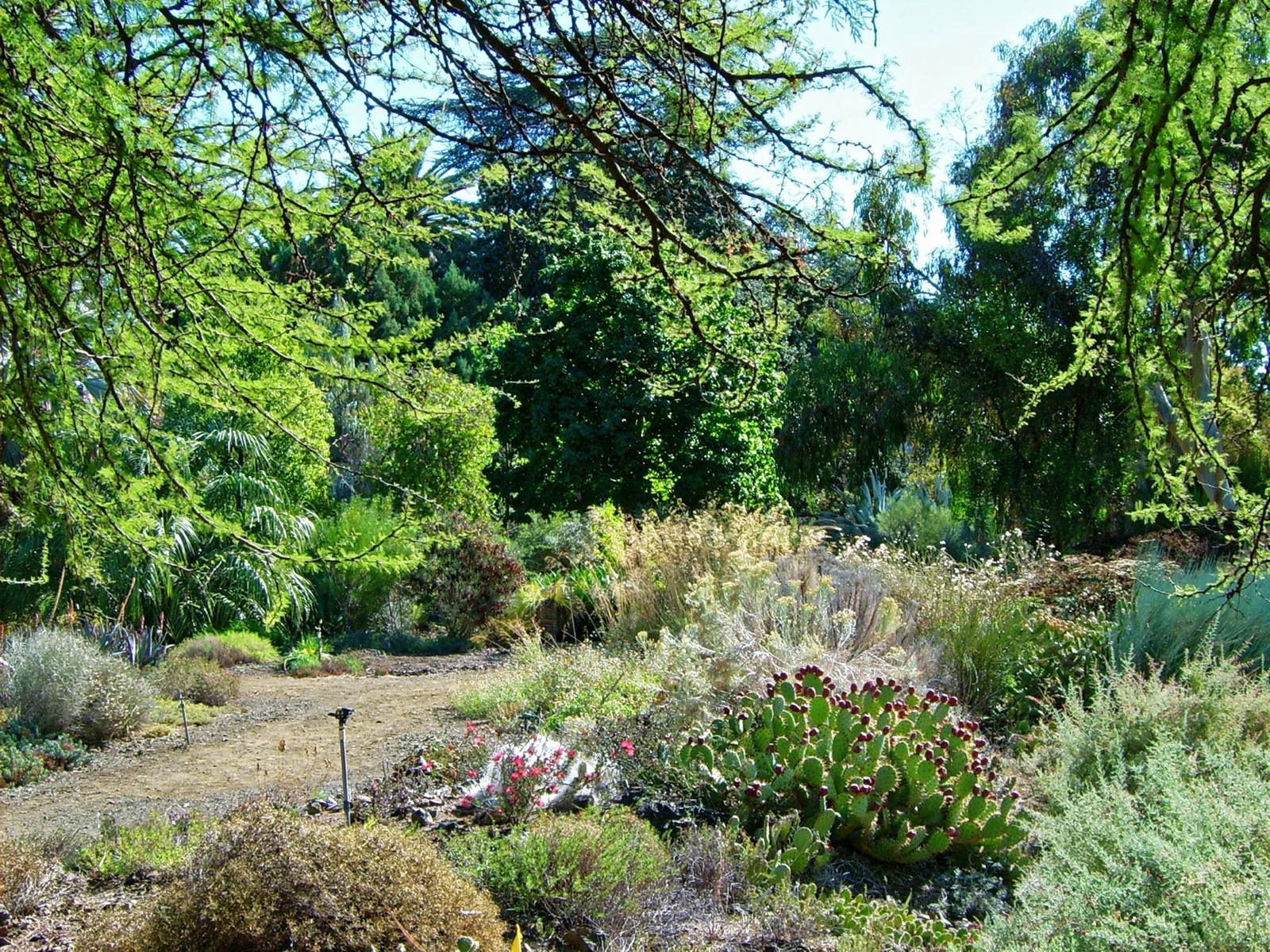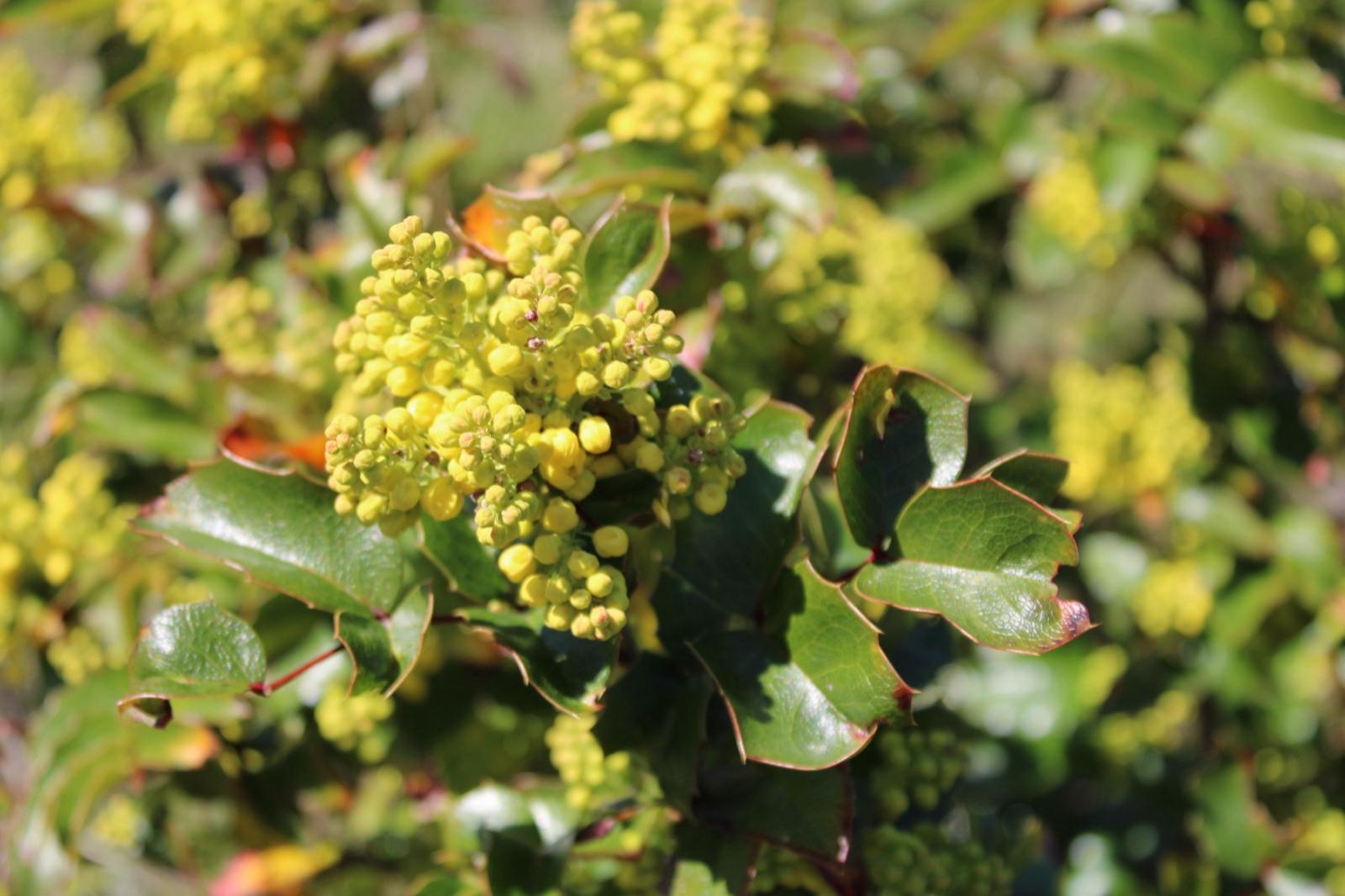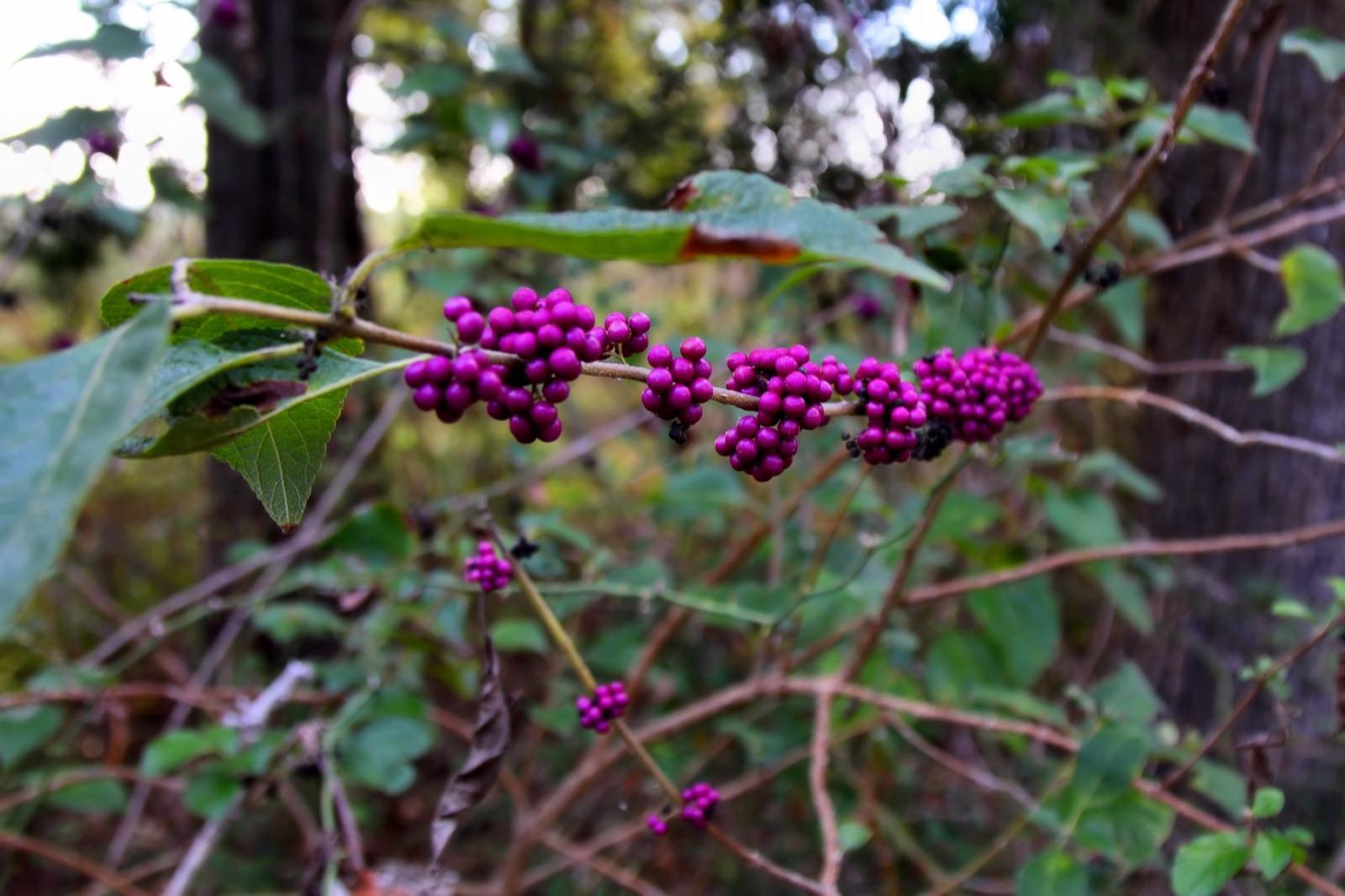
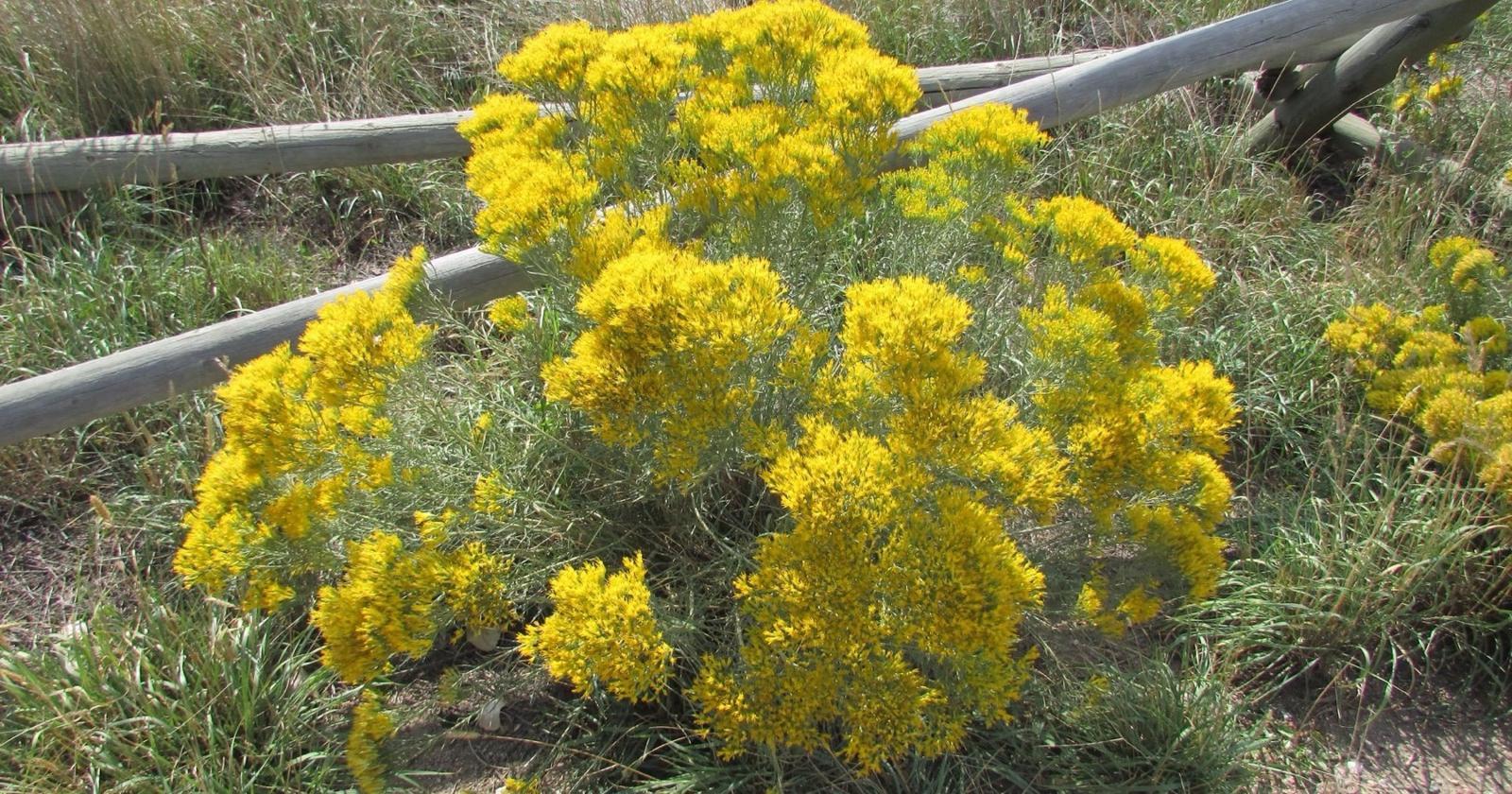
Xeriscaping in Fort Collins, Boulder and Loveland means building a yard for a place that averages 15 to 21 inches of precipitation a year, gets hailed on most summers and freezes as late as May. The good news is that the Northern Colorado plant palette is deep. Native grasses, penstemons and shrubs like rabbitbrush and Apache plume thrive here on a fraction of what bluegrass needs, and Fort Collins Utilities still pays customers to make the switch as of September 2026.
This guide covers growing conditions across the three cities, the plants we'd put in a Northern Colorado yard, design for clay and hail, current watering rules, and which rebates are open or closed right now.
Northern Colorado growing conditions
- USDA zones 5b and 6a. On the 2023 USDA map, Fort Collins (80521, 80524, 80526, 80528) and Loveland (80537, 80538) are 5b. Boulder (80302, 80303, 80305) is 6a. Check your address on our Fort Collins and Boulder zone page.
- Precipitation. NOAA's 1991–2020 normals put Fort Collins at 15.88 inches a year (with 51.4 inches of snow), Loveland at 15.60 inches and Boulder at 21.23 inches (NOAA NCEI).
- Frost dates. Median last spring freeze: May 2 in Fort Collins, May 6 in Boulder and May 10 at the Loveland station. Median first fall freeze: October 7, October 5 and October 1. Half of all years freeze later in spring than these dates, so hold tender plants until mid-May.
- Elevation. The NOAA stations sit at about 5,000 feet in Fort Collins and Loveland and about 5,490 feet in Boulder. Thin air means intense sun and big day-night temperature swings.
- Clay soil. Much of the area sits on heavy clay. CSU Extension notes that on clayey soils, amendments improve aggregation, porosity, drainage and rooting depth (Choosing a Soil Amendment). Fort Collins even requires documented amendment for large rebate projects (see below).
- Hail and wind. Afternoon thunderstorms build over the foothills in summer and can bring hail. Winter chinook winds dry out evergreens and bare soil.
The best xeriscape plants for Fort Collins, Boulder and Loveland
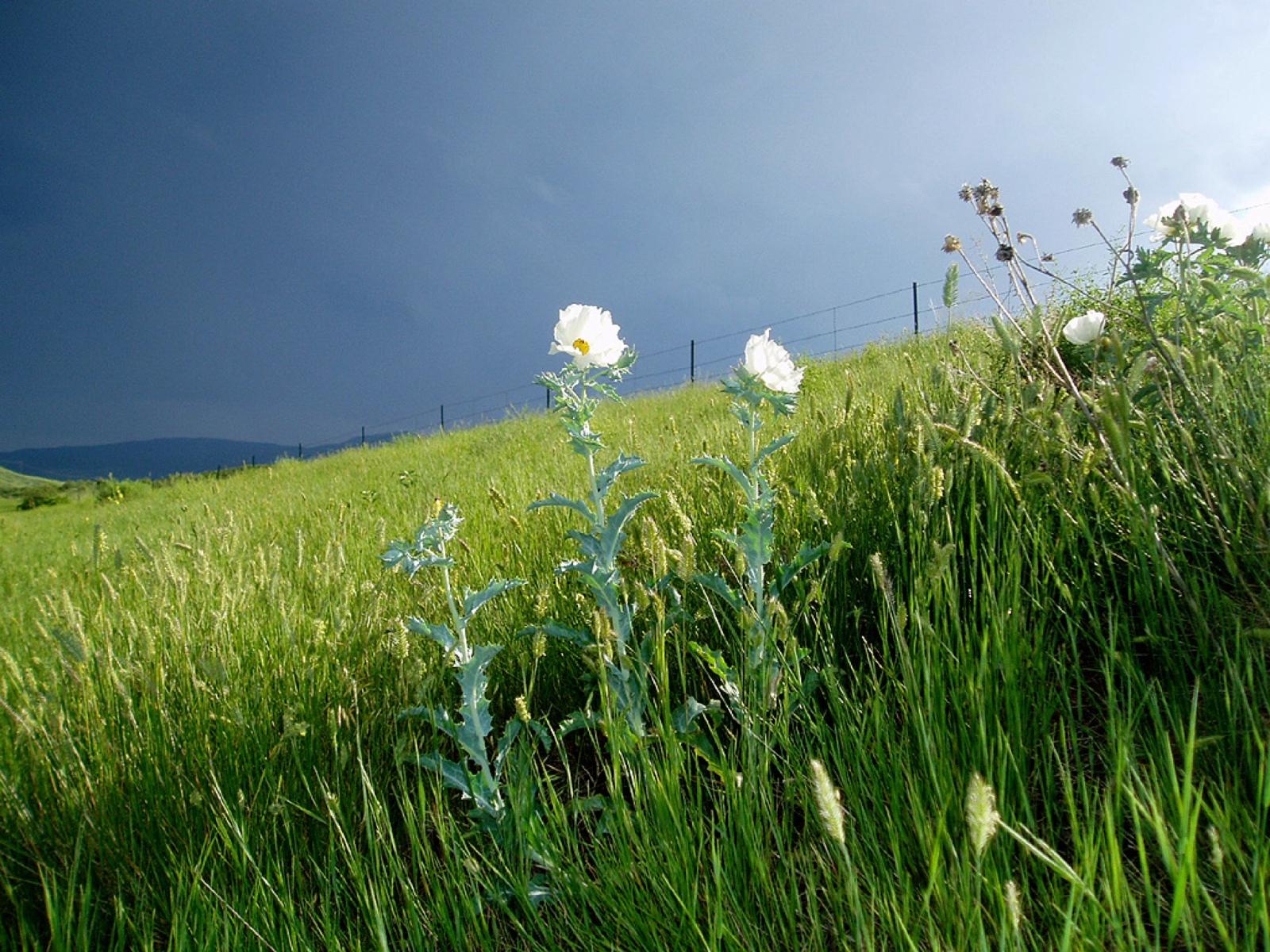
The strongest Northern Colorado yards are built on plants from the shortgrass prairie and foothills right outside town. Blue grama, little bluestem, rabbitbrush, three-leaf sumac and Rocky Mountain penstemon are all native to the Front Range. Plant Select, the program run by CSU and Denver Botanic Gardens, adds tested plants from similar climates worldwide.
| Plant | Type | Zones | Water | Why it works here |
|---|---|---|---|---|
| Blue grama | Grass | 3–10 | Very low | Colorado's state grass. Works as a mowable lawn alternative or an unmowed meadow |
| Little bluestem | Grass | 3–9 | Very low | Blue summer blades turn copper for winter. Stands up to snow |
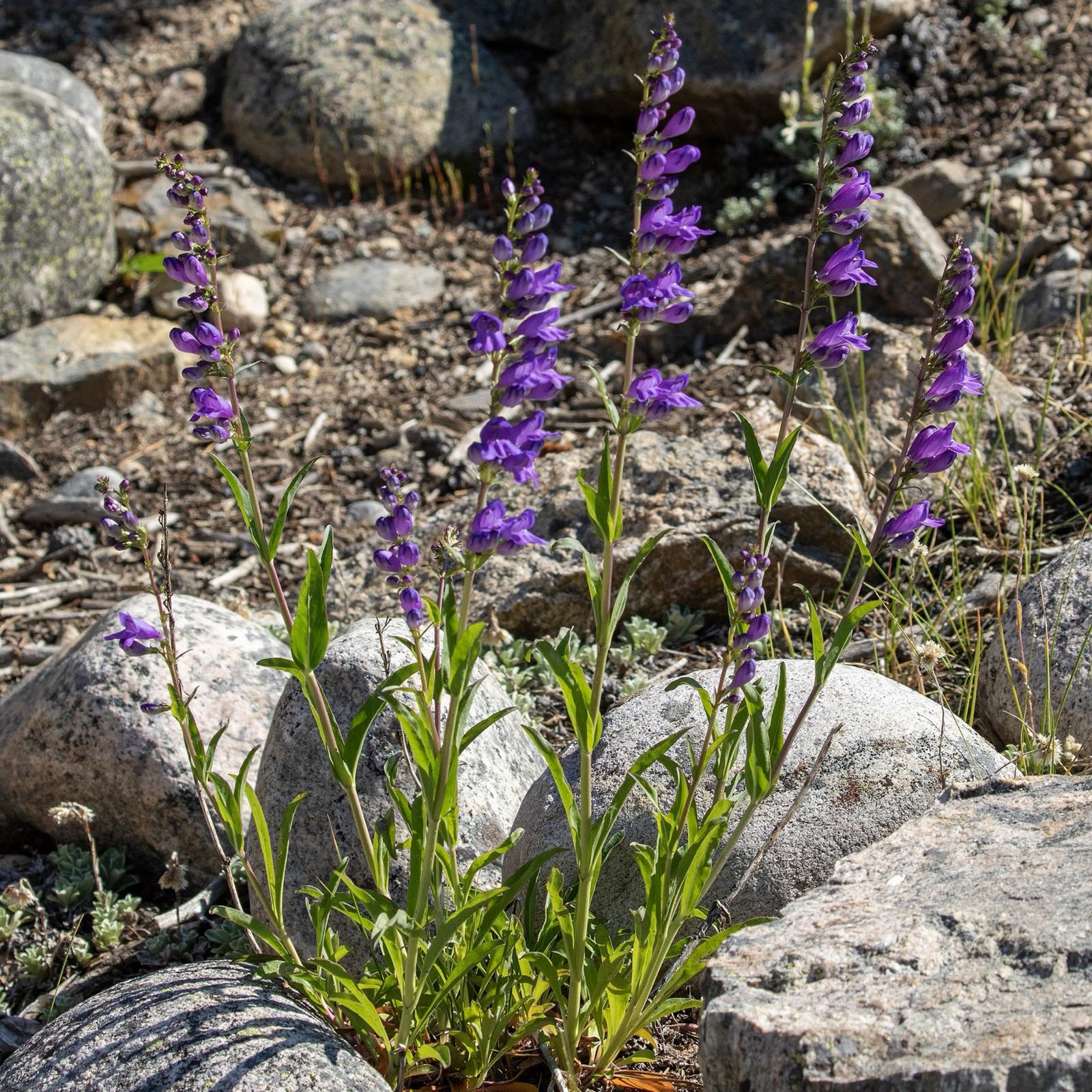
| Rocky Mountain penstemon | Perennial | 4–9 | Very low | Front Range native with blue spikes in late spring. Wants lean soil |
| Chocolate flower | Perennial | 4–9 | Very low | Yellow daisies that smell like cocoa on summer mornings |
| Blanket flower | Perennial | 3–8 | Very low | Blooms all summer in hot, poor soil. Native to Colorado |
| Agastache | Perennial | 4–10 | Very low | Hummingbird magnet from midsummer to frost. Plant it high for drainage |
| Catmint | Perennial | 3–8 | Low | Tough edging plant that shrugs off hail. Shear once for rebloom |
| Sulphur buckwheat | Groundcover | 4–8 | Very low | Evergreen native mat with yellow summer pom-poms |
| Rabbitbrush | Shrub | 4–9 | Very low | Gold in September when little else blooms. Late nectar for bees |
| Apache plume | Shrub | 4–8 | Very low | White flowers and pink feathery seed heads for months |
| Three-leaf sumac | Shrub | 4–8 | Very low | Native hedge shrub with red fall color. Handles clay and wind |
| Hackberry | Tree | 3–9 | Low | Plains shade tree that takes wind, drought and bad soil |
A few picks to be careful with. Lavender and red hot poker are zone 5 plants, so they're fine in Boulder but can struggle in exposed 5b spots in north Fort Collins. Pinyon pine (zones 5–8) is excellent in lean, well-drained soil and prone to trouble in soggy clay.
Design notes for Northern Colorado
Amend beds, not the whole yard. Work compost into planting pockets for perennials and shrubs. Leave native grasses and penstemons in leaner soil, where they stay compact and live longer. Our xeriscape soil prep guide covers amounts.
Plan for hail. Fine-textured and strappy plants (grasses, penstemon, yucca, catmint) recover from hail in days. Big-leaved plants look shredded until fall. Use rock or gravel mulch on slopes and in the hell strip, where storm runoff washes wood mulch into the gutter.
Design for winter. From November to April, a Northern Colorado yard is mostly structure: grasses, seed heads, evergreen shrubs and boulders. Leave grasses standing until March for snow-catching texture and bird food.
Keep some turf if you use it. A small blue grama or buffalograss lawn gives kids and dogs a soft surface at a fraction of bluegrass water.
From our installs. Xeris Landscaping installs xeriscapes on Colorado's Front Range, in the same clay and hail belt as Fort Collins. (Xeris Landscaping is owned by Xeriscaping.com's founder.) The most common failure we see is overwatering new plants in clay. Water drains slowly, roots sit wet and penstemons rot by midsummer. We water new plantings deeply two or three times a week for the first few weeks, then taper to once a week by late summer. By year two, most natives on this list get water only in long dry spells. Fall planting, from late August through early October, gives roots time to establish before the heat.
Watering rules in 2026
- Fort Collins. Fort Collins Utilities customers have been in a Water Shortage Watch since May 1. It's a voluntary action level: limit lawn watering to two days a week, don't water between 10 a.m. and 6 p.m., and aim for about 1 inch (0.62 gallons per square foot) per week. The watch doesn't include rate increases or citations (Fort Collins Utilities).
- Boulder. The City of Boulder entered a Drought Watch on April 1. Customers may irrigate grass only before 10 a.m. and after 6 p.m., and the city recommends a maximum of two waterings a week (City of Boulder).
- Loveland. We couldn't confirm Loveland Water and Power's current 2026 watering guidance on a primary source. Check with the utility before you set your controller.
These schedules are written for lawns. Shrub and perennial beds on drip use far less water because emitters put it only at the roots, and they cut evaporation during the daytime hours the cities ask you to avoid. See how to install drip irrigation.
Rebates in Fort Collins, Boulder and Loveland (as of September 2026)
Resource Central calls 2026 a record-breaking year for lawn replacement, and most Front Range discount programs are now full. Status by program:
| Program | Amount | Cap | Key requirement | Link |
|---|---|---|---|---|
| Fort Collins Utilities Xeriscape Incentive Program (XIP), residential — open | $0.75/sq ft, plus a $0.25/sq ft native-plant bonus | $750 per project (up to 1,000 sq ft), or up to $1,000 with the native bonus | Virtual customer meeting before you remove turf. Native bonus needs 80% native Colorado plants and 50% plant coverage at maturity. Finish within one year of approval | Fort Collins Utilities |
| Resource Central Lawn Replacement (including Boulder's discount of up to $750) — closed for 2026 | Discount varies by water provider | Up to $750 for City of Boulder customers | At least 200 sq ft of turf. Approval before removal. 2027 applications open in spring 2027 | Resource Central |
| Resource Central Garden In A Box — sold out for 2026 | Check current kit prices | n/a | New designs arrive in spring 2027. Boulder Food Tax Rebate enrollees get $100 off a kit | Resource Central |
| CWCB Turf Replacement Grant Program — not a homeowner program | n/a | n/a | Funds local utilities and nonprofits. CWCB stopped taking applications in March 2025 | CWCB |
| Loveland Water and Power | Check current amount | Check with utility | We couldn't verify a current Loveland turf rebate on a primary source | Contact Loveland Water and Power |
Get approval before you dig. XIP requires the virtual meeting and design review before you remove any grass, and Fort Collins pays first-come, first-served while funds last. For projects over 1,000 square feet, Fort Collins also requires a notarized soil amendment certificate showing 3 cubic yards of amendment per 1,000 square feet. Rebates are funded by a state grant and can take a few months to process. For the statewide picture, see our Colorado lawn rebates guide.
Colorado HOA rights
Colorado law protects xeriscaping in HOAs. Under C.R.S. 38-33.3-106.5(1)(i), as amended by HB21-1229, an association can't prohibit xeriscape, drought-tolerant vegetative landscapes or nonvegetative (artificial) turf on property a unit owner is responsible for. The HOA can still adopt design guidelines and regulate the type, number and placement of drought-tolerant plantings and hardscape, and it can restrict artificial turf to back yards. Separately, SB24-005 bars local governments from allowing new nonfunctional turf on HOA common areas and commercial property starting January 1, 2026. It doesn't apply to individual home lots.
Hire it out
Sod removal, soil amendment and drip conversion on a clay lot are heavy work. If you hire a crew, ask whether they've done XIP projects before, since they'll know the documentation Fort Collins needs. Get quotes that break out removal, amendment, irrigation and plants. Our xeriscaping cost guide has typical ranges. Browse listed pros in Northern Colorado:
Headed south? Our Denver guide and Colorado Springs guide cover the rest of the Front Range.
Frequently asked questions
Does Fort Collins still pay you to remove your lawn?
Yes, as of September 2026. The Fort Collins Utilities Xeriscape Incentive Program pays residential customers $0.75 per square foot, up to $750, with a native-plant bonus that raises the maximum to $1,000. You must complete a virtual customer meeting and get approval before removing turf. Funding is first-come, first-served.
Can my HOA stop me from xeriscaping in Colorado?
No. C.R.S. 38-33.3-106.5 says an HOA can't prohibit xeriscape or drought-tolerant landscaping on property you're responsible for. It can set design guidelines and regulate plant types, numbers and placement, so submit your plan for review before you start.
When should I plant a xeriscape in Fort Collins or Boulder?
Late August through early October is the best window. Soil is warm, nights are cool and fall moisture helps roots establish before winter. Spring planting works too, but wait until after the median last freeze in early to mid-May, and expect to water more through the first summer.
Is Resource Central's Garden In A Box available?
Not for the rest of 2026. Resource Central says Garden In A Box is sold out for the year and new designs arrive in spring 2027. Its Lawn Replacement program is also full for 2026, with 2027 applications opening in spring.