
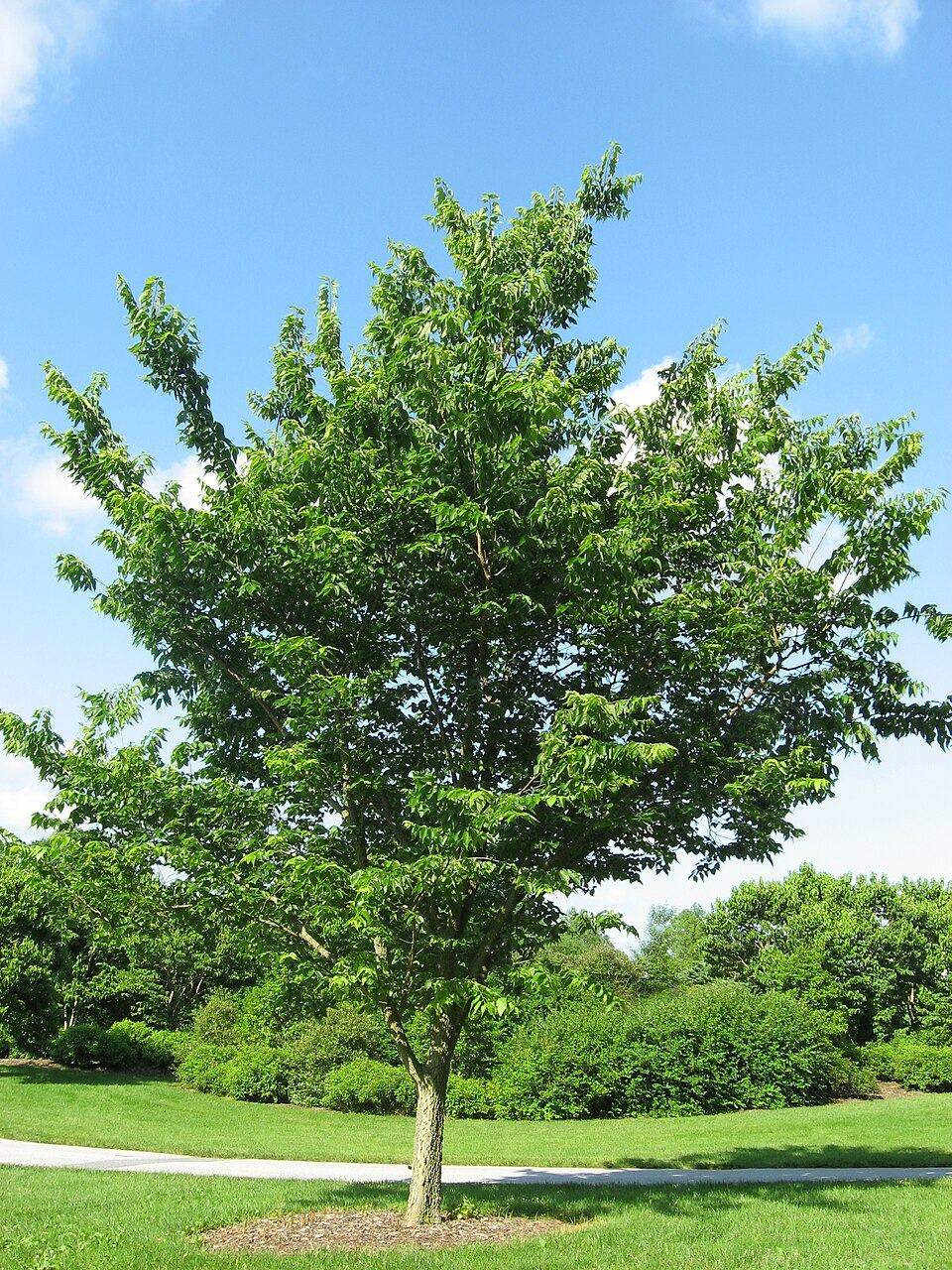
Tree
Common Hackberry
Celtis occidentalis
The tough shade tree of the plains — takes wind, drought, and bad soil in stride.
- Native
- Fast-growing
Quick facts
- Hardiness
- USDA zones 3–9
- Water
- Low once established
- Sun
- Full sun to Part sun
- Size
- 40–60 ft tall × 40–60 ft wide
- Bloom & interest
- Inconspicuous spring flowers; small purple berries eaten by birds; yellow fall color
- Plant type
- Tree
- Native range
- Native to the central and eastern US, west to the Front Range foothills
Why we recommend it
A durable, fast-growing native shade tree that tolerates wind, alkaline soil, heat and drought, and feeds birds with its fruit.
Best regions: Front RangeGreat PlainsTexas
How to grow it
Watering to establish
Deep-water weekly the first summer and every 2–3 weeks for the next two, soaking out to the drip line.
Pruning
Structural pruning in late winter while young to establish a single leader and good branch spacing.
Soil
Adaptable to clay, sand, and alkaline soils. Nipple galls on leaves are cosmetic and harmless.
Pairs well with
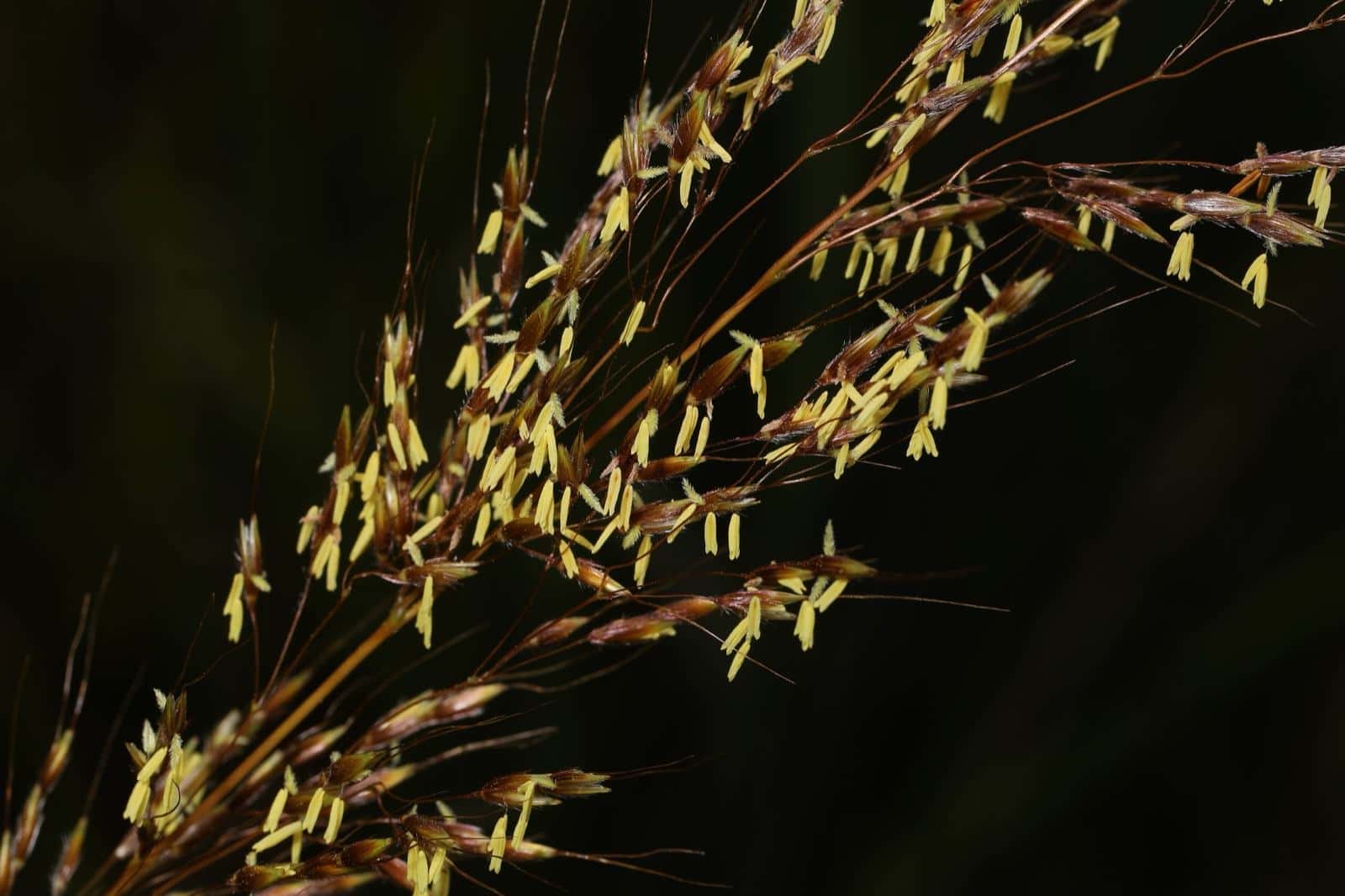
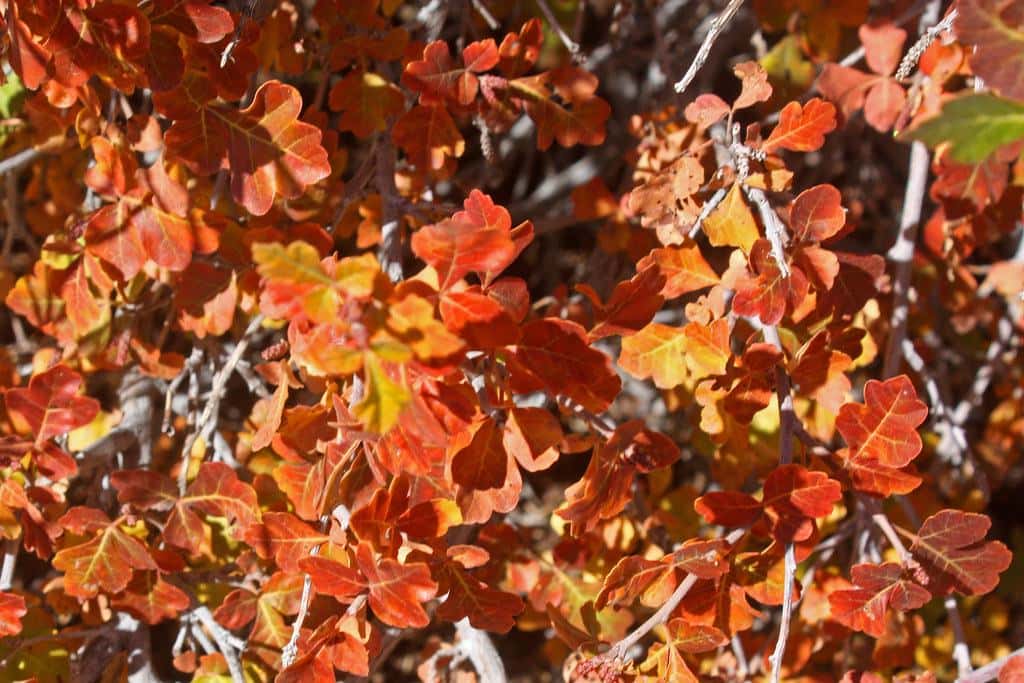
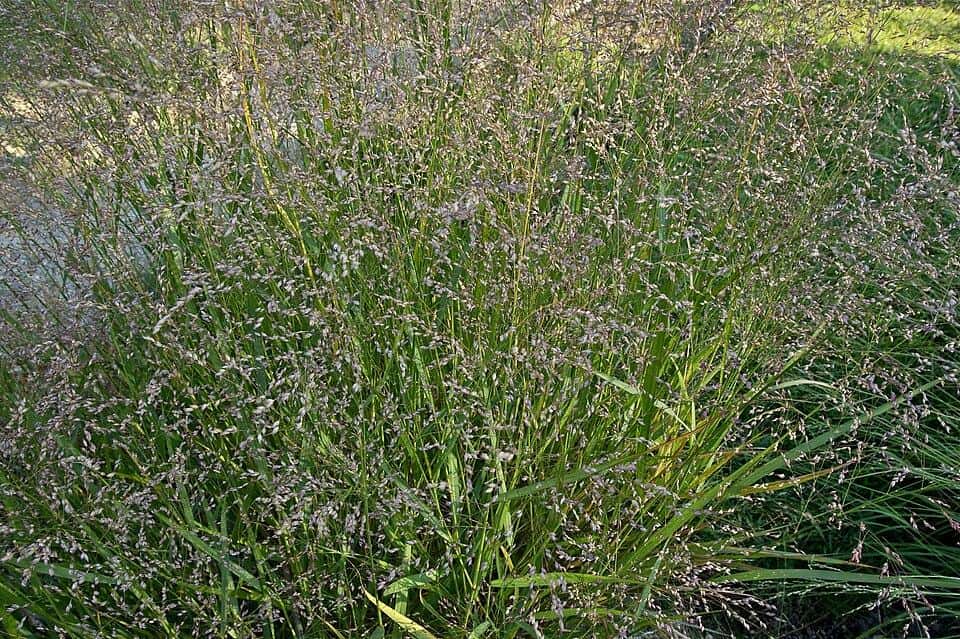

Read more
Where to buy
Shop Common Hackberry from trusted growers. For the best selection of xeric plants, try a mail-order specialist or ask a local independent nursery.
- High Country Gardens (opens in a new tab)Xeric specialist
- Nature Hills Nursery (opens in a new tab)Wide selection
- American Meadows (opens in a new tab)Perennials & seeds
- Etsy (opens in a new tab)Small growers
Some links are affiliate links. If you buy through them, Xeriscaping.com may earn a commission at no cost to you. We only list plants we'd actually plant. Affiliate disclosure