
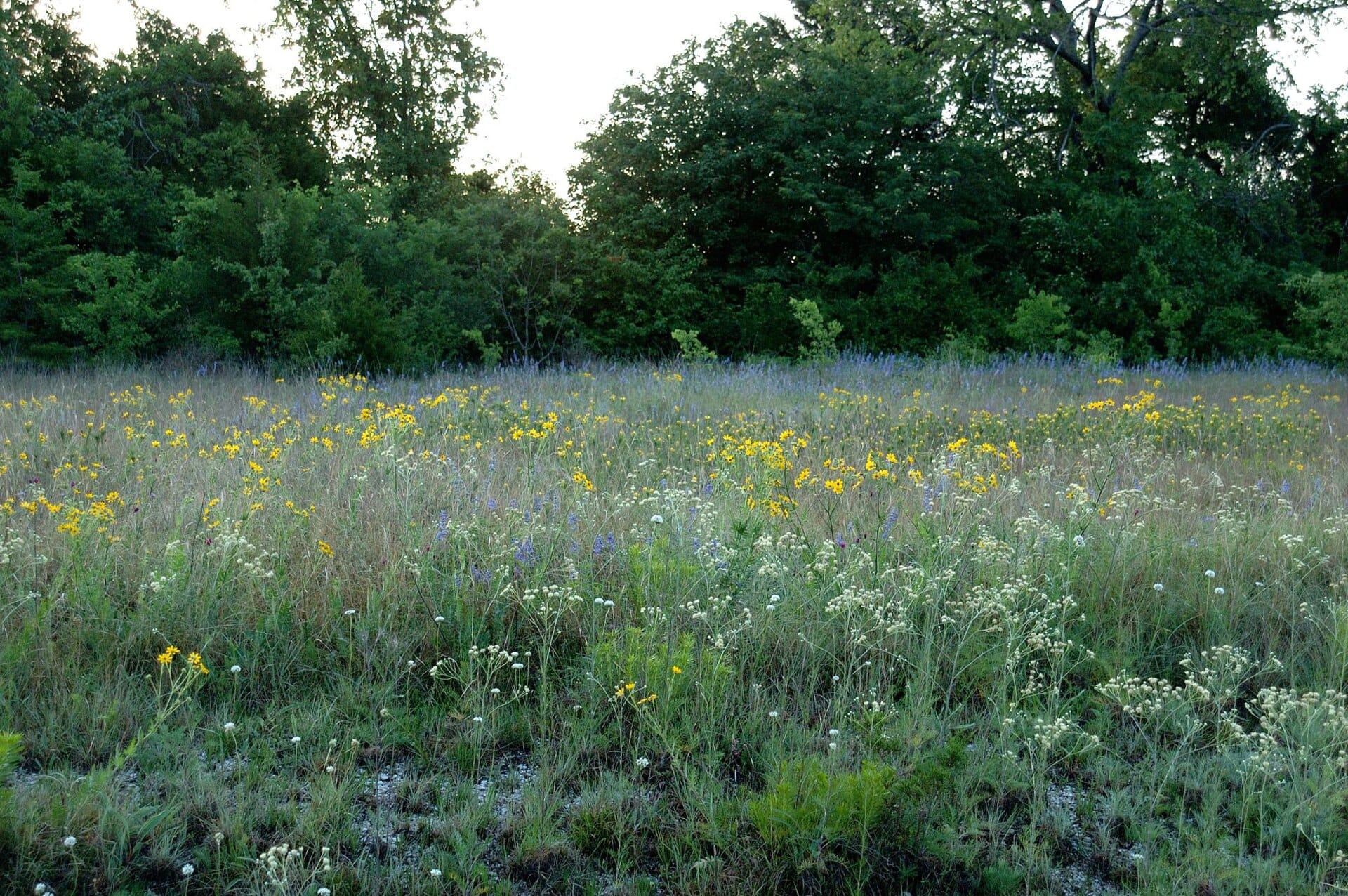
Xeriscaping in Dallas–Fort Worth is a different game than in El Paso or Phoenix. DFW isn't a desert — it gets a respectable 36 inches of rain a year. The problem is when and how: months of nothing under 100-degree skies, then gully-washers onto blackland clay that swells shut and drains like a bathtub with no plug. The winning landscape here has to tolerate drought and wet feet and heat. Natives can. Most nursery imports can't.
DFW's growing conditions (know before you plant)
- Hardiness zone: 8a to 8b. Mild most winters, but genuine hard freezes and ice storms roll through — plant for the cold snap, not the average. (Zone primer: our hardiness zone guide.)
- Blackland prairie clay. Fertile but expansive — it cracks wide open in August and turns to gumbo in a wet February. Drainage, not fertility, is your design problem.
- Heat that doesn't blink. Weeks of triple digits with warm nights. "Full sun" on a Dallas plant tag means something different than it does in Michigan — cross-check against genuinely heat-proof plants.
- Summer watering restrictions are routine across the metroplex's dozens of water districts.
Solving the clay problem
This is the make-or-break section for DFW:
- Plant high. Set crowns an inch or two above grade and berm beds upward. Most "drought-tolerant plant died" stories here are actually drainage stories.
- Expanded shale is the local secret weapon — a fired-clay aggregate that permanently opens up blackland clay. Work it in with compost when preparing beds (the full logic is in our soil prep guide).
- Don't over-amend native plantings. Prairie natives grew up in this clay; they need drainage help, not luxury soil.
- Route stormwater with a dry creek bed — DFW downpours need somewhere to go.
The best xeriscape plants for Dallas–Fort Worth
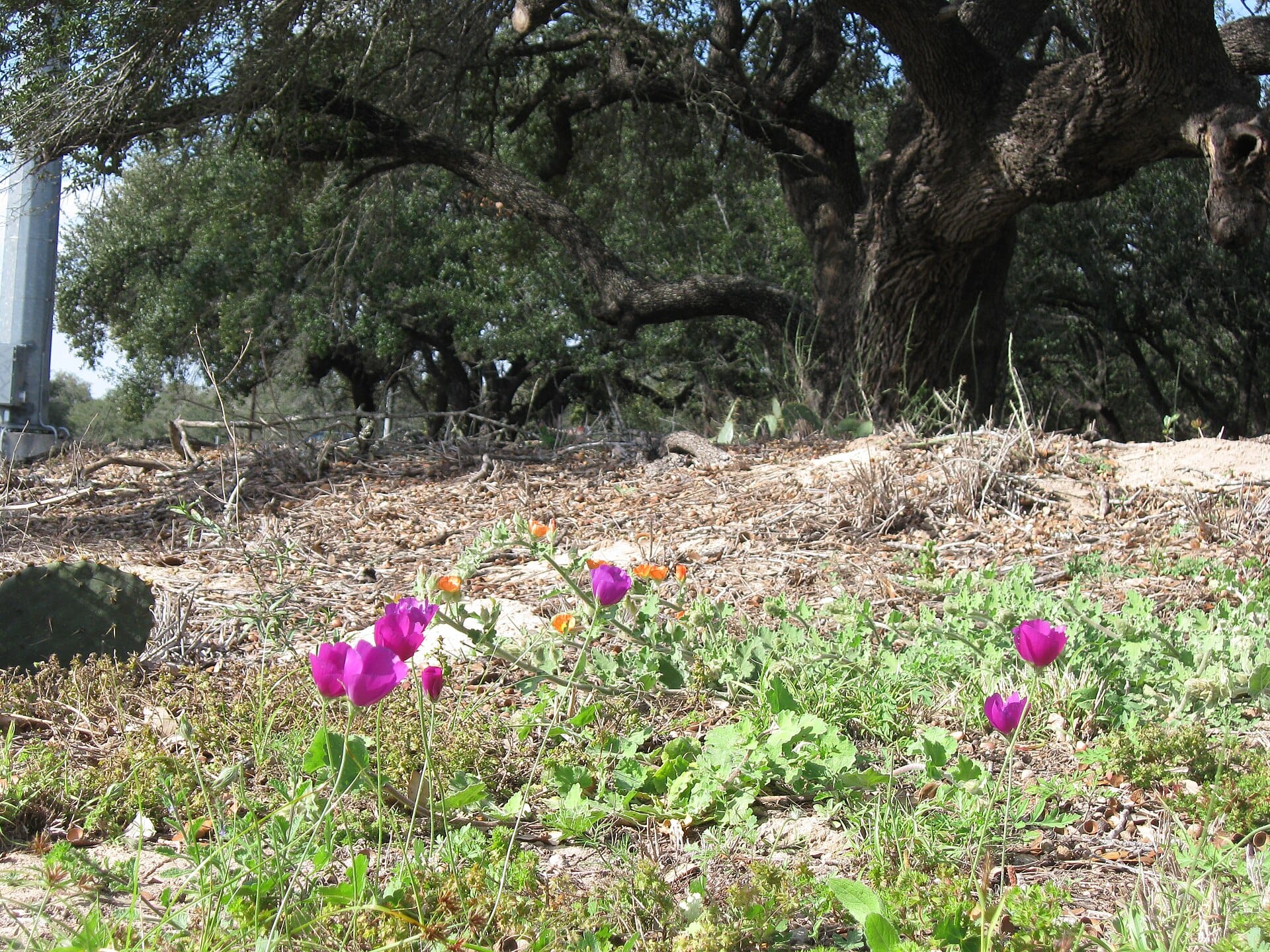
Perennials: salvia greggii, blackfoot daisy, four-nerve daisy, mealy blue sage, rock rose, winecup, and fall aster. See the broader list in our drought-tolerant perennials guide.
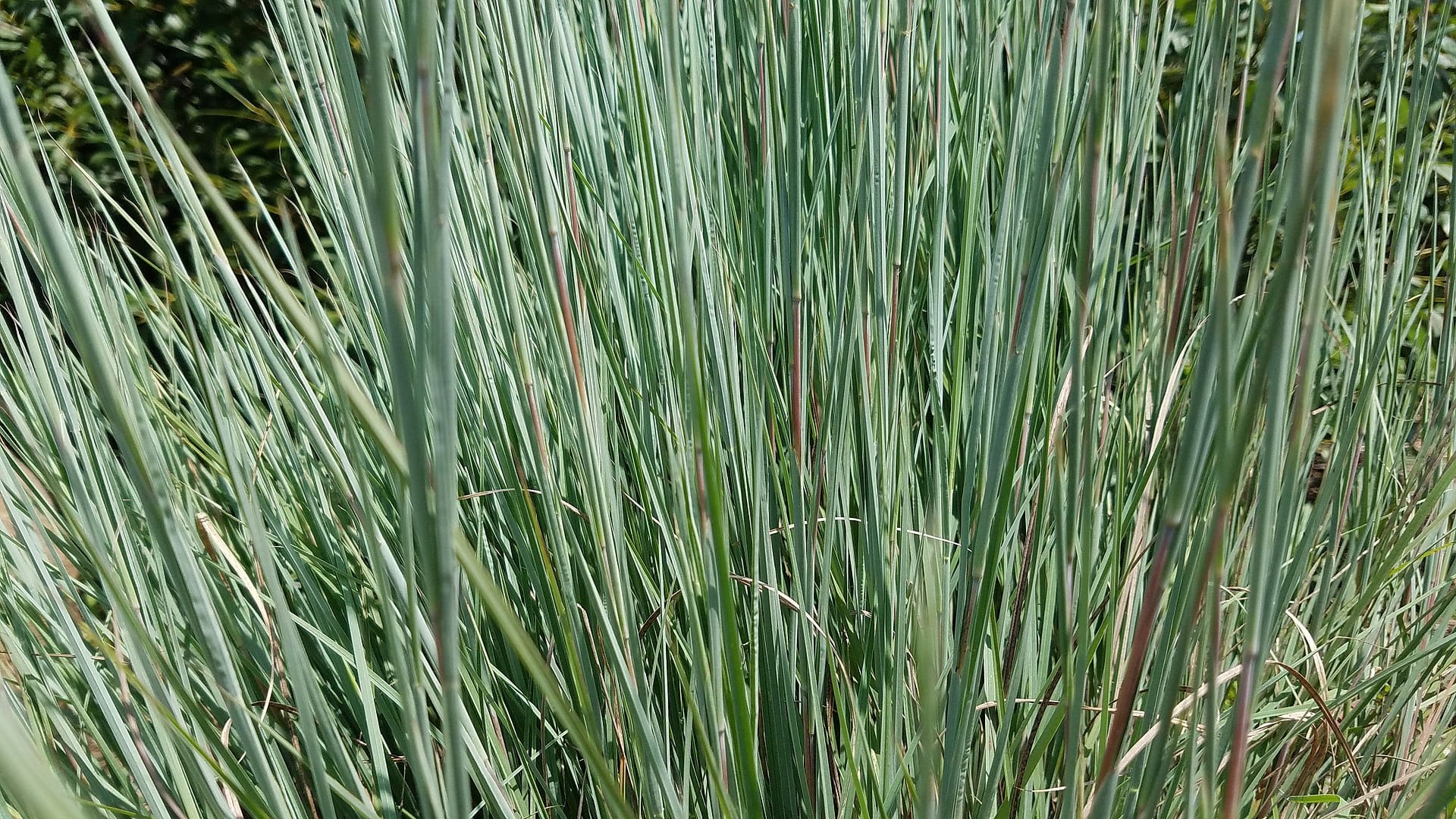
Grasses: little bluestem (the blackland prairie's signature grass), Gulf muhly, Lindheimer's muhly, and sideoats grama.
Shrubs: cenizo, dwarf yaupon, possumhaw (bare winter branches loaded with red berries), flame acanthus, and dwarf wax myrtle — more in our drought-tolerant shrubs roundup.
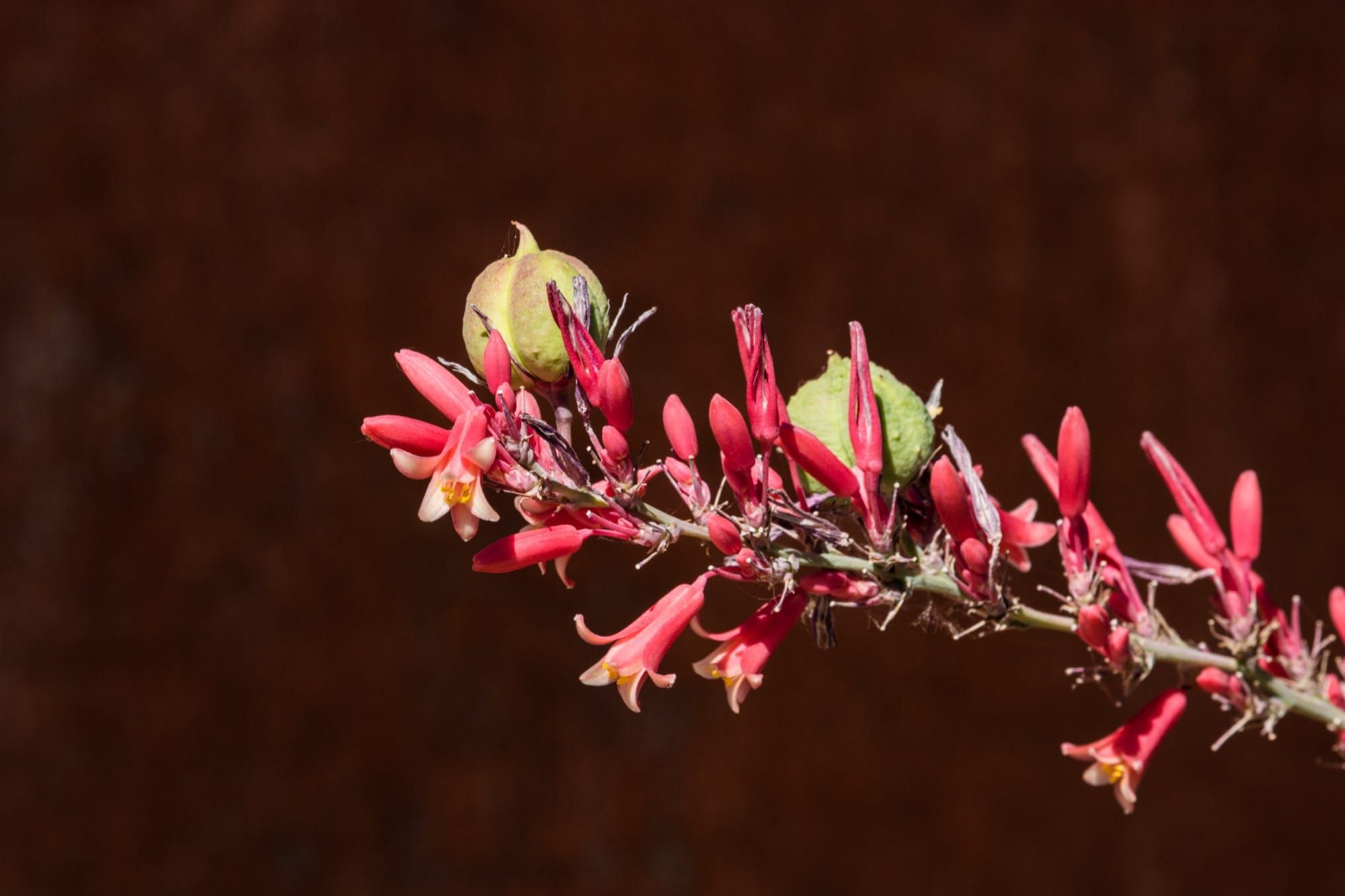
Accents: red yucca (hesperaloe) is practically the DFW commercial-strip mascot for a reason — coral bloom spikes from May to frost on zero care. Add softleaf yucca and spineless prickly pear for structure.
Trees: cedar elm, bur oak, chinkapin oak, desert willow, and Texas redbud all handle clay and heat together.
Rebates and rules
DFW water is supplied by a patchwork of cities and districts — Dallas Water Utilities, Fort Worth Water, and dozens of suburbs — and several have offered irrigation audits, smart-controller incentives, or landscape programs at various times. Offerings vary by city and change often, so check your own utility's conservation page before starting, and get any required pre-approval before removing turf. The general playbook is in our rebate guide. Texas HOAs generally can't ban drought-resistant landscaping outright, but most require plan approval — submit first.
Getting started
- Check your city utility's current programs; photograph the lawn; get pre-approved.
- Kill the grass — and budget real effort if it's bermudagrass, which laughs at halfway measures.
- Berm the beds, amend with expanded shale and modest compost, and follow the 10 Steps.
- Plant in fall or early spring, run drip, mulch 2–3 inches, and water deeply through the first summer.
The budget picture matches the national numbers in what xeriscaping costs — and the payback math beats a thirsty lawn by a widening margin every summer.
A DFW yard of little bluestem, red yucca, and possumhaw looks like the prairie this city was built on — and it shrugs at August.