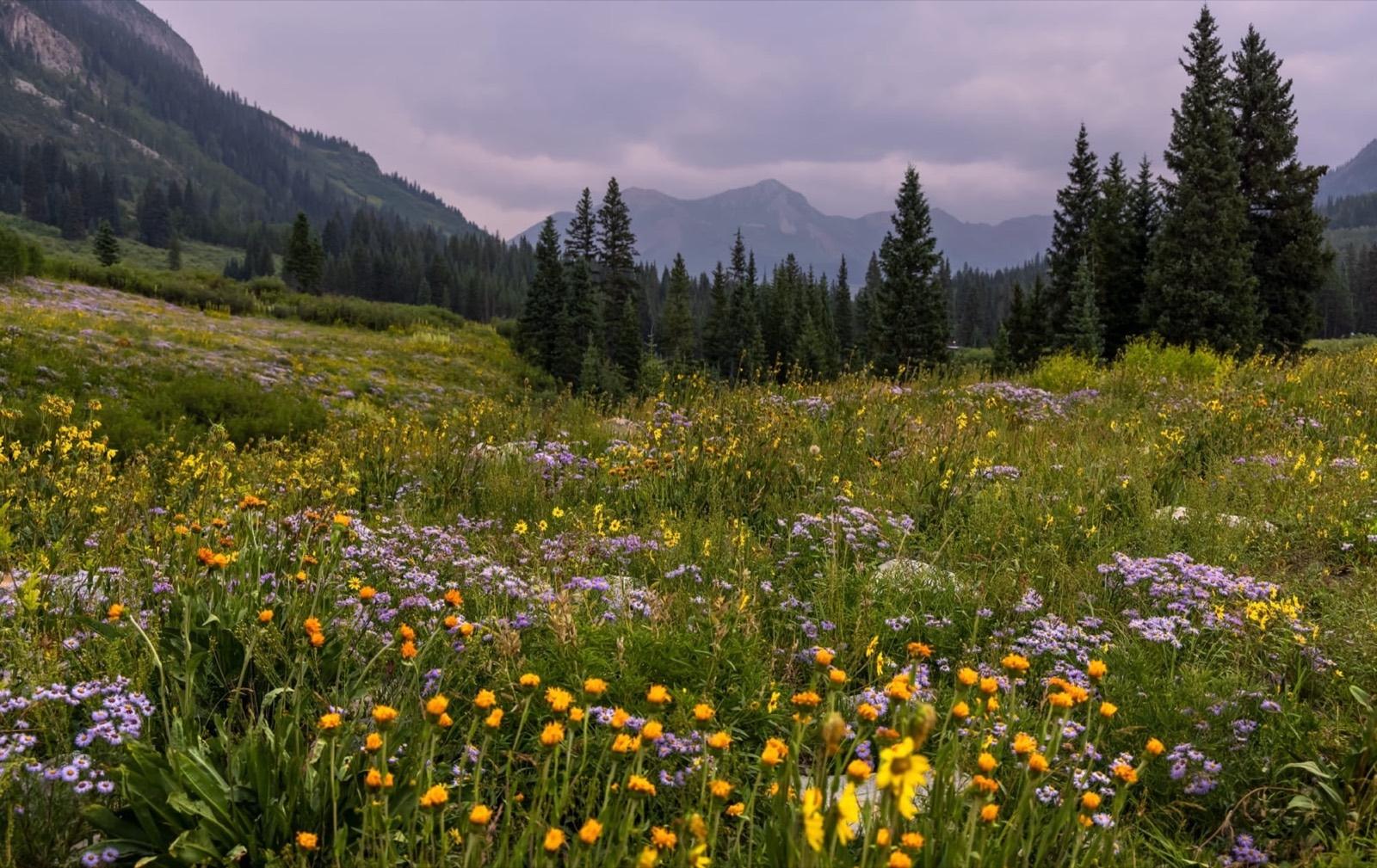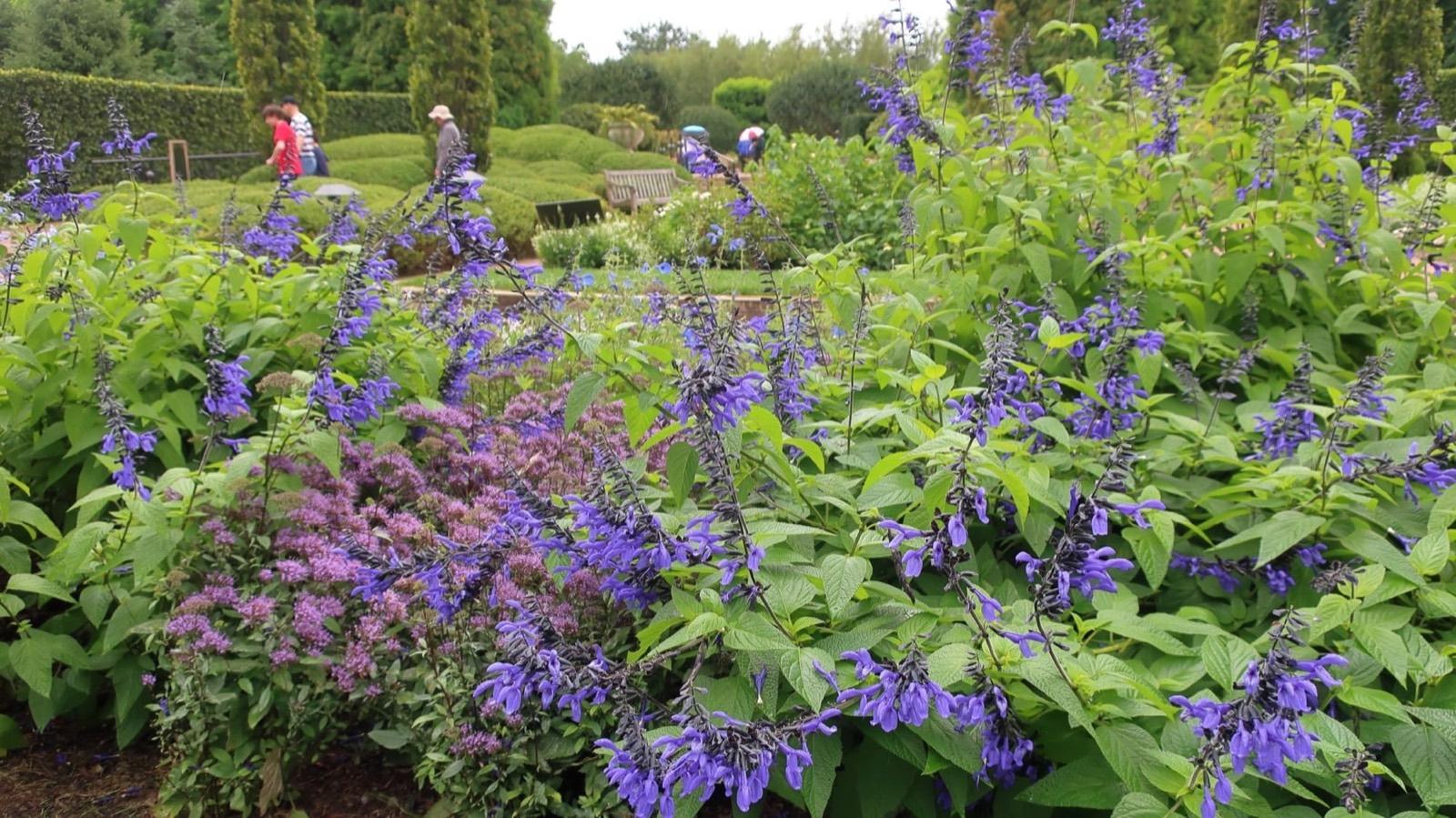
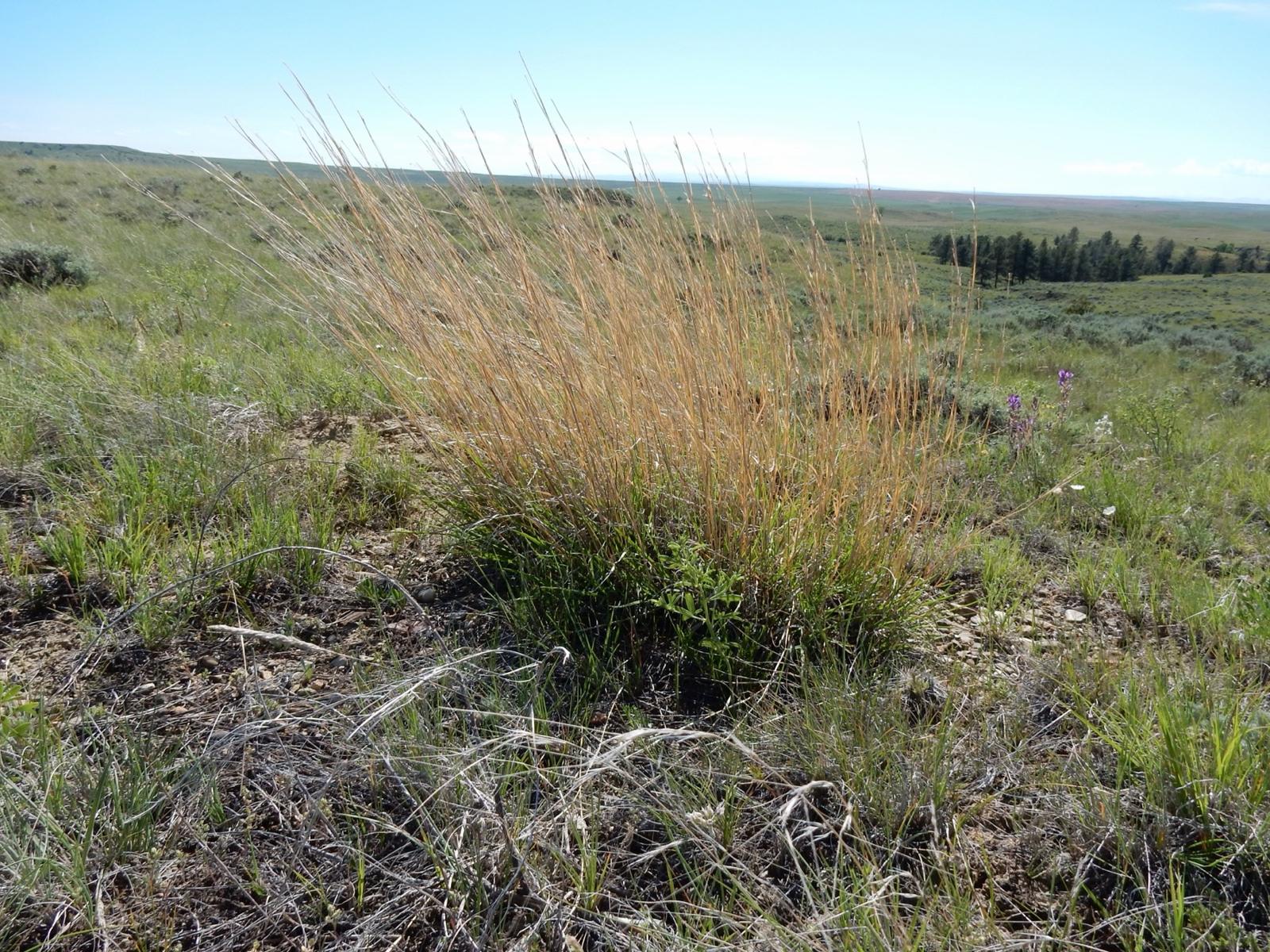
Zone 4 drought-tolerant plants have to do two hard things at once: survive winters that average −20 to −30°F, and get through dry summers on little water. The plants that do both best are natives of the northern plains and high Rockies: blue grama, little bluestem and prairie dropseed grasses; yarrow, penstemons, buckwheat and purple prairie clover; potentilla, rabbitbrush and curl-leaf mountain mahogany; and bur oak and Rocky Mountain juniper for trees. Plant them in spring, water them through the first season, and they'll handle both extremes.
Zone 4 covers much of North Dakota and northern Minnesota, parts of Montana and Wyoming, and cold mountain valleys across the West. In 2023 USDA map data, Laramie, Wyoming and Alamosa in Colorado's San Luis Valley both sit in zone 4b, as do Great Falls and Helena, Montana. Elevation and cold-air drainage make a big difference from one neighborhood to the next, so look up your ZIP before you shop.
What makes zone 4 different
Zone 4a averages −30 to −25°F as its coldest night; 4b averages −25 to −20°F, according to the USDA Plant Hardiness Zone Map. A few other conditions matter as much as the cold:
- Short growing seasons. Late spring and early fall frosts shorten the time new plants have to root in. Spring planting gives them the longest runway.
- Wind and winter sun. Exposed sites dry out evergreens in winter. Water deeply in fall and during dry, snowless spells.
- Snow cover helps. A steady snowpack insulates low plants. Bare, windswept ground in a hard freeze is the toughest test.
Plants rated "zone 4" are generally fine in 4b; in 4a, favor the plants rated zone 3 below.
Zone 4 xeriscape plants at a glance
| Plant/Variety | Zones | Water | Size | Bloom | Notes |
|---|---|---|---|---|---|
| Blue grama | 3–10 | Very low | 12–24 in | Summer–fall | Native; lawn substitute |
| Little bluestem | 3–9 | Very low | 2–4 ft | Copper fall color | Native prairie grass |
| Prairie dropseed | 3–9 | Very low | 2–3 ft | Late summer | Fine texture; fragrant bloom |
| Yarrow | 3–9 | Very low | 1–3 ft | Summer | Native; spreads |
| Blanket flower (Gaillardia aristata) | 3–8 | Very low | 1–3 ft | Summer–fall | Native; short-lived, reseeds |
| Purple prairie clover | 3–8 | Very low | 1–3 ft | Summer | Native legume; bee plant |
| Prairie Jewel penstemon | 3–9 | Low | 20–36 in | Early summer | Plant Select |
| Kannah Creek buckwheat | 3–8 | Very low | 12–16 in | May–July | Evergreen mat; red fall color |
| Turkish veronica | 3–10 | Low | 1–2 in | April–June | Blue groundcover; Plant Select |
| Purple coneflower | 3–8 | Low | 3–4 ft | Summer | Prairie native |
| Hens and chicks | 3–8 | Very low | 3–6 in | Summer | Succulent rosettes |
| Potentilla | 2–7 | Low | 2–4 ft | Summer–fall | Hardiest flowering shrub here |
| Pawnee Buttes sand cherry | 3–8 | Low | 15–18 in × 4–6 ft | Early spring | Groundcover shrub |
| Curl-leaf mountain mahogany | 3–8 | Very low | 8–15 ft | Spring | Broadleaf evergreen |
| Bur oak | 3–8 | Low | 60–80 ft | — | Deep-rooted shade tree |
| Rocky Mountain juniper | 3–7 | Very low | 20–30 ft | Evergreen | Screen and windbreak |
Zones come from Plant Select, the NC State Extension Plant Toolbox, Utah State University Extension and our Guide 2.0 plant data. Where sources disagreed, we used the more conservative rating.
Grasses: start here
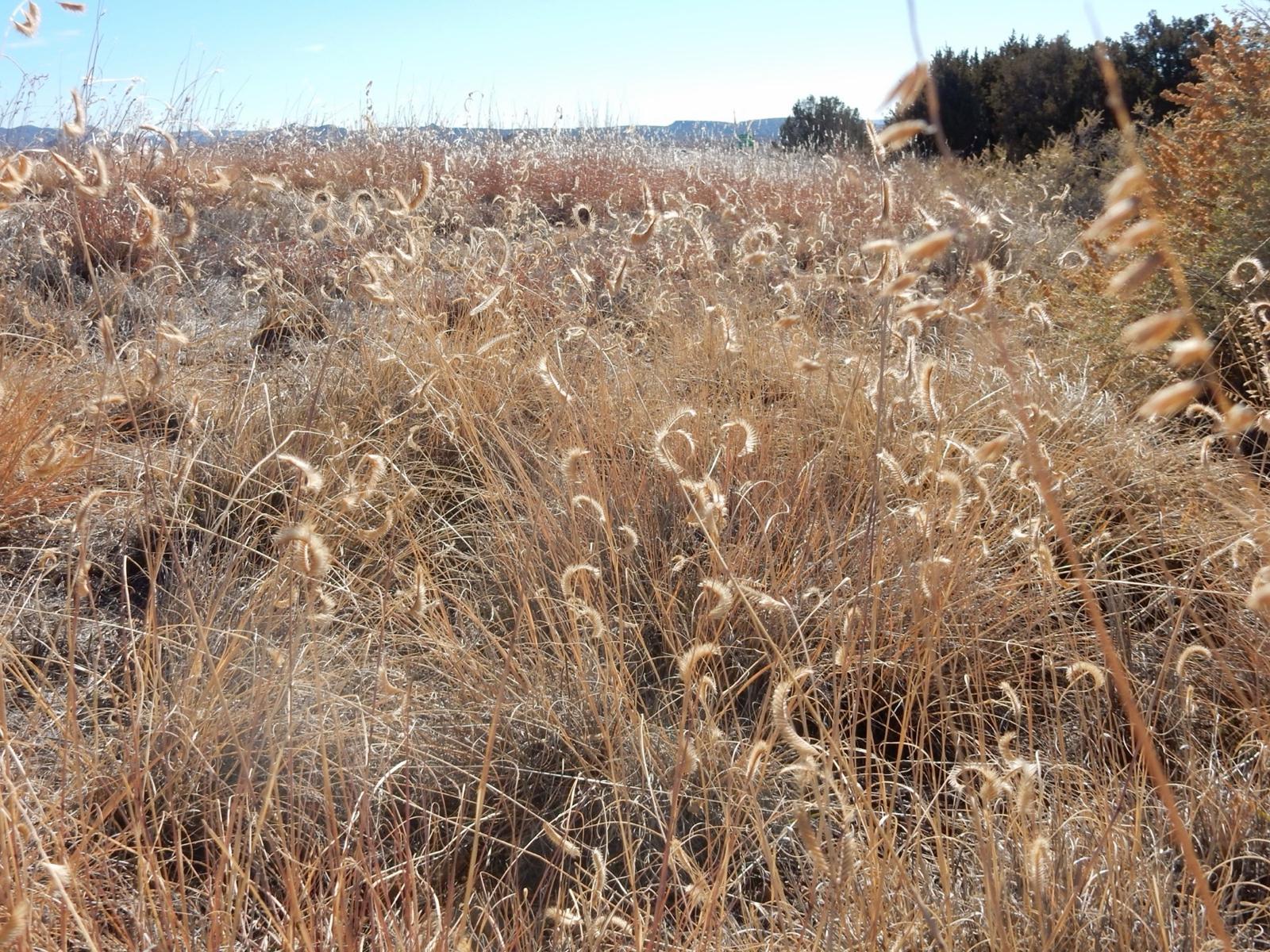
Native prairie grasses are the backbone of a zone 4 xeriscape. They evolved with deep cold, wind and summer drought, and they give structure all winter.
- Blue grama (zones 3–10): the classic shortgrass. Use it as an ornamental clump or a mowed lawn substitute. Plant Select's taller 'Blonde Ambition' is rated zones 4–9.
- Little bluestem (zones 3–9): blue-green in summer, copper-red in fall and winter.
- Prairie dropseed (zones 3–9): fine-textured fountains with a distinctive scent when it blooms in late summer. Slow to establish, long-lived.
Blue oat grass (zones 4–8) is a good non-native accent for 4b. For more, see our buffalograss and blue grama lawn guide.
Perennials
The toughest zone 4 perennials are mostly prairie and mountain natives.
Yarrow and blanket flower are the easy starting point. NC State rates Gaillardia aristata zones 3–8; it's short-lived but reseeds. Purple coneflower (zones 3–8) adds height and feeds goldfinches in winter if you leave the seed heads.
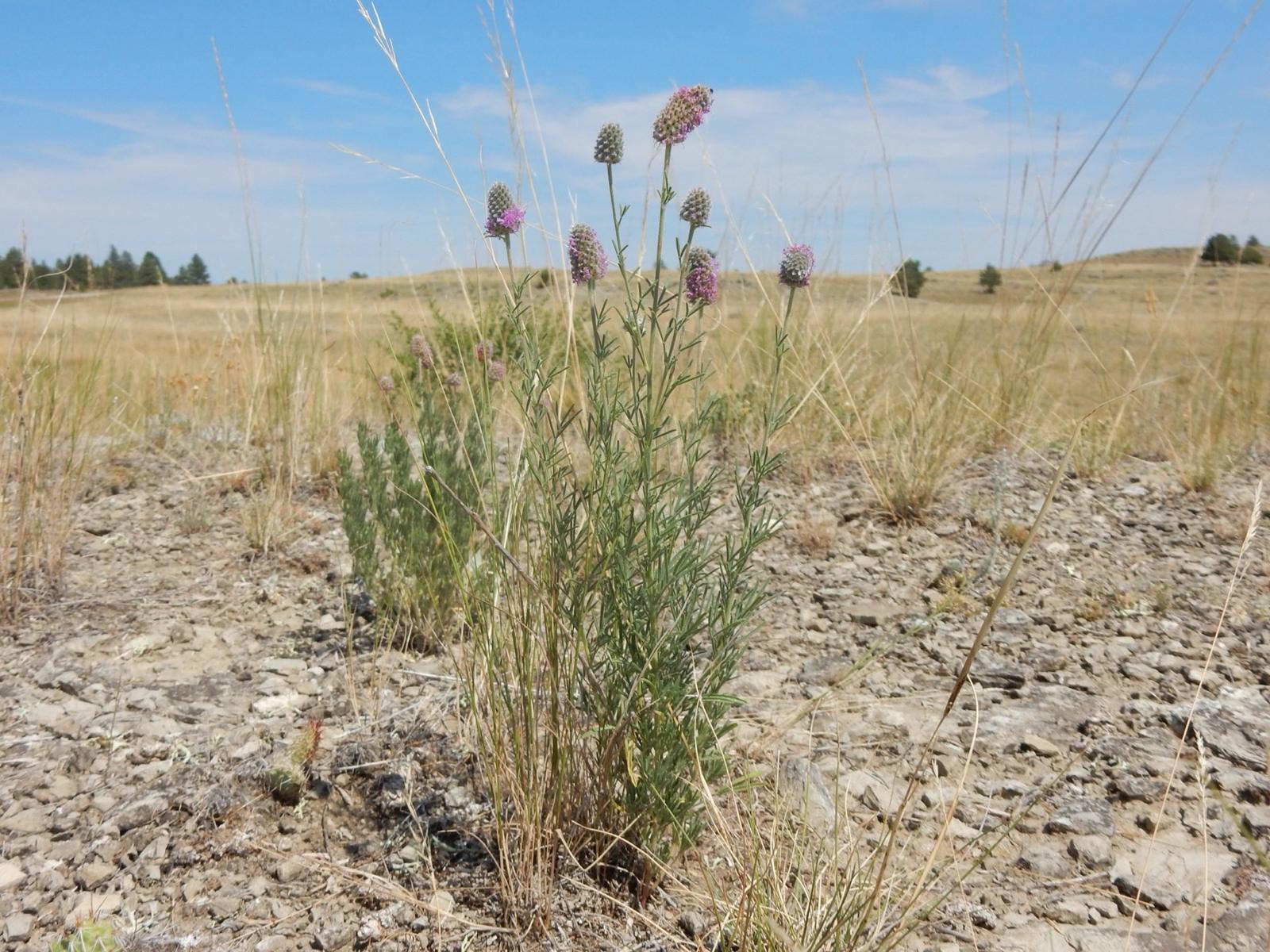
Purple prairie clover (Dalea purpurea, zones 3–8) is a native legume with thimble-shaped purple flower heads that bees work constantly.
Penstemons. Plant Select's Prairie Jewel (P. grandiflorus) is rated zones 3–9, and Rocky Mountain penstemon is hardy to zone 4. Plant Select's high-altitude list, compiled with Denver Botanic Gardens' alpine curator, also includes pineleaf and bluemat penstemons tested at mountain elevations. Our penstemon guide covers the options.
Buckwheat. Plant Select rates Kannah Creek buckwheat (Eriogonum umbellatum var. aureum) zones 3–8. It's an evergreen mat that blooms yellow in early summer and turns red-bronze in fall. The species, sulphur buckwheat, is native across the mountain West.
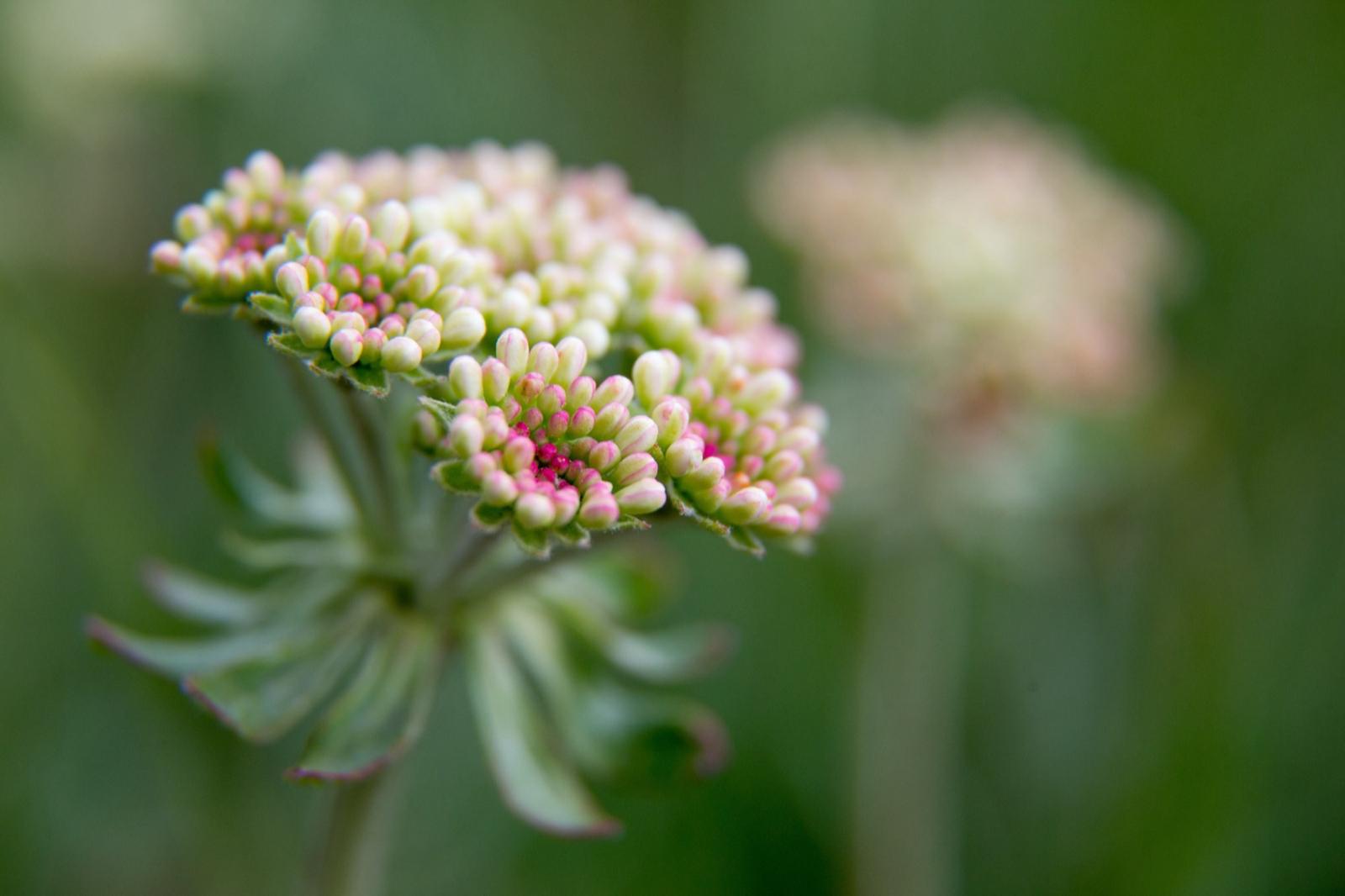
Groundcovers. Turkish veronica (zones 3–8) makes a flat mat covered in blue in spring. Plant Select's Orange Carpet hummingbird trumpet (zones 3–8) blooms orange in late summer. Hens and chicks (zones 3–8) fill gravel and crevices. CSU Extension's guide to ground covers for mountain communities has more for high-elevation sites.
Catmint, 'May Night' salvia, Autumn Joy sedum and chocolate flower are rated to zone 4 and do well in 4b with good drainage.
Shrubs
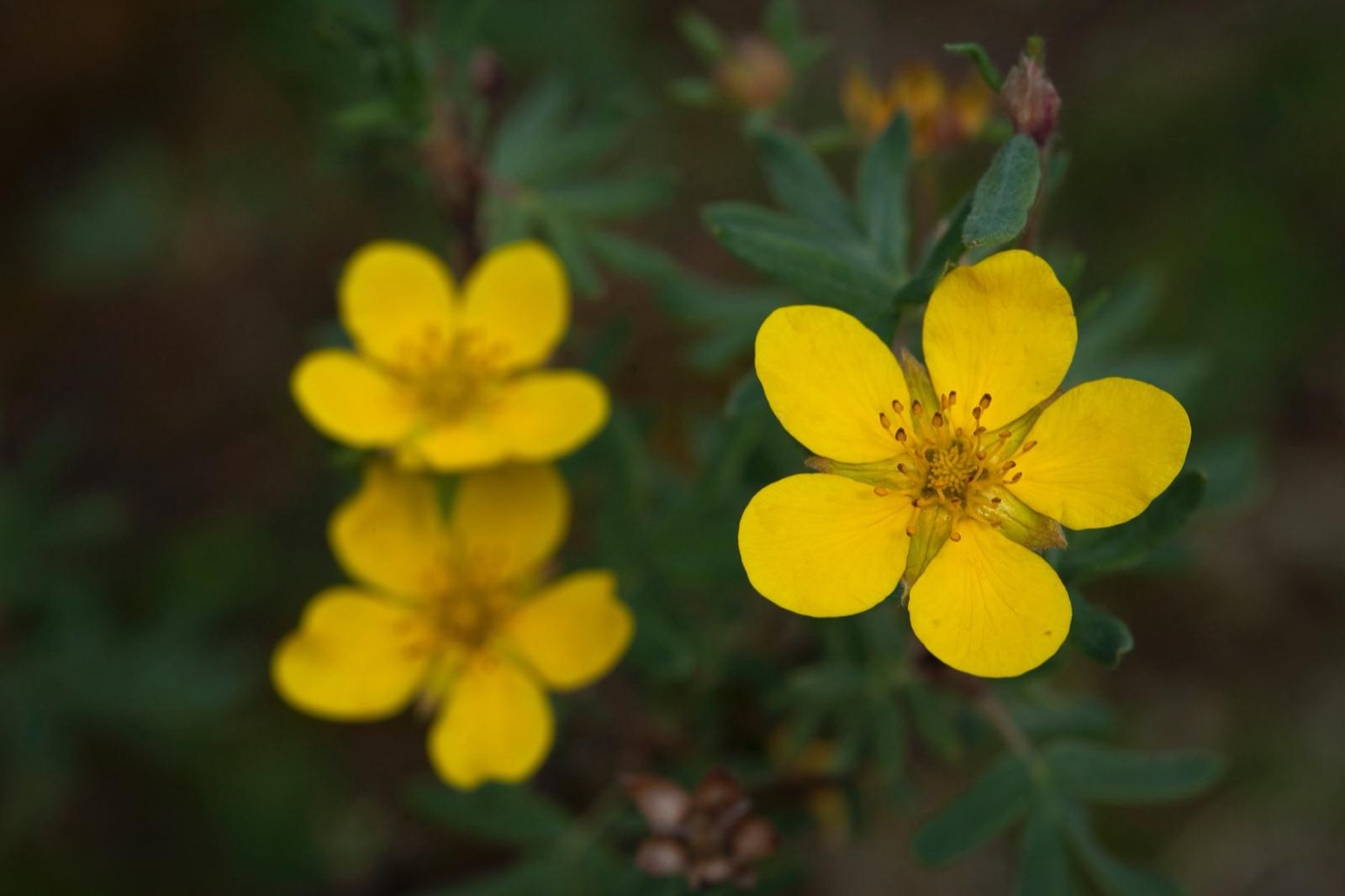
Potentilla (Dasiphora fruticosa) is rated zones 2–7 by NC State, which makes it the hardiest flowering shrub on this list. It blooms yellow or white from early summer into fall.
Curl-leaf mountain mahogany (Cercocarpus ledifolius) is a rare broadleaf evergreen for cold, dry sites. Utah State University Extension rates it zones 3–8 with high drought tolerance, and notes it's browsed by deer, so protect young plants.
Western sand cherry. Plant Select's Pawnee Buttes, a groundcover form 15–18 inches tall and 4–6 feet wide, is rated zones 3–8 with white spring flowers, dark fruit and red fall color.
Rabbitbrush, Apache plume, three-leaf sumac and big sagebrush are all rated to zone 4, and Panchito manzanita to 4b. They're good choices in 4b and in protected 4a spots. See drought-tolerant shrubs for full profiles.
Trees
Bur oak (zones 3–8) is the big shade tree for zone 4: deep-rooted, wind-firm and drought-tolerant once established, though slow. Kentucky coffeetree (zones 3–8) is another tough large shade tree. Rocky Mountain juniper (zones 3–7) is the evergreen screen, and hackberry (zones 3–9) handles wind, drought and poor soil. For small trees, Plant Select's Hot Wings Tatarian maple and native bigtooth maple are rated to zone 4.
Trees are where establishment watering matters most. Plan on regular deep watering for the first few years. More in low-water trees.
Cactus and succulents
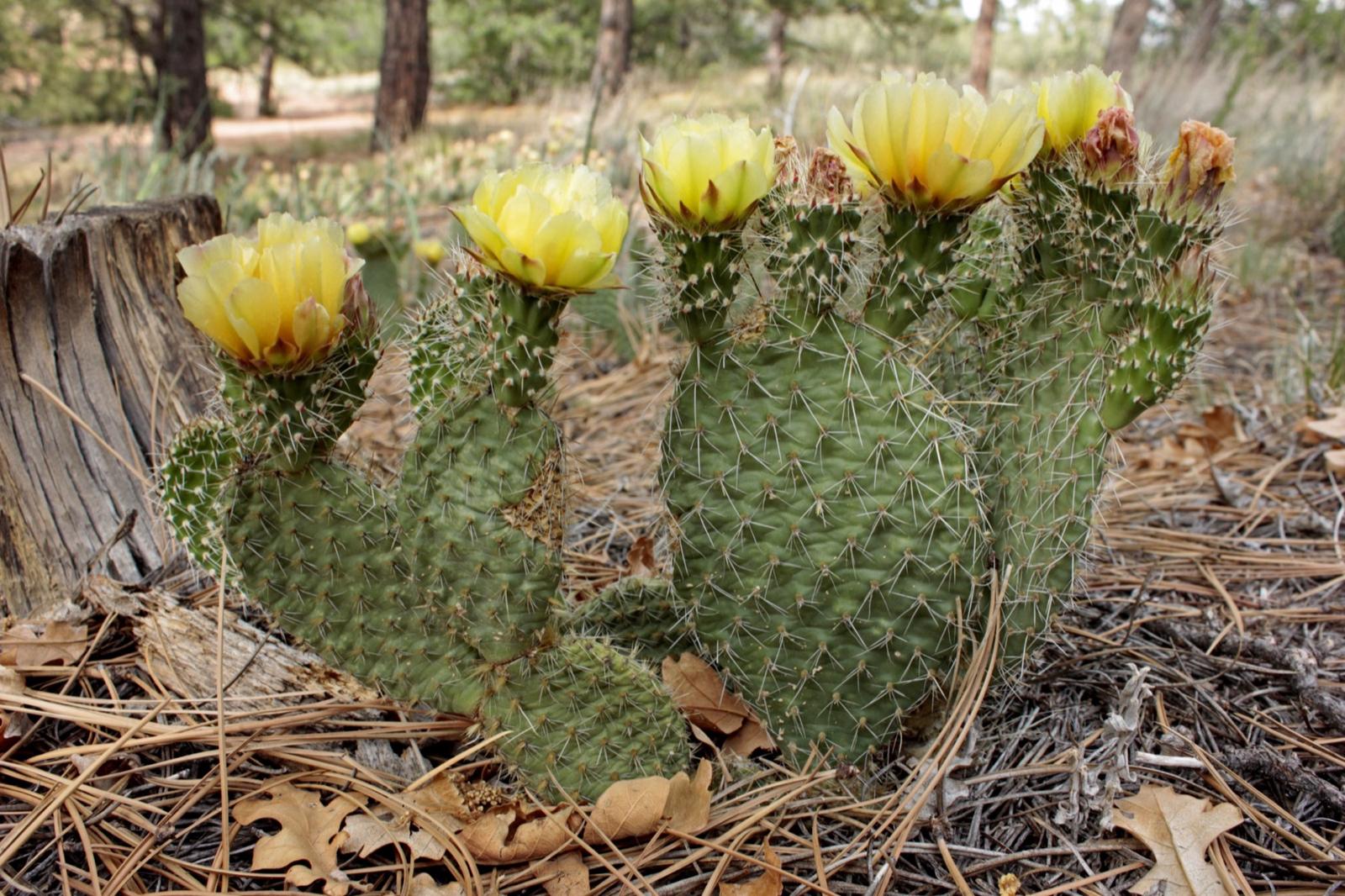
Yes, in zone 4. Prickly pear (Opuntia polyacantha, the plains prickly pear) is native to the northern plains, and soft-leaf yucca is rated to zone 4. The key is dry winter soil: plant on a gravelly mound or slope where snowmelt drains away.
Planting tips for zone 4
- Plant in spring. A full growing season before the first hard winter is the single biggest factor in survival for new perennials and shrubs.
- Water through the first season, then taper. Weekly deep watering the first summer, less the second, then only in drought.
- Water in fall and in dry winters. Evergreens and newly planted trees lose moisture on sunny, windy winter days. Give them a deep soak before the ground freezes and during long snowless spells when temperatures are above freezing.
- Don't cut back too early. Leave grasses and perennial stems standing over winter. They catch snow, which insulates the crowns.
- Choose zone 3 plants for 4a and exposed sites. Save the zone 4 and 4b plants for protected spots near buildings and south-facing slopes.
From our installs: Our work is in Front Range zones 5 and 6, but we plant for clients' mountain properties too, where it's much colder. What survives is almost always the native grasses, buckwheat, potentilla and penstemons planted in spring and watered through their first summer. What fails is anything planted in late fall from a greenhouse-grown pot, or a borderline plant on a windswept, snowless slope. (Xeris Landscaping is affiliated with Xeriscaping.com.)
Slightly warmer? See our zone 5 plant list. New to zones? Start with understanding USDA hardiness zones.
Frequently asked questions
What is the coldest temperature in zone 4?
Zone 4's average annual extreme minimum is −30 to −20°F. Zone 4a averages −30 to −25°F and 4b averages −25 to −20°F. Individual winters can get colder.
Can you xeriscape in zone 4?
Yes. Native prairie and mountain plants like blue grama, little bluestem, yarrow, potentilla, purple prairie clover and bur oak are both cold-hardy and drought-tolerant. The limit in zone 4 is usually the growing season and winter wind, not water.
Will lavender grow in zone 4?
Not reliably. CSU and Utah State University Extension rate English lavender hardy to zone 5. USU notes a seed-grown variety, 'Lady', may survive zone 4 with mulch or a south-facing spot. Catmint is a better lavender-blue choice for zone 4. See growing lavender in a xeriscape.
Which zone 4 plants bloom the longest?
Potentilla (early summer to fall), blanket flower (summer to fall) and Turkish veronica (spring) give the most color. Pair them with grasses for fall and winter structure.