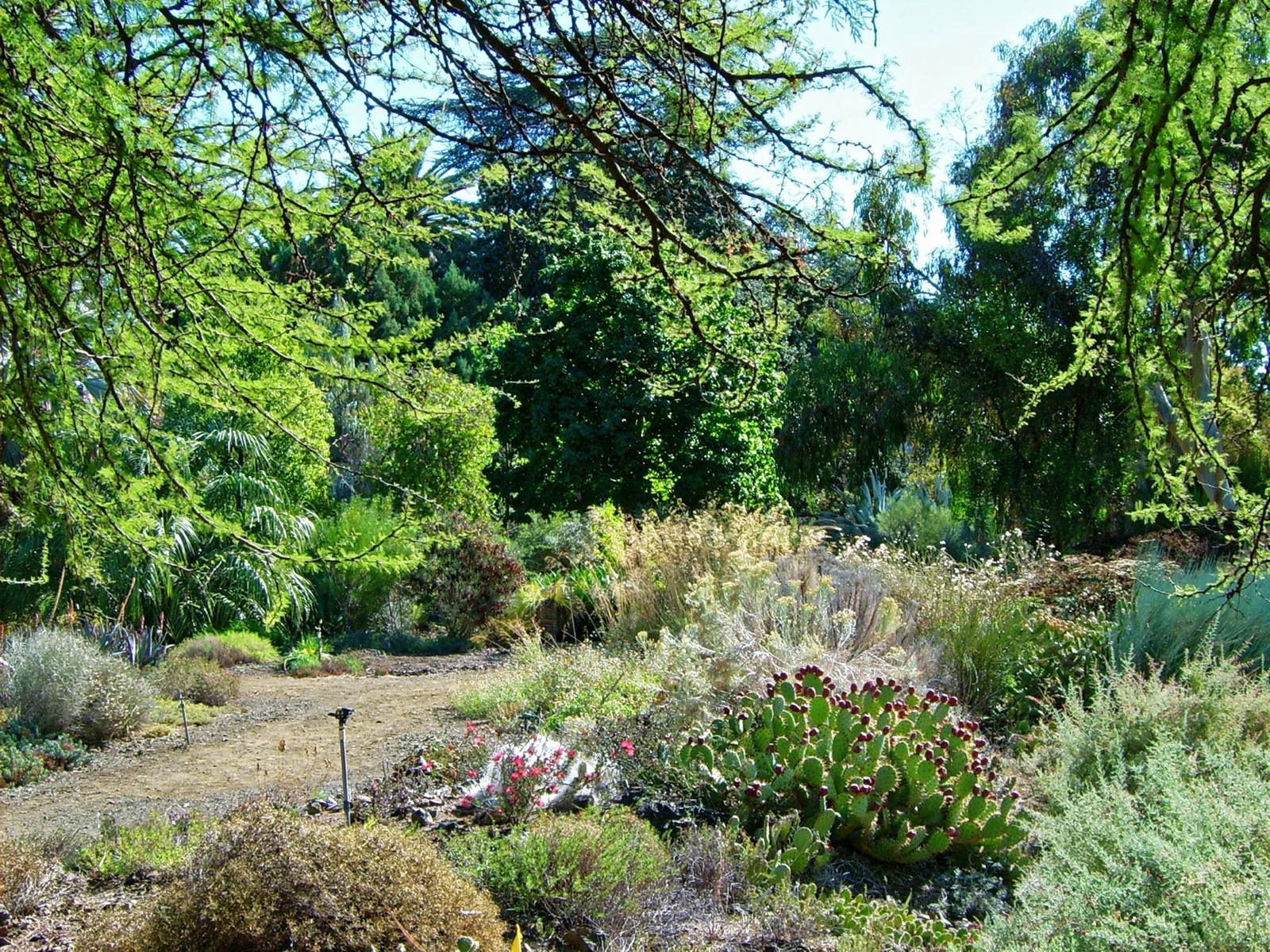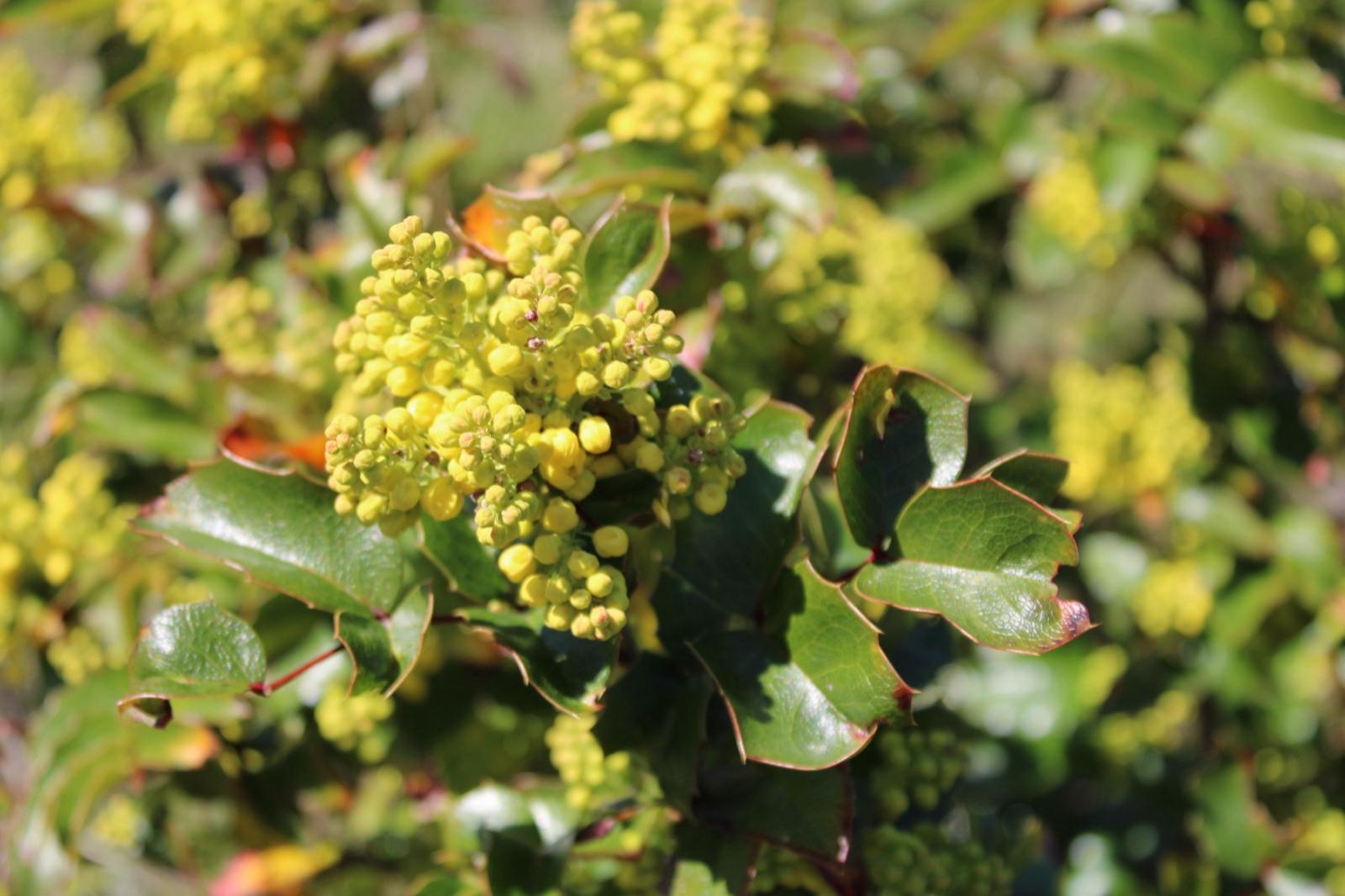
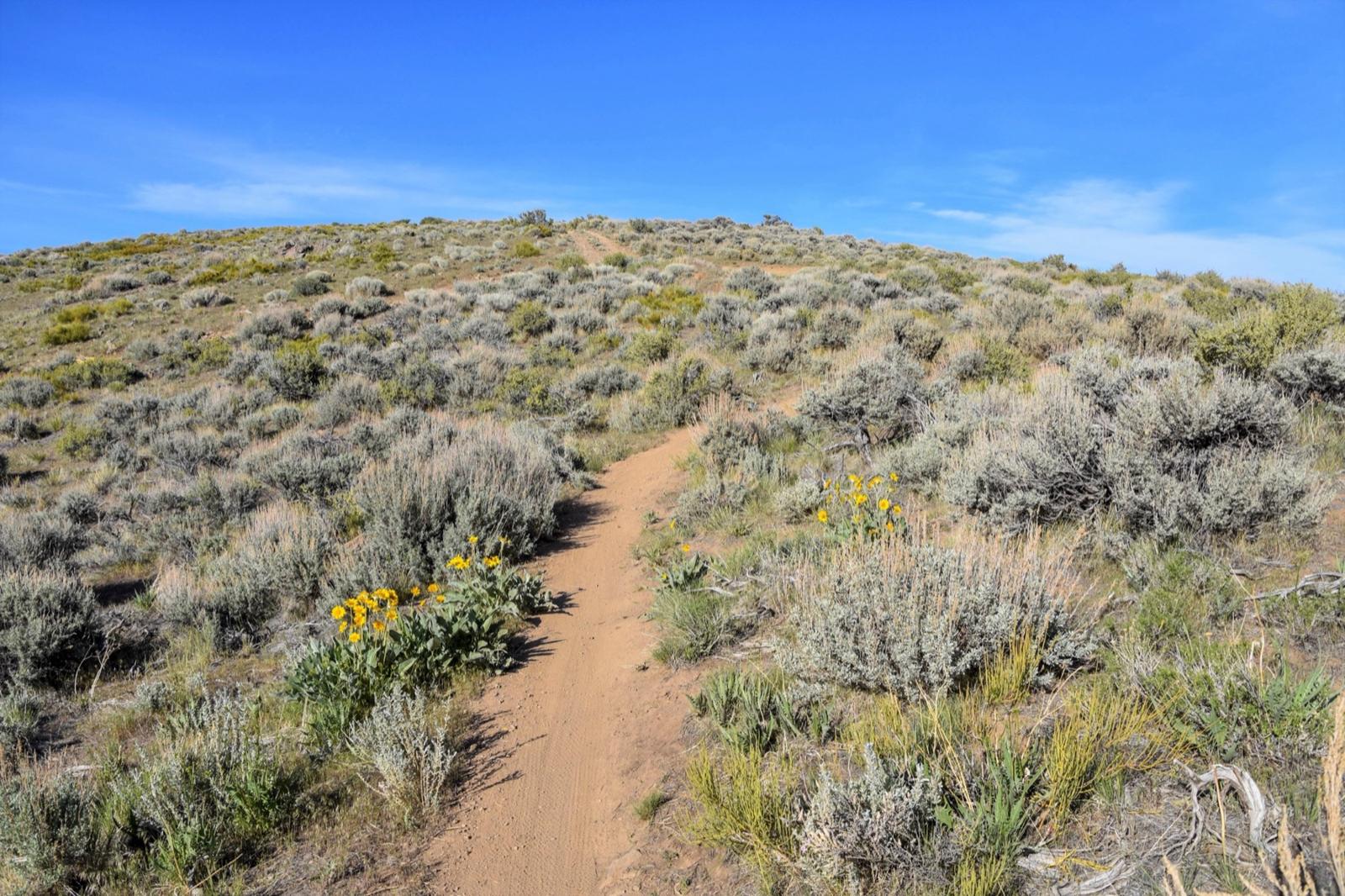
Xeriscaping in Reno starts with a hard number: the airport averages 7.35 inches of precipitation a year, most of it as winter snow and rain, according to NOAA's 1991–2020 normals. The Truckee Meadows sits in the Sierra Nevada's rain shadow, so a bluegrass lawn here survives almost entirely on sprinklers from May to October. Great Basin natives such as sagebrush, rabbitbrush and firecracker penstemon handle that on a fraction of the water, and they're built for Reno's cold winters too.
Reno is different from Las Vegas in one important way: there's no turf buyback program here. This guide covers what does apply as of September 2026: local growing conditions, plants, TMWA's assigned watering days, Nevada's HOA law and fire-smart design.
Reno growing conditions
- USDA zones 6b to 7b. On the 2023 USDA map, central Reno (89501, 89502, 89509) and much of Sparks (89434, 89441) are 7b. Northwest Reno (89523), south Reno at 89521 and north Sparks (89431, 89436) are 7a, and 89511 in south Reno drops to 6b. Look up your address on our Reno zone page.
- Very little rain. TMWA describes the region as a high desert with an average of about seven inches a year (TMWA). NOAA puts the airport at 7.35 inches with about 21 inches of snow. July through September average 0.20 to 0.24 inches a month.
- Hot days, cold nights. The July mean high at the airport is 93.9°F and the January mean low is 26.1°F (NOAA monthly normals). In July the average gap between the daily high and low is about 33 degrees.
- Frost dates. NOAA's median last spring freeze at the airport is April 20 and the median first fall freeze is October 23. Those are 50/50 dates for one station. Valley-floor cold pockets and higher neighborhoods freeze later in spring, so hold frost-tender plants until mid-May.
- Elevation. The airport station sits at about 4,400 feet. Foothill subdivisions run several hundred feet higher and colder.
- Wind and fire. Afternoon winds dry out new plantings fast. Many foothill neighborhoods border open sagebrush country, which is why fire-smart plant placement matters here (more below).
The best xeriscape plants for Reno
Plant the Great Basin. The native shrubs and wildflowers of the surrounding hills are adapted to the same cold winters and dry summers as your yard. TMWA's free Water Efficient Landscape Guide includes a plant search tool tuned to the region.
| Plant | Type | Zones | Water | Why it works here |
|---|---|---|---|---|
| Big sagebrush | Shrub | 4–9 | Very low | The signature Great Basin shrub. Silver, fragrant, evergreen. Keep it away from the house |
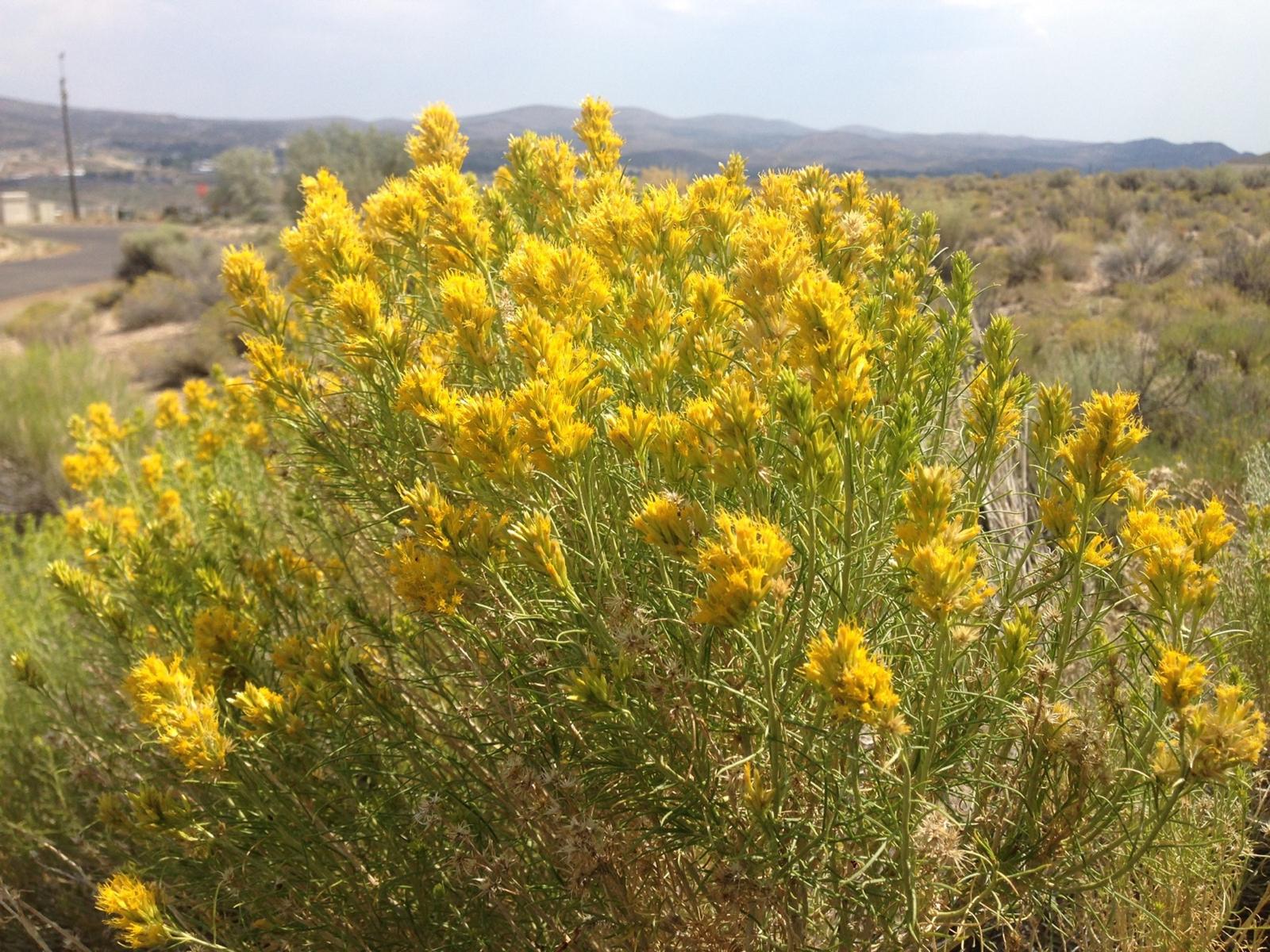
| Rabbitbrush | Shrub | 4–9 | Very low | Local native with gold fall bloom and late-season nectar |
| Curl-leaf mountain mahogany (Cercocarpus ledifolius) | Shrub | 3–8 | Very low | Evergreen native small tree for screening on dry slopes |
| Cliffrose (Purshia stansburiana) | Shrub | 4–8 | Very low | Fragrant cream flowers in spring. Handles poor, rocky soil |
| Apache plume | Shrub | 4–8 | Very low | Long bloom and feathery seed heads. On UNR's fire-hazard plant list |
| Fernbush | Shrub | 4–8 | Very low | Fragrant white summer bloom covered in bees |
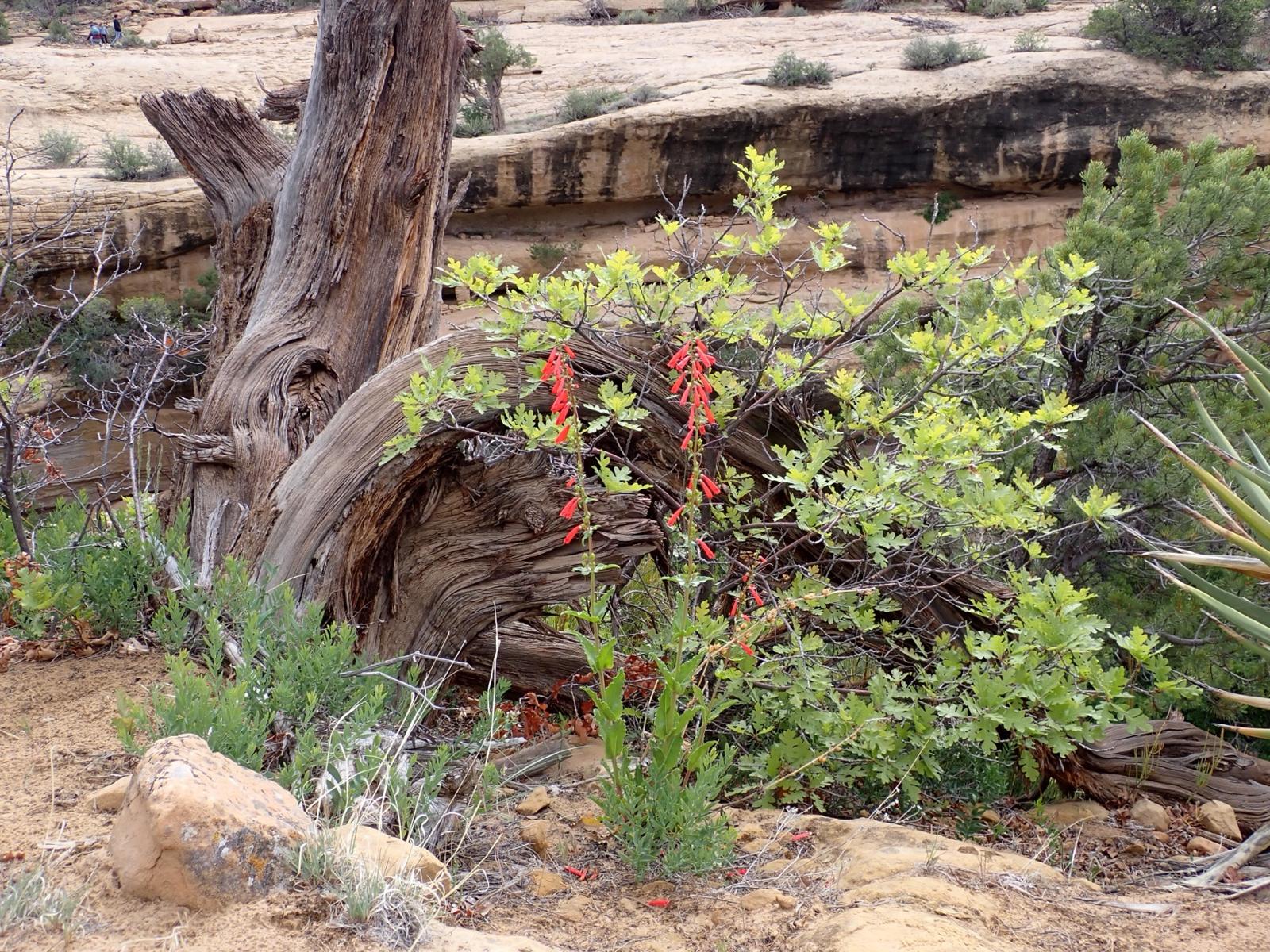
| Firecracker penstemon (P. eatonii) | Perennial | 4–9 | Very low | Great Basin native with scarlet spring spikes for hummingbirds |
| Sulphur buckwheat | Groundcover | 4–8 | Very low | Western native mat with yellow summer flowers |
| Desert four o'clock (Mirabilis multiflora) | Perennial | 5–10 | Very low | Magenta evening flowers from a deep taproot. Dies back each winter |
| Yarrow | Perennial | 3–9 | Very low | Tough flowering groundcover. On UNR's fire-hazard plant list |
| Agastache | Perennial | 4–10 | Very low | Hummingbird mint for late summer color. Needs sharp drainage |
| Russian sage | Perennial | 4–9 | Very low | Silver-blue haze from July to frost. Takes wind and heat |
Most of these plants are fine across Reno's 6b–7b range. Save zone-7 plants like desert willow (zones 7–11) for protected, south-facing spots in the warmer 7b neighborhoods, and expect some winter dieback in cold years. For more shrubs, see our drought-tolerant shrubs guide.
Design notes for the Truckee Meadows
Fire-smart first, especially on the foothills. UNR Extension's compilation of good plant choices for Nevada's high fire hazard areas includes yarrow, penstemons, blue flax, rabbitbrush, Apache plume and bitterbrush. Big sagebrush isn't on that list. Keep sagebrush and junipers at the outer edges of the property, and use gravel, low perennials and hardscape in the first few feet around the house. Living With Fire, a UNR Extension program, has free defensible-space guidance for Nevada homeowners.
Use rock mulch near the house and wood mulch farther out. Gravel doesn't burn and doesn't blow away in spring winds. Shredded wood holds moisture around shrubs but belongs away from walls and decks in fire-prone areas. See gravel vs. wood mulch for the trade-offs.
Plant in fall or early spring. Roots grow in cool soil, and winter moisture helps establish plants before the first 90-degree week. Summer planting in Reno means daily hand-watering in wind and heat.
Drip, not spray. TMWA's assigned days apply only to sprinklers. Drip and hand watering are allowed any day, which makes drip the easiest way to keep new plants alive through their first summer. Our guide to converting sprinklers to drip walks through the retrofit.
Design for winter. From November to March, a Reno yard is mostly silver shrubs, grasses and rock. Evergreen sagebrush, mountain mahogany and cliffrose carry the structure while perennials are dormant.
TMWA watering rules
Truckee Meadows Water Authority customers follow assigned-day watering for sprinklers (TMWA, June 2026):
- Odd addresses (ending in 1, 3, 5, 7, 9): Wednesday, Friday and Sunday.
- Even addresses (ending in 0, 2, 4, 6, 8): Tuesday, Thursday and Saturday.
- Monday: no sprinkler watering. TMWA uses it as a rest day for the system.
- Drip irrigation and hand watering are always permitted.
Run sprinklers early in the morning in summer to cut evaporation and wind drift. Once your xeriscape is established, most of the plants above need deep drip watering only every week or two in July and August, and little or none from October to April.
Reno rebates (as of September 2026)
Unlike Southern Nevada, the Reno–Sparks area doesn't have a turf buyback. Nevada's AB 356 nonfunctional-turf law and SNWA's rebate both apply only in the Las Vegas Valley.
| Program | Amount | Cap | Key requirement | Link |
|---|---|---|---|---|
| TMWA turf replacement rebate | None listed | n/a | TMWA's current conservation pages list no turf-replacement rebate. Its free landscape guide and plant search are available to everyone | TMWA |
| SNWA Water Smart Landscapes Rebate (Las Vegas Valley only) | $5/sq ft for the first 10,000 sq ft, then $2.50/sq ft (single-family) | Tiered per property per fiscal year | Not available to TMWA customers. Listed for comparison | SNWA |
If a program appears, get approved first. Turf rebates in the West almost always require an application and photos of the living lawn before removal. Check your provider and our state rebate page before you dig. For the money side of a conversion without a rebate, see how much xeriscaping costs.
Nevada HOA rights
NRS 116.330 says an HOA board and governing documents can't prohibit a homeowner from installing or maintaining drought tolerant landscaping in the areas the owner has the right to use exclusively, including front and back yards. Two conditions apply. You must submit plans for architectural review if your HOA has a review process, and the design should be compatible with the community's style "to the maximum extent practicable." The statute says the HOA can't unreasonably deny approval, and it defines drought tolerant landscaping to include mulches such as decorative rock and artificial turf.
Hire it out
Sod removal, trenching for drip and hauling rock are the heavy parts of a Reno conversion. A landscaper with high-desert experience will also know which plants handle the cold and wind in your part of the valley. Ask for itemized quotes and a plant list you can check against TMWA's plant search. Browse listed pros in the Reno–Sparks area:
For the other end of the state, our Las Vegas xeriscaping guide covers the Mojave palette and SNWA's rebate.
Frequently asked questions
Does TMWA pay you to remove your lawn in Reno?
Not as of September 2026. TMWA's conservation pages don't list a turf-replacement rebate. The well-known cash-for-grass program in Nevada is SNWA's Water Smart Landscapes Rebate, which covers only the Las Vegas Valley.
What are my watering days in Reno and Sparks?
TMWA assigns sprinkler days by address: odd addresses water Wednesday, Friday and Sunday, and even addresses water Tuesday, Thursday and Saturday. No sprinkler watering on Mondays. Drip irrigation and hand watering are allowed any day.
Can my HOA in Nevada stop me from xeriscaping?
No. NRS 116.330 bars HOAs from prohibiting drought tolerant landscaping in your front or back yard. You still have to submit plans for architectural review, and the design should fit the community's style, but the HOA can't unreasonably deny approval.
What is the last frost date in Reno?
NOAA's 1991–2020 median last spring freeze at Reno-Tahoe International Airport is April 20, and the median first fall freeze is October 23. Colder neighborhoods and low spots freeze later, so wait until mid-May for frost-tender plants.