Growing yarrow is mostly a matter of not helping too much. Plant it in full sun and lean, well-drained soil, water it through the first season, then leave it alone: it's hardy to zone 3, native across North America and one of the most drought-tolerant perennials you can buy. Pick common yarrow (Achillea millefolium) for color and naturalizing, fernleaf yarrow (A. filipendulina) for tall gold flower heads, and woolly yarrow (A. tomentosa) for a low mat. The two things to manage are flopping, which comes from rich soil and extra water, and spreading, which you handle by deadheading and dividing.
Yarrow types compared
| Plant/Variety | Zones | Water | Size | Bloom | Notes |
|---|---|---|---|---|---|
| Common yarrow, native forms (A. millefolium) | 3–9 | Very low | 1–3 ft | Summer | White; spreads by rhizomes and seed |
| Common yarrow cultivars ('Paprika', 'Summer Pastels') | 3–9 | Very low | 1–3 ft | Summer | Red, pink, salmon, cream; less aggressive in beds |
| Fernleaf yarrow ('Coronation Gold', 'Cloth of Gold') | 3–9 | Low | 3–4 ft | Summer | Gold plates to 4 in across |
| 'Moonshine' yarrow | Check label | Low | Compact | Summer | Soft yellow over silver foliage |
| Woolly yarrow (A. tomentosa) | 3–7 | Low | 6–8 in | Early summer | Low mat; light foot traffic |
Zones and sizes from the NC State Extension Plant Toolbox. 'Moonshine' is a hybrid; hardiness varies by grower, so check the tag. Our yarrow plant page has the quick profile.
Common yarrow (Achillea millefolium)
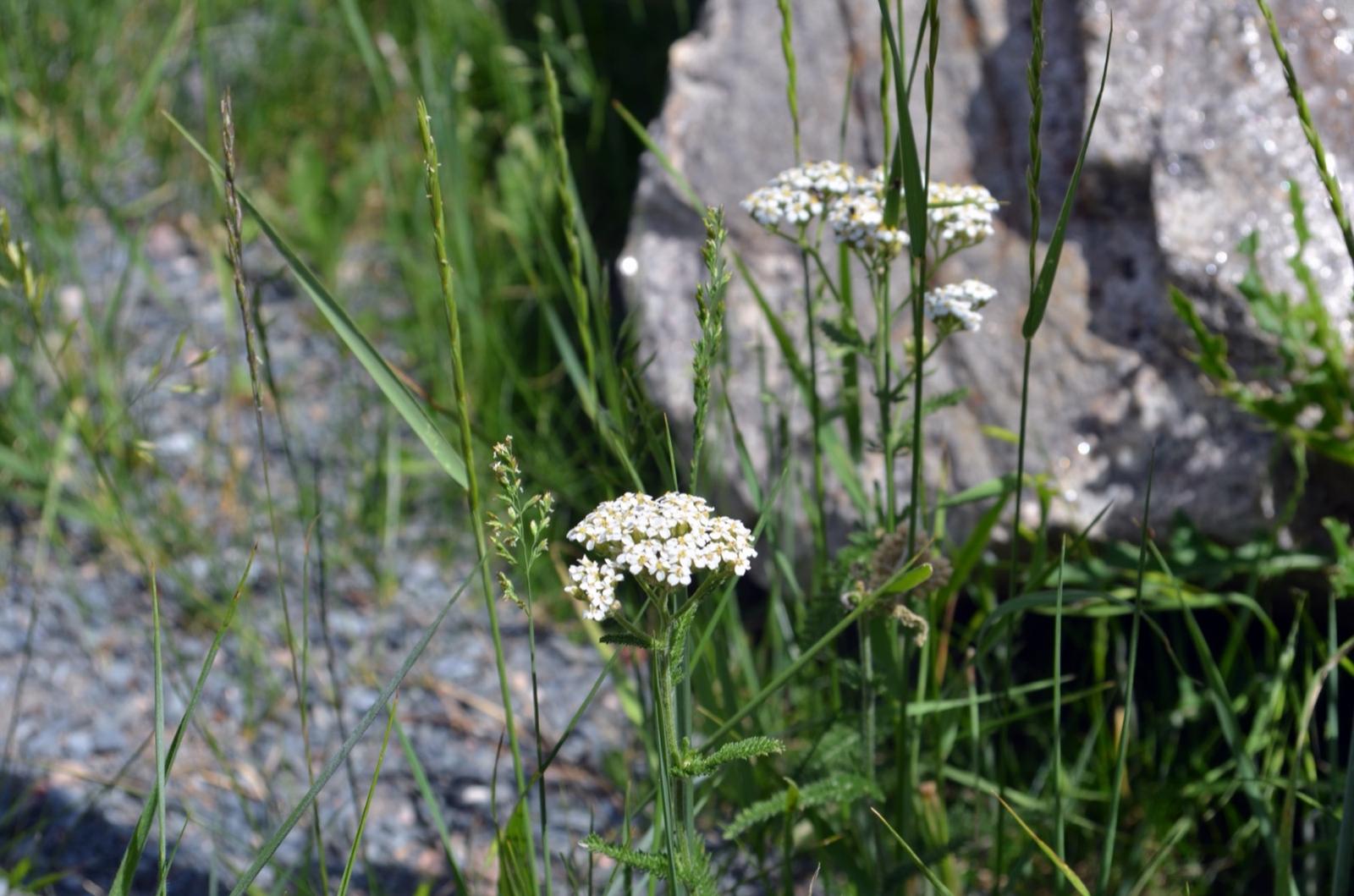
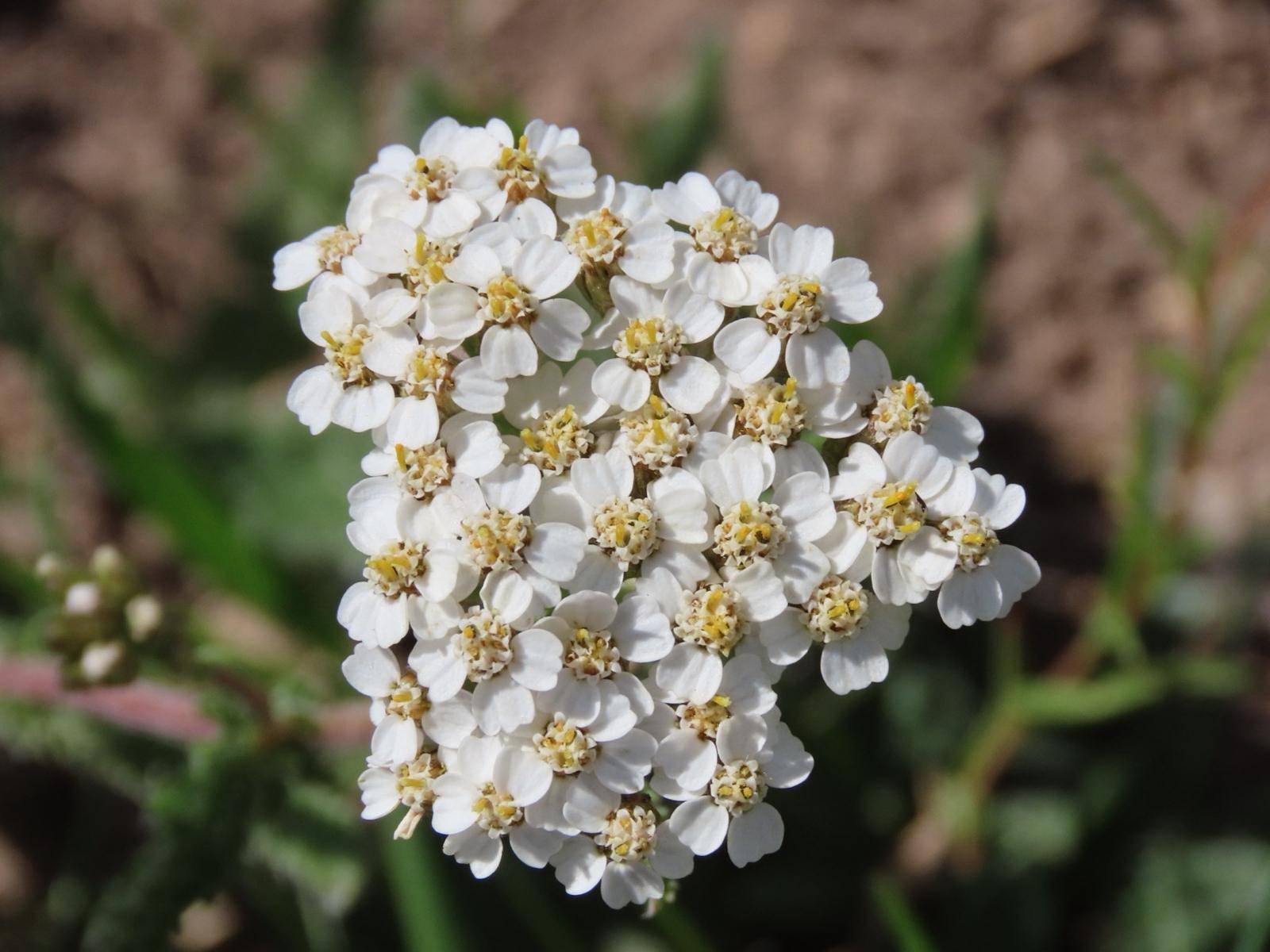
The species is native to temperate North America, Europe and Asia. NC State describes it as 1–3 feet tall and wide, tolerant of poor soil and drought, and moderately salt tolerant. Flat clusters of tiny flowers sit over finely cut, aromatic, fern-like leaves. Wild plants are usually white; garden cultivars come in red, pink, salmon, apricot and cream.
It's a strong pollinator plant; NC State notes that it attracts many pollinators. The Lady Bird Johnson Wildflower Center describes the species as highly variable, which is why native yarrow looks a little different from region to region.
The catch is spread. NC State says the species "can spread aggressively by rhizomes and seeds" and may be too weedy for a formal border. For a bed, choose a named cultivar and deadhead. For a meadow, slope or naturalized strip, the straight species is ideal.
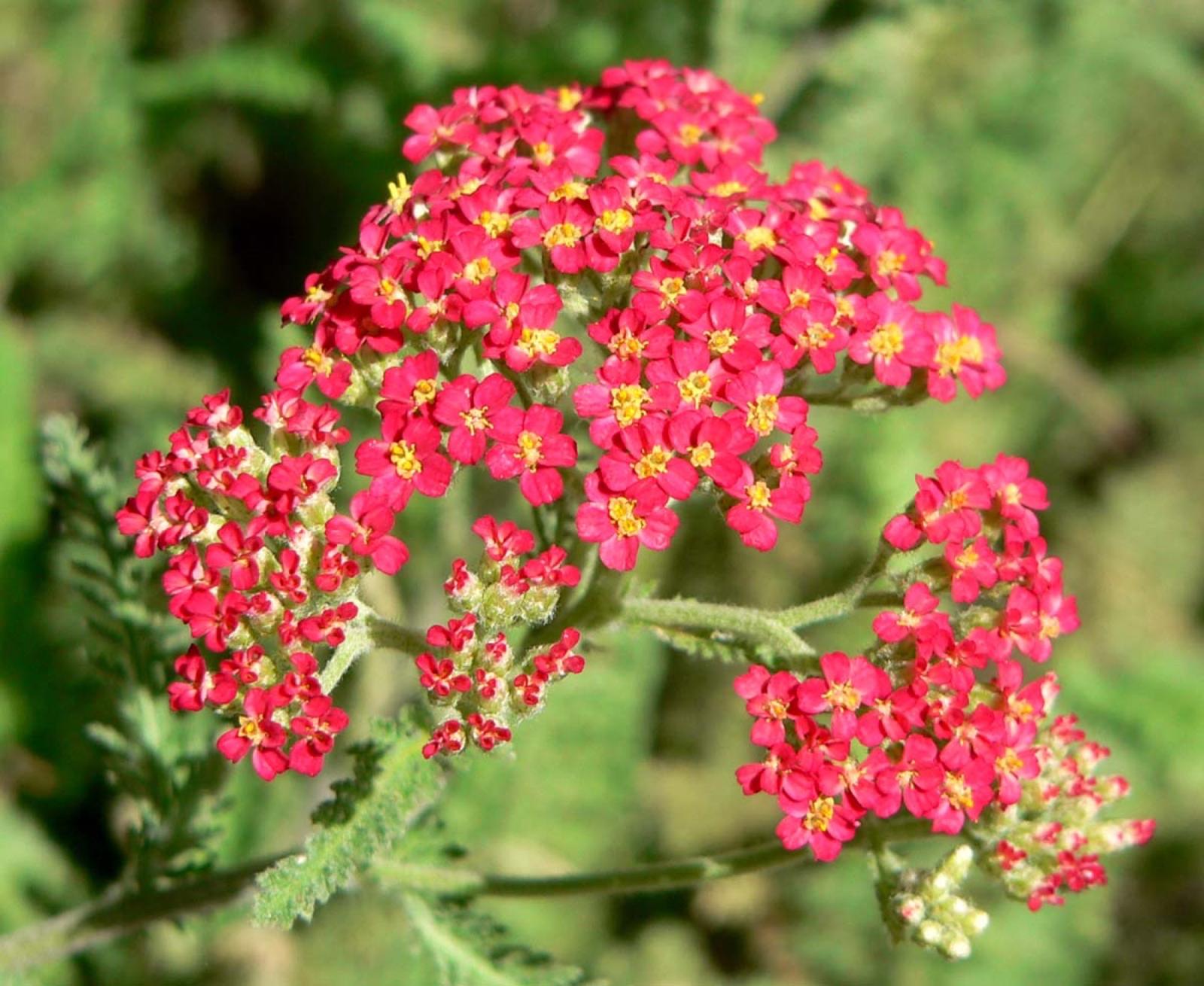
Fernleaf yarrow (Achillea filipendulina)
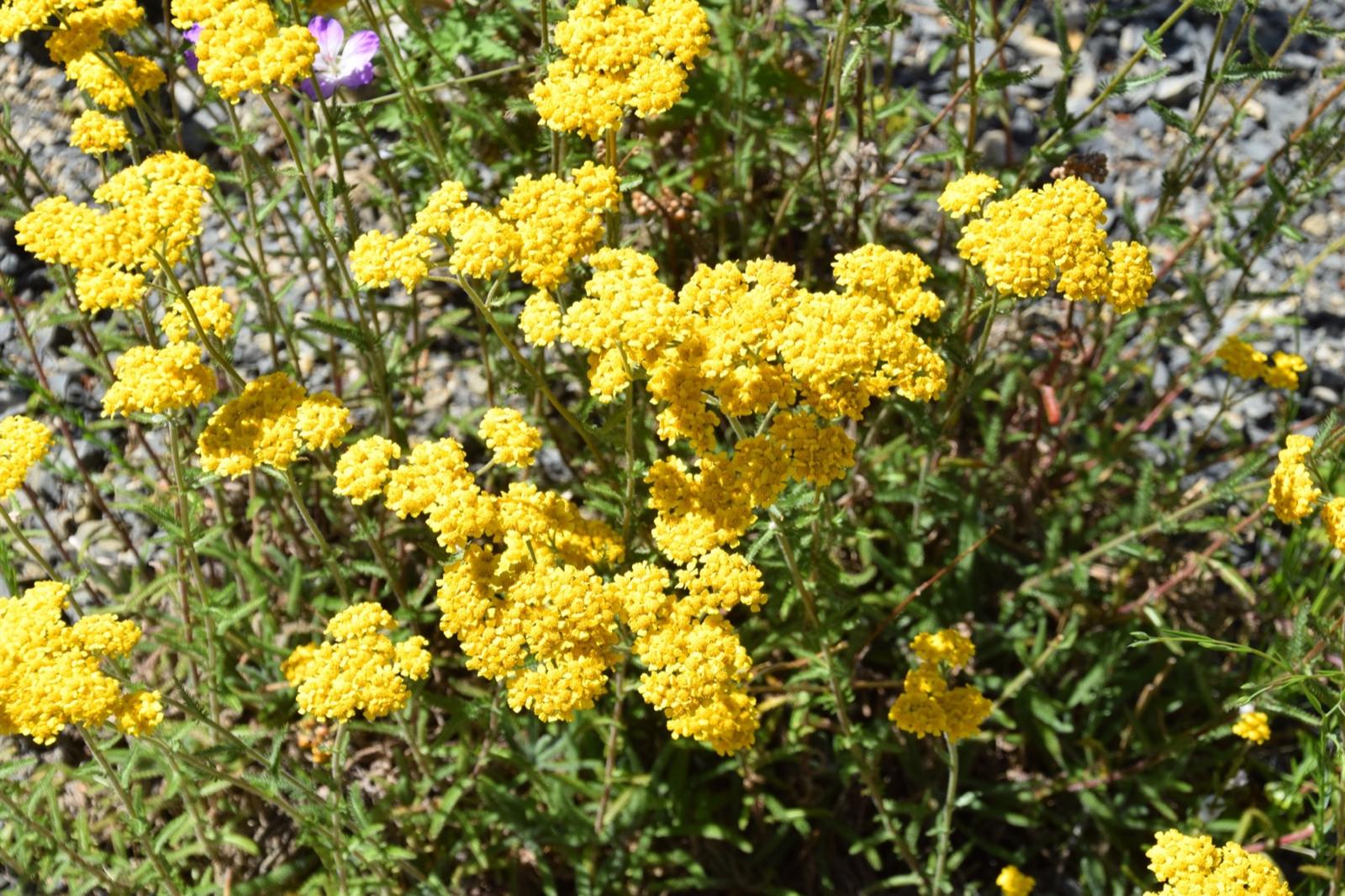
The tall gold yarrow of cottage gardens. NC State rates it zones 3–9, 3–4 feet tall and 2–3 feet wide, with dense, flat golden flower heads up to 4 inches across on stiff stems. It's heat, humidity and drought tolerant. 'Coronation Gold' and 'Cloth of Gold' are the common selections. NC State's advice is short: don't over-fertilize or overwater, and site it out of strong wind. It spreads more slowly than the species, so it behaves better in a mixed bed, though NC State still recommends dividing it as needed.
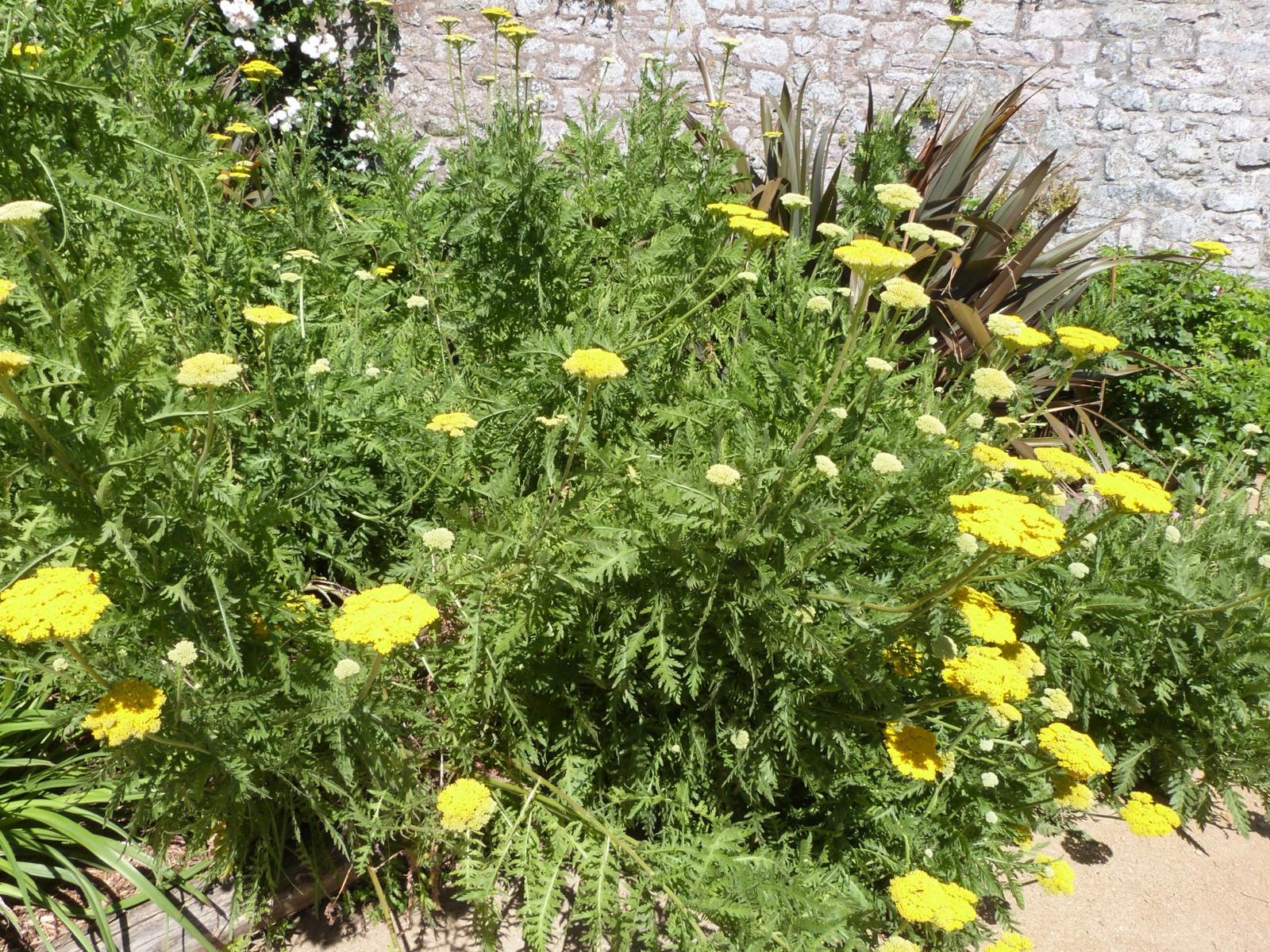
'Moonshine' yarrow
A compact hybrid with soft sulfur-yellow flowers over silver-gray foliage. It's tidier than common yarrow and one of the best silver-leaved plants for a dry border.
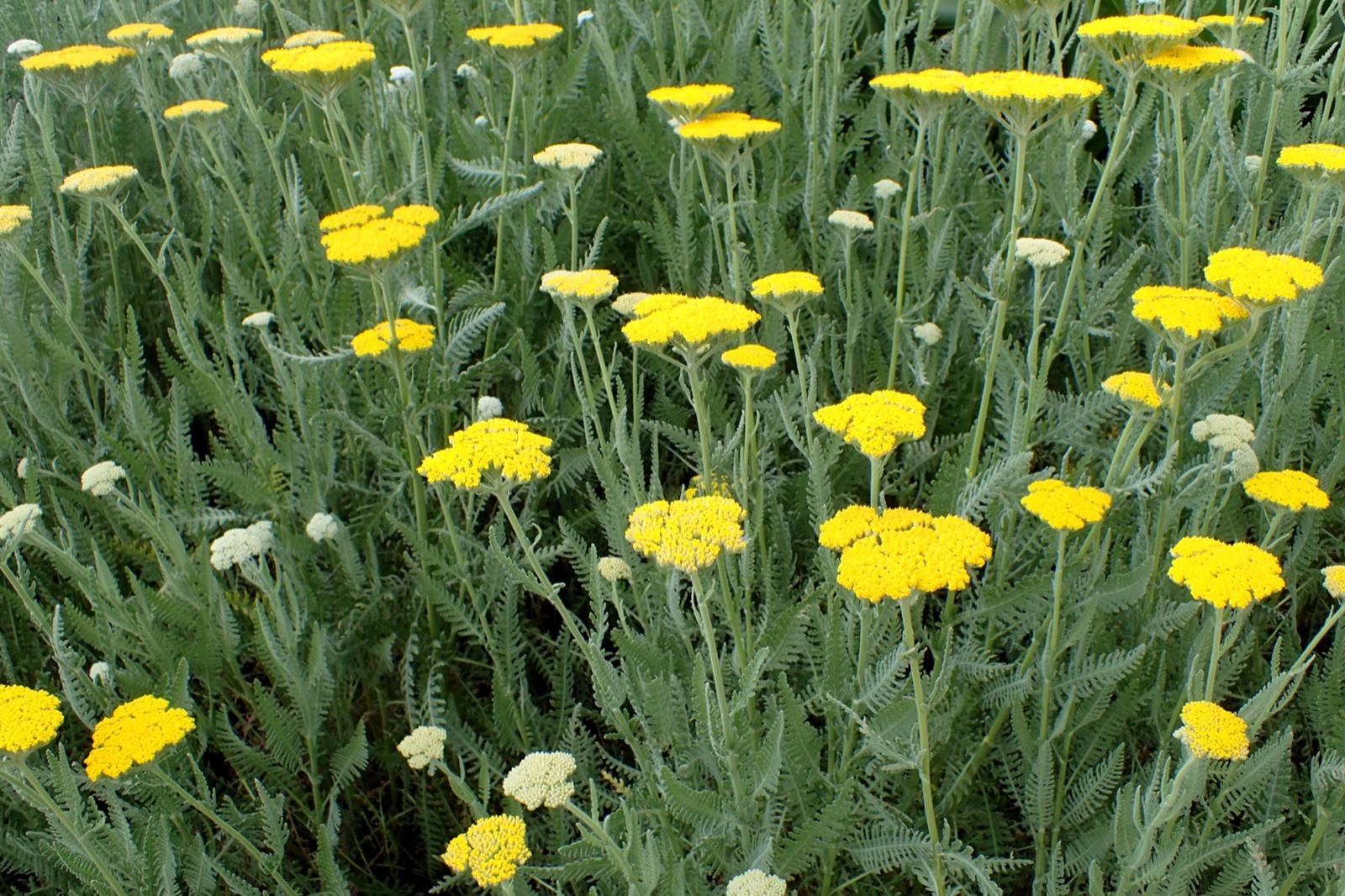
Woolly yarrow (Achillea tomentosa)
A low mat of fuzzy gray-green leaves, 6–8 inches tall in bloom, with bright yellow flowers. NC State rates it zones 3–7 and notes that it resists deer, rabbits and drought, withstands light foot traffic, and does best where summers are cool. It's a good edging plant and rock garden filler, and it needs fast drainage.
How to grow yarrow
When to plant. Spring or early fall. Nursery plants establish quickly; seed of the straight species is cheap and works well for meadows and lawns. Space bed plants about as far apart as their mature width so they fill in without crowding.
Sun. Full sun. In shade it stretches, flops and blooms less.
Soil. Lean and well-drained. NC State notes that yarrow tolerates poor soil, and that root rot is the main risk in wet soil. Don't amend a yarrow bed with compost or manure. Rich soil is what makes yarrow tall, weak and floppy.
Water. Water weekly through the first growing season so roots go deep. Once established, most yarrows need little or no supplemental water in the interior West. Overwatering causes the same floppy growth as rich soil.
Fertilizer. None. NC State specifically warns against over-fertilizing fernleaf yarrow.
Deadheading. Cut spent flower stalks back to the leaves. NC State says deadheading prolongs bloom and limits spread by seed. With common yarrow, a hard cut after the first flush usually brings a second, smaller bloom.
Dividing. Every few years, when clumps open up in the middle or spread past where you want them, dig and divide in spring or early fall. NC State notes yarrow divides easily.
Staking. If you have to stake yarrow, the soil is too rich or it's getting too much water. Move it or cut back irrigation.
Handling. NC State recommends wearing gloves, since yarrow can cause contact dermatitis in some people, and keeping it away from areas where pets graze.
Yarrow as a lawn alternative
Common yarrow can be mown into a low, green, ferny groundcover that stays green on far less water than turf. NC State lists it as a lawn alternative for low-foot-traffic areas and a groundcover that can be mowed. Calscape, the California Native Plant Society's database, calls it a good groundcover for lawn replacement because it spreads quickly.
How to do it:
- Plant plugs or sow seed of the straight species (not a showy cultivar) in spring or fall.
- Mow high a few times a season to keep it low and dense. It won't flower if you mow often, which some people prefer.
- Expect it to handle occasional walking, not daily play or dogs running laps.
- Mix it with low native grasses like blue grama for a more durable, meadow-like result.
See buffalograss and blue grama lawns and drought-tolerant groundcovers for more lawn-replacement options.
Companions
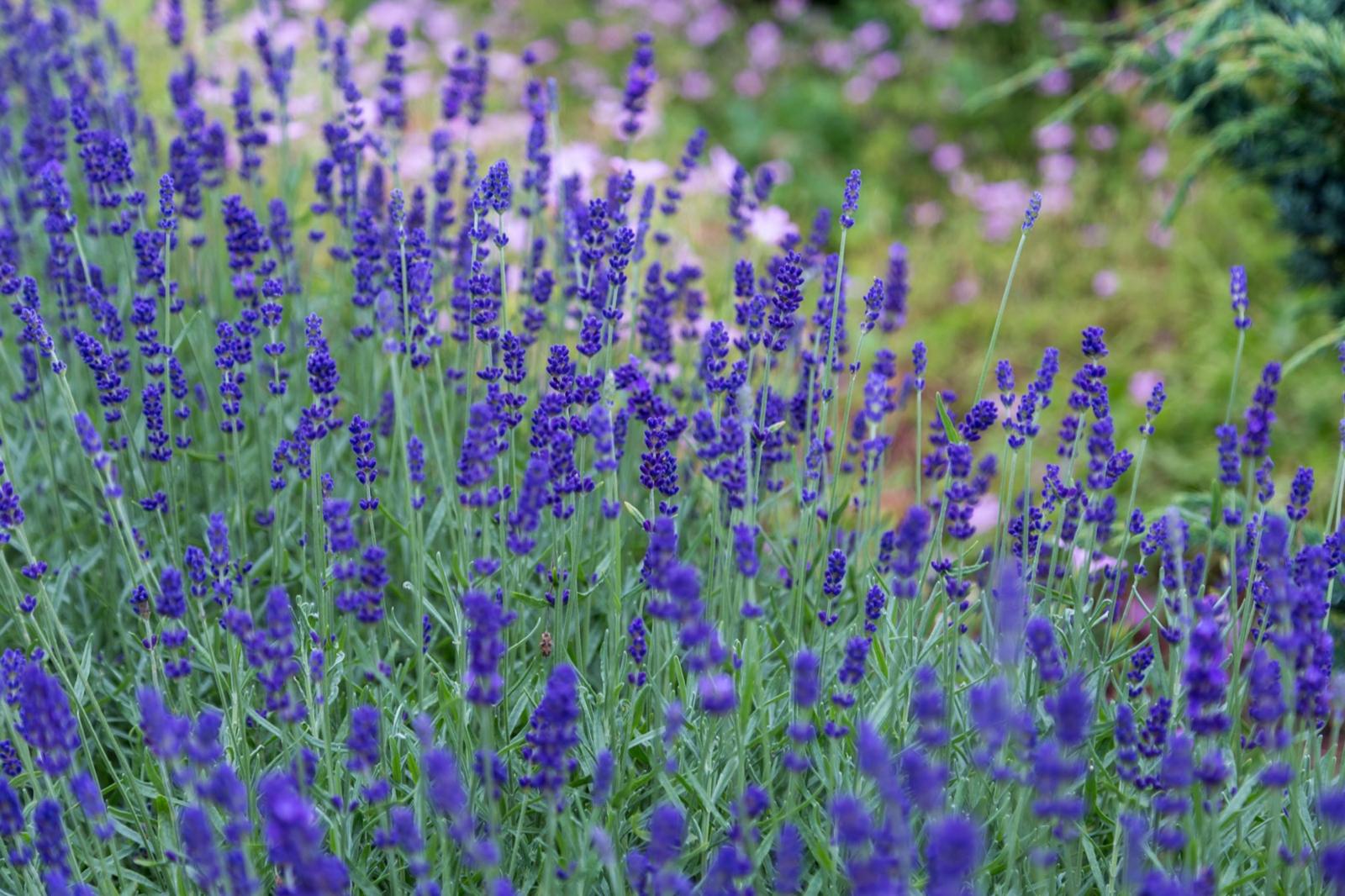
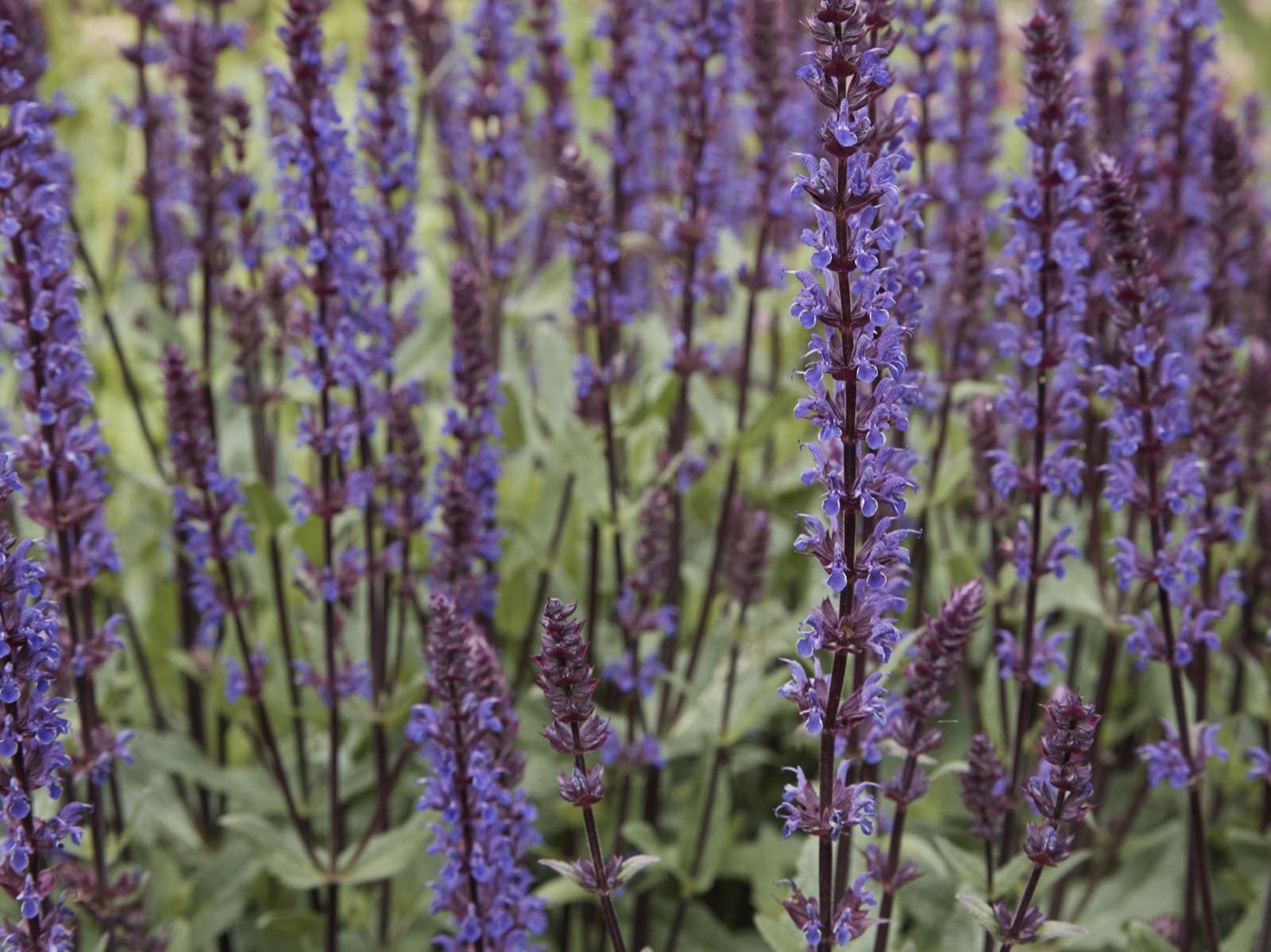
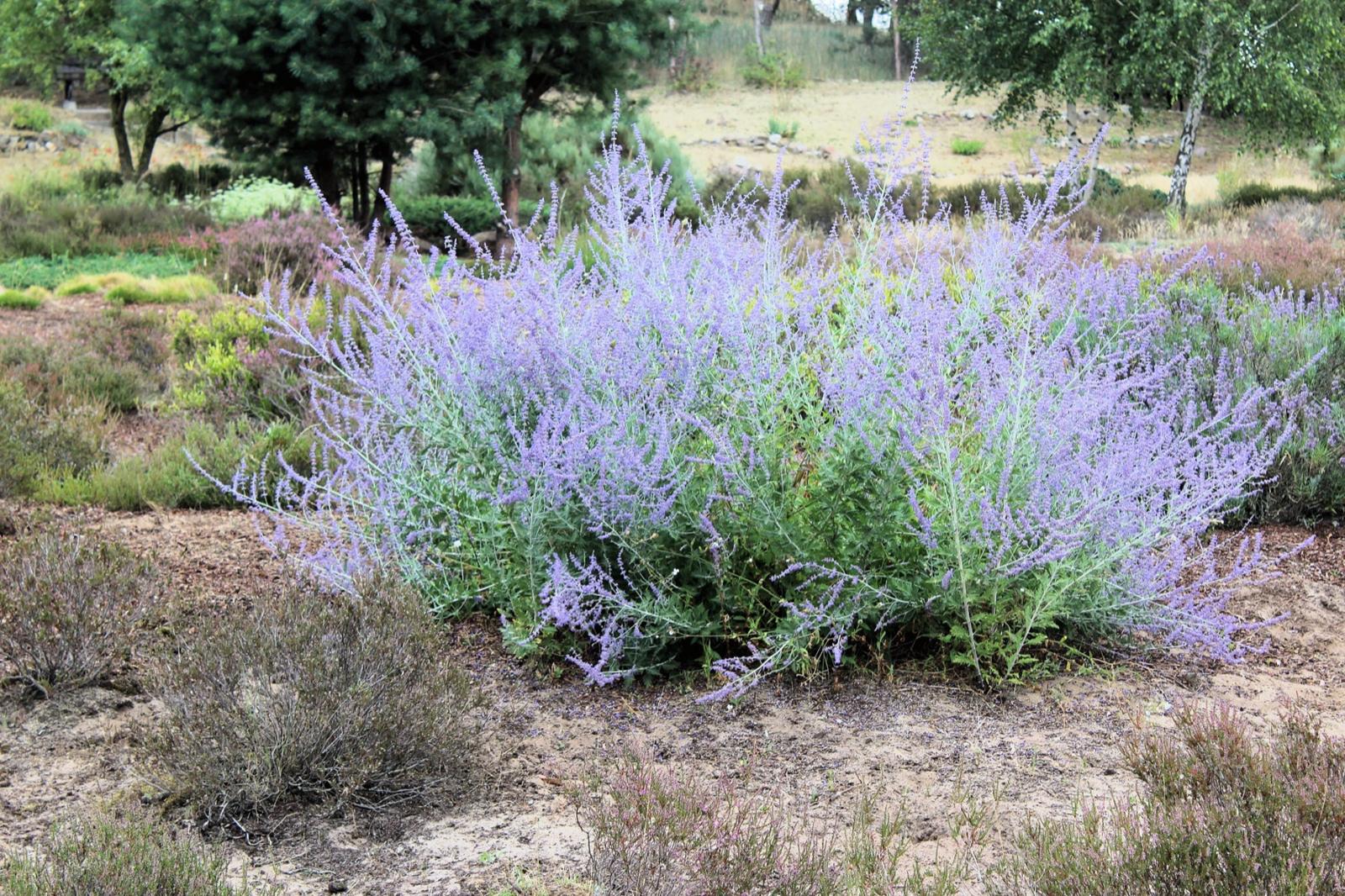
Yarrow's flat flower heads contrast well with spiky and airy plants. Good partners in a dry bed: salvia 'May Night', Russian sage, blanket flower, catmint and little bluestem. Pair the gold fernleaf types with blue and purple flowers for the strongest contrast.
From our installs: Yarrow is one of the easiest plants we use, and the most common problem we see is kindness. In beds amended with compost and on the same irrigation zone as a lawn, it grows tall and falls open by July. On unamended Front Range clay, in its own dry zone, it stays upright and blooms for weeks. We use the straight native species on slopes and in hell strips, where its spreading habit is an asset, and cultivars in beds where we want it to stay put. (Xeris Landscaping is affiliated with Xeriscaping.com.)
Frequently asked questions
Is yarrow invasive?
Common yarrow is native to North America, so it isn't invasive in the legal sense, but it can be aggressive. NC State says it spreads by rhizomes and seeds and may be too weedy for formal beds. Deadhead to stop seeding, divide clumps every few years, and use clump-forming fernleaf yarrow where you want less spread.
Why is my yarrow flopping over?
Almost always too much water, too much fertilizer or too much shade. Yarrow grown in rich, irrigated soil grows tall and weak. Cut it back after bloom, stop fertilizing, reduce watering and move it to full sun if needed.
Is yarrow deer resistant?
Mostly. Rutgers rates common yarrow B, "seldom severely damaged," and CSU Extension lists yarrow among the plants deer rarely browse. NC State notes that woolly yarrow resists deer and rabbits. See our deer-resistant xeriscape plants.
Can yarrow grow in clay soil?
Yes, if the clay drains. Yarrow tolerates poor soil, but it rots in soil that stays wet. On heavy clay, plant on a slight mound and avoid irrigation overspray.
When does yarrow bloom?
Mostly in summer, starting in late spring or early summer depending on climate and type. Deadheading extends the season, and common yarrow often reblooms after a hard cut.
For more long-blooming, low-water perennials, see drought-tolerant perennials and pollinator plants for a low-water garden.