Sheet mulching kills a lawn by cutting off its light. Scalp the grass, lay overlapping plain cardboard (optional, as explained below), soak it, and bury everything under 4 to 12 inches of wood chips. The grass dies and rots in place, the soil stays put, and you never spray anything. Expect it to take a season or more. Start in fall and plant in spring. Sheet mulching is the cheapest, lowest-effort way to remove a cool-season lawn for a xeriscape. It is also the slowest, and it won't reliably kill bermudagrass or bindweed.
This guide covers the method, the materials math, and one disagreement between extension services you should know about before you buy a truckload of cardboard.
What sheet mulching does (and doesn't do)
Turfgrass needs light to replace the energy it burns. Take the light away long enough and the crowns and roots die. Then soil life breaks down the dead sod, and the wood chips on top slowly feed the soil too.
It works well on:
- Kentucky bluegrass, fescue and ryegrass lawns. These are the cool-season turf that covers most of the Front Range, Utah and the Intermountain West.
- Lawns with no deadline, where you can wait months before planting.
- Clay soils, where keeping the soil structure intact beats stripping sod and topsoil.
It struggles with:
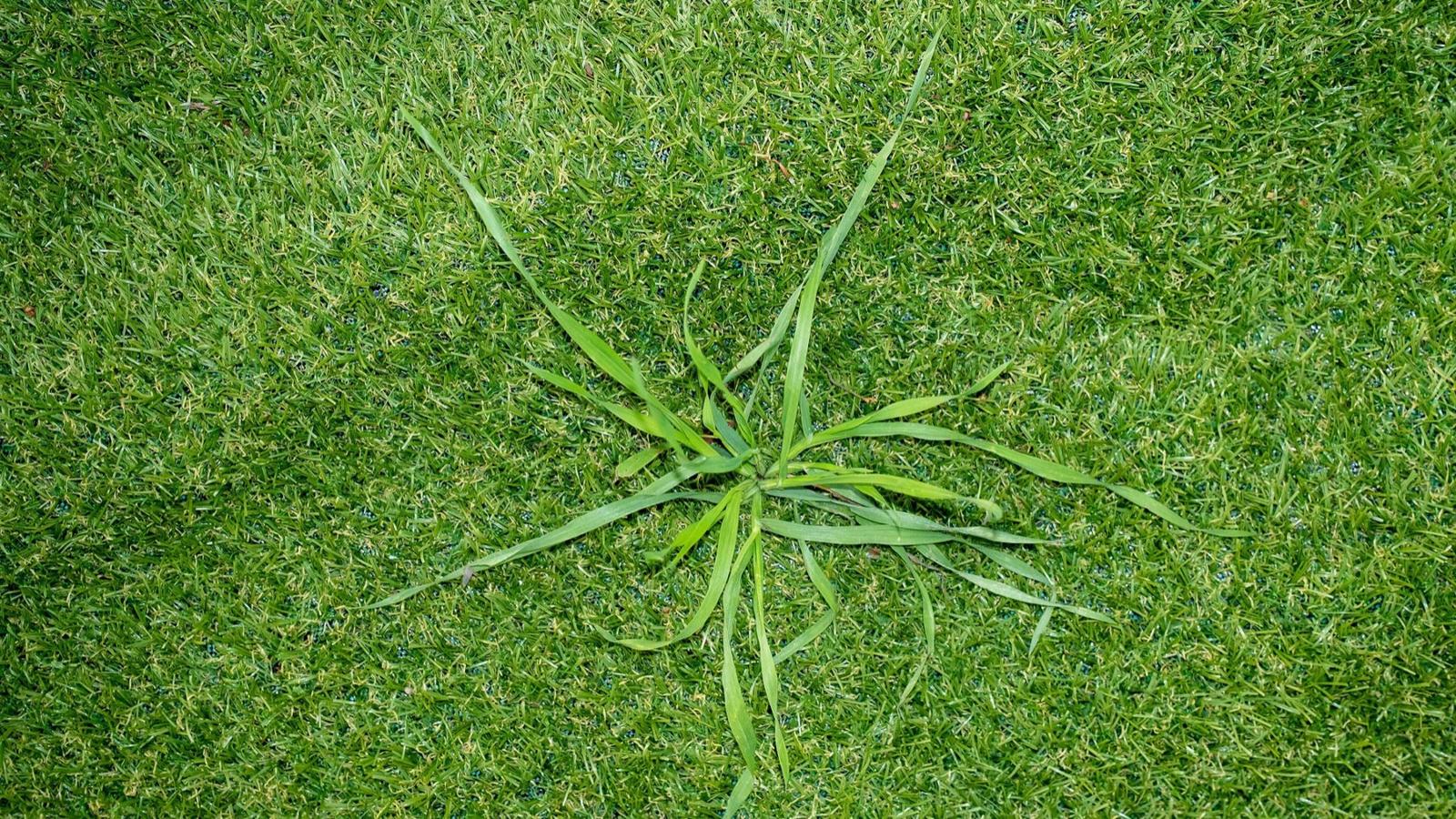
- Bermudagrass. UC IPM notes that bermudagrass rhizomes usually run 1–6 inches deep, deeper in sandy or disturbed soil, and that wood chips alone don't stop it. It pushes through. In hot-summer regions, solarization or repeated removal works better.
- Bindweed, quackgrass and other deep perennial weeds. Oregon State's sheet mulching guide warns that layered mulching may not smother these and says to remove them first.
- Deadlines. Rebate programs often have tight completion windows. More on that below.
If you're still choosing a method, how to remove your lawn compares sheet mulching, sod cutting and solarization side by side.
Cardboard or no cardboard?
Extension services don't agree on this, and it's worth knowing why.
| Oregon State Extension (EM 9559) | CSU Extension (GardenNotes #245) | |
|---|---|---|
| Barrier | 4–6 overlapping layers of cardboard, newspaper or heavy paper, edges overlapped at least 8 inches | None. Scalp the grass and cover it directly |
| Mulch on top | Layered compost materials, 18 inches minimum (lasagna composting) | A thin layer of compost plus 8–12 inches of wood chips |
| Time | About 6 months before planting | "A season or more," and it may still not kill all the grass |
| Concern raised | The barrier limits water and air flow into the soil | Cardboard and newspaper slow an already lengthy process and temporarily reduce soil microbial activity |
Our read: the cardboard's job is to stop grass blades from finding light through a thin mulch layer. If you can afford 8 inches or more of wood chips, you can skip the cardboard, as CSU suggests. If you only have 3–4 inches of mulch, the cardboard fills the gap. Either way, use plain brown corrugated cardboard, strip the tape, and keep it to one or two layers so water still gets through.
Before you start: rebates and timing
Check your rebate rules first. Most turf-replacement programs require approval before any grass dies. Southern Nevada Water Authority states that removing your lawn without approval makes the conversion ineligible and requires a pre-conversion site visit. Front Range nonprofit Resource Central asks DIY participants to wait for approval, then submit photos showing at least 50% of the lawn removed before plant pickup, and it doesn't allow herbicides in DIY projects. A months-long smother may not fit a program deadline, so read the timeline before you commit. Our lawn removal rebate directory and Colorado lawn rebates guide list the programs.
Pick your season. CSU's method starts in early spring. In practice, most people start in fall, when the lawn is heading into dormancy and free leaves and chips are easy to find. The bed is then ready to plant the following spring. If you start in spring, expect to plant in late summer or fall. The fall planting guide covers that timing.
Materials
| Item | How much | Notes |
|---|---|---|
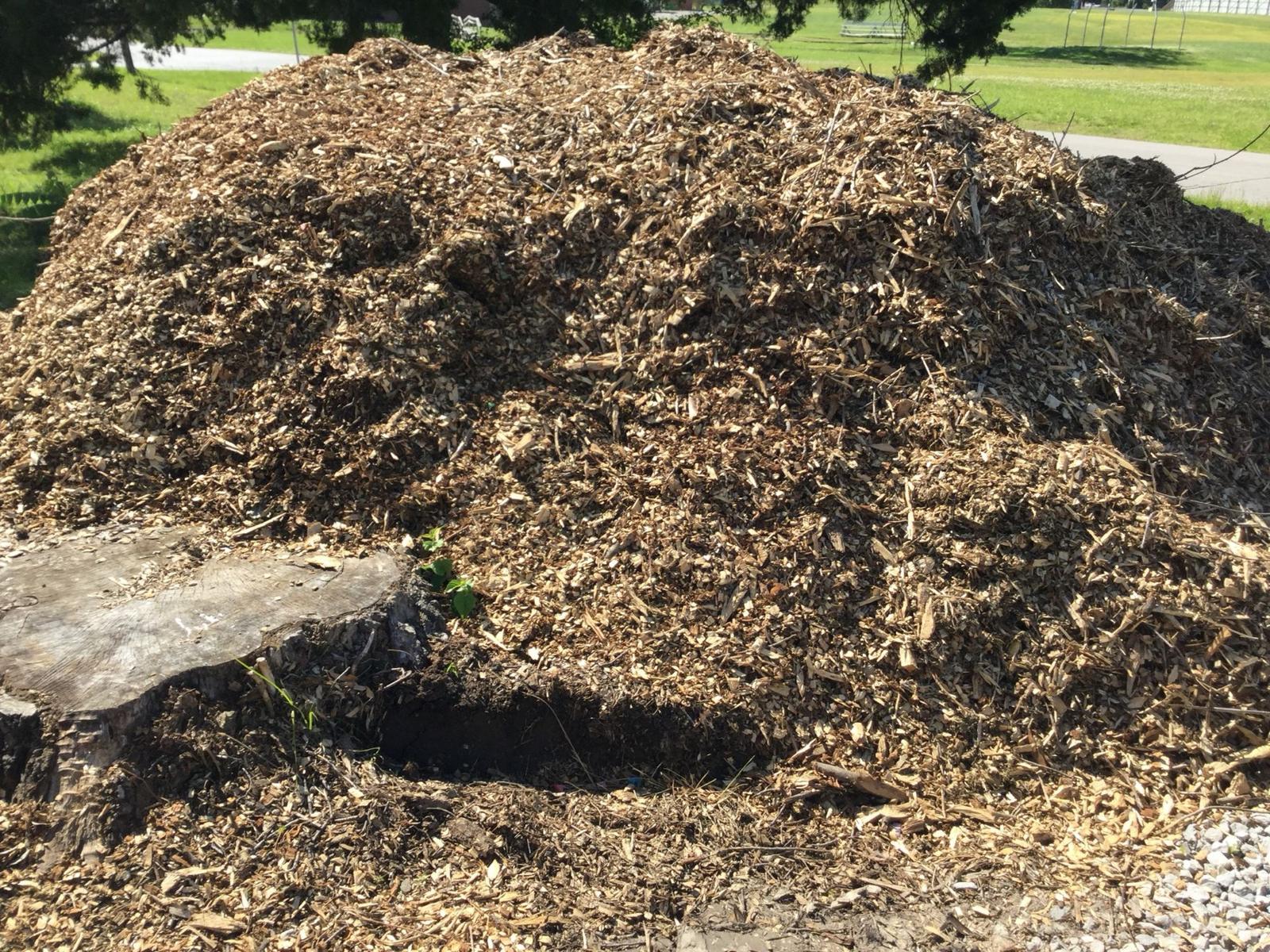
| Wood chips | 4 in over 1,000 sq ft ≈ 12.3 cu yd; 8 in ≈ 24.7 cu yd | Arborist chips or shredded bark. Coarse is better than fine |
| Compost (optional) | A thin layer, about ½ inch | Speeds breakdown of the dead sod |
| Cardboard (optional) | Enough to cover the area with 8-inch overlaps | Plain brown corrugated. No glossy print, tape or staples |
| Edging | Linear feet of the bed perimeter | Steel, aluminum or a spade-cut trench |
| Hose and sprinkler or wand | For soaking every layer |
The cubic-yard numbers are simple math: square feet × depth in inches ÷ 12 ÷ 27. For odd shapes, or to compare bags with bulk, use the calculator below.
Step 1: Get approval and take "before" photos
If a rebate is on the table, apply and wait for written approval before you touch the grass. Photograph the living lawn from several angles either way. It's the only record of what was there.
Step 2: Mark the area and edge it
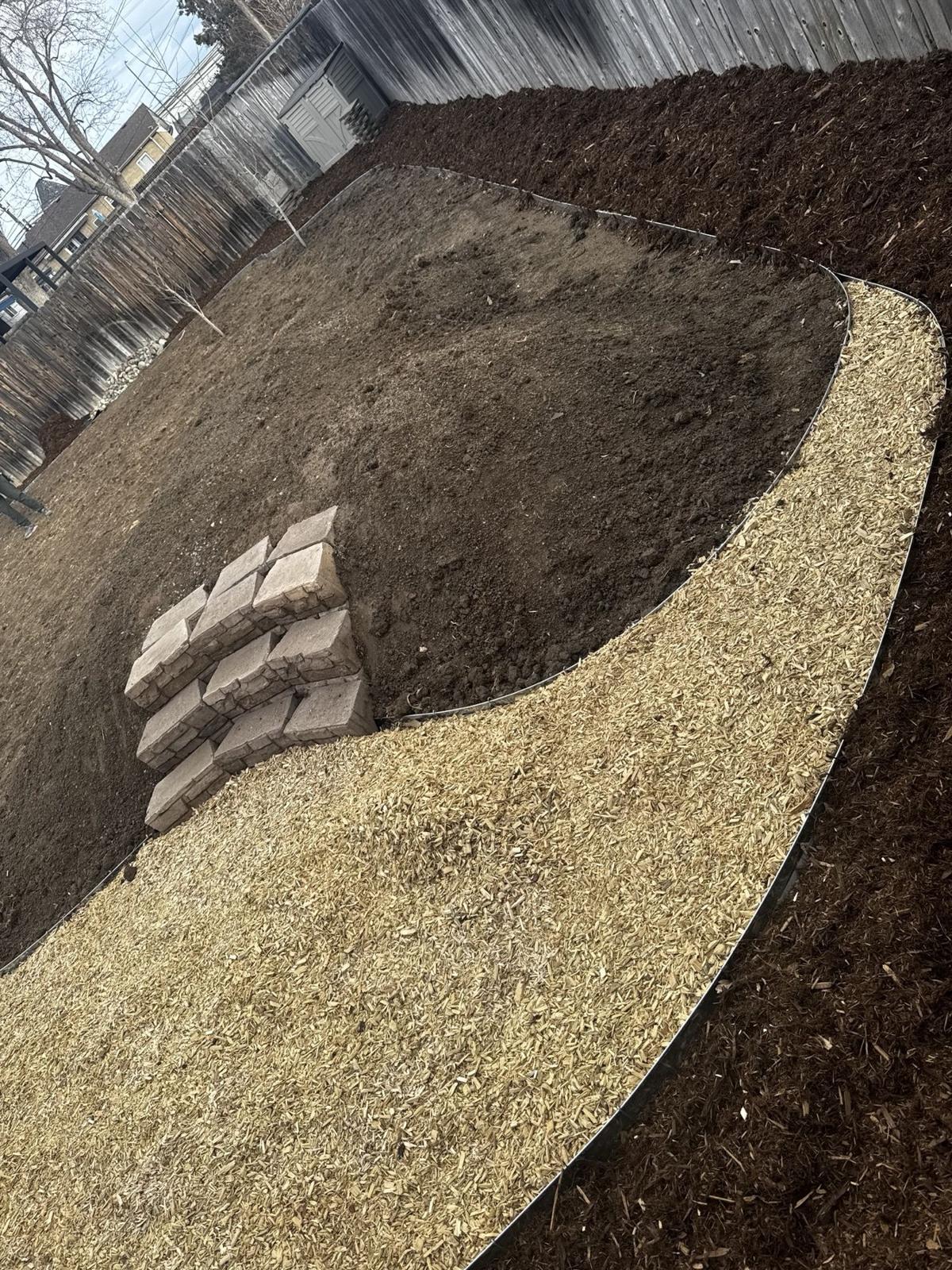
Paint or rope out the new bed lines. Then cut a clean edge. A spade-cut trench 4–6 inches deep, or steel edging, stops the surrounding lawn from creeping back under the mulch. Along sidewalks and driveways, scrape the grass back to the concrete. Runners hide in that gap.
Step 3: Scalp the lawn and pull the tough weeds
Mow as short as the mower will go. CSU's instruction is to scalp the grass as short as possible. Leave the clippings. Dig out bindweed, thistle and any bermudagrass patches now, getting as much root as you can, because the mulch won't finish them off.
Step 4: Water the ground deeply
Soak the scalped lawn the day before you mulch. Moist soil keeps soil life active under the cover, and that's what decomposes the sod. Dry soil under cardboard just sits there.
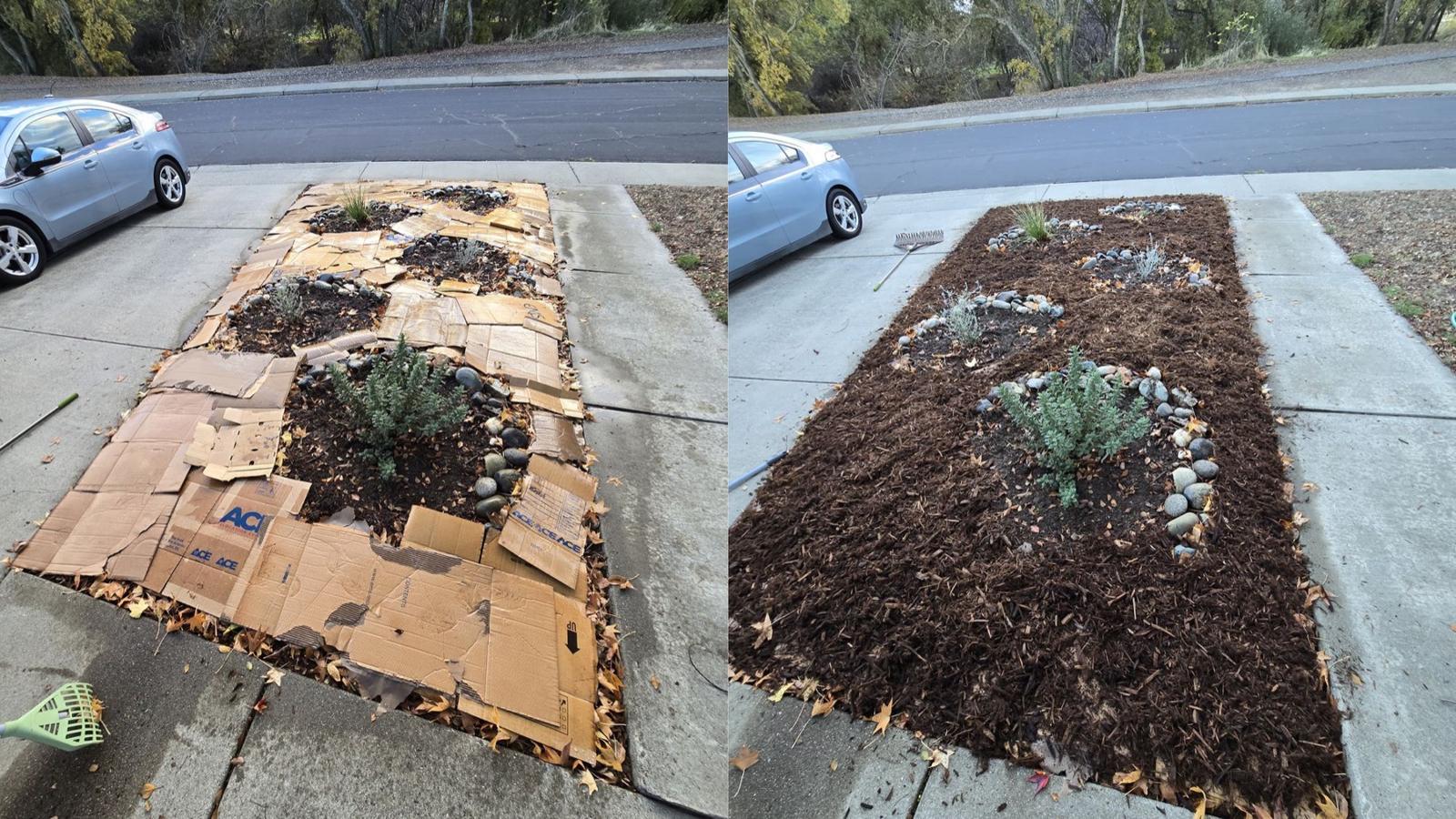
Step 5: Lay the cardboard, if you're using it
Overlap the edges by at least 8 inches, as Oregon State recommends, so no light gets through the seams. Run it right up to the edging and around sprinkler heads you plan to cap or convert. Soak it until it's limp. Wet cardboard molds to the ground and stops lifting in the wind.
Skipping cardboard? Go straight to Step 6 and use the deeper mulch rate.
Step 6: Add compost and bury it in wood chips
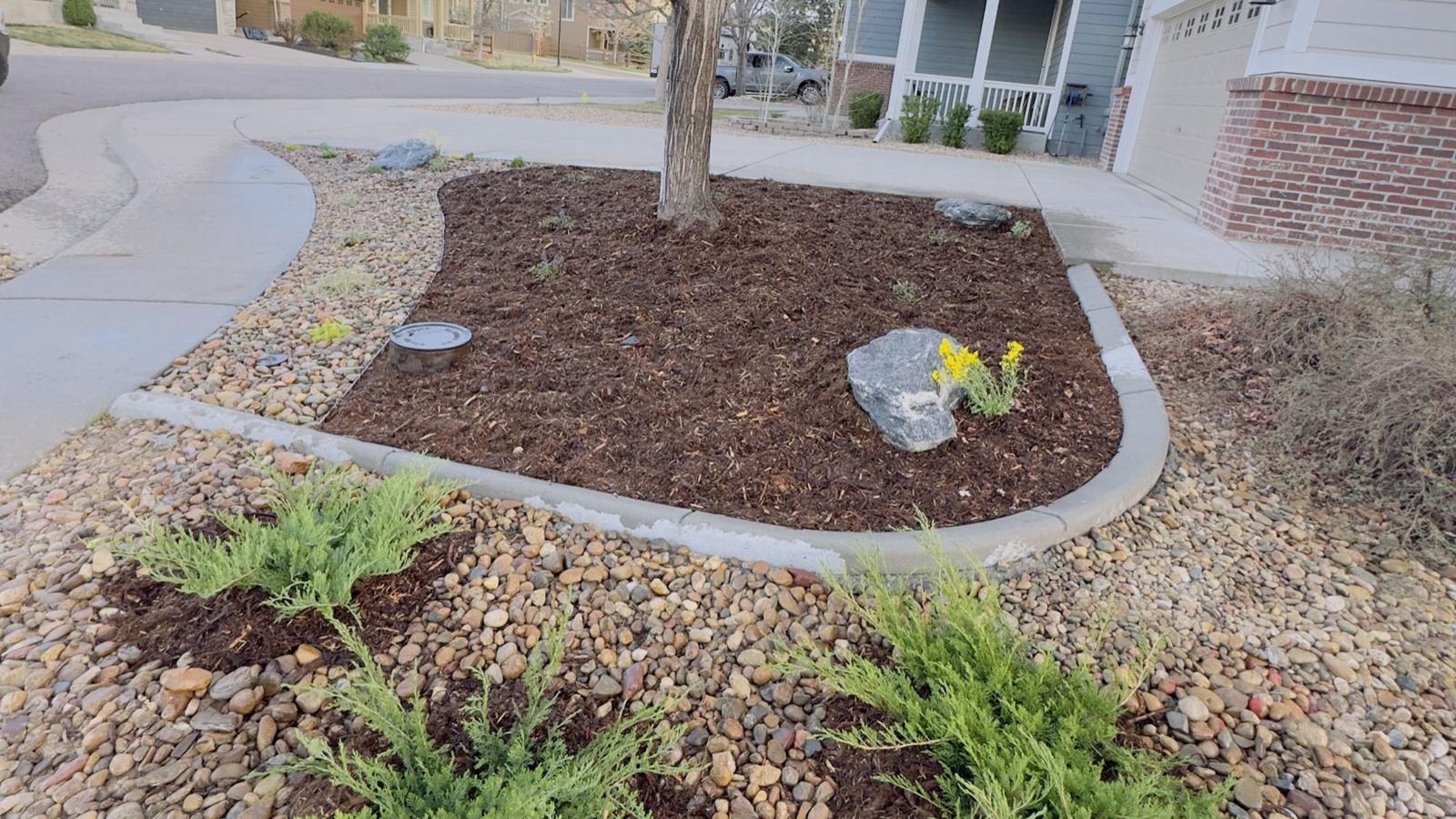
Spread a thin layer of compost if you have it. Then add wood chips at 4 inches over cardboard, or 8–12 inches with no cardboard, following CSU's guidance. Water the chips well. Keep chips a few inches back from tree trunks. Our guide to gravel vs. wood mulch explains why wood belongs over future planting beds.
Step 7: Wait, water and patrol the edges
Check every few weeks:
- Grass poking through? Add mulch on that spot, or pull it and re-cover it.
- Mulch dry and fluffy? Water it during long dry spells so decomposition keeps going.
- Runners at the edges? Trim them back at the edging line.
CSU is clear that this takes a season or more and may not kill every blade. Plan on spot-fixing.
Step 8: Plant through the mulch
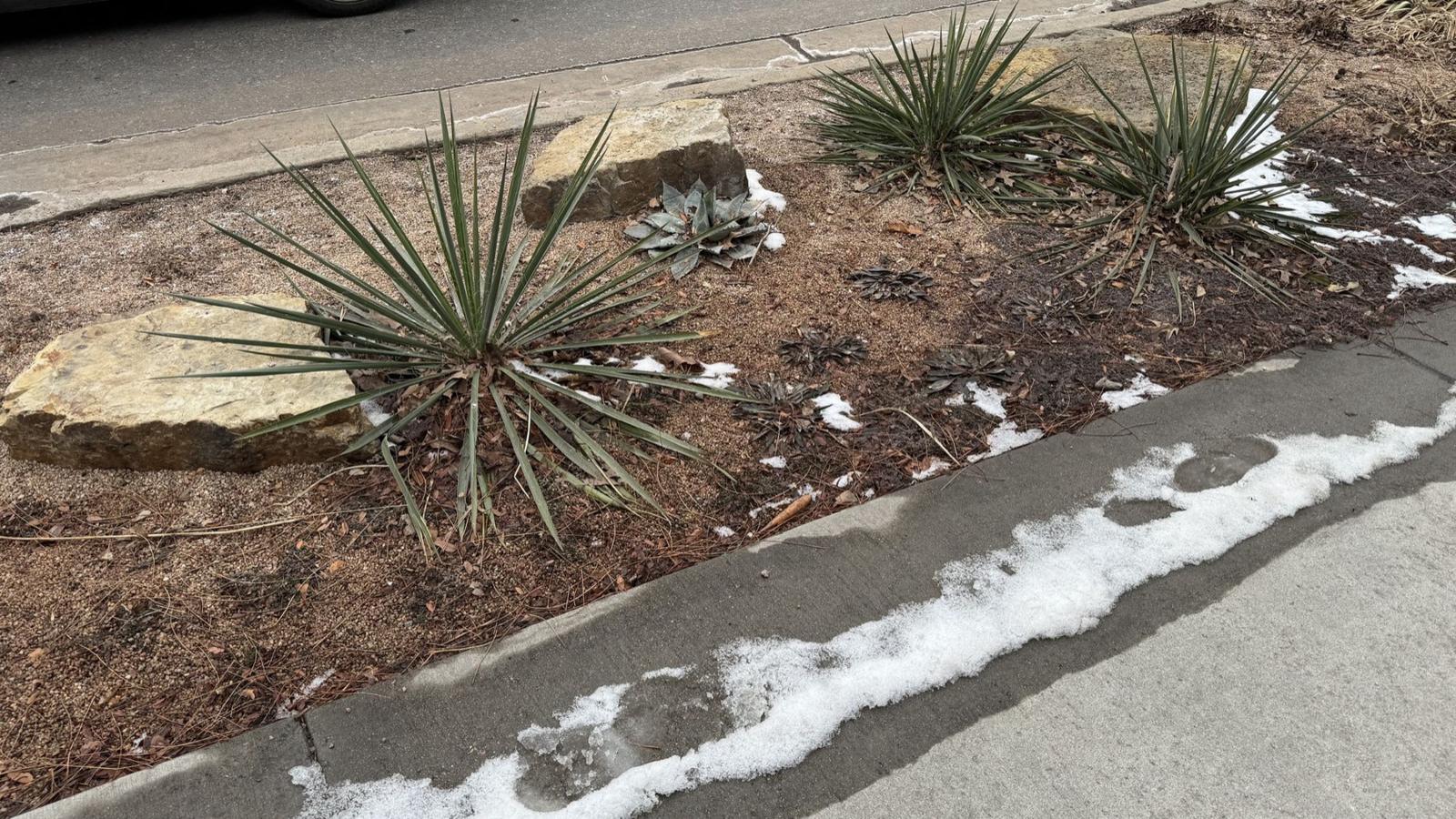
When you pull back the chips and find dead, crumbly thatch instead of green crowns, you're ready. Rake the chips aside at each planting spot, cut an X through any remaining cardboard, plant at grade in the native soil, and pull the chips back, leaving a small gap around each crown. For plants that want dry crowns, like claret cup cactus, hens-and-chicks and Havard agave, clear a wider circle and top-dress with gravel instead. Then run drip irrigation on top of the soil, under the mulch.
What if the finished yard is gravel, not wood?
Sheet mulching leaves you with wood chips on top, which suits perennial and shrub beds. If part of your plan is a gravel garden or a decomposed-granite path, smother that area too. Once the grass is dead, rake the partly broken-down chips off and move them to the planted beds before installing gravel. Laying rock directly over a thick layer of rotting wood gives you a lumpy, weed-friendly surface.
When another method makes more sense
If you need the ground ready in weeks, not months, sod cutting or a summer solarization run is faster. Oregon State Extension notes that clear plastic in summer can kill turfgrass in two to three weeks, and UC IPM recommends 4–6 weeks of solarization in the hottest part of summer for weed control. Even solarization gives inconsistent control of nutsedge, rhizome-grown field bindweed and some clovers. No chemical-free method is a sure thing on the worst perennial weeds.
From our installs
On Front Range bluegrass lawns, Xeris Landscaping (Xeris Landscaping is owned by Xeriscaping.com's founder.) finds that smothering kills the middle of the lawn reliably. The grass that survives almost always comes in from the edges: under the sidewalk, through a gap in the edging, or from the neighbor's lawn. That's why we cut or edge the perimeter before mulching, and why we walk the edges every few weeks afterward. On heavy clay we'd rather smother than strip sod, because stripping takes the best few inches of topsoil with it. Rebate-funded jobs are the exception. When there's a program deadline, the sod cutter usually wins.
Frequently asked questions
How long does sheet mulching take to kill grass?
Plan on a season or more. CSU Extension says the wood-chip method takes a season or longer and may not kill every blade, and Oregon State's layered approach takes about six months before planting. Starting in fall and planting in spring is the most common schedule.
Do I need cardboard to sheet mulch a lawn?
No. Cardboard lets you use a thinner mulch layer, around 4 inches. CSU Extension recommends skipping it and using 8–12 inches of wood chips, because cardboard slows the process and temporarily reduces soil microbial activity.
Can I plant right away through cardboard?
You can. Cut an X in the cardboard, plant into the soil below, and mulch around the plant, as in the photo at the top of this article. The surrounding grass still has to die, so expect some regrowth near new plants and pull it as it appears.
Will sheet mulching kill bermudagrass?
Not reliably. UC IPM says bermudagrass pushes through wood chip mulch, and its rhizomes can run deeper than 6 inches in loose or sandy soil. Clear-plastic solarization in peak summer, or repeated digging, works better.
Does sheet mulching qualify for turf rebates?
Sometimes. Many programs accept any method, including smothering, as long as you're approved before you start and finish within the program window. Some ban herbicides, which makes sheet mulching a good fit. Check your program's rules and timeline before you begin.